The best gravel rides around Pozzo D'Adda
4.3
(403)
3,080
riders
87
rides
Gravel biking around Pozzo D'Adda offers a network of trails primarily following the Adda River and its associated canals. The terrain is generally flat with minor elevation changes, characterized by riverside paths, agricultural landscapes, and some wooded sections. The region provides accessible gravel bike trails suitable for various skill levels, with routes often utilizing towpaths and unpaved roads alongside waterways.
Best gravel bike trails around Pozzo D'Adda
- The most popular gravel bike trail is Adda River – Vacchelli Canal entrance…
Last updated: November 8, 2026
4.4
(30)
190
riders
53.1km
03:14
320m
320m
Moderate gravel ride. Good fitness required. Mostly paved surfaces.
4.6
(12)
84
riders
67.3km
04:21
150m
150m
Moderate gravel ride. Good fitness required. Mostly paved surfaces.

4.2
(13)
66
riders
Easy gravel ride. Mostly paved surfaces.
4.0
(1)
10
riders
48.1km
02:44
150m
140m
Moderate gravel ride. Good fitness required. Mostly paved surfaces.
3.9
(7)
30
riders
Easy gravel ride. Mostly paved surfaces.
Get access to more routes and recommendations from other explorers.
Already have an account?
Our route recommendations are based on thousands of hikes, rides, and runs completed by other people on komoot.
Start today with a free account
Your next adventure awaits.
Tips from the Community

The Naviglio della Martesana, also known as Naviglio Piccolo (in Lombard Navili de la Martesana or Naviliett), is one of the Milanese canals that connects Milan with the Adda river, from which it receives water at Concesa, just downstream from Trezzo sull'Adda. It was named Martesana, after the county it would cross, by Francesco Sforza in 1457, even before construction work began in 1460.
0
0

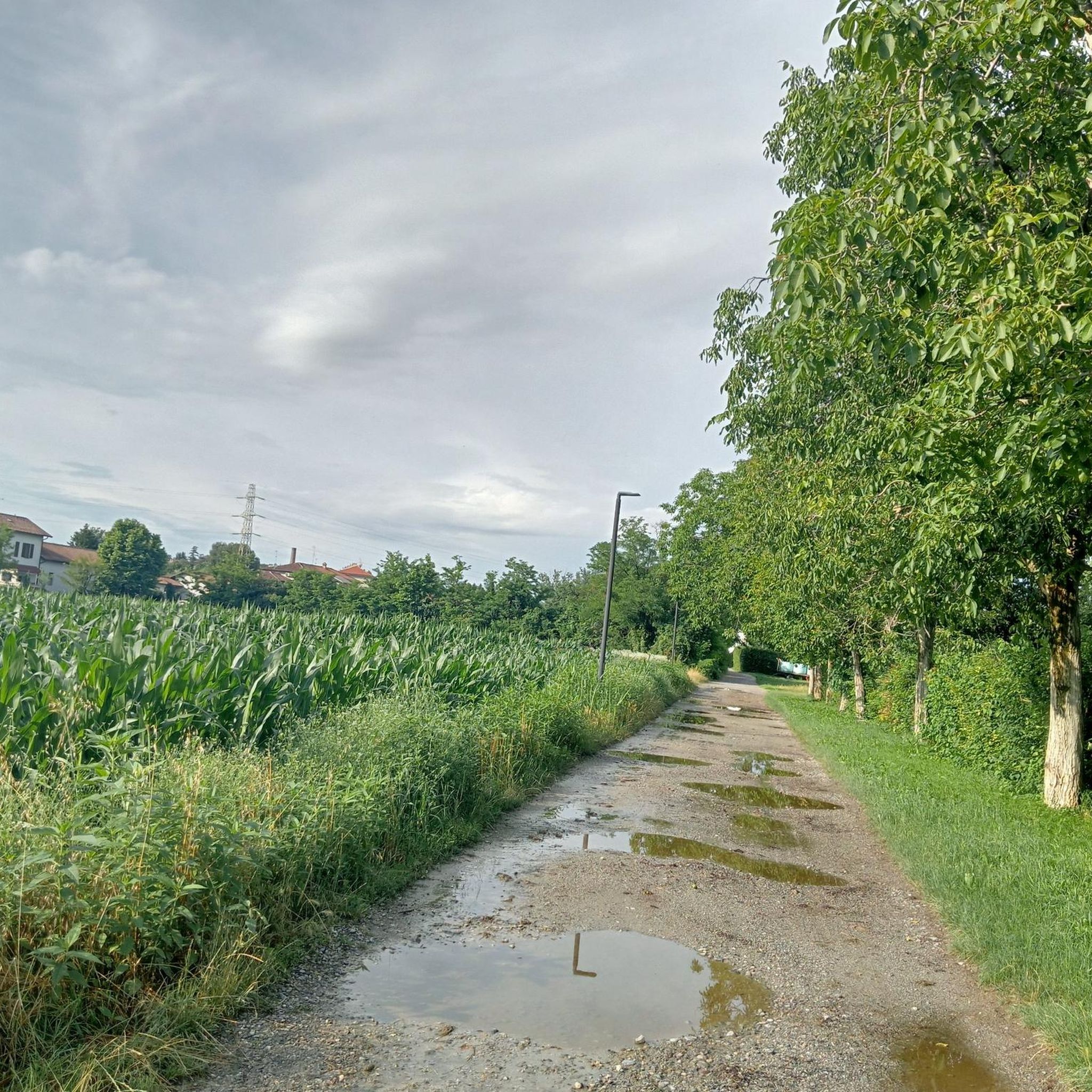
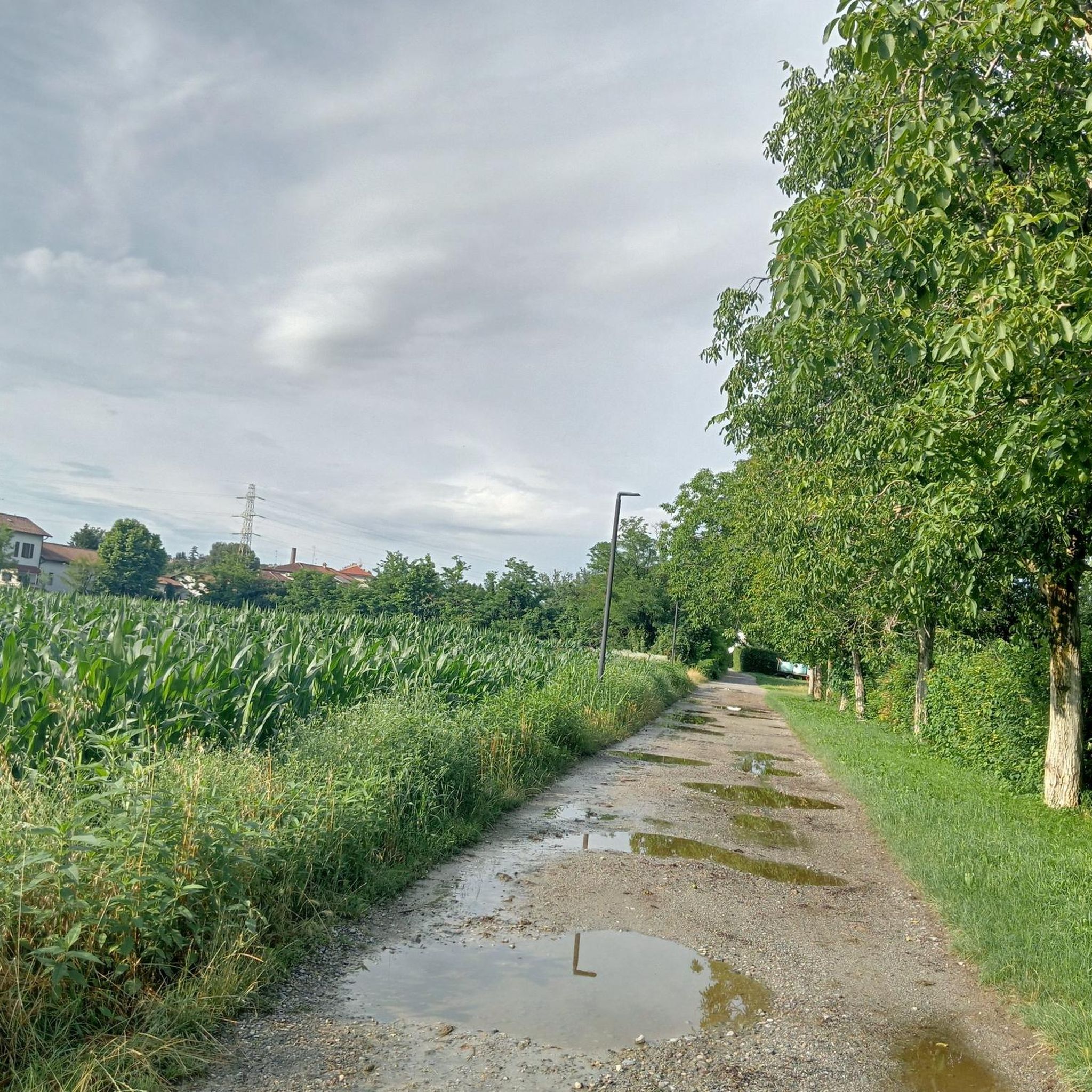
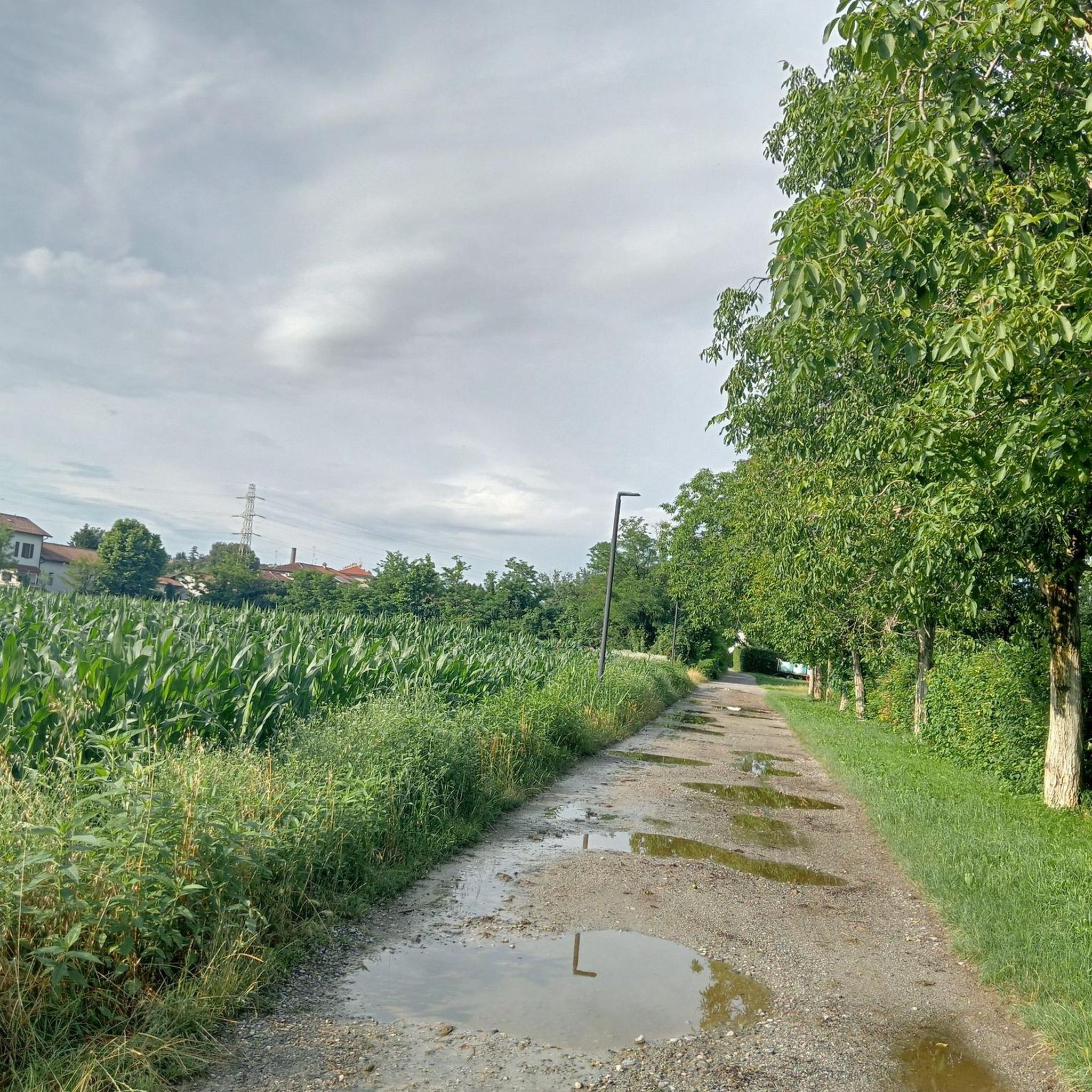
Trails and single tracks on the way there, immersed in nature.
0
0

Confine prov. Milano and Bergamo
1
0

The geometric layout and architectural hierarchy of the town reflect the organization of the factory itself: Il Cotonificio: imposing complex in Lombard Romanesque style with its iconic saw-tooth roofed sheds. Worker houses: semi-detached houses surrounded by a garden and a vegetable patch to ensure the sustenance and hygiene of the working family. Managers' villas: eclectic and stately homes, located in isolated areas and surrounded by greenery. Villa-Castello: the sumptuous feudal summer residence of the Crespi family in neo-Gothic style. Cemetery and Mausoleum: a monumental cemetery dominated by the enormous pyramid of the Crespi family, which seems to symbolically embrace the workers' tombs arranged in orderly rows. Collective services: the school (where everything was provided free of charge by the company), the church (exact copy of the Sanctuary of Busto Arsizio), the public washhouse, the hospital, and the workers' club.
0
0

Any trail that winds through its vicinity is wonderful, a shame about the interruption between Zelo and Galgagnano of the path due to the hunting area, incidentally a beautiful place part of the ADDA sud Park but inexplicably in the hands of one or more private individuals who have made it their "hunting park" by fencing it all in. I happened to get inside by mistake, finding one of the numerous open gates and could no longer get out, finding the others closed, receiving a couple of shots in the air behind my back to make me understand that I was not welcome! A real shame because it interrupts the descent from Zelo towards Lodi along the Adda. Beyond the "hunting park" I believe that the passage along the river (state-owned area!!) SHOULD always be guaranteed without any ifs or buts!
2
0
The industrial village of Crespi d'Adda, located in the municipality of Capriate San Gervasio (Bergamo), is the best-preserved workers' village in Southern Europe. Founded in 1878 by the textile entrepreneur Cristoforo Benigno Crespi, it represents an exceptional example of an ideal "company town" and, since 1995, has been included in the UNESCO World Heritage List. Unlike many industrial archaeology sites, Crespi d'Adda is a living and still inhabited site, mainly by the descendants of the original workers.
3
0
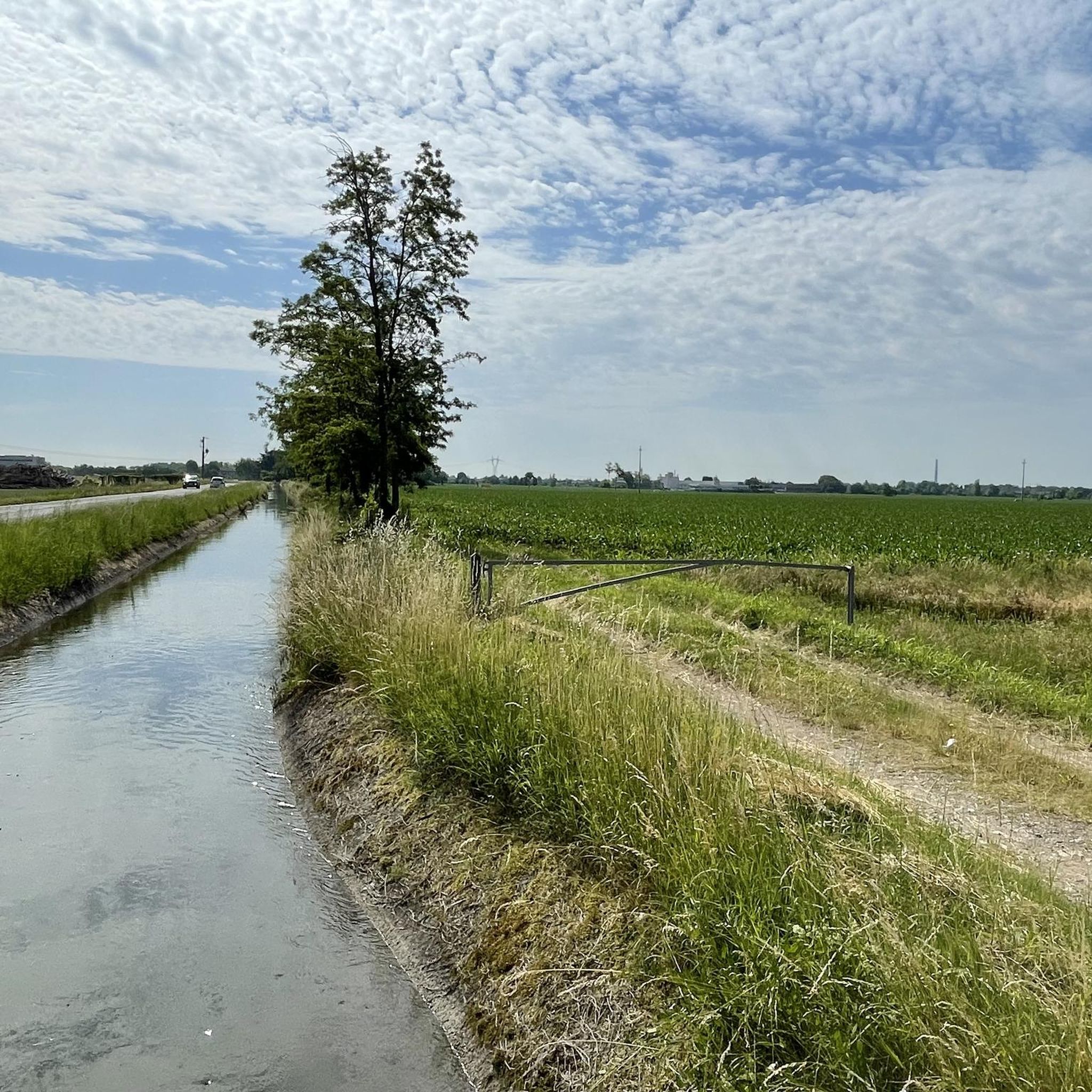
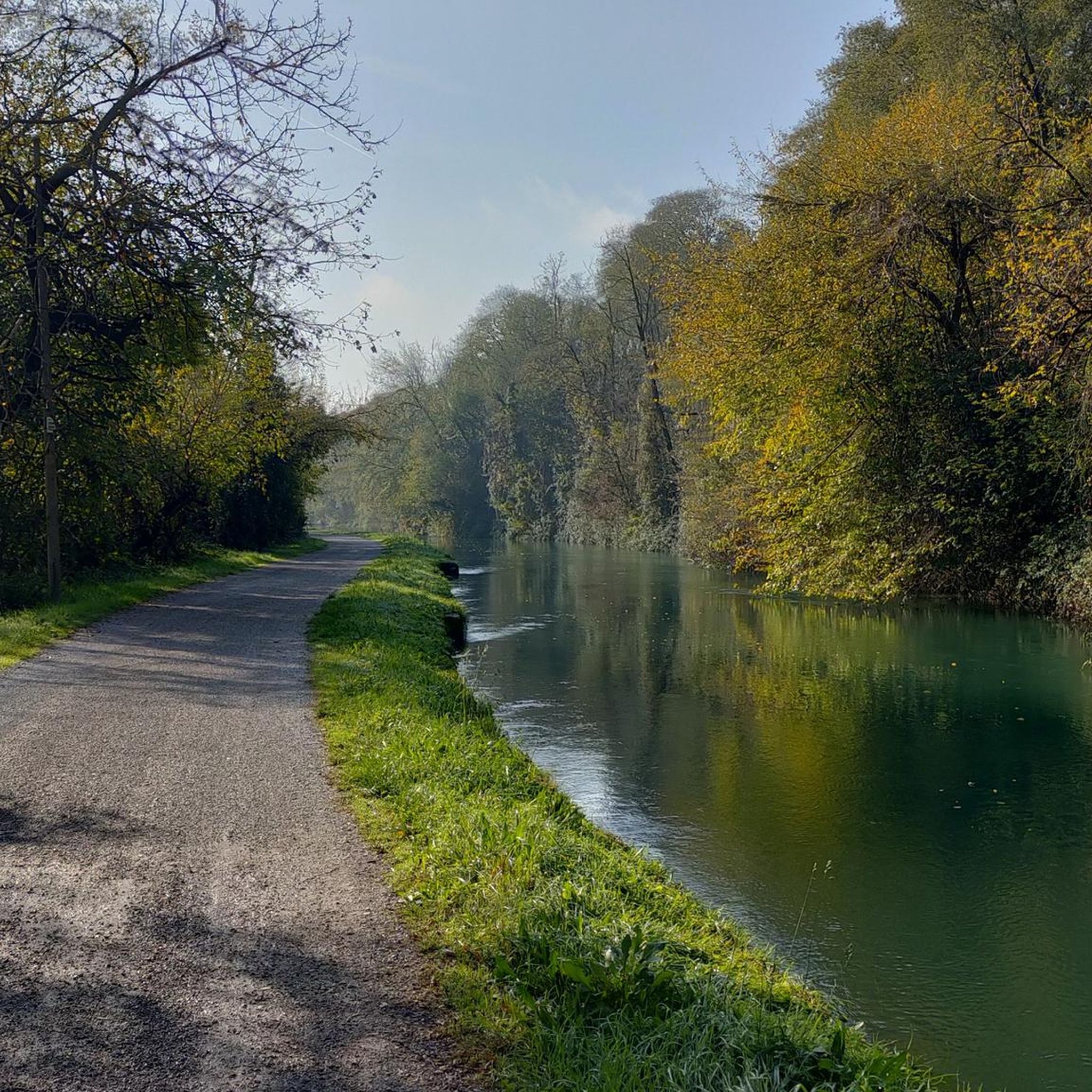
The Adda River is the fourth longest watercourse in Italy with its 313 kilometers and is entirely within the Lombardy region. It represents one of the main left tributaries of the Po River and has a very large hydrographic basin that covers about a third of the regional territory
1
0

Beautiful walkway; you can push your bike and enjoy a truly breathtaking view of the Adda River. It's very busy on Sundays.
0
0
Frequently Asked Questions
How many gravel bike trails are available around Pozzo D'Adda?
There are over 100 gravel bike trails in the Pozzo D'Adda region, offering a wide range of options for different skill levels. The komoot community has explored more than 100 routes, with 17 classified as easy, 51 as moderate, and 40 as difficult.
Are there easy gravel bike routes suitable for beginners or families?
Yes, the region offers several easy gravel bike routes perfect for beginners and families. The terrain is generally flat, following the Adda River and its canals. A good option is the Groppello Water Wheel – Old Bridge of Brembate loop from Cassano d'Adda, which is rated as easy and covers about 27 km.
What kind of terrain can I expect on gravel bike trails near Pozzo D'Adda?
Gravel biking around Pozzo D'Adda is characterized by primarily flat terrain with minor elevation changes. You'll mostly encounter riverside paths, canal towpaths, agricultural tracks, and some wooded sections. The routes often utilize unpaved roads alongside waterways, making for a smooth gravel experience.
Are there any advanced gravel trails for experienced riders?
Yes, for more experienced riders, there are several challenging routes. Approximately 40 trails in the area are classified as difficult. These routes might feature longer distances or slightly more varied terrain, though the region is generally flat. An example is the Esterle Hydroelectric Power Station – Robbiate Dam loop from Capriate San Gervasio, which is nearly 50 km long and rated difficult.
What are some interesting landmarks or attractions to see along the gravel bike routes?
Many routes follow the Adda River, offering views of historical and natural sites. You can pass by the The Rudun Water Wheel, Groppello d'Adda, or the impressive Carlo Esterle Hydroelectric Power Plant. Further along the river, you might spot the Taccani Hydroelectric Power Plant and Trezzo Castle Tower. For nature lovers, the Pignone Park and Waterfall on the Adda River is a beautiful spot.
Are there circular gravel bike routes available?
Yes, many of the gravel bike routes around Pozzo D'Adda are designed as loops, allowing you to start and finish at the same point. For instance, the Vacchelli Canal entrance – Adda River loop from Canonica d'Adda is a popular circular route covering over 52 km, offering a mix of canal-side and river-side sections.
What is the best time of year for gravel biking in Pozzo D'Adda?
The best time for gravel biking in Pozzo D'Adda is typically during spring and autumn when the weather is mild and pleasant. Summer can also be enjoyable, especially in the mornings or late afternoons, though it can get warm. Winter cycling is possible, but some paths might be muddy or require appropriate gear.
Are the gravel bike trails in Pozzo D'Adda suitable for dogs?
Many of the riverside and canal towpaths are generally dog-friendly, especially if your dog is well-behaved and on a leash. However, always be mindful of other trail users, local regulations, and agricultural areas. Ensure your dog is comfortable with longer distances if you plan to tackle the longer routes.
What do other gravel bikers enjoy most about the trails in Pozzo D'Adda?
The gravel biking experience around Pozzo D'Adda is highly rated by the komoot community, with an average score of 4.4 stars. Reviewers often praise the peaceful riverside scenery, the well-maintained towpaths, and the accessibility of routes that cater to various skill levels. The flat terrain and connection to nature are frequently highlighted.
Are there any viewpoints or scenic spots along the gravel routes?
The routes along the Adda River and its canals offer numerous scenic spots, particularly where the river widens or passes through natural parks. The Pignone Park and Waterfall on the Adda River provides a beautiful natural viewpoint. Additionally, sections near the hydroelectric power plants offer unique industrial-historical vistas.
Is public transport available to reach the starting points of these gravel trails?
Pozzo D'Adda and surrounding towns are generally accessible by local public transport, including buses and regional trains, which can help you reach various starting points for the gravel trails. It's advisable to check specific routes and schedules for bike carriage policies on public transport before planning your trip.
Where can I find parking for gravel biking near Pozzo D'Adda?
Parking is typically available in the towns and villages along the Adda River, such as Gessate, Canonica d'Adda, and Cassano d'Adda. Many routes start from these locations, offering convenient access to public parking areas. Look for designated parking near parks or town centers, especially close to river access points.
Most popular routes around Pozzo D'Adda
Most popular attractions around Pozzo D'Adda

Get inspired with the komoot mobile app


Explore more
Browse the best Gravel rides in other regions.
