The best gravel rides around Settimo Milanese
4.3
(465)
3,256
riders
105
rides
Gravel biking around Settimo Milanese is characterized by its flat to gently rolling terrain, featuring a network of historic canals and expansive agricultural parks. The region offers a blend of dedicated cycle paths, asphalt roads, and light gravel or dirt tracks. Key natural features include the Villoresi Canal and Naviglio Grande, both providing scenic routes away from traffic. The area also encompasses parts of the Parco Agricolo Sud Milano, an extensive agricultural park with cultivated fields and historic farmsteads.
Best…
Last updated: November 5, 2026
4.2
(12)
50
riders
54.2km
03:22
80m
80m
Moderate gravel ride. Good fitness required. Mostly paved surfaces.
4.5
(11)
59
riders
49.8km
02:43
150m
150m
Moderate gravel ride. Good fitness required. Mostly paved surfaces.

3.0
(3)
38
riders
76.7km
04:52
160m
160m
Moderate gravel ride. Good fitness required. Mostly paved surfaces.
4.5
(25)
29
riders
Moderate gravel ride. Good fitness required. Mostly paved surfaces.
3.3
(6)
28
riders
49.2km
02:28
100m
100m
Moderate gravel ride. Good fitness required. Mostly paved surfaces.
Get access to more routes and recommendations from other explorers.
Already have an account?
Our route recommendations are based on thousands of hikes, rides, and runs completed by other people on komoot.
Start today with a free account
Your next adventure awaits.

Tips from the Community

The Parco delle Groane e della Brughiera Briantea is an immense protected natural area in Lombardy that extends for about 8,249 hectares in the upper Lombardy plain, touching 28 or 29 municipalities distributed among the provinces of Milan, Como, and Monza and Brianza. [1, 2, 3, 4] Originally established in 1976, the park has doubled its surface area in recent years thanks to the incorporation of the PLIS della Brughiera Briantea and the Fontana del Guercio Nature Reserve. The term "groane" derives from the local historical name for heathlands, which here represent one of the southernmost heathlands in Europe.
0
0
The Villoresi Canal towpath connects Arese and the nearby municipalities via cycle paths and service roads, offering a convenient cycle-pedestrian route along the artificial canal that connects the Ticino and Adda rivers.
0
0
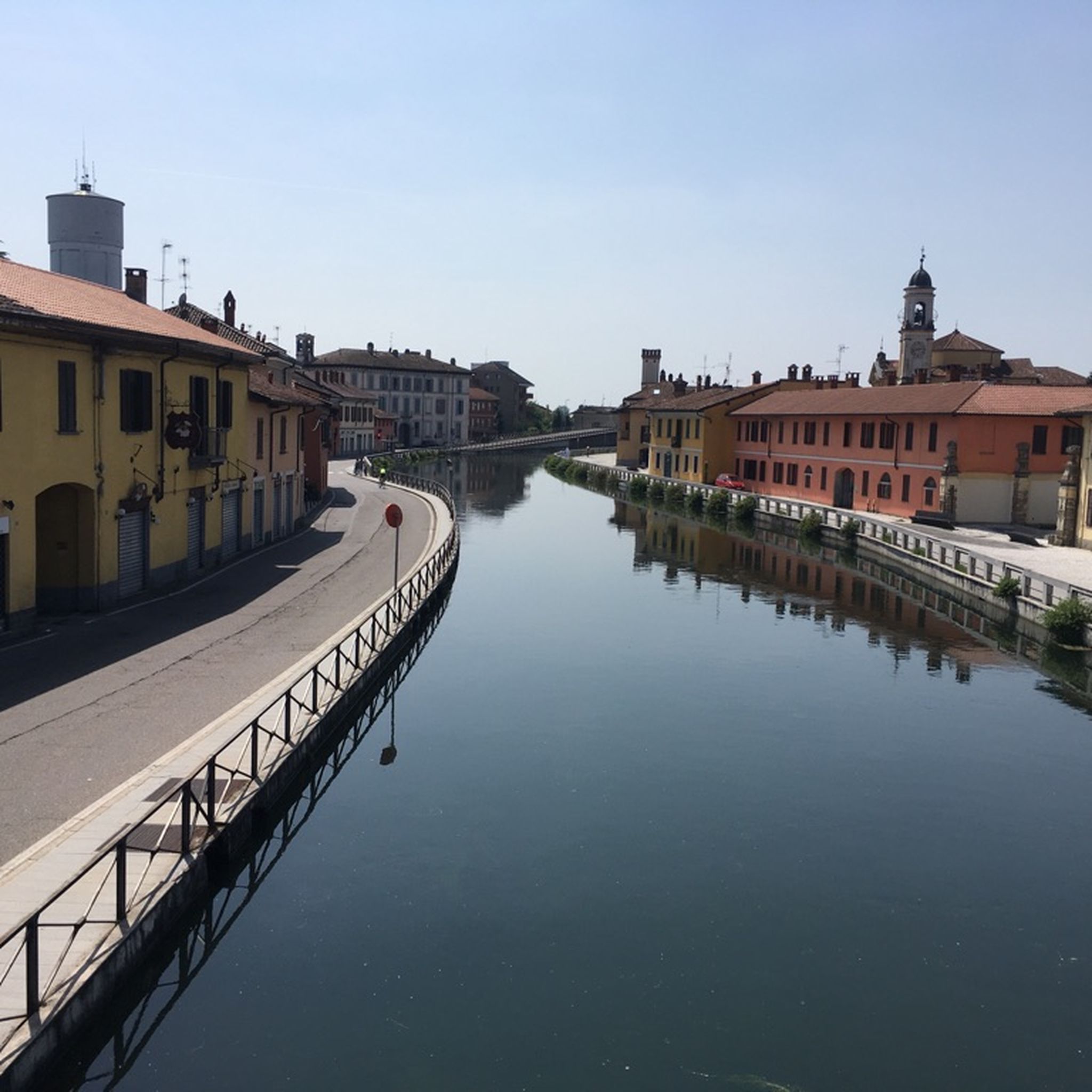
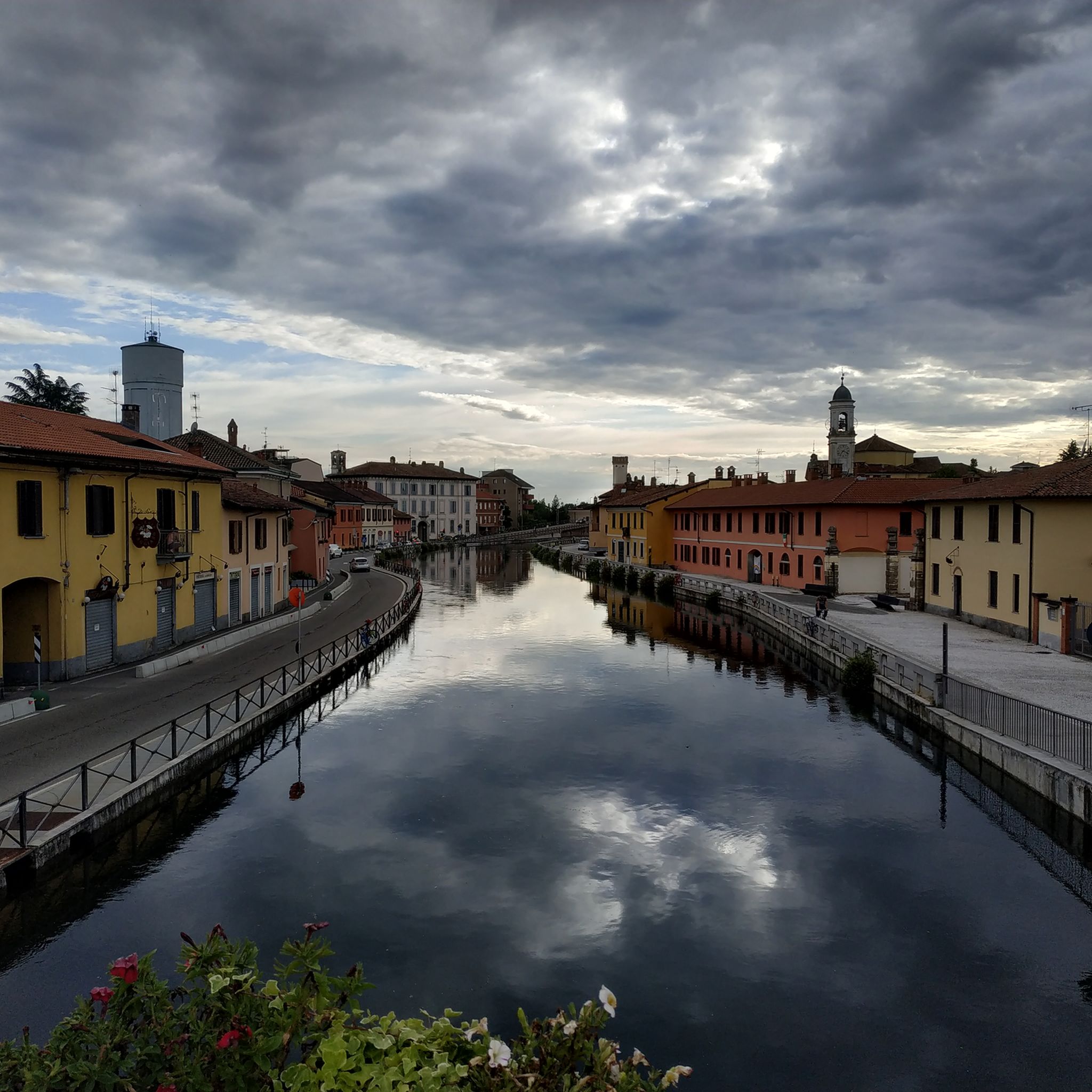
The Bridge of Cassinetta di Lugagnano is one of the most characteristic and historically significant monuments located along the Naviglio Grande, in the metropolitan city of Milan. Originally built of granite, the structure dates back to the 17th century, erected during the Spanish rule of the Duchy of Milan to connect the two historic centers divided by the canal. The bridge historically unites Lugagnano (on the right bank, of Roman origin) and Cassinetta (on the left bank, of medieval design). The bridge was completely rebuilt in a donkey-back shape in May 1862. This intervention became necessary both to repair the damage from the wars of independence (such as the nearby Battle of Magenta in 1859) and to facilitate the transit of commercial barges on the Naviglio.
0
0
The Villoresi canal draws water from the Ticino river, in the locality of Panperduto, in the municipality of Somma Lombardo. After traveling 86 kilometers, in the provinces of Milan and Monza Brianza, it flows into the Adda river in the municipality of Cassano d’Adda. Construction work began in 1881 and was completed in 1891 to a design by Eugenio Villoresi. Originally intended exclusively for irrigation purposes, following the crisis of crops connected with silk production, the canal now allows water distribution in a plain area of approximately 85,000 hectares, through a network that totals about 3,000 kilometers. The paths, free of difficulties, accessible to everyone and certainly of interest, are part of the investments made to enhance the towpaths of the waterways, and should also be considered a fast connection route between the various Municipalities bordering the canal.
1
0

The Villa Visconti Borromeo Arese Litta, located in Lainate (on the outskirts of Milan), is one of the most famous and spectacular "delight villas" in Northern Italy. Conceived at the end of the 16th century by Count Pirro I Visconti Borromeo, the residence is universally famous for its extraordinary Nymphaeum with water features, a masterpiece of hydraulic engineering and artistic decoration unique in Europe, designed to amaze, refresh, and entertain the nobles of the time.
0
0
The Archinto Palace (known as "The Castle") and the Naviglio Grande represent one of the most evocative and emblematic corners of the Parco Agricolo Sud Milano.
0
0

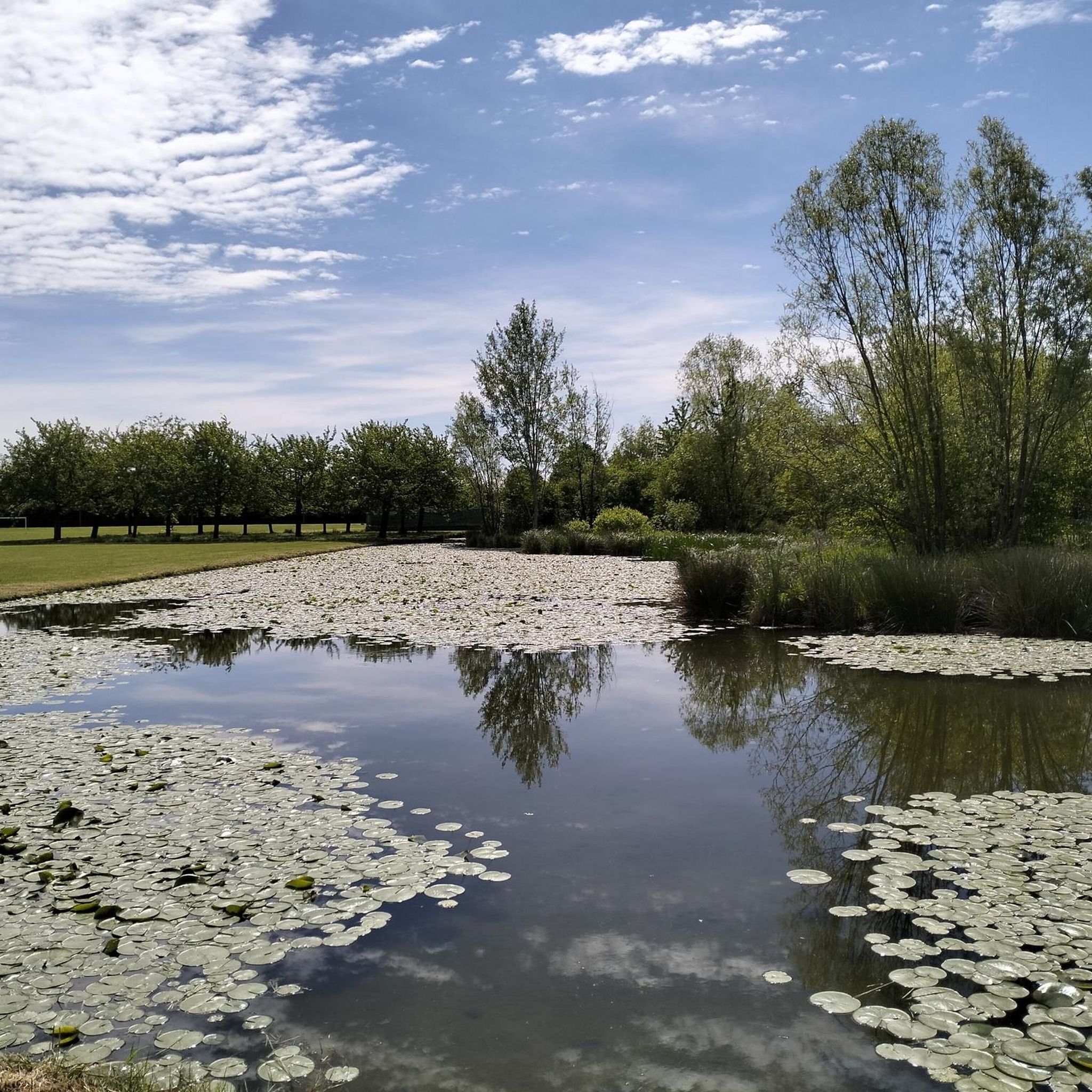
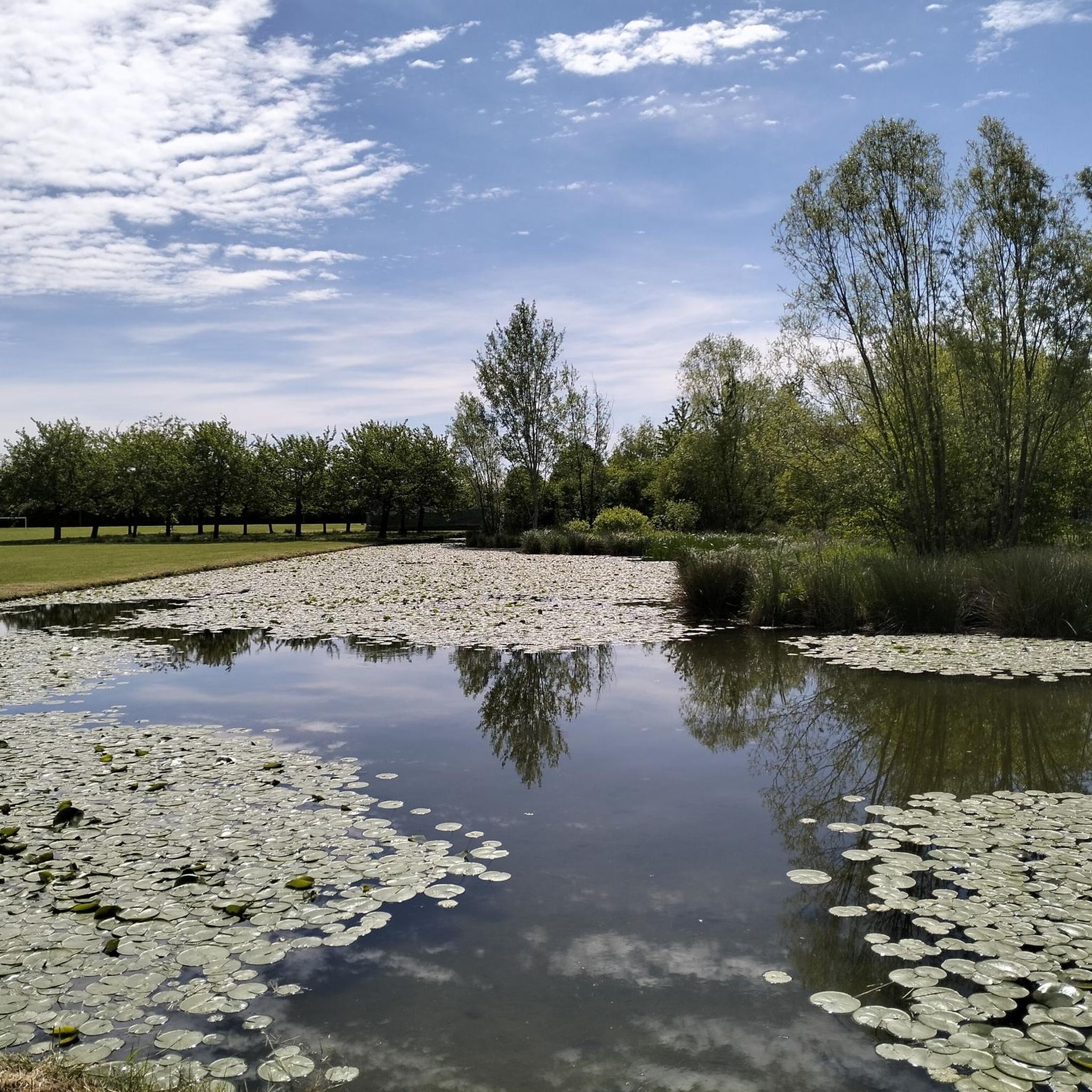
always very fun to cycle on these dirt roads!!
2
0
Just be careful about the distances: the Canale Villoresi cycle path, which runs alongside the canal, is 85 kilometers long. It begins near the town of Somma Lombardo and ends near Cassano d'Adda, so unless you're very fit, we recommend doing it in stages! Along the way, the path has short sections where it merges with city streets.
0
0
Frequently Asked Questions
How many gravel bike trails are available around Settimo Milanese?
There are over 170 gravel bike trails around Settimo Milanese, offering a wide range of options for different skill levels and preferences. This extensive network allows you to explore the region's unique blend of historic canals and agricultural landscapes.
What kind of terrain can I expect on gravel bike trails in Settimo Milanese?
The terrain around Settimo Milanese is quite varied, making it ideal for gravel biking. You'll encounter a mix of dedicated cycle paths, smooth asphalt roads, and light gravel or dirt tracks. Many routes follow the historic Villoresi Canal and Naviglio Grande, providing scenic, traffic-free sections through agricultural areas and green spaces.
Are there easy gravel routes suitable for beginners or families?
Yes, Settimo Milanese offers a good selection of easy gravel routes perfect for beginners or family outings. There are 24 routes specifically categorized as easy, often following flat paths along the canals or through the Parco Agricolo Sud Milano. These routes provide a gentle introduction to gravel biking in the region.
What do other gravel bikers enjoy most about the trails in Settimo Milanese?
The komoot community highly rates the gravel biking experience in Settimo Milanese, with an average score of 4.5 stars from over 400 reviews. Riders often praise the serene canal paths, the diverse agricultural landscapes of the Parco Agricolo Sud Milano, and the well-maintained mixed terrain that offers engaging rides away from city traffic.
Are there any circular gravel routes in the area?
Yes, many of the gravel routes around Settimo Milanese are designed as loops, allowing you to start and end at the same point. For example, the Olona Diversion Canal – Cisliano–Cusago cycle path loop from Pero is a popular moderate circular trail that follows historic canal paths and cycleways.
What are some interesting landmarks or attractions I can see along the gravel routes?
While riding, you can encounter several interesting sights. Many routes pass by the historic Naviglio Grande and the Villoresi Canal, which are attractions in themselves. You might also spot the Gaggiano Bridge or explore parts of the extensive Parco Agricolo Sud Milano with its traditional farmsteads. For a more urban landmark, the Galleria Vittorio Emanuele II is accessible if you venture closer to Milan.
Are there any routes that explore the area around the Panperduto Dam?
Yes, for those seeking a longer and more challenging ride, the Panperduto Dam – Panperduto Dam loop from Pregnana Milanese is a difficult 55.3-mile (89.0 km) path that specifically explores the area around the Panperduto Dam, offering a unique perspective of the region's waterways.
Can I find quiet gravel routes away from crowds?
Absolutely. The region's extensive network of canal paths and trails through the Parco Agricolo Sud Milano offers many opportunities for quiet rides. While popular routes can see some activity, it's generally easy to find serene sections, especially on less-trafficked paths or during off-peak hours. The agricultural park, in particular, provides a peaceful escape.
Are there any advanced or challenging gravel bike trails in Settimo Milanese?
Yes, for experienced gravel bikers looking for a challenge, there are 66 difficult routes available. Trails like the Palazzo Archinto loop from Settimo Milanese, which covers 56.6 miles (91.1 km), offer longer distances and varied landscapes to test your endurance and skills.
Is it possible to access these gravel trails using public transport?
Settimo Milanese is well-connected to the broader Milan metropolitan area, and many starting points for gravel routes are accessible via public transport, particularly train or bus services that connect to the surrounding towns. Checking local transport schedules for specific route starting points is recommended.
What is the best time of year for gravel biking in Settimo Milanese?
The best time for gravel biking in Settimo Milanese is typically during spring (April-May) and autumn (September-October). During these seasons, the weather is mild, and the natural landscapes are particularly beautiful, with blooming fields in spring and vibrant colors in autumn. Summer can be hot, while winter might bring colder temperatures and occasional rain.
Are there any routes that connect to the Naviglio Grande or Villoresi Canal?
Many routes in the region utilize the historic canal paths. For instance, the Naviglio Grande in Boffalora – Tav Cycle Path in Arluno loop from Pregnana Milanese directly incorporates sections along the Naviglio Grande, providing a scenic ride along this iconic waterway. The Villoresi Canal also features dedicated cycle paths that are integrated into various gravel routes.
Most popular routes around Settimo Milanese
Most popular attractions around Settimo Milanese

Get inspired with the komoot mobile app


Explore more
Browse the best Gravel rides in other regions.
