The best gravel rides around Torrevecchia Pia
4.0
(34)
346
riders
21
rides
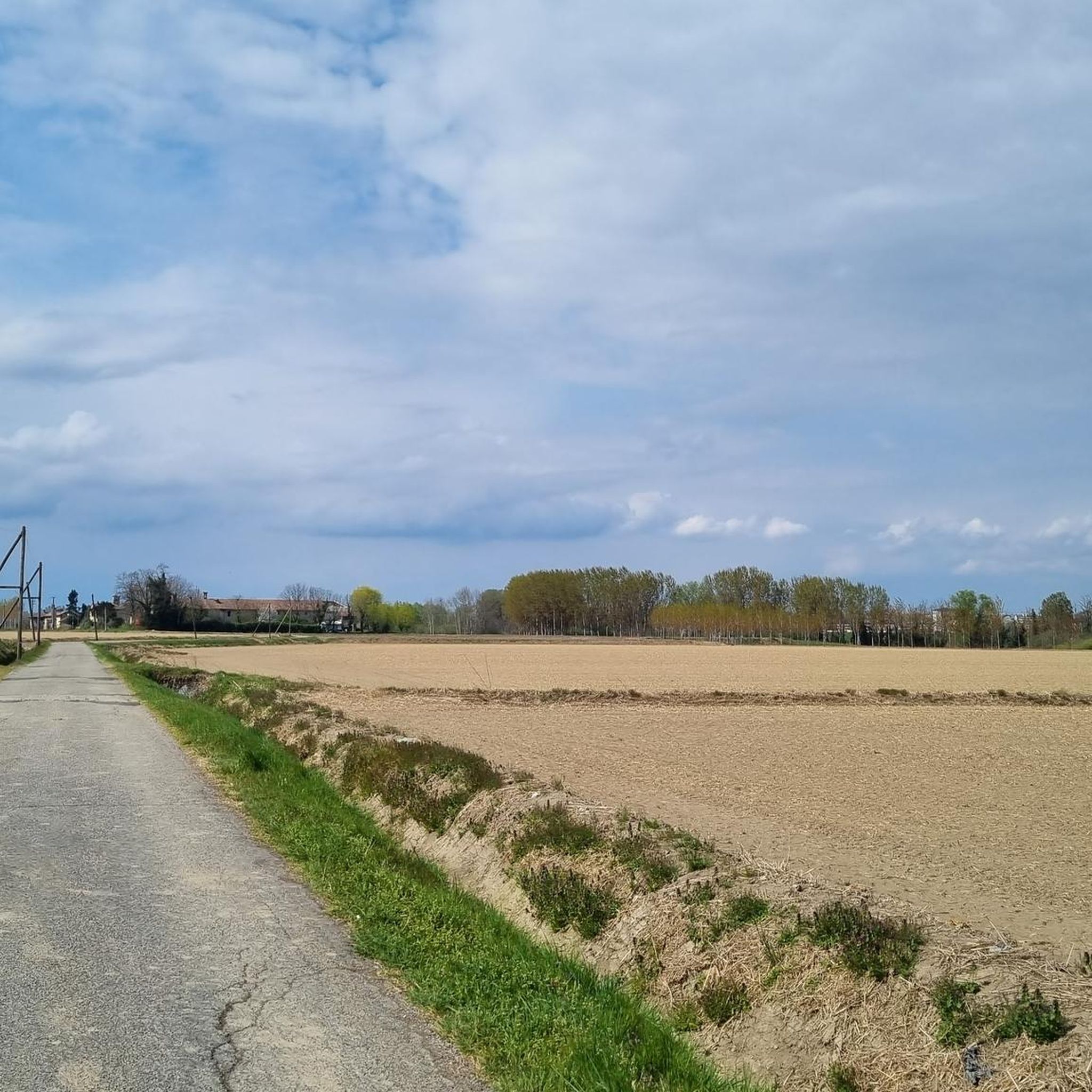
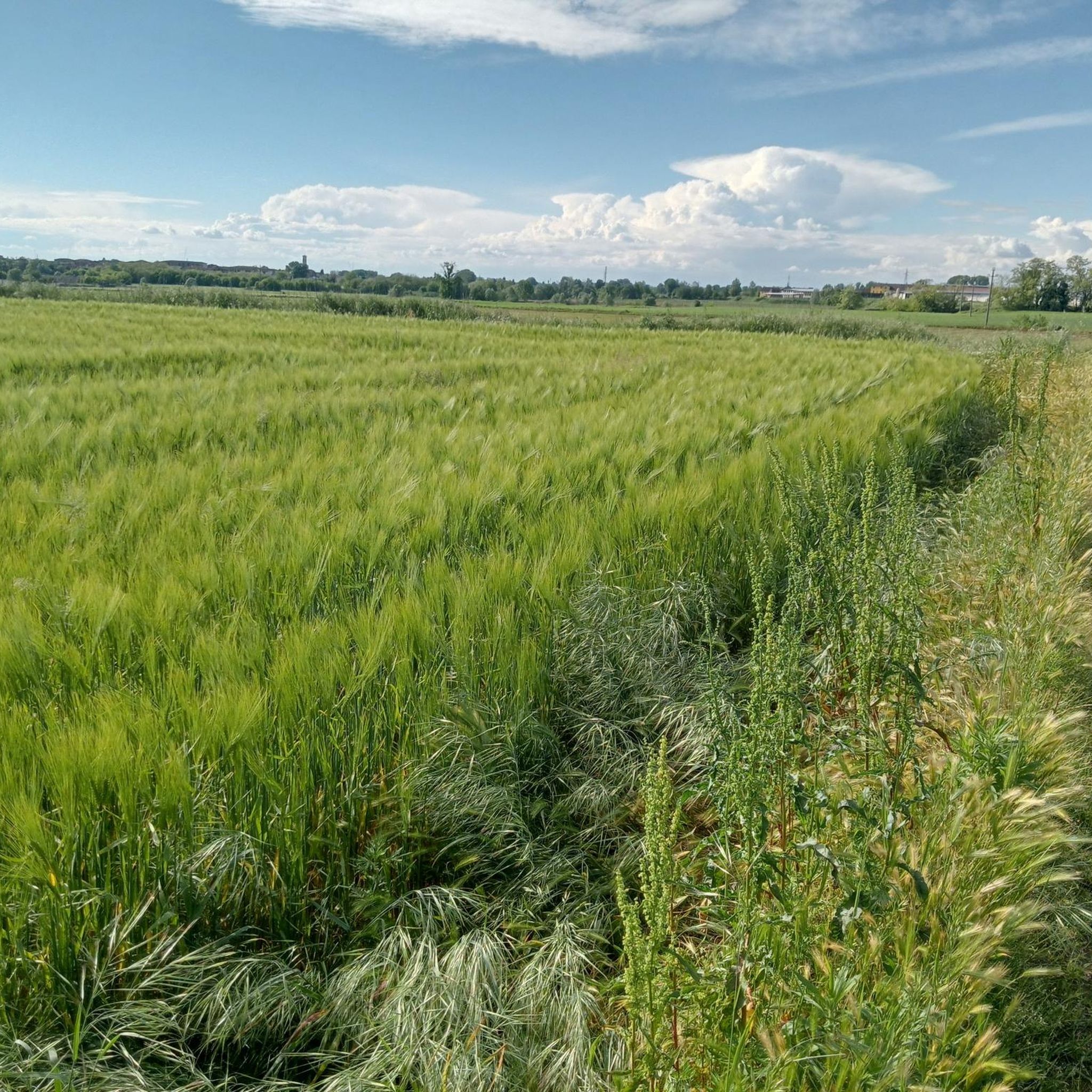
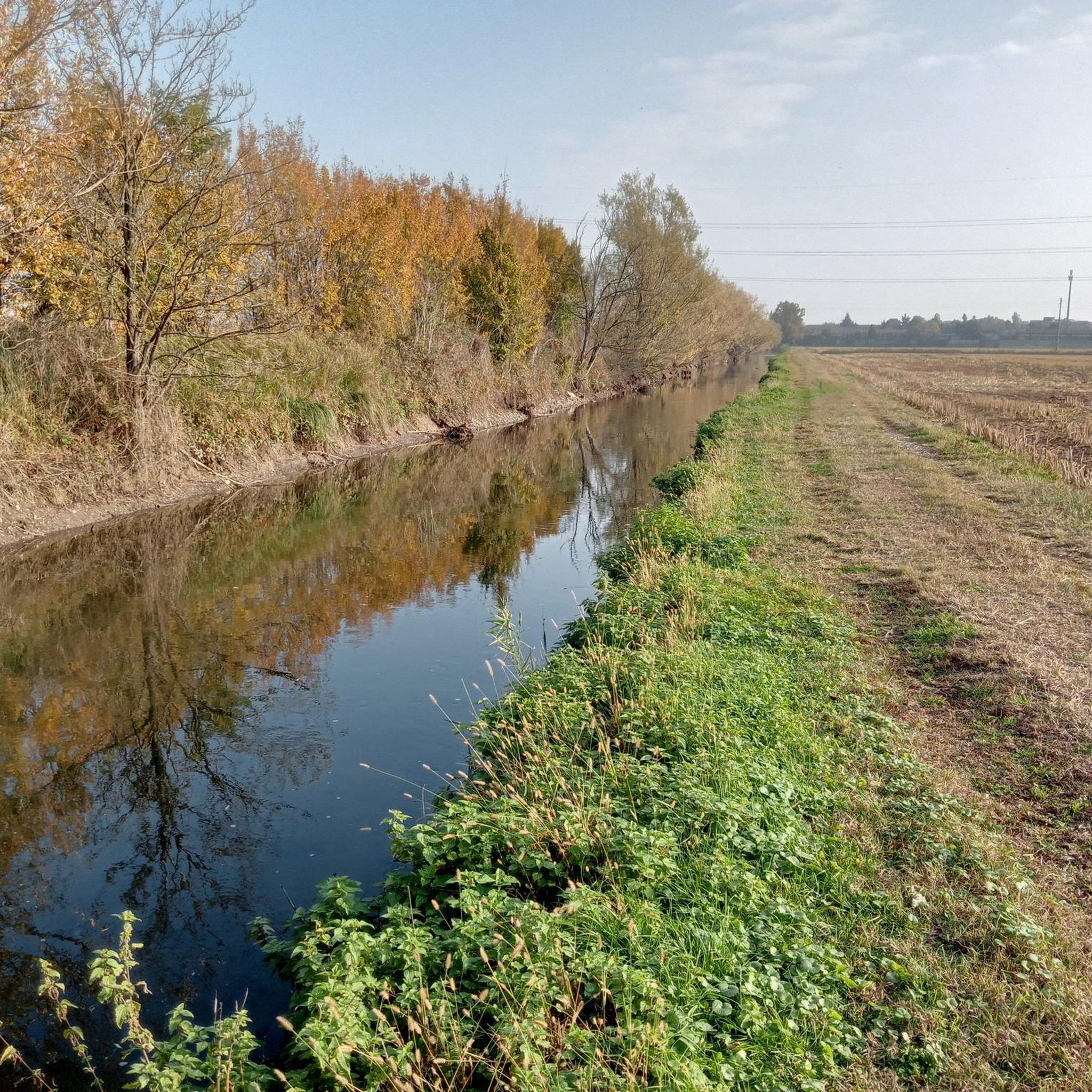
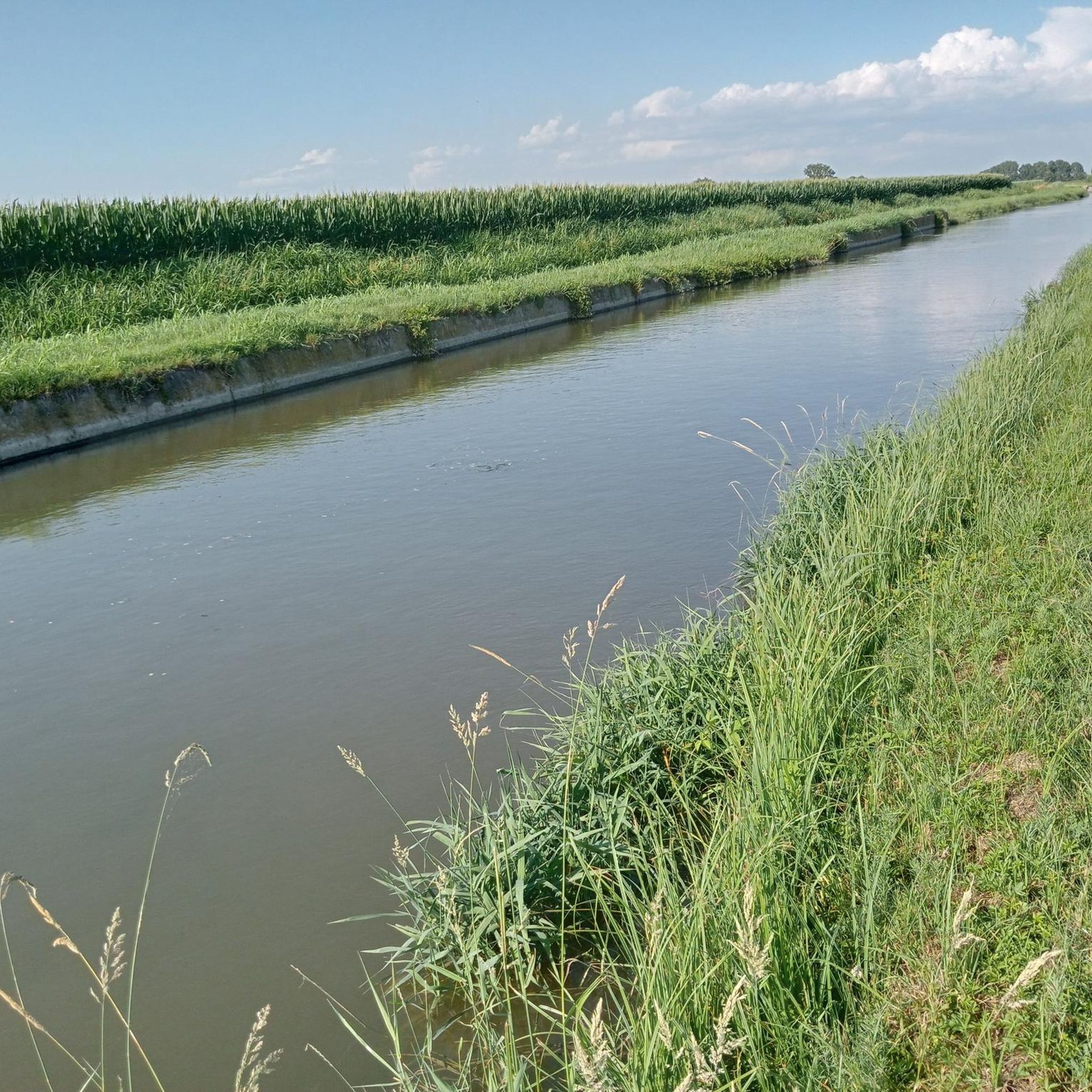
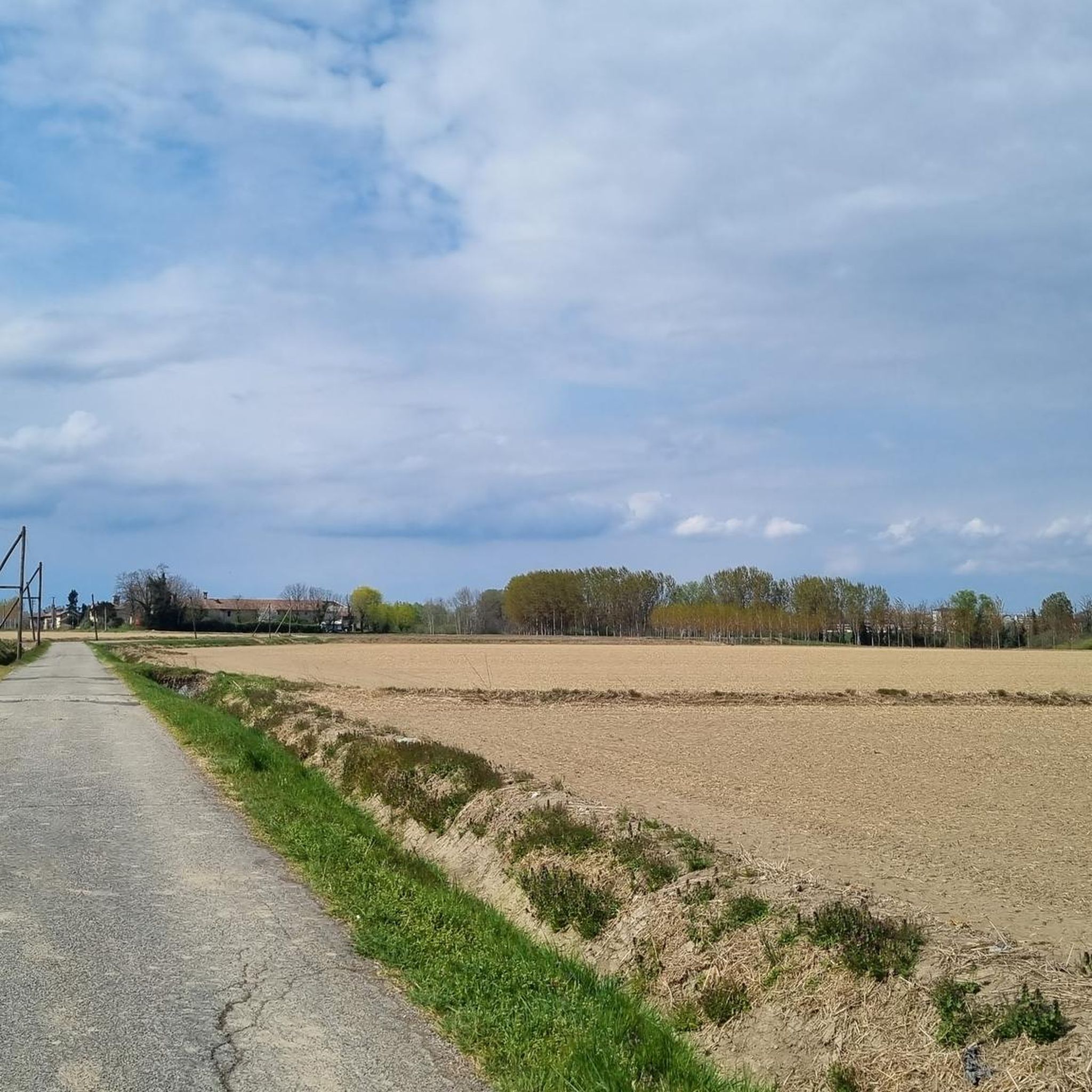
Gravel biking around Torrevecchia Pia is characterized by its location within the expansive Parco Agricolo Sud Milano, offering a largely flat terrain dominated by agricultural fields. The region features a network of canals and rivers, including the Lambro and Ticino, which often have unpaved service roads suitable for cycling. These "strade bianche" connect farms and small villages, providing varied gravel cycling terrain. The area's natural features blend cultivated lands with historical water networks.
Best gravel bike trails around Torrevecchia Pia
…Last updated: July 21, 2026
4.7
(19)
167
riders
67.6km
04:11
130m
130m
Moderate gravel ride. Good fitness required. Mostly paved surfaces. Suitable for all skill levels.
4.3
(8)
122
riders
Hard gravel ride. Very good fitness required. You may need to push your bike for some segments of this route.

Sign up for free
2.0
(2)
9
riders
25.8km
01:38
40m
40m
Easy gravel ride. Great for any fitness level. Mostly paved surfaces. Suitable for all skill levels.
5.0
(1)
7
riders
52.9km
03:11
210m
210m
Moderate gravel ride. Good fitness required. Mostly paved surfaces. Suitable for all skill levels.
Get access to more routes and recommendations from other explorers.
Sign up for free
Already have an account?
Our route recommendations are based on thousands of hikes, rides, and runs completed by other people on komoot.
Start today with a free account
Your next adventure awaits.
Login or Signup
Tips from the Community

The Canale della Muzza is an important hydraulic work from the 12th-13th century that branches off the Adda river in Cassano d'Adda and extends for about 39 km to Castiglione d'Adda. It is one of the oldest and largest irrigation canals in Europe, fundamental for Lodi's agriculture, now also flanked by cycle paths.
0
0

The Castello di San Colombano (or Castello Belgioioso) stands in the medieval village famous for its vineyards and for being an exclave in the province of Milan. Dating back to the 6th century and rebuilt by Barbarossa in 1164, it is divided between a private area (the keep) and a communal one (the fortified village).
0
0

Any trail that winds through its vicinity is wonderful, a shame about the interruption between Zelo and Galgagnano of the path due to the hunting area, incidentally a beautiful place part of the ADDA sud Park but inexplicably in the hands of one or more private individuals who have made it their "hunting park" by fencing it all in. I happened to get inside by mistake, finding one of the numerous open gates and could no longer get out, finding the others closed, receiving a couple of shots in the air behind my back to make me understand that I was not welcome! A real shame because it interrupts the descent from Zelo towards Lodi along the Adda. Beyond the "hunting park" I believe that the passage along the river (state-owned area!!) SHOULD always be guaranteed without any ifs or buts!
0
0
The Ciaparat Chapel is a landmark mainly known on road cycling routes around Sant'Angelo Lodigiano and the Parco Agricolo Sud Milano, often included in loop itineraries between Bascapè, Locate Triulzi, and Vistarino. It is a popular area for moderate road bike training, with asphalted roads.
0
0
The Muzza Canal is the oldest in Europe and just this year, its 800th anniversary was celebrated by the Municipality of Paullo in collaboration with the Pro Loco and other Municipalities. Its origin dates back to the year 1220, when Frederick II of Swabia, crowned emperor of the Holy Roman Empire, issued an imperial edict that granted the people of Lodi the right to use the waters flowing within their territory. The current route, about 60 km long, receives the waters of the Adda River at Cassano d’Adda, at an altitude of 120 m above sea level, crosses the Lodi territory for about 40 km until near Castiglione d’Adda, at an altitude of 45 m above sea level, and here it releases them back into the Adda River. It has a regulated water regime, with a flow rate, depending on the season, of about 200 thousand liters of water per second; an initial width of 50 meters which reduces to a few meters at the end of its course and an average depth of 2 meters.
0
0

very fast and fun gravel section
1
0

The villa was built according to its original design by Count Antonio Cavazzi della Somaglia, VIII Count and Baron of Somaglia, to showcase the power of his family, in an area where he owned several lands and estates. The count entrusted the design to architect Giovanni Ruggeri. Upon his death in 1688, Antonio bequeathed the villa to his great-nephew Antonio Dati, who subsequently assumed the title of Count of Somaglia. Dati oversaw the expansion of the palace, transforming it into a majestic residence intended as a holiday resort and meeting place for great figures of 18th-century Italian literature and culture, but he never lived to see the work completed, which was completed by his son Antonio Giovanni Battista in 1749.
1
0

Quiet, well-trodden road stays cool even on hot mornings
0
0
Frequently Asked Questions
What is the general terrain like for gravel biking in Torrevecchia Pia?
Gravel biking in Torrevecchia Pia primarily takes you through the expansive Parco Agricolo Sud Milano. The terrain is largely flat, characterized by vast agricultural fields, historic canals, and rivers like the Lambro and Ticino. You'll mostly ride on unpaved service roads, often referred to as "strade bianche," which connect farms and small villages, offering a smooth and authentic gravel experience.
How many gravel bike trails are available in the Torrevecchia Pia area?
There are over 40 gravel bike trails around Torrevecchia Pia listed on komoot, offering a wide variety of routes for different preferences and skill levels.
Are there gravel routes suitable for different skill levels?
Yes, the routes in Torrevecchia Pia cater to various skill levels. You can find 4 easy routes, 20 moderate routes, and 18 difficult routes, ensuring options for beginners and experienced gravel bikers alike.
What natural features can I expect to see while gravel biking here?
You'll encounter a rich mosaic of cultivated lands, including rice paddies and cornfields, especially within the Parco Agricolo Sud Milano. A significant highlight is cycling alongside the numerous canals and rivers, such as the Lambro and Ticino, which often feature tranquil towpaths. These 'blue spaces' amidst green agricultural areas provide a refreshing cycling environment.
Are there any interesting landmarks or historical sites along the gravel trails?
While Torrevecchia Pia is a small commune, its surrounding region offers several points of interest. Some routes may pass by traditional cascine (farmsteads), offering glimpses into local rural life. You can also find historical sites nearby, such as the Rocca Brivio or the Bolognini Castle of Sant'Angelo Lodigiano, which can be integrated into longer rides.
What do other gravel bikers enjoy most about the routes in Torrevecchia Pia?
The gravel routes around Torrevecchia Pia are highly rated by the komoot community, with an average score of 4.1 stars from over 30 reviews. Cyclists often praise the tranquil agricultural landscapes, the extensive network of unpaved roads, and the scenic rides along canals and rivers, which offer a peaceful escape from traffic.
Are there any circular gravel bike routes in the area?
Many of the gravel routes in Torrevecchia Pia are designed as loops, allowing you to start and end your ride in the same location. For example, the Old Adda River Bridge – Bridge over the Adda in Lodi loop from Melegnano is a popular circular option.
What is the best time of year for gravel biking in Torrevecchia Pia?
The region is generally suitable for gravel biking throughout much of the year. Spring and autumn offer pleasant temperatures and vibrant scenery with blooming fields or changing foliage. Summer can be warm, but rides along the canals provide a refreshing experience. Winter rides are also possible, though conditions may vary.
Are there family-friendly gravel routes in Torrevecchia Pia?
Given the largely flat terrain and extensive network of quiet unpaved roads, many routes in Torrevecchia Pia are suitable for families. Look for routes categorized as 'easy' on komoot, which typically feature minimal elevation gain and smooth surfaces, perfect for a relaxed family outing.
Can I bring my dog on the gravel routes?
While many gravel paths are open, it's always best to check local regulations regarding dogs, especially when passing through agricultural areas or nature reserves within the Parco Agricolo Sud Milano. Keeping your dog on a leash is generally recommended for their safety and to respect local wildlife and farming activities.
Is parking available for cyclists near the gravel trails?
As Torrevecchia Pia is a smaller commune within a rural area, parking is generally available in or near the villages that serve as starting points for many routes. Look for public parking areas in towns like Tavazzano or Melegnano, which are common access points for the region's gravel trails.
How can I access the gravel trails using public transport?
Torrevecchia Pia's proximity to larger cities like Milan and Pavia means you can often reach the region by public transport. From these cities, you might find local train or bus services that allow bikes, bringing you closer to potential starting points for gravel routes. Always check the specific transport provider's bike policy in advance.
Most popular routes around Torrevecchia Pia
Most popular attractions around Torrevecchia Pia

Get inspired with the komoot mobile app


Explore more
Browse the best Gravel rides in other regions.
