The best gravel rides around Trevi
4.7
(39)
656
riders
76
rides
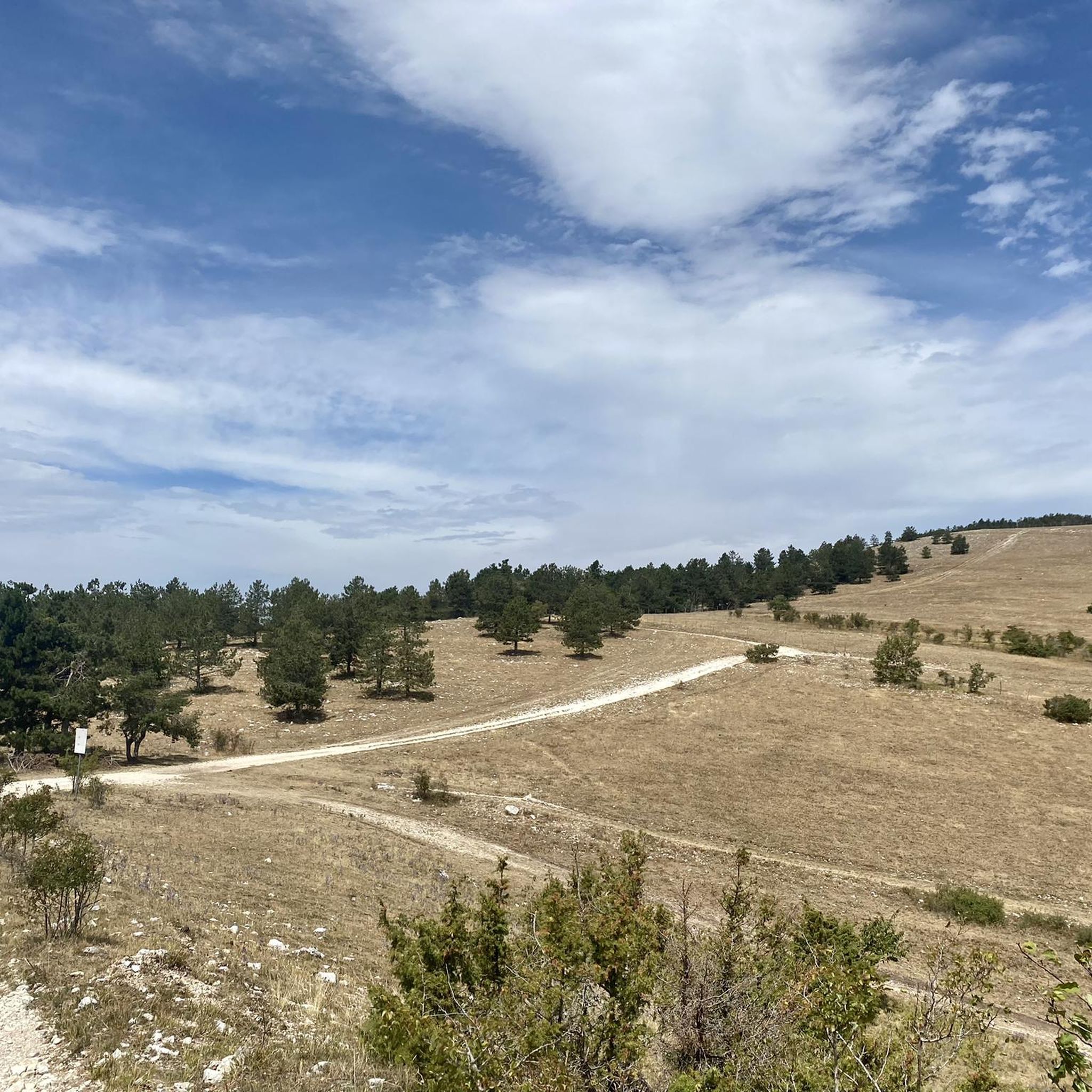
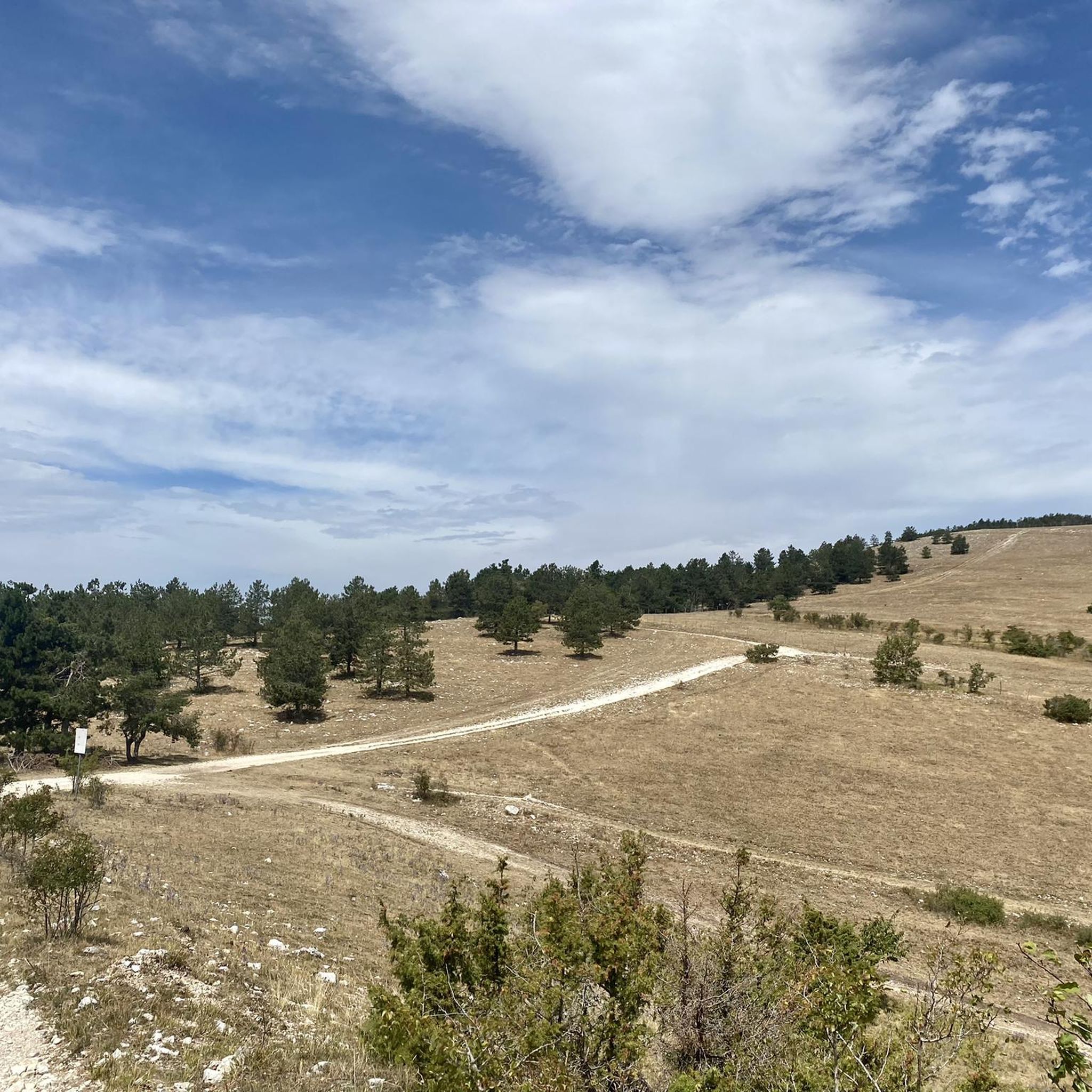
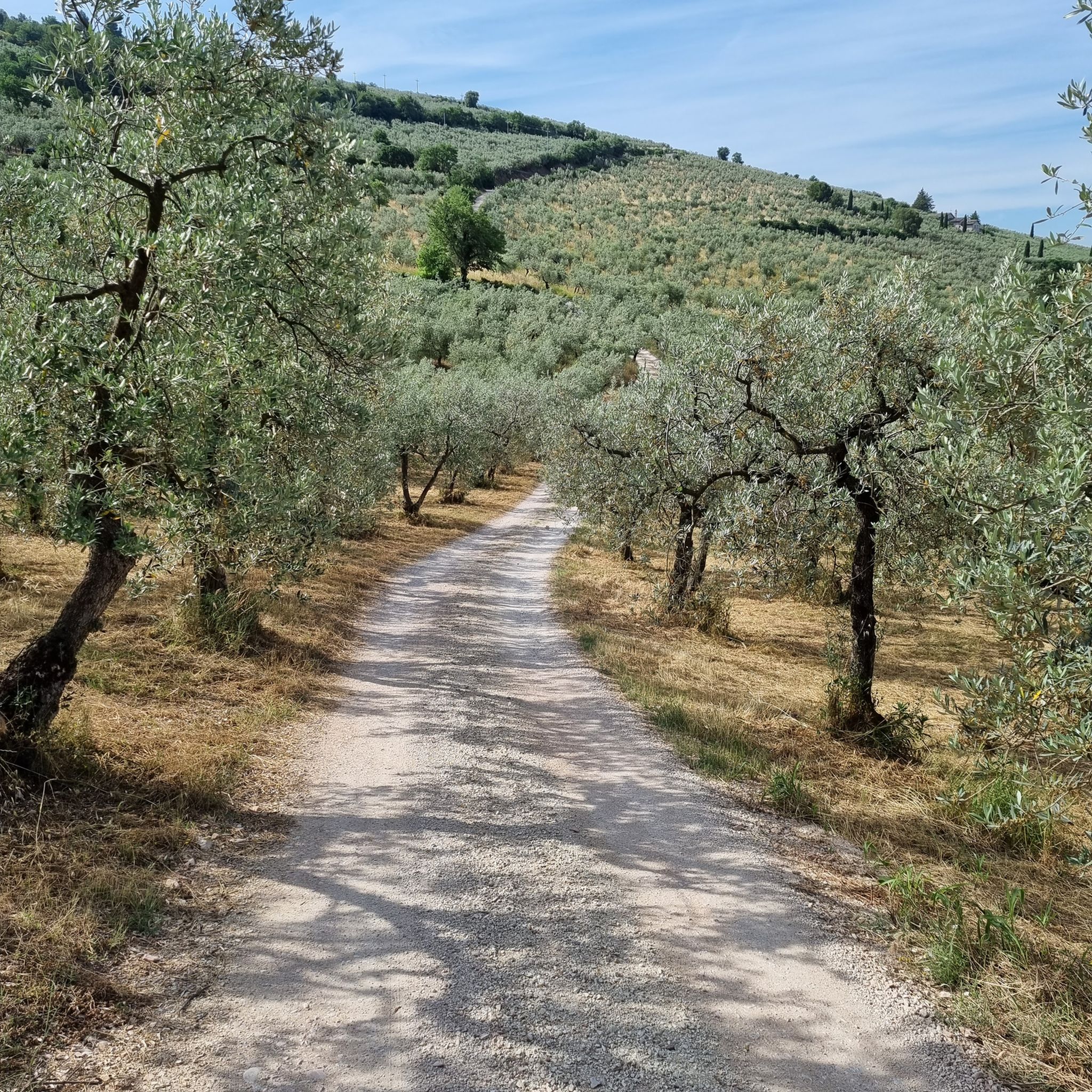
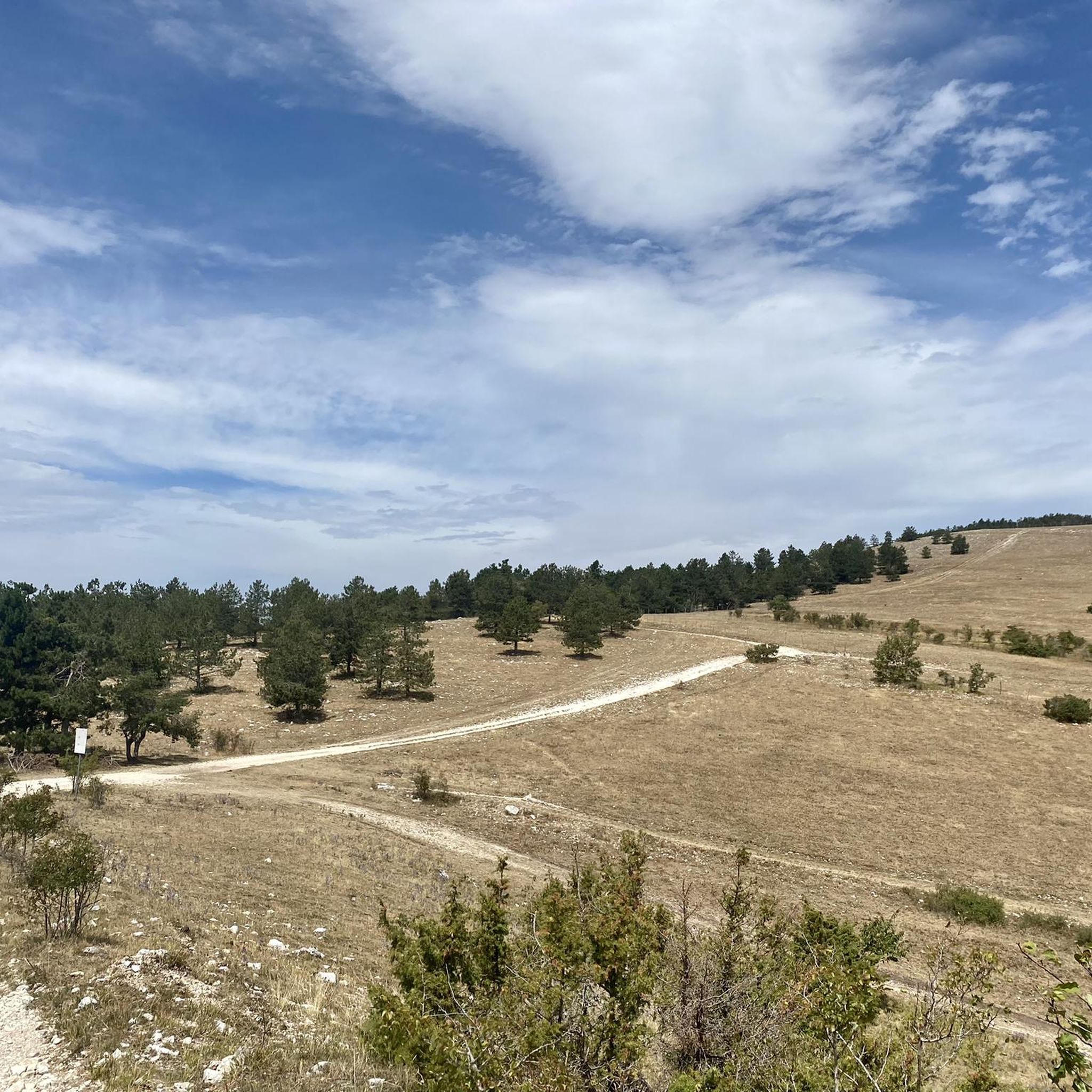
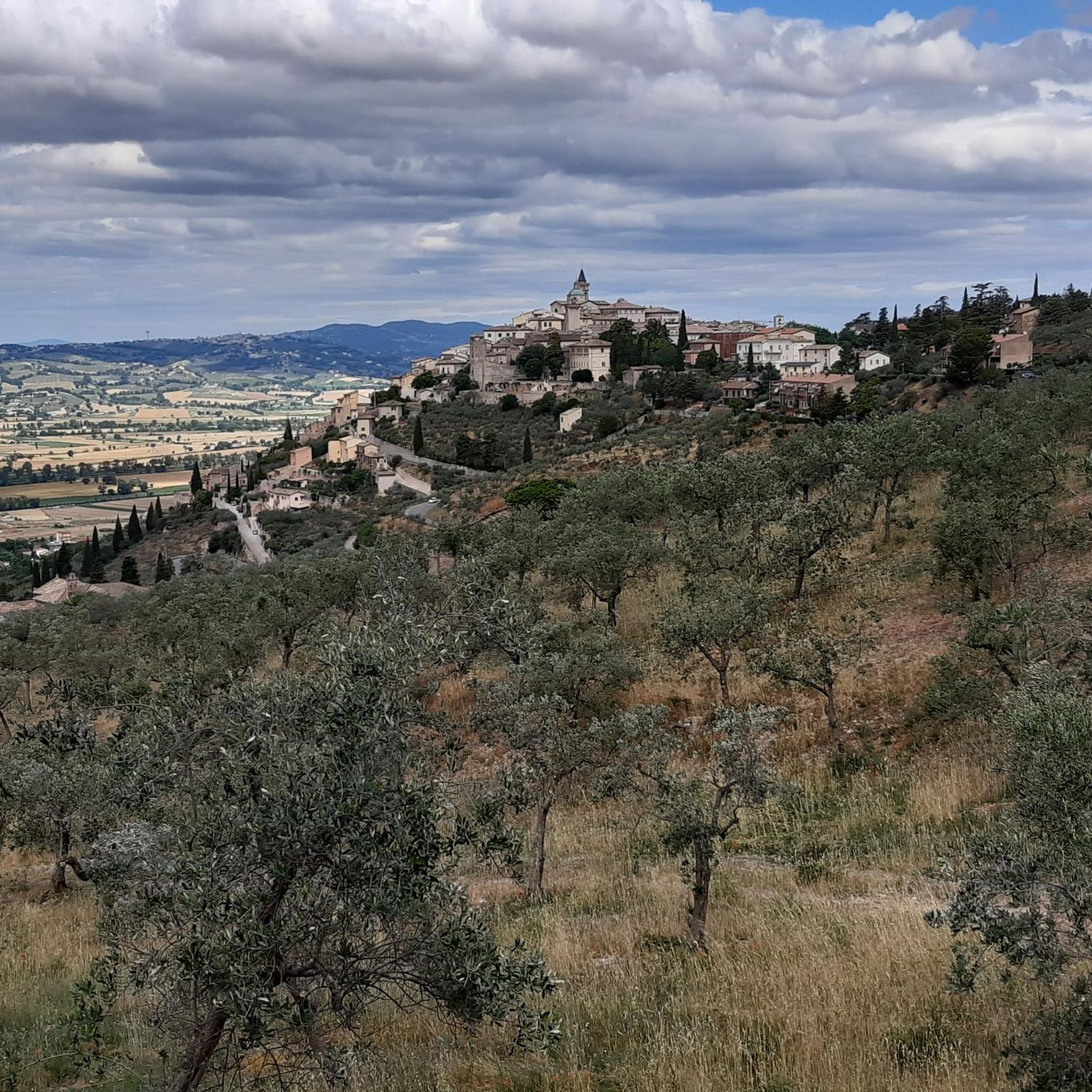
Gravel biking around Trevi offers diverse landscapes through rolling hills, extensive olive groves, and wooded areas in the Umbria region of Italy. The terrain features a mix of gradients, from gentle paths along the Clitunno River to more challenging ascents through the hills. Routes often combine paved and unpaved surfaces, including gravel roads and dirt tracks, providing varied riding conditions. This region is characterized by its natural beauty and agricultural heritage, particularly its renowned olive oil production.
Best gravel bike…
Last updated: May 7, 2026
5.0
(2)
53
riders
67.3km
05:40
1,520m
1,520m
Hard gravel ride. Very good fitness required. Mostly paved surfaces. Suitable for all skill levels.
5.0
(3)
81
riders
86.0km
06:11
1,660m
1,660m
Hard gravel ride. Very good fitness required. Mostly paved surfaces. Suitable for all skill levels.

Sign up for free
4.3
(3)
66
riders
94.3km
06:29
1,290m
1,290m
Hard gravel ride. Very good fitness required. Mostly paved surfaces. Suitable for all skill levels.
5.0
(2)
28
riders
95.9km
07:14
2,020m
2,020m
Hard gravel ride. Very good fitness required. Mostly paved surfaces. Suitable for all skill levels.
5.0
(1)
30
riders
80.4km
05:29
1,150m
1,150m
Hard gravel ride. Very good fitness required. Mostly paved surfaces. Suitable for all skill levels.
Get access to more routes and recommendations from other explorers.
Sign up for free
Already have an account?
Our route recommendations are based on thousands of hikes, rides, and runs completed by other people on komoot.
Start today with a free account
Your next adventure awaits.
Login or Signup
Tips from the Community

Spello is a very suggestive medieval village, from this point you can admire it in all its splendor
0
0

Trevi's historic center retains the charm of its medieval alleys, narrow and winding, weaving between stone houses and ancient buildings. These streets were designed not only to connect squares and gates, but also to defend the city, creating sheltered and safe routes. The houses feature small doorways and windows, while stairways and arches connect different levels, following the hilly terrain. Walking through the alleys, you'll experience a secluded atmosphere, filled with unexpected glimpses and silhouettes of rooftops and bell towers. Every corner tells stories of daily life, shops, markets, and medieval traditions, making the village a true journey into the past.
0
0

A WONDERFUL SMALL VILLAGE THAT WILL LEAVE YOU OPEN-MOUTHED
0
0

water, water, water, water, water, water, water, water, always stop to fill your water bottles, it's never a waste of time up here...and then enjoy the wild Umbria Augh!!!
0
0

RASIGLIA is a micro village crossed by streams and canals. It can be visited in a few minutes, but it is worth the detour. A bit chaotic to walk there during the weekends, because it is packed with tourists.
0
0

Cathedral of Santa Maria Assunta, Spoleto Cathedral Cathedral: the symbol of the city of Spoleto With its magnificent façade, Spoleto Cathedral provides a kind of backdrop to the Piazza Duomo, which is home to many other buildings. The cathedral was built in the 12th century on the remains of an earlier religious building named after Santa Maria del Vescovado, which in turn stood on an older church dedicated to the martyr Primiano. The crypt of Santa Primiano, accessed through the rectory, dates back to the 9th century and represents the only original part of the old cathedral, which was rebuilt at the end of the 12th century. Adjacent to the facade of the cathedral, on the left side, is the imposing square-shaped bell tower. The façade also features an elegant portico with five rounded arches supported by Corinthian columns, a marvelous work by the master Ambrogio Barocci dating from 1492. The upper part is divided into two levels separated by a cornice supported by blind arches: the lower part is decorated with five beautiful rose windows, the central one being larger and surrounded by the symbols of the four evangelists; the upper part features three rose windows and three pointed-arch niches, of which the central, larger one is decorated with a wonderful mosaic depicting Christ enthroned between the Madonna and Saint John the Evangelist. The decorative elements are further emphasized by the use of blocks of local white and pink stone, which highlight the architectural details. Inside, the space is divided into three naves with a central apse, and the plan is a Latin cross with a transept. The building houses numerous works of art by artists from various eras: the bronze bust of Urban VIII was made by Gian Lorenzo Bernini in 1640; the cross with the iconography of the Living Christ (Triumphal) is a work by Alberto Sotio from 1187; and the cycle of the Stories of the Virgin, which adorns the central apse, was painted by Filippo Lippi between 1467 and 1469. Finally, two chapels are particularly admirable: the Chapel of the Santissima Icona, which houses a 12th-century Byzantine panel that, according to tradition, was given to the city of Spoleto by Frederick Barbarossa as a sign of peace; and the Chapel of the Reliquies, which houses one of the only two surviving letters written by Saint Francis himself. It is a small rectangular parchment (13 x 6 cm) made of goatskin, consisting of nineteen lines, addressed to Fra Leone. The other handwritten letter is the so-called Chartula, kept in the Basilica of Assisi and, according to tradition, written by Francis in 1224 after his stigmatization on Mount Verna. The interior of the building, as it appears today, is the result of a decisive intervention in the 17th century that gave it a Baroque style. Text / Source: Exploring Umbria srl, https://www.exploring-umbria.com/de/entdecke-spoleto/gehenswuerdigkeiten-in-spoleto/kathedrale-santa-maria-assunta-dom-von-spoleto/#:~:text=Die%20Kathe Drale%20 was%20 built%20 in the%20tw%C3%B6th%20th century%20 on%20, a%20%C3%A4older%2C%20%20%20%20M%C3%A4rtyr%20Primiano%20%20%20house%20dedicated to the%20M%C3%A4rtyr%20Primiano%20.
15
0
Frequently Asked Questions
How many gravel bike trails are available around Trevi?
There are over 100 gravel bike routes around Trevi, offering a wide variety of experiences. You'll find options ranging from moderate rides to more challenging routes with significant elevation gains, exploring the diverse landscapes of Umbria.
What are the typical difficulty levels for gravel biking routes in the Trevi area?
The gravel biking routes around Trevi cater to various fitness levels. While there are 16 moderate routes, the majority, about 93, are considered difficult due to significant elevation changes and varied terrain. For example, the Historic Center of Spoleto – Cortaccione Viaduct loop from Castel Ritaldi is a challenging 84.1 km ride with over 1,100 meters of elevation gain, requiring very good fitness.
What kind of landscapes and natural features can I expect to see on gravel bike trails near Trevi?
Gravel biking around Trevi immerses you in picturesque and varied terrain. You'll ride through rolling hills, extensive olive groves, and wooded areas. Many routes follow the course of the Clitunno River, offering scenic views and a mix of gradients. The region is renowned for its extra virgin olive oil production, so expect to see beautiful olive farms.
Are there any family-friendly gravel bike routes in Trevi?
While many routes are challenging, some moderate options might be suitable for families with good fitness levels. For instance, the Clitunno Springs – Historic Center of Bevagna loop from Trevi is a moderate 44.4 km ride with less elevation gain, following the Clitunno River and offering scenic views. It's always best to check the specific route details for distance and elevation to ensure it matches your family's capabilities.
Can I find circular gravel biking routes around Trevi?
Yes, many of the gravel biking routes around Trevi are designed as loops, allowing you to start and end at the same point. This includes popular options like the View of Collepino – Roman Aqueduct Pathway loop from Borroni, which takes you through hilly landscapes with historical elements.
What notable landmarks or historical sites can I visit along the gravel bike routes?
The Trevi area is rich in history and natural beauty. Along your rides, you might encounter historical elements like the Roman Aqueduct near Collepino. The town of Trevi itself is a cultural attraction, known as one of the 'capitals of EVO oil.' You can also explore nearby towns like Spoleto and Bevagna, which are often part of longer loops.
Are there any waterfalls or natural attractions to see while gravel biking near Trevi?
Yes, the region around Trevi features several beautiful natural attractions, including waterfalls. You can find highlights such as the Rasiglia Springs and Waterfalls and the Menotre Waterfalls. The Menotre River in Rasiglia is also a scenic spot often included in routes like the Menotre River in Rasiglia – The Old Path loop from Carpello.
What is the best time of year for gravel biking in Trevi?
The Umbria region generally offers pleasant conditions for outdoor activities for much of the year. Spring and autumn are often ideal, with milder temperatures and beautiful scenery, especially through the olive groves. Summers can be warm, so early morning or late afternoon rides are recommended. Winters are generally mild, but some higher elevation trails might be affected by weather.
What do other gravel bikers enjoy most about the routes in Trevi?
The gravel biking routes in Trevi are highly rated by the komoot community, with an average score of 4.8 stars from over 60 reviews. Riders frequently praise the diverse terrain, which combines paved and unpaved surfaces, the stunning views of rolling hills and olive groves, and the opportunity to explore charming historic towns and natural features like the Clitunno River.
Are there options for advanced gravel bikers looking for a challenge?
Absolutely. The Trevi area is particularly well-suited for advanced gravel bikers, with 93 out of 109 routes classified as difficult. These routes often feature significant elevation gains and varied terrain, including gravel roads, dirt tracks, and sometimes even chunky jeep trails. An example is the Collepino Village – Collepino Village loop from Foligno, a hard 45.4 km ride with over 900 meters of elevation gain.
Where can I find parking for gravel biking trails around Trevi?
While specific parking areas for each trail are not detailed, starting points for many routes are often near towns or villages like Trevi, Castel Ritaldi, Borroni, Foligno, or Carpello. These locations typically offer public parking facilities. It's advisable to check local maps or route descriptions for parking suggestions near your chosen starting point.
Is public transport available to reach the gravel biking areas near Trevi?
Trevi and surrounding towns in Umbria are generally accessible by regional public transport, primarily buses and trains connecting larger centers. However, reaching the exact starting points of some more remote gravel trails might require a short ride or taxi from the nearest public transport stop. It's recommended to research specific bus or train schedules and routes to your desired starting location.
Most popular attractions around Trevi

Get inspired with the komoot mobile app


Explore more
Browse the best Gravel rides in other regions.
