The best gravel rides around Neuhauser Lake
4.7
(8)
42
riders
2
rides
Gravel biking around Neuhauser Lake offers routes through a landscape shaped by its history as a former open-pit mine, now a flooded lake. The terrain is generally flat to gently rolling, featuring reforested areas and open water views. An extensive network of cycling and hiking trails provides varied surfaces suitable for gravel bikes, including paved roads, unpaved paths, and some challenging segments. The area includes meadows and forests, contributing to a diverse environment for outdoor exploration.
Best gravel bike trails…
Last updated: June 5, 2026
5.0
(2)
8
riders
Moderate gravel ride. Good fitness required. Mostly paved surfaces. Suitable for all skill levels.
4.7
(3)
18
riders
58.7km
03:29
190m
190m
Moderate gravel ride. Good fitness required. Mostly paved surfaces. Suitable for all skill levels.

Sign up for free
4.3
(3)
13
riders
Moderate gravel ride. Good fitness required. Mostly paved surfaces. Suitable for all skill levels.
Our route recommendations are based on thousands of hikes, rides, and runs completed by other people on komoot.
Start today with a free account
Your next adventure awaits.
Login or Signup
Tips from the Community

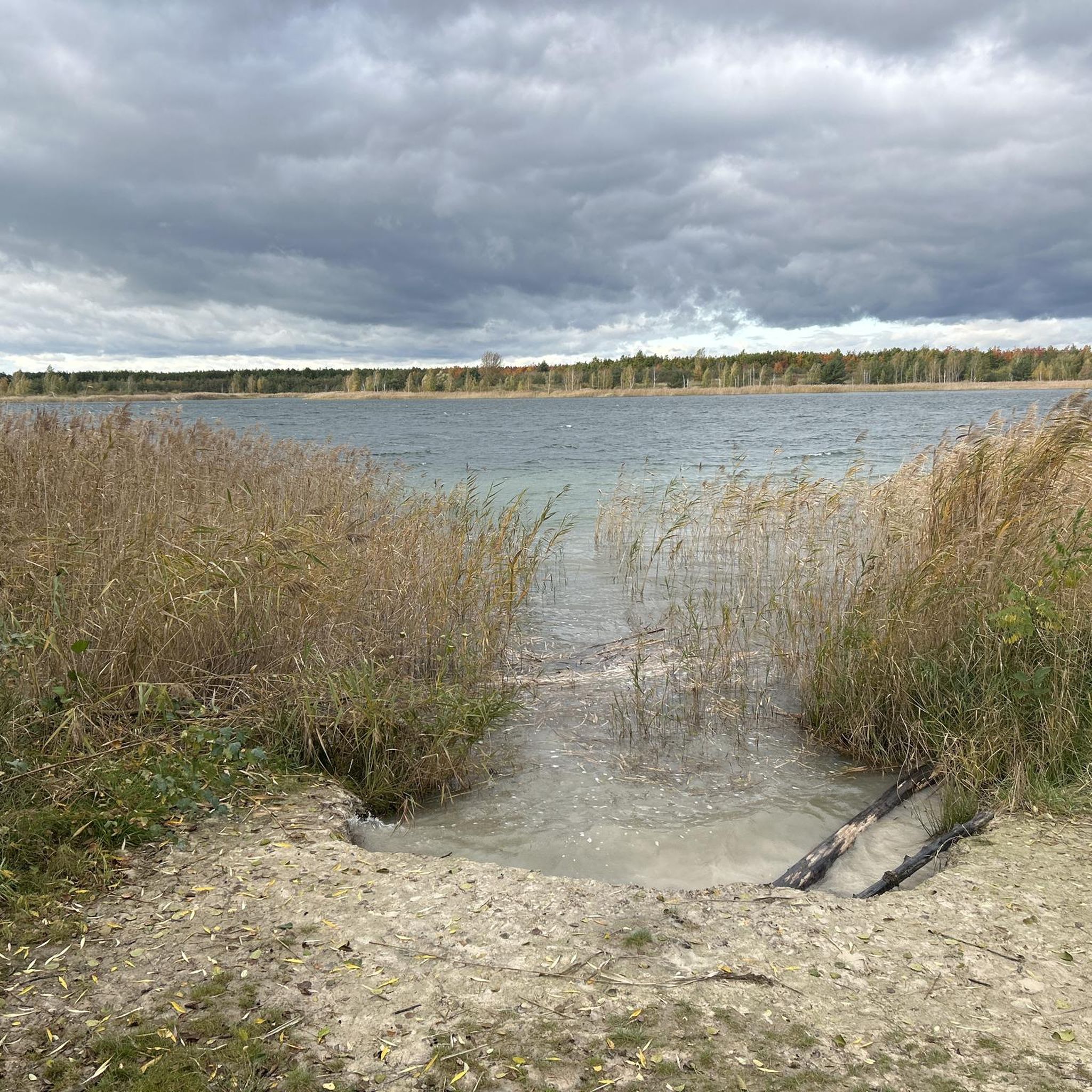
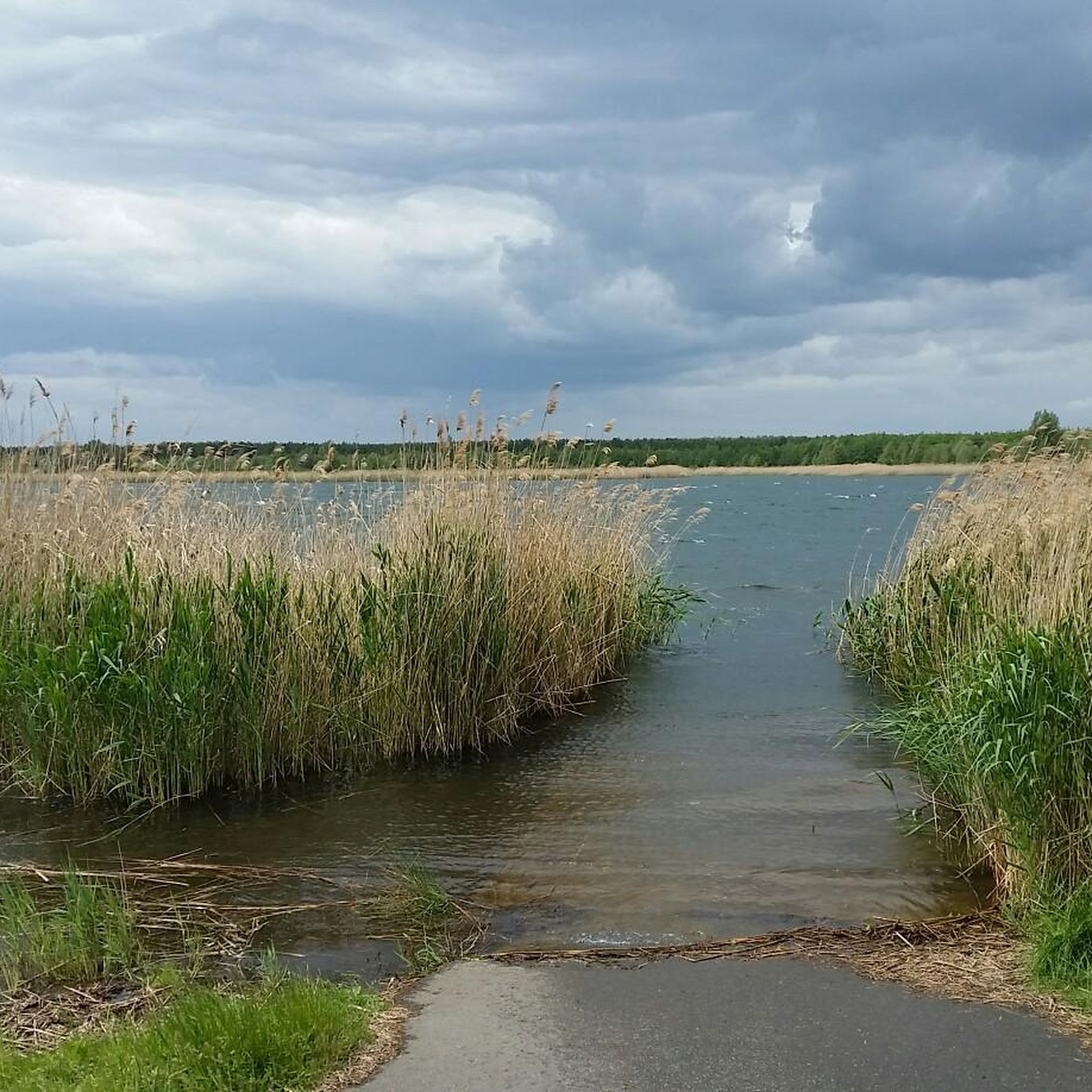
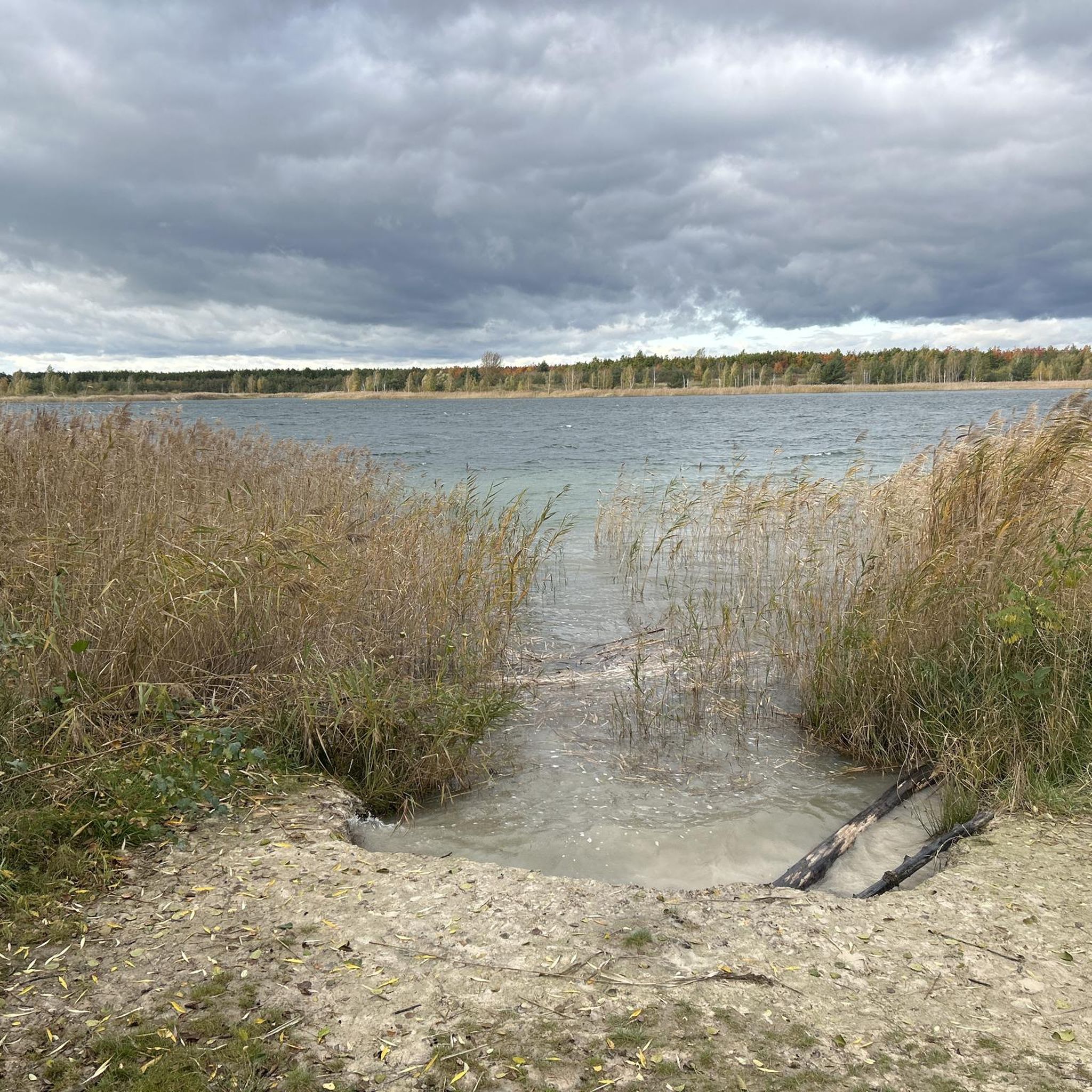
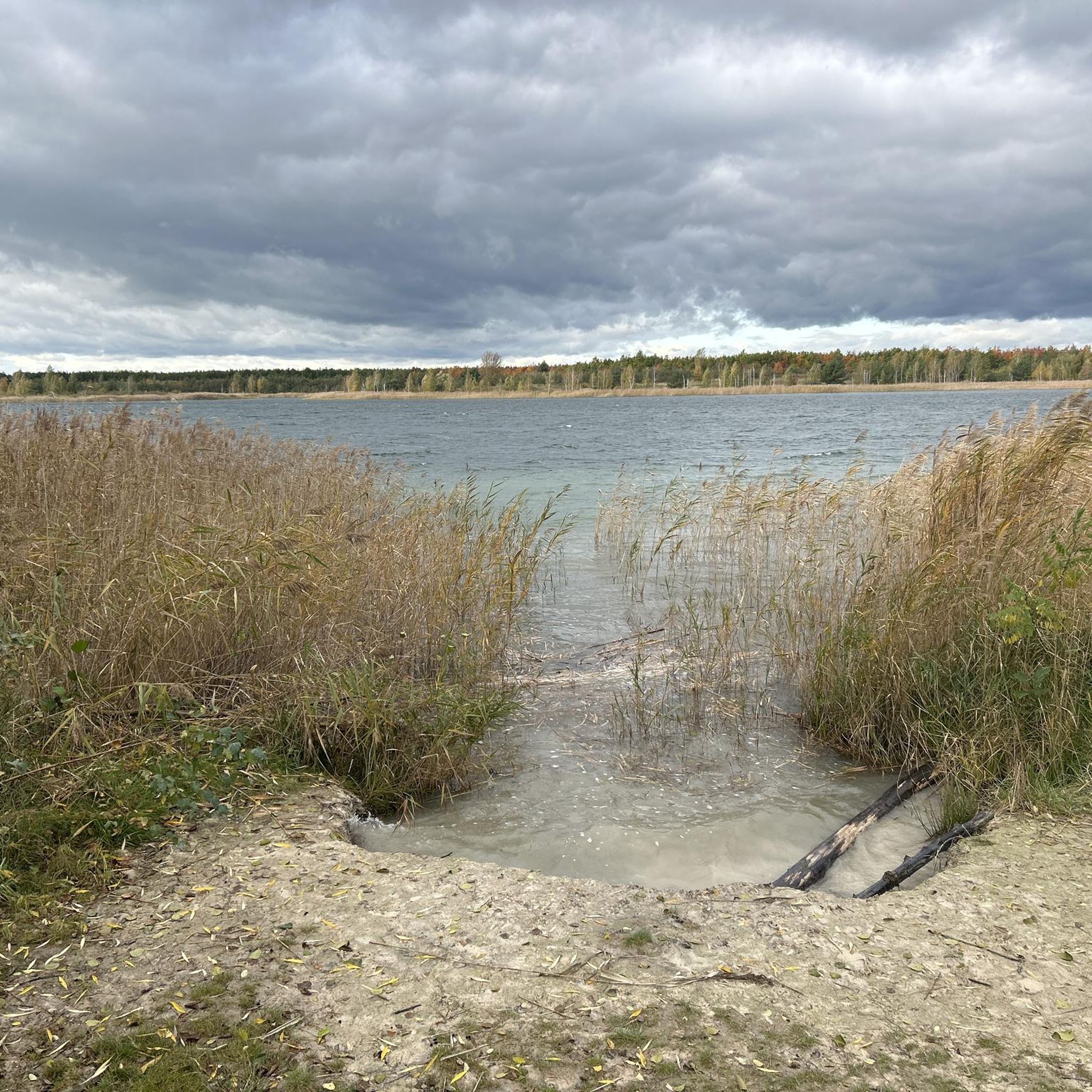
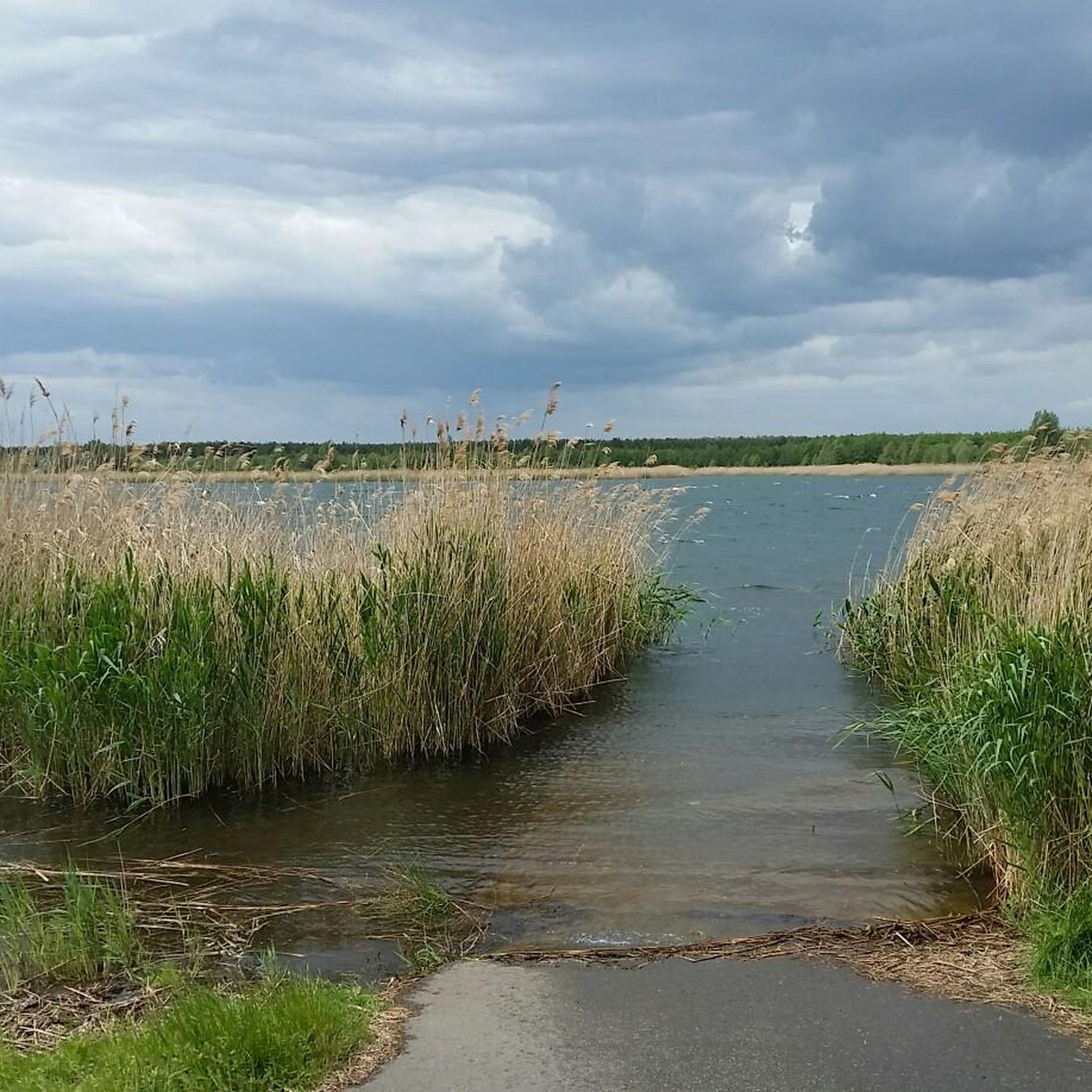
This view from the circular path onto the Goitzsche is always beautiful again.
1
0
Today, an developed network of cycle paths and hiking trails with viewing platforms and information boards on the formation of the landscape extends along the Neuhäuser See. The 120 km long Kohle-Dampf-Licht cycle path from Lutherstadt Wittenberg to Markkleeberg passes by the lake. Source https://de.wikipedia.org/wiki/Neuh%C3%A4user_See
1
0
In the mid-19th century, the first mining activities began in the southwest of Goitzsche, near the villages of Petersroda and Holzweißig.[3] Following the lignite seam, mining progressed from west to east. Favored by the opening of the current Magdeburg–Leipzig and Trebnitz–Leipzig railway lines, the sales market for lignite expanded to Halle and Leipzig, among other places. The increased demand for electrical energy and fossil fuels in the 19th and 20th centuries led in 1908 to the opening of the Leopold open-cast mine (from 1945 to 1962 Holzweißig–Ost) and in 1958 to the creation of the Holzweißig-West open-cast mine.[3] The Neuhäuser See originated from the former Holzweißig-West lignite open-cast mine. It is named after the Neuhaus estate, which was demolished in 1976 along with the village of Paupitzsch. The Holzweißig-West open-cast mine was operated from 1958 to 1980. Other sources report usage until 1991. The lake was flooded from 1993 to 2005.[1] Overflowing water is channeled via the Goitzsche into the Mulde. Since 1997, the area has been renatured and stable embankments have been created. Source https://de.wikipedia.org/wiki/Neuh%C3%A4user_See
1
0
The Neuhäuser See is located on the northwestern border of the Free State of Saxony with Saxony-Anhalt, at an altitude of about 78 m above sea level. NN. South of the lake is Benndorf, a district of the North Saxon district town of Delitzsch, and to the north is the unified municipality of Bitterfeld-Wolfen in Saxony-Anhalt. It is located in the Central German Lake District, south of the Großer Goitzschesee and the waters Ludwigsee and Paupitzscher See. Quelle https://de.wikipedia.org/wiki/Neuh%C3%A4user_See
1
0
The Neuhäuser See (also Neuhauser See) is an opencast mine residual lake of approximately 155 hectares, which was created by flooding the former Holzweißig-West opencast mine. The lake is located in the Central German Lake District, south of the Goitzsche nature reserve and north of the town of Delitzsch. Source https://de.wikipedia.org/wiki/Neuh%C3%A4user_See
1
0

Simply wonderful 👍
0
0
Beautiful view of the Alte Mulde river from the Mulde cycle path.
2
0
A very good route for running and cycling.
6
0
Frequently Asked Questions
How many gravel bike trails are available around Neuhauser Lake?
There are currently 9 gravel bike trails around Neuhauser Lake listed on komoot. These routes offer a range of experiences, from easy loops to more moderate long-distance rides, catering to different skill levels.
What kind of terrain can I expect on gravel bike trails around Neuhauser Lake?
The terrain around Neuhauser Lake is generally flat to gently rolling, reflecting its history as a former open-pit mine now transformed into a lake district. You'll encounter varied surfaces, including compacted gravel paths and some paved sections, traversing reforested areas and offering open water views. The region blends industrial heritage with natural recovery, providing a distinctive environment for gravel biking.
Are there any easy gravel bike routes suitable for beginners or families?
Yes, there are routes suitable for beginners and families. For an easy ride, consider the Bitterfeld Arch – Goitzsee Cycle Path loop from Benndorf. This 24.2 km (15.0 miles) trail follows the Goitzsee Cycle Path, offering pleasant views and a manageable distance for a relaxed outing.
What are some notable landmarks or viewpoints along the gravel bike trails?
The routes around Neuhauser Lake offer unique perspectives on the transformed landscape. You can find viewing platforms and information boards detailing the area's development. Specific highlights include the Schwedenschanze Ruins, offering a glimpse into the region's past, and a View of the beach at Lake Neuhauser, providing scenic lakeside vistas.
Can I bring my dog on the gravel bike trails around Neuhauser Lake?
While specific dog-friendly regulations for each trail can vary, the extensive network of cycling and hiking trails around Neuhauser Lake generally welcomes well-behaved dogs, especially on leash. It's always a good idea to check local signage for any specific restrictions in certain areas or nature reserves.
What do other gravel bikers enjoy most about gravel biking in Neuhauser Lake?
The komoot community highly rates the gravel biking experience around Neuhauser Lake, with an average score of 4.7 stars from over 6 reviews. Riders often praise the unique blend of industrial heritage and natural beauty, the well-maintained trail network, and the expansive views of the lakes and reforested areas.
Are there any longer, more challenging gravel routes for experienced riders?
For experienced riders looking for a longer challenge, the region offers several moderate routes. The View of Seelhausener Lake – Rest Area at Seelhausener Lake loop from Delitzsch unt Bf is a popular moderate 49.3 km (30.6 miles) path, providing expansive views and designated rest areas. Another option is the Großer Goitzschesee Gauge Tower – View of Lake Goitzsche loop from Bitterfeld, which covers 52.3 km (32.5 miles) through the transformed landscape.
Are there any circular gravel bike routes around Neuhauser Lake?
Yes, many of the gravel bike routes around Neuhauser Lake are designed as loops, allowing you to start and end at the same point. For example, the Großer Goitzschesee Marina – Großer Goitzschesee Gauge Tower loop from Bitterfeld is a 39.1 km (24.3 miles) circular route that explores the area around Großer Goitzschesee.
Where can I find parking for gravel biking around Neuhauser Lake?
Given the developed cycling infrastructure, you can generally find parking facilities in towns and villages adjacent to the lake, such as Benndorf or Bitterfeld, which serve as common starting points for many routes. Look for designated parking areas near trailheads or public transport hubs.
What is the best time of year to go gravel biking around Neuhauser Lake?
The Central German Lake District, including Neuhauser Lake, is generally pleasant for cycling from spring through autumn. Spring offers fresh greenery, while autumn provides beautiful foliage. Summer is also suitable, but it's advisable to start early to avoid the midday heat. The flat to gently rolling terrain makes it accessible for most of the year, weather permitting.
Are there any cafes or places to eat near the gravel bike trails?
While specific cafes directly on every trail are not guaranteed, the towns and villages surrounding Neuhauser Lake, such as Bitterfeld or Delitzsch, offer various amenities including cafes, pubs, and accommodation options where you can refuel before or after your ride.
What kind of natural features can I expect to see on the trails?
The routes showcase a unique blend of natural recovery and industrial heritage. You'll experience open water views of the lake, reforested areas, and potentially some remnants of the former mining operations that add to the distinctive character of the landscape. The Diversity of Trees highlight points to the varied flora you might encounter.
Most popular routes around Neuhauser Lake
Most popular attractions around Neuhauser Lake

Get inspired with the komoot mobile app


Explore more
Browse the best Gravel rides in other regions.
