Parque Nacional de Sierra Nevada
Parque Nacional de Sierra Nevada
The best gravel rides around Parque Nacional de Sierra Nevada
4.7
(60)
981
riders
75
rides
Gravel biking around Parque Nacional de Sierra Nevada involves navigating diverse terrain, from high mountain passes and deep valleys to forested tracks and reservoir-side paths. The region is characterized by significant elevation changes, offering routes that traverse both rugged, exposed landscapes and more sheltered areas. Gravel bike trails here often follow ancient paths and unpaved roads, providing access to remote natural environments. The varied topography ensures a range of experiences for gravel cyclists.
Best gravel bike trails around Parque Nacional de Sierra Nevada
- The most popular gravel bike trail is Nazari Bridge of Tablate – Dílar loop from Cumbres Verdes, a 62.3 miles (100.3 km) trail that takes 8 hours 38 minutes to complete. This extensive loop features significant climbs and descents through varied mountain scenery.
- Another top favourite among local gravel bikers is Canales Reservoir – Quéntar Reservoir loop from Güéjar Sierra, a difficult 21.4 miles (34.4 km) path. This route circles two major reservoirs, offering views of water bodies set against mountainous backdrops.
- Local gravel bikers also love the Collado del Alguacil – Los Blancares Pass loop from Padules, a 69.3 miles (111.5 km) trail leading through high mountain passes and open landscapes, often completed in about 11 hours 29 minutes.
- Gravel biking around Parque Nacional de Sierra Nevada is defined by high mountain passes, deep valleys, and reservoir-side tracks. The network offers options for different ability levels, from challenging advanced gravel cycling routes to more accessible paths.
- The routes in Parque Nacional de Sierra Nevada are highly rated by the komoot community with an average score of 4.7 stars from over 35 reviews. More than 600 gravel bikers have used komoot to explore Parque Nacional de Sierra Nevada's varied terrain.
Last updated: August 13, 2026
7
riders
41.0km
04:01
1,140m
1,150m
Hard gravel ride. Very good fitness required. Mostly paved surfaces. Suitable for all skill levels.
9
riders
50.1km
03:55
1,060m
1,060m
Hard gravel ride. Very good fitness required. Mostly paved surfaces. Suitable for all skill levels.

Sign up for free
5.0
(1)
36
riders
64.7km
04:58
1,460m
1,460m
Hard gravel ride. Very good fitness required. Mostly paved surfaces. Suitable for all skill levels.
5.0
(1)
11
riders
36.9km
03:44
1,250m
1,250m
Hard gravel ride. Very good fitness required. Mostly paved surfaces. Suitable for all skill levels.
4.5
(2)
13
riders
34.4km
02:41
890m
890m
Hard gravel ride. Very good fitness required. Mostly paved surfaces. Suitable for all skill levels.
Get access to more routes and recommendations from other explorers.
Sign up for free
Already have an account?
Our route recommendations are based on thousands of hikes, rides, and runs completed by other people on komoot.
Start today with a free account
Your next adventure awaits.
Login or Signup
Popular around Parque Nacional de Sierra Nevada
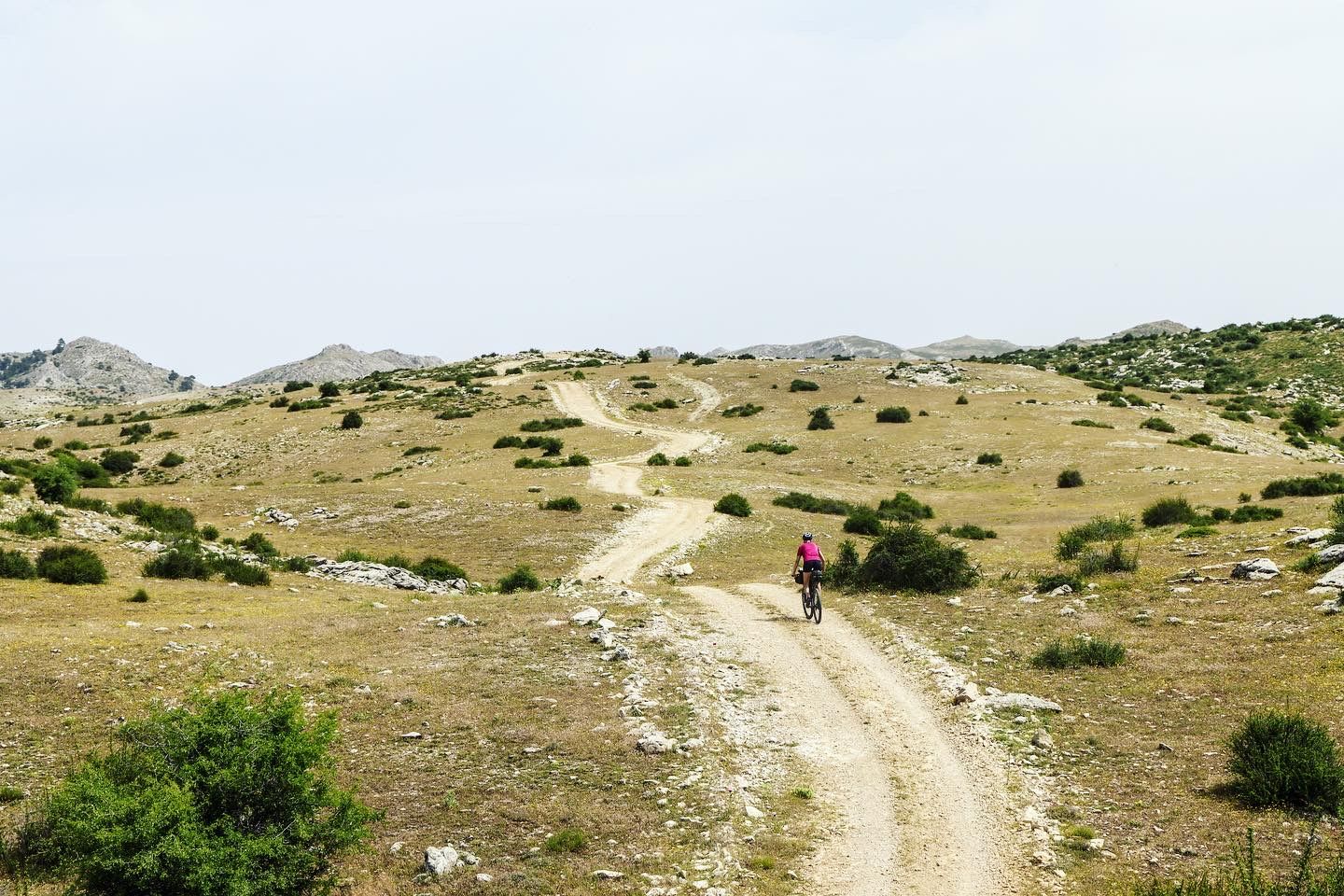
Bikepacking the mountains and deserts of Andalucía
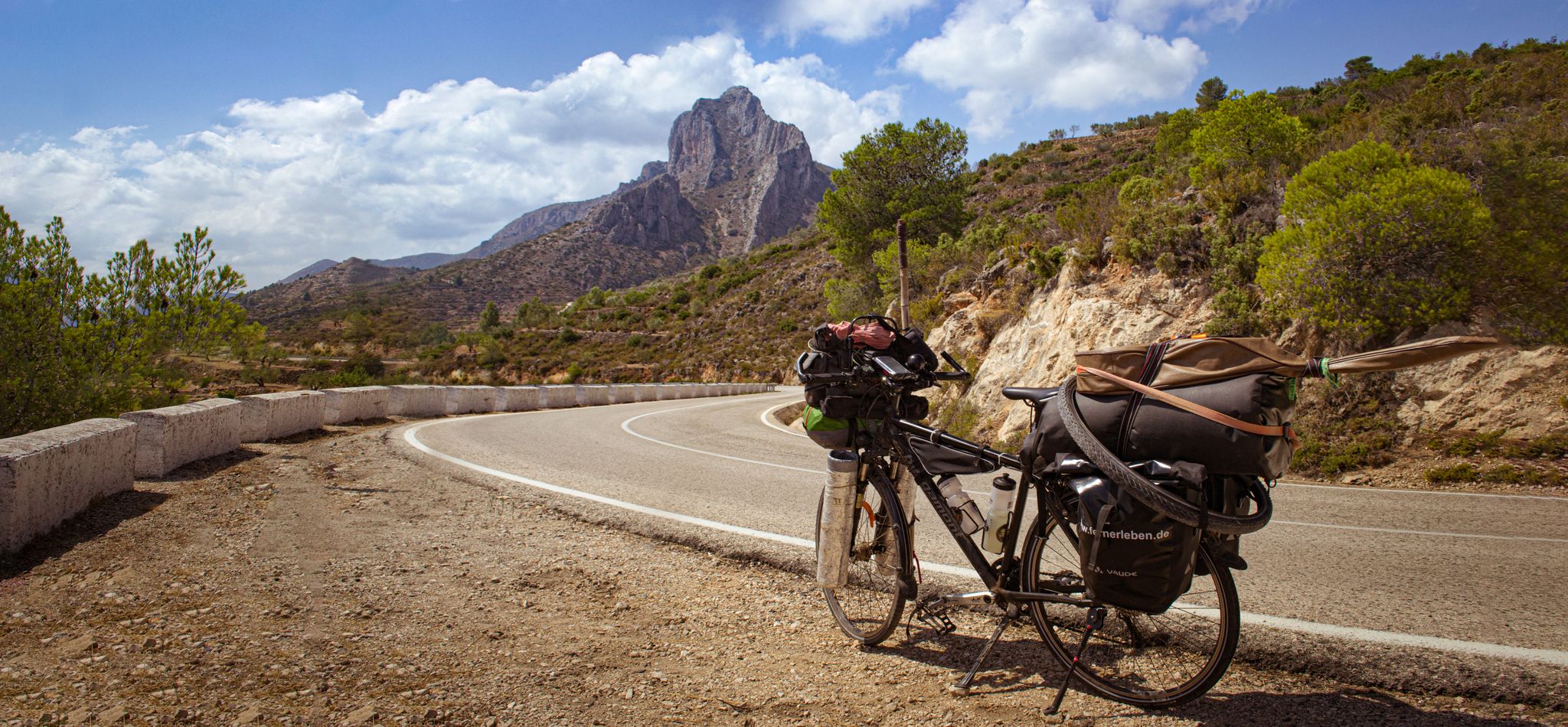
On the road to the sun — bikepacking to southeast Spain
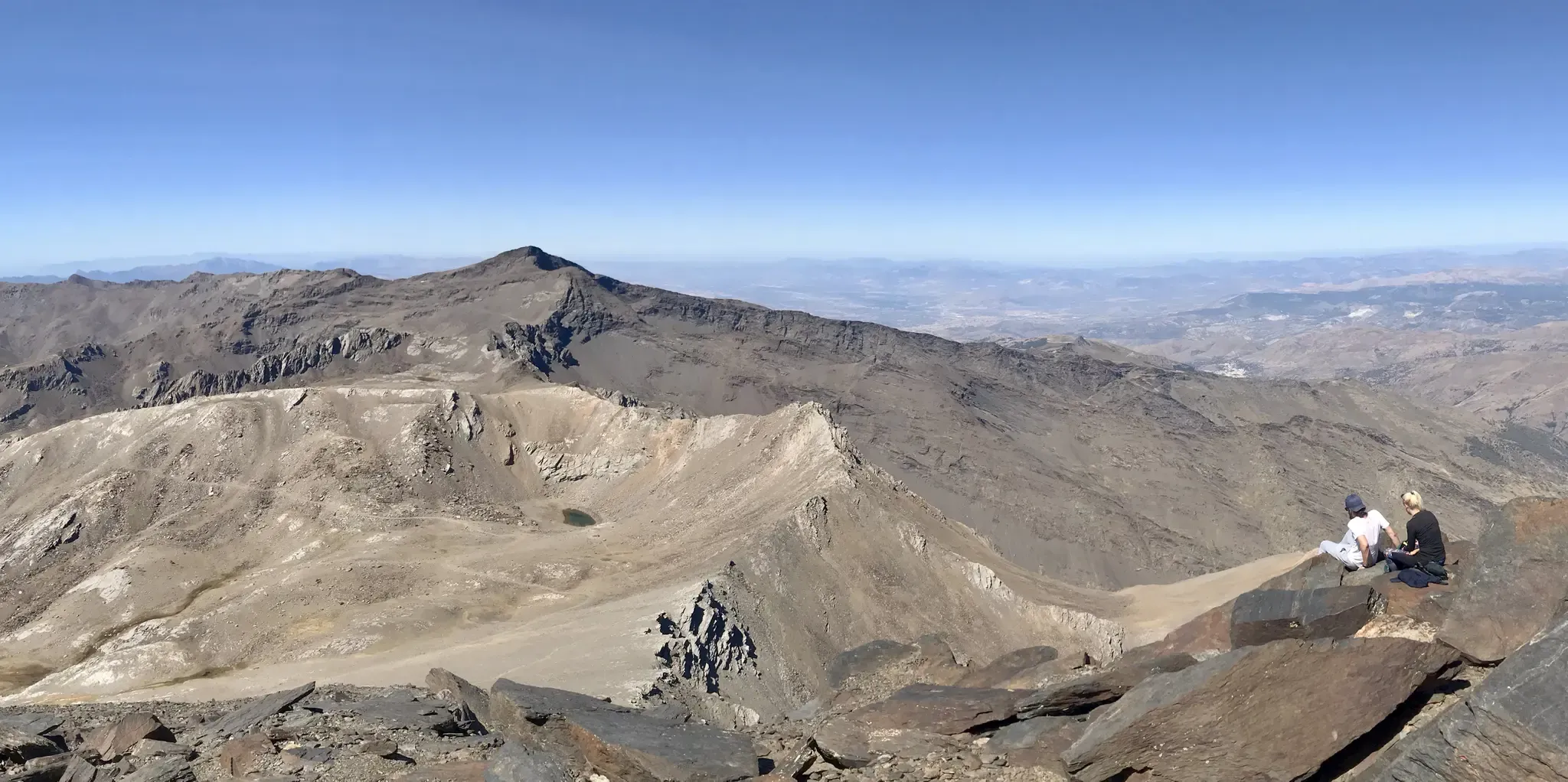
An unforgettable adventure – climb the Mulhacén’s north face in Spain
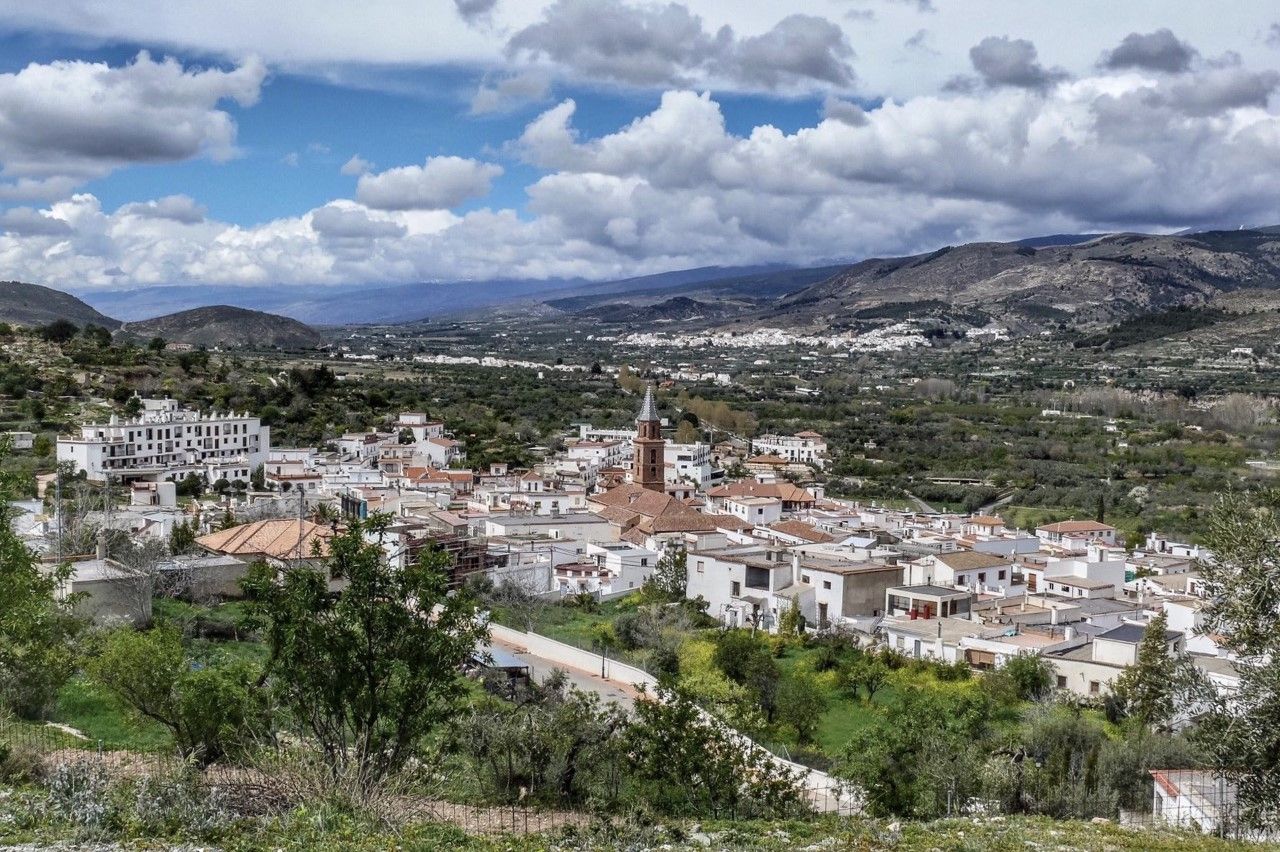
Gullies and summits – TransAlmería by MTB (Las Alpujarras)
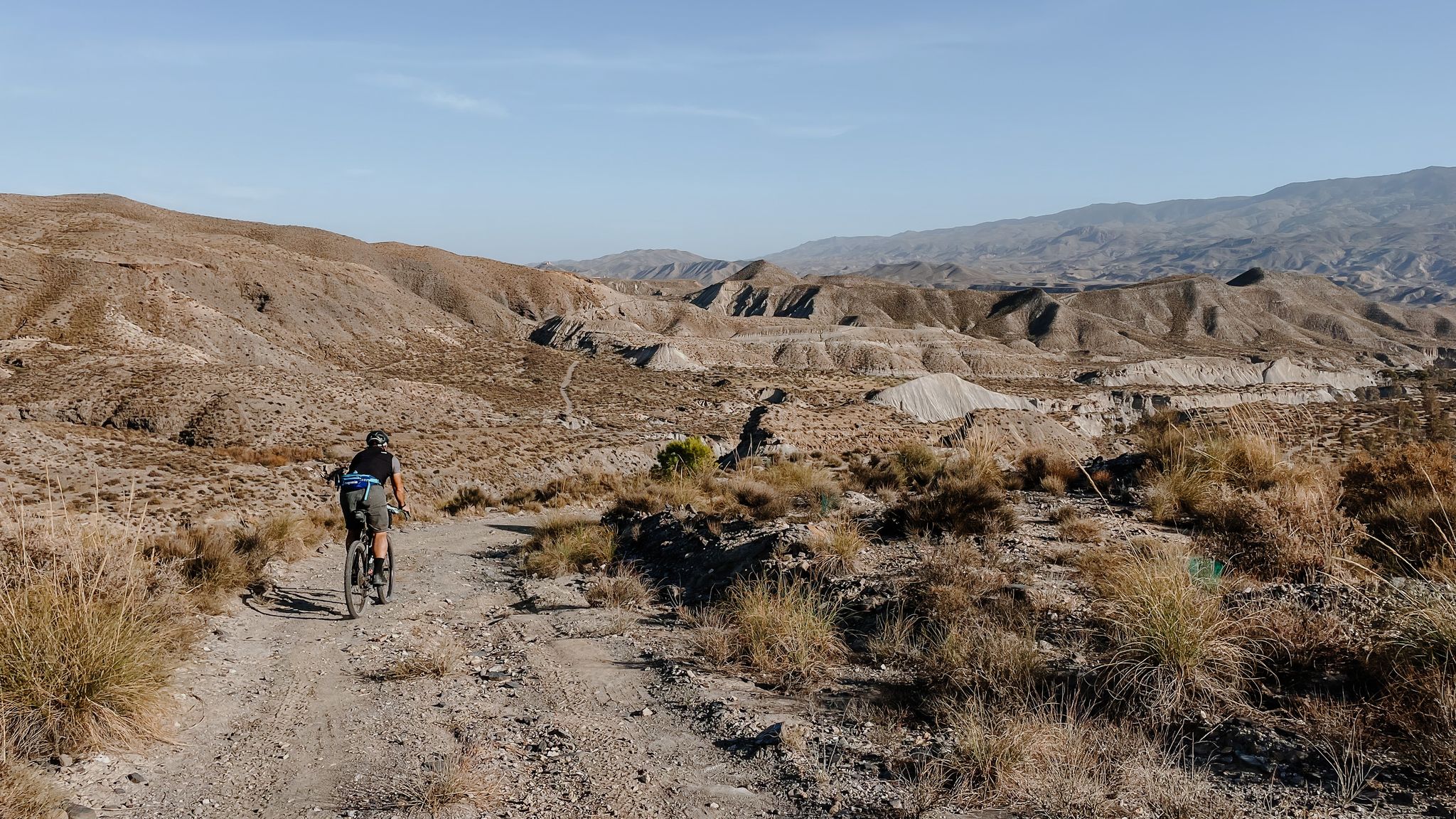
High mountains, desert and sea – an adventure of contrasts in Andalusia
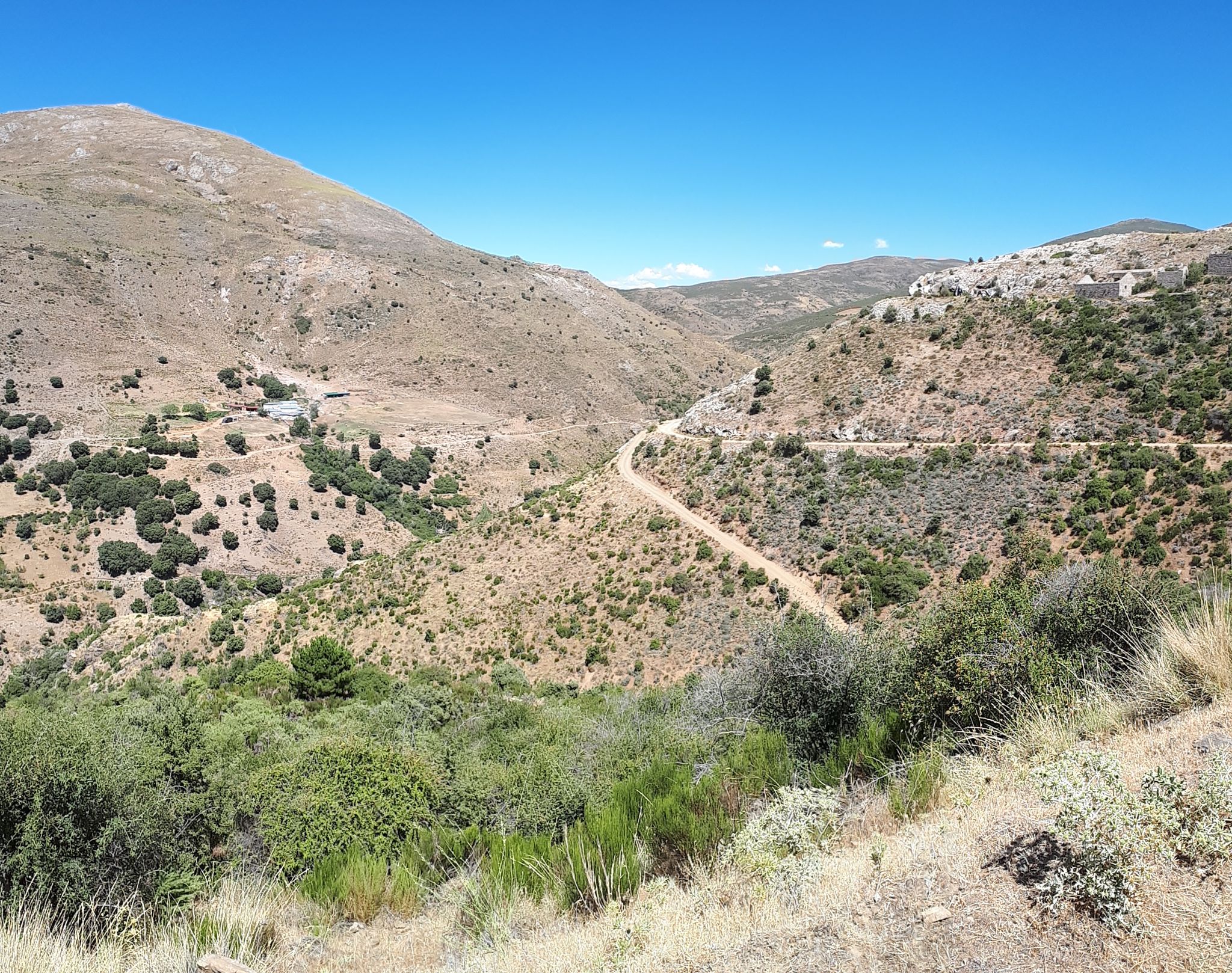
Nature and singletrack – bikepacking in Spain’s Sierra de Huétor
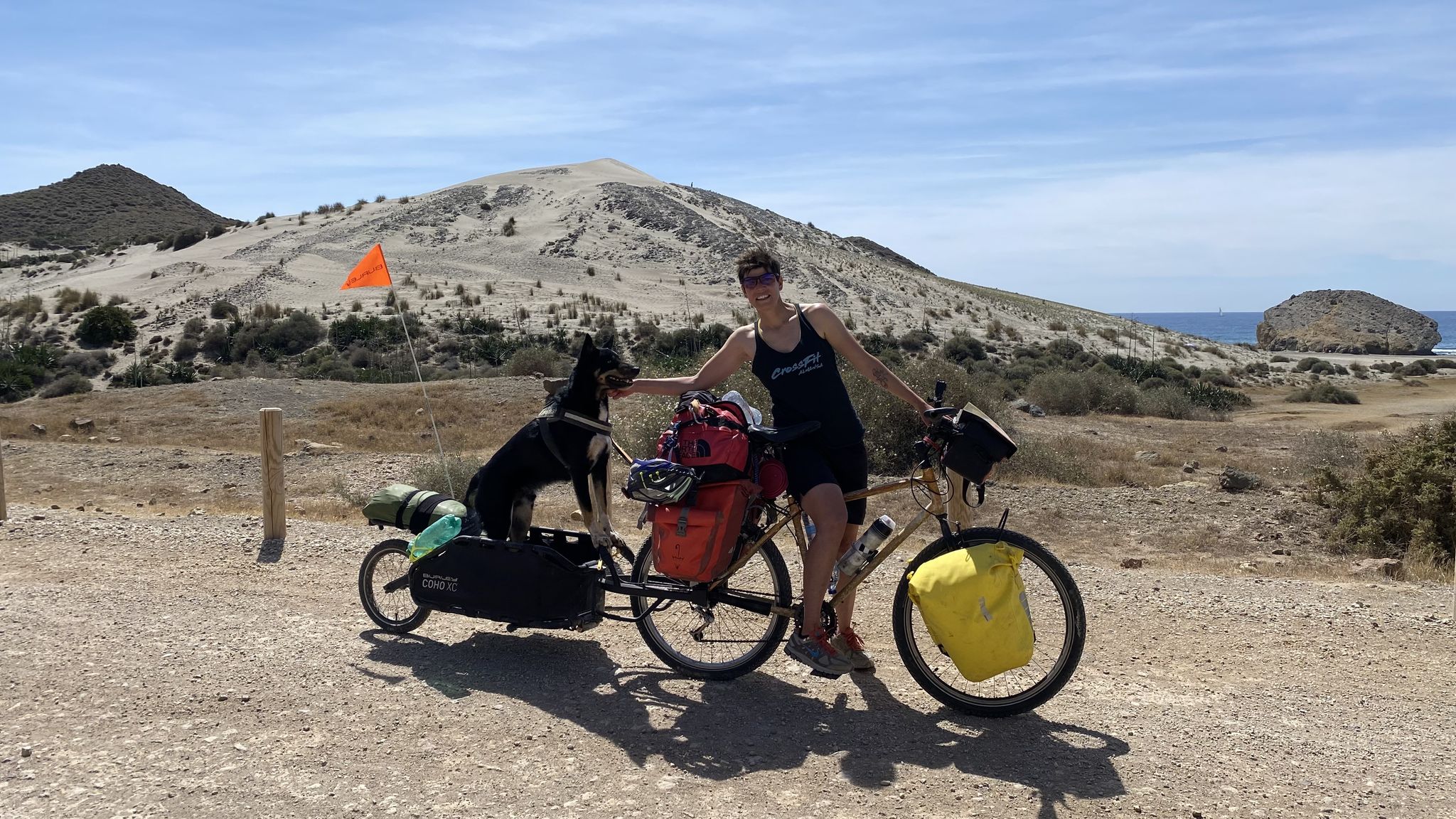
Let’s head south – cycle in Andalusia with me and my dog
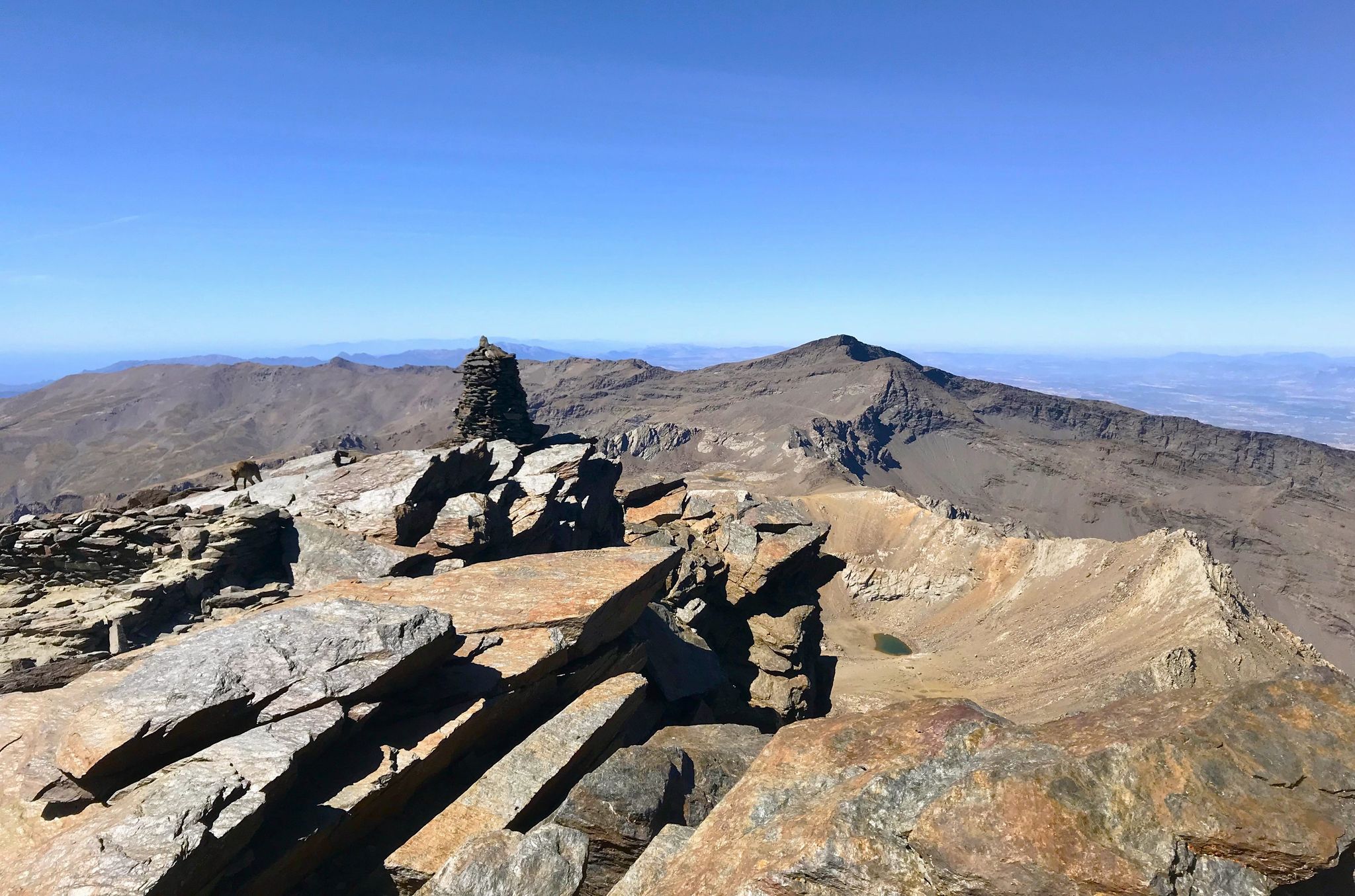
A night under the roof of the Iberian Peninsula – Mulhacén ascent
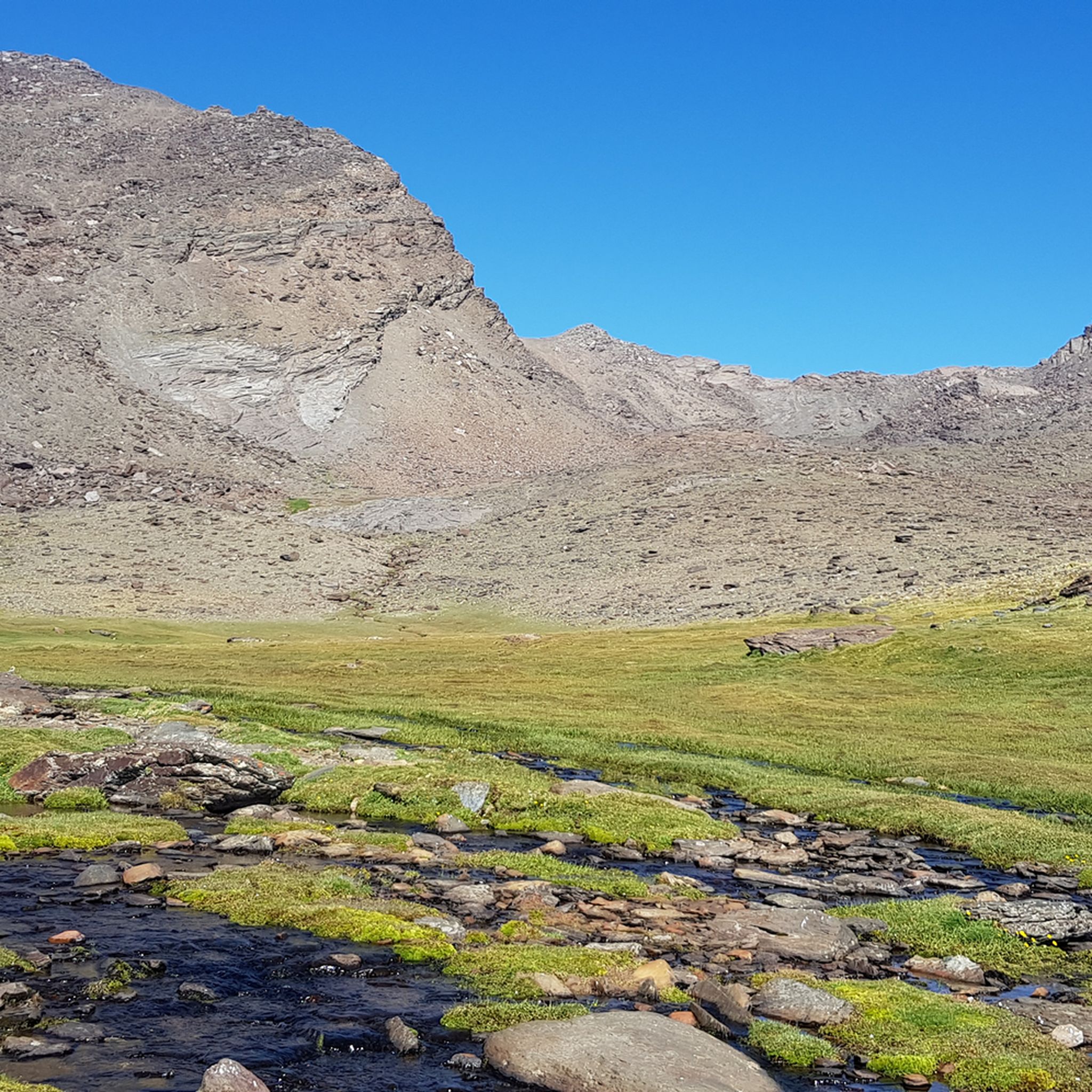
Hiking around Parque Nacional de Sierra Nevada
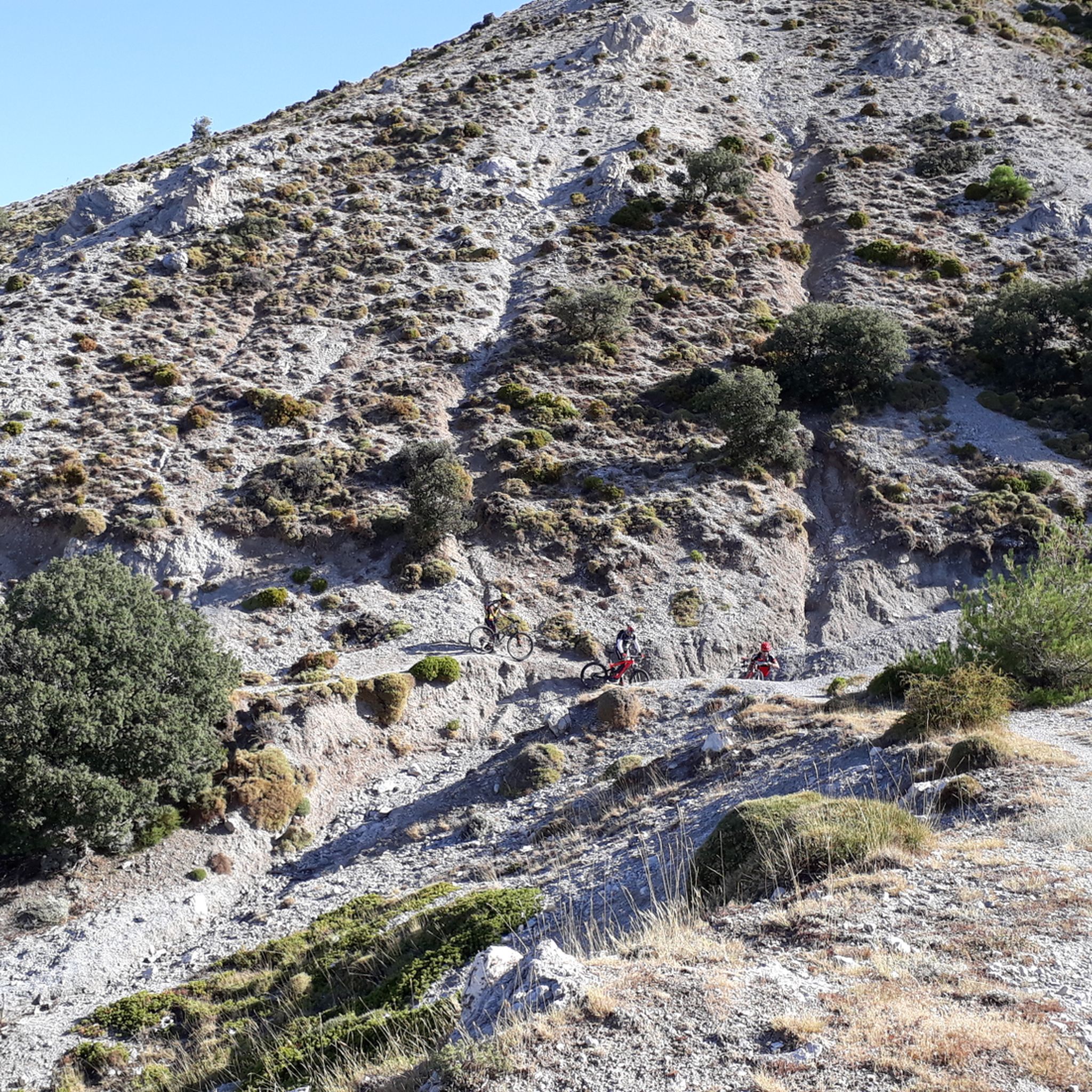
MTB Trails around Parque Nacional de Sierra Nevada
Other adventures around Parque Nacional de Sierra Nevada


Tips from the Community

Place to pass through to reach La Cortijuela at the foot of El Trevenque
0
0
Spectacular and unparalleled
0
0

The flow of the Chico River increases sharply with snowmelt or heavy rains, which caused sediments and stones to be washed away and created many problems. To remedy this, 24 dikes were built, among which the 29-meter Dique 24 stands out.
0
0

The El Purche Road, in Monachil (La Vega de Granada), is an emblematic road that connects the urban area with the Sierra Nevada National Park, well known to cyclists, hikers and lovers of panoramic views.
2
0
The Cumbres Verdes trails, in La Zubia (La Vega de Granada), are one of the most popular areas for hiking near Granada, within the Sierra Nevada Natural Park.
2
0
Near the Old Hermitage in Dílar, there is a spring and a pool that are very useful for refilling your water bottles during hikes. They are located in the Río Dílar Recreation Area, a few meters from the main building, and are usually signposted along the trails.
1
0
It is located in the Sierra Nevada Natural Park, about 18 km from the city of Granada, next to the Dílar River and surrounded by riverside forests and walnut groves. A natural viewpoint with spectacular views of the valley and Granada.
1
1

The view of the Sierra Nevada Mountains is breathtaking, with their soaring peaks dominating the horizon. On clear days, the contrast between their slopes and the sky creates a majestic and powerful landscape.
1
0
Frequently Asked Questions
What is the general difficulty level of gravel bike trails in Parque Nacional de Sierra Nevada?
Gravel biking in Parque Nacional de Sierra Nevada is generally challenging due to significant elevation changes and varied terrain. Most of the 68 available routes are rated as difficult, with 51 falling into this category. There are also 17 moderate routes, but no easy ones, indicating that a good level of fitness and experience is recommended.
Are there any family-friendly gravel biking options in Sierra Nevada National Park?
Given the challenging nature of the terrain and the prevalence of difficult routes, truly family-friendly gravel biking options for young children are limited. The routes often feature significant climbs and descents. However, experienced families with older children who are comfortable with longer distances and elevation might enjoy some of the moderate trails. Always check the specific route details for elevation and distance before heading out.
What kind of gear is recommended for gravel biking in Parque Nacional de Sierra Nevada?
Due to the varied and often rugged terrain, a well-maintained gravel bike with good suspension and robust tires is essential. Given the significant elevation changes, appropriate gearing for climbing is highly recommended. Always carry sufficient water, snacks, repair kits, and navigation tools. Depending on the season, layers of clothing are crucial as mountain weather can change rapidly.
What is the best time of year for gravel biking in Sierra Nevada?
The best time for gravel biking in Parque Nacional de Sierra Nevada is typically spring (April to June) and autumn (September to November). During these seasons, temperatures are milder, and the landscapes are vibrant. Summer can be very hot, especially at lower elevations, while winter brings snow and ice to higher altitudes, making many routes impassable or requiring specialized equipment.
Are there any circular gravel bike routes in the region?
Yes, many gravel bike routes in Parque Nacional de Sierra Nevada are designed as loops, allowing you to start and finish at the same point. For example, the challenging Bérchules – View of Narila and Cádiar loop from Juviles covers 48.5 miles (78 km) with substantial climbing, offering panoramic views. Another option is the Canales Reservoir – Quéntar Reservoir loop from Güéjar Sierra, which is 21.4 miles (34.4 km) and circles two major reservoirs.
What are some of the longer gravel bike routes available?
For those seeking longer adventures, Parque Nacional de Sierra Nevada offers several extensive gravel routes. The Collado del Alguacil – Los Blancares Pass loop from Padules is a significant challenge at 69.3 miles (111.5 km) and typically takes over 11 hours to complete. Another long option is the Nazari Bridge of Tablate – Dílar loop from Cumbres Verdes, which spans 62.3 miles (100.3 km).
What do other gravel bikers say about the trails in Parque Nacional de Sierra Nevada?
The gravel biking routes in Parque Nacional de Sierra Nevada are highly regarded by the komoot community, boasting an average rating of 4.7 out of 5 stars from over 39 reviews. More than 700 gravel bikers have explored the region using komoot, often praising the diverse mountain scenery, challenging climbs, and the sense of adventure offered by the remote tracks.
Are there any waterfalls to see along the gravel bike trails?
Yes, the region is home to several beautiful waterfalls that can be incorporated into your gravel biking adventures. Notable waterfalls include the Lavaderos de la Reina and the Tajo de Cortés Waterfall. You might also encounter the Chorreras Negras Waterfalls, offering scenic breaks during your ride.
Can I find viewpoints or scenic spots on the gravel routes?
Absolutely. The mountainous terrain of Parque Nacional de Sierra Nevada means many gravel routes offer breathtaking viewpoints. For instance, the Bérchules – View of Narila and Cádiar loop from Juviles provides expansive vistas of the surrounding valleys and villages. Routes often traverse high passes and open landscapes, ensuring plenty of opportunities for panoramic views of the Sierra Nevada mountains.
Are there any places to stop for food or drink near the gravel trails?
While many gravel routes in Parque Nacional de Sierra Nevada venture into remote areas, some trails pass through or near villages where you can find cafes, restaurants, or small shops. It's always advisable to plan your route and check for amenities in advance, especially on longer rides. Carrying sufficient provisions is recommended, as services can be sparse in the higher mountain regions.
What are some of the less-known or 'hidden gem' gravel trails in Sierra Nevada?
While the guide highlights popular routes, the extensive network of unpaved roads and ancient paths means there are many less-trafficked options. Exploring routes that connect smaller villages or venture deeper into the valleys, such as the Canales Reservoir – Granada loop from Güéjar Sierra, can lead to quieter experiences and unexpected discoveries away from the main trails. These often offer a more secluded feel of the Sierra Nevada landscape.
Are there any huts or shelters along the gravel biking routes for emergencies or overnight stays?
Yes, within and around Parque Nacional de Sierra Nevada, there are several huts and shelters that can be useful for emergencies or planned overnight stays, particularly on multi-day tours. Examples include the Carihuela Bivouac Shelter, San Francisco Hostel, and Cucaracha Refuge. Always check their availability and conditions before relying on them.
Most popular routes around Parque Nacional de Sierra Nevada
Most popular attractions around Parque Nacional de Sierra Nevada

Get inspired with the komoot mobile app


Explore more
Browse the best Gravel rides in other regions.
