The best gravel rides in Ourense
4.5
(20)
95
riders
27
rides
Gravel biking in Ourense explores a landscape characterized by river valleys, rolling hills, and a mix of forested areas and open terrain. The region features varied elevations, with routes often following waterways like the Miño River and passing through areas with historical Roman infrastructure. This provides a diverse environment for gravel cyclists, from challenging climbs to more undulating paths.
Best gravel bike trails in Ourense
- The most popular gravel bike trail is Circular gravel through Ourense and Castrelo do Miño…
Last updated: October 6, 2026
107km
09:27
1,720m
1,720m
Hard gravel ride. Very good fitness required. Mostly paved surfaces. Suitable for all skill levels.
5.0
(1)
10
riders
96.6km
08:28
1,910m
1,910m
Hard gravel ride. Very good fitness required. Mostly paved surfaces. Suitable for all skill levels.

6
riders
22.0km
02:09
610m
610m
Hard gravel ride. Very good fitness required. Mostly paved surfaces. Suitable for all skill levels.
5.0
(3)
8
riders
30.7km
02:21
760m
760m
Hard gravel ride. Very good fitness required. Mostly paved surfaces. Suitable for all skill levels.
3
riders
11.1km
01:03
300m
300m
Moderate gravel ride. Good fitness required. Mostly paved surfaces. Suitable for all skill levels.
3.0
(1)
6
riders
Hard gravel ride. Very good fitness required. Mostly paved surfaces. Suitable for all skill levels.
7
riders
Hard gravel ride. Very good fitness required. Mostly paved surfaces. Suitable for all skill levels.
4.7
(3)
6
riders
60.6km
03:25
240m
240m
Moderate gravel ride. Good fitness required. Mostly paved surfaces. Suitable for all skill levels.
Get access to more routes and recommendations from other explorers.
Already have an account?
Our route recommendations are based on thousands of hikes, rides, and runs completed by other people on komoot.
Start today with a free account
Your next adventure awaits.
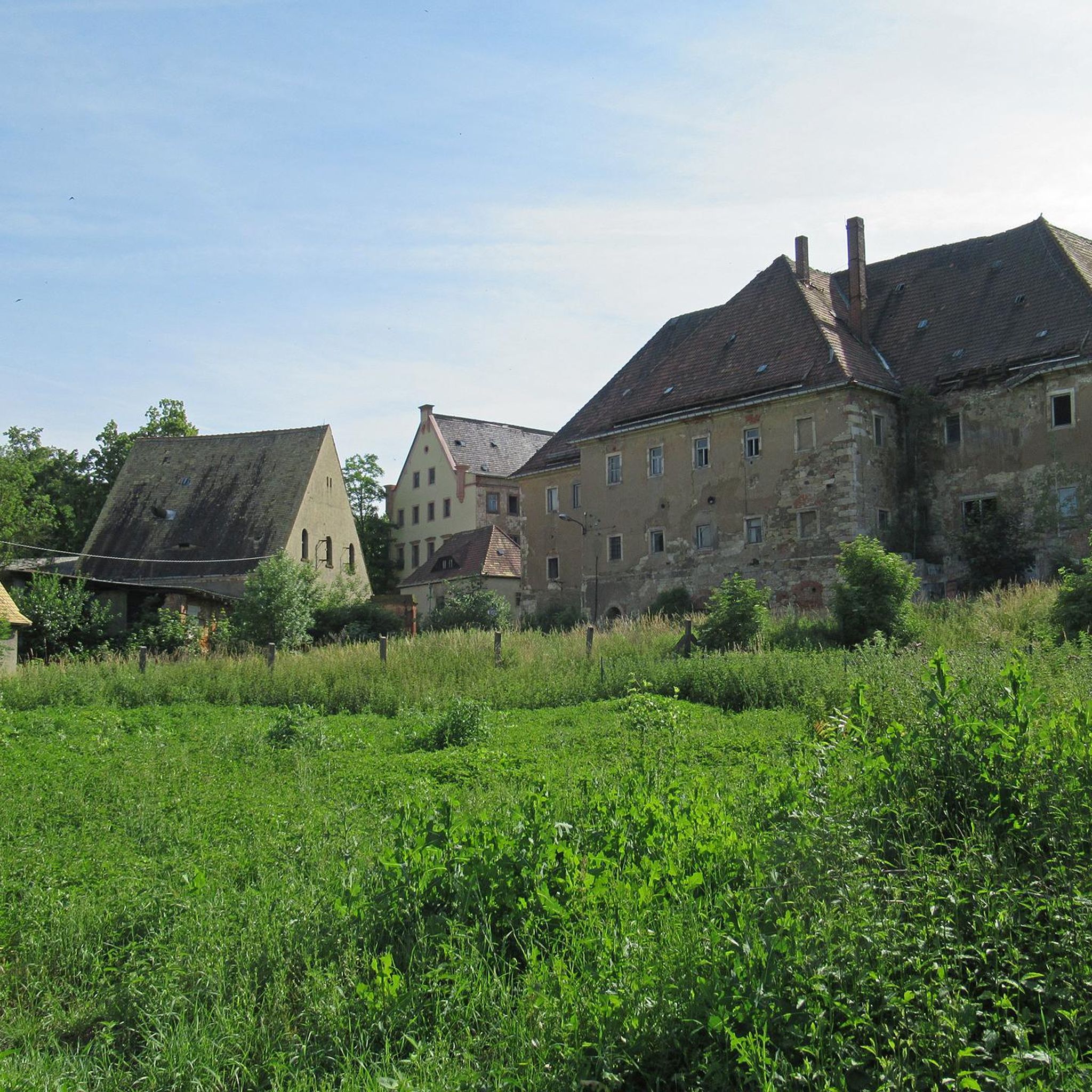

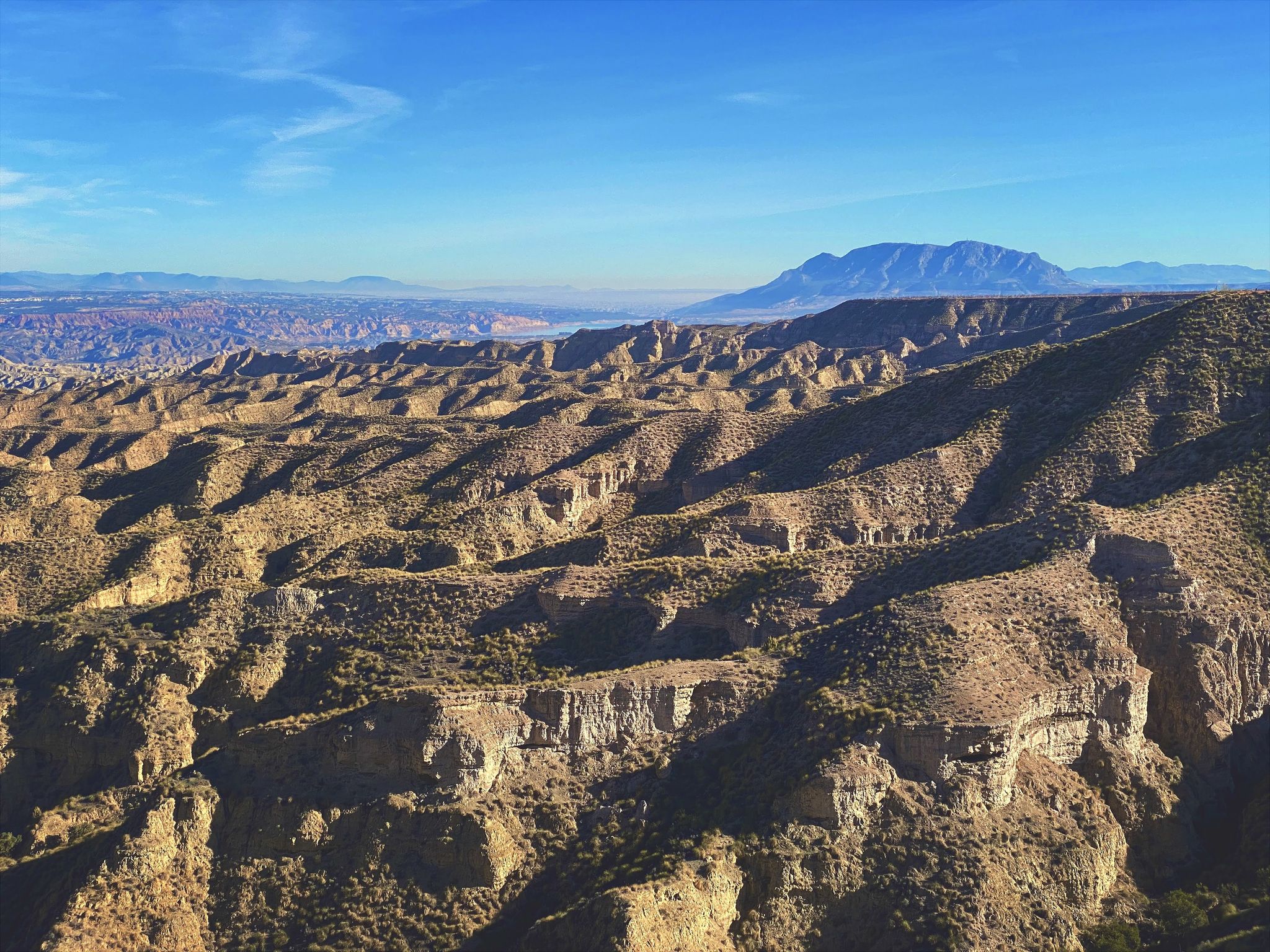
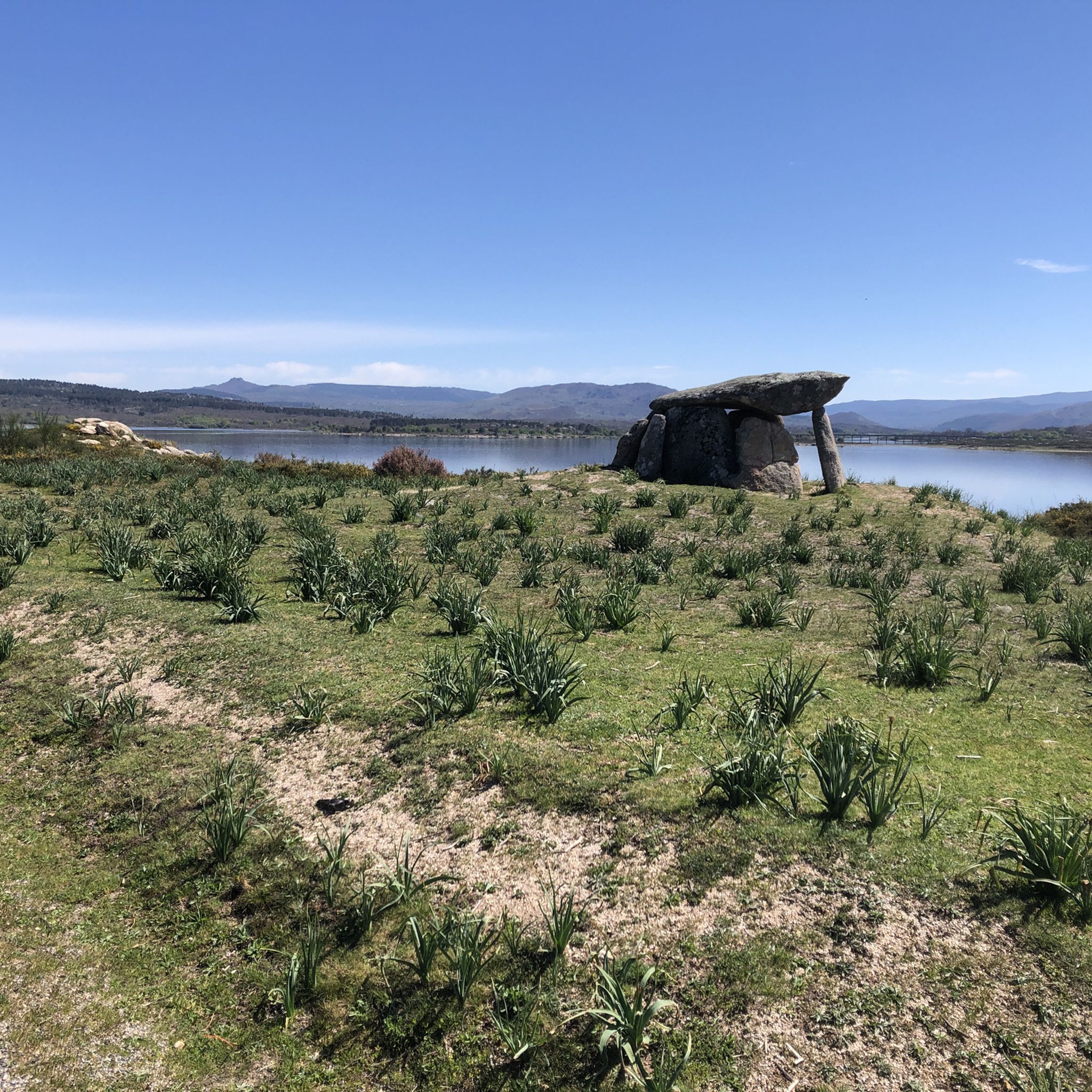
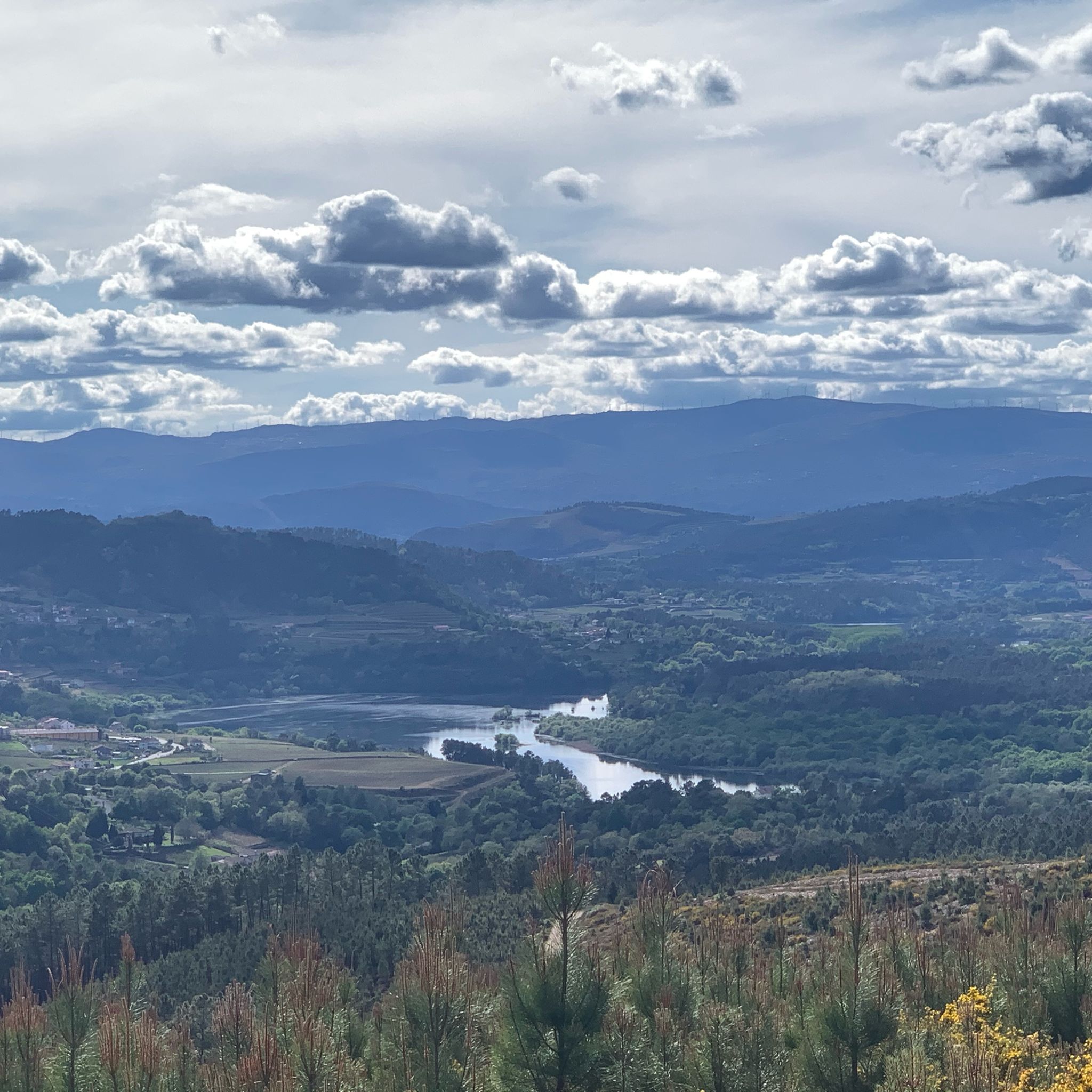
Other adventures in Ourense

Tips from the Community

The Cabreiroá Spa is one of Galicia's most emblematic thermal resorts, renowned for the quality of its mineral-medicinal waters and a history that blends science, modernist architecture, and thermal tradition. As early as the 19th century, a pool existed there, used by locals to treat stomach and bladder problems, and to promote wound healing.
2
1
Ourense's Plaza Mayor is one of the most emblematic spaces in the historic center: It's a porticoed square with a slight incline, making it unique in Galicia. The slope is used to create a very photogenic perspective. Since the Middle Ages, it has been the city's administrative and social center. Markets, public events, and neighborhood meetings were held here. Notable buildings: City Hall: a 19th-century neoclassical building with an elegant façade and balconies. Palaces and noble houses: several properties with heraldic shields and typical Galician galleries.
2
0
Location: in the municipality of Pereiro de Aguiar (Ourense), on the Loña River, a tributary of the Miño. Uses: water supply, irrigation, hydroelectric power generation, fishing; it is not navigable or suitable for swimming. Circular walk: approximately 4 km (3.7 km to be exact), easy difficulty, ideal for families and dogs—although they must be kept on a leash—offering shade, rest areas, and beautiful views.
1
0
Location: in the municipality of Pereiro de Aguiar (Ourense), on the Loña River, a tributary of the Miño. Uses: water supply, irrigation, hydroelectric power generation, fishing; it is not navigable or suitable for swimming. Circular walk: approximately 4 km (3.7 km to be exact), easy difficulty, ideal for families and dogs—although they must be kept on a leash—offering shade, rest areas, and beautiful views.
1
0
Located on the banks of the Miño River, in the Outariz area, west of Ourense, right on the city's "Thermal Promenade." Parking: The Outariz/Reza parking lot (on the opposite bank) is available, as the Muiño da Veiga parking lot is closed for renovations. Public transport: City bus line 5; the unique Thermal Train, which stops at the facility.
1
0
It spans the Miño River, linking the historic center of Ourense with the A Ponte neighborhood. It was built in the 1st century AD as a branch of the Via Nova (Via XVIII), connecting Bracara Augusta (Braga) with Asturica Augusta (Astorga). Only traces of the original Roman phase remain, such as rusticated stonework at the ends near the banks. It suffered damage during the Middle Ages; in 1228, under Bishop Lorenzo and with the support of Ferdinand III, it was rebuilt with pointed arches and renovated approaches. Until the 17th century, the bridge repeatedly collapsed. The final work was directed by Melchor de Velasco Agüero around 1660, establishing its current appearance.
1
0

Fort of São Francisco (The Main One) This is the fort that dominates the city skyline and where the statue of General Silveira is located. What it is today: It has been magnificently restored and operates as a 4-Star Hotel, but the historical area is open to visitors. Why visit: History: It was here that General Silveira besieged and defeated Napoleon's troops in 1809. Interior: You can enter (entry to the courtyard is free) and see the Church of São Francisco. Originally a convent, the church houses the tomb of the first Duke of Braganza. Views: The ramparts offer an incredible panoramic view over the city and the Tâmega River.
0
0
The Roman bridge in Ourense, known as Ponte Vella or Puente Mayor, over the Miño River, was built in the 1st century AD as part of a branch of the Via Nova (Eighteenth Century). According to tradition, it dates back to the time of Trajan, although its construction characteristics place it close to the time of Augustus. Of that first bridge, only a few cushioned ashlars from the bases remain, as silent witnesses of the past.
1
0
Frequently Asked Questions
What is the general difficulty level of gravel biking in Ourense?
Gravel biking in Ourense offers a range of challenges. While there are 2 moderate routes, the majority, 16 out of 18, are classified as difficult. This means you'll find plenty of options for experienced riders seeking significant elevation gain and technical sections.
Are there any family-friendly gravel bike trails in Ourense?
The gravel trails in Ourense are predominantly rated as moderate to difficult, with 16 out of 18 routes falling into the difficult category. For families or beginners, the region might present more challenging terrain. However, the Las Médulas – View of Las Médulas loop from Carucedo is a moderate option that offers a shorter distance and less elevation, making it a more accessible choice.
What kind of natural and historical landmarks can I expect to see along the gravel routes in Ourense?
Ourense's gravel routes often weave through a landscape rich in history and natural beauty. You can encounter historical Roman infrastructure, such as the Ponte Vella (Roman Bridge of Ourense), and explore unique ancient Roman gold mining landscapes like those found on the Las Médulas – Orellán Galleries loop from Carucedo. Other routes might lead you past natural monuments like the Outariz Hot Springs or the A Boutureira Waterfall.
Are there any circular gravel bike routes in Ourense?
Yes, many of the gravel bike routes in Ourense are designed as loops, allowing you to start and finish at the same point. Examples include the challenging Circular gravel through Ourense and Castrelo do Miño, or the scenic Tom Sawyer Treehouse – Campo do Gerês loop from Campo do Gerês which takes you through forested and rural areas.
What are the typical durations for gravel bike tours in Ourense?
The duration of gravel bike tours in Ourense varies significantly depending on the route's length and difficulty. Shorter, moderate routes like the Las Médulas – View of Las Médulas loop from Carucedo can be completed in around 1 hour 15 minutes. Longer, more challenging tours, such as the Circular gravel through Ourense and Castrelo do Miño, can take over 9 hours.
When is the best season for gravel biking in Ourense?
Ourense, with its river valleys and varied terrain, generally offers good conditions for gravel biking during spring and autumn. These seasons typically provide milder temperatures and less rainfall, making for more comfortable rides. Summers can be hot, especially in the valleys, while winters can bring cooler, wetter weather, though some routes may still be accessible.
What do other gravel bikers enjoy most about gravel biking in Ourense?
The komoot community highly rates the gravel biking experience in Ourense, with an average score of 5.0 stars from 6 reviews. Riders often praise the diverse environment, which includes challenging climbs, undulating paths, and the mix of forested areas and open terrain. The region's historical sites and river valleys are also frequently highlighted as key attractions.
Are there any gravel routes that pass by hot springs in Ourense?
Yes, Ourense is known for its hot springs, and some gravel routes incorporate them. For instance, the Main Square of Ourense – Outariz Hot Springs loop from Ourense-Empalme is a difficult route that allows you to cycle towards the famous Outariz Hot Springs.
How can I find less crowded gravel bike routes in Ourense?
To find less crowded routes, consider exploring trails that are further from the main city centers or those with higher difficulty ratings, as these tend to attract fewer riders. Routes like the Roman Bridge of Ourense – Cachamuíña Reservoir loop from Rabaza de Abaixo, while long and difficult, might offer a more secluded experience through varied landscapes.
Are there gravel routes that include views of castles or historical structures?
Absolutely. The region's history is often intertwined with its landscapes. For example, the Castle of Chaves – Chaves Old Town loop from Chaves offers a moderate ride that takes you past historical sites, including the Castle of Chaves, providing a blend of cycling and cultural exploration.
What are some notable viewpoints along the gravel trails in Ourense?
Many gravel trails in Ourense offer scenic viewpoints due to the region's rolling hills and varied elevations. While specific named viewpoints on routes are not always detailed, trails passing through areas like Las Médulas, such as the Las Médulas – View of Las Médulas loop from Carucedo, are designed to showcase impressive vistas. Additionally, routes traversing higher elevations or river valleys often provide expansive views of the Galician countryside.
Most popular routes in Ourense
Most popular attractions in Ourense

Get inspired with the komoot mobile app


Didn’t find what you were looking for?
Check out more Gravel rides throughout Ourense below and find the perfect route in your destination.
Explore more
Browse the best Gravel rides in other regions.
