The best gravel rides in Alytus County
4.5
(7)
85
riders
32
rides
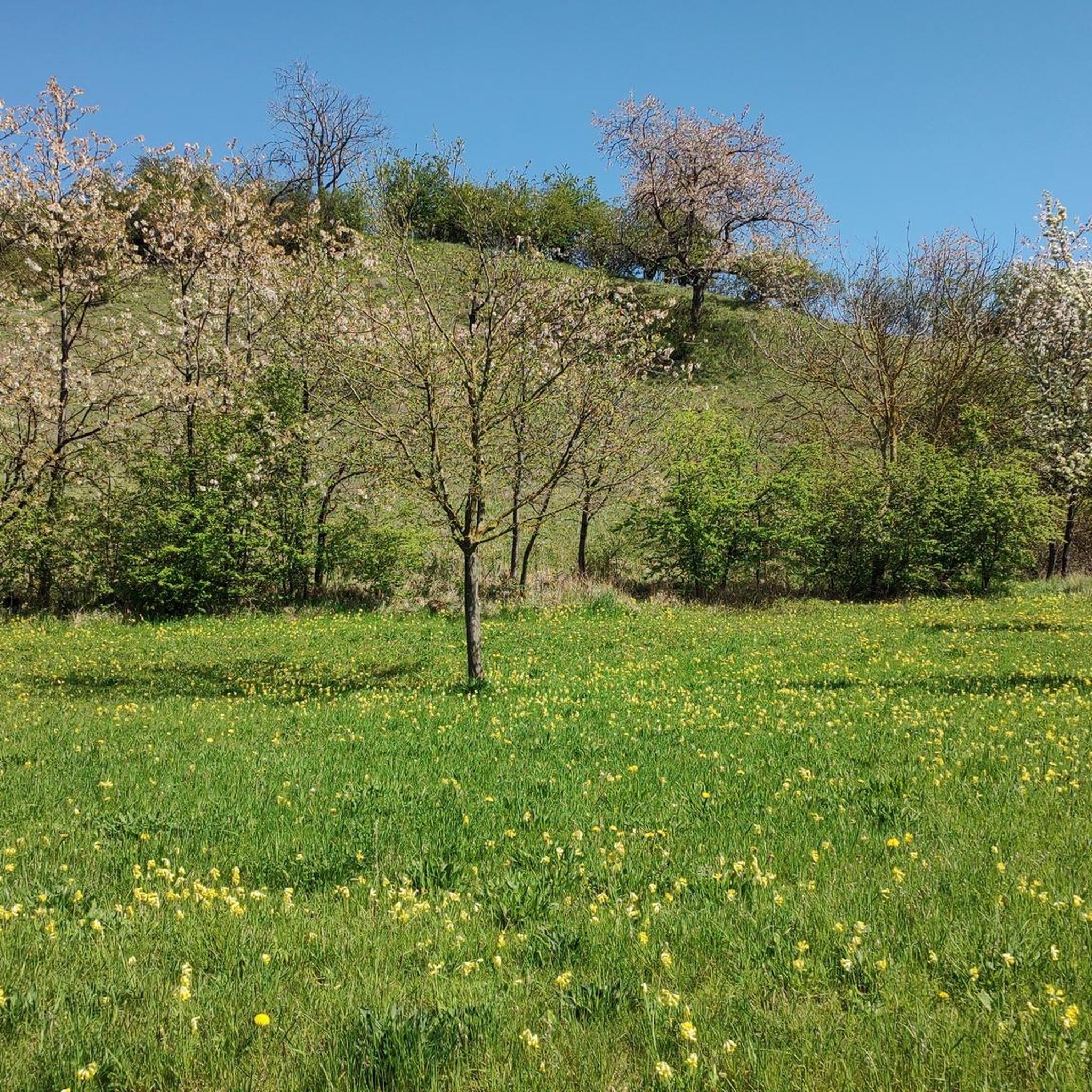
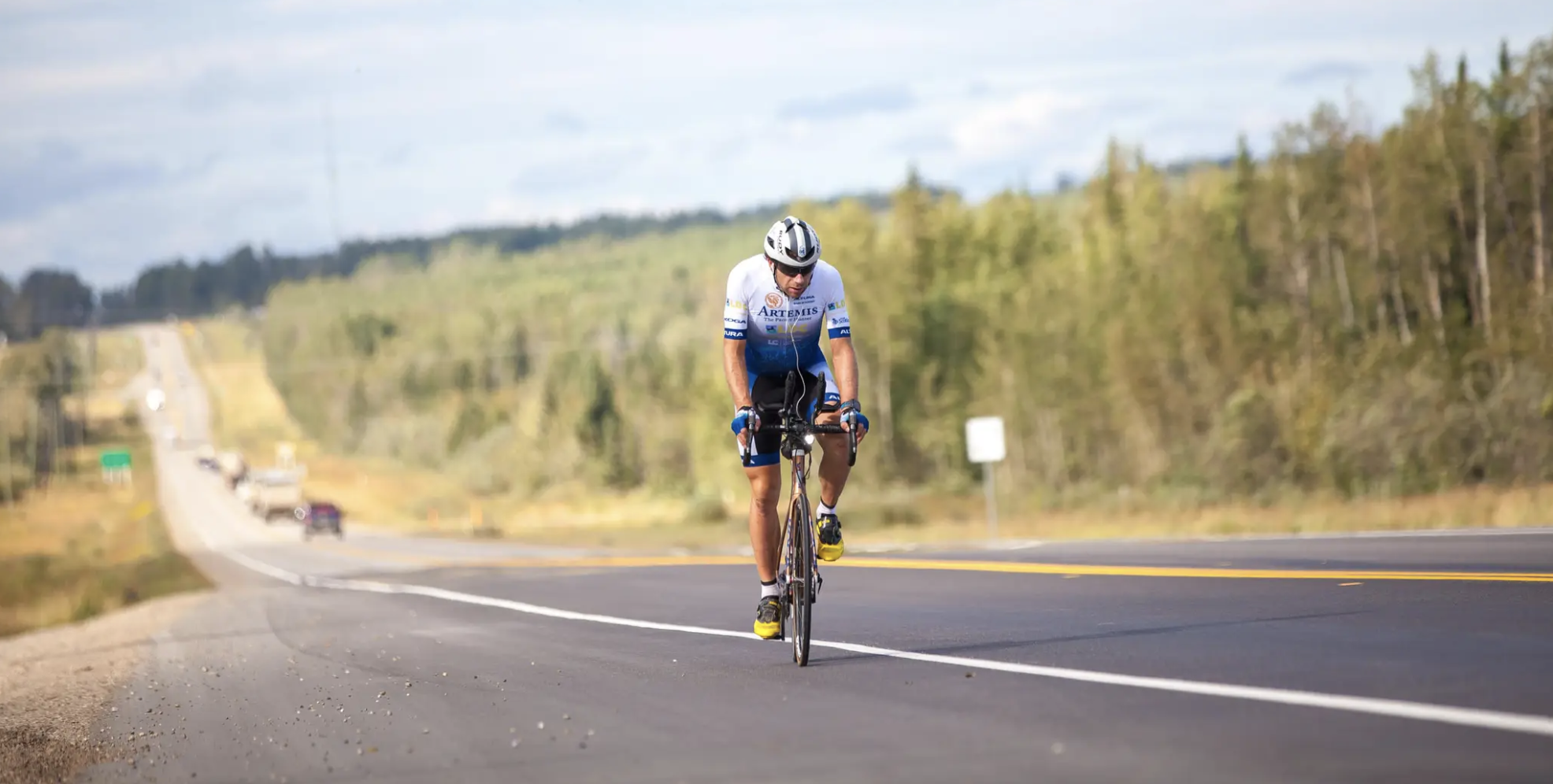
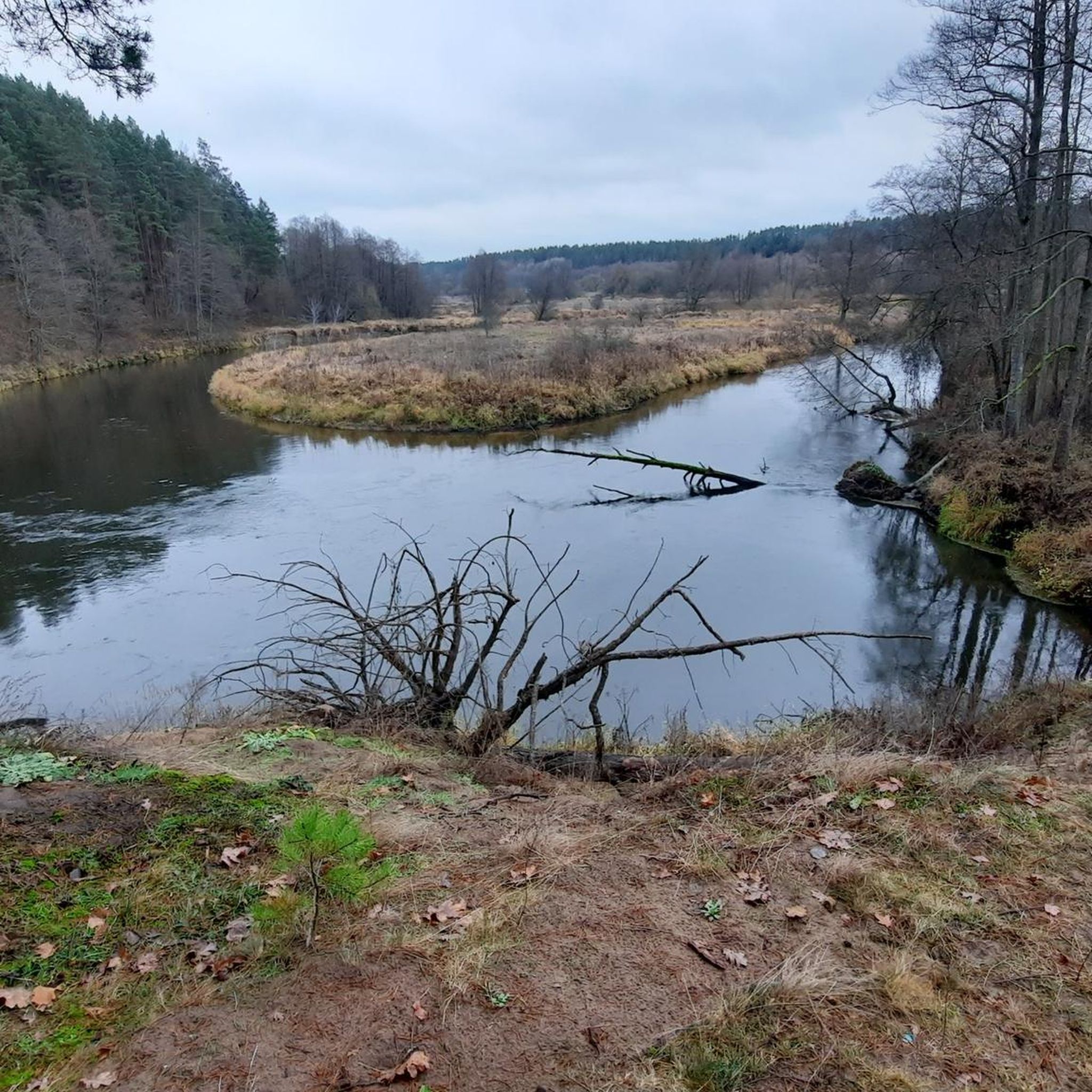
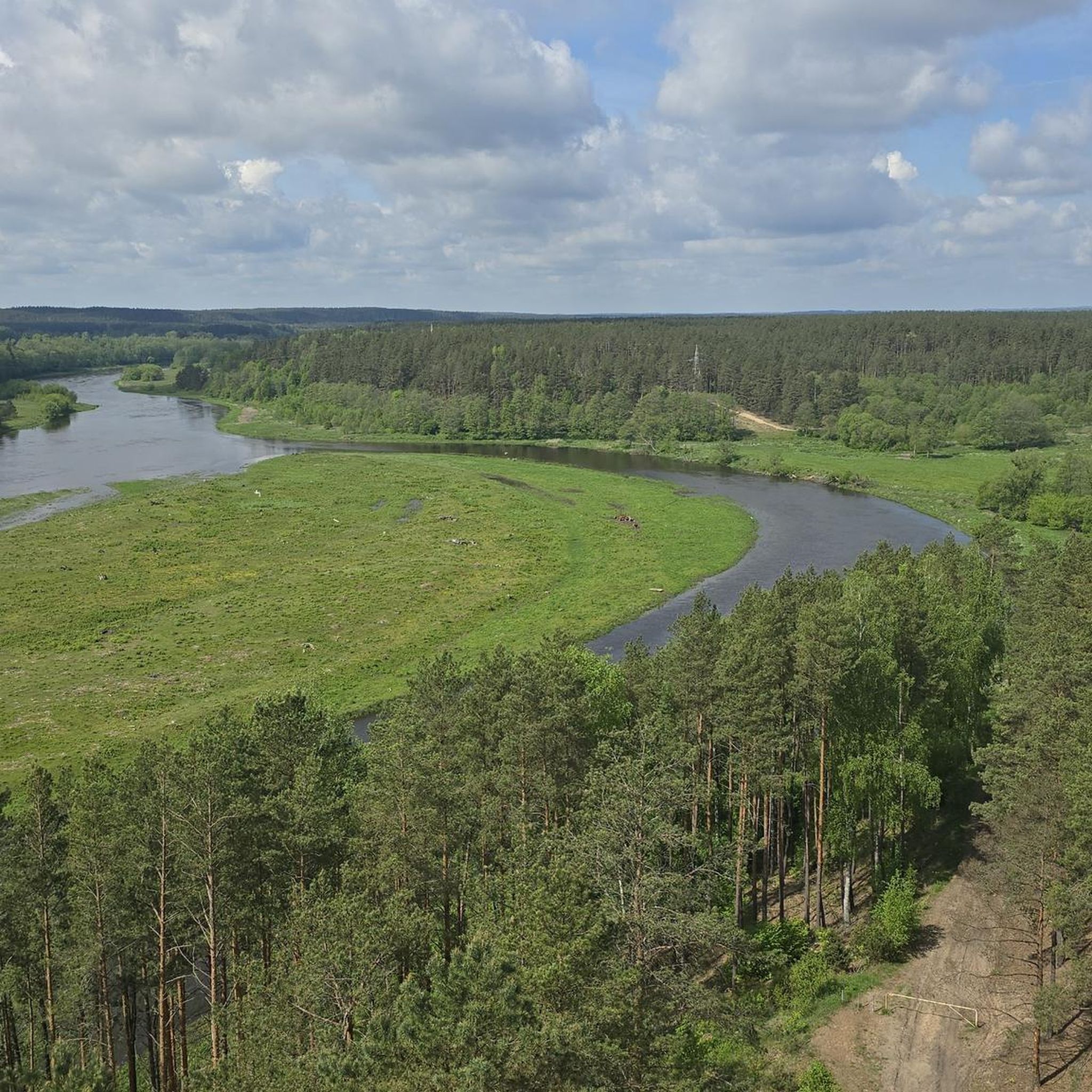
Gravel bike trails in Alytus County traverse a landscape characterized by extensive forests, winding rivers like the Nemunas, and numerous lakes. The region offers varied terrain, from flat paths along waterways to more undulating routes through wooded areas. Gravel biking here often involves a mix of natural surfaces and dedicated bicycle paths, providing diverse experiences for riders.
Best gravel bike trails in Alytus County
- The most popular gravel bike trail is Devil's Rock (Velnio Akmuo) – Bicycle Path loop from…
Last updated: May 21, 2026
5.0
(2)
10
riders
49.7km
03:23
260m
260m
Hard gravel ride. Good fitness required. You may need to push your bike for some segments of this route.
2.0
(1)
6
riders
Moderate gravel ride. Good fitness required. Mostly paved surfaces. Suitable for all skill levels.

Sign up for free
3
riders
50.7km
03:40
210m
210m
Moderate gravel ride. Good fitness required. Mostly paved surfaces. Suitable for all skill levels.
6
riders
38.3km
02:40
210m
210m
Moderate gravel ride. Good fitness required. Mostly paved surfaces. Suitable for all skill levels.
4
riders
Moderate gravel ride. Good fitness required. Mostly paved surfaces. Suitable for all skill levels.
5.0
(1)
5
riders
62.3km
04:41
310m
310m
Moderate gravel ride. Good fitness required. Mostly paved surfaces. Suitable for all skill levels.
2
riders
45.3km
03:27
160m
160m
Moderate gravel ride. Good fitness required. Mostly paved surfaces. Suitable for all skill levels.
2
riders
18.6km
01:33
140m
140m
Easy gravel ride. Great for any fitness level. Mostly paved surfaces. Suitable for all skill levels.
Get access to more routes and recommendations from other explorers.
Sign up for free
Already have an account?
Our route recommendations are based on thousands of hikes, rides, and runs completed by other people on komoot.
Start today with a free account
Your next adventure awaits.
Login or Signup

Other adventures in Alytus County

Tips from the Community


Pūčkornės is a village in Varėna district municipality, 5 km west of Valkininkai and about 3 km northeast of Naujės Valkininkai. The village is located in a forest, on the banks of the Spengla River. Roads to N. Valkininkai, Degsniai, Vaitkarčmis, Spengla. The village of Pūčkornės has been known since the times of the Grand Duchy of Lithuania. It is assumed that a Grand Duchy of Lithuania arms mint was established here in 1551, which was powered by a dam on the Spengla River. Cannons were cast from copper and tin, shells and gunpowder were made. Part of the iron ore required for production was extracted locally. The production of Pūčkornės was transported to the Vilnius Arsenal. In 1605–1611, 34 blacksmiths, 29 wheelwrights, 16 shoemakers, and 6 ironworkers worked at the mint. It is believed that the mint was destroyed by the Russians in 1655. In the 19th century. At the end of the 19th century, Pūčkornės (Puškarnia) was a state-owned village in the Valkininkai rural municipality, Vaitkarčmis eldership, Trakai county. There was a Lithuanian school. During the LSSR, the village was attached to the Valkininkai district, the "Red Flag" collective farm. For a while, the village of Spenglas was attached to Pūčkornės.
2
0

Popular campsite, with gazebos, outdoor toilet, etc.
0
0
A well-preserved ethnographic village with neat homesteads.
0
0


The church in the village of Marcinkonys was unfortunately closed. The priest lives in the gray house next door but wasn't home when we rang the bell. Judging by the photos on the plaque, it must be worth seeing.
0
0
In 1998, a cross carved by folk artist Juozapas Jakštas was erected on the territory of the monastery, commemorating the Battle of Valkininkai. There have been tragic events in the history of the Valkininkai Monastery. In 1700, a civil war took place in Lithuania between the Sapieha family and the noble opposition that formed the Valkininkai Confederation, who fought against the positions of the Sapieha family in the Grand Duchy of Lithuania and wanted to limit the power of the Sapieha family. On November 18, 1700, the Battle of Valkininkai took place in the fields between Valkininkai and Liepāny. The Valkininkai Confederation consisted of 4,000 soldiers, while the Sapieha forces, led by the Grand Duke of Lithuania's Grand Horseman Mykolas Pranciškus Sapieha, the son of the Vilnius Voivode and Grand Duke of Lithuania's Grand Hetman Kazimierz Jonas Sapieha, the same one who built the Sapieha Palace in Antakalnis, were half as small. The battle lasted several hours, with several hundred people killed on both sides. The Battle of Valkininkai is also immortalized in the second book of Kristina Sabaliauskaitė's "Silva Rerum", where it is mentioned that near Valkininkai, in a fratricidal war of Lithuanian against Lithuanian, the two eldest sons of Uršulė Birontienė and Jonas Kirdėjas Birontas, Jonas Motiejus and Samuelis Jeronimas, were killed. After the battle, Mykolas Pranciškus Sapiega hid in the Valkininkai monastery, but drunken nobles found him and cut him to pieces with swords right there in the monastery. After the defeat, the Sapiegas were punished with infamia, or deprivation of honor, and their estates were confiscated.
3
0
In 1635 or 1636, after the establishment of the Franciscan monastery, Jews began to settle in the town, who in 1642 received a privilege to keep a distillery. The Valkininkai church barely stood out in the town, so in 1635 - 1650 a Franciscan monastery was built. The double-towered church with 2-storey U-plan monastery buildings rose on the western outskirts of Valkininkai, behind Merkys. This Renaissance and Baroque architectural complex became the most important landmark of the town and the surrounding area. In 1832, the Franciscan monastery was abolished, and a military unit was established in it. By 1867-1868, the monastery building was adapted for barracks; the church towers were demolished, and the rest of it was rebuilt into a church. The town and the surrounding area lost a significant landmark. In 1920 – In 1939, Valkininkai was occupied by Poland, many people emigrated, the town almost did not grow. The army was stationed in the former monastery. In 1939, Valkininkai was returned to Lithuania. During World War II, Valkininkai suffered, the former Franciscan monastery was blown up.
3
0
Frequently Asked Questions
How many gravel bike trails are available in Alytus County?
Alytus County offers a diverse network of over 30 gravel bike trails, catering to various skill levels and preferences. You'll find routes ranging from easy loops to more challenging long-distance rides.
What is the best time of year for gravel biking in Alytus County?
The most pleasant seasons for gravel biking in Alytus County are spring, summer, and early autumn. During these months, the weather is generally mild, and the natural landscapes, including forests and lake shores, are at their most vibrant. Winter riding is possible, but be prepared for colder temperatures and potentially snowy or icy conditions.
Are there easy gravel bike trails suitable for beginners or families?
Yes, Alytus County has several easy gravel bike trails perfect for beginners or family outings. For instance, the Ež. Bedugnis loop from Nemunaitis is an easy option, offering a gentle introduction to the region's gravel paths.
What kind of terrain can I expect on gravel bike trails in Alytus County?
Gravel biking in Alytus County features varied terrain, from flat paths along the Nemunas River and serene lake shores to more undulating routes through dense forests. You'll encounter a mix of natural surfaces and dedicated bicycle paths, providing a diverse and engaging riding experience.
Are there any challenging gravel bike routes for experienced riders?
Absolutely. For those seeking a more demanding ride, Alytus County offers several difficult gravel bike trails. An example is the Devil's Rock (Velnio Akmuo) – Bicycle Path loop from Snow arena, which covers nearly 50 km with significant elevation changes, providing a good test for advanced riders.
What do other gravel bikers enjoy most about the trails in Alytus County?
The gravel bike trails in Alytus County are highly regarded by the komoot community, with an average rating of 4.5 stars. Riders frequently praise the region's quiet woodlands, scenic river valleys, and the well-maintained paths that allow for immersive nature experiences.
Are there any circular gravel bike trails in Alytus County?
Many of the gravel bike routes in Alytus County are designed as loops, allowing you to start and end your ride at the same point. For example, the Druskonis Lake – Druskininkai City Museum loop from Druskininkai offers a scenic circular tour around the lake and through urban areas.
Can I find scenic viewpoints or natural attractions along the gravel trails?
Yes, Alytus County's gravel trails often lead to beautiful natural attractions. You can explore sites like the geological formation of Devil's Rock (Velnio Akmuo) or the tranquil Ūlos Akis Spring. The region is rich in natural monuments and picturesque landscapes.
Are there any routes that pass by interesting landmarks or cultural sites?
Several routes offer glimpses of local landmarks. For instance, the Girios Aidas Forest Museum – Švendubrė St. Anthony Chapel loop from Druskininkai takes you past cultural points of interest. You might also encounter historical churches like the Church of the Icon of the Mother of God 'Joy of All Who Sorrow' in Druskininkai.
Are there options for longer gravel bike routes in Alytus County?
For those looking for longer rides, Alytus County has several routes exceeding 50 km. The Milioniškiai Suspension Bridge – Puvočiai Observation Tower loop from Milioniškės is a notable example, stretching over 62 km and offering an extensive exploration of the region's landscapes.
Is public transport available to access the gravel bike trails?
While specific public transport connections directly to every trailhead might be limited, major towns like Alytus and Druskininkai are accessible by bus, and some routes start or pass through these areas. It's advisable to check local bus schedules for connections to smaller villages near trail starting points.
Can I bring my dog on the gravel trails in Alytus County?
Generally, dogs are welcome on most public trails in Alytus County, especially in natural areas. However, it's always best to keep your dog on a leash, especially when passing through populated areas, near wildlife, or on shared paths, and to clean up after them. Specific rules may apply in nature reserves or protected areas, so check local signage.
Most popular routes in Alytus County
Most popular attractions in Alytus County

Get inspired with the komoot mobile app


Didn’t find what you were looking for?
Check out more Gravel rides throughout Alytus County below and find the perfect route in your destination.
Explore more
Browse the best Gravel rides in other regions.
