The best gravel rides in West Virginia
4.8
(66)
594
riders
28
rides
Gravel biking in West Virginia offers diverse terrain across its Appalachian Mountains, dense forests, and numerous waterways. The state's landscape features rolling hills, deep valleys, and an extensive network of unpaved roads. These conditions provide a blend of challenging climbs, fast descents, and scenic routes through varied natural environments. Riders can explore former railway lines converted into multi-use trails, alongside dirt and gravel roads.
Best gravel bike trails in West Virginia
- The most popular gravel bike trail is Meyersdale Visitors Center – Mason-Dixon Line Monument loop from Cumberland, a 63.9 miles (102.9 km) trail that takes 5 hours 56 minutes to complete. This difficult route features significant elevation gain and passes through the historic Big Savage Tunnel.
- Another top favourite among local gravel bikers is Ferry Hill – Antietam Aqueduct loop from Harpers Ferry, a moderate 26.8 miles (43.1 km) path. This route offers a mix of riverside riding and historical points of interest near Harpers Ferry.
- Local gravel bikers also love the Knobley Tunnel Trail – Evitt's Creek Campsite loop from Cumberland, a 27.0 miles (43.5 km) trail leading through forested areas and featuring the Knobley Tunnel, often completed in about 3 hours 21 minutes.
- Gravel biking in West Virginia is defined by Appalachian forests, rolling hills, and extensive rail-trail systems. The network offers options for different ability levels, from leisurely rides on converted railway lines to challenging routes with significant elevation changes.
- The routes in West Virginia are highly rated by the komoot community with an average score of 4.7 stars from over 40 reviews. More than 500 gravel bikers have used komoot to explore West Virginia's varied terrain.
Last updated: November 11, 2026
5.0
(3)
73
riders
159km
10:49
970m
970m
Hard gravel ride. Very good fitness required. Mostly paved surfaces.
4.5
(2)
36
riders
79.6km
06:40
200m
200m
Hard gravel ride. Very good fitness required. Mostly paved surfaces.

5.0
(5)
14
riders
25.5km
02:09
140m
140m
Moderate gravel ride. Good fitness required. Mostly paved surfaces.
9
riders
Hard gravel ride. Very good fitness required. Mostly paved surfaces.
5.0
(1)
14
riders
81.1km
04:21
570m
570m
Hard gravel ride. Very good fitness required. Mostly paved surfaces.
14
riders
82.9km
05:20
1,210m
1,210m
Hard gravel ride. Very good fitness required. Mostly paved surfaces.
8
riders
81.5km
04:17
500m
500m
Hard gravel ride. Very good fitness required. Mostly paved surfaces.
7
riders
36.0km
01:53
150m
150m
Easy gravel ride. Mostly paved surfaces.
5.0
(1)
13
riders
33.8km
01:45
150m
150m
Easy gravel ride. Mostly paved surfaces.
7
riders
Moderate gravel ride. Good fitness required. Mostly paved surfaces.
Get access to more routes and recommendations from other explorers.
Already have an account?
Our route recommendations are based on thousands of hikes, rides, and runs completed by other people on komoot.
Start today with a free account
Your next adventure awaits.
Popular around West Virginia

Gravel biking in Jefferson County

Gravel biking in Berkeley County

Gravel biking in Monongahela National Forest

Gravel biking in Hardy County

Gravel biking in Pocahontas County

Gravel biking in Pendleton County

Gravel biking in Randolph County
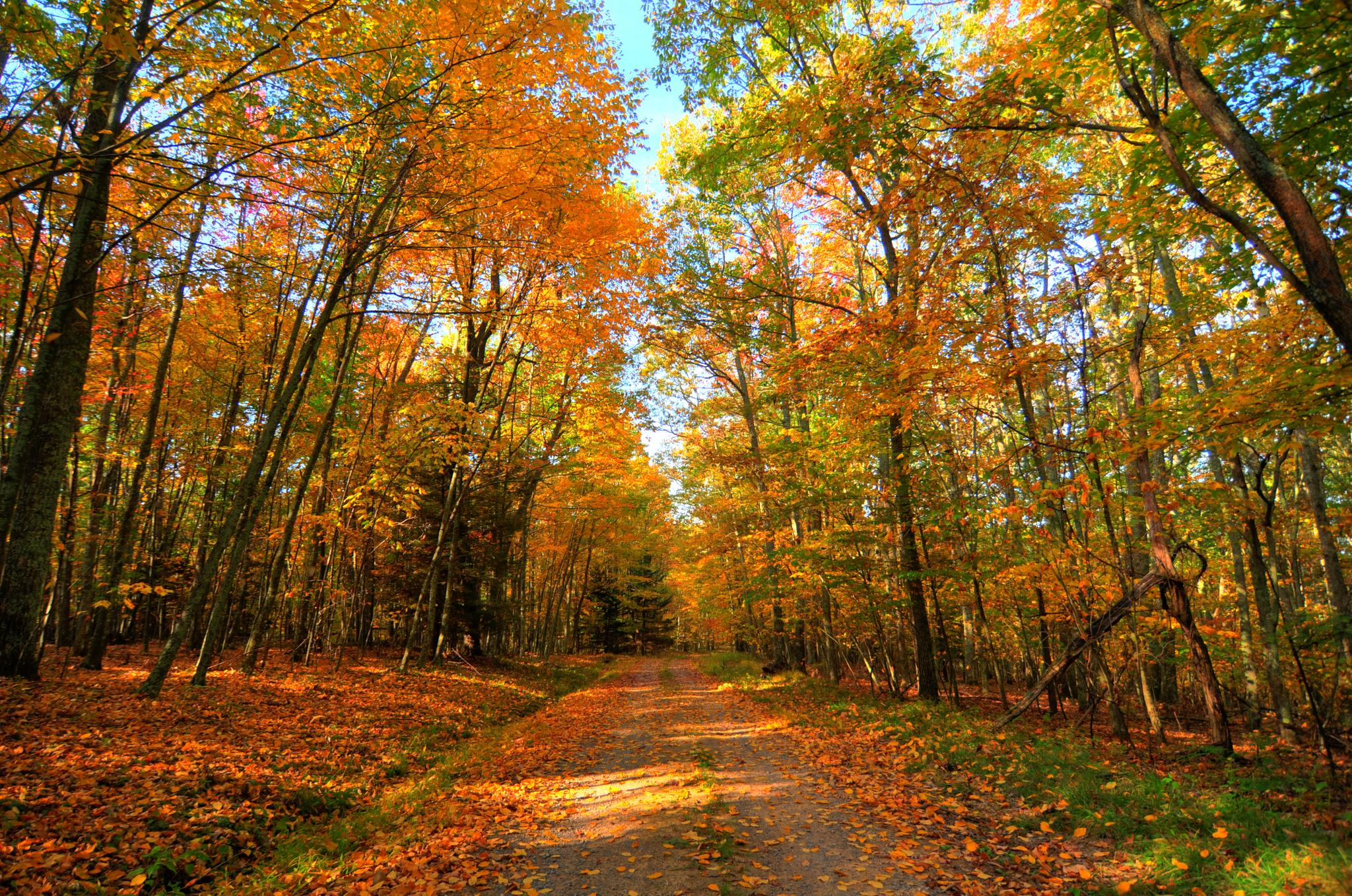
Greenbrier River & Allegheny Highlands loop — Cycling through the heart of West Virginia’s wild beauty
American Discovery Trail — Walking from sea to shining sea
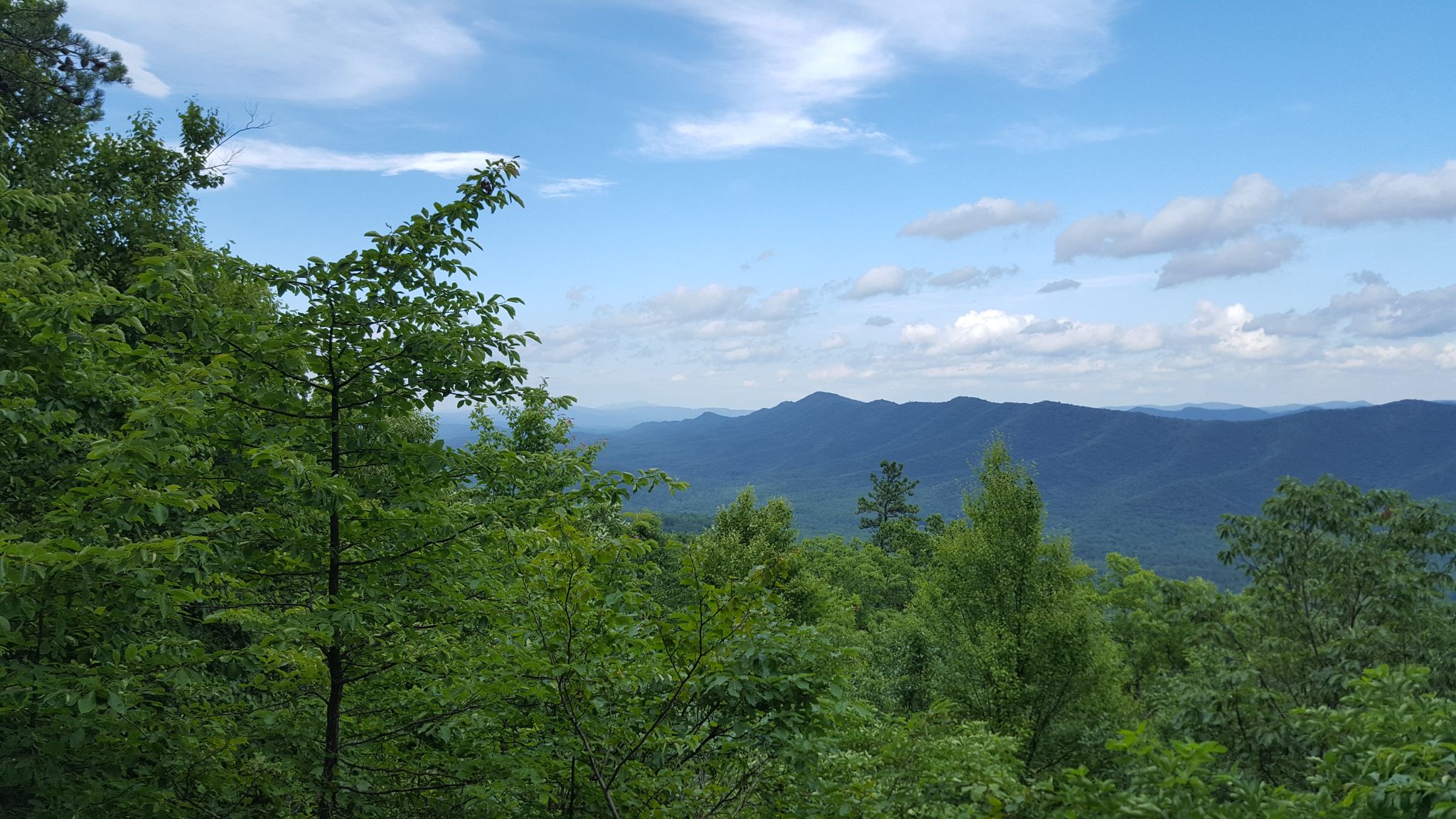
Tuscarora Trail — A remote trek across the backbone of Appalachia
Other adventures in West Virginia


Tips from the Community

Nestled beside the Greenbrier River Trail, Mill Run Campground offers quiet, trailside tent camping surrounded by forest and river views. Each site includes a picnic table and fire ring, creating a simple but comfortable base for hikers and cyclists. The steady flow of the nearby river and the sound of passing wildlife make this a peaceful overnight spot along one of West Virginia’s most scenic corridors.
0
0

This is a dam that goes all the way across the river, with one lock for ships to pass through. You can see it from several places along the shore.
0
0

Anthony Road, at mile marker 14.4 heads west into Frankford, where you can grab groceries, stop at a post office, or use a public phone. To the east, Anthony Road heads toward the forest service campgrounds and vastness of the Big Draft Wilderness.
0
0
This small town offers a couple of seasonally-open spots to grab food, some bike shuttling options, and a general store with the essentials. You can find privately-owned campgrounds, like River Trail Hollow Campground, in addition to some local lodges and cabins that are available for nightly rental. Seebert River Road intersects with the Greenbrier River Trail and offers the option to take a detour into Watoga State Park, which is West Virginia's largest state park at over 10,000 acres and houses miles of biking routes.
0
0
This 402-foot tunnel was completed in 1900 to allow railway passage directly through Droop Mountain. Even in daylight hours, it's dark in the middle of a 402-foot tunnel! A flashlight is recommended if you're riding through.
0
0
Spice Run Wilderness is a 6,030-acre of completely undeveloped, federally protected forest. The Greenbrier River Trail traces the western outline of the wilderness from across the Greenbrier River.
0
0
Marlinton is a charming little town that embodies the history and picturesque scenery of the Allegheny Mountain region. The town has made an concerted effort to preserve its historic buildings and monuments, so you can take a trip through time as you explore. You'll find good food, ample lodging options, and some bike shops. Marlinton is the most easily-accessed town along the Greenbrier River Trail and has the largest variety of accommodations. Options like this are scarce to both the north and south from this point, so this could be an important restocking stop.
0
0
Located within the thick forest around mile marker 8.1, Loopemount Waterfall is truly a hidden gem. It doesn't have a constant flow and it's best viewed after a heavy rain.
0
0
Frequently Asked Questions
How many gravel bike trails are available in West Virginia?
West Virginia offers a wide selection of gravel biking routes, with over 45 trails available for exploration. These routes cater to various skill levels, from leisurely rides to challenging adventures.
What kind of terrain can I expect on West Virginia's gravel bike trails?
Gravel biking in West Virginia features a diverse landscape dominated by the Appalachian Mountains, dense forests, and river valleys. You'll encounter a mix of rolling hills, challenging climbs, and fast descents. Approximately 60% of the riding surfaces are unpaved, consisting of dirt and gravel roads, crushed cinder rail trails, and occasional primitive roads.
What is the best time of year for gravel biking in West Virginia?
The most enjoyable times for gravel biking in West Virginia are during spring and fall. Spring brings vibrant blooms and pleasant temperatures, while fall offers stunning views with changing foliage. Summers can be warm, and winters may present challenging conditions with snow and ice, especially at higher elevations.
Are there gravel bike trails suitable for beginners in West Virginia?
Yes, West Virginia has options for beginners. Many of the state's extensive rail-trail systems, such as sections of the Greenbrier River Trail or North Bend Rail Trail, offer flatter, less technical terrain ideal for those new to gravel biking. There is at least one easy route and 16 moderate routes available.
Where can I find more challenging gravel biking routes in West Virginia?
For experienced riders seeking a challenge, West Virginia offers 29 difficult gravel routes. These often feature significant elevation changes and rugged terrain. An example is the Big Slackwater – Big Slackwater View loop from Sharpsburg, which covers over 71 miles with considerable climbing.
Are there any family-friendly gravel biking options in West Virginia?
Many of West Virginia's rail trails are excellent for family outings due to their generally flat grades and traffic-free environments. These trails often pass through scenic areas and offer a relaxed riding experience suitable for various ages and skill levels. Look for routes designated as 'easy' or 'moderate' for the best family-friendly experiences.
Can I bring my dog on gravel bike trails in West Virginia?
Many rail trails and public lands in West Virginia are dog-friendly, provided your dog is on a leash and you follow local regulations. Always check specific trail rules before heading out, especially in state parks or national forests, to ensure a pleasant experience for everyone.
What interesting landmarks or natural features can I see along West Virginia's gravel routes?
West Virginia's gravel routes often pass through areas rich in natural beauty and historical significance. You might encounter features like the historic Goodloe E. Byron Memorial Pedestrian Walkway (Winchester and Potomac Railroad Bridge), the scenic Jefferson Rock, or various viewpoints like Turkey Spur Overlook and Spruce Knob Observation Tower. The state is also known for its waterfalls and deep river gorges.
Are there any gravel bike routes that form a loop in West Virginia?
Yes, many gravel routes in West Virginia are designed as loops, allowing you to start and end at the same point. For example, the Paw Paw, WV Visitors Center – Evitt's Creek Campsite loop from Paw Paw offers a challenging 49-mile loop. These loops provide a convenient way to explore without needing a shuttle.
What do other gravel bikers enjoy the most about gravel biking in West Virginia?
The komoot community highly rates gravel biking in West Virginia, with an average score of 4.67 stars from over 45 reviews. Reviewers often praise the diverse and challenging terrain, the stunning Appalachian scenery, and the extensive network of unpaved roads and rail trails that offer a true sense of adventure and immersion in nature.
Is public transport available to access gravel bike trails in West Virginia?
Public transport options directly to trailheads can be limited in many of West Virginia's more remote gravel biking areas. It's generally recommended to use personal vehicles for access. However, some larger towns that serve as gravel biking hubs, like Morgantown, may offer local transit options that could get you closer to certain trail access points.
Where can I find parking for gravel bike trails in West Virginia?
Parking is typically available at designated trailheads, state parks, and some public access points along major rail trails. For instance, you might find parking at locations like the Colliers parking lot - Panhandle Trail. Always check specific route details or local park information for precise parking locations and any associated fees.
Are there any permits required for gravel biking on West Virginia trails?
Generally, permits are not required for casual gravel biking on most public trails and roads in West Virginia. However, some specific areas within state parks, national forests, or private lands might have particular regulations or require day-use fees. It's always a good idea to check with the managing authority for the specific area you plan to ride in.
Most popular routes in West Virginia
Most popular attractions in West Virginia

Get inspired with the komoot mobile app


Didn’t find what you were looking for?
Check out more Gravel rides throughout West Virginia below and find the perfect route in your destination.
Explore more
Browse the best Gravel rides in other regions.
