The best gravel rides around Mansfeld
4.1
(16)
108
riders
19
rides
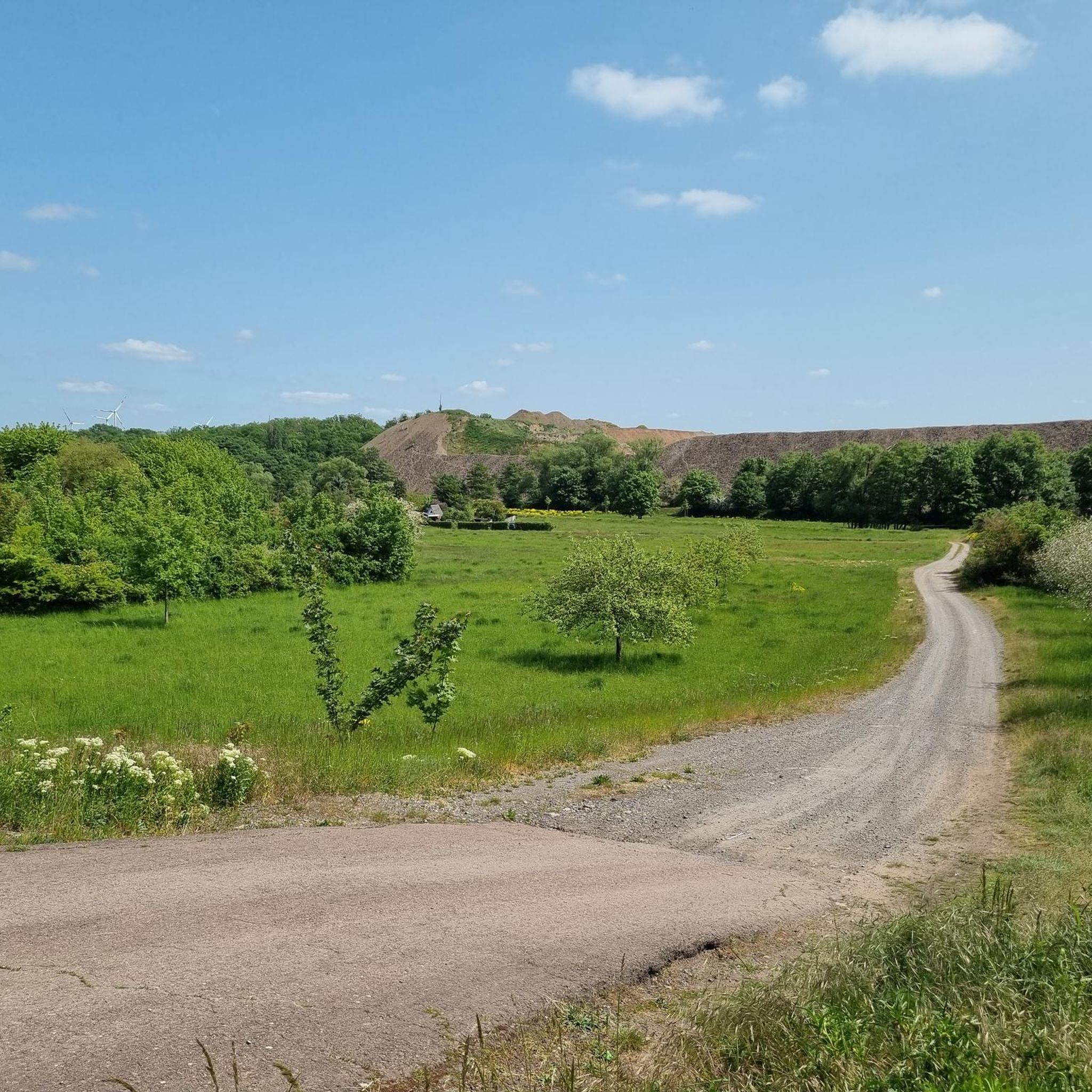
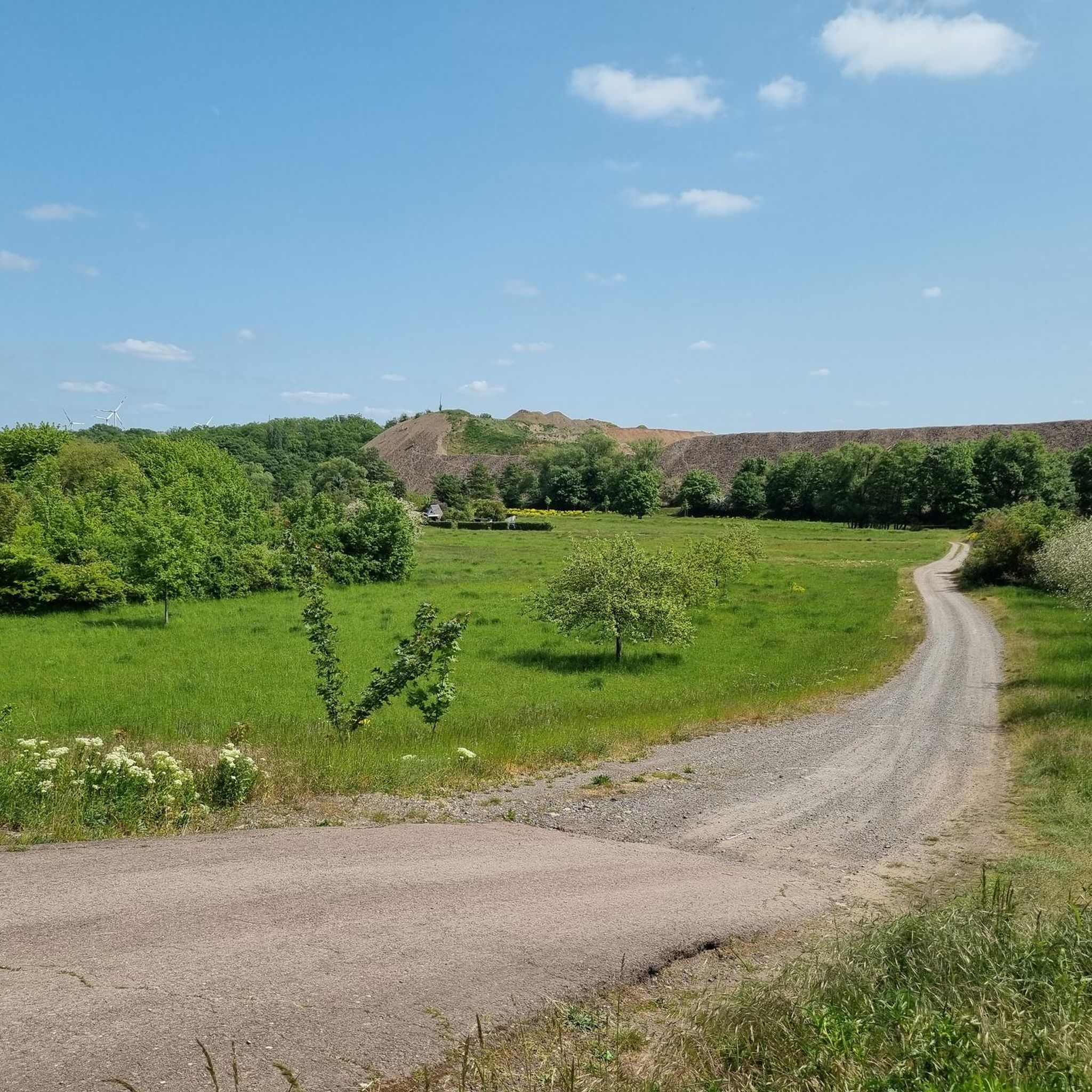
Gravel biking around Mansfeld offers diverse routes through the Harz foothills, characterized by rolling hills, dense forests, and historical landmarks. The region features a mix of challenging climbs and scenic paths, often leading past artificial lakes and through agricultural landscapes. Gravel bike trails in Mansfeld provide opportunities to explore varied terrain, from the shores of Bremer Pond to the vineyards near Süßer See.
Best gravel bike trails around Mansfeld
- The most popular gravel bike trail is Bremer Teich – Bremer…
Last updated: October 6, 2026
4.8
(8)
32
riders
43.2km
02:35
560m
560m
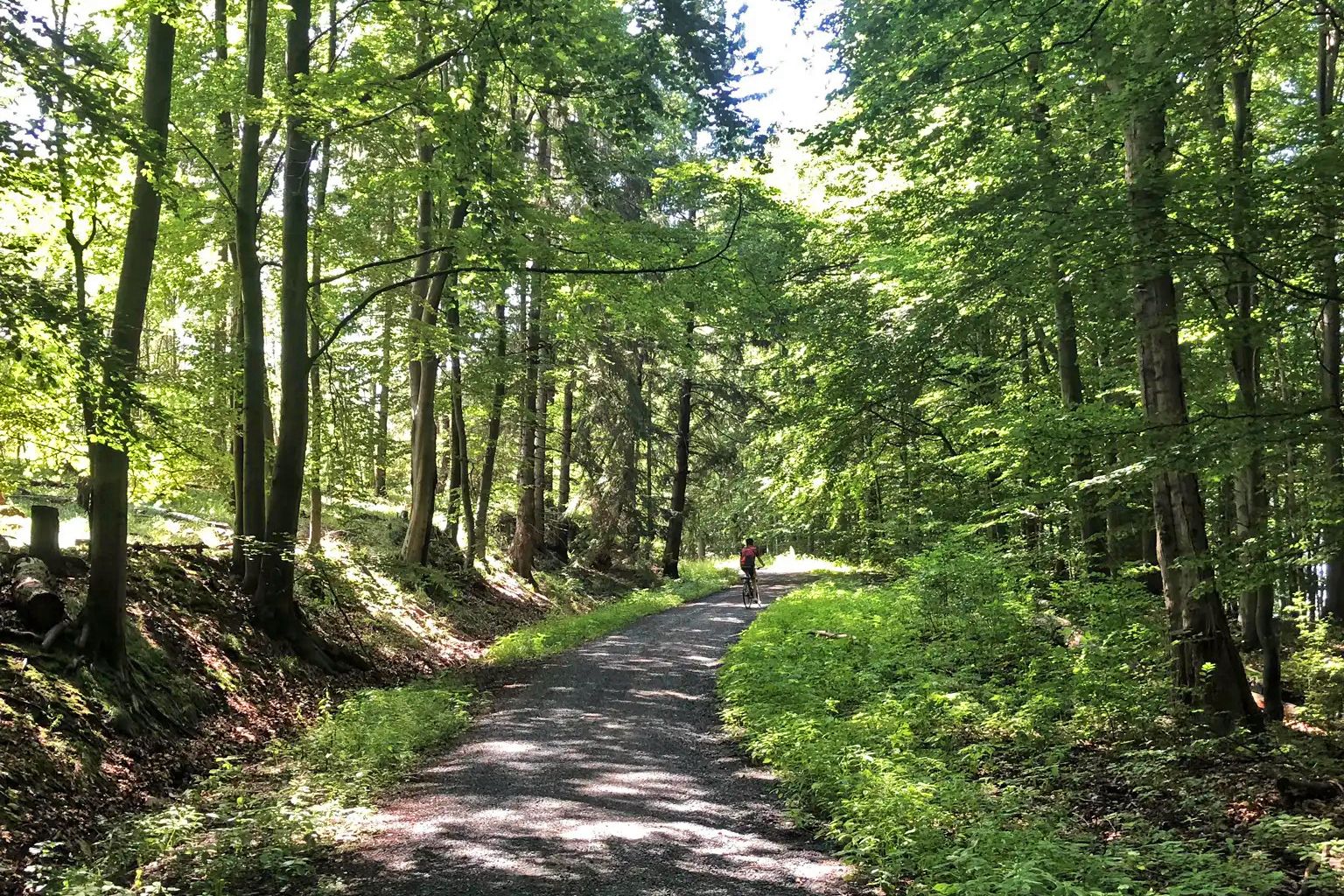
Hard gravel ride. Very good fitness required. Mostly paved surfaces. Suitable for all skill levels.
5.0
(2)
17
riders
Moderate gravel ride. Good fitness required. Mostly paved surfaces. Suitable for all skill levels.

8
riders
32.2km
02:35
650m
650m
Hard gravel ride. Very good fitness required. Mostly paved surfaces. Suitable for all skill levels.
1.0
(1)
7
riders
30.7km
01:54
430m
430m
Moderate gravel ride. Good fitness required. Mostly paved surfaces. Suitable for all skill levels.
5.0
(1)
3
riders
Hard gravel ride. Good fitness required. You may need to push your bike for some segments of this route.
Get access to more routes and recommendations from other explorers.
Already have an account?
Our route recommendations are based on thousands of hikes, rides, and runs completed by other people on komoot.
Start today with a free account
Your next adventure awaits.
Other adventures around Mansfeld

Tips from the Community

Invites for a short break
1
0
The route starts at Klostermansfeld station. The station is not located in the municipality of Klostermansfeld, but in Benndorf. The Wipperliese offers direct transfer connections here to the regional express trains of line RE 10 (Erfurt–Magdeburg) and a connection to the Mansfelder Bergwerksbahn museum railway. From Klostermansfeld station, the route initially runs parallel to the Berlin–Blankenheim railway line in the direction of Hettstedt and jointly crosses under the Mansfelder Bergwerksbahn with it. On a plateau of the Harz foreland, the Wipperliese route bends in a wide left curve around Klostermansfeld into the Wippertal valley. Further on, the route winds westwards up the valley of the Wipper, following the river closely. For topographical reasons, the Wipper is crossed numerous times, so that the route has a large number of bridges of different designs. Structures of outstanding importance are the Mansfelder Viaduct (also known as Hasselbach Viaduct)[22] and the Rammelburg Tunnel.[23] A rarity in railway operations is the level crossing in the densely built-up town center of Biesenrode, which is not visible for train journeys from the east. Therefore, the level crossing in the direction of Wippra must be manually secured by the train crew with the white-red-white signal flag (so-called postensicherung). Source https://de.wikipedia.org/wiki/Bahnstrecke_Klostermansfeld%E2%80%93Wippra
3
0
After the Berlin–Blankenheim railway line (so-called Kanonenbahn) was opened by the Prussian State Railways in 1879, a railway was also desired in the adjacent Wipper Valley. However, as the request was assessed as unprofitable, it was rejected. After the turn of the century, the project for the Eisleben–Wippra–Stolberg railway line emerged, as the town of Stolberg (Harz) in the Thyra Valley also sought a rail connection. After Klostermansfeld emerged as the junction station for the new line by 1905, the Prussian State Railways had initial preparatory work carried out. This was limited to the Klostermansfeld–Wippra section; the extension to Stolberg (Harz) was to be started later. As Klostermansfeld lies considerably higher than the Wipper Valley, two route variants emerged: The former was intended to overcome the descent into the valley with a short rack railway; the second variant envisaged the construction of a valley bridge. Although the construction costs of the bridge variant were higher than those of the rack railway variant, the decision was made for the bridge (today's Mansfelder Viaduct) to reduce later operating costs. The two million marks required for this were approved in 1907, but the realization was nevertheless not started immediately. Causes included problems with land acquisition. The actual construction work began in 1913 and was considerably delayed in connection with the outbreak of the First World War.[2] Nevertheless, the line was already printed in the timetable in 1914 with the note "under construction". The two largest structures, the Rammelburg Tunnel and the Hasselbach Viaduct, were completed in 1916 and 1918 respectively.[3] Only in 1919 was work on the construction of the railway line resumed on a larger scale, and it was completed in the autumn of 1920.[4] The branch line was to be opened on November 1, 1920, by the Deutsche Reichsbahn-Gesellschaft. However, commissioning had to be postponed to December 20, 1920, because a house with a thatched roof along the line had to be covered with roof tiles first due to the fire hazard.[5] The line extension to Stolberg (Harz) did not materialize, as work on the extension of the Berga-Kelbra–Rottleberode railway line to Stolberg (Harz) had already been underway since 1914.[4] This line was completed in 1923. Source https://de.wikipedia.org/wiki/Bahnstrecke_Klostermansfeld%E2%80%93Wippra Source
1
0
The Klostermansfeld–Wippra railway line is a branch line in the state of Saxony-Anhalt. The line leads from the Mansfelder Land into the Harz mountains. The line is also known as the Wipperliese or Wippertalbahn, as it runs for long stretches through the valley of the river Wipper. Only local passenger transport operates on the line, which has been offered as a tourist service every year from Easter to the end of October since 2015. Source https://de.wikipedia.org/wiki/Bahnstrecke_Klostermansfeld%E2%80%93Wippra
3
0

In spring it is teeming with frogs, a break is fun, just no seating by the lake, a pity as the lake has Scandinavian flair.
3
0

Until the first half of the 20th century, the pond was called Silberteich (Silver Pond) due to its clean water. It served as a reservoir for the former Alte Grube (Old Mine) on the Hohen Warte hill. Until 1962, the pond was used as a drinking water reservoir for Gernrode. Since then, the town has received its drinking water from the Rappbode Dam. After heavy rain in 1976, the pond's dam broke, and the water flowed as far as Gernrode, 3.5 km away. Following this disaster, the dam was reinforced and equipped with an overflow system. The pond reaches its greatest depth of 12 m at the dam. Source: Wikipedia
6
1

The number of bison and cattle here is truly impressive.
1
0
Frequently Asked Questions
What kind of terrain can I expect on Mansfeld's gravel bike trails?
Gravel biking around Mansfeld offers diverse routes through the Harz foothills, characterized by rolling hills, dense forests, and historical landmarks. You'll encounter a mix of challenging climbs and scenic paths, often leading past artificial lakes and through agricultural landscapes. The terrain varies from the shores of Bremer Pond to the vineyards near Süßer See.
How many gravel bike trails are available in Mansfeld?
There are over 30 gravel bike trails available in Mansfeld, offering a wide range of options for different skill levels and preferences. The komoot community has explored these routes extensively, with over 100 gravel bikers using komoot to discover the region's varied terrain.
Are there gravel routes suitable for beginners in Mansfeld?
While many routes in Mansfeld are rated moderate to difficult, there are at least 3 easy gravel bike trails available. These provide a good starting point for those new to gravel biking or looking for a more relaxed ride through the scenic landscapes.
What do other gravel bikers enjoy most about the trails in Mansfeld?
The gravel bike routes in Mansfeld are highly rated by the komoot community, with an average score of 4.16 stars. Riders often praise the diverse terrain, the blend of historical landscapes with natural beauty, and the opportunities to explore both forested sections and open agricultural areas.
Are there any long-distance gravel routes in Mansfeld?
Yes, for those seeking a longer challenge, the Customs House Rest Area – Artificial Lake loop from Klostermansfeld is a difficult route spanning over 125 km (77 miles) with significant elevation gain, offering an extensive exploration of the region.
Can I find routes that pass by lakes or vineyards?
Absolutely! The Mansfeld region features routes that highlight its natural and cultivated landscapes. For example, the Süßer See – Swimming Beach – Langenbogen Vineyards loop from Lutherstadt Eisleben takes you past a swimming beach and through picturesque vineyards.
Are there any historical landmarks to see along the gravel trails?
Yes, Mansfeld's gravel trails often weave through historical landscapes. A notable route is the View of Mansfeld Castle – Rammelburg Castle loop from Mansfeld, which allows you to experience the region's rich history while enjoying your ride.
Are there any waterfalls or bike parks accessible from the gravel routes?
While directly on gravel routes, you can find nearby attractions. For waterfalls, consider exploring highlights like the Selkefall (South Bank) or the Selke Waterfall in the Upper Selke Valley. If you're interested in bike parks, the Wippra Toboggan Run and Climbing Park or the Teufelskanzel 2.0 Trail are options in the vicinity.
What is a popular loop route that includes a pond?
A very popular option is the Bremer Teich – Bremer Pond loop from Harzgerode. This difficult 47.7 km (29.6 mile) trail features significant elevation gain and circles a prominent local pond, offering beautiful views.
Can I find moderate difficulty gravel routes in Mansfeld?
Yes, Mansfeld offers a good selection of moderate difficulty gravel routes, with 17 such tours available. These routes provide a balanced challenge for riders who are comfortable with some elevation and varied terrain but might not be ready for the most difficult trails.
Are there any circular gravel bike routes available?
Many of the gravel bike trails in Mansfeld are designed as loops, allowing you to start and end at the same point. Examples include the Bremer Teich – Bremer Pond loop from Harzgerode and the View of Mansfeld Castle – Rammelburg Castle loop from Mansfeld.
Most popular routes around Mansfeld
Most popular attractions around Mansfeld

Get inspired with the komoot mobile app


Explore more
Browse the best Gravel rides in other regions.
