Attractions and Places To See around Unterweid - Top 20
Best attractions and places to see around Unterweid include a variety of natural features and historical sites. The village is situated in the picturesque Weidtal valley within the Thuringian Rhön region, characterized by hills, forests, and basalt cones. This area offers diverse landscapes and significant cultural sites. Visitors can explore well-preserved natural monuments and historical landmarks that reflect the region's past.
Best attractions and places to see around Unterweid
- The most popular attractions is Boardwalk Through the Black Moor,…
Last updated: May 9, 2026
Schwarzes Moor Nature Trail
Highlight (Segment) • Natural Monument
Translated by Google •
Tip by

Great Moor Eye (Black Moor)
Highlight • Natural
Translated by Google •
Tip by

Sign up now to discover places like this
Get recommendations on the best single tracks, peaks, & plenty of other exciting outdoor places.
Sign up for free
Boardwalk Through the Black Moor
Highlight • Trail
Translated by Google •
Tip by

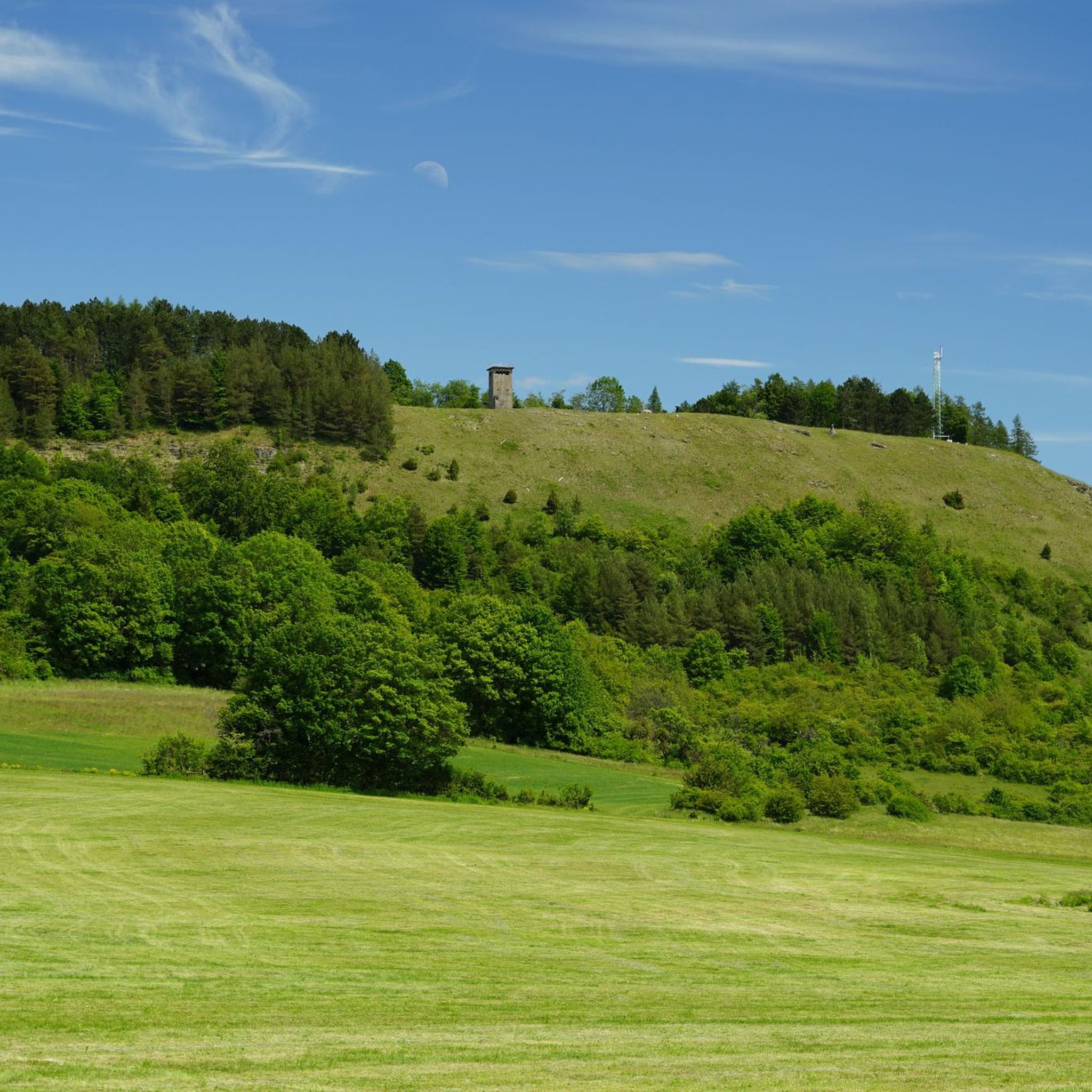
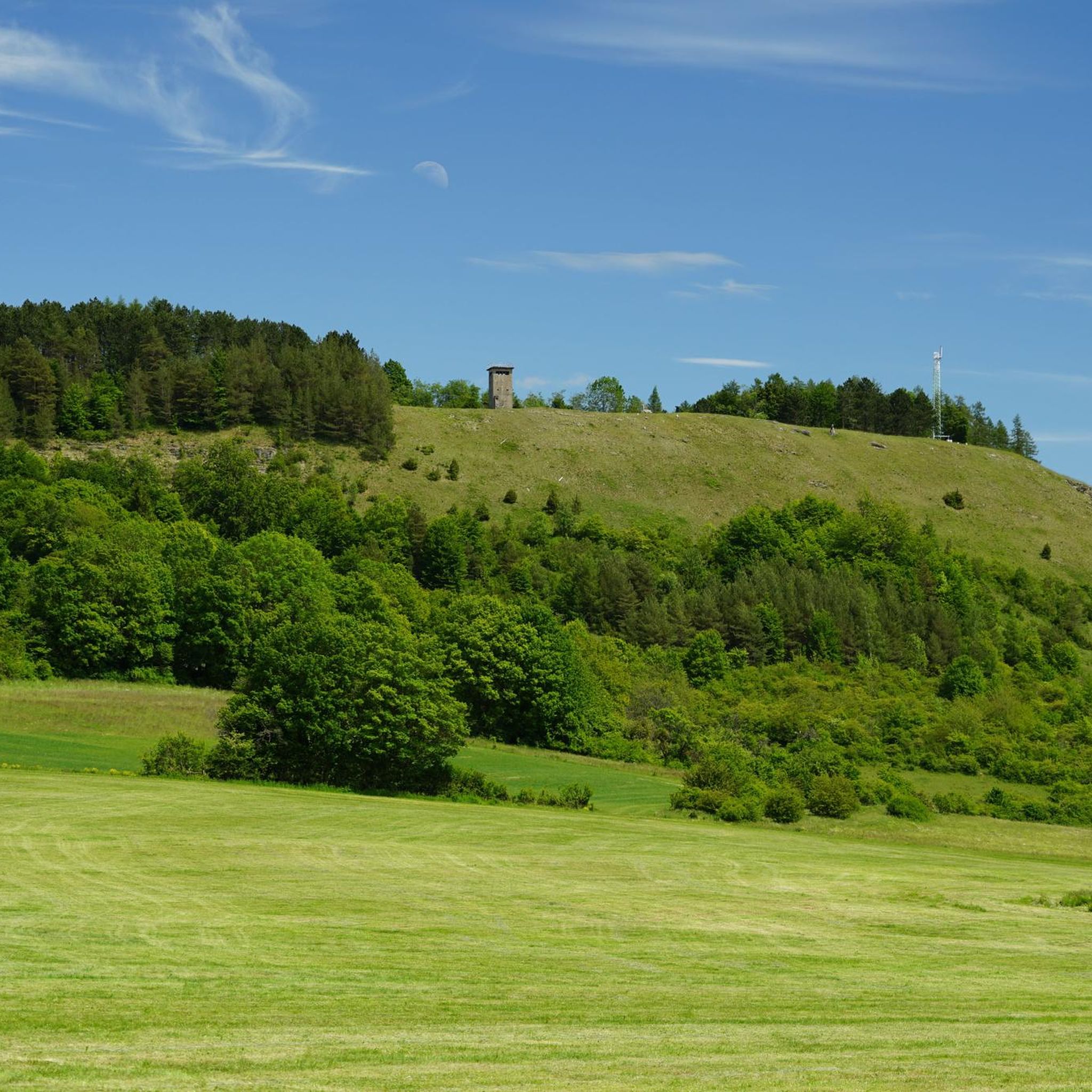
Grabenberg Border Tower
Highlight • Monument
Translated by Google •
Tip by

Portal to the Former Reich Labor Service Camp Hochrhön
Highlight • Historical Site
Translated by Google •
Tip by
Sign up for free to discover even more attractions around Unterweid.
Sign up for free
Already have an account?
Start today with a free account
Your next adventure awaits.
Login or Signup

Tips from the Community

On the nature trail through the moor – a two-kilometer-long boardwalk – you can discover rare animal and plant species. The Black Moor is the best-preserved and still-growing raised bog in Germany's low mountain ranges. The moor is located in the Rhön Biosphere Reserve, in the border triangle of Bavaria, Hesse, and Thuringia – a unique cultural landscape in the heart of Germany. The area offers a wealth of exciting outdoor excursions. You can find more information here: https://nationale-naturlandschaften.de/gebiete/biosphaerenreservat-rhoen.
2
0

When you step onto the boardwalk, which winds gently through the extensive moor, you immediately feel that you are entering a special place. The path, made of robust wooden planks, rises slightly above the moor, providing a unique view and at the same time protecting the sensitive moor landscape. You don't just hike here; you almost float above the land, accompanied by a chorus of bird songs and the gentle rustling of the wind. Information boards line the path, they are like windows into the past and present of the moor. With every step you learn more about the origins, the diverse flora and fauna and the previous use of this natural wonder. It is an educational trail that enriches both the heart and the mind. What is particularly noteworthy is the care with which the path was laid out. The staggered wooden boards not only create a pleasant walking experience, but also reflect the care with which the work was carried out. One feels invited to enjoy the beauty of nature, but with a deep respect for its vulnerability. A highlight of the path is the observation tower, from which the moor is revealed in all its size. Although it is currently inaccessible due to maintenance work, the idea of looking at the endless greenery and mysterious waters from up there remains fascinating. The Black Moor is a place that makes you think. It is an ecosystem that is both delicate and resilient, a testament to the power of nature and human efforts at conservation. It is a place that teaches us the importance of appreciating and protecting our natural treasures.
16
1
Nestled in the picturesque landscape of the Bavarian Rhön Nature Park stands a stone gate, silent and majestic, as if whispering a story we must never forget. It is the portal to the former Reich Labor Service camp Hochrhön, a place that speaks to us in its silent presence. I step closer and the weight of the past weighs heavily in the air. The camp, built in the years of construction and deception, once housed around 300 souls, part of a plan that was to transform the Rhön. The stone threshold that I now cross is all that remains of the ambitions of that time. The information boards next to the gate provide insight into the lives and work of the people who were once forced to do forced labor here. Their hands shaped the landscape, laid drainage, planted spruce trees and grew potatoes - all part of a large-scale plan that ultimately failed. Today, the portal creates more question marks than answers until you read the explanations and understand what this place was. A relic from a dark past that reminds us to remain vigilant. The camp, now reclaimed by nature, only reveals its foundations. The stone arch construction stands here as a memorial, a monument to contemporary history that reminds us how important it is to learn from history. From here, a path leads through the Black Moor, past other testimonies of history that teach us that freedom and humanity should come above all else. The portal to the former Reich Labor Service camp in Hochrhön is not only a hiking highlight, but also a silent memorial to those who suffered under the burden of a regime that we swear never to allow to arise again.
10
0

A different face in every season, and even the time of day often makes it appear in new splendor... beautiful to look at... but you are rarely really alone here
7
0
We can only hope that we can marvel at this moor for a long time to come
17
0

Here the size of the bog becomes clear
11
0

The wooden plank path in the moor is something special and because you walk a little higher up, you have a great view of the moor.
17
0

Beautiful nature trail with good descriptions
9
0
Frequently Asked Questions
What natural attractions can I explore around Unterweid?
The region around Unterweid is rich in natural beauty. A must-visit is the Schwarzes Moor Nature Trail, a well-preserved raised bog with a two-kilometer-long boardwalk. You can also experience the Boardwalk Through the Black Moor, offering elevated views of the moor landscape. The Great Moor Eye (Black Moor) is another fascinating stop along the nature trail, explaining the formation of the bog's smaller lakes. Beyond the moor, the broader Hohe Rhön region features hills, forests, and basalt cones, with the Gläserberg Summit offering wonderful views towards the Thuringian Forest.
Are there any historical sites or cultural landmarks near Unterweid?
Yes, Unterweid and its surroundings offer several significant historical and cultural sites. The village itself is home to a centuries-old Wehrkirche (Fortified Church) with a beautiful Baroque organ. Nearby, you can visit the Grabenberg Border Tower, a former inner-German border watchtower providing insights into Cold War history. Another poignant site is the Portal to the Former Reich Labor Service Camp Hochrhön, which serves as a memorial. Further afield, explore the Propsteischloss and St. Mary of the Assumption Church in Zella, or the Auersburg Castle Ruins for expansive views.
What are some family-friendly activities or attractions in the Unterweid area?
Many attractions around Unterweid are suitable for families. The Schwarzes Moor Nature Trail and the Boardwalk Through the Black Moor are easy and engaging for all ages, allowing children to discover unique flora and fauna. The Great Moor Eye (Black Moor) also provides interesting information boards. Historical sites like the Grabenberg Border Tower can offer educational experiences. Additionally, the RhönRäuberPark and Arche Rhön are known for their family-oriented activities.
Where can I go hiking around Unterweid?
The region around Unterweid is a hiker's paradise. You can explore the unique landscape of the Black Moor via the Schwarzes Moor Nature Trail or the Boardwalk Through the Black Moor. For more extensive hikes, the 'Explorer Path Hohe Rhön' connects various excursion destinations. There are numerous trails throughout the Rhön Biosphere Reserve, with popular hiking huts like Thuringian Rhön House and Rhönbrise Hiking Hut offering rest and views. For more specific routes, check out the easy hikes around Unterweid guide.
Are there cycling opportunities near Unterweid?
Yes, the area around Unterweid offers diverse cycling routes for various skill levels. You can find scenic tours through the picturesque Weidtal valley and the broader Rhön region. For detailed routes, including options like the 'View of the Streutal Valley – Wüstensachsen loop' or the 'Habel Village and Habelberg – Tann Castle loop', refer to the cycling around Unterweid guide. There are also gravel biking opportunities, such as the 'Milseburg Tunnel – View of Bieberstein Castle loop', which you can find in the gravel biking around Unterweid guide.
What makes the Black Moor a significant natural monument?
The Black Moor (Schwarzes Moor) is a highly significant natural monument because it is one of Germany's best-preserved and still-growing raised bogs in the low mountain ranges. It is located within the Rhön Biosphere Reserve, a unique cultural landscape. Its two-kilometer-long boardwalk nature trail, including the Schwarzes Moor Nature Trail and the Boardwalk Through the Black Moor, allows visitors to safely explore its unique flora and fauna, which includes rare animal and plant species adapted to this special wetland environment.
Can I learn about the Cold War history near Unterweid?
Absolutely. The region played a significant role during the Cold War. A key site for learning about this period is the Grabenberg Border Tower, a former inner-German border watchtower. This site, along with the nearby Point Alpha memorial (about 15.3 km away), offers profound insights into the historical border regime and the division of Germany, with information boards explaining the context.
What kind of views can I expect from attractions in the region?
The Rhön region around Unterweid is known for its expansive and picturesque views. From the Boardwalk Through the Black Moor, you get elevated perspectives of the unique moor landscape. The Grabenberg Border Tower offers brilliant views over the surrounding area. For even broader panoramas, the Gläserberg Summit provides wonderful views over the Rhön towards the Thuringian Forest, and climbing the tower at Auersburg Castle Ruins offers expansive vistas extending to Milseburg and Wasserkuppe.
What do visitors particularly enjoy about the attractions around Unterweid?
Visitors to Unterweid highly appreciate the natural beauty and the well-maintained trails. Many enjoy the unique experience of walking on the wooden plank paths through the Black Moor, noting the great views and the opportunity to observe nature without disturbing it. The historical sites are valued for providing insightful glimpses into the past. The overall appeal lies in the diverse landscapes, from the serene moor to the rolling hills, and the blend of outdoor activity with cultural exploration.
Are there any easy walking trails suitable for beginners around Unterweid?
Yes, there are several easy walking trails perfect for beginners or those looking for a relaxed stroll. The Schwarzes Moor Nature Trail, with its two-kilometer-long boardwalk, is considered easy and manageable for everyone. Other easy routes include the 'St. Marien Church Unterweid – Wind Harp Observation Point loop' and the 'St. Marien Church Unterweid – War Memorial Unterweid loop', both starting from Unterweid. You can find more options in the easy hikes around Unterweid guide.
What is the best time of year to visit Unterweid for outdoor activities?
The Rhön region around Unterweid offers beauty throughout the seasons. Spring and autumn are particularly popular for hiking and cycling, with pleasant temperatures and vibrant natural colors. Summer is ideal for longer days outdoors, though it can be warmer. The Black Moor is accessible year-round, but its unique flora is most vibrant from spring to early autumn. For winter sports enthusiasts, the area also offers opportunities like the Skilift Zuckerfeld when snow conditions allow.
Are there any unique cultural experiences beyond historical sites?
Beyond the historical churches and border monuments, the region offers unique cultural insights. The Franconian Open Air Museum Fladungen, located about 11.8 km from Unterweid, provides a fascinating look into historical buildings and rural life in the Rhön. This allows visitors to experience the traditional culture and heritage of the area in an immersive setting.
What about winter sports or activities near Unterweid?
While primarily known for hiking and cycling, the Rhön region around Unterweid also caters to winter sports enthusiasts when conditions are right. The Skilift Zuckerfeld is a nearby attraction for skiing and snowboarding. The snowy landscapes of the Hohe Rhön also offer opportunities for cross-country skiing and winter hiking, providing a different perspective of the region's natural beauty.
Where can I find information about the Rhön Biosphere Reserve near Unterweid?
Unterweid is nestled within the Rhön Biosphere Reserve, a unique cultural landscape. The Propsteischloss in Zella houses the Thuringian administration of the Rhön biosphere reserve and features related exhibitions, offering a great starting point for information. Additionally, the Schwarzes Moor Nature Trail is a prime example of the reserve's protected areas, with information boards explaining its ecological significance.
Most popular routes around Unterweid
Most popular attractions around Unterweid

Get inspired with the komoot mobile app


Explore more
Still not found the Highlight you’re looking for? See guides of the top attractions in other regions:
