The best gravel rides around Gilten
4.6
(15)
42
riders
10
rides
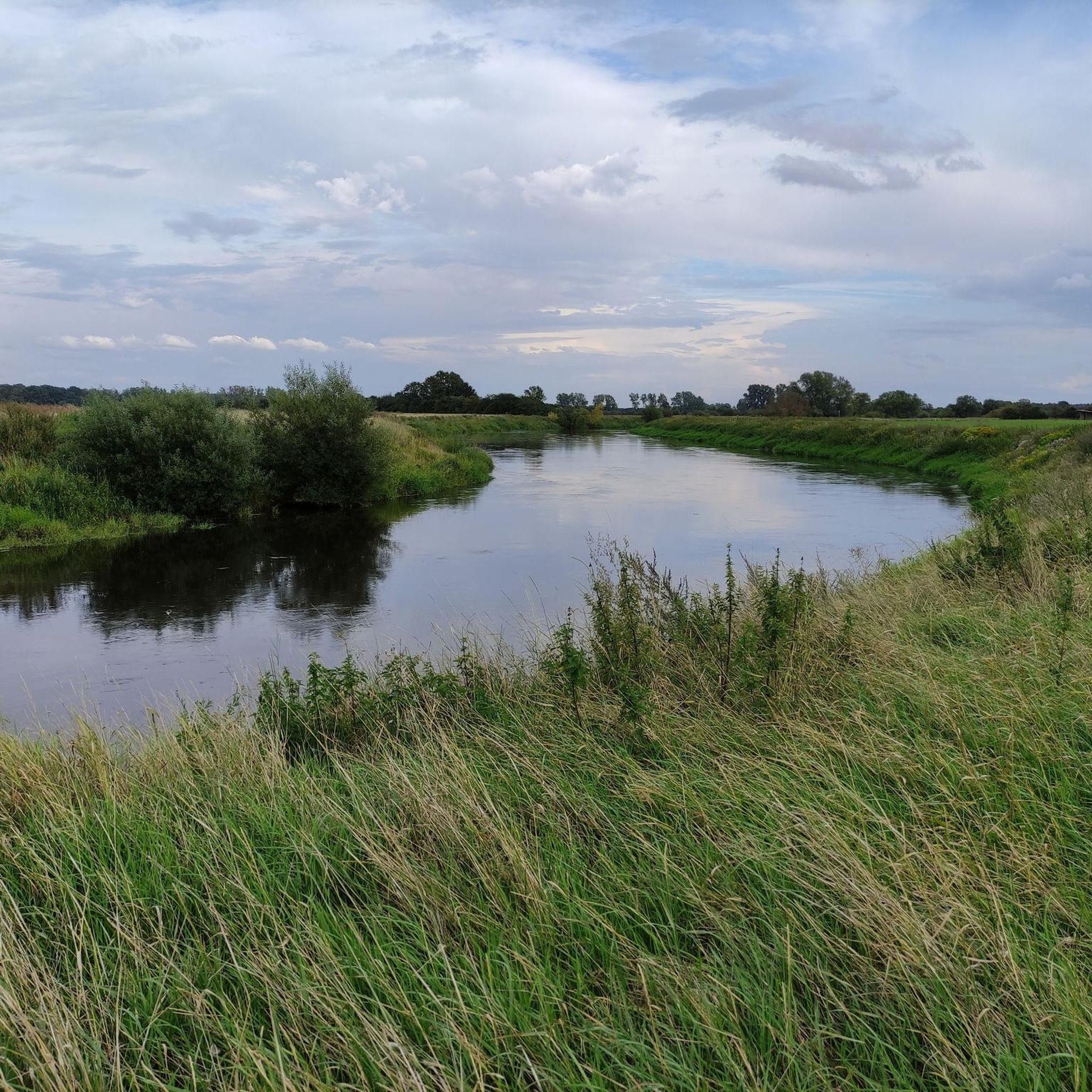
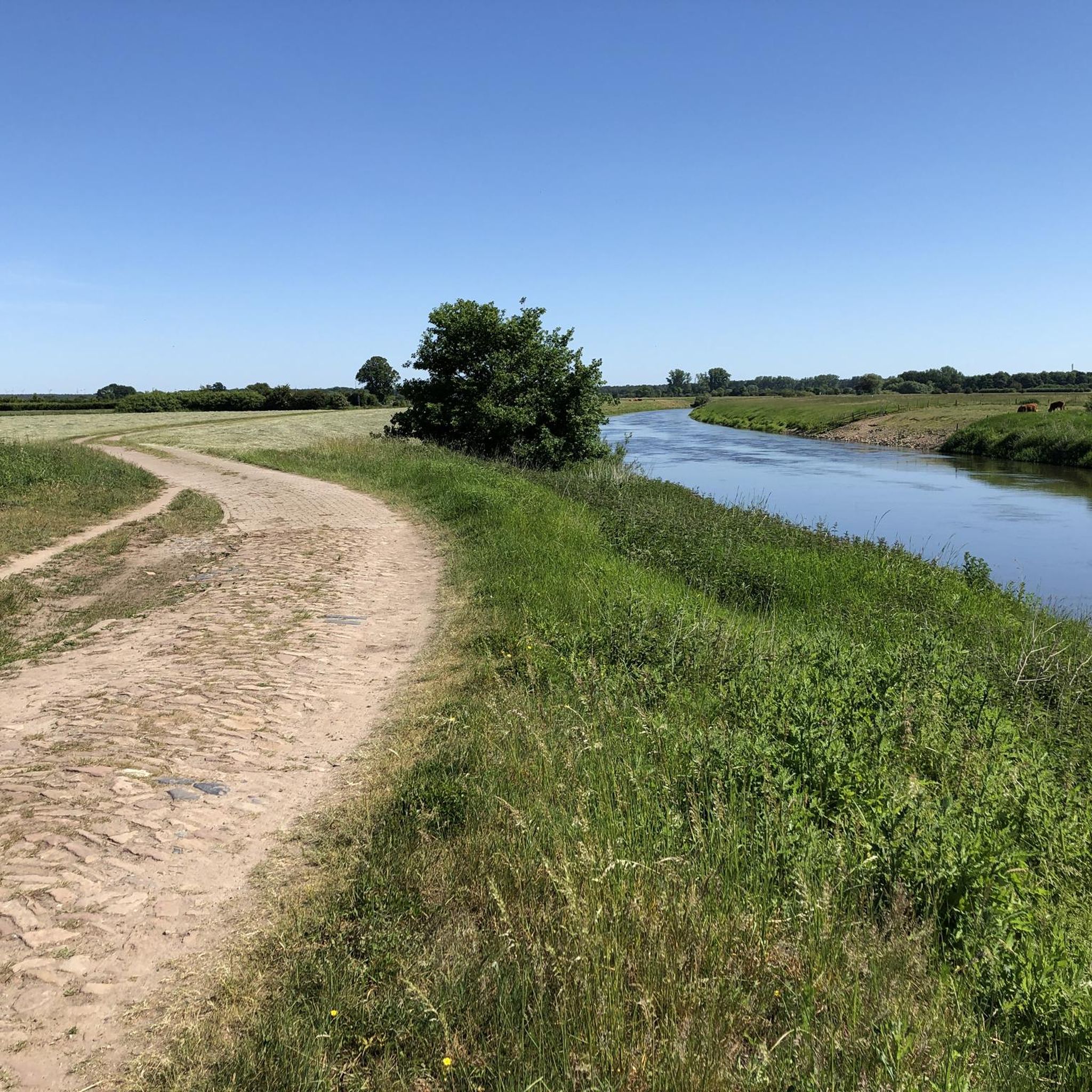
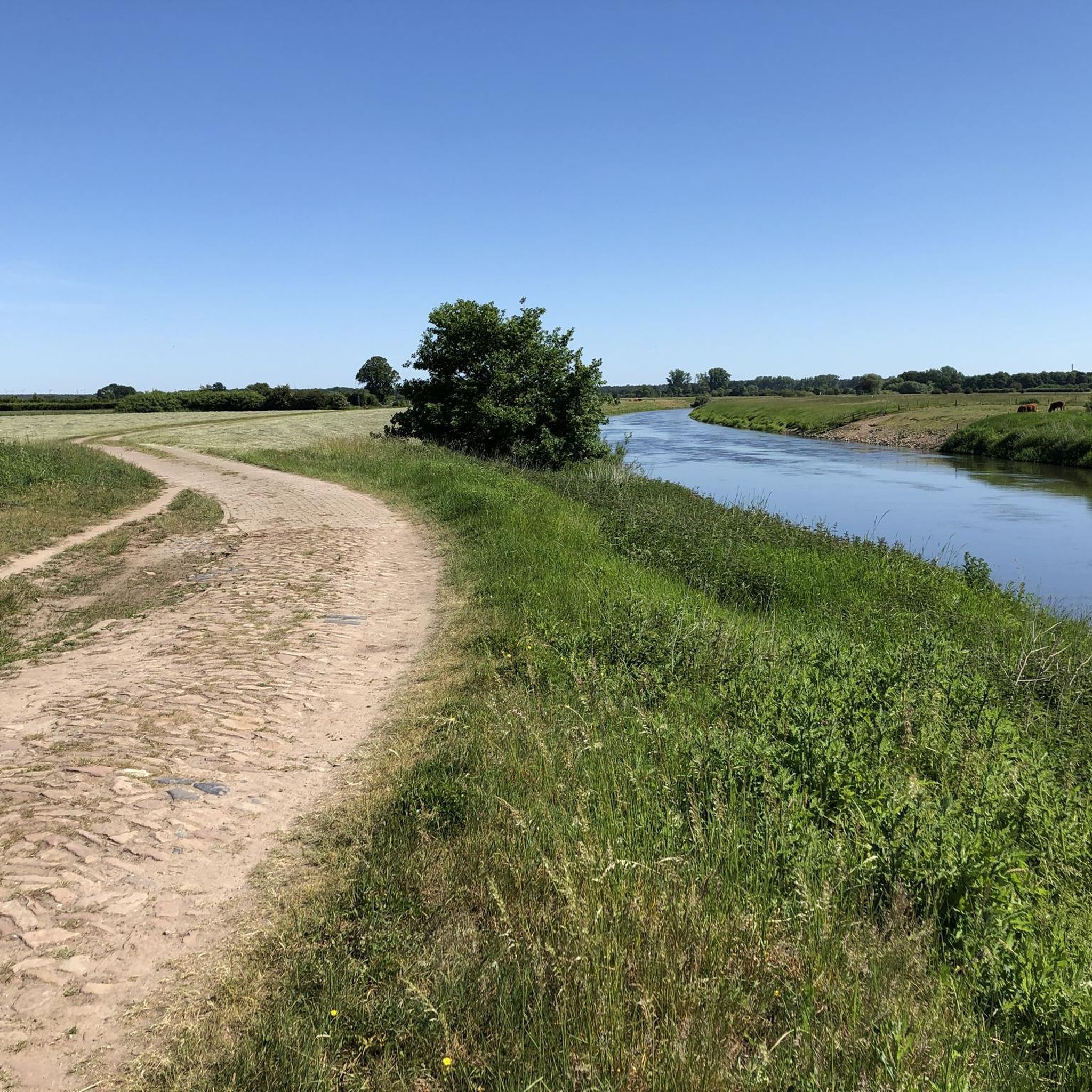
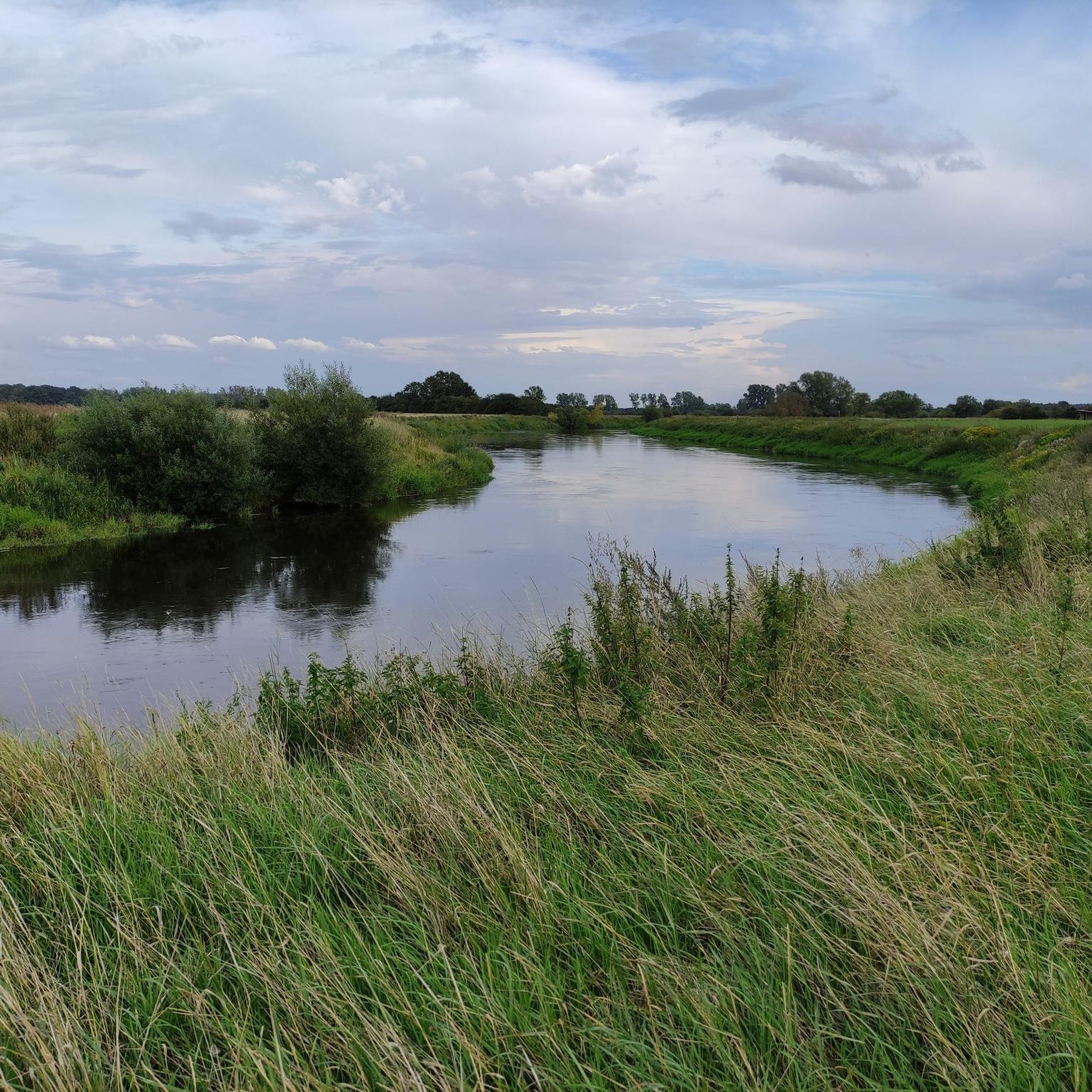
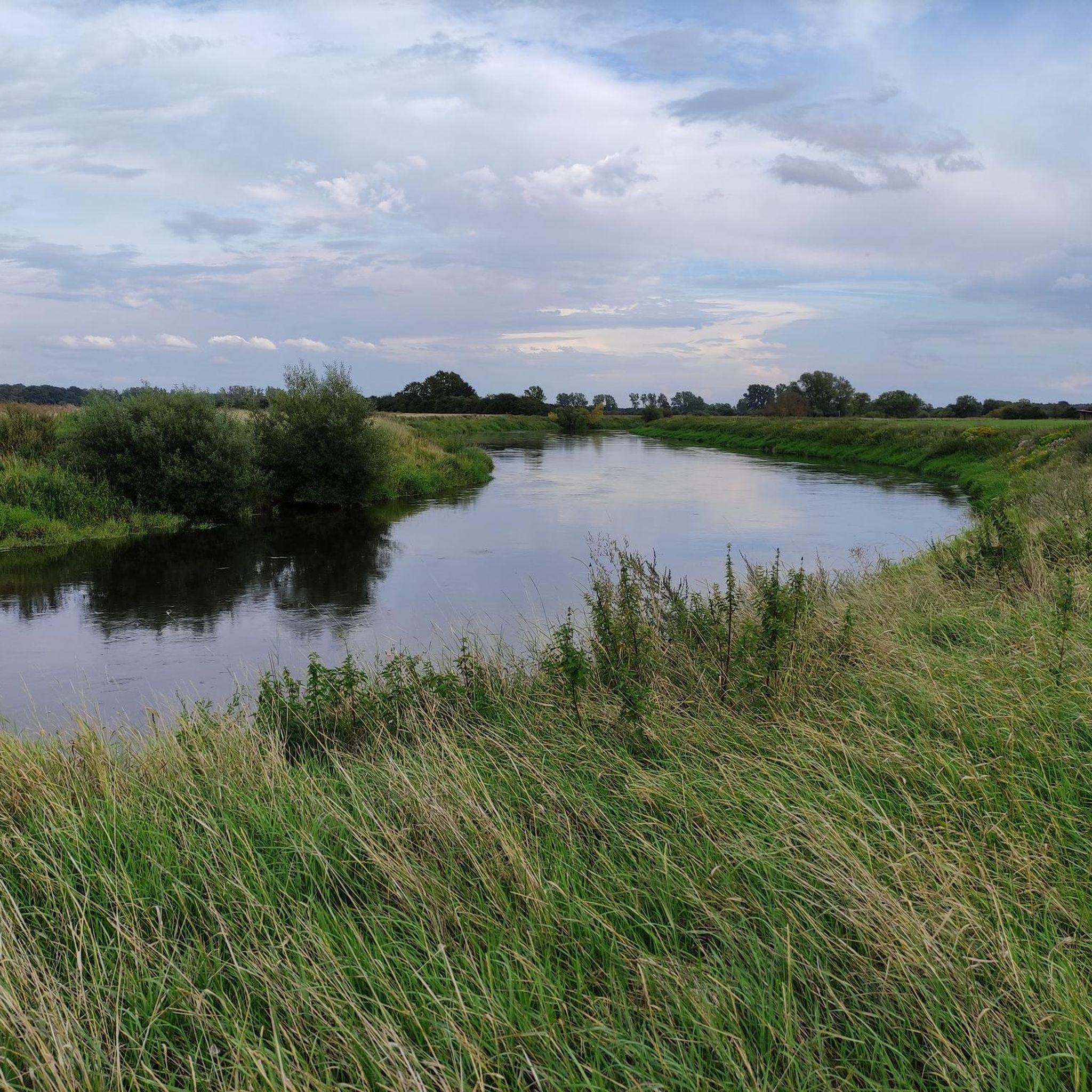
Gravel biking around Gilten features routes primarily through the flat, riverine landscapes of Lower Saxony, often following the Leine and Aller rivers. The terrain is characterized by open agricultural fields, riverside paths, and occasional wooded sections, with minimal elevation changes. Notable features include locks and swimming lakes, providing varied scenery for gravel cyclists. The region offers accessible gravel bike trails suitable for different skill levels.
Best gravel bike trails around Gilten
- The most popular gravel bike trail is Hademstorf Lock…
Last updated: November 17, 2026
2
riders
24.0km
01:39
30m
30m
Easy gravel ride. Mostly paved surfaces.
4.5
(2)
5
riders
30.1km
01:52
40m
40m
Easy gravel ride. Mostly paved surfaces.

4.3
(4)
3
riders
19.6km
01:10
30m
30m
Easy gravel ride. Mostly paved surfaces.
4.5
(2)
5
riders
30.2km
01:51
40m
40m
Easy gravel ride. Mostly paved surfaces.
5.0
(1)
2
riders
Moderate gravel ride. Good fitness required. Mostly paved surfaces.
Get access to more routes and recommendations from other explorers.
Already have an account?
Our route recommendations are based on thousands of hikes, rides, and runs completed by other people on komoot.
Start today with a free account
Your next adventure awaits.
Tips from the Community

The cafe has been closed for over a year!
0
0

Between 1941 and 1970, oil was produced in Hademstorf, a total of around 160,000 tons. The oil lay at a depth of about 1,000 meters and was pumped to the surface using horsehead pumps. During World War II, production rose rapidly from a few hundred tons to over 10,000 tons per year. After the war, Vacuum-Oil AG organized transport, initially via the Aller River, and later by rail. The operation brought many workers to the village and left a strong mark on the community. Today, only the preserved horsehead pumps, the oil bridge, and the workers' houses on the Hansa Dam remain as reminders of this era.
1
0
The Historische Mehlkammer in Eickeloh is an atmospheric restaurant and farm café located in a roughly 250-year-old half-timbered building on Walsroder Straße. It invites cyclists to stop by for a short break and enjoy regional cuisine in cozy guest rooms or in the shady garden under old oak trees. The menu features seasonal dishes and homemade cakes, often made with ingredients from the farm's own gardens, such as asparagus, strawberries, or blueberries. In addition to daily restaurant operations, the Mehlkammer also offers stylish spaces for private celebrations, while the neighboring "Spargelscheune," a former coaching inn dating back to the 18th century, serves as a rustic event location for larger groups. Thus, the house combines a historic ambiance with fine, regionally influenced cuisine.
0
0
The Historic Mehlkammer in Eickeloh is a lovingly restored farm café and restaurant located in a roughly 250-year-old half-timbered building on Walsroder Straße. It's the perfect place for a quick stop on your bike, where you can enjoy homemade cakes, tarts, and regional specialties in a rustic, cozy atmosphere or under old oak trees—often made with ingredients from the farm's own gardens, such as asparagus, strawberries, or blueberries. In addition to its regular café and restaurant operations, the Mehlkammer offers space for all kinds of celebrations, while the neighboring "Spargelscheune," a former coaching inn dating back to the 18th century, is used as an atmospheric event location for larger groups. Thus, the Mehlkammer combines historic architecture with regional cuisine and rural hospitality.
1
0
At the site of the former "Hansa" oil field near Hademstorf in the Allermarsch region, approximately 160,000 tons of crude oil were produced between 1941 and 1970. Today, two restored horsehead pumps, installed on the foundations of the "Hansa 6" and "Hansa 9" production sites, commemorate this technical history. The pumps were used to bring oil to the surface from depths of up to 1,350 meters. Together with the historic oil bridge, they represent significant evidence of the regional oil boom—well-documented by the Aller-Leine Valley Navigator and open to the public as a technical monument.
1
0
The Old Church of the Holy Cross in Eickeloh was donated in 1296 by the noble von Hodenberg family after several fatal accidents occurred while crossing the Aller River to attend church. It served as a village church until 1868 and was then converted into the burial place of the von Hodenberg family after a new building was constructed. The Gothic brick building features a groin vault in the chancel, a wood-beamed ceiling in the nave, and a largely original oak roof truss dating from 1351. After the church fell into increasing disrepair in the late 19th and 20th centuries, it was extensively restored in the 1990s, during which consecration crosses and pre-Reformation paintings were discovered. Today, it is listed as a historic monument in the Lower Saxony Monument Atlas and is considered a historically significant landmark of the town.
1
0

Part of the Leine-Heide cycle path. Highly recommended for those who want to avoid the direct route between Walsrode and Hodenhagen (motorway access and diversion route).
1
0

Here is also the blueberry land (pick your own)
0
0
Frequently Asked Questions
How many gravel bike trails are available around Gilten?
Gilten offers a selection of over 10 gravel bike trails, catering to various skill levels. These routes are highly rated by the komoot community, with an average score of 4.4 stars.
What is the typical terrain like for gravel biking in Gilten?
The terrain around Gilten is primarily flat and riverine, following the Leine and Aller rivers. You'll encounter open agricultural fields, pleasant riverside paths, and some wooded sections, with minimal elevation changes. The routes are generally accessible and suitable for gravel bikes.
Are there any easy gravel bike routes suitable for beginners in Gilten?
Yes, Gilten has several easy gravel bike routes. For instance, the Bison Farm Essel – Hademstorf Lock loop from Eickeloh is an easy 12.2-mile (19.6 km) path, offering gentle riding through agricultural land and past the Bison Farm Essel.
What kind of landmarks or points of interest can I expect to see along the gravel trails?
Many routes feature natural and man-made points of interest. You might pass by locks, such as the Hademstorf Lock, or enjoy views of swimming lakes. Other attractions in the wider area include historical mills like the Bockwindmühle Rethem (Aller) in Londy Park or the Bothmer Mill. The Leine Riverside Trail is also a notable feature.
Are there any circular gravel bike routes in the Gilten area?
Yes, many of the gravel routes around Gilten are designed as loops. A popular option is the Hademstorf Lock – Hademsdorf Weir loop from Hademstorf, which is a 15.0-mile (24.2 km) trail following the river.
Are there any routes that pass by swimming lakes?
Absolutely. The Hodenhagen Swimming Lake – Gnarled Oak Tree loop from Hodenhagen is a 18.9-mile (30.4 km) trail that leads through varied landscapes, including a swimming lake, making it a refreshing stop during your ride.
What do other gravel bikers enjoy most about the trails in Gilten?
The komoot community rates the Gilten trails highly, with an average score of 4.4 stars. Reviewers often praise the peaceful riverine landscapes, the flat and accessible terrain suitable for various skill levels, and the variety offered by agricultural fields, riverside paths, and occasional wooded sections.
Are there any gravel routes that include cafe stops?
While specific cafes directly on every route aren't detailed, the Hodenhagen Swimming Lake – Café by the Dike loop from Hodenhagen suggests a route that passes by a cafe, offering a convenient stop for refreshments during your ride.
What is the longest gravel bike trail available in Gilten?
Among the listed routes, the Hodenhagen Swimming Lake – Basselsmanheide loop from Hodenhagen is one of the longer options, covering 31.7 km (19.7 miles) and featuring moderate difficulty with some elevation changes.
Is parking available near the gravel bike trails in Gilten?
While specific parking locations for every trailhead are not detailed, many routes start from towns like Hademstorf or Hodenhagen, where public parking is generally available. For specific attractions like Hademstorf Lock, you can often find nearby parking facilities.
Are there any natural reserves or unique natural features to explore?
Yes, the region includes natural areas such as the Blankes Flat Nature Reserve and the Schotenheide Moor, offering opportunities to experience the local flora and fauna while gravel biking.
Most popular attractions around Gilten

Get inspired with the komoot mobile app


Explore more
Browse the best Gravel rides in other regions.
