The best gravel rides around Großkarlbach
4.5
(59)
244
riders
41
rides
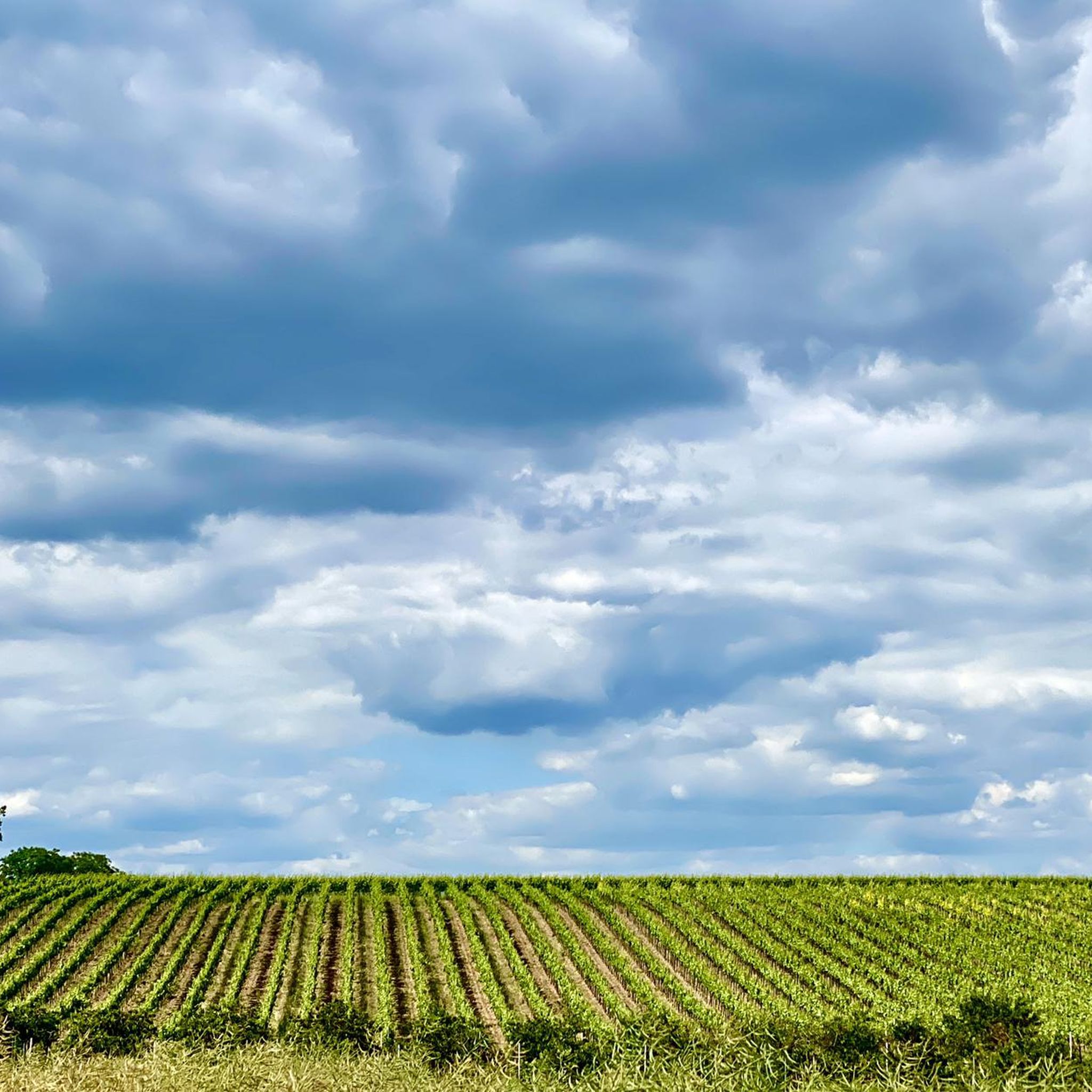
Gravel biking around Großkarlbach offers diverse landscapes, characterized by extensive vineyards and accessible rural paths. The region features numerous "Wirtschaftswege" that traverse agricultural areas, providing routes away from main roads. The Eckbach Valley, with its historical mills, contributes varied terrain, while the broader area includes forest paths suitable for off-road riding. This blend of low elevation vineyard routes and more challenging forest tracks creates a varied environment for gravel biking.
Best gravel bike trails around Großkarlbach
- The most popular gravel…
Last updated: November 16, 2026
5.0
(2)
32
riders
65.2km
05:20
1,190m
1,190m
Hard gravel ride. Very good fitness required. Mostly paved surfaces.
4.6
(5)
15
riders
40.3km
02:48
580m
580m
Hard gravel ride. Very good fitness required. Mostly paved surfaces.

5.0
(3)
12
riders
19.7km
01:34
330m
330m
Moderate gravel ride. Good fitness required. Mostly paved surfaces.
4.5
(2)
17
riders
49.5km
03:25
790m
790m
Hard gravel ride. Very good fitness required. Mostly paved surfaces.
3.8
(4)
14
riders
48.7km
03:19
780m
780m
Hard gravel ride. Very good fitness required. Mostly paved surfaces.
Get access to more routes and recommendations from other explorers.
Already have an account?
Our route recommendations are based on thousands of hikes, rides, and runs completed by other people on komoot.
Start today with a free account
Your next adventure awaits.
Tips from the Community

The Eiswoog (often also referred to as Eiswoogsee) is a picturesque reservoir of approximately 2.7 hectares in the northern Palatinate Forest, more precisely in the wooded Stumpfwald near the municipality of Ramsen. The body of water is fed by the Eisbach – regionally also affectionately called „die Eis“ – whose name historically derives from the region's rich iron ore deposits. Contrary to popular myths, the lake's name therefore has nothing to do with frozen water. Originally formed as a natural lake, in the Middle Ages, the nuns of the Ramosa monastery further dammed the stream as a fishpond. Later, in 1812, the famous ironworks owner Ludwig von Gienanth acquired the lake to secure the water power supply for his downstream ironworks and mills, even during dry periods. To this day, the body of water remains privately owned by the Gienanth entrepreneurial family. Nowadays, the Eiswoog has developed into one of the most popular natural and excursion destinations in West and Vorderpfalz. Directly on the historic dam lies the well-known hotel-restaurant [„Seehaus Forelle“](1.1.6, 1.4.4), which is appreciated for its regional fish specialties. Around the body of water runs a roughly three-kilometer-long, barrier-free nature trail with interactive stations and a wooden viewing platform that juts out flat into the lake. To protect the sensitive ecosystem and the local fish farming – the lake serves, among other things, as a habitat for the rare kingfisher – private swimming and boating are now strictly forbidden.
11
1

The Wattenheimer Häuschen is located at about 440 m. The old hut from 1895 is closed, but there are covered seating areas and further outdoor seating.
1
0

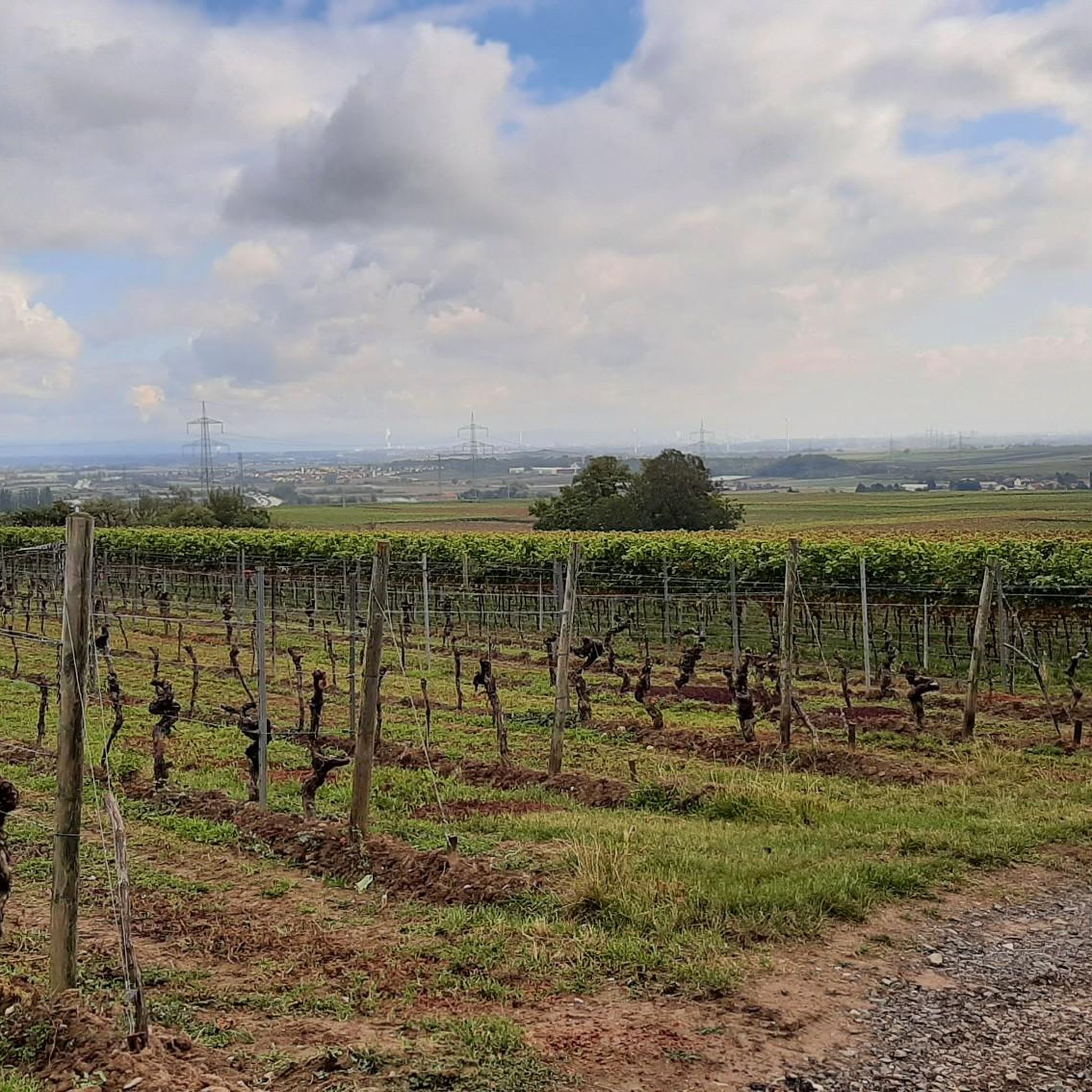
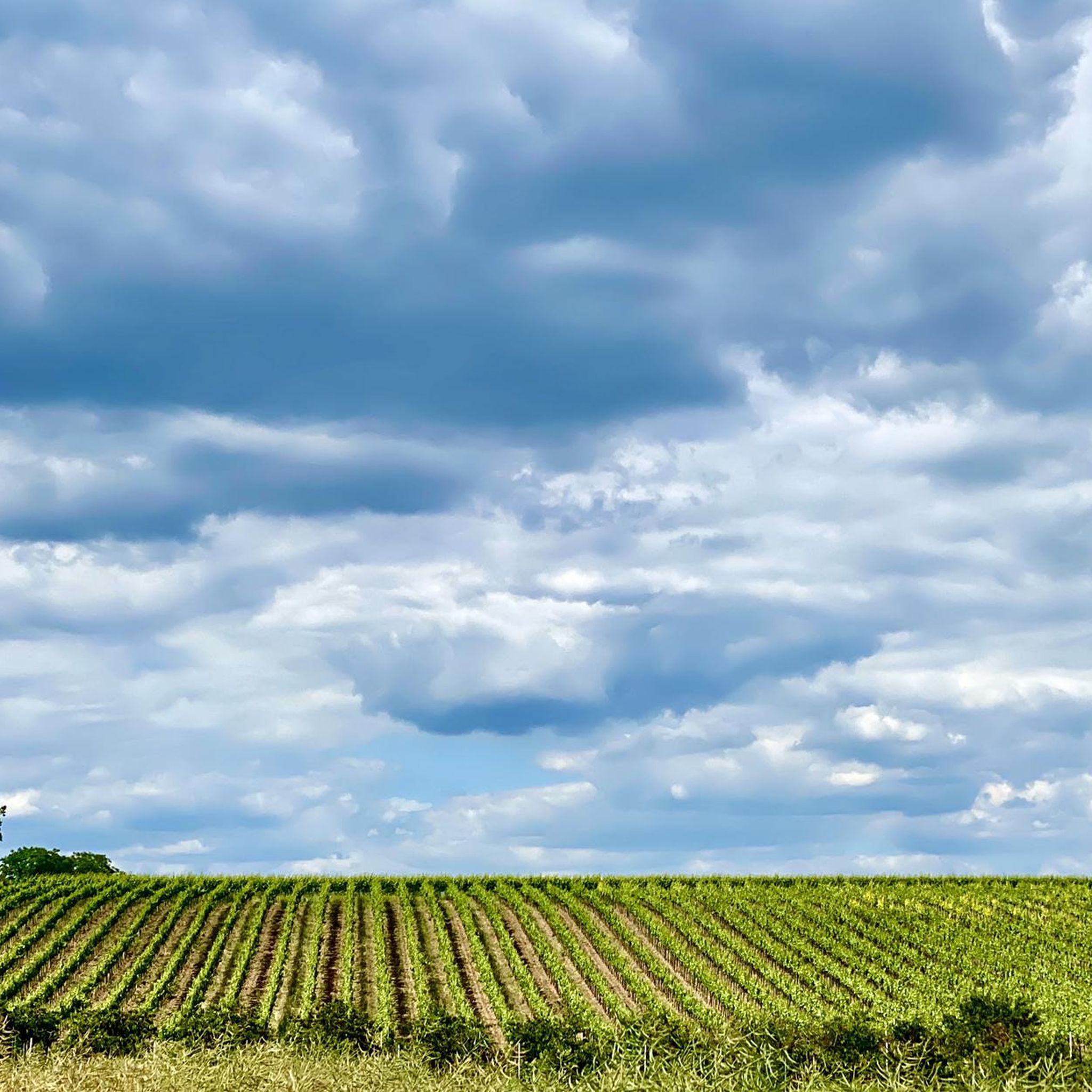
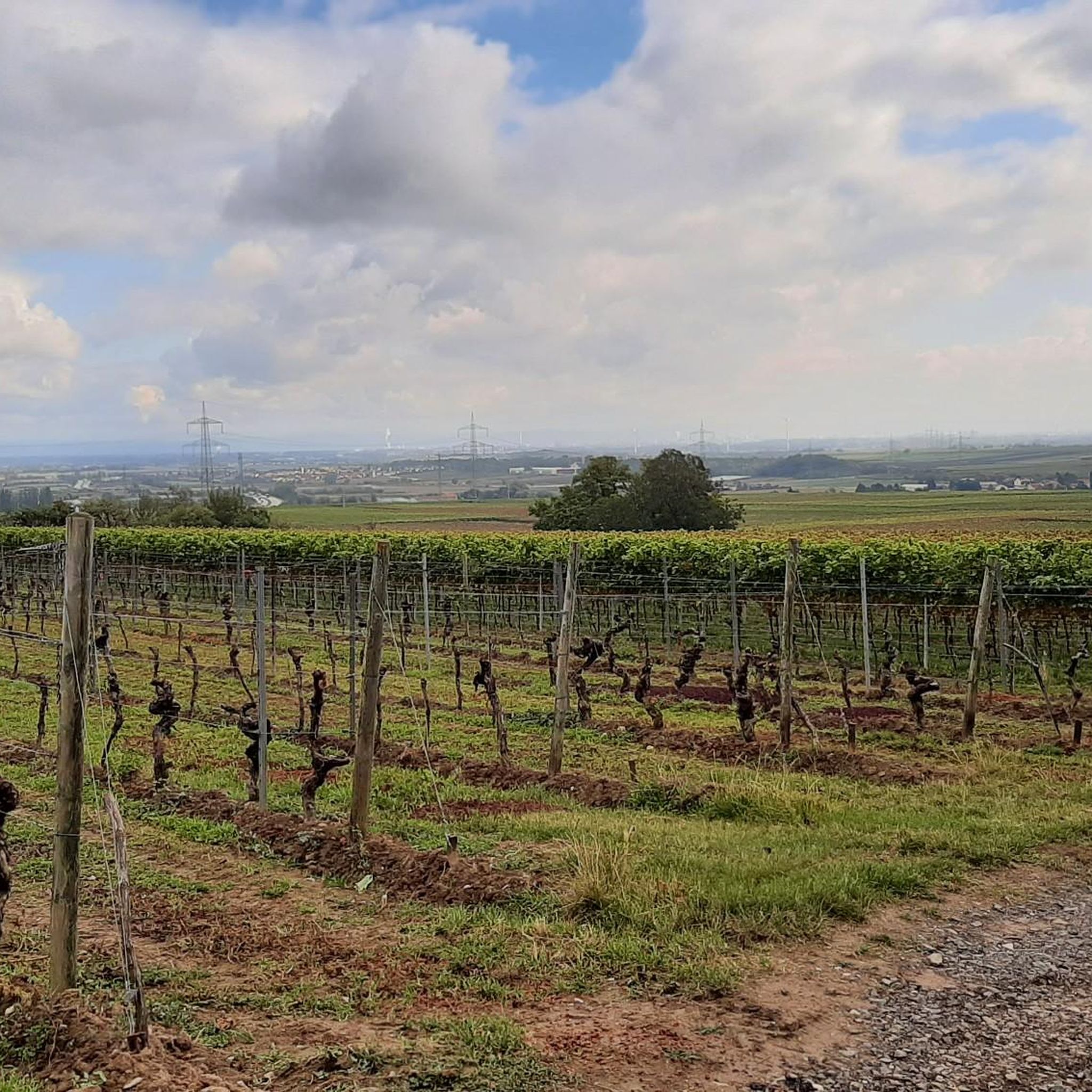
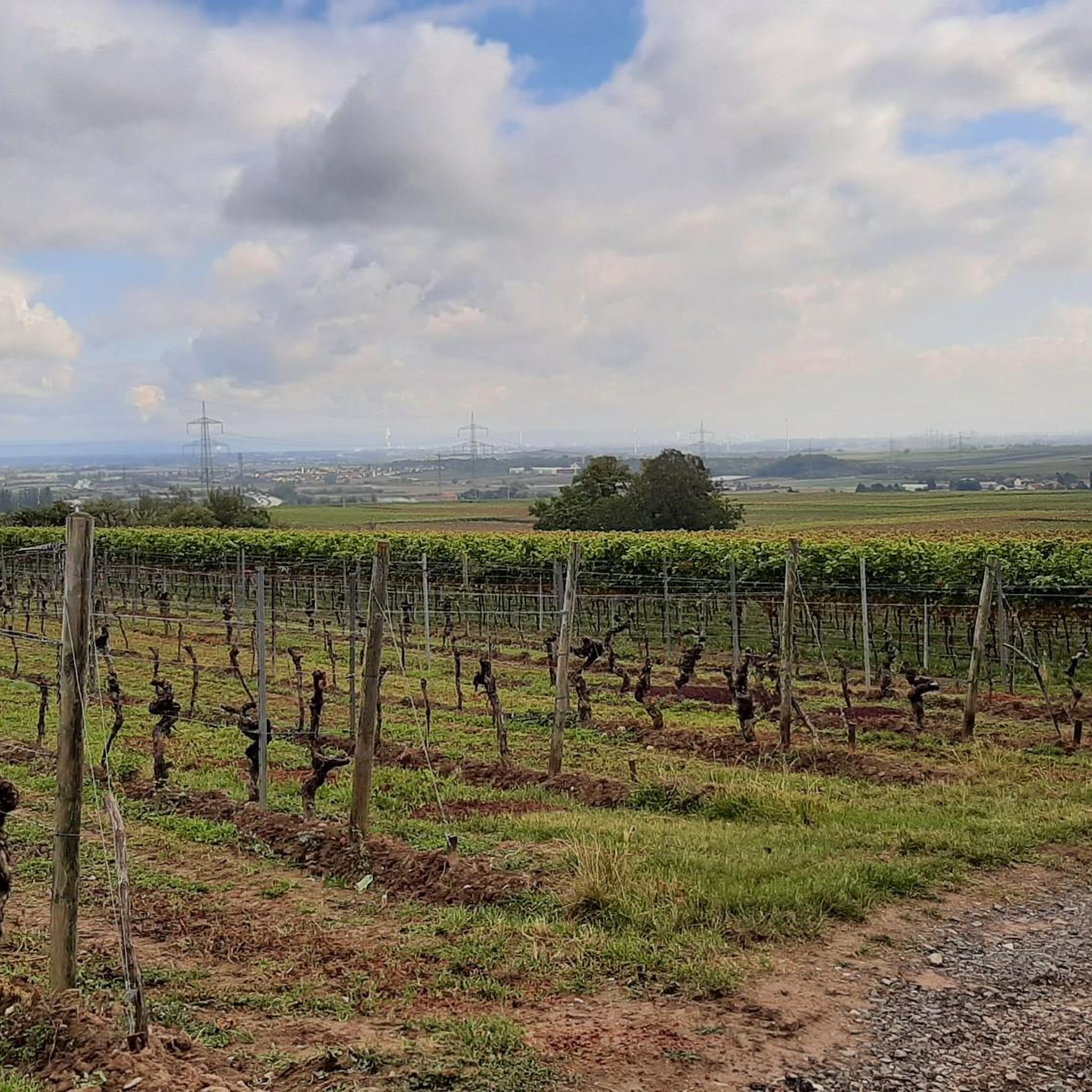
Rolling vineyard hills near Weisenheim am Berg, especially lovely in the evening light for a scenic ride through.
0
0
Wide open viewpoint looking out over Herxheim am Berg and the Rhine Plain, great spot to catch your breath and enjoy the panorama.
1
0
Lovely viewpoint with a scenic outlook over Battenberg Castle and the surrounding vineyards — a great photo opportunity along the way.
0
0

Beautiful view over the vineyards to the castle.
0
0

Partially wrapped in netting in the meantime... the concrete is crumbling
6
0
Partly wrapped in nets... crumbling at all corners
7
0
Frequently Asked Questions
How many gravel bike trails are available around Großkarlbach?
There are over 100 gravel bike trails in the Großkarlbach area, offering a wide range of options for different skill levels and preferences. The komoot community has explored these routes over 500 times.
What kind of terrain can I expect on gravel bike routes near Großkarlbach?
The terrain around Großkarlbach is quite varied. You'll find numerous 'Wirtschaftswege' traversing scenic vineyards and orchards, offering pleasant, low-elevation rides. The Eckbach Valley provides sections with varied terrain, and the broader region includes accessible forest paths, especially towards the Palatinate Forest, suitable for more adventurous off-road riding. It's a mix of gentle paths and potentially more challenging tracks.
Are there gravel routes suitable for beginners or families in Großkarlbach?
Yes, Großkarlbach offers routes with minimal elevation changes, making them accessible for beginners and families. There are 6 easy tours available, often following idyllic rural paths through vineyards. The Kraut-und-Rüben Bike Path, while generally for pleasure cyclists, often includes gravel sections suitable for a relaxed family outing.
Are there challenging gravel bike routes for experienced riders in the Großkarlbach area?
Absolutely. For experienced riders seeking a challenge, there are 44 difficult gravel tours available. These routes often venture into the more varied terrain of the Palatinate Forest, providing demanding climbs and descents. An example is the Pfrimm Valley Viaduct – Albisheim Cycle Path loop from Herxheim am Berg, which covers nearly 60 km with significant elevation changes.
What are some of the longer gravel biking options around Großkarlbach?
For those looking for longer rides, the area offers several extensive routes. The View of Battenberg Castle – Wattenheim Cottage loop from Kirchheim (Weinstraße) is a challenging 65.1 km trail that takes about 5 hours 19 minutes to complete, offering expansive views and varied terrain.
What interesting landmarks or attractions can I see along the gravel bike trails?
Many routes pass through charming historic villages with half-timbered houses. You can also explore natural and historical sites. Highlights include the Ungeheuersee, the Kriemhildenstuhl Roman Quarry, and the impressive Limburg Monastery Ruins. The Eckbach Mill Path, which can be incorporated into gravel routes, leads past 23 historic mills.
Are there any circular gravel bike routes available?
Yes, many of the gravel bike routes around Großkarlbach are designed as loops, allowing you to start and finish at the same point. For instance, the Forest Pathway in Palatinate – Hammelsbrunnen Fountain loop from Lambsheim is a popular circular route covering over 56 km through forest and past a fountain.
What do other gravel bikers enjoy most about gravel biking in Großkarlbach?
The area is highly rated by the komoot community, with an average score of 4.7 stars from over 100 reviews. Reviewers often praise the scenic vineyard paths, the quiet rural 'Wirtschaftswege,' and the diverse landscape that combines gentle rides with more demanding forest tracks, making it suitable for various skill levels.
What is the best time of year for gravel biking in Großkarlbach?
The region is beautiful throughout the year, but spring and autumn are particularly recommended. Spring offers stunning cherry blossoms in the orchards, while autumn showcases the vibrant colors of the vineyards. The 'Wirtschaftswege' and forest paths are generally well-maintained, making them enjoyable in most conditions.
Are there places to stop for refreshments or food along the gravel routes?
Yes, the region is renowned for its wine culture, so you'll find numerous wineries, vinotheques, and restaurants, especially when cycling through the vineyards and charming villages. These establishments offer excellent opportunities for a break and to taste regional specialties.
How can I access the gravel trails around Großkarlbach using public transport?
While specific public transport connections to every trailhead can vary, many villages in the region are connected by local bus services. It's advisable to check local transport schedules for connections to starting points like Kirchheim (Weinstraße) or Herxheim am Berg, which are common starting points for many routes.
Where can I find parking for gravel biking in Großkarlbach?
Parking is generally available in and around the villages that serve as starting points for the routes, such as Großkarlbach itself, Kirchheim (Weinstraße), or Herxheim am Berg. Look for designated public parking areas, often near village centers or trail access points.
Most popular routes around Großkarlbach
Most popular attractions around Großkarlbach

Get inspired with the komoot mobile app


Explore more
Browse the best Gravel rides in other regions.
