The best gravel rides around Burgschleinitz-Kühnring
4.3
(6)
45
riders
9
rides
Gravel biking around Burgschleinitz-Kühnring offers diverse landscapes in Lower Austria, situated on the elongated Manhartsberg ridge. The region features rolling hills, extensive forests, and open fields, transitioning between the dense woodlands of the Waldviertel and the vineyard-dotted Weinviertel. Notable natural features include the deeply incised Gänsgraben gorge with its granite walls, and the varied topography of the Manhartsberg Ridge. The terrain provides a mix of fine forest trails and asphalt sections suitable for gravel cycling.
Best gravel bike trails around…
Last updated: October 5, 2026
4.8
(4)
20
riders
Hard gravel ride. Very good fitness required. Mostly paved surfaces. Suitable for all skill levels.
5.0
(1)
10
riders
59.8km
04:03
980m
980m
Hard gravel ride. Very good fitness required. Mostly paved surfaces. Suitable for all skill levels.

3.0
(1)
5
riders
32.9km
02:17
530m
530m
Hard gravel ride. Very good fitness required. Mostly paved surfaces. Suitable for all skill levels.
1
riders
48.9km
03:28
650m
650m
Hard gravel ride. Very good fitness required. Mostly paved surfaces. Suitable for all skill levels.
3
riders
46.7km
02:59
640m
640m
Hard gravel ride. Very good fitness required. Mostly paved surfaces. Suitable for all skill levels.
Get access to more routes and recommendations from other explorers.
Already have an account?
Our route recommendations are based on thousands of hikes, rides, and runs completed by other people on komoot.
Start today with a free account
Your next adventure awaits.
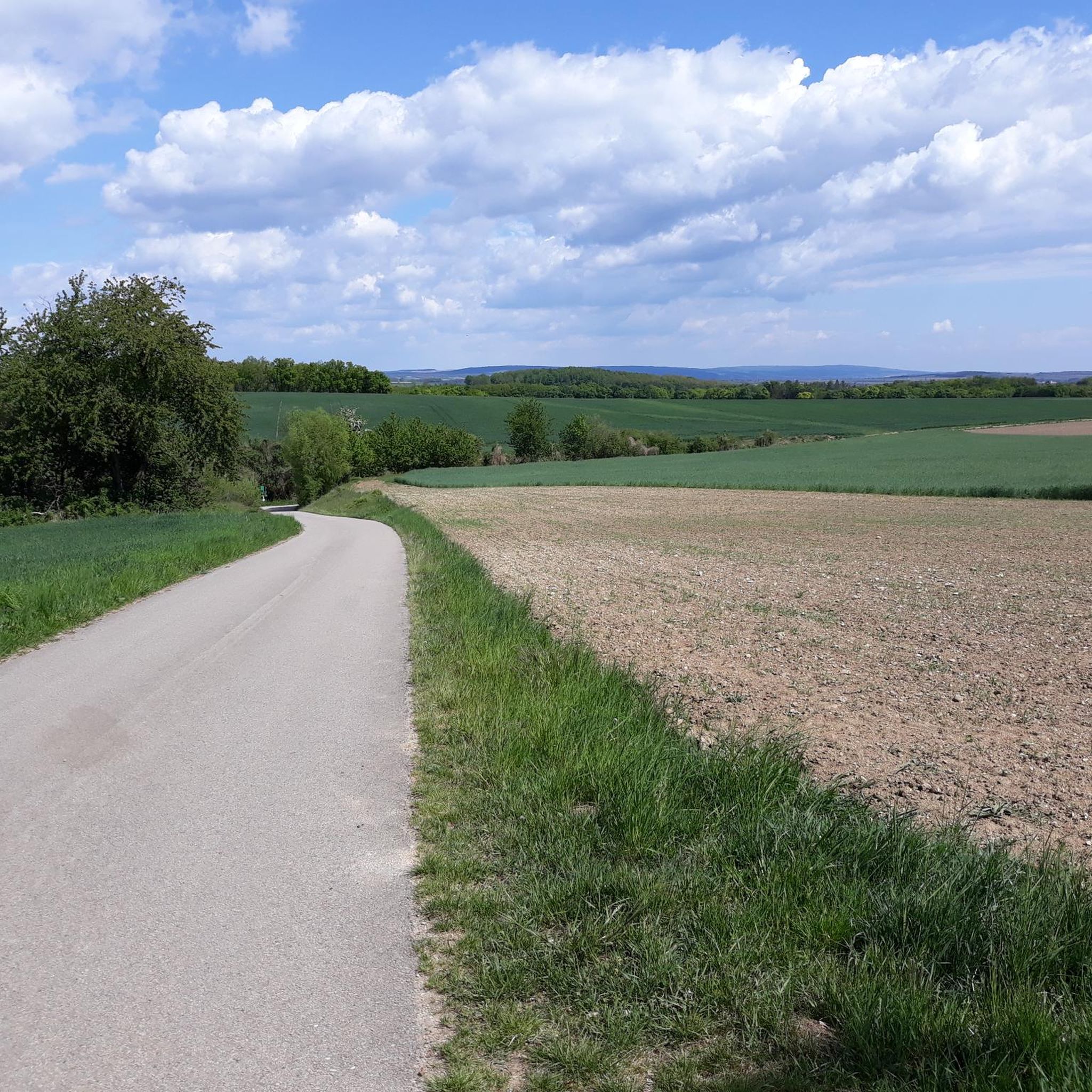
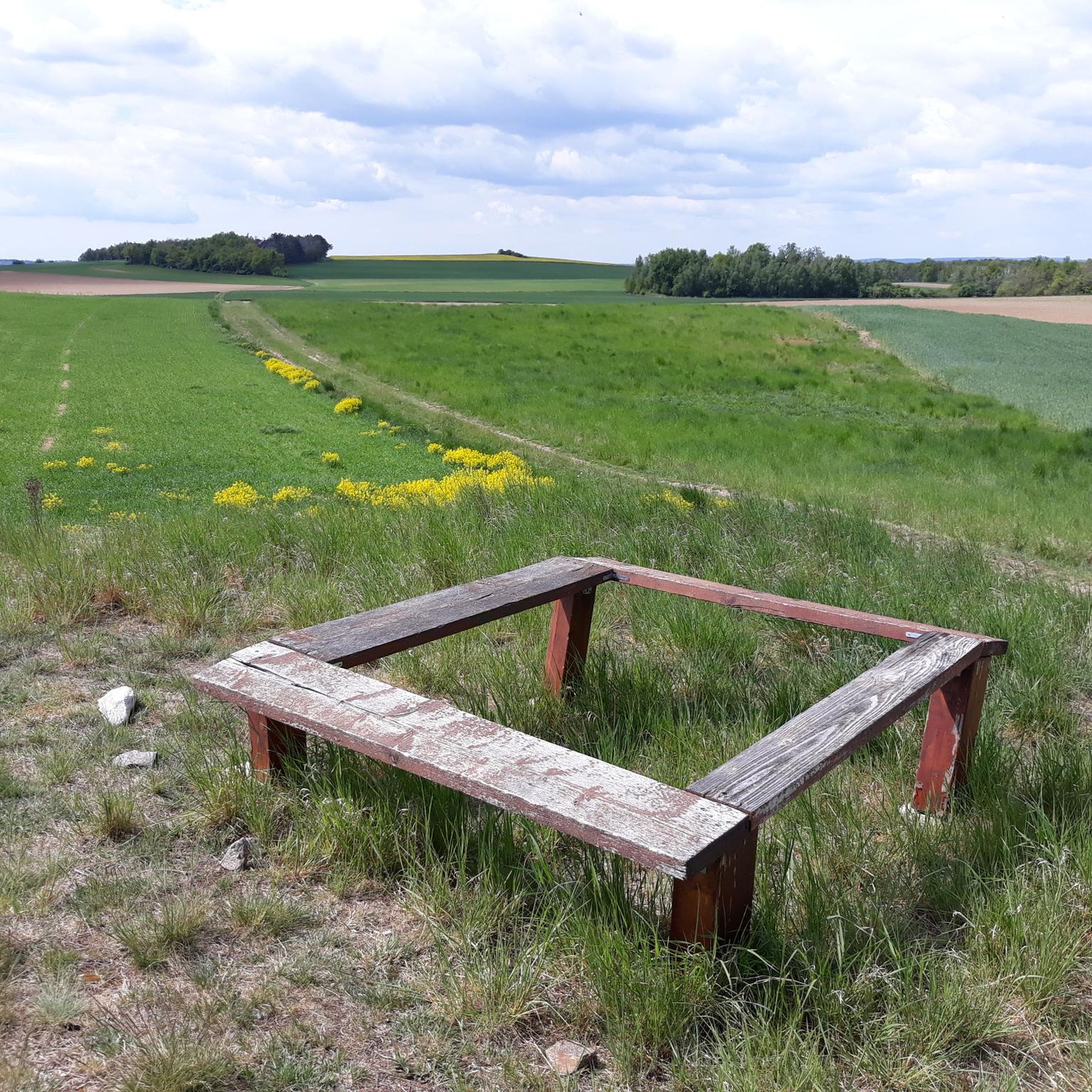
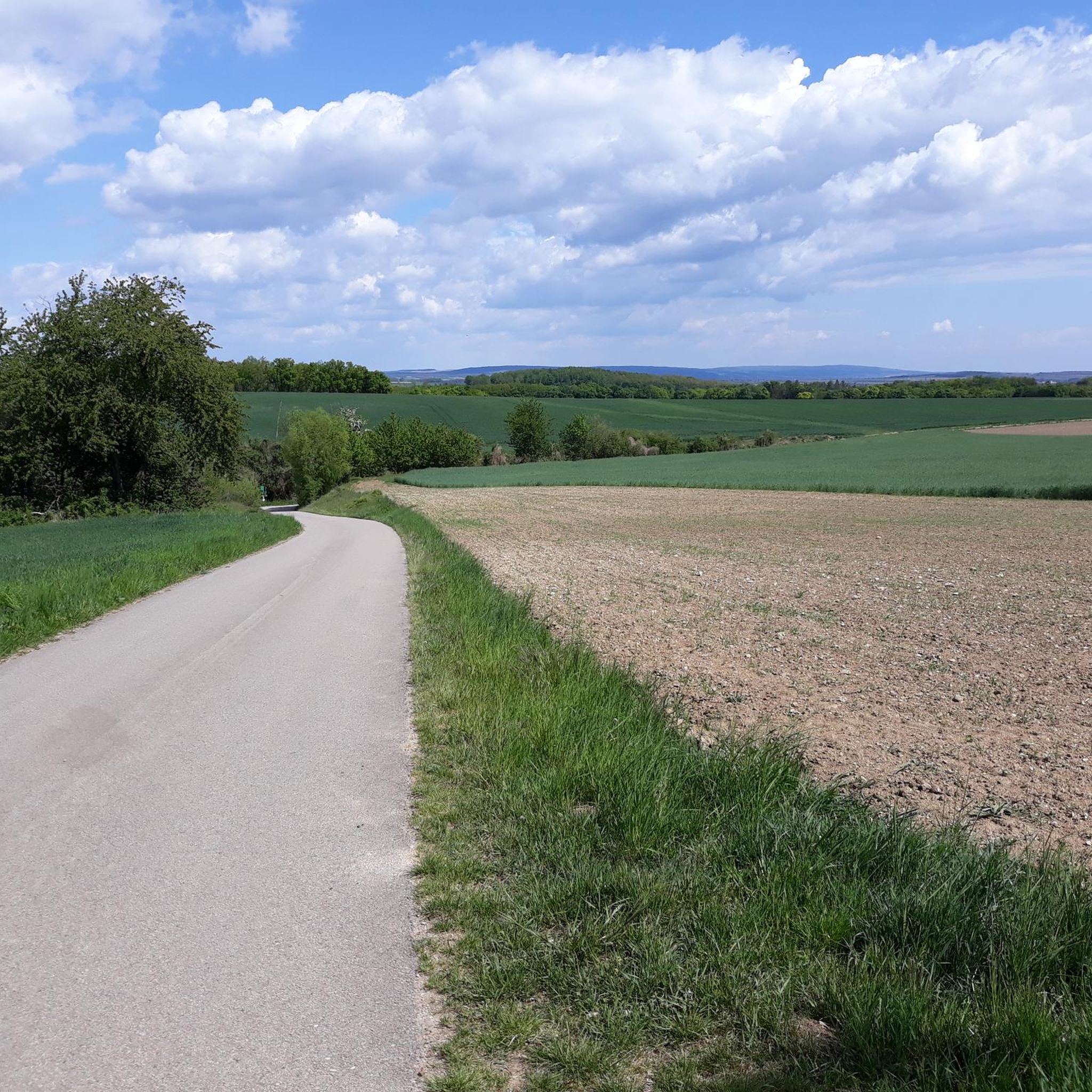
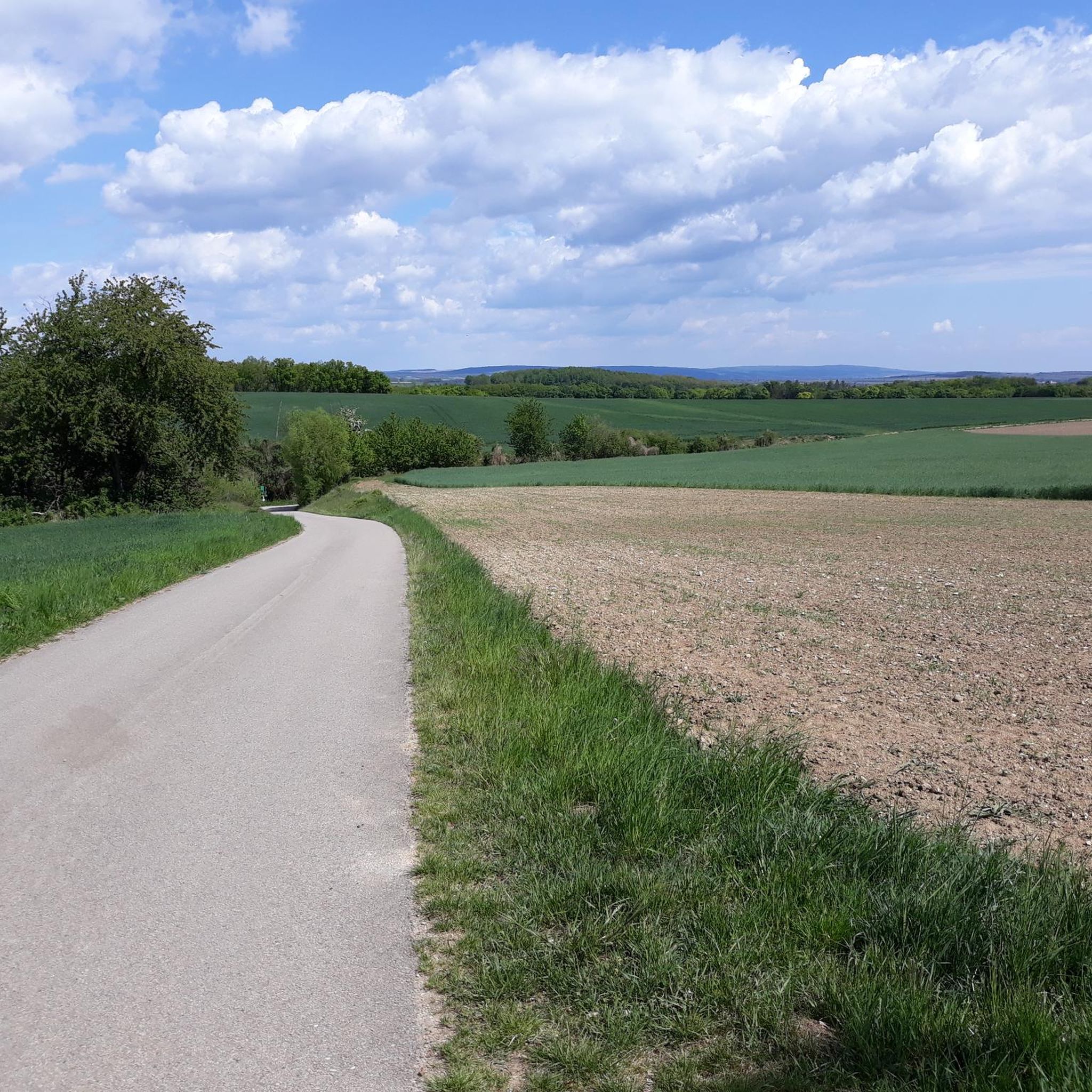
Tips from the Community

Gars am Kamp is first mentioned in documents as a market town in 1279, and the market rights were confirmed in 1403. Gars Castle was expanded by the Kuenringers; later lords of the castle included the Maissauers and the Counts of Lamberg. The large Renaissance castle built in the 16th century fell into ruin in the 19th century due to the burden of the roof tax.
0
0

Beautiful view of the unfortunately very unknown castle Kronsegg.
1
0
At LOISIUM, wine enjoyment combines with a true zest for life. Authenticity, regionality, and passion for wine meet here – whether on an exciting journey of discovery through the world of winemaking artistry or with a relaxed glass at the end of the day. Nestled in some of Europe's most beautiful wine regions, LOISIUM is the perfect place for anyone who wants to not just drink wine, but experience it.
0
0
Answers to garden questions For those who want to know more, a garden tour is highly recommended. During the tour, you wander through the garden's extensive variety of species, listen to stories about almost forgotten cultivated plants, and learn valuable information about their cultivation and use. You will receive answers to personal gardening questions and learn the latest about ARCHE NOAH's seed policy. And because ARCHE NOAH is dedicated to preserving endangered vegetable, fruit, and grain varieties, seed propagation is also a topic: How to obtain seeds for propagation and what treasure the 5,500 cultivated plant varieties resting in the ARCHE NOAH seed archive represent – you will find out on the garden tour!
0
0
NOAH'S ARK Show Garden A walk through paradise for valuable cultivated plants. Old, valuable, and almost extinct cultivated plants are combined in the ARCHE NOAH Show Garden in Schiltern to create a unique garden experience. Delicious, robust, and endangered vegetable and fruit varieties remain alive this way. The baroque pavilion as a focal point in the Schlosspark of Schiltern Castle provides the dignified setting. In this historic ambience, the ARCHE NOAH Show Garden offers a colourful treasure trove of rare vegetables, herbs, cereals, fruits, and berries. Visitors stroll past colourful theme beds with changing cultivated plants, see carrots in all colours and shapes, and delight in aromatic cocktail tomatoes, Krachsalat, and mustard greens. In the ARCHE NOAH Show Garden's scattered fruit tree meadow, you can discover tasty fruit varieties with unusual names such as 'Himbeerapfel von Holovous' or 'Ananasmarille'.
0
0
From the farmstead to the castle Who would have thought that a small farmstead would become a "castle of the future"? The farmstead, founded in the 10th century by the lords of Schiltarn, is primarily used by various lords of Kronsegg Castle. It was not until the 16th century that the medieval structure was expanded into a castle and a new seat of power. After a varied succession of owners, Count Aichelberg-Ruhmerskirch sold the castle in 1929 to the municipality of Langenlois. Just one year later, it was acquired by the Order of the English Maidens, who have since operated various educational institutions for children here. This teaching activity was interrupted during World War II – the castle came into the possession of the SA. In 1987, Psychosoziale Zentrum Schiltern GmbH had the building complex renovated with the help of the state of Lower Austria and has since offered the ideal environment for psychotherapeutic rehabilitation on site.
2
0
Once upon a time, this artificial reservoir was an extremely popular bathing paradise. People traveled from afar to bathe in "Kronsegg". Romantic solstice celebrations and even "hot" motorsport events on the ice are now only remembered by a few. After the last dam renovation, the reservoir could be refilled starting in 2002. The flood in August 2002 already forced the dam to pass its first test.
0
0

One of the most beautiful castles in Austria! Worth a visit, the bird of prey demonstrations are particularly exciting.
0
0
Frequently Asked Questions
How many gravel bike trails are available in Burgschleinitz-Kühnring?
There are over 20 gravel bike trails around Burgschleinitz-Kühnring, offering a variety of experiences for different skill levels. You'll find routes ranging from easy excursions to more demanding paths.
What kind of terrain can I expect on gravel bike trails in Burgschleinitz-Kühnring?
The region offers diverse terrain, perfect for gravel biking. You'll encounter gentle hills, lush forests, and expansive views. Many routes feature a mix of fine forest trails and beautiful asphalt sections. A unique natural feature is the Gänsgraben, a scenic gorge with bizarre granite formations.
What do other gravel bikers say about the trails in Burgschleinitz-Kühnring?
The gravel bike routes in Burgschleinitz-Kühnring are highly rated by the komoot community, with an average score of 4.5 stars from over 20 reviews. More than 100 gravel bikers have used komoot to explore the varied terrain, often praising the scenic landscapes and cultural elements.
Are there gravel bike routes suitable for beginners or less experienced riders?
Yes, while many routes are considered difficult, there are options for less experienced riders. For example, the View of Burg Schleinitz – Eggenburg town centre loop from Röschitz is a moderate 31.7-mile (51.0 km) trail that takes you through the historic Eggenburg town centre.
Are there challenging gravel bike routes for experienced riders?
Absolutely. For experienced gravel bikers seeking a challenge, routes like the Bicycle Bridge Over the Kamp – Bridge Over the Kamp loop from Schönberg am Kamp offer a difficult 37.0-mile (59.6 km) path with significant elevation gain. Another demanding option is the Kamp Valley Riverside Trail – Bicycle Bridge Over the Kamp loop from Gars-Thunau, which is 32.5 miles (52.3 km) long and explores the scenic Kamp Valley.
What natural features can I expect to see along the gravel bike trails?
You'll encounter diverse natural beauty, including the unique Gänsgraben gorge with its granite formations, the extended Manhartsberg Ridge offering varied topography, and the scenic Kamp Valley with the Schleinzbach stream. The region is characterized by gentle hills and lush forests, providing a picturesque backdrop for your ride.
Are there any historical landmarks or castles to explore along the routes?
Yes, the region is rich in historical sites. You can find impressive castles like Rosenburg Castle and the romantic water castle of Burg Burgschleinitz. The Gars Castle Ruins also offer beautiful views. Additionally, you can explore the medieval Eggenburg town centre with its preserved city wall and unique cultural monuments.
Are there routes that offer scenic viewpoints?
Many routes in Burgschleinitz-Kühnring offer scenic views, especially from the elevated positions on the Manhartsberg Ridge. You can find specific viewpoints like the Pope’s Tower or the Manhartsberg Summit and Memorial Cross, which provide expansive vistas of the surrounding Weinviertel and Waldviertel regions.
What is the best season for gravel biking in Burgschleinitz-Kühnring?
The region is generally pleasant for gravel biking from spring through autumn. Spring brings blooming landscapes, while autumn offers vibrant colors. Summer is also suitable, but it's always wise to check local weather conditions before heading out, as some forest trails might be affected by heavy rain.
Are there circular gravel bike routes available?
Yes, many of the gravel bike routes in Burgschleinitz-Kühnring are designed as loops, allowing you to start and end at the same point. Examples include the View of Burg Schleinitz – Eggenburg town centre loop from Röschitz and the Rosenburg Castle – Kamp Valley Riverside Trail loop from Schönberg am Kamp.
Are there any routes that pass through towns or offer opportunities for stops?
Yes, some routes are designed to pass through or near charming towns. The View of Burg Schleinitz – Eggenburg town centre loop from Röschitz, for instance, leads directly through the historic Eggenburg town centre, offering opportunities to explore and find refreshments. Other routes may pass through smaller villages where you might find local cafes or pubs.
Is public transport available to access the gravel bike trails?
While specific public transport connections directly to all trailheads might vary, the region is generally accessible. It's recommended to check local bus or train schedules to nearby towns like Eggenburg or Gars am Kamp, which can serve as starting points for many routes.
Where can I find parking for gravel biking in Burgschleinitz-Kühnring?
Parking is typically available in the towns and villages that serve as starting points for the routes, such as Gars-Thunau, Schönberg am Kamp, Röschitz, or Burgschleinitz itself. Look for designated parking areas or public parking spaces within these communities.
Most popular routes around Burgschleinitz-Kühnring
Most popular attractions around Burgschleinitz-Kühnring

Get inspired with the komoot mobile app


Explore more
Browse the best Gravel rides in other regions.
