Seegebiet Mansfelder Land
Seegebiet Mansfelder Land
Top 20 Castles around Seegebiet Mansfelder Land
Best castles around Seegebiet Mansfelder Land are found in a region known for its historical significance and diverse landscapes, including the Süßer See. This area in Saxony-Anhalt, Germany, features a collection of historically significant castles, ranging from well-preserved complexes to medieval ruins. The castles offer insights into centuries of regional history and architectural evolution.
Best castles around Seegebiet Mansfelder Land
- The most popular castles is Querfurt Castle, a castle that is considered the largest castle complex in Central Germany.…
Last updated: October 9, 2026
Seeburg Castle
Highlight • Castle
It would be nice if it got a castle lord who saved it
Translated by Google •
Tip by

Wettin Ferry
Highlight • Bridge
Translated by Google •
Tip by
Sign up now to discover places like this
Get recommendations on the best single tracks, peaks, & plenty of other exciting outdoor places.
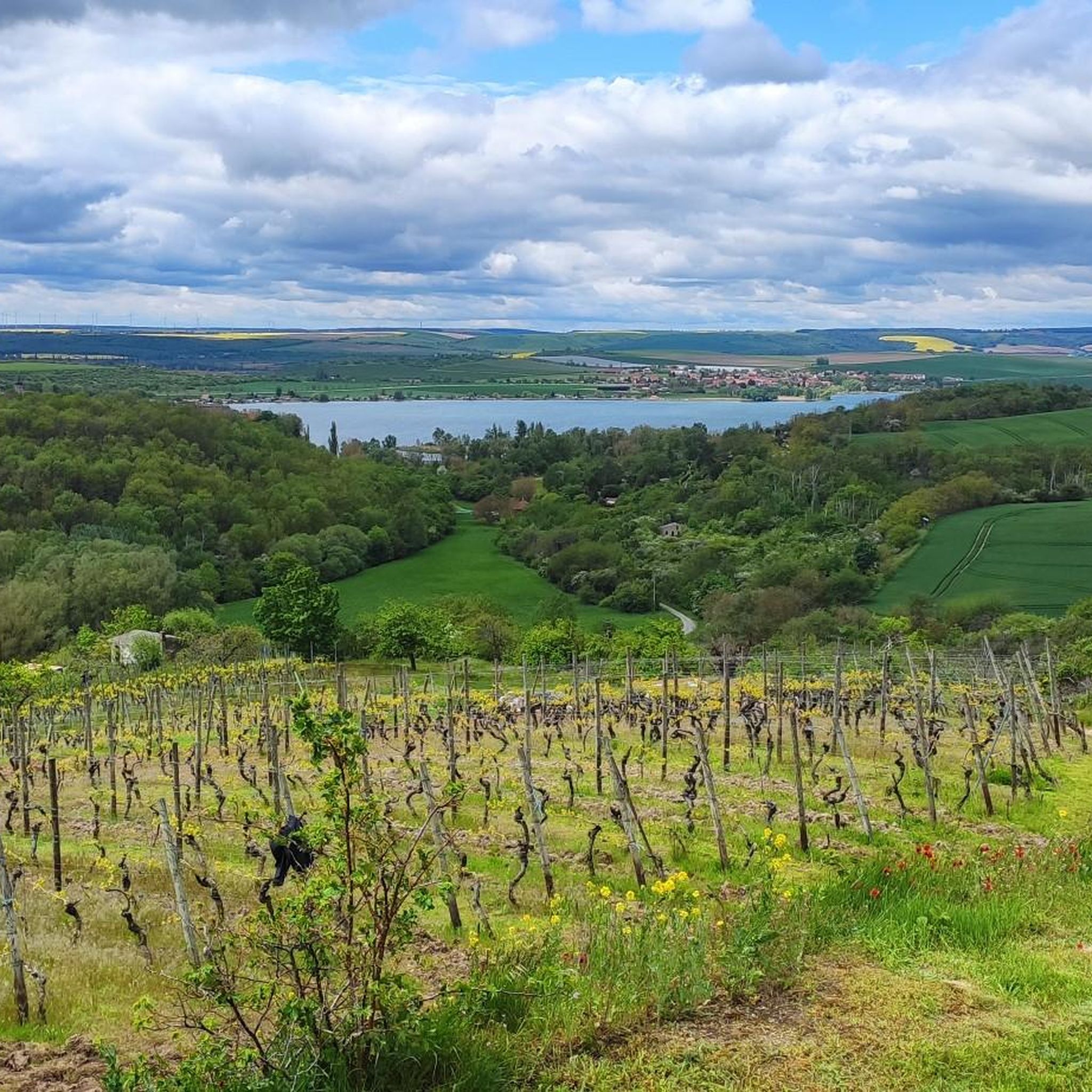
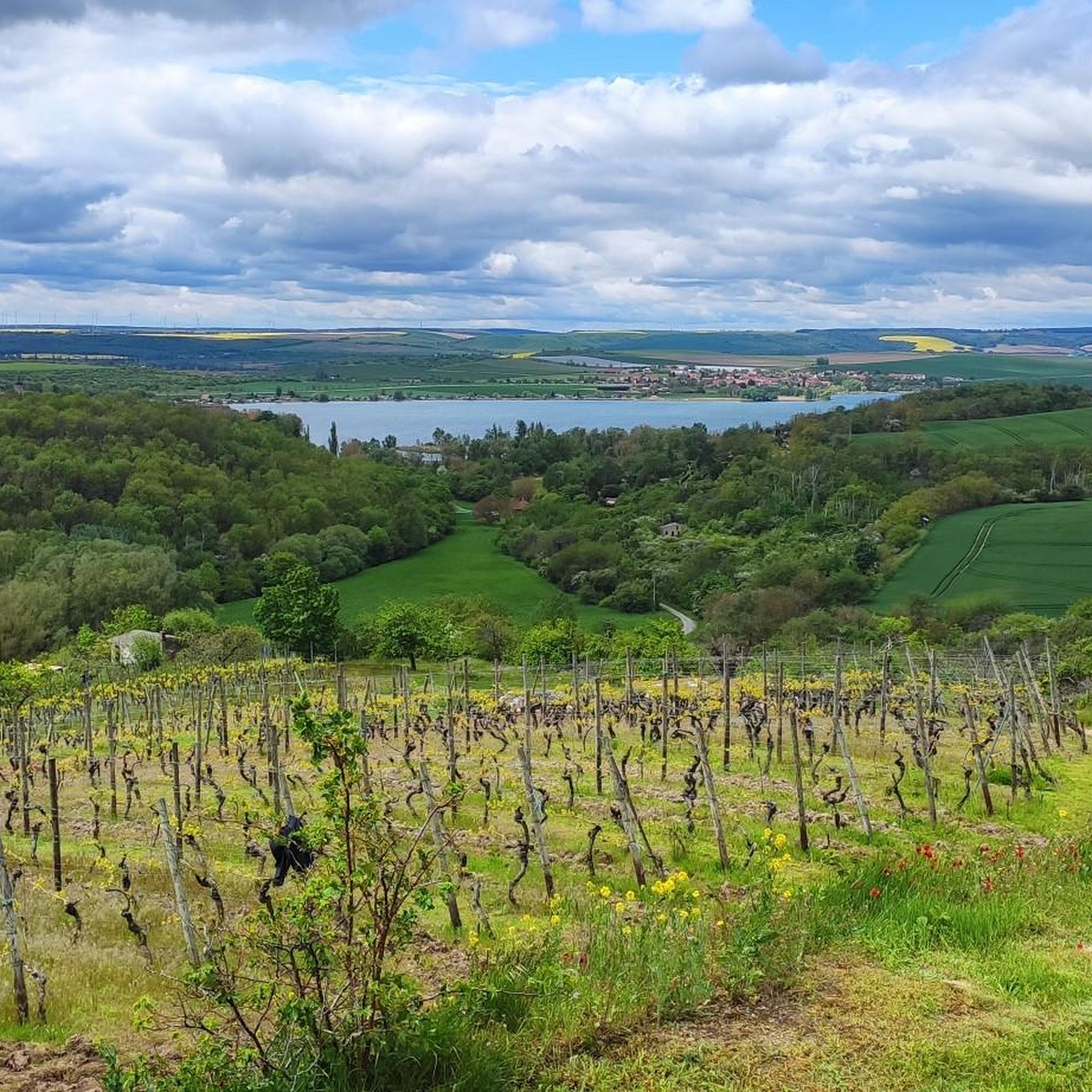
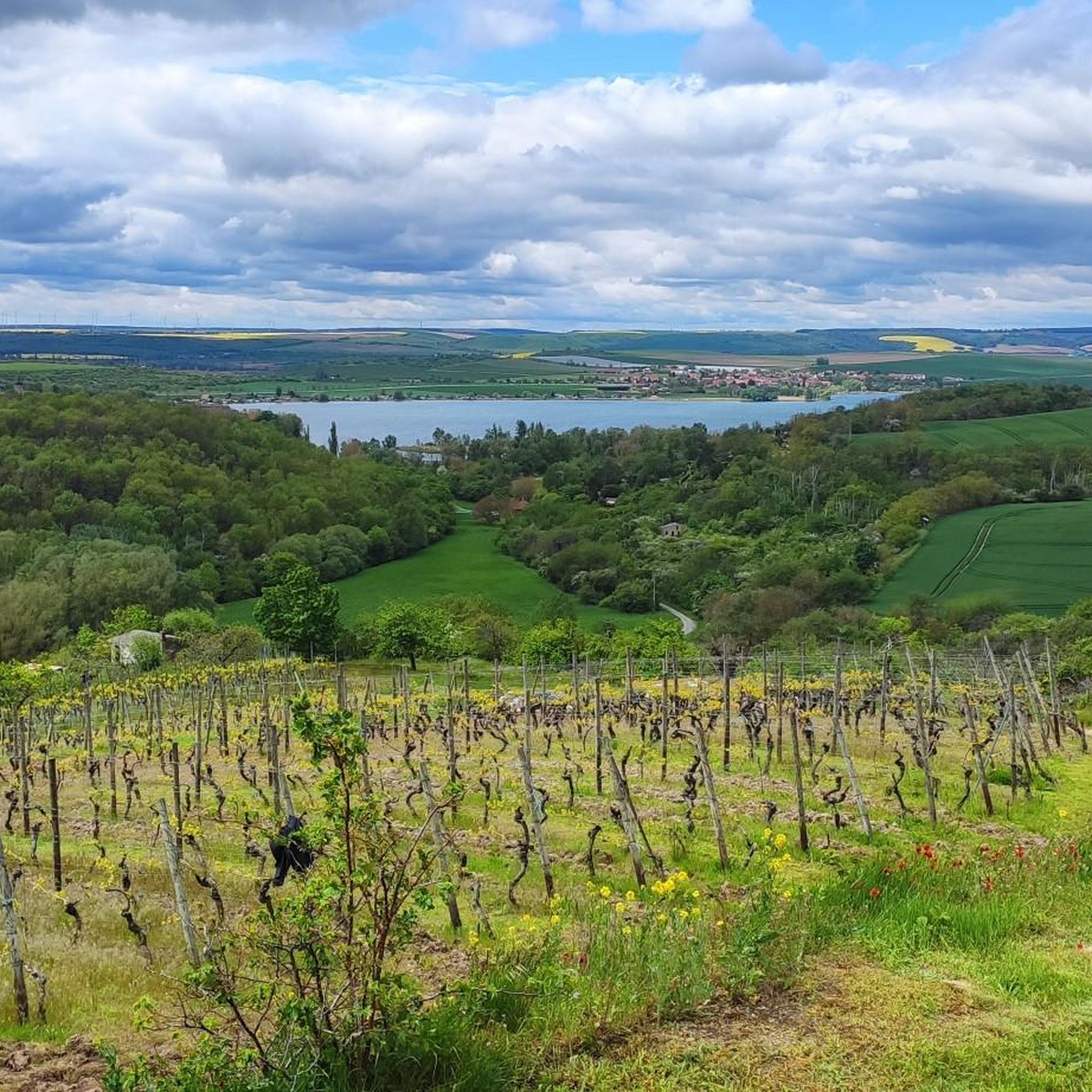
View of the Süßer See and Seeburg Castle from the promenade
Highlight • Viewpoint
Translated by Google •
Tip by
Querfurt Castle
Highlight • Castle
Translated by Google •
Tip by

Bornstedt Castle Ruins
Highlight • Castle
Translated by Google •
Tip by
Sign up for free to discover even more castles around Seegebiet Mansfelder Land.
Already have an account?
Start today with a free account
Your next adventure awaits.
Popular around Seegebiet Mansfelder Land
Tips from the Community

Information about the ferry can be found at https://www.fähren-wettin-löbejün.de/wettin-oeffnungszeiten-preise/
6
1

Seeburg is dominated by the castle of the same name, visible from afar and rising majestically on a peninsula above the Süßer See (Sweet Lake). It is the western part of an ancient, very large refuge. Since the late 1990s, the castle has been divided into private ownership, changing hands several times. This has resulted in the castle remaining unrenovated, standing empty, and falling into disrepair. The Widow's Tower and the castle church, however, have been renovated and are owned by a fruit farm. They are used as a residence, for vacation apartments, as a registry office, and for concerts. The new orangery on the lake promenade represents a further step toward tourism. The architecturally sophisticated new building will allow year-round operation.
13
0
In 979, a document first mentions a "Castellum." Querfurt has had a castle since then at the latest. The town itself was first mentioned in documents about a hundred years earlier. The castle was the ancestral seat of the noble lords of Querfurt, who for centuries were also burgraves of Magdeburg. With the death of Bruno XI of Querfurt in 1496, the noble family died out. The castle proved impregnable until 1640, but changed hands several times during the Thirty Years' War (1618 to 1648). The Swedish occupation lasted from 1642 to 1650. In 1663, the princes of Saxe-Querfurt made the castle their residence and Querfurt the capital of their domain.
15
0
The 57-meter-high Paris Tower at Querfurt Castle was originally called the Hausmannsturm (Houseman's Tower). It dates back to the late 14th century. Its baroque dome was added in 1659. It served as a fire watchtower until 1969; today, it can be climbed as an observation tower. There is also a tower dungeon.
12
0
Since 1949, the Bornstedt local festival has taken place every year in the ruins.
8
0
Bornstedt Castle, also known as Schweinsburg, stands high on the Hornburger Sattel – a ridge on the eastern edge of the Harz Mountains. The impressive, thirty-meter-high keep of the castle ruins can be seen from far away. The former Carolingian rampart was probably built in the 8th century. The "Brunstediburg" was first mentioned in documents around 880 in the Hersfeld tithe register. It consisted of a stone core castle with a keep and an outer castle, once surrounded by a ring wall and a moat. In 1115, Emperor Henry V used Bornstedt Castle as a station for his troops in the battles at Welfesholz during the Saxon Wars. From 1301 to 1780, the complex was owned by the Counts of Mansfeld, and from 1502 it was one of their residences. During the Thirty Years' War, Bornstedt Castle lost importance and began to decay.
10
0

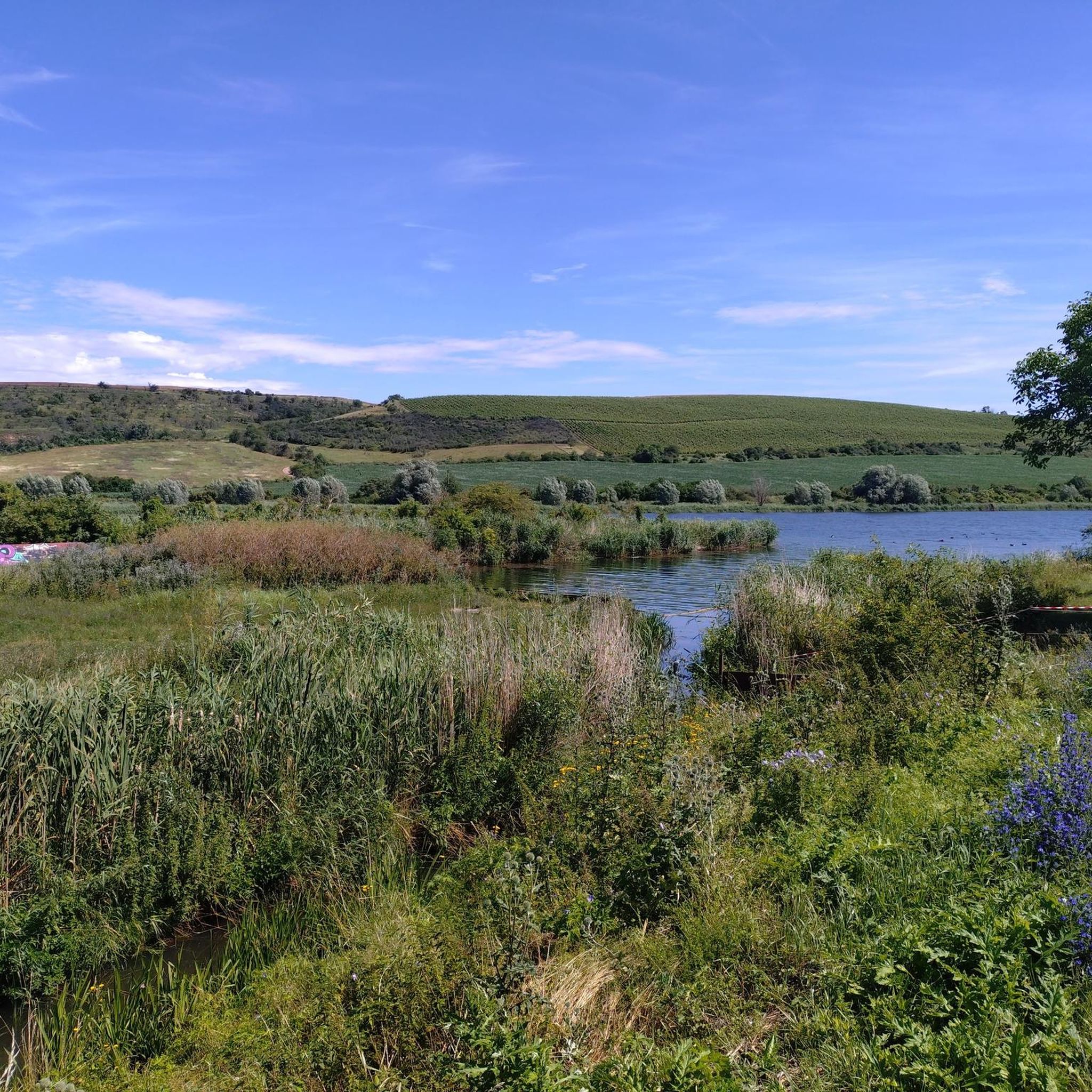
Here you can enjoy the wonderful lake feeling on wooden benches
7
0
Frequently Asked Questions
Which castles in the Seegebiet Mansfelder Land region offer significant historical insights?
The region is rich in history. Seeburg Castle, for instance, showcases architectural elements from various periods, including Gothic and Renaissance, and lies on both the Romanesque Road and the Luther Trail. Schloss Allstedt, though technically in Allstedt, is nearby and famous as the place where reformer Thomas Müntzer delivered his 'Princes' Sermon' in 1524. Its museum details over a thousand years of history.
Are there any castle ruins in the area that are worth visiting?
Yes, Burg Questenberg offers a unique glimpse into medieval life. Though largely ruined, its keep, parts of the curtain wall, and two cellars are preserved and freely accessible. Inside the keep, you can find intriguing engraved drawings from around 1500, believed to be made by prisoners.
What kind of outdoor activities can I do near the castles in Seegebiet Mansfelder Land?
The area around the castles offers various outdoor activities. You can find easy cycling routes like the 'View of Süßer See – Seeburg Castle loop' or MTB trails such as the 'Seeburg Castle – Süßer See loop'. For hikers, there are easy trails like the 'Seeburg Castle – Seeperle Ship Restaurant loop'. You can explore more options in the dedicated guides for cycling, MTB, and easy hikes around Seegebiet Mansfelder Land.
Which castles are particularly family-friendly in the region?
Querfurt Castle is highly recommended for families. It's a well-preserved complex with a museum and often hosts events. Seeburg Castle, with its picturesque lake setting and restaurant, also offers a pleasant experience for families.
What are the best viewpoints near the castles?
Many castles offer great views. Wettin Castle provides excellent views over the Saale river. Burg Questenberg, situated on the Burgberg (castle hill), also offers scenic vistas of the surrounding landscape. Seeburg Castle, located directly on the Süßer See, offers picturesque views of the lake.
Are there any castles with unique architectural features?
Schloss Allstedt is notable for its castle kitchen, considered one of the largest in Europe, and its defensive walls up to 3.5 meters thick. Seeburg Castle features a massive tower with walls nearly six meters thick and displays a blend of Gothic and Renaissance elements.
What do visitors enjoy most about the castles in Seegebiet Mansfelder Land?
Visitors frequently appreciate the historical depth and architectural diversity of the castles. The picturesque locations, such as Seeburg Castle on the Süßer See, are often highlighted. The sheer scale of places like Querfurt Castle, the largest castle complex in Central Germany, also leaves a strong impression.
Can I find places to eat near the castles?
Yes, for example, Seeburg Castle has an orangery within its grounds that now houses a restaurant with scenic views of the Süßer See. Querfurt Castle also has a castle café where visitors can relax after exploring.
What is the best time of year to visit the castles in Seegebiet Mansfelder Land?
The castles are generally accessible year-round, but spring and autumn offer pleasant weather for exploring the grounds and surrounding nature. Summer is also popular, especially for castles near lakes like Seeburg Castle, allowing for combined castle visits and lakeside activities. Winter visits can offer a unique, quieter experience, though some facilities might have reduced hours.
Are there any castles associated with famous historical figures?
Schloss Allstedt has strong ties to the Reformation, being the place where Thomas Müntzer delivered his influential 'Princes' Sermon'. Johann Wolfgang von Goethe also spent time there between 1776 and 1782, working on his drama 'Iphigenie auf Tauris'. Wettin Castle is the ancestral home of the Wettins, a significant European dynasty.
How can I get more visitor information for specific castles like Seeburg Castle or Schloss Allstedt?
For detailed visitor information, including opening hours and potential ticket requirements, it's best to check the official tourism resources. You can find more about Seeburg Castle at mansfeldsuedharz-tourismus.de and for Schloss Allstedt at mansfeldsuedharz-tourismus.de.
Most popular routes around Seegebiet Mansfelder Land
Most popular attractions around Seegebiet Mansfelder Land

Get inspired with the komoot mobile app


Explore more
Looking for the best castles somewhere else? Discover other guides around Seegebiet Mansfelder Land:
