The best gravel rides around Schöneck
4.4
(78)
468
riders
80
rides
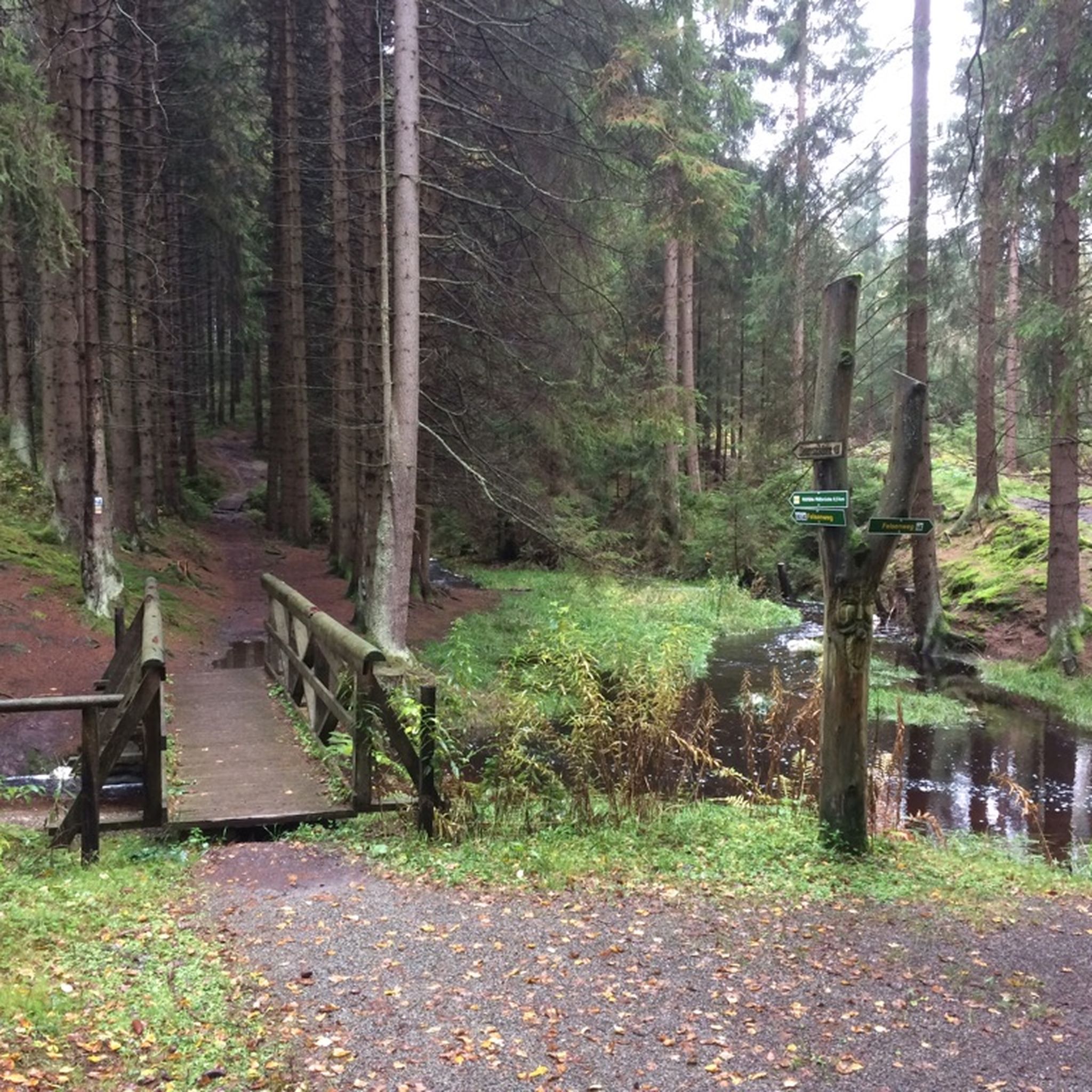
Gravel biking around Schöneck offers diverse terrain within the Nature Park Erzgebirge/Vogtland. The region features a low-mountain landscape with forested hills, expansive forests, and natural river landscapes. Routes often combine asphalt, gravel, and natural paths, providing varied surfaces and significant elevation changes. This area is known for its panoramic views across Bavaria and Thuringia, making it a compelling destination for outdoor enthusiasts.
Best gravel bike trails around Schöneck
- The most popular gravel bike trail is Nidda Cycle Path – Singletrack…
Last updated: October 6, 2026
4.2
(5)
22
riders
51.9km
02:54
160m
160m
Hard gravel ride. Good fitness required. You may need to push your bike for some segments of this route.
5.0
(2)
11
riders
60.3km
03:36
340m
340m
Hard gravel ride. Good fitness required. You may need to push your bike for some segments of this route.

5.0
(3)
15
riders
Hard gravel ride. Good fitness required. You may need to push your bike for some segments of this route.
5.0
(2)
10
riders
25.6km
01:20
220m
220m
Moderate gravel ride. Good fitness required. Mostly paved surfaces. Suitable for all skill levels.
3.0
(2)
9
riders
63.1km
03:45
410m
410m
Hard gravel ride. Good fitness required. You may need to push your bike for some segments of this route.
Get access to more routes and recommendations from other explorers.
Already have an account?
Our route recommendations are based on thousands of hikes, rides, and runs completed by other people on komoot.
Start today with a free account
Your next adventure awaits.
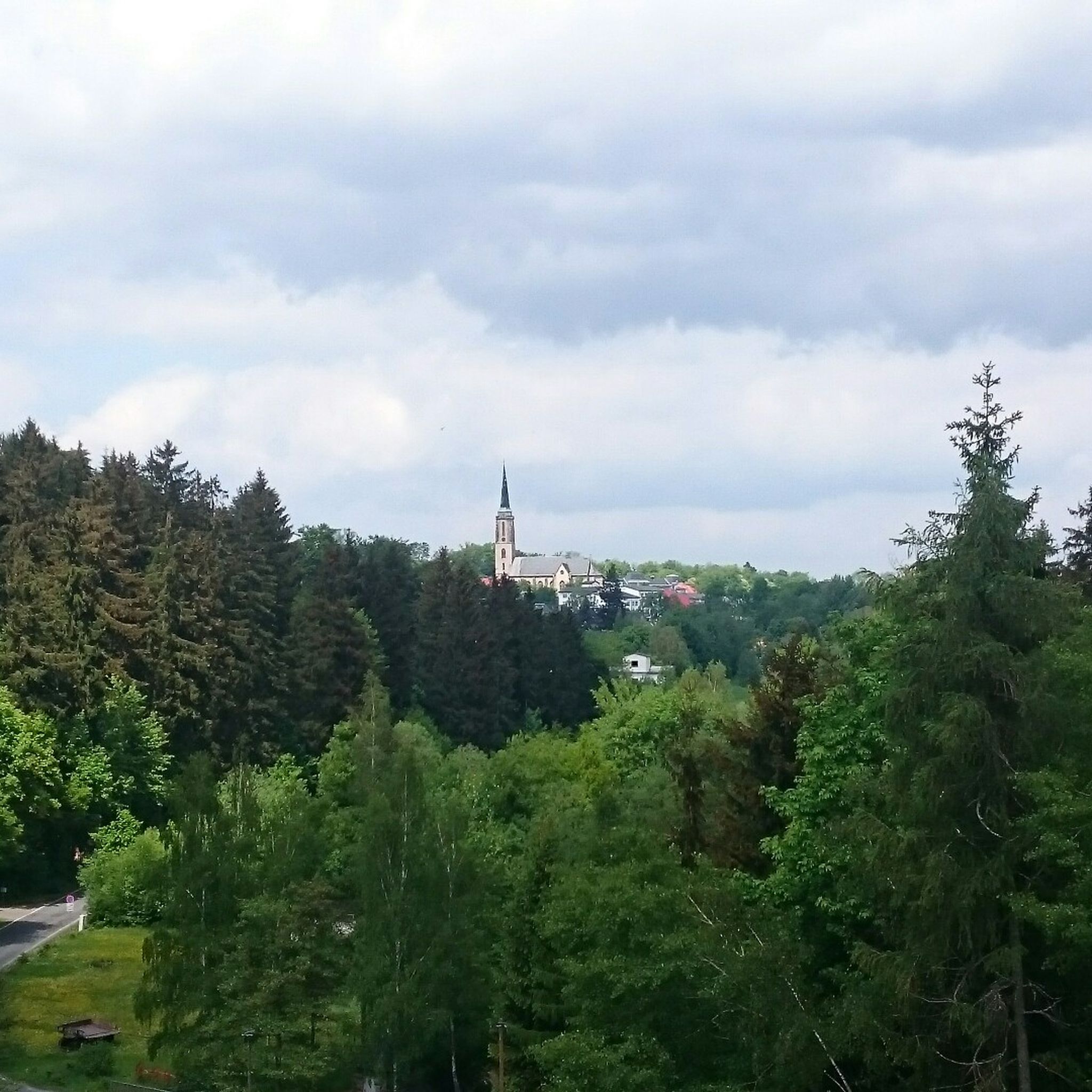
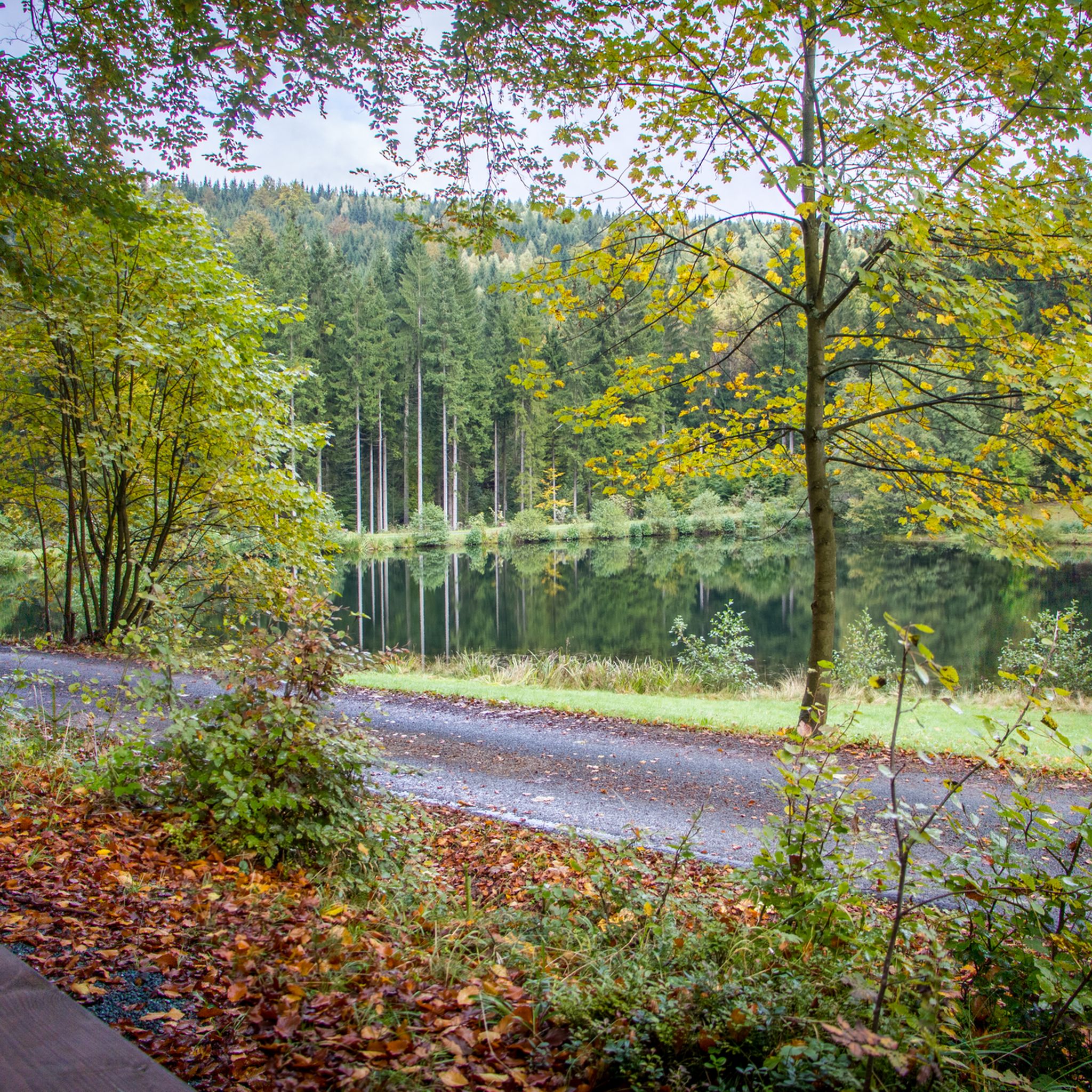
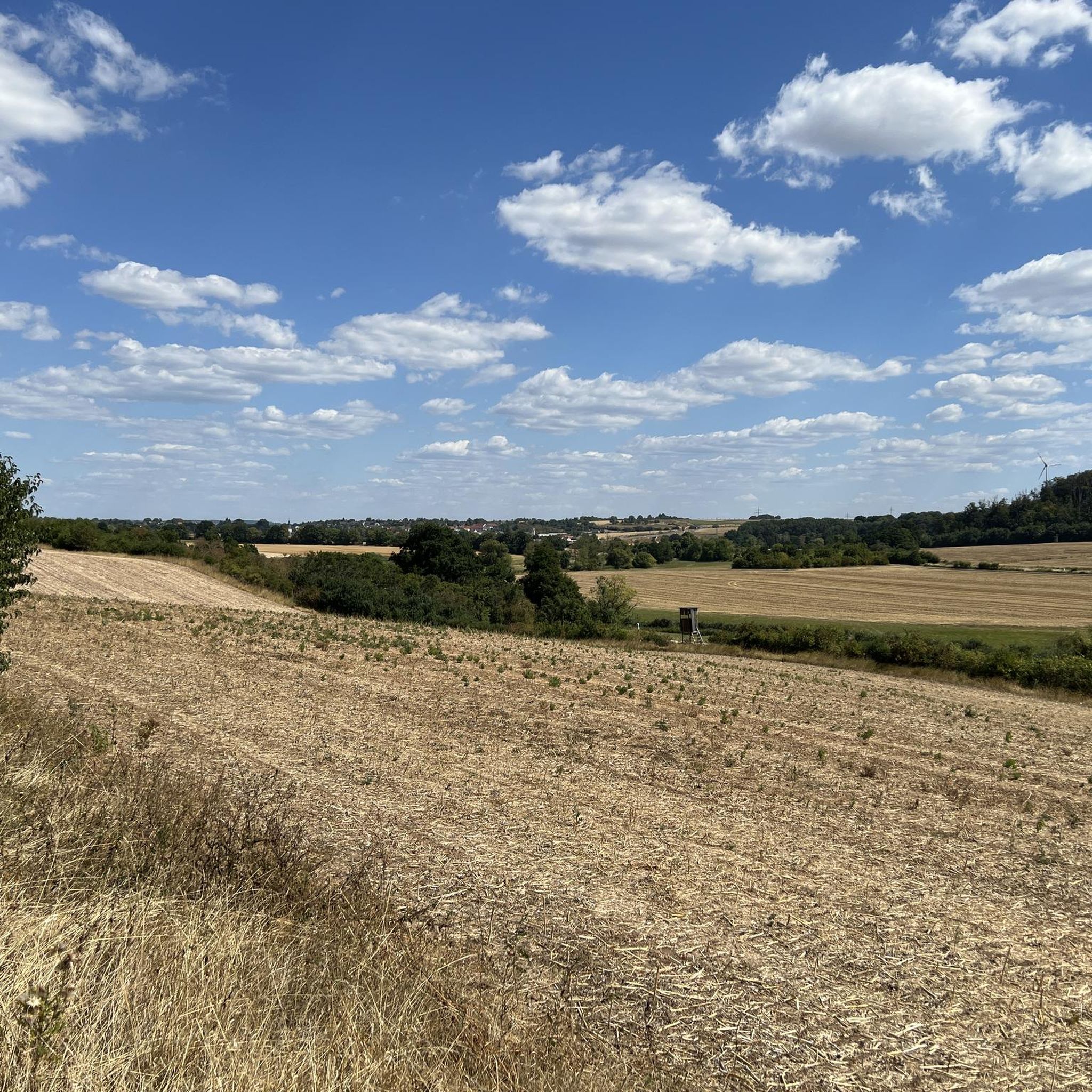
Tips from the Community

it's beautifully rustic here
0
0

In previous years, I wondered what the purpose of this building was.
1
0

Beautiful path along the Kinzig river.
0
0

It's always lovely to cycle along the Kahl river.
0
0

From here on, the riverside path on the right bank of the Kinzig is wildly romantic and beautiful.
0
0


The Kinzig is a river approximately 86 kilometers long. It rises in Sterbfritz, flows southwest through the Main-Kinzig district of Hesse, and flows into the Main from the right in Hanau. The Kinzig is a second-order river in low mountain ranges. It overcomes an elevation of 301 meters and has a bed gradient of 3.5 per thousand. The Kinzig's catchment area covers 1,058 square kilometers, and the calculated mean discharge (MQ) at the mouth of the Kinzig is 10.97 cubic meters per second. The Kinzig was first documented in 796 as "iuxta fluvium Kincihen." In 815, the name was written as "Chinzicha," around 900 as "Kincicha"/"Kinzicham," in 1364 as "Kinzige," in 1584 as "Kintzig," in 1607 as "Bintz," in 1681 as "Kintz," in 1716 as "Kins," in 1769 as "Kinzing," and in 1802 as "Kinzig." In the river's headwaters, there was the now-defunct village of Kinzig, mentioned in 815 as "Chirizichheimero." The village and river were often confused by monastery scribes at that time with "Chizzicha" (now Bad Kissingen), both of which were described as being located in the Saalegau. The name presumably derives from the ancient Celtic *ku̯anti̯o- meaning "flat hill, valley." The name was therefore derived from the mountainous region from which the Kinzig flows. Source: Wikipedia
1
1
The Kinzig is a river approximately 86 kilometers long. It rises in Sterbfritz, flows southwest through the Main-Kinzig district of Hesse, and flows into the Main from the right in Hanau. The Kinzig is a second-order river in low mountain ranges. It overcomes an elevation of 301 meters and has a bed gradient of 3.5 per thousand. The Kinzig's catchment area covers 1,058 square kilometers, and the calculated mean discharge (MQ) at the mouth of the Kinzig is 10.97 cubic meters per second. The Kinzig was first documented in 796 as "iuxta fluvium Kincihen." In 815, the name was written as "Chinzicha," around 900 as "Kincicha"/"Kinzicham," in 1364 as "Kinzige," in 1584 as "Kintzig," in 1607 as "Bintz," in 1681 as "Kintz," in 1716 as "Kins," in 1769 as "Kinzing," and in 1802 as "Kinzig." In the river's headwaters, there was the now-defunct village of Kinzig, mentioned in 815 as "Chirizichheimero." The village and river were often confused by monastery scribes at that time with "Chizzicha" (now Bad Kissingen), both of which were described as being located in the Saalegau. The name presumably derives from the ancient Celtic *ku̯anti̯o- meaning "flat hill, valley." The name was therefore derived from the mountainous region from which the Kinzig flows. Source: Wikipedia
1
0
Frequently Asked Questions
How many gravel bike trails are available around Schöneck?
Schöneck offers a comprehensive network for gravel biking, with nearly 160 routes available. These range from easy to difficult, ensuring options for various skill levels.
What kind of terrain can I expect on gravel bike trails in Schöneck?
The terrain around Schöneck is quite varied, featuring a mix of asphalt, gravel, and natural paths. You'll encounter dense forests, clear streams, and natural river landscapes, with notable elevation changes providing both challenging climbs and scenic descents.
Are there any family-friendly gravel biking options in Schöneck?
Yes, Schöneck is known for being family-friendly. While specific gravel routes are not exclusively designated for families, the region offers a range of activities beyond biking, such as a climbing park and monster scooter tours, which can complement a family cycling trip. When choosing a route, look for those described as 'easy' or 'moderate' for a more relaxed experience.
Can I bring my dog on the gravel bike trails in Schöneck?
The Vogtland region, including Schöneck, generally welcomes dogs on trails. However, it's always best to keep your dog leashed, especially in nature reserves or areas with wildlife, and to check local signage for any specific restrictions on individual paths. Ensure your dog is well-behaved and can keep pace with your biking.
What are some notable landmarks or natural features I might see on a gravel bike tour?
Many gravel routes in Schöneck offer stunning views and pass by interesting sights. You could encounter the impressive Baroque Philippsruhe Palace, the unique Topaz rock Schneckenstein, or the Sparkasse Vogtland Arena in Klingenthal. The region is also characterized by its panoramic views, dense forests, and natural river landscapes like the Nidda and Nidder.
Are there any circular gravel bike routes starting from Schöneck?
Yes, there are circular options. A prominent example is the Musikantenradweg Nordrunde, a 55.1 km loop that starts from Schöneck and offers a diverse mix of surfaces and elevation changes.
What is the best time of year to go gravel biking in Schöneck?
Schöneck offers great gravel biking opportunities throughout much of the year. Spring and autumn provide pleasant temperatures and beautiful scenery with changing foliage. Summer is also excellent, though some trails might be busier. Winter can be challenging due to snow and ice, but the region also offers winter sports activities like skiing.
Where can I find parking for gravel biking in Schöneck?
As a popular outdoor destination, Schöneck generally provides parking facilities for visitors. Specific parking areas are often available near trailheads or in the town center. It's advisable to check local signage upon arrival for the most convenient and designated parking spots for cyclists.
What do other gravel bikers enjoy most about the trails in Schöneck?
The gravel biking experience in Schöneck is highly regarded by the komoot community, with an average rating of 4.5 stars from nearly 300 reviews. Riders frequently praise the diverse landscapes, the mix of challenging and scenic routes, and the extensive network of paths that allow for varied exploration of the Vogtland region.
Are there any easy gravel bike trails for beginners in Schöneck?
Yes, among the nearly 160 routes, there are 18 classified as easy, making them suitable for beginners or those looking for a more relaxed ride. These trails typically feature less elevation gain and smoother surfaces, allowing you to enjoy the scenery without excessive challenge.
Can I access gravel trails in Schöneck using public transport with my bike?
The Vogtland region has public transport options, and some services may accommodate bicycles. It's recommended to check with local transport providers like Vogtlandbahn or regional bus services for their specific policies regarding bike transport, especially during peak seasons or for longer journeys.
Are there places to eat or stay near the gravel bike trails in Schöneck?
Schöneck, as a tourist destination, offers various options for dining and accommodation. You'll find cafes, pubs, and restaurants in the town center and surrounding villages. Many establishments are accustomed to catering to outdoor enthusiasts, and some may even offer bike-friendly amenities. For more information on local services, you can visit visitsaxony.com.
Most popular routes around Schöneck
Most popular attractions around Schöneck

Get inspired with the komoot mobile app


Explore more
Browse the best Gravel rides in other regions.
