Attractions and Places To See around Mücheln (Geiseltal) - Top 20
Best attractions and places to see around Mücheln (Geiseltal) include a blend of historical landmarks, significant natural features, and cultural sites. The region is characterized by the Geiseltalsee, Saxony-Anhalt's largest artificial lake, which transformed from a former open-cast mining area into a recreational hub. Visitors can explore ancient castles, historic churches, and museums, alongside natural springs and extensive parklands. This area offers diverse points of interest, from Renaissance architecture to the geological foundations of Geiseltal.
Best attractions and places to…
Last updated: July 21, 2026
Ducal Vineyard below Neuenburg Castle
Highlight • Structure
High above the wine-growing town of Freyburg lies Neuenburg, the sister castle of Wartburg, founded around 1090 by the Thuringian Count Ludwig the Springer. The first mighty …
Translated by Google •
Tip by

Confluence of the Saale and Unstrut Rivers
Highlight • River
Translated by Google •
Tip by

Sign up now to discover places like this
Get recommendations on the best single tracks, peaks, & plenty of other exciting outdoor places.
Sign up for free
Marina Mücheln on Lake Geiseltal
Highlight • Structure
Translated by Google •
Tip by

View of Marina Braunsbedra on Lake Geiseltal
Highlight (Segment) • Viewpoint
Translated by Google •
Tip by

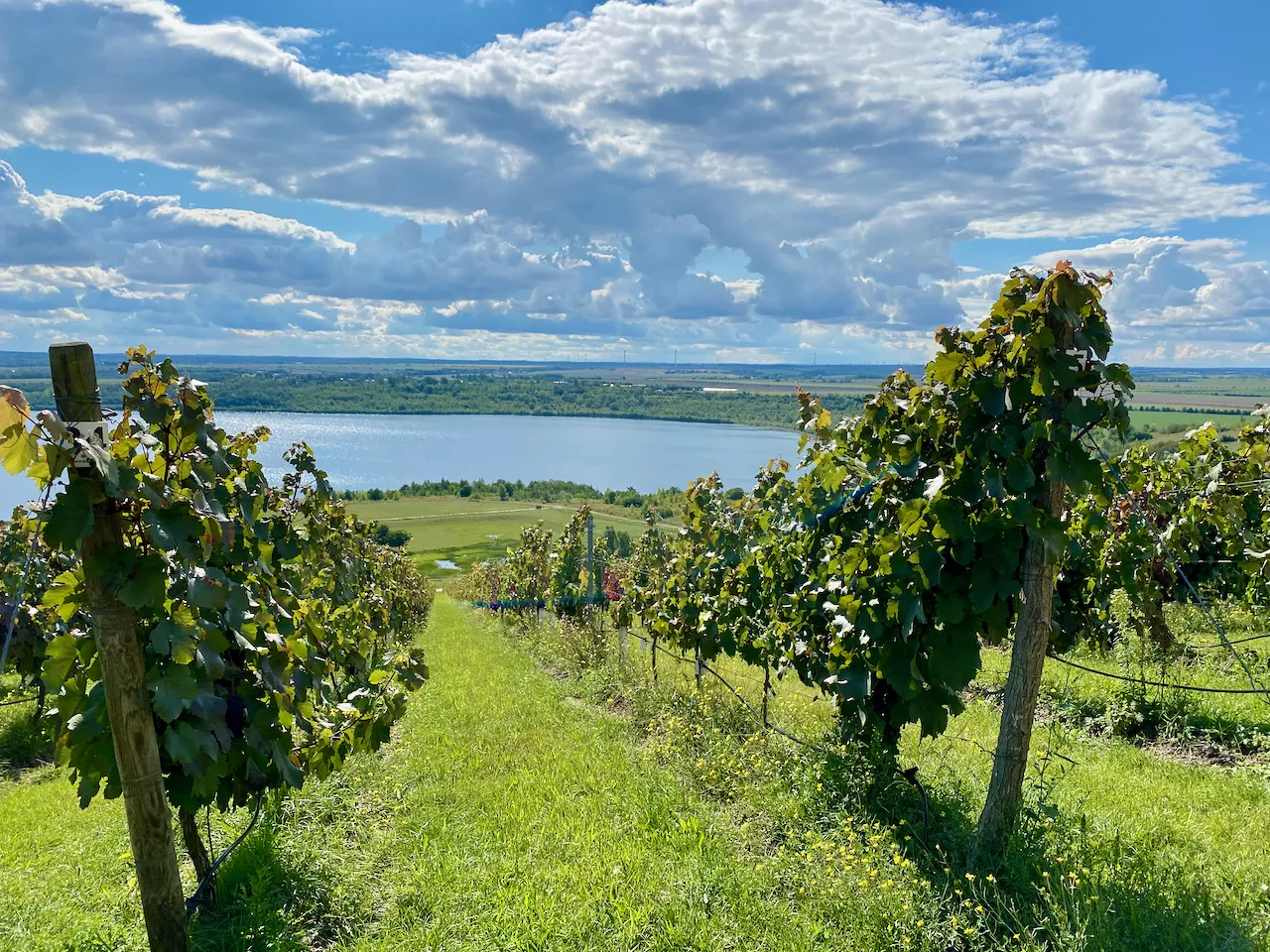
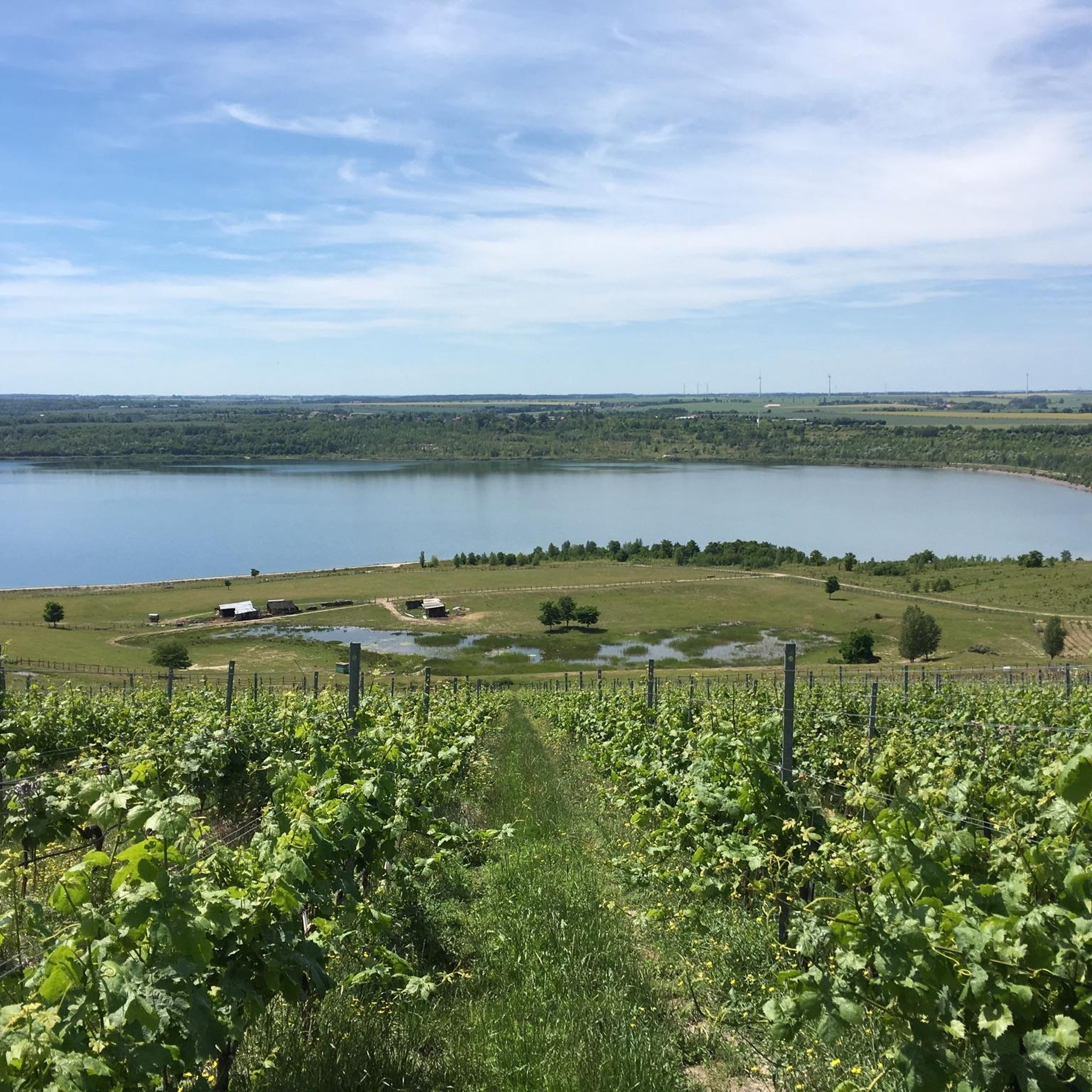
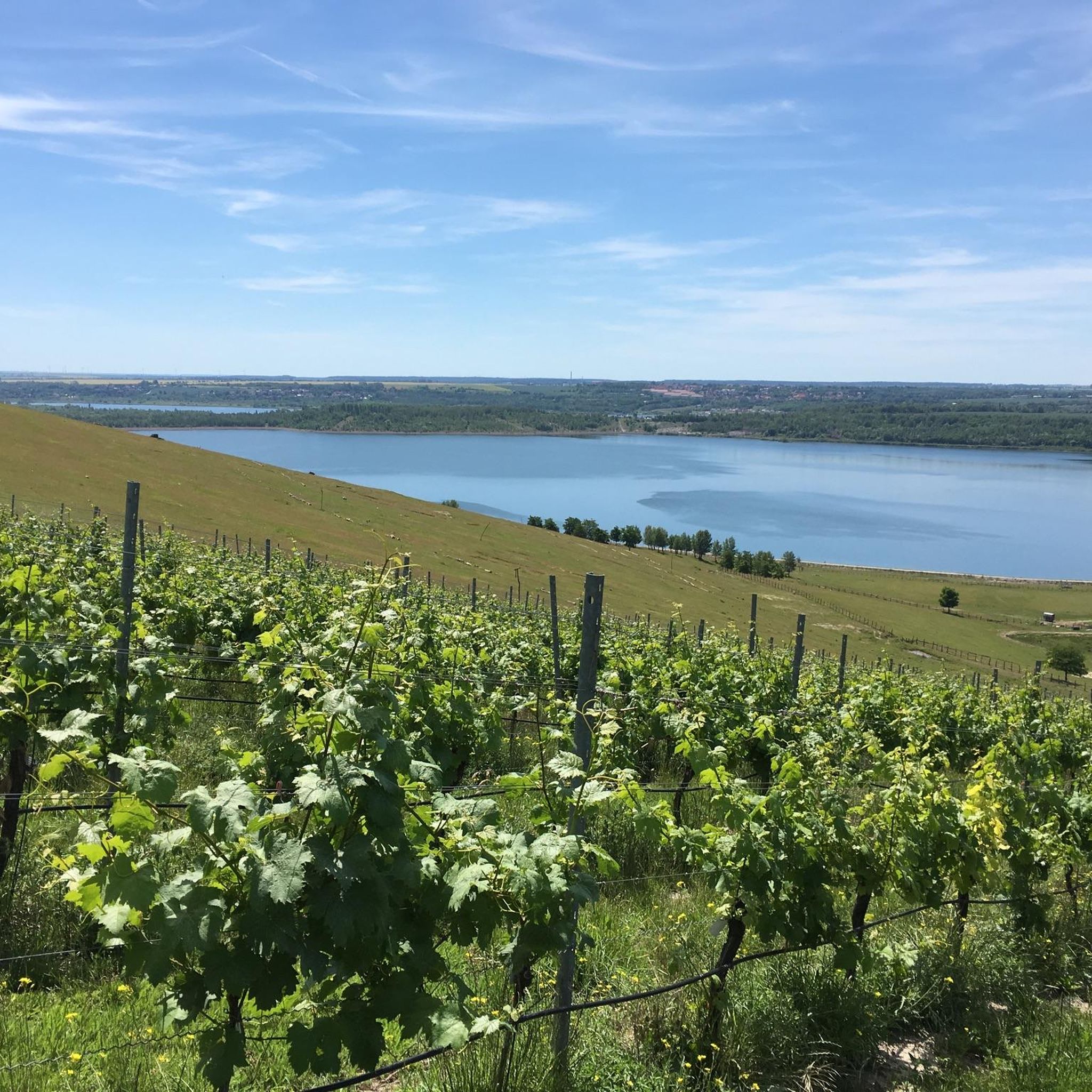
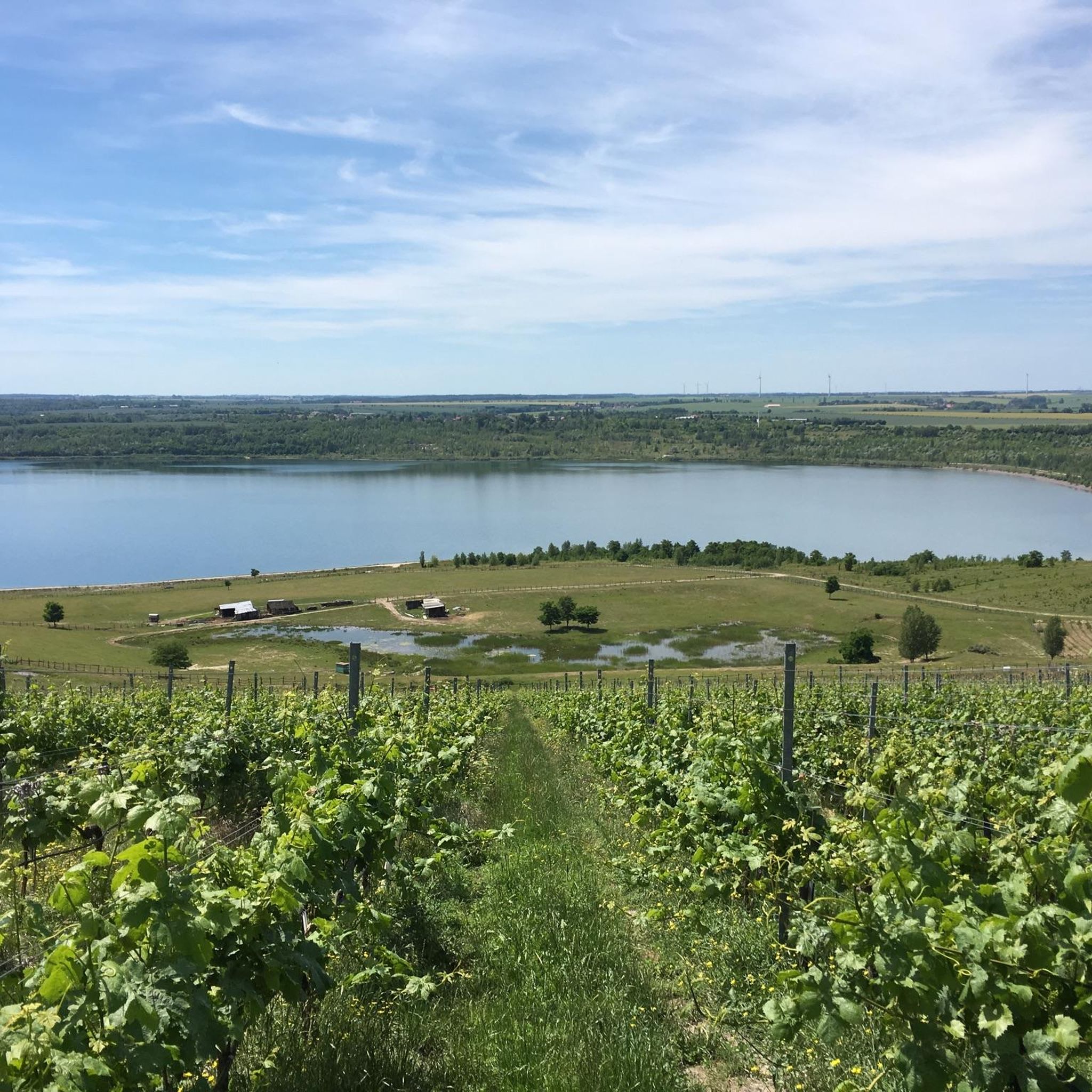
Reiferts Vineyard at Geiseltalsee
Highlight • Restaurant
Translated by Google •
Tip by

Sign up for free to discover even more attractions around Mücheln (Geiseltal).
Sign up for free
Already have an account?
Start today with a free account
Your next adventure awaits.
Login or Signup
Popular around Mücheln (Geiseltal)
Hike and enjoy with Germany’s MDV – explore around Leipzig and Halle
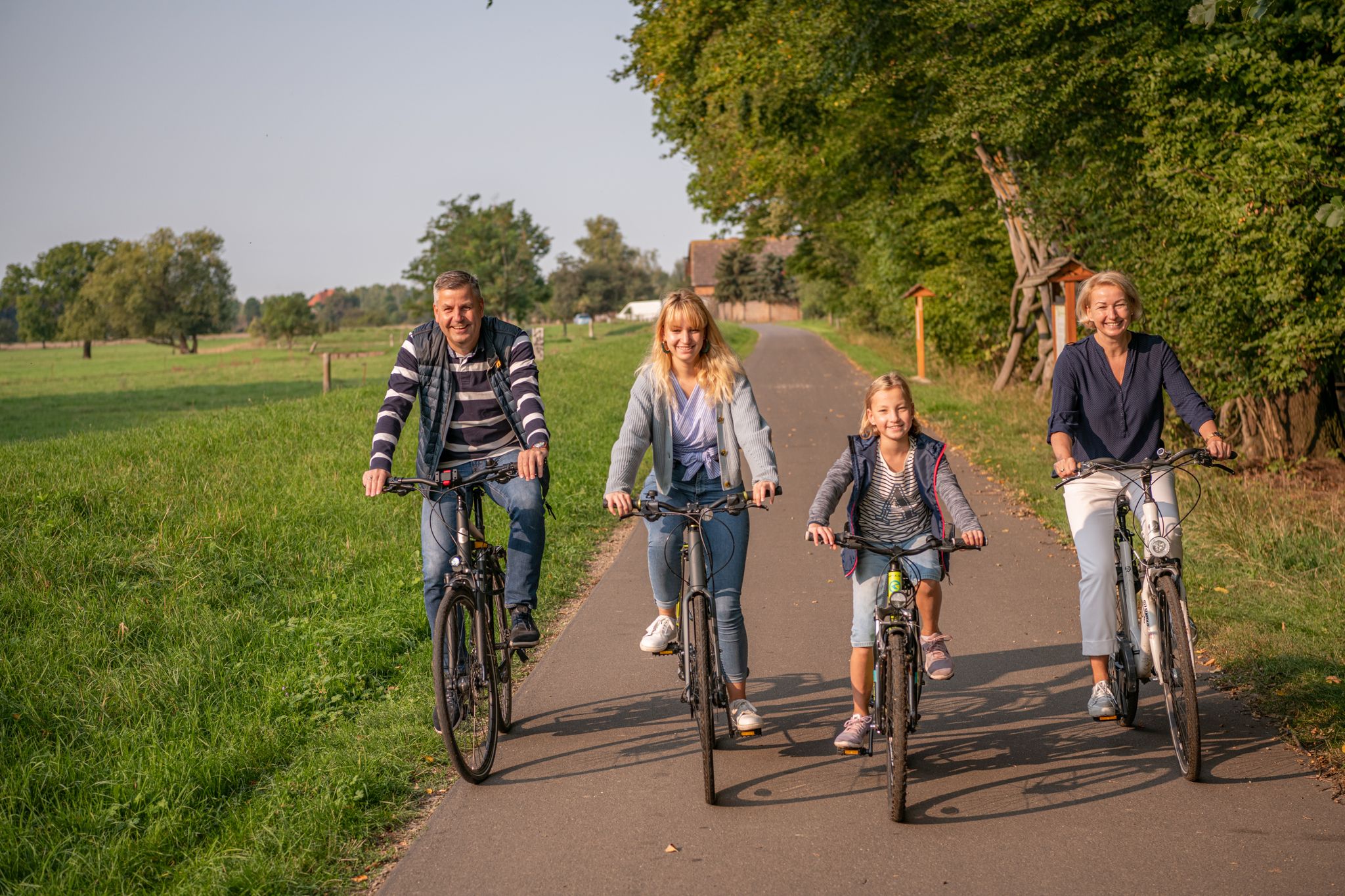
The 11 most beautiful cycle Tours in Germany’s Saale-Unstrut region
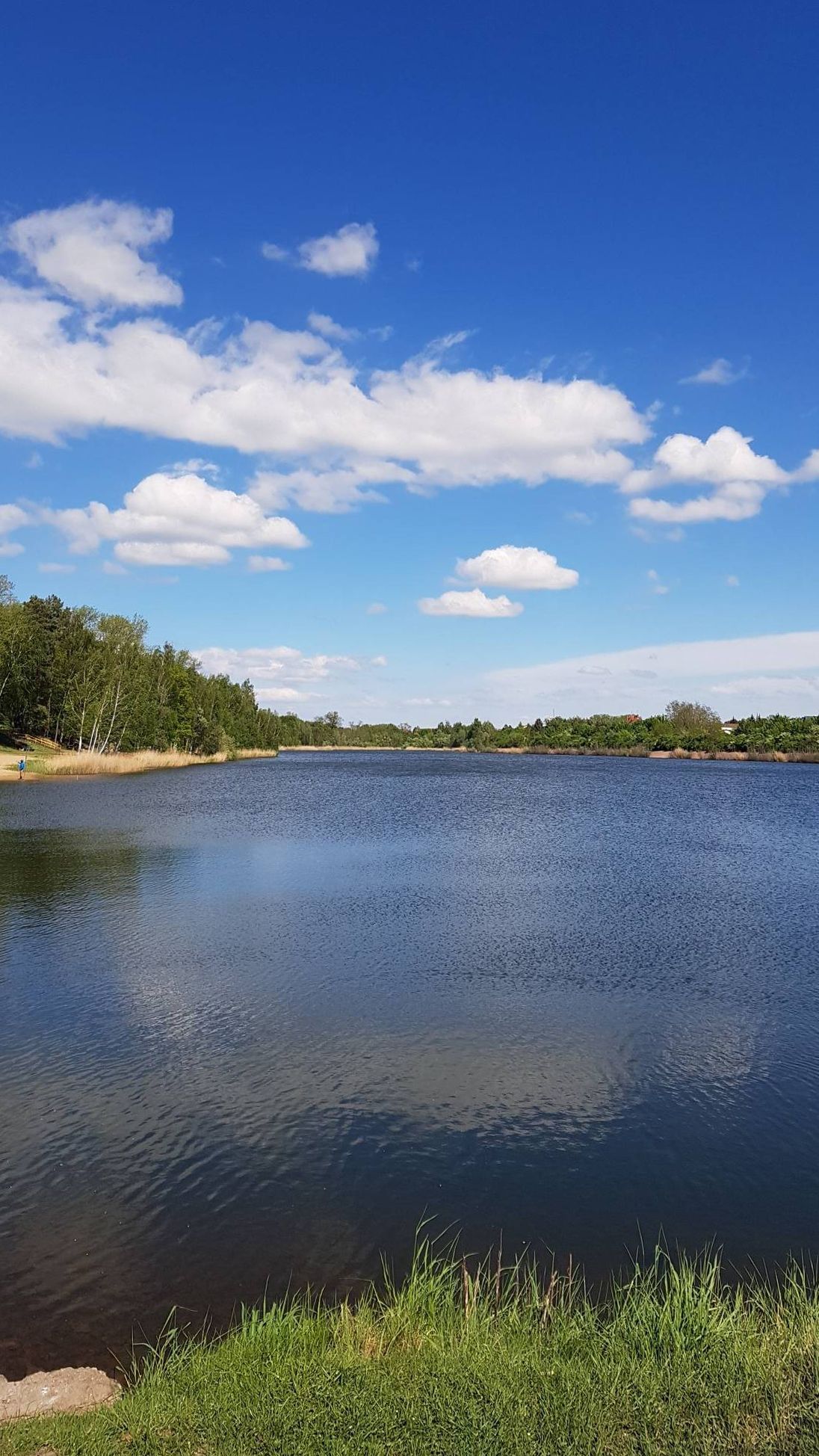
The most beautiful swimming lakes in Saxony-Anhalt
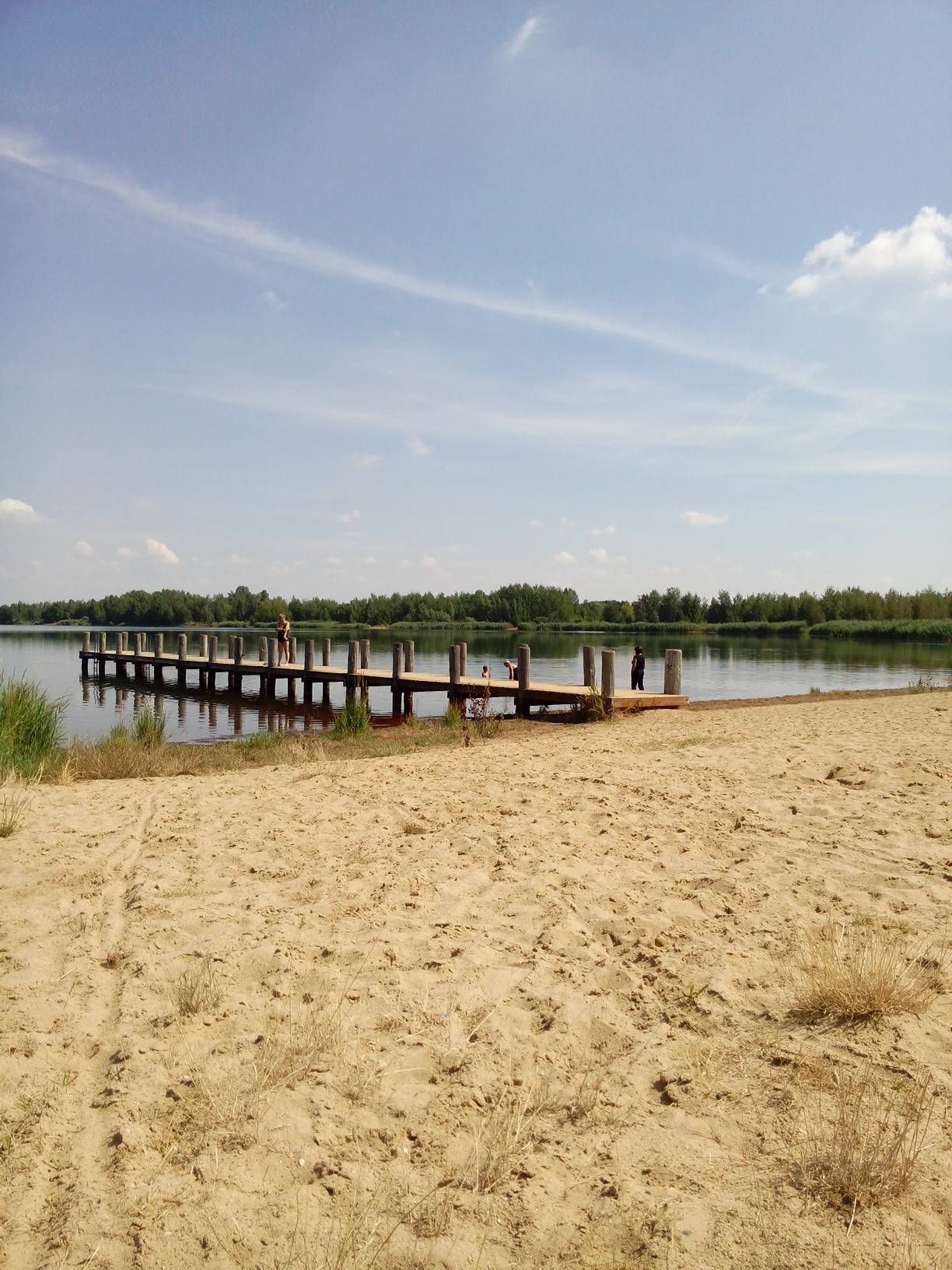
The most beautiful swimming spots around Leipzig
Hiking around Mücheln (Geiseltal)
Cycling around Mücheln (Geiseltal)
Road Cycling Routes around Mücheln (Geiseltal)
Running Trails around Mücheln (Geiseltal)
MTB Trails around Mücheln (Geiseltal)

Gravel biking around Mücheln (Geiseltal)
Other adventures around Mücheln (Geiseltal)


Tips from the Community

Museum & Exhibitions High above the wine-growing town of Freyburg lies Neuenburg, the sister castle of Wartburg, founded around 1090 by the Thuringian Count Ludwig the Springer. The first mighty complex was built by 1150. The rise of the Landgraves of Thuringia was accompanied by further magnificent expansion. By 1230, Neuenburg was already around three times as large as Wartburg! The Romanesque double chapel built around 1170/75 is still an architectural gem today. On behalf of Hermann I, Heinrich von Veldeke completed the Eneasroman around 1185, the first Middle High German knightly-courtly verse epic ever. Neuenburg experienced the end of its high medieval heyday under Landgrave Ludwig IV and his wife, Saint Elisabeth.
13
0

UNSTRUT Source near Kefferhausen in Eichsfeld (400m); Length 192 km; Estuary Großjena near Naumburg into the Saale The Unstrut rises west of Kefferhausen near Dingelstädt in northern Thuringia in southern Eichsfeld. In the Sachsenburg or Thuringian Gate it breaks through the Hainleite. In its lower reaches it flows in numerous loops through the Burgenland district in southern Saxony-Anhalt; below Memleben it is initially flanked by the Ziegelroda Plateau, near Laucha by the Dorndorf Plateau, near Freyburg by the limestone-rich Silent Mountains and flows into the Großjenaer Blumengrund near Naumburg Saale. SAALE Source near Zell in the Fichtelgebirge (728m); Length 413 km; Estuary near Barby into the Elbe The Saale rises in the Fichtelgebirge in Upper Franconia between Zell and Weißenstadt. The upper reaches of the Saale between Zell and Hof are quite leisurely. The river then runs straight through the Thuringian Slate Mountains. The Saale is dammed several times here. The area of the middle Saale begins with the river exiting the Thuringian Slate Mountains and entering the Triassic plate and hill country. After leaving the Saale-Unstrut-Triasland Nature Park near Naumburg, the lower reaches of the river begin. This runs in a flat landscape to the mouth of the Elbe near Barby. Source: http://www.reportagereisen.de/unstrut_01.html
11
0

What a great destination. At the Geiseltalsee you can bike, run, skate, paddle, sail, dive, swim, bathe, sunbathe, camp, go boating, drink wine, celebrate, relax and and and ... I hope I haven't forgotten anything, because here you can really so much to do ... really recommendable!
11
1

On the other side of the Wasserschlösschen also very interesting and a place with plenty of fish
12
1
The 192 km long Unstrt flows into the 412 km long Saale near Naumburg.
13
0

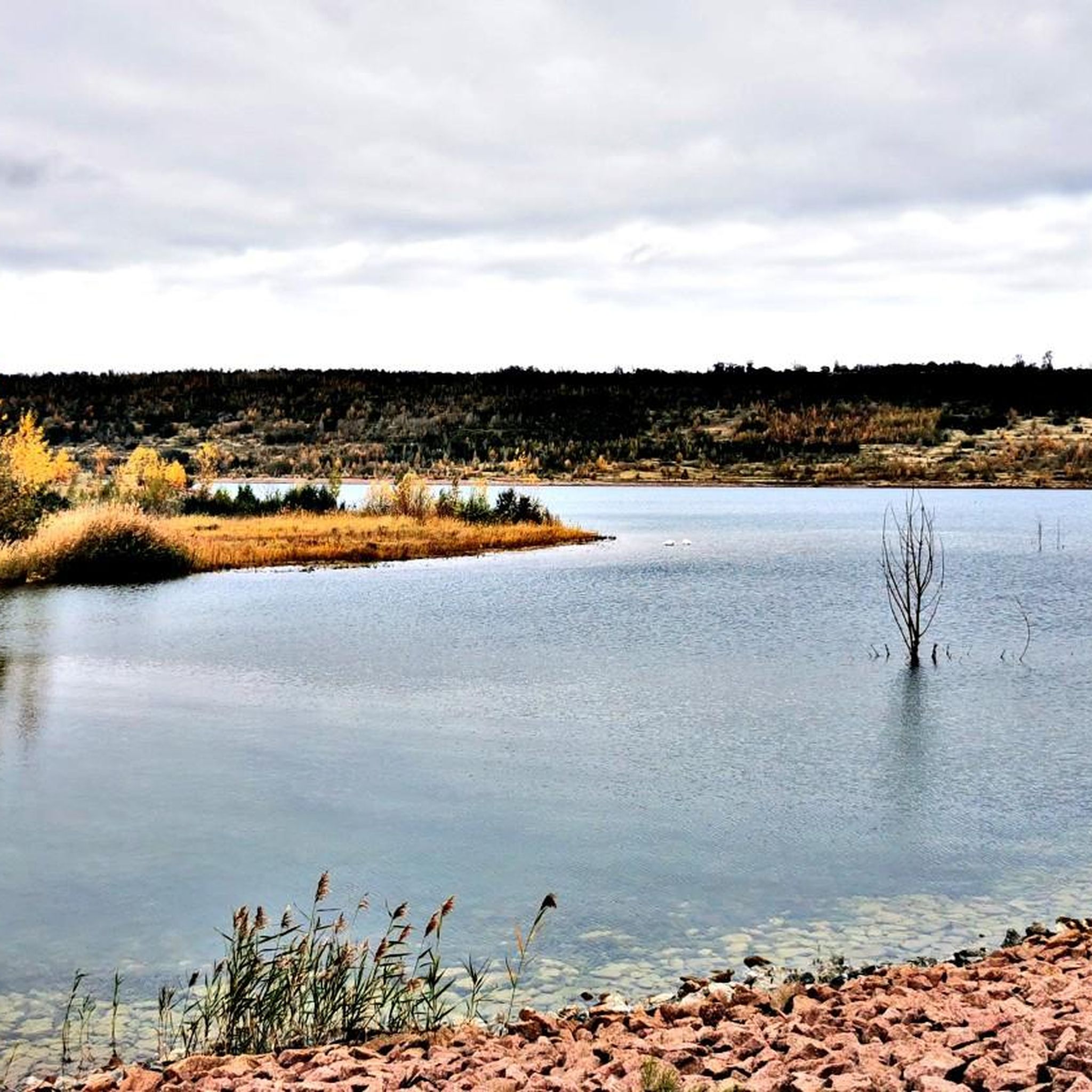
The Geiseltalsee is an opencast mining lake in southern Saxony-Anhalt. The lake was created in the course of recultivation measures in the former Geiseltal lignite mining area north-east of Müchel. At almost 19 square kilometers, it is the largest artificial lake in Germany, is one of the ten most water-rich lakes in Germany and is the largest body of water in the Central German Lake District. Together with other lakes to the southeast (Runstedter See, Südfeldsee and the much smaller Hassesee near Roßbach), it forms the Geiseltal lake complex.
7
0
There are also wine tastings to book and events with live music.
15
0
Wonderful to sit here at the bar and look at the castle and the vineyard. The wine is delicious.
4
0
Frequently Asked Questions
What natural attractions can I explore around Mücheln (Geiseltal)?
The region is dominated by the Geiseltalsee, Saxony-Anhalt's largest artificial lake, which offers opportunities for water sports and features a 25-kilometer circular path for walking, cycling, and inline skating. You can also visit the Marina Mücheln on Lake Geiseltal. Another significant natural feature is the Geiselquelle, one of Central Germany's largest springs, surrounded by marked footpaths. The Baroque Garden and Landscape Park St. Ulrich and a nature trail starting from its western side also offer beautiful natural settings.
Are there historical landmarks to visit in Mücheln (Geiseltal)?
Yes, Mücheln (Geiseltal) has a rich history. You can explore the Rathaus (Town Hall), a Renaissance building from 1571 that houses the Heimatmuseum. The Wasserschloss St. Ulrich (Water Castle St. Ulrich), dating back to the 12th century, is another prominent historical site with a magnificent Baroque Garden. Additionally, the Ducal Vineyard below Neuenburg Castle is a historical site near a well-preserved 12th-century ring castle.
What activities are available at Geiseltalsee?
The Geiseltalsee is a hub for recreation. You can enjoy water sports like sailing and swimming, or explore the lake via a 25-kilometer paved circular path perfect for walking, cycling, and inline skating. The Marina Mücheln on Lake Geiseltal offers boat rentals and is a central point for activities, with a harbor tower and gastronomy.
Are there family-friendly things to do in Mücheln (Geiseltal)?
Many attractions in Mücheln (Geiseltal) are suitable for families. The 25-kilometer circular path around the Geiseltalsee is great for family bike rides or walks. The Marina Mücheln on Lake Geiseltal provides boat rentals and a lively atmosphere. Historical sites like the Wasserschloss St. Ulrich and the Rathaus can also be engaging for older children interested in history. The 'Altes Postamt' Cultural-Historical Center features dinosaur footprints leading to its entrance, which can be fun for kids.
Where can I go for a hike or bike ride near Mücheln (Geiseltal)?
The 25-kilometer paved circular path around the Geiseltalsee is ideal for both cycling and walking. For more extensive routes, you can find various options for gravel biking, mountain biking, and running. For example, there are routes like the 'Marina Mücheln on Lake Geiseltal – Moonlit View of Geiseltalsee loop' for running, or 'Geiseltal Lake Marina – View of Marina Braunsbedra loop' for mountain biking. You can explore more options on the Gravel biking around Mücheln (Geiseltal), MTB Trails around Mücheln (Geiseltal), and Running Trails around Mücheln (Geiseltal) guide pages.
What cultural sites should I see in Mücheln (Geiseltal)?
Beyond the Rathaus and Wasserschloss St. Ulrich, Mücheln offers several cultural highlights. The Heimatmuseum inside the Rathaus provides insights into local history. The 'Altes Postamt' serves as a Cultural-Historical Center, detailing the geological foundations of Geiseltal, famous fossils, and mining history. Don't miss the Naumburg Cathedral of St. Peter and St. Paul, a significant religious building known for its architecture and historical importance.
Are there any notable churches to visit in the area?
Mücheln boasts several historically significant churches. The Church of St. James (Sankt-Jakobi-Kirche) is a key cultural site on the Jakobsweg. The Luther Church (Schlosskirche) is located near the Wasserschloss St. Ulrich. In St. Micheln, the St. Michaelkirche (Dorfkirche St. Michael) is a remarkably untouched Romanesque church from the 12th century, part of the Romanesque Route. Additionally, the St. Wenzel Church in Langeneichstädt showcases Romanesque architecture with Gothic elements.
What do visitors particularly enjoy about Mücheln (Geiseltal)?
Visitors appreciate the unique blend of history and natural beauty. The transformation of the former open-cast mining area into the recreational paradise of Geiseltalsee is a major draw. The historical landmarks like the Wasserschloss St. Ulrich and the various churches offer a glimpse into the past. Many also enjoy the scenic views, such as those from the Reiferts Vineyard at Geiseltalsee, and the well-maintained paths for outdoor activities.
Can I find places for wine tasting or local produce?
Yes, the region is known for its vineyards. The Ducal Vineyard below Neuenburg Castle is a historical vineyard site. You can also visit Reiferts Vineyard at Geiseltalsee, which offers local wines and a great view, making it a popular resting place.
What is the significance of the Geiseltalsee?
The Geiseltalsee is Saxony-Anhalt's largest artificial lake, formed from a former open-cast mining area. Its transformation into a recreational paradise is a testament to regional development, offering extensive opportunities for water sports, cycling, and walking. It is a central feature of the landscape and a major attraction for both locals and tourists.
Are there any hidden historical gems in Mücheln (Geiseltal)?
Beyond the main attractions, Mücheln holds some lesser-known historical sites. These include a romantic 19th-century Windmill and a Stone Age Grave Hill dating back to around 3,000 B.C., which held a notable burial. A 16-meter high Watchtower is also open to visitors on Whit Sunday, offering unique views.
Is there a nature trail to explore the local flora and fauna?
Yes, a Nature Trail (Naturlehrpfad) begins at the western side of the Landscape Park St. Ulrich. This 5-7 km trail passes through rare conifer and deciduous tree species, offers views of Mücheln, and winds through areas with unique flora and fauna, including shell limestone and dry grasslands, concluding at the source of the Geiselbach.
Most popular routes around Mücheln (Geiseltal)

Get inspired with the komoot mobile app


Explore more
Still not found the Highlight you’re looking for? See guides of the top attractions in other regions:
