The best cycling routes in Crane Wildlife Refuge
4.4
(20)
236
riders
31
rides
Touring cycling in Crane Wildlife Refuge offers routes through a diverse landscape characterized by coastal areas, riverine paths, and natural preserves. The region features a mix of flat sections along beaches and rivers, with some routes including gentle elevation changes. Cyclists can expect to encounter varied terrain, from paved roads to gravel paths, suitable for touring bicycles.
Best touring cycling routes in Crane Wildlife Refuge
- The most popular touring cycling route is Clark Beach – Ipswich River Bridge loop from…
Last updated: August 5, 2026
5.0
(1)
8
riders
33.4km
01:59
210m
210m
Moderate bike ride. Good fitness required. Mostly paved surfaces. Suitable for all skill levels.
5.0
(3)
31
riders
62.7km
03:53
520m
520m
Hard bike ride. Very good fitness required. Mostly paved surfaces. Suitable for all skill levels.

Sign up for free
2.3
(3)
3
riders
26.2km
01:40
130m
130m
Easy bike ride. Great for any fitness level. Mostly paved surfaces. Suitable for all skill levels.
3
riders
Easy bike ride. Great for any fitness level. Mostly paved surfaces. Suitable for all skill levels.
5.0
(1)
11
riders
49.8km
02:53
180m
180m
Moderate bike ride. Good fitness required. Mostly paved surfaces. Suitable for all skill levels.
Get access to more routes and recommendations from other explorers.
Sign up for free
Already have an account?
Our route recommendations are based on thousands of hikes, rides, and runs completed by other people on komoot.
Start today with a free account
Your next adventure awaits.
Login or Signup
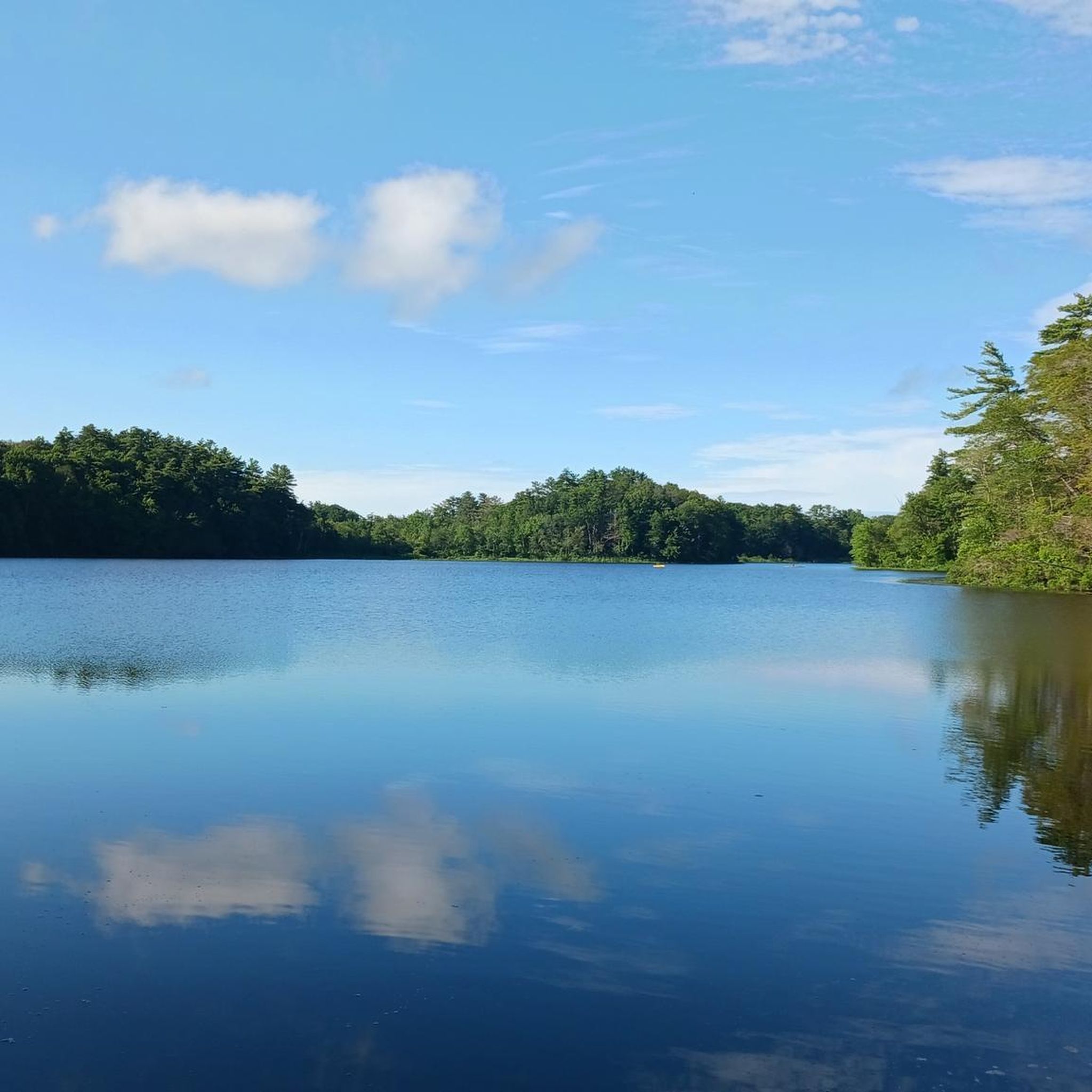

Tips from the Community

The Newburyport Harbor Rear Range Light was built in 1873 and stands at 53 ft tall. Along with the Front Range Light, it was used to help guide ships into Newburyport Harbor.
0
0

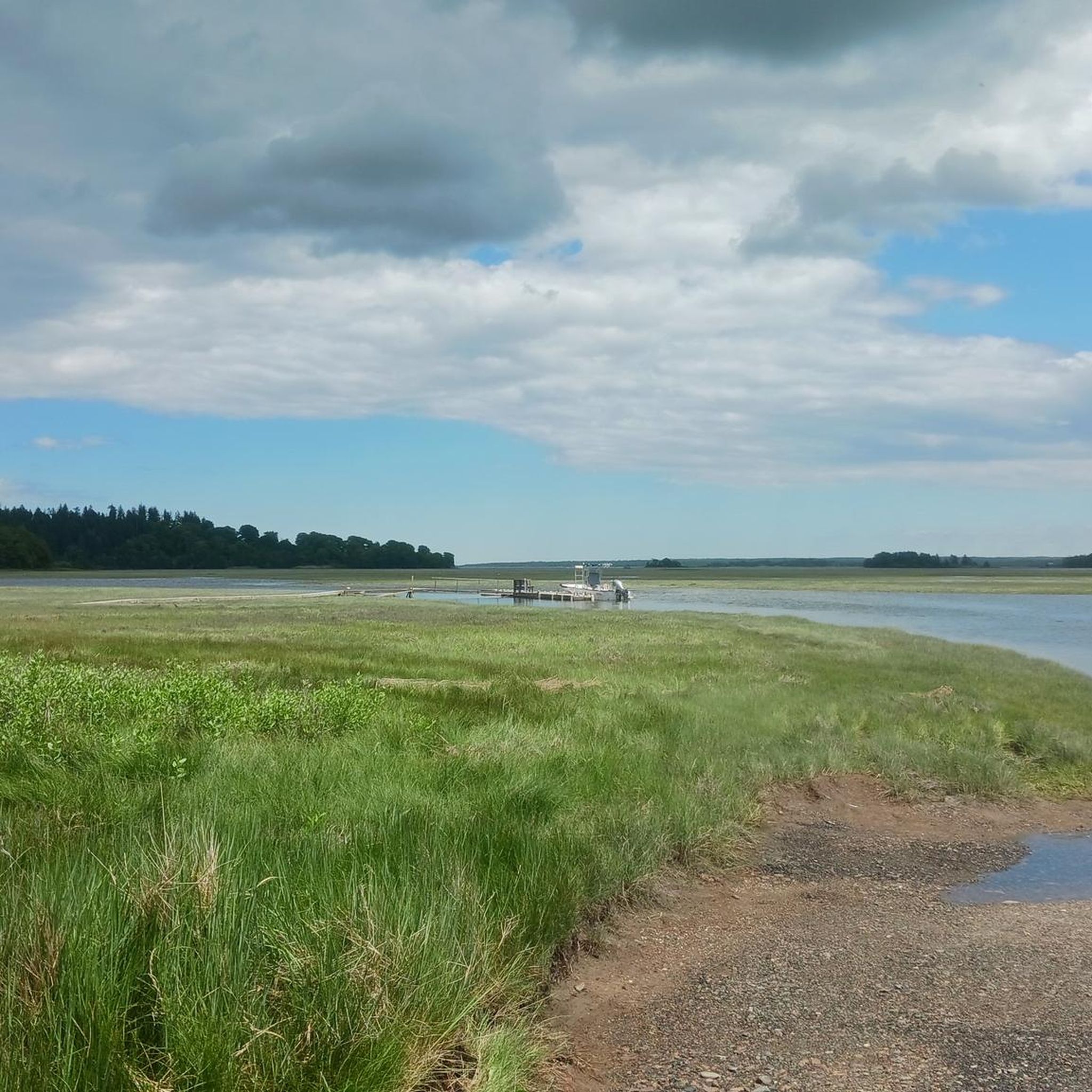
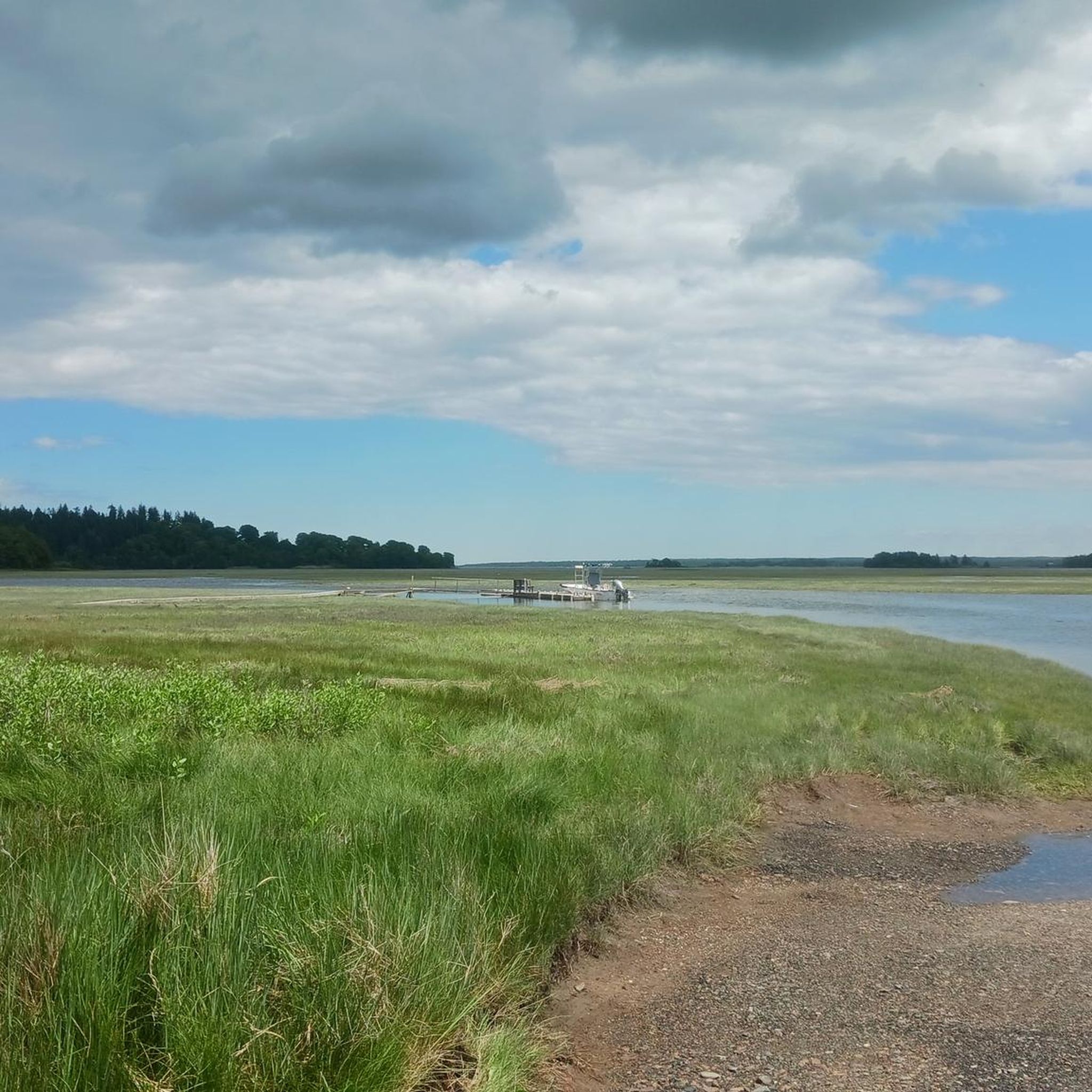
The calm waters wind through vast areas of "Great Marsh," the largest salt marsh in New England, and also famous for its clams.
0
0
The pedestrian crossing lets you enjoy the Ipswich River up close. You can see the water flowing by, which is vital for the town's history and nature. The river has been important for farming, mills, and even fishing for hundreds of years. You can also see the Choate Bridge, built in 1764, making it one of the oldest stone arch bridges in North America. It's truly amazing that it's still used by cars and people today!
0
0

Joppa is a nice little park along the water and connected to the Clipper City Rail Trail. There's a few benches, inforation boards, and great views across the Merrimack River.
0
0

A place to see birds
1
0

Great spot for Bird Watching and Photography
2
0

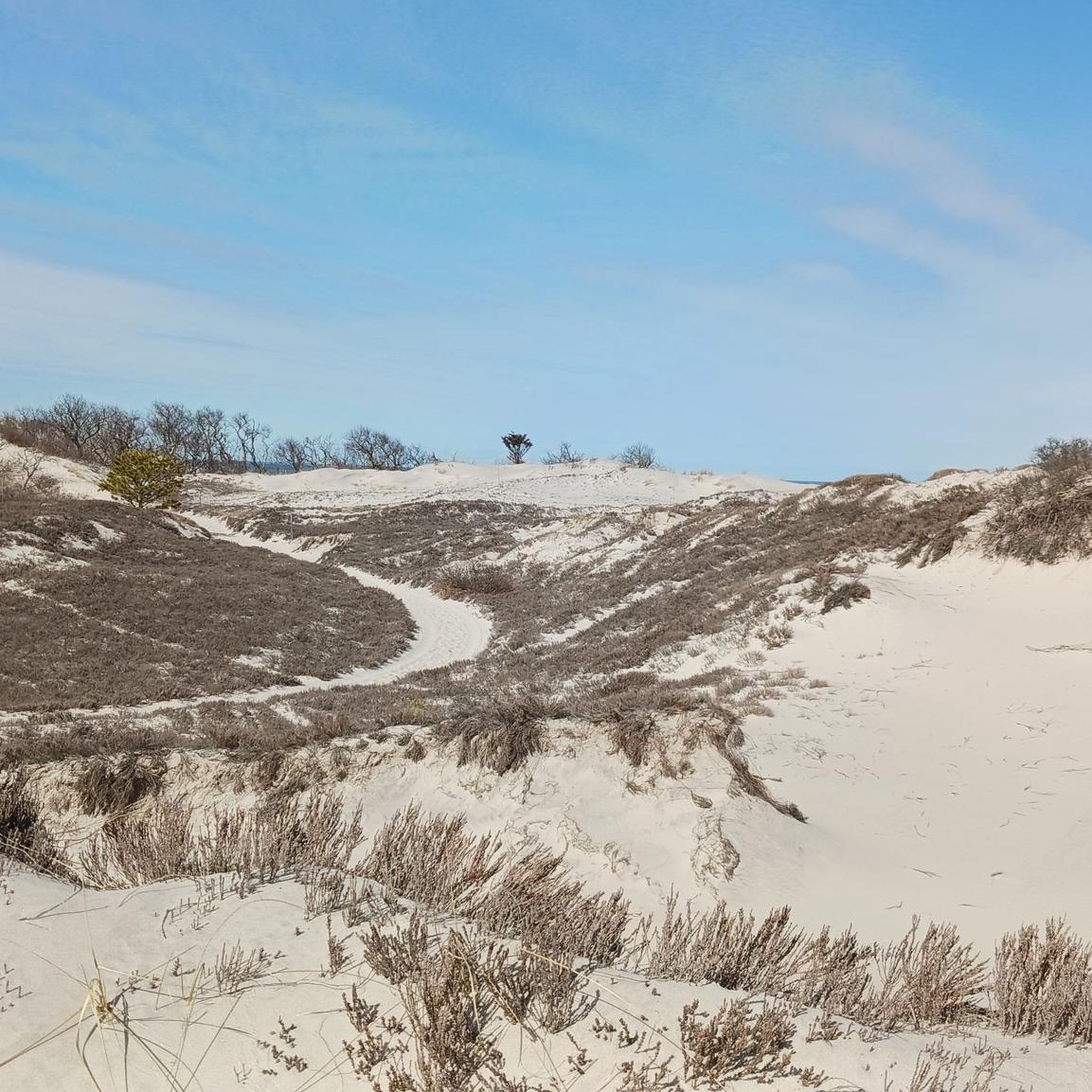
A big sandy beach on the sand spit, Plum Island. The area was created by the ocean currents and the combination of the Parker and Merrimack rivers.
0
0
Frequently Asked Questions
What types of touring cycling routes are available in Crane Wildlife Refuge?
Crane Wildlife Refuge offers a diverse range of touring cycling routes, from easy coastal paths to more challenging trails with significant elevation changes. You'll find routes along beaches, rivers, and through natural preserves, suitable for various skill levels.
Are there easy touring cycling routes suitable for beginners or families?
Yes, there are several easy routes. For a gentle ride, consider the Castle Neck River Reservation – Ipswich River Bridge loop from Castle Neck River Reservation, which covers about 11.6 miles (18.7 km) with minimal elevation gain, offering a pleasant experience for less experienced cyclists.
What is the best time of year to go touring cycling in Crane Wildlife Refuge?
The best time for touring cycling in Crane Wildlife Refuge is typically from spring through fall. During these seasons, the weather is generally mild, and the natural scenery, including coastal views and riverine landscapes, is at its most vibrant. Summer can be popular, but spring and fall offer cooler temperatures and fewer crowds.
What kind of wildlife might I encounter while cycling in Crane Wildlife Refuge?
As a wildlife refuge, the area is home to various species. Cyclists might spot coastal birds, waterfowl, and other small mammals. The diverse habitats, from salt marshes to woodlands, support a rich ecosystem, so keep an eye out for local fauna, especially during quieter times of day.
Are there any long-distance or challenging touring cycling routes in the area?
For experienced touring cyclists seeking a challenge, the Rocky Neck Art Colony – Rockport Harbor loop from Essex is a difficult 39.0 miles (62.7 km) route. It features significant elevation gain and explores coastal towns and harbors, providing a demanding yet rewarding ride.
Can I find circular touring cycling routes in Crane Wildlife Refuge?
Many of the touring cycling routes in Crane Wildlife Refuge are designed as loops, allowing you to start and end at the same point. An example is the popular Clark Beach – Ipswich River Bridge loop from Stavros Reservation, a moderate 21.0 miles (33.8 km) trail offering coastal and river views.
What should I pack for a touring cycling trip in Crane Wildlife Refuge?
Given the varied terrain and coastal exposure, it's advisable to pack layers of clothing, sun protection, and plenty of water. A repair kit for your bike is also recommended. Depending on the route, you might encounter both paved and gravel sections, so ensure your touring bicycle is suitable for mixed surfaces.
Are there any specific permits or fees required to cycle in Crane Wildlife Refuge?
Generally, no specific permits are required for cycling on public trails within Crane Wildlife Refuge. However, it's always a good idea to check the official website of the refuge or any specific land management areas you plan to visit for the most current information regarding access or potential parking fees.
Where are good starting points or parking areas for touring cyclists?
Many routes originate from established trailheads or public access points. For instance, the Essex River – Essex Town Hall and Library loop from Warren Reservation suggests starting near Warren Reservation, where parking facilities are typically available. Always check route details for specific parking recommendations.
What do other touring cyclists enjoy most about cycling in Crane Wildlife Refuge?
The area is highly rated by the komoot community, with an average score of 4.3 stars. Reviewers often praise the scenic coastal views, the tranquility of the riverine paths, and the well-maintained trails that offer a pleasant touring cycling experience through diverse natural landscapes.
Are there routes that combine coastal scenery with other natural features?
Absolutely. The region is known for its blend of coastal and inland environments. For example, the Clipper City Rail Trail – Plum Island Beach loop from Ipswich offers a moderate 30.9 miles (49.8 km) ride that takes you from a rail trail to the beautiful Plum Island Beach, showcasing both historical and natural attractions.
How many touring cycling routes are available in Crane Wildlife Refuge?
There are over 30 touring cycling routes documented in Crane Wildlife Refuge on komoot, offering a wide selection for cyclists of all abilities. This includes 7 easy, 19 moderate, and 4 difficult routes.
Most popular routes in Crane Wildlife Refuge

Get inspired with the komoot mobile app


Explore more
Browse the best Cycling routes in other regions.
