Top 13 Castles around Gottenheim
Best castles around Gottenheim are found in and around this charming wine-growing community. While prominent, well-preserved castles directly within the town are limited, the surrounding area offers historical landmarks. Visitors can explore various castle experiences, often involving ruins or privately owned properties slightly beyond the immediate town center. The region features a natural setting, providing viewpoints and historical sites.
Best castles around Gottenheim
- The most popular castles is Schneeburg Ruins, a historical site that is a castle ruin at…
Last updated: September 25, 2026
Burkheim Castle Ruins
Highlight • Castle
Translated by Google •
Tip by

Schneeburg Ruins
Highlight • Historical Site
Translated by Google •
Tip by

Sign up now to discover places like this
Get recommendations on the best single tracks, peaks, & plenty of other exciting outdoor places.
Schwendi Castle Ruins (Burkheim)
Highlight • Castle
Translated by Google •
Tip by

Schlossberg Pavilion and the Höhingen Castle Ruins
Highlight • Castle
Translated by Google •
Tip by

Colombischlössle Archaeological Museum, Freiburg
Highlight • Historical Site
Translated by Google •
Tip by

Sign up for free to discover even more castles around Gottenheim.
Already have an account?
Start today with a free account
Your next adventure awaits.
Popular around Gottenheim
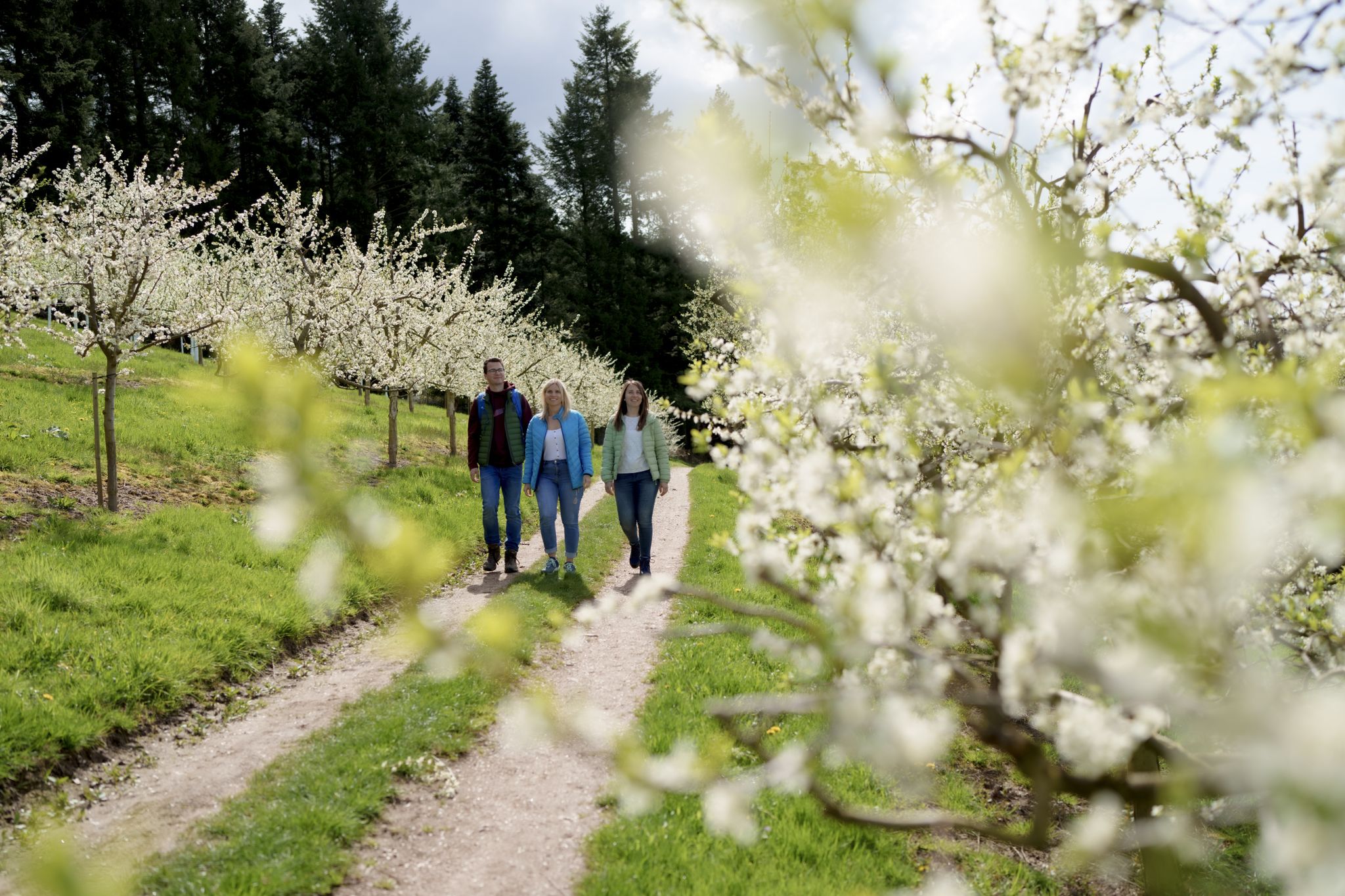
Hiking between Baden's vineyards, wildflowers & green lizards
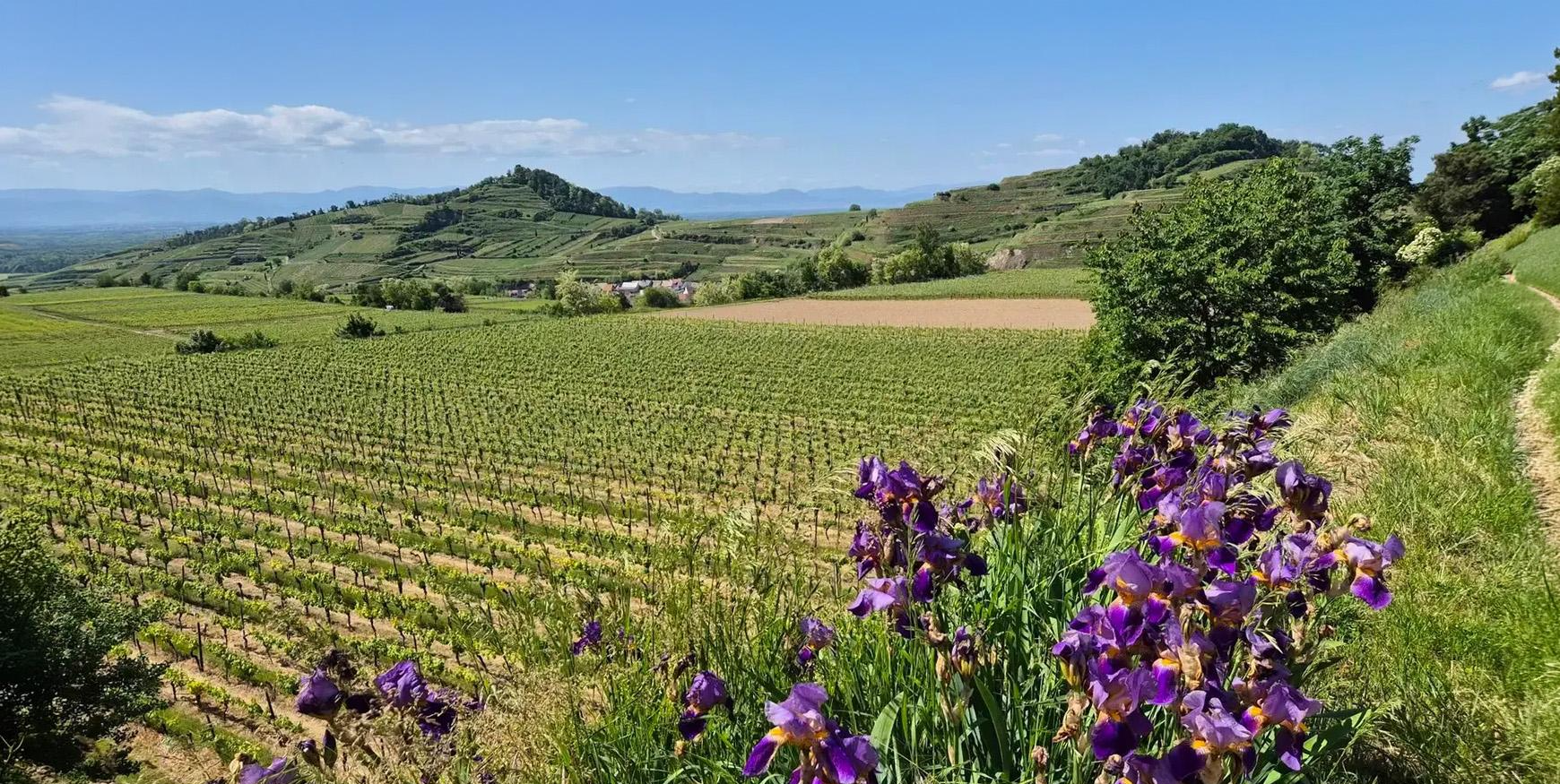
Aktiv in die längeren Tage – Frühlingsradeln rund um den Kaiserstuhl
Cycling around Gottenheim
Road Cycling Routes around Gottenheim
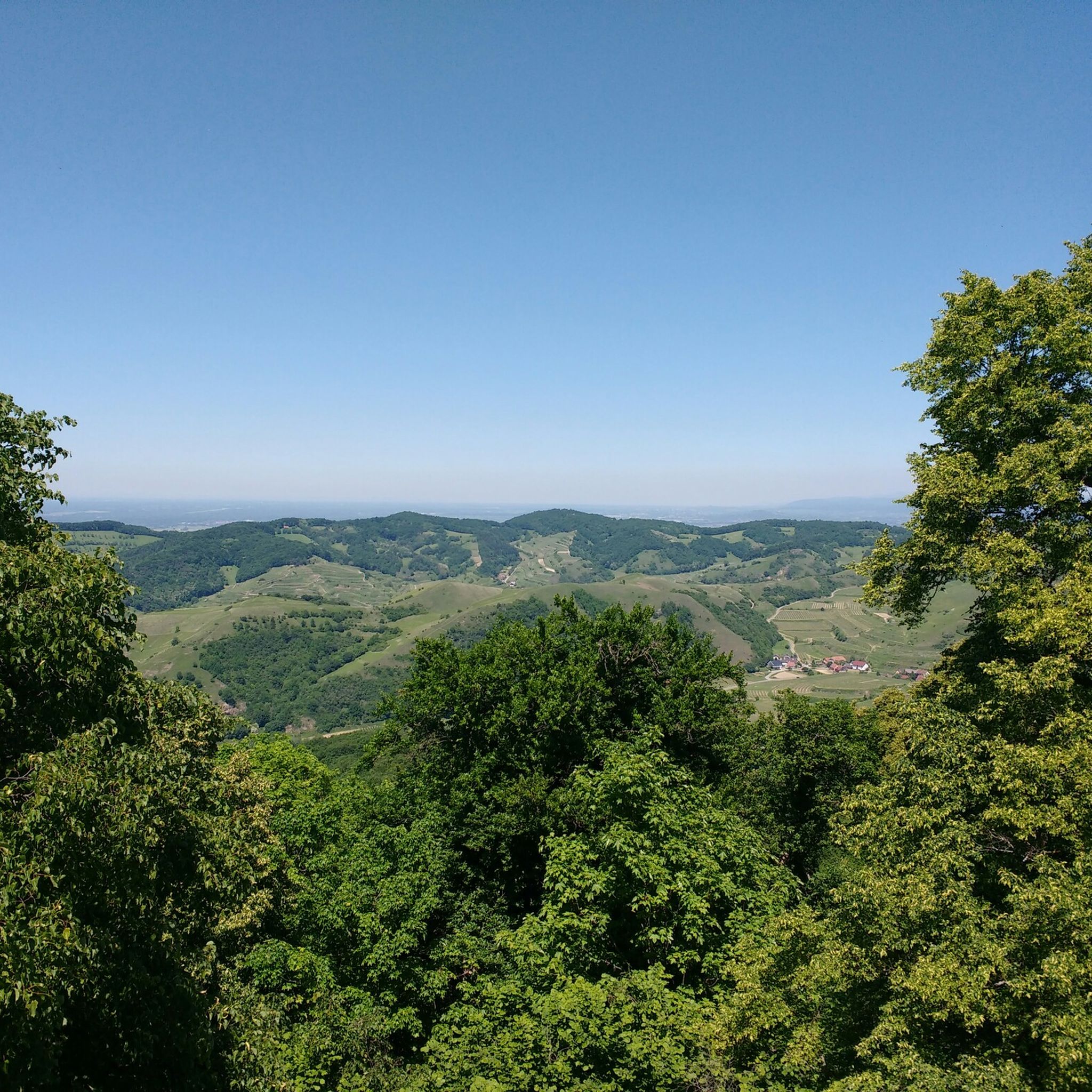
Hiking around Gottenheim
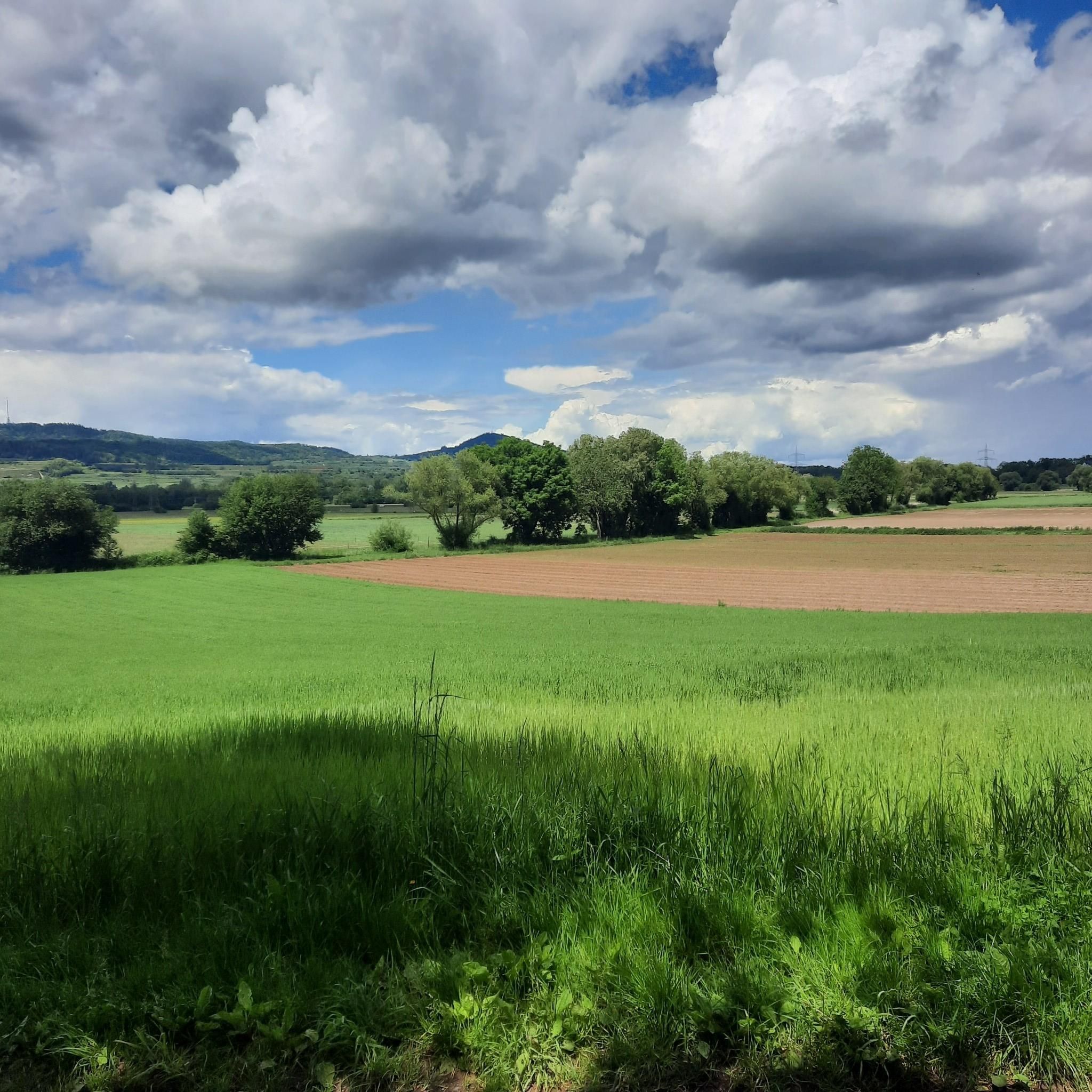
MTB Trails around Gottenheim
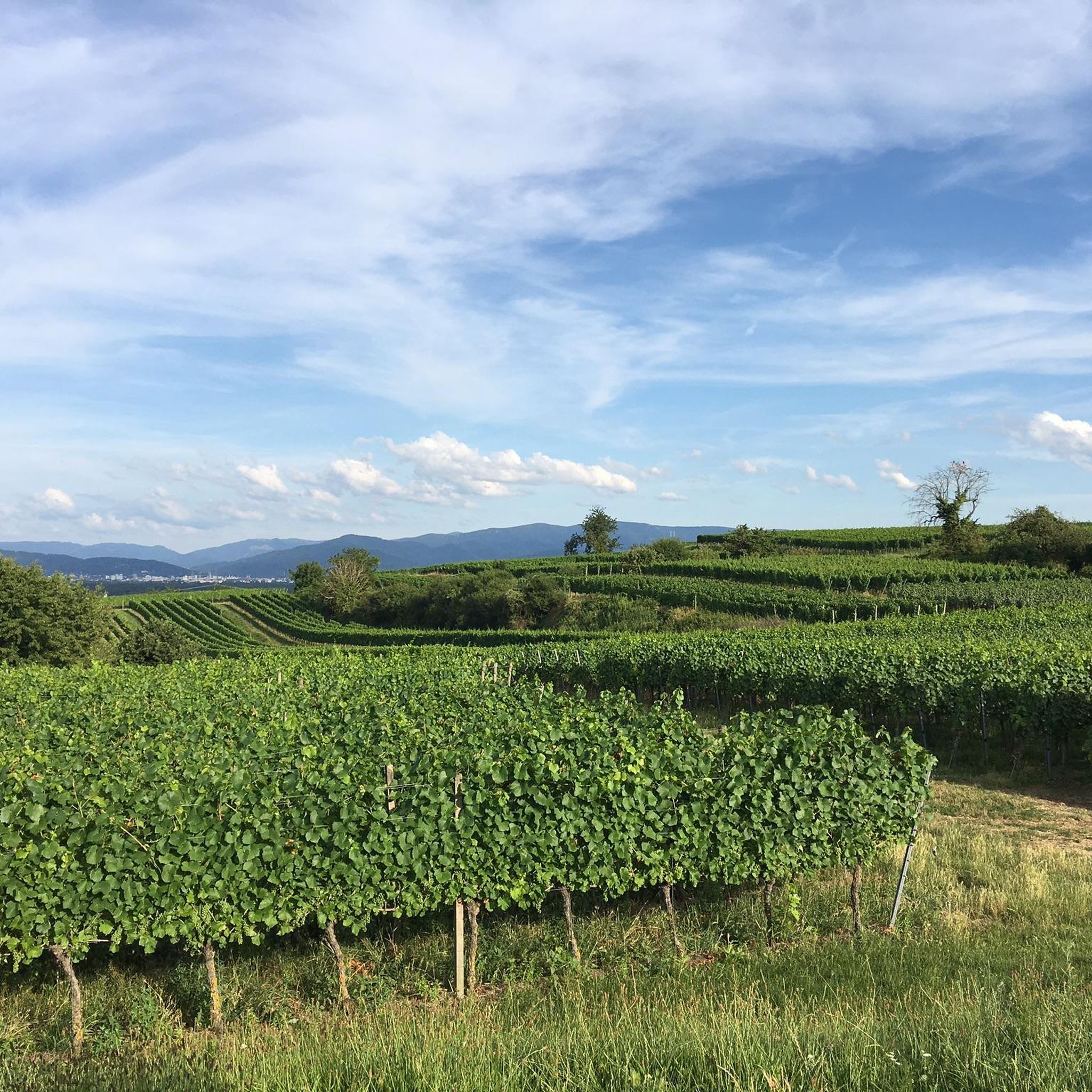
Running Trails around Gottenheim
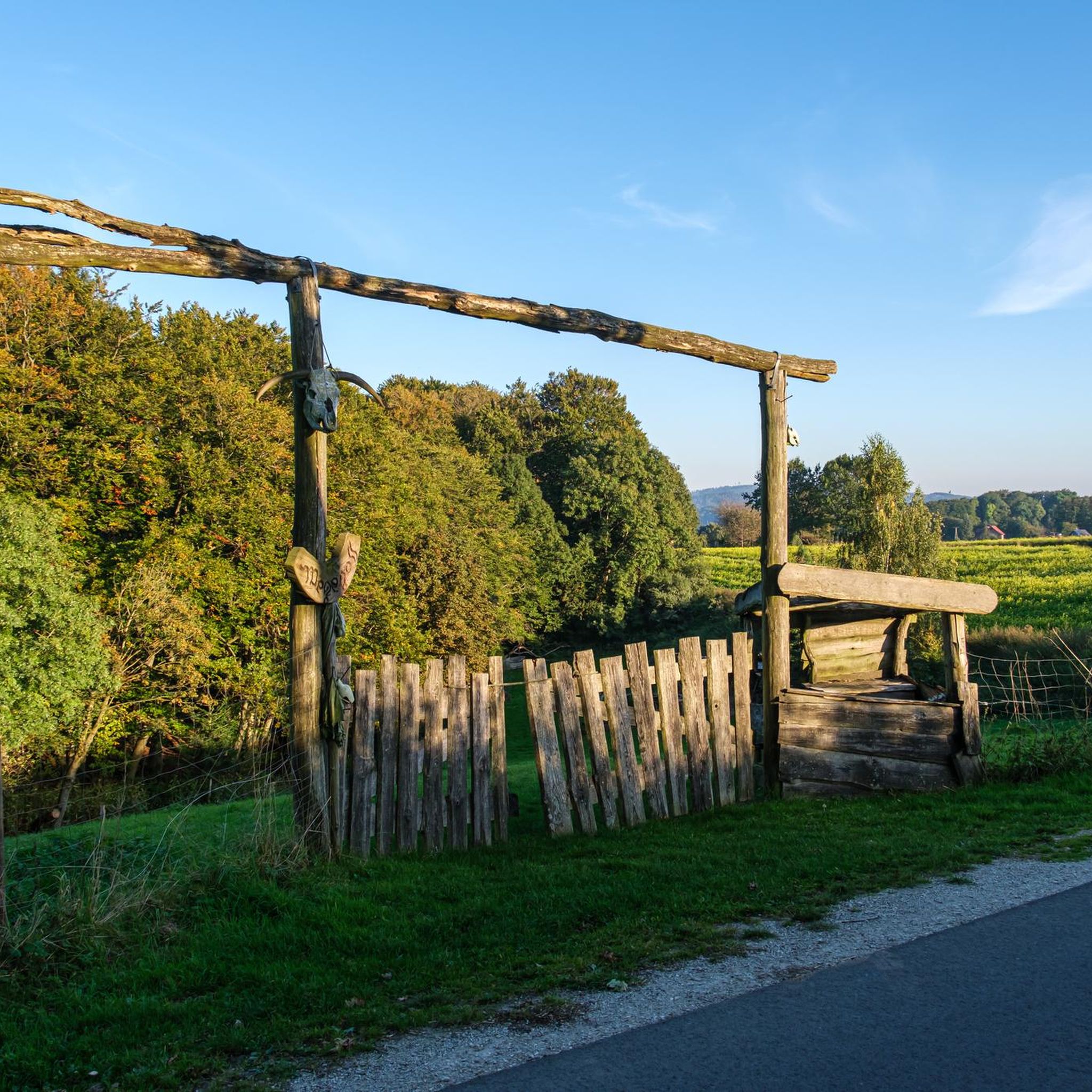
Gravel biking around Gottenheim
Mountain Hikes around Gottenheim


Tips from the Community

In 2017, a residents' initiative was founded to revitalize the park, which had come under fire due to robberies. The almost one-meter-high wall facing Rotteckring was torn down and replaced by a wall half as high for sitting and lying. Flower beds were planted on the lawn. The redesign of Rotteckring was completed in the summer of 2018.[16] At the beginning of 2019, the city presented its plans to redesign the park for 2.5 million euros. Since, among other things, it was planned to set up a playground again at the northeast corner, the meeting place for drug users was to be moved to the northwest corner, which the residents there opposed. The work should have been completed in the summer of 2021.[17][18] In July 2020, the town hall announced that due to the strained budget situation caused by the COVID-19 pandemic, the three-million-euro redesign was on hold for the time being. A small solution was being sought. https://de.wikipedia.org/wiki/Colombischl%C3%B6ssle
1
0

Beautifully lit at Christmas time. Inside is a museum of prehistory and early history. Stone Age finds from the surrounding area. Many grave goods and finds from Celts and the Romans.
2
0

The Colombischlössle was built between 1859 and 1861 in the neo-Gothic style by Georg Jakob Schneider on the demolished baroque bastion of St. Louis. The builder was Countess Maria Antonia Gertrudis de Colombi y de Bode. Between 1947 and 1952 it served as the seat of the Baden State Chancellery. Leo Wohleb ruled the independent state of Baden from here. The museum, which has been in existence since 1983, is the showcase of archaeology in southern Baden. All eras from the Paleolithic to the Early Middle Ages are on display. Some of the objects presented from the region are of supra-regional, even international, importance. On display are Paleolithic female figures - the oldest known works of art in southern Baden -, evidence of metal production from the Bronze Age and precious items from Celtic princely graves, such as the oldest glass bowl north of the Alps. Roman achievements in craftsmanship, everyday life and the military are vividly presented. Regional finds from the early Middle Ages and the Alamannic treasury complete the ensemble. Opening times Tuesday, Thursday to Sunday from 10 a.m. to 5 p.m. Wednesday from 10 a.m. to 7 p.m. Source:https://www.verein-keltenwelten.de/keltische-staetten/freiburg-colombischloessle/
3
0

The Archaeological Museum is open despite the construction work on the building and in the park. Interesting information can be found here: https://de.m.wikipedia.org/wiki/Arch%C3%A4ologisches_Museum_Colombischl%C3%B6ssle The opening hours are Tuesday to Sunday from 10 a.m. to 5 p.m., Wednesday until 7 p.m.
3
0

Nice rest area, nice view. Well attended.
0
0

Insect hotel
0
1

Castle type: hilltop castle, hilltop location Today: only remains of ruins Date of origin: before 1064, first documented mention in 1259 Not much is known for sure about the beginning of the castle complex on the Schlossberg. However, castles are said to have existed as early as 1064 when Achkarren was first mentioned in writing on the occasion of the transfer to the Ottmarsheim monastery by King Heinrich IV. These were then expanded several times in the following centuries. After the family castle of the Lords of Üsenberg, Üsenberg Castle on the Üsenberg near Breisach, was probably destroyed by the Breisach family in the 1240s, they are said to have made Höhingen Castle available to the Üsenbergers as a replacement. It was first explicitly mentioned in writing in 1259. Around 1353 the castle was briefly pledged to the Schnewlin im Hof. In 1392, Margrave Hesso von Hachberg bought Werner von Hornberg's share in Höhingen Castle, and he already owned the other part. In 1415 the castle, together with the Margraviate of Baden-Hachberg, came to Margrave Bernhard I of Baden, who bought it from Margrave Otto II of Hachberg, the last of this branch of Baden. Otto was allowed to use Höhingen Castle until the end of his life in 1418. ... After centuries of existence, the castle itself was burned down for the first time in May 1525 during the peasant uprising with the participation of Achkarr farmers. This made Höhingen Castle one of only two margravial castles destroyed by the peasants, although a number of them had been occupied by the peasants. Long-standing disputes between the village of Achkarren and the Margraves over the use of the forest are suspected to be the motive. The farmers later had to compensate Margrave Ernst I of Baden-Durlach for the damage. ... In 1620, Margrave Georg Friedrich von Baden-Durlach rebuilt the castle as a defensive structure and put it into a state of defense, since the events of the war in the Rhine Valley and the Breisach Fortress could be observed well from here. In a contemporary report from the mayor of Breisach to the imperial governor of the Austrian provinces in Waldshut, Höhingen Castle, often referred to as a castle, is described as follows: “Its position was excellent, as it stood in the middle of the mountain's crest on hard rock, which because of its height had difficult access, and could not be commanded from any of the surrounding places. The building was surrounded by strong masonry, on the one hand with a deep ditch, on the other hand it encountered an inaccessible praecipitium [= abyss], which is used from below for a stone pit. The castle had a good cistern.” In 1633 there was an attack from Breisach. The Imperial Catholic troops captured and sacked the castle currently held by the Swedes and supported by the Protestants of Ihring. According to records at the time, the spoils included around 15,000 liters of wine. Property of Ihringen citizens stored in the castle was also lost. There are even reports of the loss of 200 horses and 300 head of cattle, which allows conclusions to be drawn about the dimensions of the facility. After several subsequent disputes about the castle, it was finally set on fire by the now imperial garrison in 1638, when it could no longer be held militarily. (Excerpt from Wikipedia)
1
0

From the Schneeburg you have a wonderful view over Freiburg and the Vosges
5
0
Frequently Asked Questions
What types of castles can I expect to find around Gottenheim?
Around Gottenheim, you'll primarily find historical castle ruins and privately owned properties. While fully accessible, preserved castles are limited directly within the town, the surrounding area offers significant historical sites like the Schneeburg Ruins and the Schwendi Castle Ruins (Burkheim). Some, like Munzingen Castle, can only be viewed from the outside.
Are there any castles with good viewpoints near Gottenheim?
Yes, several castle sites offer excellent views. The Schneeburg Ruins, situated at 516 meters on the Schönberg foothills, provide views of the Rhine Valley, the Vosges, and Freiburg. The Schlossberg Pavilion and the Höhingen Castle Ruins are also known for their fantastic overview of the Kaiserstuhl region.
What is the best time of year to visit the castles and go hiking around Gottenheim?
The region around Gottenheim, including the Tuniberg and Kaiserstuhl areas, is beautiful for hiking and visiting castles during spring, summer, and autumn. Spring offers blooming vineyards, while autumn provides vibrant fall colors. Summer is ideal for longer days and warmer weather, though it can be busy. Always check local weather conditions before your visit.
Are there family-friendly castle experiences or activities near Gottenheim?
While many castles are ruins, exploring them can be a fun family activity, especially for those interested in history and outdoor adventures. The Colombischlössle Archaeological Museum in Freiburg, housed in a neo-Gothic villa, offers an engaging journey through time with archaeological finds, which can be very family-friendly.
Can I combine a castle visit with hiking or other outdoor activities?
Absolutely! Many castle ruins are integrated into scenic landscapes, making them perfect starting points or destinations for hikes. For example, the Schneeburg Ruins are located on the Schönberg, offering trails. You can find various hiking routes in the area, including the Tuniberg High Trail, by exploring Hiking around Gottenheim.
What kind of historical significance do the castles around Gottenheim hold?
The castles in this region have a rich history, often dating back to the 13th century. The Schneeburg Ruins, for instance, were built by the Lords of Hornberg and later transferred to the Monastery of St. Gallen. The Höhingen Castle Ruins saw conflicts during the Peasant Uprising and the Thirty Years' War, being burned down multiple times. These sites offer a glimpse into medieval life and regional power struggles.
Are there any castles near Gottenheim that are easily accessible by public transport?
While Gottenheim itself has public transport connections, reaching specific castle ruins often involves a combination of public transport and walking. For example, to reach the Schneeburg Ruins, you might take public transport towards Ehaben or St. Georgen and then hike to the site. For detailed routes, it's best to check local transport schedules and hiking guides.
Where can I find cafes or restaurants near the castles around Gottenheim?
Gottenheim itself offers various cafes and restaurants. For castles further afield, such as those near Burkheim or Achkarren, you'll find dining options in those respective villages. The Schlossberg Pavilion near Höhingen Castle Ruins even offers a pleasant spot to rest with forest sofas, though it's not a full restaurant.
Are there any cycling routes that pass by castles near Gottenheim?
Yes, the scenic landscape around Gottenheim is popular for cycling. While specific routes directly passing through castle ruins might be limited due to terrain, many road cycling routes offer views of the castles or pass through nearby villages. You can explore options like the 'Dreisam River Path – View of the Tuniberg Vineyards loop' in the Road Cycling Routes around Gottenheim guide.
What is the <a href="https://www.komoot.com/highlight/1542033" target="_blank" rel="noopener">Munzingen Castle</a> and can I visit it?
Munzingen Castle is a palace built in 1672 and later renovated in the Baroque style. It has been privately owned by the Kageneck family since its construction. Therefore, visitors can generally only view it from the outside. It's located at the foot of the Tuniberg.
Are the castle ruins around Gottenheim suitable for dog walking?
Many of the outdoor castle ruins and surrounding trails are dog-friendly, making them great for walks with your canine companion. However, always ensure your dog is on a leash, especially in protected areas or near wildlife, and be mindful of other visitors. Check for specific signage at each location regarding dog policies.
What natural features can I expect to see near the castles?
The castles around Gottenheim are set in a beautiful natural environment. You can expect to see rolling vineyards, especially around the Tuniberg and Kaiserstuhl regions, as well as forested areas like the Schönberg. Many sites, such as the Schneeburg Ruins, offer panoramic views of the Rhine Valley.
Most popular routes around Gottenheim
Most popular attractions around Gottenheim

Get inspired with the komoot mobile app


Explore more
Looking for the best castles somewhere else? Discover other guides around Gottenheim:
