Attractions and Places To See around Voltlage - Top 20
Best attractions and places to see around Voltlage, located in Lower Saxony, Germany, offers a diverse range of experiences. The region is characterized by scenic meadows, fields, and forests, situated between the Hase and Dümmer rivers. Visitors can explore a blend of historical landmarks, natural landscapes, and cultural sites. This area provides opportunities for various outdoor pursuits and cultural discoveries.
Best attractions and places to see around Voltlage
- The most popular attractions is Great Holy Lake, a lake that…
Last updated: August 3, 2026
Great Holy Lake
Highlight • Lake
Translated by Google •
Tip by

High Gate, Fürstenau
Highlight • Monument
Translated by Google •
Tip by

Sign up now to discover places like this
Get recommendations on the best single tracks, peaks, & plenty of other exciting outdoor places.
Sign up for free
Fürstenau Castle
Highlight • Castle
Translated by Google •
Tip by

Marina Recke on the Mittelland Canal
Highlight • Rest Area
Translated by Google •
Tip by

Buchholz Headframe
Highlight • Viewpoint
Translated by Google •
Tip by

Sign up for free to discover even more attractions around Voltlage.
Sign up for free
Already have an account?
Start today with a free account
Your next adventure awaits.
Login or Signup
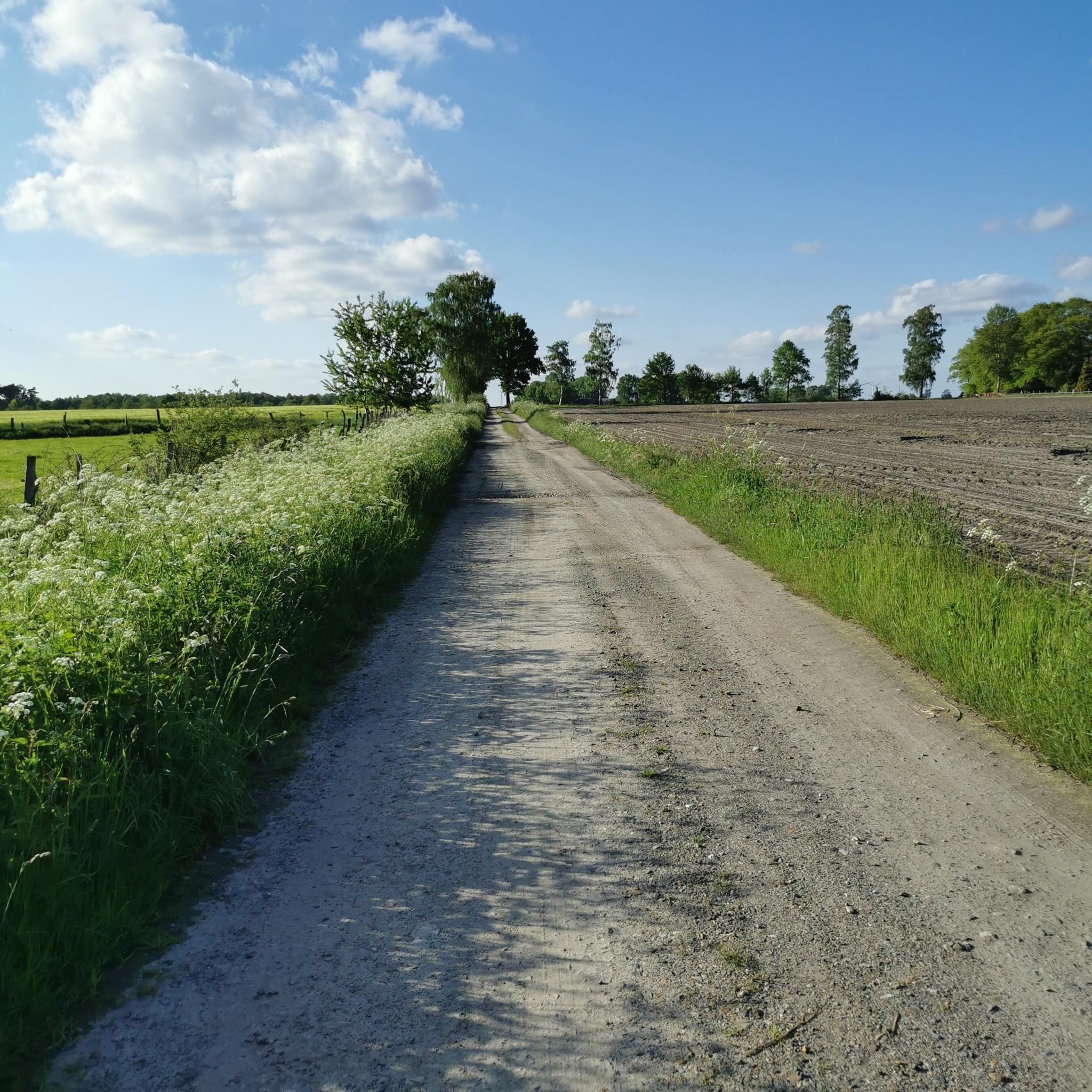
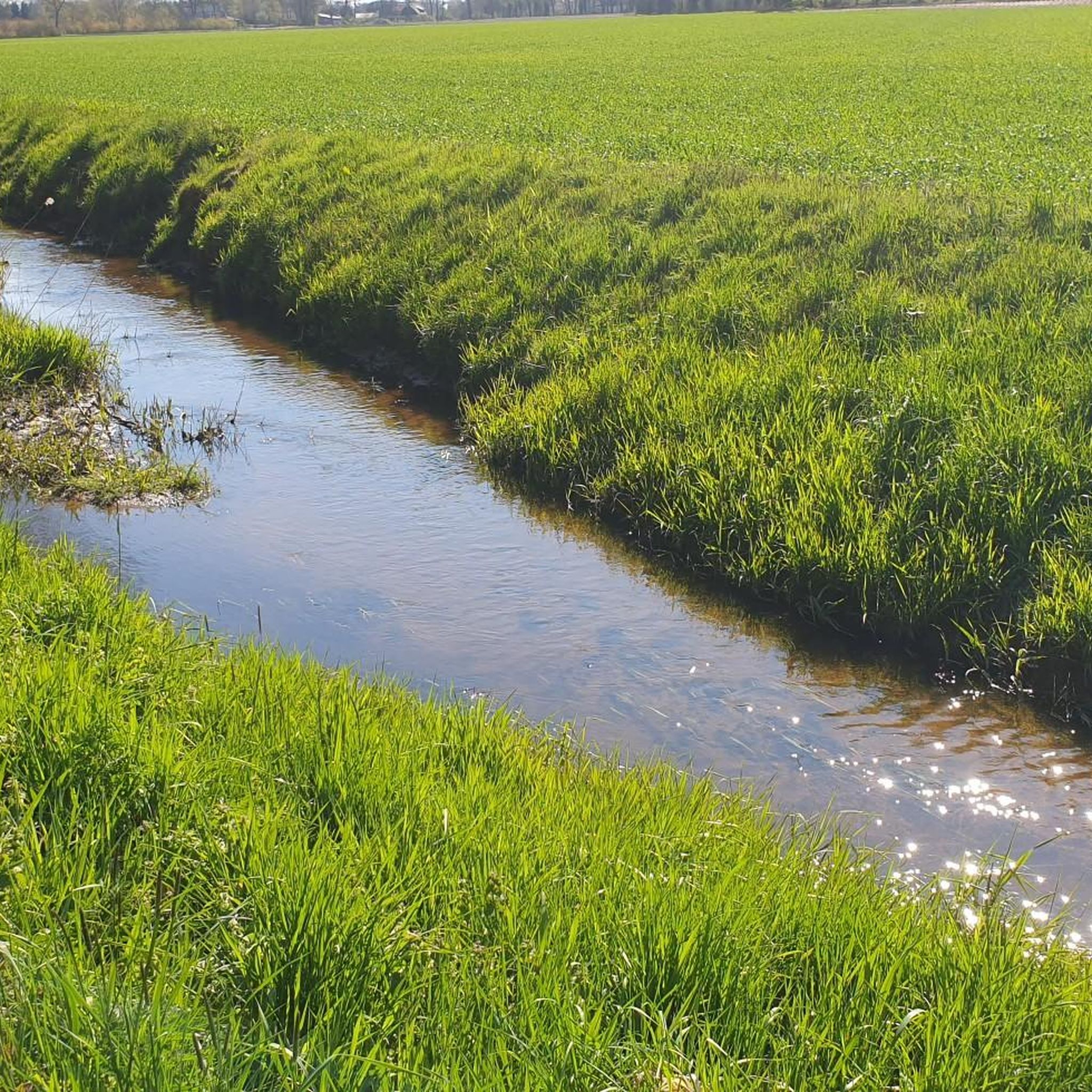

Other adventures around Voltlage

Tips from the Community

Delicious cake and cappuccino!
0
0

At its end, Schwedenstraße meets the former eastern cross street, the street “An den Schanzen”. The current name is reminiscent of an earth bastion that was located here until 1734, the Rinken or Kemnaschanze (Kemnade), named after the residents of the house directly on the ski jump. The large earth wall with a wide city moat secured the southeast side of the city. Even during the 30 Years' War, the entrenchment was a strong defensive bulwark.
2
0
The castle was built in the 14th century by Electoral Mainz to protect the neighboring Steinbach monastery and the surrounding estates against the Electoral Palatinate. The process can be seen as a dispute between the archdiocese and the Palatinate as a result of the transfer of the Lorsch monastery to Electorate of Mainz in 1232. The construction on fiefdom of the Erbach taverns, which were fiefdoms of the Count Palatine, led to complications that were initially resolved by granting a castle fiefdom and later by pledging it to Erbach. The earliest mention of the castle comes from the year 1310. In 1317 Schenk Eberhard VI. von Erbach called Mainzer Burgmann. After the castle was initially given to Erbach as a Mainz fiefdom, the taverns acquired Fürstenau in 1355 and finally in 1454. Until then, a Mainz bailiff had still resided in the castle.
3
0

The Fürstenauer Tor is decorated for Christmas.
2
0

Very nice place to stay. Very nice landlord delicious cakes and in the evening there is a barbecue with a salad buffet. We always like to cycle here. The small harbor gives a cute atmosphere.
2
1

Today you don't see much of it anymore, but the castle complex stands in the middle of an old moor area. Sand was piled up in a fen, moats were built on the outside and everything was supported with walls. That is why Fürstenau Castle looks like a moated castle today. Today part of the palace houses the administration of the joint municipality of Fürstenau. You can still visit the site and, above all, look at the great park.
2
0

In the winter months or after a lot of rain, the circular route in the Holy Sea is quite muddy. A second pair of shoes is helpful for the way home by car.
8
0
Frequently Asked Questions
What natural attractions can I explore around Voltlage?
The region offers several natural highlights. The Great Holy Lake, Westphalia's oldest natural lake, is situated within a nature reserve and features excellent hiking trails. You can also visit the Heathland at the Heiliges Meer, where paths lead through an enchanted landscape, heathland, and past ponds, offering a quiet spot to observe animals.
Are there historical landmarks to visit in the Voltlage area?
Yes, Voltlage is rich in history. You can explore Fürstenau Castle, a 14th-century former princely bishop's residence now serving as an administrative center, complete with the imposing St. Katharina parish church. Another significant historical site is the High Gate, Fürstenau, which originally marked the city limits of Fürstenau.
What cycling opportunities are available near Voltlage?
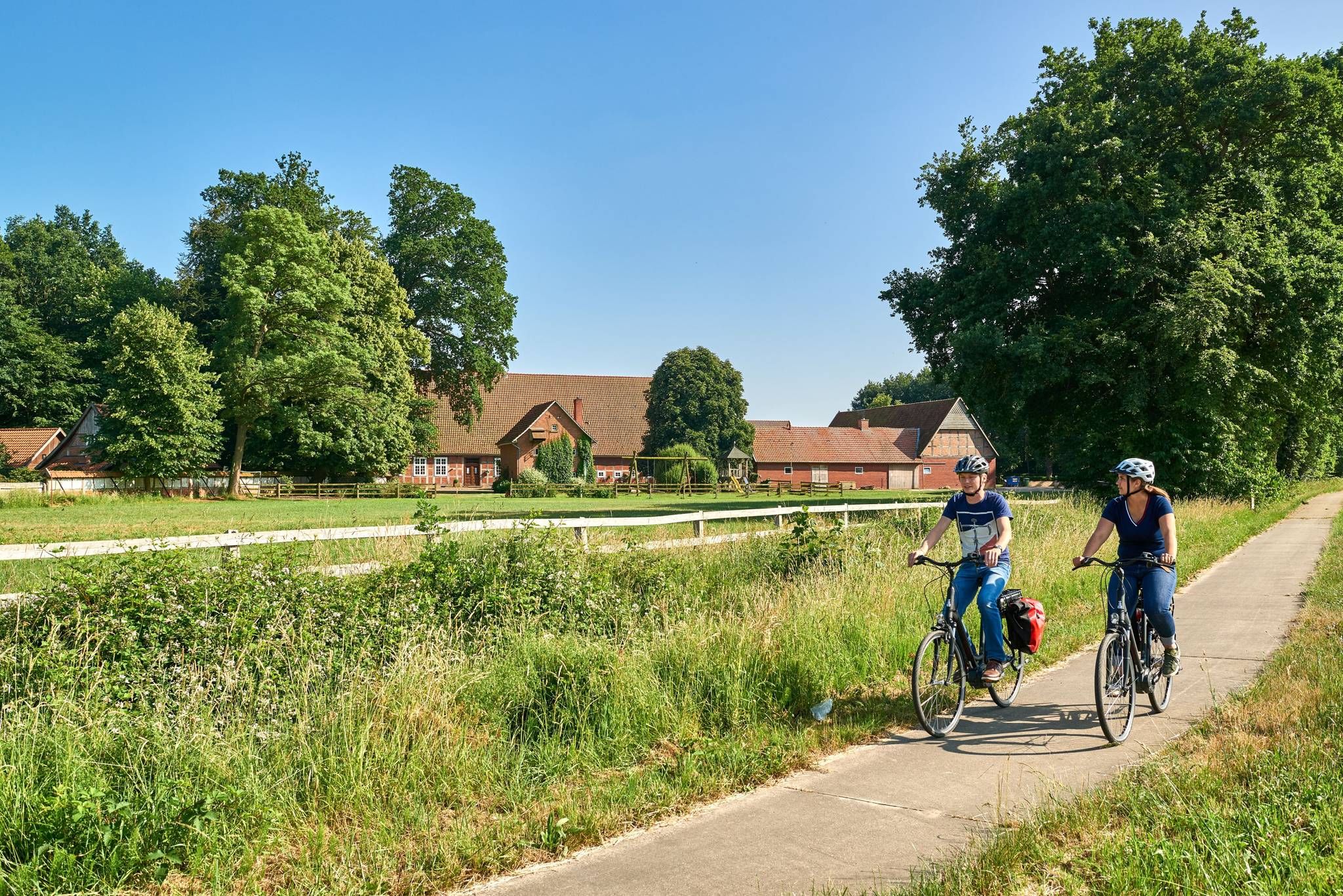
The area is well-suited for cycling. You can find various routes, including the comprehensive Bersenbrücker Landweg and the local Voltlage Route, which showcases the moor and marsh landscape. For specific cycling types, explore options like general cycling routes, road cycling routes, or gravel biking tours around Voltlage.
Are there hiking trails suitable for different skill levels?
Yes, the region offers diverse hiking experiences. The Great Holy Lake features great hiking trails within its nature reserve. The local Voltlage circular route also traverses characteristic moor and marshland. While specific difficulty levels vary, many trails are suitable for general walking, and some can be muddy after rain, so appropriate footwear is recommended.
What activities are available for families with children?
Families can enjoy the natural beauty of the Heathland at the Heiliges Meer, which is family-friendly and offers opportunities to observe wildlife. The historic High Gate, Fürstenau, and Fürstenau Castle are also considered family-friendly sites, offering a blend of history and exploration.
When is the best time of year to visit Voltlage?
Voltlage's natural landscapes, particularly its meadows, fields, and forests, are especially vibrant during the summer months. This season is ideal for outdoor activities like hiking and cycling. However, the Great Holy Lake is atmospheric in the evening hours year-round, though trails can be muddy in winter or after heavy rain.
Where can I experience the local moor and marsh landscape?
To experience the characteristic moor and marsh landscape of Voltlage, consider exploring the local Voltlage circular route. This roughly 22 km tour is specifically designed to showcase these unique natural features of the region.
Are there any places to relax and observe wildlife?
The Heathland at the Heiliges Meer is an excellent spot for relaxation and wildlife observation. Here, you can find a quiet place to sit on a tree trunk, watch mouflon herds and other animals, and simply let your mind wander amidst the beautiful landscape.
What cultural sites can I visit in the Voltlage region?
Beyond historical landmarks, Voltlage offers cultural experiences. The Alte Molkerei Cultural Centre regularly hosts concerts and exhibitions. You can also visit St. Peter's Church with its 13th-century tower, or the historic Malgarten Monastery, one of Germany's oldest, offering a glimpse into the region's religious history.
Are there any unique or lesser-known attractions worth visiting?
For a unique historical insight, visit the Hilgenstieb, a historic wayside shrine from 1749 located between Voltlage and Höckel. The Heimatmuseum Höckel also offers an extensive collection focused on the history of life and agricultural work in the region, providing a deeper understanding of local heritage.
Can I find places to eat or take a break near the attractions?
Yes, you can find spots to take a break. The Marina Recke on the Mittelland Canal is a small but pleasant harbor with opportunities to rest and enjoy the surroundings. Many cycling routes also feature rest areas or pass through villages with cafes.
What kind of water-based attractions are there?
The region is defined by the Hase and Dümmer rivers. The Great Holy Lake is a significant natural lake within a nature reserve. Lake Dümmer is also a popular spot for fishing among both locals and tourists, offering a different kind of water-based activity.
Are there any accessible attractions for visitors with mobility needs?
Some attractions offer accessibility. The Great Holy Lake is noted as wheelchair accessible in some areas, particularly around its trails. Fürstenau Castle is also listed as wheelchair accessible, allowing visitors to explore its grounds and park.
Most popular attractions around Voltlage

Get inspired with the komoot mobile app


Explore more
Still not found the Highlight you’re looking for? See guides of the top attractions in other regions:
