Attractions and Places To See around Faßberg - Top 20
Best attractions and places to see around Faßberg, a municipality in the district of Celle, Lower Saxony, Germany, offers a blend of natural beauty and historical landmarks. Located on the edge of the Südheide Nature Park, the region features diverse landscapes and cultural sites. Visitors can explore extensive heathlands, unique dry valleys, and historical monuments.
Best attractions and places to see around Faßberg
- The most popular attractions is Misselhorner Heath – Tiefental, an other natural area that features a…
Last updated: October 10, 2026
Misselhorner Heath
Highlight • Natural
Translated by Google •
Tip by

Misselhorner Heath – Tiefental
Highlight (Segment) • Natural
Although the deep valley …
Translated by Google •
Tip by

Sign up now to discover places like this
Get recommendations on the best single tracks, peaks, & plenty of other exciting outdoor places.
Lönsstein (Hermann Löns Memorial) on Wietzer Berg
Highlight • Monument
Showing Translation
Tip by

Tiefental in the Misselhorner Heath
Highlight • Gorge
Translated by Google •
Tip by

Kettle in the Misselhorner Heath
Highlight • Natural Monument
Translated by Google •
Tip by

Sign up for free to discover even more attractions around Faßberg.
Already have an account?
Start today with a free account
Your next adventure awaits.



Tips from the Community

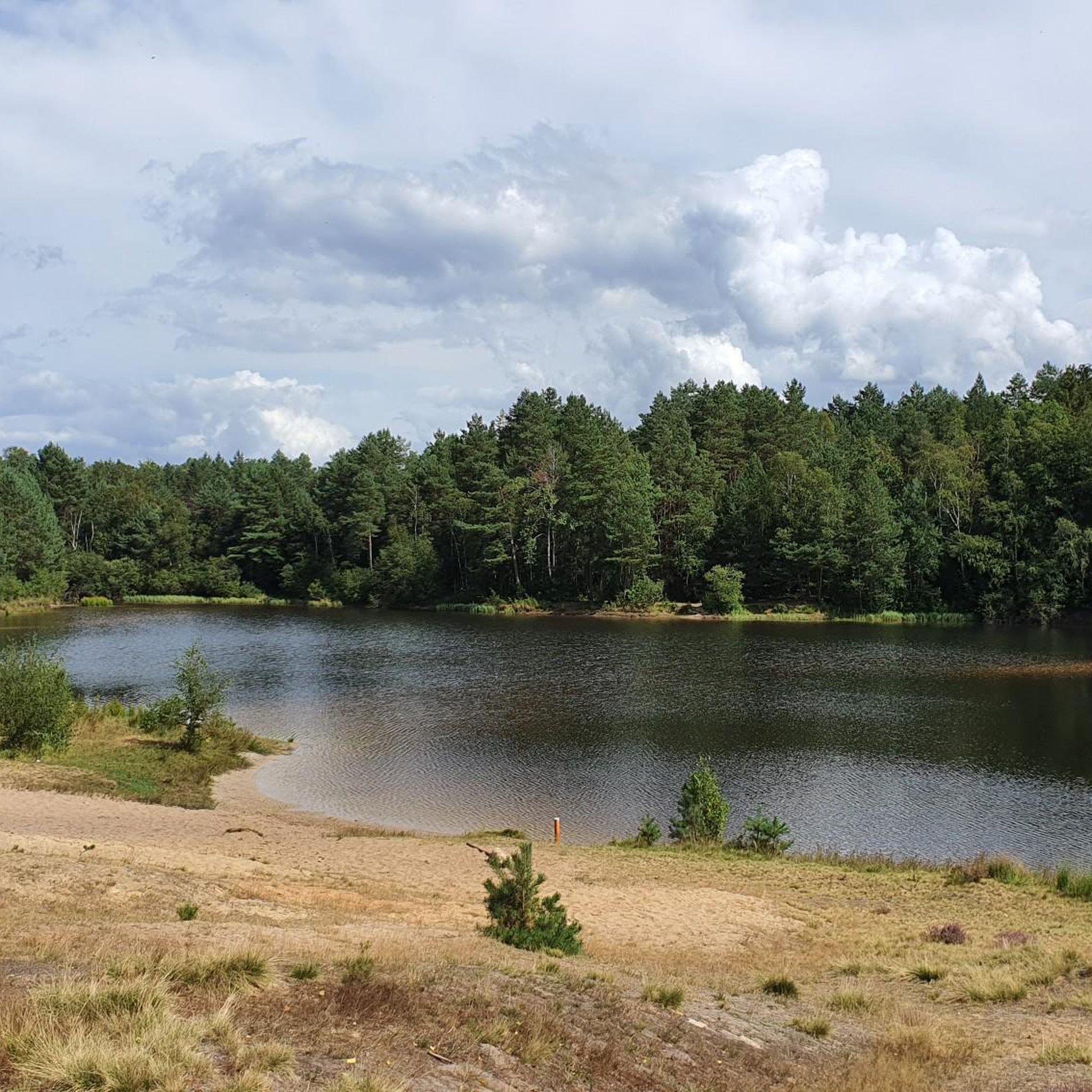
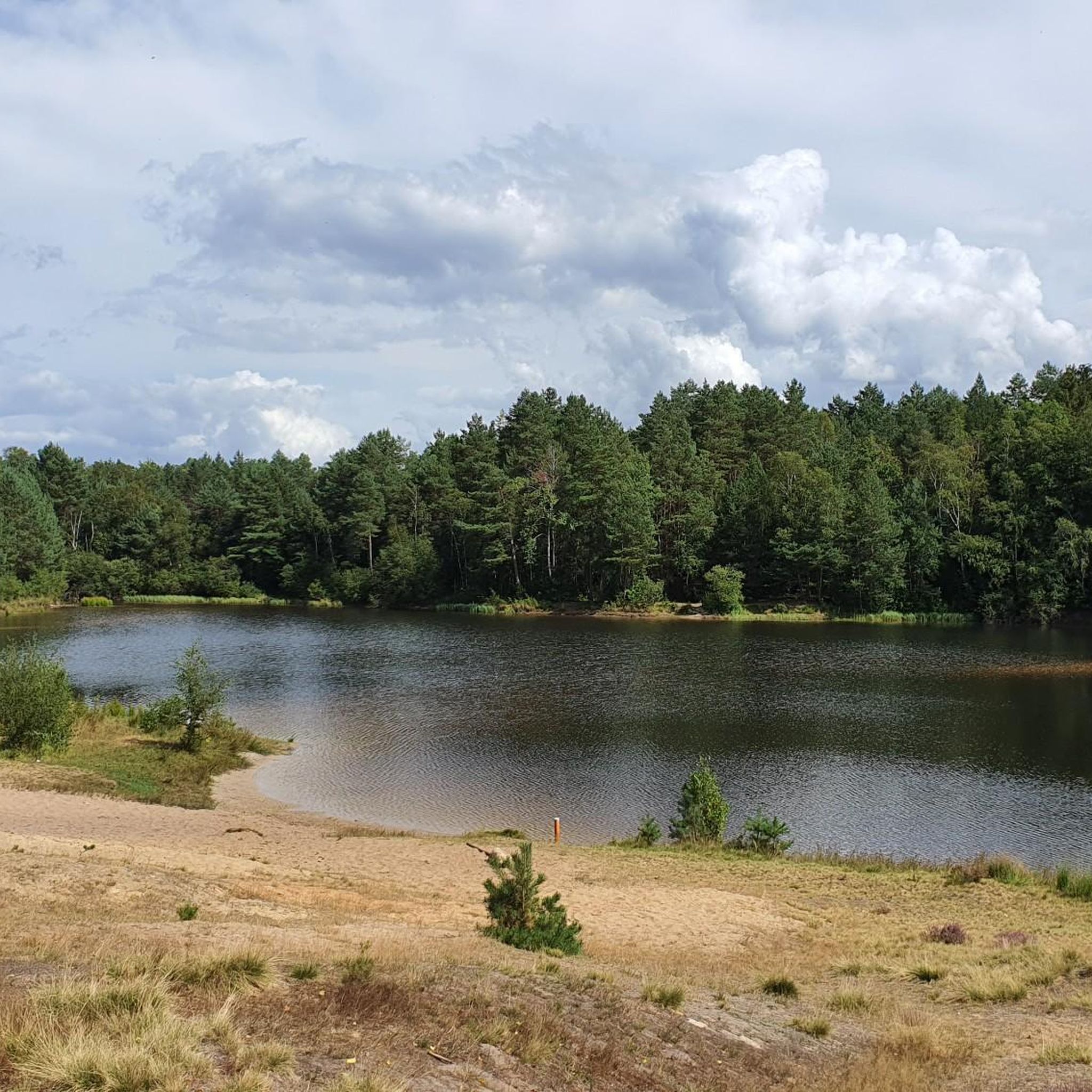
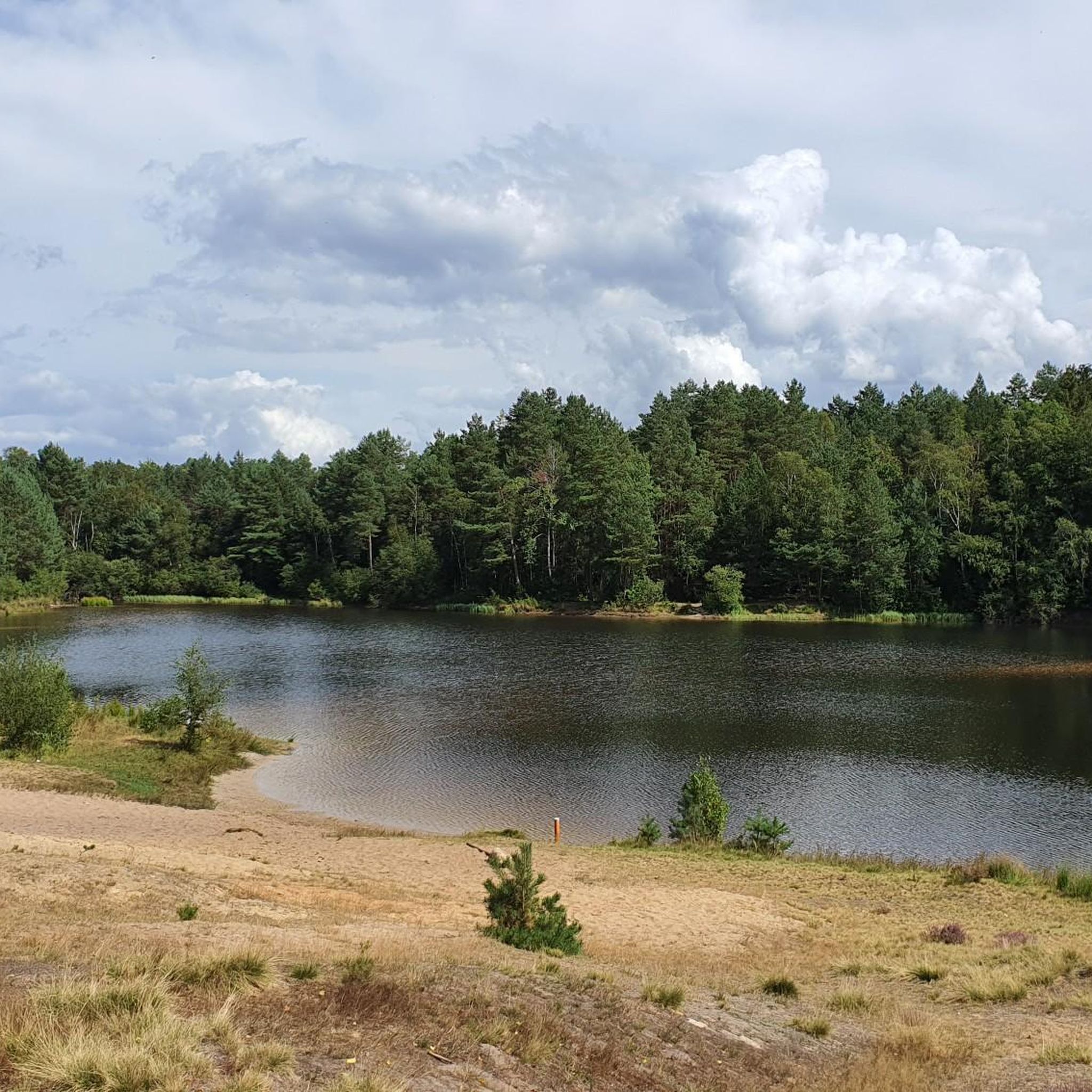
After a wet period, a pond forms here in the hollow... but it often dries up in summer
1
0

It's unusual to have such a large circular hole, it would be really interesting to know how it came about.
1
1

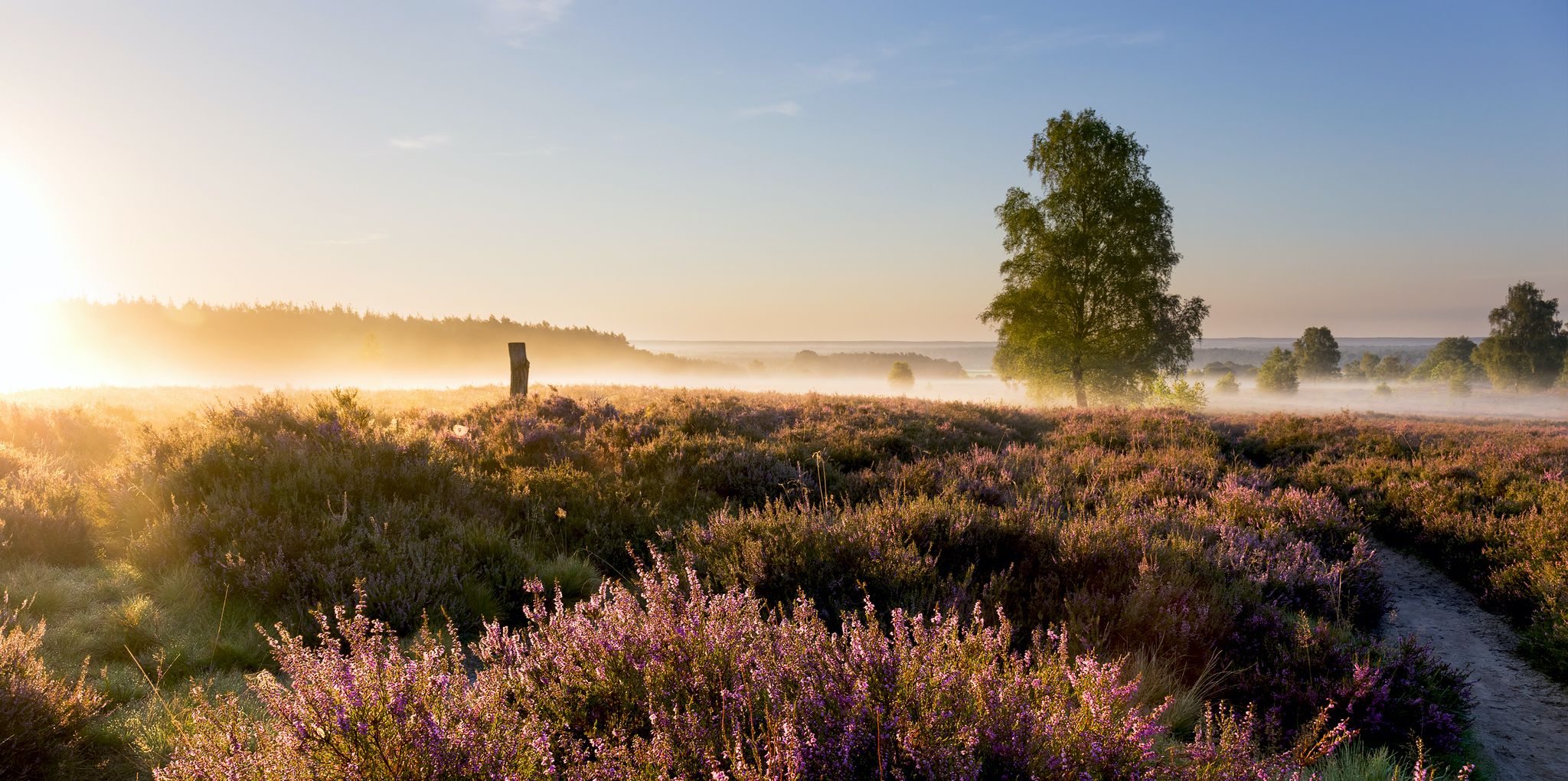
The Tiefental in the Südheide is a particularly charming section of the route. The dry valley, formed during the ice age, with its gentle hills and wide heathlands, shows a different landscape depending on the time of day and season. For centuries, the surroundings were kept open by heath farmers and grazing with moorland sheep, and still shape the typical landscape today.
5
0

Small landscape feature - and on the day of our hike everything is covered with fresh small sheep hoof prints, seems to be a popular grazing spot. 😄
2
1

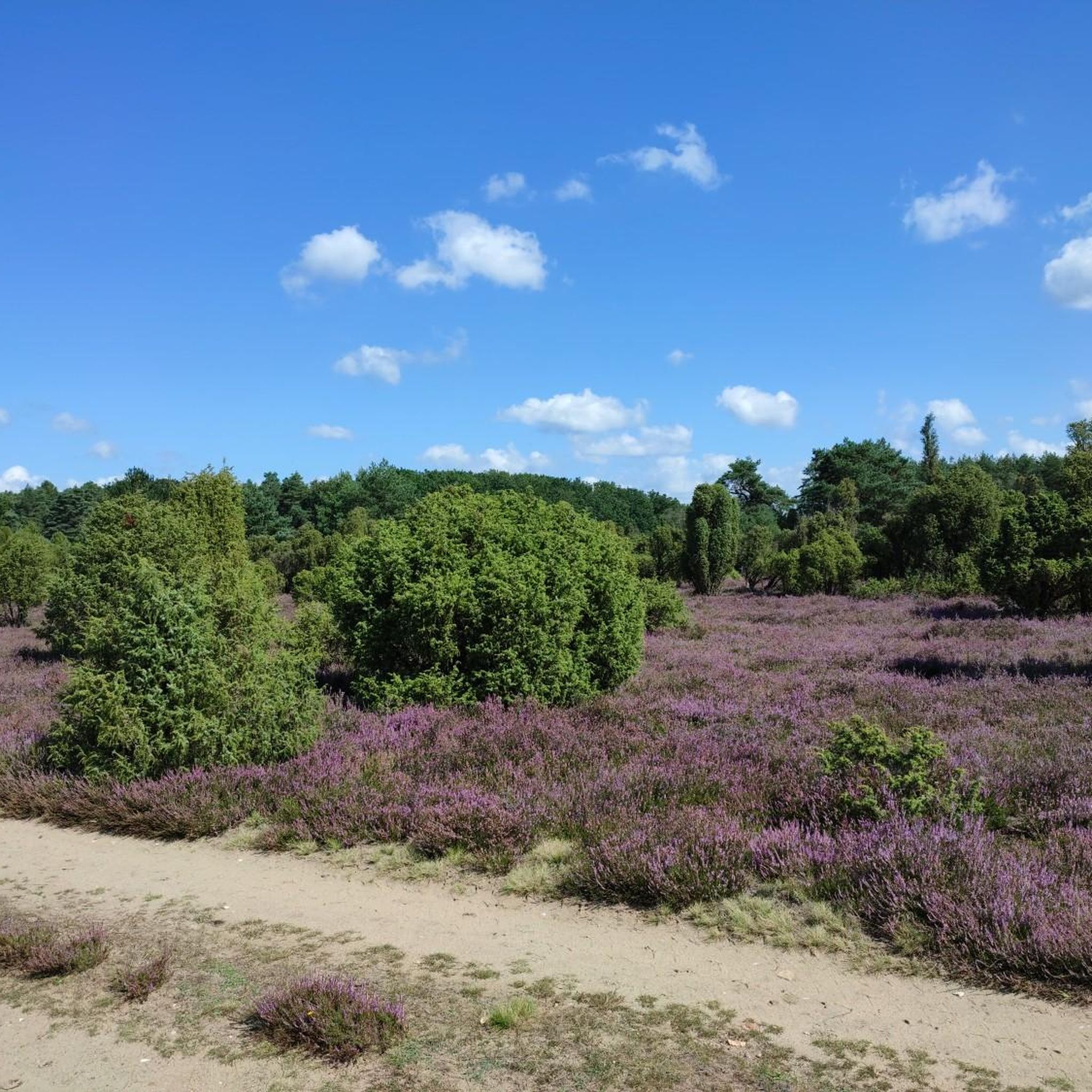
The narrow Misselhorn Heath and the adjoining Tiefental in the coniferous forest lie like a snail shell. The "red-legged wasp bee" also lives here, a so-called cuckoo bee: It does not store honey and lays its eggs in the nests of other bee species.
4
0

Always nice to hike through the somewhat hilly heathland.
4
1

Highlight? Well, let's just say succinctly, meanwhile everything seems to be declared a highlight that doesn't get on the trees fast enough. But it's a bit special here.
3
5

A little reed in the depression suggests that there might be water in there at some point!
4
1
Frequently Asked Questions
What natural features can I explore in Faßberg?
Faßberg, located on the edge of the Südheide Nature Park, offers diverse natural beauty. You can explore the unique landscape of Misselhorner Heath – Tiefental, which features a deep dry valley formed during the ice age. Another highlight is the Misselhorner Heath itself, part of a nature reserve. The Kettle in the Misselhorner Heath is a small, interesting landscape feature. Additionally, the Wacholderwald Schmarbeck is known as the largest and most beautiful juniper forest in Northern Germany, and the picturesque Örtze River provides opportunities for canoeing and cooling off.
What historical sites or cultural landmarks are there in Faßberg?
Faßberg has several significant historical and cultural sites. The Luftbrückenmuseum Faßberg (Berlin Airlift Museum) commemorates the air base's crucial role during the Berlin Airlift, displaying original exhibits and a 'Raisin Bomber' aircraft. You can also visit the Old Mill and Wading Spot on the Örtze, a historic watermill that also serves as a tourist information center. The Lönsstein (Hermann Löns Memorial) on Wietzer Berg honors the famous nature writer Hermann Löns. The Historic Village Center of Müden (Örtze) is a state-recognized resort town with traditional character, and you can find historic Treppenspeicher Barns in Müden, Schmarbeck, and Oberohe.
Are there good hiking opportunities around Faßberg?
Yes, Faßberg and its surroundings offer ample hiking opportunities. You can find easy hikes like the "Lindestein Memorial – Lönsstein Memorial loop from Müden (Örtze)" or the "Heather fields near Faßberg, Naturpark Südheide – Juniper forest loop from Faßberg." For more moderate options, consider routes like the "Old Watermill Müden (Örtze) – Örtze Rapids loop from Müden (Örtze)" or the "Oertze Trail – Müden (Örtze) village loop from Müden (Örtze)." You can find more details on these and other routes in the Easy hikes around Faßberg and Hiking around Faßberg guides.
When is the best time to visit Faßberg to see the heath in bloom?
The heath typically blooms from early August to early September. The vernacular says the heath flowers from August 8th to September 9th. For the most current information, you can often find a heath blossom barometer online to check the exact timing of the bloom.
Are there family-friendly activities or attractions in Faßberg?
Many attractions in Faßberg are suitable for families. The Misselhorner Heath – Tiefental and the wider Misselhorner Heath offer picturesque landscapes for walks and exploration. The Old Mill and Wading Spot on the Örtze provides easy access to the river for cooling off, which is popular with children. The Lönsstein (Hermann Löns Memorial) on Wietzer Berg is also a pleasant spot for a family outing.
Can I go cycling near Faßberg attractions?
Yes, the region around Faßberg is well-suited for cycling. There are various road cycling routes available, such as the "Ole Müllern Schün Cafe – The Lüdde Löns Heath loop from Poitzen" or the "Alvern–Ilster Cycle Path – Alvern loop from Poitzen." These routes offer a great way to explore the heathland and surrounding areas. More cycling options can be found in the Road Cycling Routes around Faßberg guide.
Where can I learn about the history of the Berlin Airlift in Faßberg?
You can learn extensively about the Berlin Airlift at the Luftbrückenmuseum Faßberg (Berlin Airlift Museum). This museum is dedicated to the crucial role of the Faßberg Air Base during the 1948/1949 airlift. It features original exhibits, a 'Raisin Bomber' aircraft, and multimedia presentations. The air base itself has a rich history in aviation and rocket technology dating back to the 1930s.
Are there any unique natural formations to see in Faßberg?
Absolutely. The Tiefental, part of the Misselhorner Heath – Tiefental, is a deep dry valley formed during the ice age, offering a particularly multifaceted and unique landscape. Another interesting feature is the Kettle in the Misselhorner Heath, a small depression within the heathland.
Is the Örtze River accessible for recreation?
Yes, the Örtze River is very accessible for recreation. The Old Mill and Wading Spot on the Örtze provides easy access to the river, allowing visitors to cool off their legs in the shallow waters. The river is also popular for canoeing, offering a serene way to experience the local nature.
Are there any wheelchair accessible attractions in Faßberg?
The Old Mill and Wading Spot on the Örtze is noted as being wheelchair accessible, offering an inclusive option for visitors to enjoy the historic mill and river access.
What is the significance of the Haußelberg?
The Haußelberg, located near Schmarbeck, features large areas of heathland. Historically, it was used by the renowned astronomer Karl-Friedrich Gauß in 1828 as a measurement point for the land surveying ordered by the Hanoverian royal house. A monument, the "Gaußstein," still commemorates his important work there.
Can I visit a traditional village in the Faßberg area?
Yes, the Historic Village Center of Müden (Örtze) is a state-recognized resort town considered one of the most beautiful villages in the Lüneburg Heath. This over 1000-year-old farming village has maintained its traditional character and features sights like the St. Laurentius Church and an old smithy with a sod and wippe on the Old Village Square.
Most popular routes around Faßberg
Most popular attractions around Faßberg

Get inspired with the komoot mobile app


Explore more
Still not found the Highlight you’re looking for? See guides of the top attractions in other regions:
