Top 20 Castles around Oranienbaum-Wörlitz
Best castles around Oranienbaum-Wörlitz are found within the Dessau-Wörlitz Garden Kingdom, a UNESCO World Heritage site. This region features a collection of palaces and landscaped parks, showcasing Enlightenment-era design and philosophy. The area's cultural significance is rooted in its architectural gems and their integration into the natural landscape. These sites offer insights into historical design and art.
Best castles around Oranienbaum-Wörlitz
- The most popular castles is Wittenberg Castle, a castle that now serves as a meeting and information center…
Last updated: September 27, 2026
Neogothic castle gate at Sieglitzer Berg
Highlight • Monument
Translated by Google •
Tip by

All Saints' Church (Castle Church), Wittenberg
Highlight • Religious Site
Translated by Google •
Tip by

Sign up now to discover places like this
Get recommendations on the best single tracks, peaks, & plenty of other exciting outdoor places.
Wörlitz Castle
Highlight • Castle
In the region, it is often referred to as the "Little White House."
Translated by Google •
Tip by

Georgium Palace, Dessau
Highlight • Castle
Translated by Google •
Tip by

Johann Building (Dessau City Palace)
Highlight • Castle
Translated by Google •
Tip by

Sign up for free to discover even more castles around Oranienbaum-Wörlitz.
Already have an account?
Start today with a free account
Your next adventure awaits.
Popular around Oranienbaum-Wörlitz
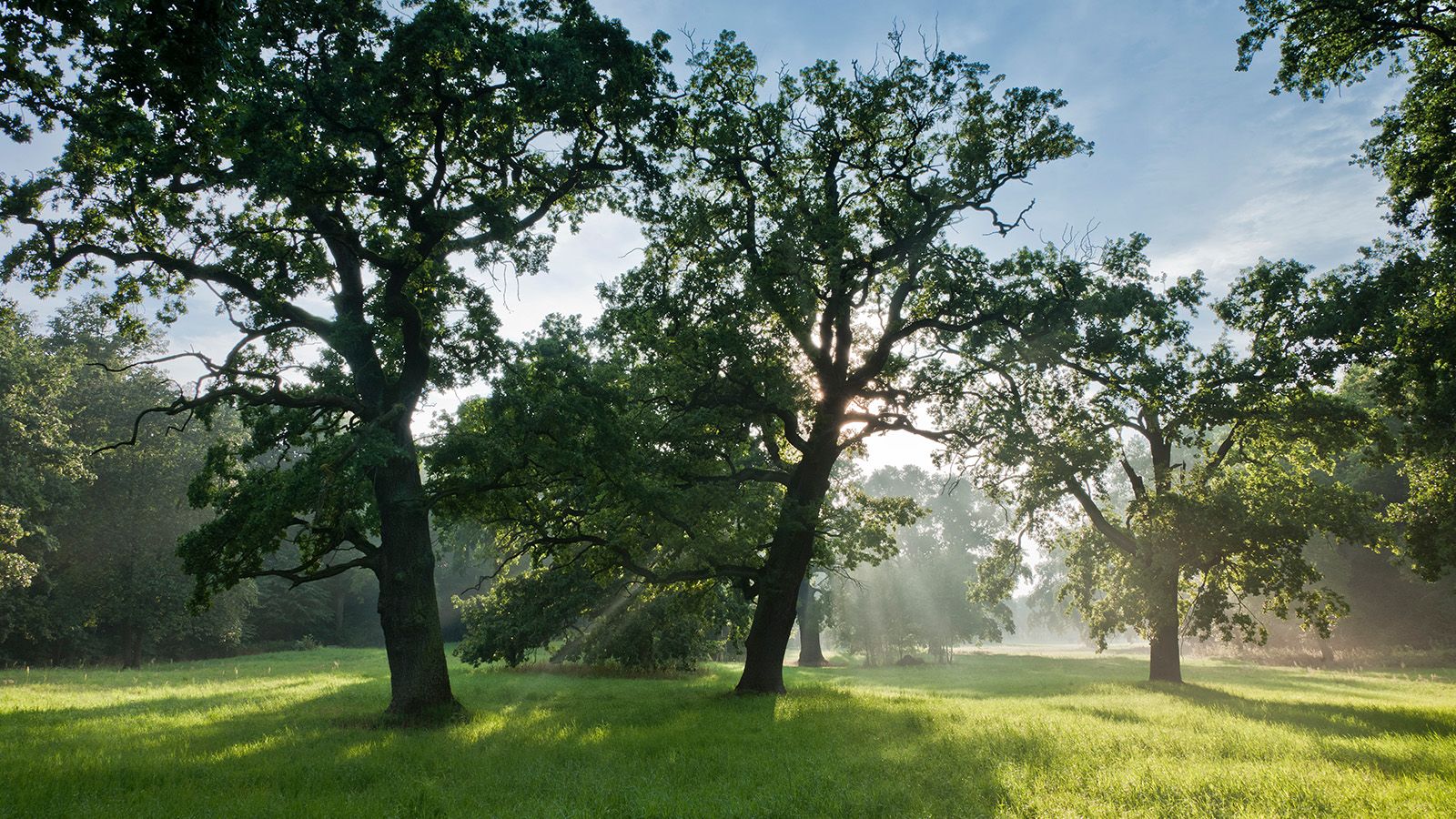
Nature and culture – cycling in the Dessau-Roßlau region
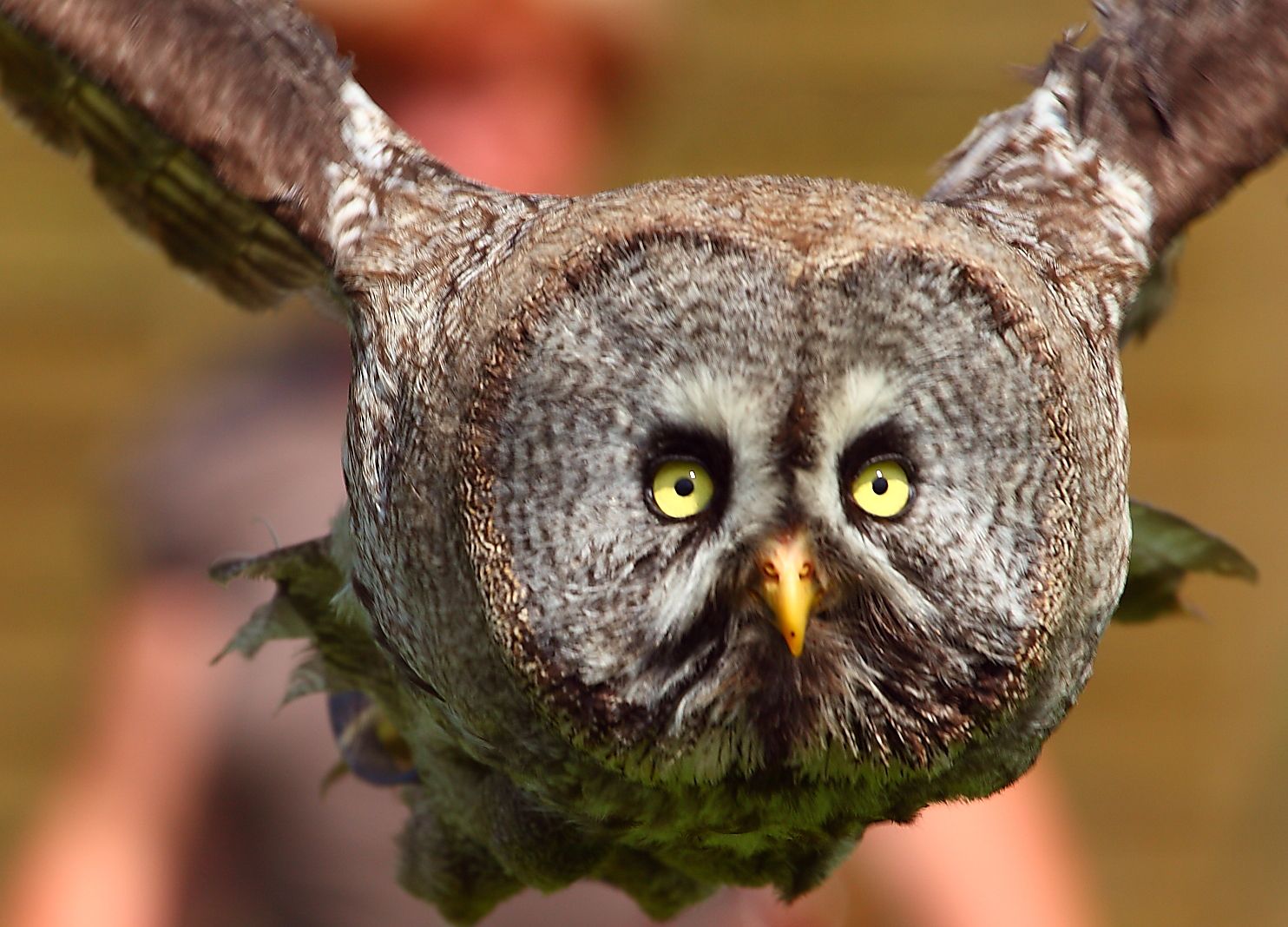
Wild horses, bears & falcons — meet wild animals by bus and train
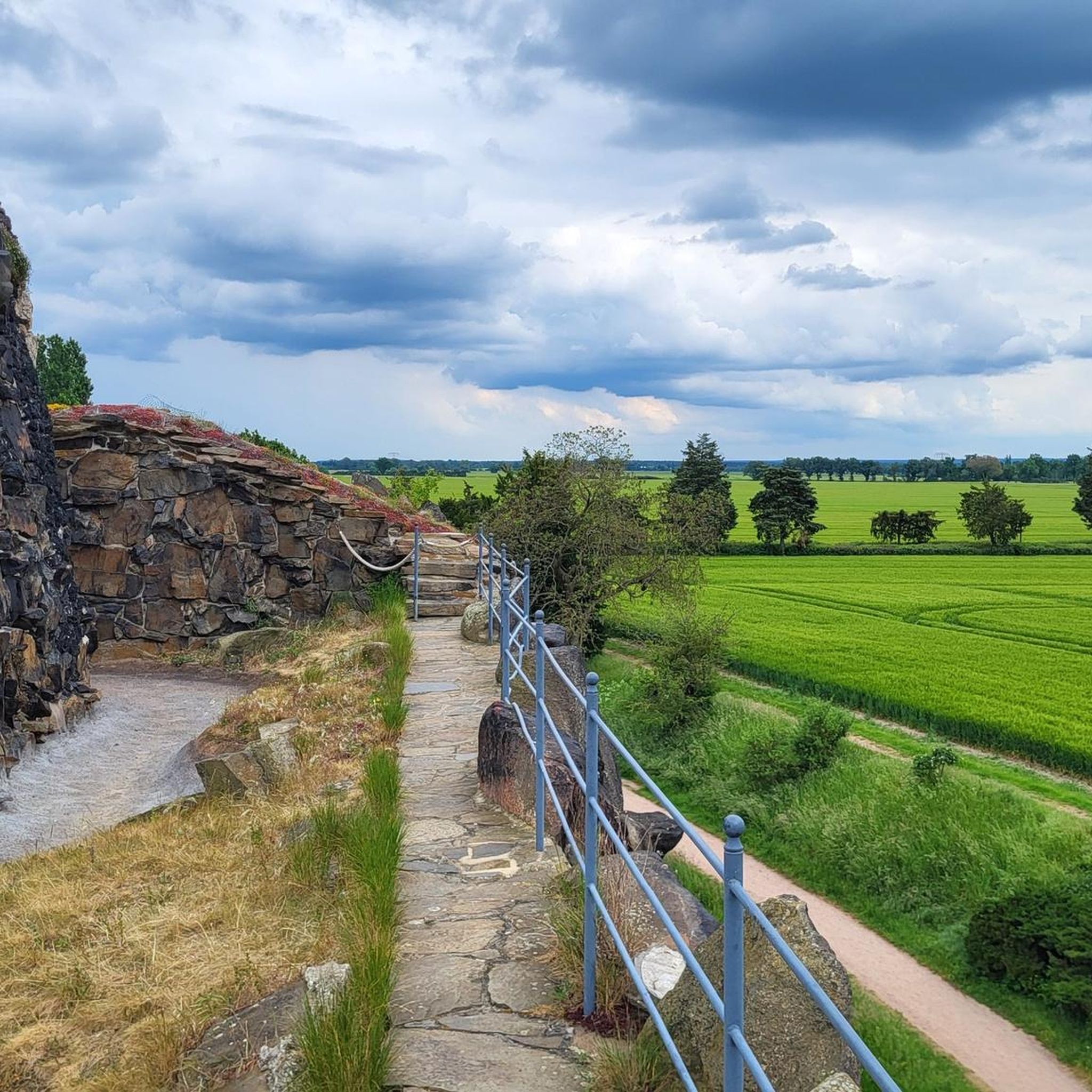
Cycling around Oranienbaum-Wörlitz
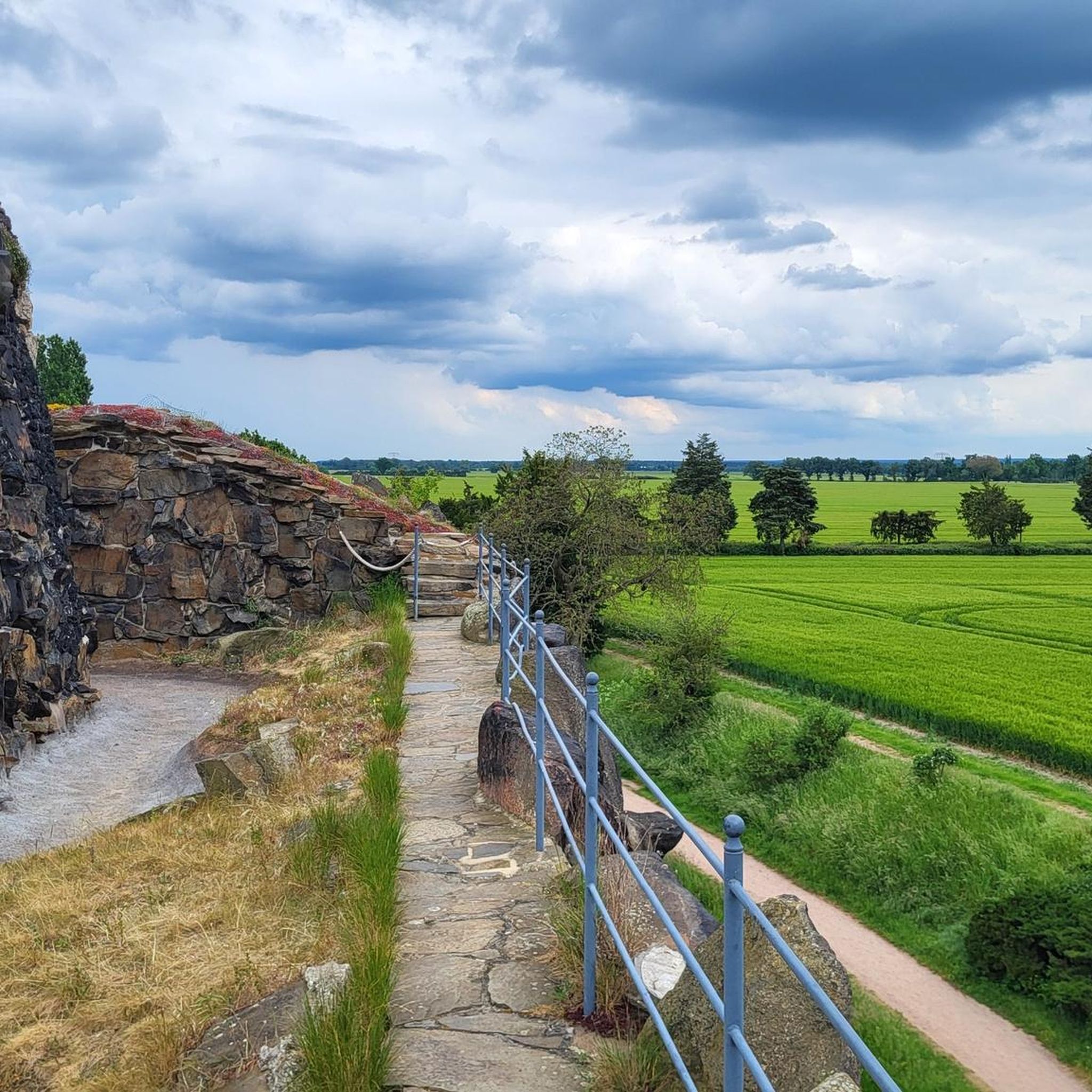
Hiking around Oranienbaum-Wörlitz
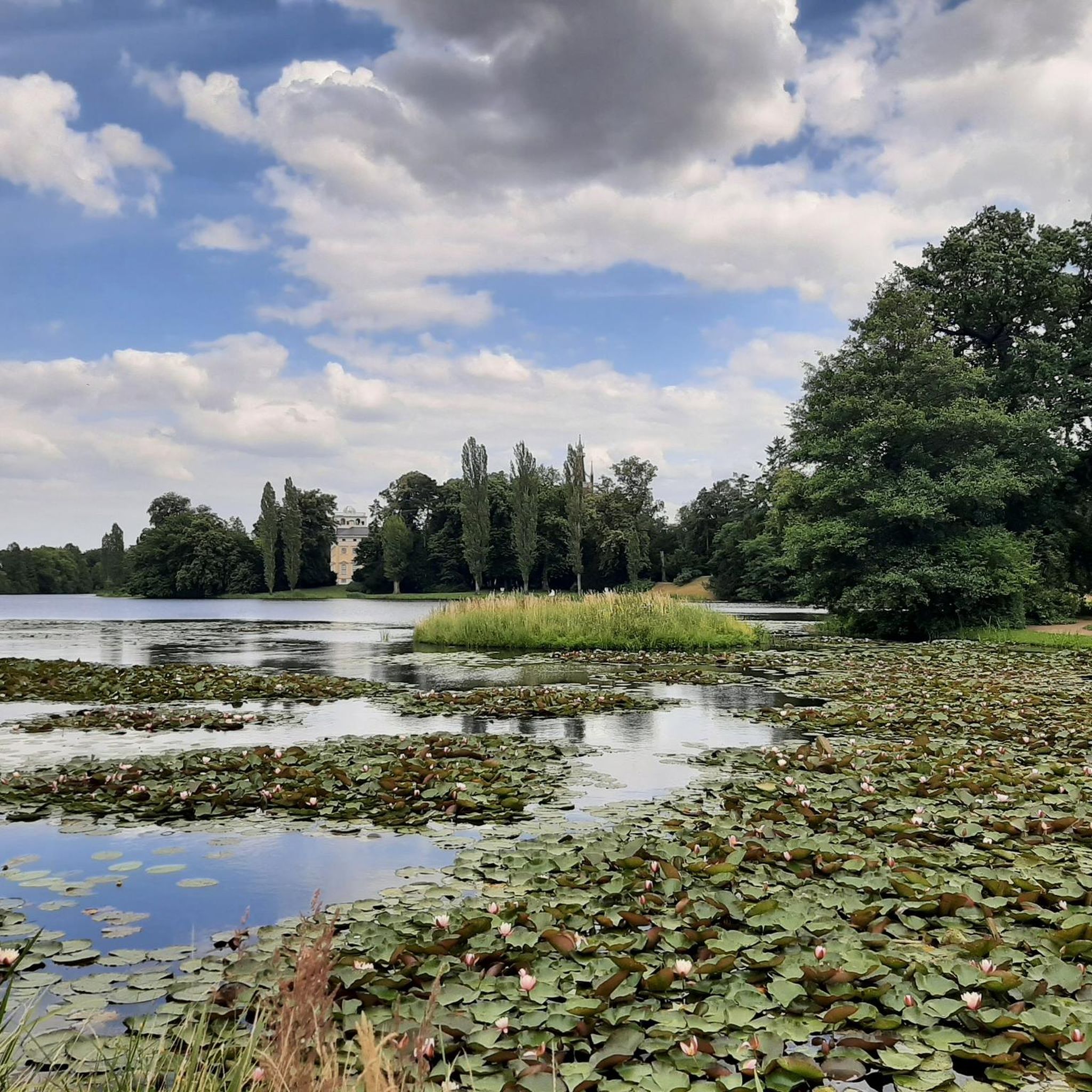
Road Cycling Routes around Oranienbaum-Wörlitz
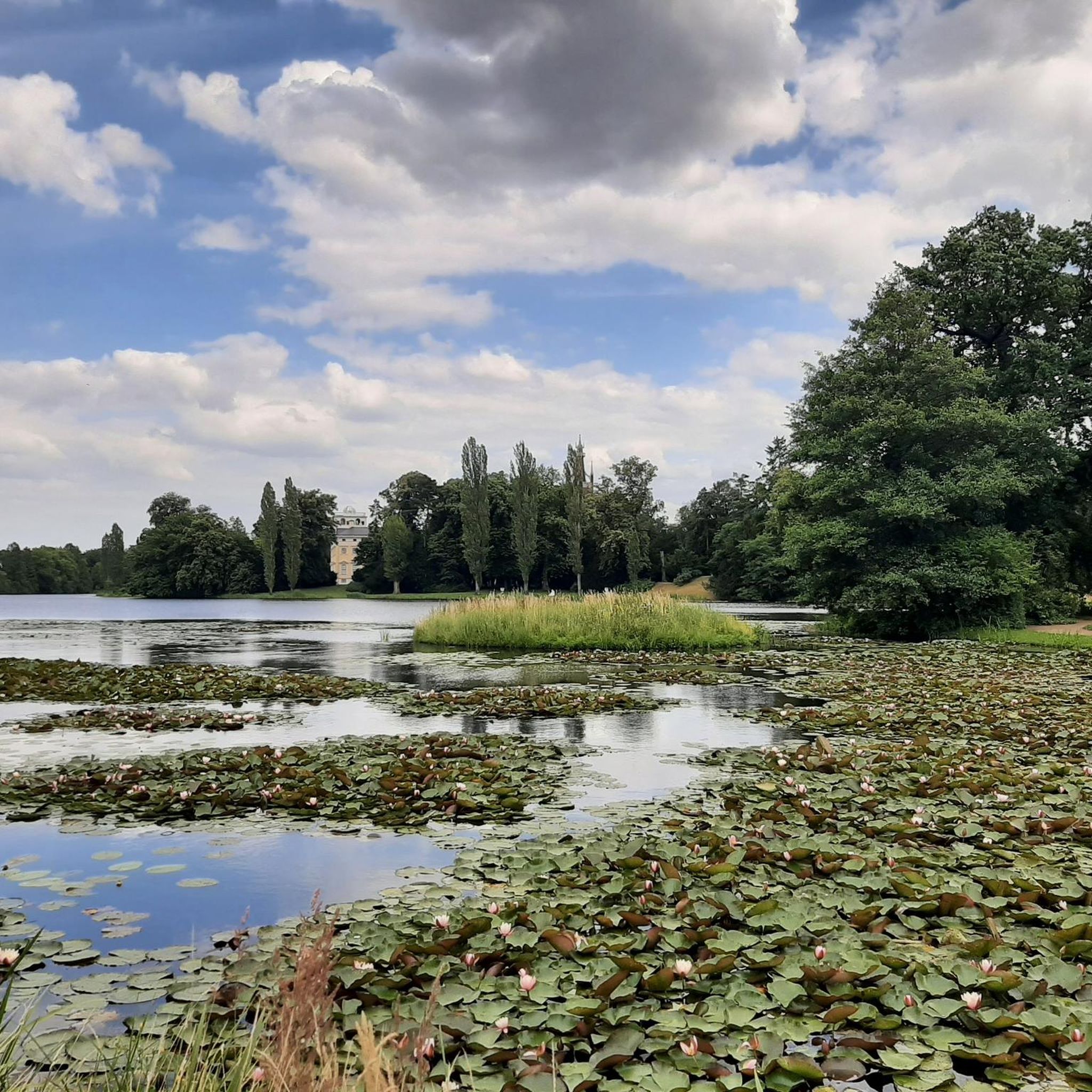
Running Trails around Oranienbaum-Wörlitz
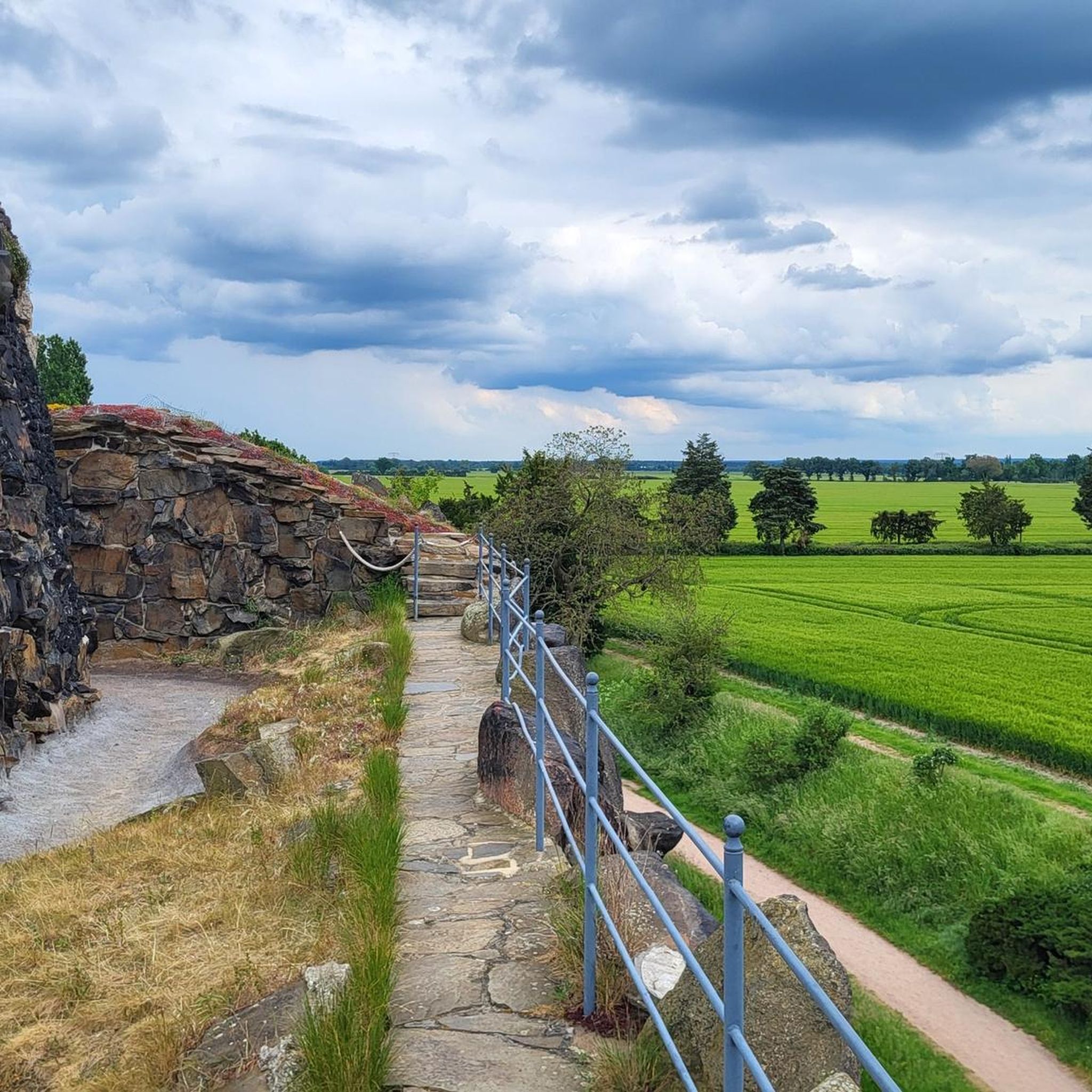
MTB Trails around Oranienbaum-Wörlitz
Gravel biking around Oranienbaum-Wörlitz


Tips from the Community

More information about the history can be found at https://de.wikipedia.org/wiki/Residenzschloss_Dessau
4
0
Dessau Palace was originally built in 1341 using stones from Waldeser Castle, also known as Waldersee Castle, which had been destroyed by flooding of the Mulde River.[3][4] The palace burned down in 1405 and again in 1467.[2] It was rebuilt by the Dessau princely brothers Johann IV, Georg III, and Joachim. Doubts have arisen regarding the previously assumed construction period of "around 1530/31" to 1533, following the discovery of letters from the princely brothers proving that building materials were ordered in Saxony as early as 1528 and 1529 and transported by raft on the Elbe River in 1529. This suggests that construction of the Johann Building must have begun as early as 1528.[5] The construction period for the stair tower, built at the same time, is confirmed to be between 1531 and 1533.[1] The palace wing was named after Prince Johann IV of Anhalt. [2][3][4][5][6][7][7][8][9][1] For a long time, Ludwig Binder (1512–1556), who demonstrably worked as a stonemason for the princes in Anhalt between 1531 and 1554, was considered the architect of the Johannbau. His stonemason's mark was found in six prominent locations in and on the stair tower of this building. Today we know that Ludwig Binder was only 17 years old at the start of construction, and thus too young to be the architect. According to the latest research, it is therefore assumed that the Johannbau was a joint project of Bastian Binder and his son (?) Ludwig.[6] Bastian Binder served, among others, as archbishop's master builder and architect under Cardinal Albrecht of Brandenburg. According to records, he stayed in Dessau several times in 1531/32.[7] [6] Stylistically, the Johannbau is classified as belonging to the Early Renaissance, as the architectural ornamentation on the round-arched gables, windows, portals, as well as in the balcony and the spiral staircase above it, exhibits characteristic features such as spheres and fleur-de-lis tracery friezes. The formal language corresponds to the transitional period from Late Gothic to Renaissance,[8] as can also be found in other early buildings of the Saxon Renaissance. Source: https://de.wikipedia.org/wiki/Residenzschloss_Dessau
4
0
Dessau Palace, also known as Dessau City Palace, is a partially preserved palace complex located in the former old town of Dessau. It served as the residence of the Princes and Dukes of Anhalt-Dessau. Of the multi-winged palace, only the so-called Johannbau, the former west wing and oldest part of the palace, remains today. It was one of the first Renaissance buildings in Central Germany.[1][2] Source: https://de.wikipedia.org/wiki/Residenzschloss_Dessau
5
0

The Wörlitzer 🏰 was built between 1769 and 1773 by Friedrich Wilhelm von Erdmannsdorff. In the region, it is often referred to as the "Little White House."
21
0
Along with Wörlitz Park, Georgium is the largest and most historically significant landscape park in the English-style Dessau-Wörlitz Garden Kingdom. It was created by and named after Prince Johann Georg, the younger brother of Prince Leopold III Friedrich Franz of Anhalt-Dessau. Georgium Palace and several other garden buildings now house the Anhaltische Gemäldegalerie Dessau, one of the most important collections of Old Masters in Central Germany. Originally located just outside the royal city of Dessau, the park and palace are now located in the Ziebigk district of Dessau-Roßlau. They have been a UNESCO World Heritage Site since November 2000. Source: https://de.wikipedia.org/wiki/Georgium
5
0
The Johannbau was first expanded between 1571 and 1580. The north wing, which was first mentioned in 1571, was demolished in 1708 by Prince Leopold, turning the palace into a three-wing complex.[9] Between 1748 and 1753, the building was redesigned and expanded according to designs by Georg Wenzeslaus von Knobelsdorff. The west wing was retained, contrary to what was planned in the design.[8] For a long time, the old Johannbau had only long halls on all floors, in which the cavalry and the mounted entourage of the court's guests were housed. It was not until later that it was divided into smaller rooms. The east wing, with a view of the Mulde and the Tiergarten, a floodplain forest on the other side of the river, housed the chambers of the princely family. In the south wing, above the court kitchen, was the magnificent ballroom.[10] Source https://de.wikipedia.org/wiki/Residenzschloss_Dessau
3
0
The Dessau Residence Palace was originally built in 1341 from the stones of the Waldeser Castle, also known as Waldersee Castle, which had been destroyed by the Mulde flood.[3][4] The castle burned down in 1405 and 1467.[2] A new building was built by the Dessau princely brothers Johann IV, Georg III and Joachim. Doubts arose about the previously assumed construction period of "around 1530/31" to 1533 when letters from the princely brothers were found which prove that building materials had already been ordered in Saxony in 1528 and 1529 and brought in by raft on the Elbe in 1529. This means that construction of the Johann building can be dated to 1528.[5] For the stair tower, which was built at the same time, a construction period of 1531 to 1533 is certain.[1] The palace wing was named after Prince Johann IV of Anhalt. For a long time, Ludwig Binder (1512–1556), who was verifiably employed as a stonemason for the princes in Anhalt between 1531 and 1554, was considered the master builder of the Johannbau. His stonemason's mark was located in six prominent places in and on the stair tower of this building. Today we know that Ludwig Binder was only 17 years old when construction began, so he was still too young to be the architect who designed it. According to the latest research, it is therefore assumed that the Johannbau was a joint work of Bastian Binder and his son(?) Ludwig.[6] Bastian Binder was, among other things, the archbishop's architect and master builder in the service of Cardinal Albrecht of Brandenburg. According to evidence, he stayed in Dessau several times in 1531/32.[7] Stylistically, the Johannbau is classified as early Renaissance, as the architectural decoration on the round-arch gables, windows, portals, as well as in the balcony and the spiral stone rising above it, has characteristic features such as balls and lily tracery friezes. The formal language corresponds to the transition period from the late Gothic to the Renaissance,[8] as can also be found in other early buildings of the Saxon Renaissance. Source https://de.wikipedia.org/wiki/Residenzschloss_Dessau
4
0
More information at https://www.gartenreich.de/de/schloesser-u-gaerten/georgium
5
1
Frequently Asked Questions
What architectural styles can I expect to see among the castles in the Oranienbaum-Wörlitz Garden Kingdom?
The castles in the Oranienbaum-Wörlitz Garden Kingdom showcase a diverse range of architectural styles. You'll find the first purely Neoclassical palace on the European mainland at Wörlitz Castle, distinct Dutch Baroque influences at Oranienbaum Palace, and the elegant Rococo design of Mosigkau Palace. Luisium Palace also exemplifies Neoclassical country house architecture, while Georgium Palace features classical design within its art gallery.
Are there family-friendly activities at the castles in Oranienbaum-Wörlitz?
Yes, many castles and their surrounding parks offer family-friendly experiences. For instance, Wörlitz Castle and its park are ideal for leisurely strolls and gondola rides. Mosigkau Palace features a charming Rococo garden with a maze that children might enjoy. The expansive parks around most palaces, like Georgium Palace, provide plenty of space for families to explore.
What are some unique historical features of the castles in this region?
The region is rich in unique historical features. Wörlitz Castle is notable for its almost entirely preserved 18th-century interior. Oranienbaum Palace boasts rare leather wall hangings and one of Europe's longest orangeries. Mosigkau Palace is one of the few largely preserved Rococo ensembles in Central Germany, complete with an art gallery displaying Dutch masters in a unique, gapless style.
Can I explore the natural landscapes and viewpoints near the castles?
Absolutely. The Dessau-Wörlitz Garden Kingdom is renowned for its integration of architecture with nature. Wörlitz Park offers expansive English landscape gardens with lakes, canals, and even a replica of Mount Vesuvius. Georgium Palace is set within a large English landscape park that skillfully incorporates an existing alluvial forest. For a unique perspective, you can climb the tower of Wittenberg Castle for views over Wittenberg and the surrounding nature parks.
What outdoor activities, like cycling or hiking, are available near the castles?
The area around Oranienbaum-Wörlitz is excellent for outdoor activities. You can find numerous routes for gravel biking, mountain biking, and general cycling. For example, explore the Elbe Floodplains on an easy gravel biking loop from Dessau Hauptbahnhof, or try a moderate MTB trail around Lake Bergwitz. You can find more detailed routes and guides for gravel biking, MTB trails, and cycling in the region.
What is the best time of year to visit the castles and parks?
The Dessau-Wörlitz Garden Kingdom is beautiful throughout the year, but spring and summer offer lush greenery and pleasant weather for exploring the extensive parks and gardens. Autumn brings vibrant fall colors, making it another picturesque time to visit. While some indoor attractions might have reduced hours, visiting in winter can offer a serene, less crowded experience, especially for appreciating the architecture.
Are there any less crowded castles or palaces to visit in the area?
While Wörlitz Palace is very popular, you might find a more tranquil experience at Luisium Palace, known for its intimate atmosphere and peaceful park. Mosigkau Palace also offers a charming, well-preserved Rococo ensemble that can be less bustling than the larger sites, allowing for a more relaxed exploration of its unique art collection and garden.
What are the differences between the experience at Oranienbaum Palace and Wörlitz Palace?
Oranienbaum Palace offers a distinct Dutch Baroque experience with its unique leather wall hangings and an English-Chinese garden featuring a pagoda and tea house. Wörlitz Castle, on the other hand, is celebrated as the first purely Neoclassical palace in Germany, with interiors reflecting Prince Franz's travels and a vast English landscape park known for its gondola rides and architectural follies. Oranienbaum provides a blend of Dutch and Chinese influences, while Wörlitz focuses on classical ideals and an expansive, educational landscape.
What kind of art collections can be found in the castles of the Dessau-Wörlitz Garden Kingdom?
The castles house significant art collections. Wörlitz Castle contains valuable paintings by Italian and Dutch masters, antique sculptures, and English pottery. Mosigkau Palace features a gallery hall with important Baroque paintings by Dutch masters like Antonis van Dyck and Peter Paul Rubens. Georgium Palace houses the Anhalt Art Gallery of Dessau, with a rich collection of German and Dutch art, including works by Albrecht Dürer and Lucas Cranach the Elder.
How long should I plan for a visit to the castles and parks?
To fully appreciate the Dessau-Wörlitz Garden Kingdom, plan at least a full day, or ideally two, to explore multiple palaces and their extensive parks. For individual sites like Wörlitz Castle and its park, you could easily spend 3-4 hours, especially if you include a gondola ride. Smaller palaces like Luisium or Mosigkau might take 1-2 hours each, depending on your interest in the interiors and gardens.
Are there options for parking and public transport to reach the castles?
Information regarding specific parking facilities and public transport routes to individual castles is generally available through local tourism offices or the official Dessau-Wörlitz Garden Kingdom website. It's advisable to check these resources for the most current details on accessibility and transport options for each site you plan to visit. You can find more general information about the region at visitdessau.com.
Most popular routes around Oranienbaum-Wörlitz
Most popular attractions around Oranienbaum-Wörlitz

Get inspired with the komoot mobile app


Explore more
Looking for the best castles somewhere else? Discover other guides around Oranienbaum-Wörlitz:
