The best walks and hikes in the Iceland Mountains
4.5
(10090)
82,852
hikers
556
hikes
Hiking in the Iceland Mountains offers diverse landscapes shaped by volcanic activity, glaciers, and geothermal features. The region is characterized by lava fields, rhyolite mountains, and extensive glacial formations, including Europe's largest glacier, Vatnajökull. Hikers can explore areas with steam vents, hot springs, and numerous waterfalls and canyons. The terrain varies from lush, moss-covered valleys to barren black sand deserts, providing a range of experiences.
Best hiking trails in the Iceland Mountains
- The most popular hiking route is Öxarárfoss –…
Last updated: November 12, 2026
4.7
(585)
4,373
hikers
4.90km
01:18
50m
50m
Easy hike. Easily walkable paths.
4.7
(500)
3,435
hikers
4.88km
01:18
50m
50m
Easy hike. Easily walkable paths.

4.2
(134)
2,787
hikers
Easy hike. Easily walkable paths.
4.9
(205)
1,604
hikers
Hard hike. Good fitness required. Sure-footedness, sturdy shoes and alpine experience required.
4.9
(126)
994
hikers
4.62km
01:53
230m
230m
Moderate hike. Mostly walkable paths. Sure-footedness required.
4.8
(198)
1,566
hikers
5.98km
01:58
130m
130m
Hard hike. Sure-footedness, sturdy shoes and alpine experience required.
4.7
(127)
1,771
hikers
Hard hike. Sure-footedness, sturdy shoes and alpine experience required.
4.7
(98)
1,456
hikers
Hard hike. Sure-footedness, sturdy shoes and alpine experience required.
4.8
(196)
1,108
hikers
Easy hike. Easily walkable paths.
4.8
(108)
1,079
hikers
2.53km
00:41
20m
20m
Moderate hike. Mostly walkable paths. Sure-footedness required.
Get access to more routes and recommendations from other explorers.
Already have an account?
Our route recommendations are based on thousands of hikes, rides, and runs completed by other people on komoot.
Start today with a free account
Your next adventure awaits.
Popular around Iceland Mountains
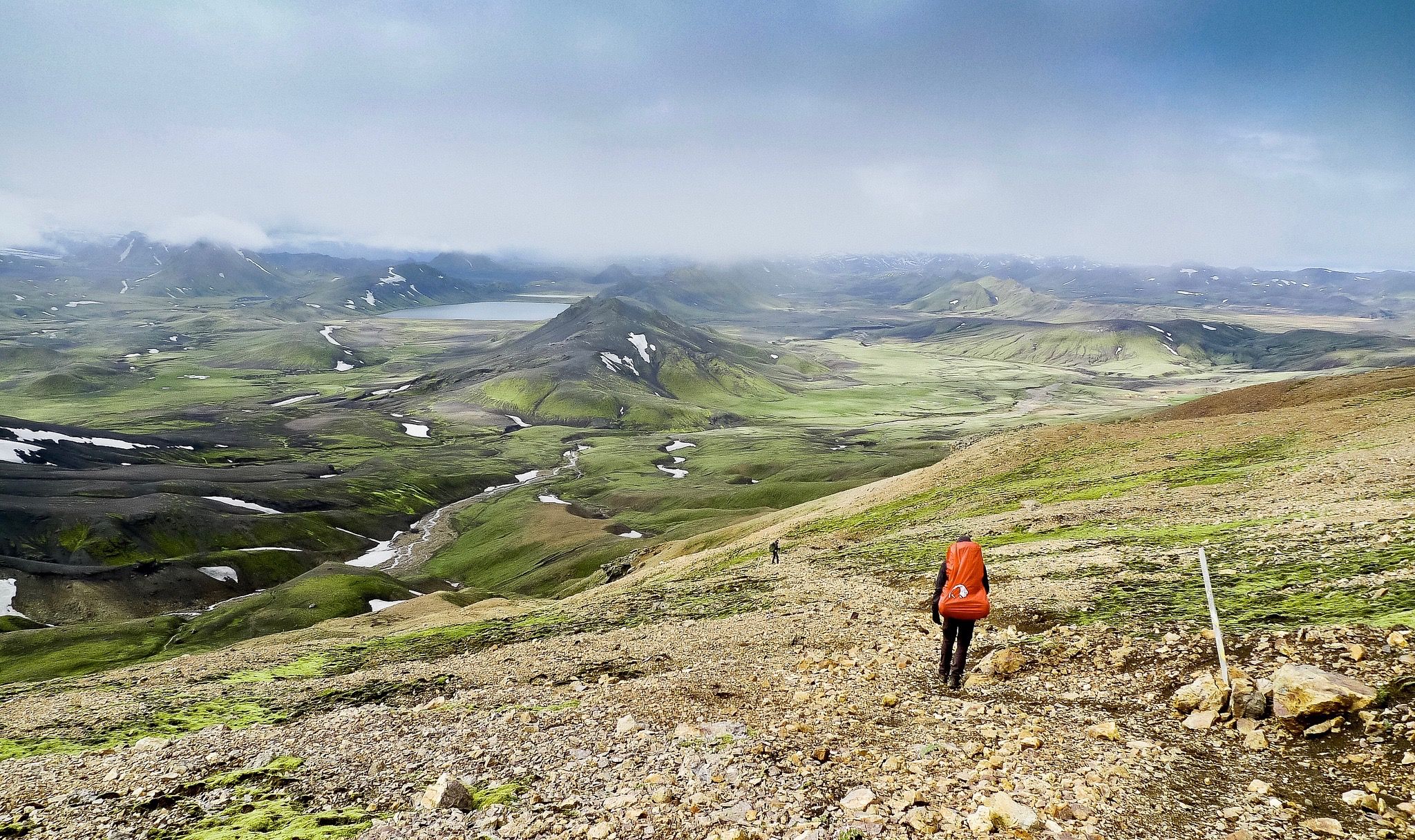
Laugavegur — 6 days trekking through Iceland
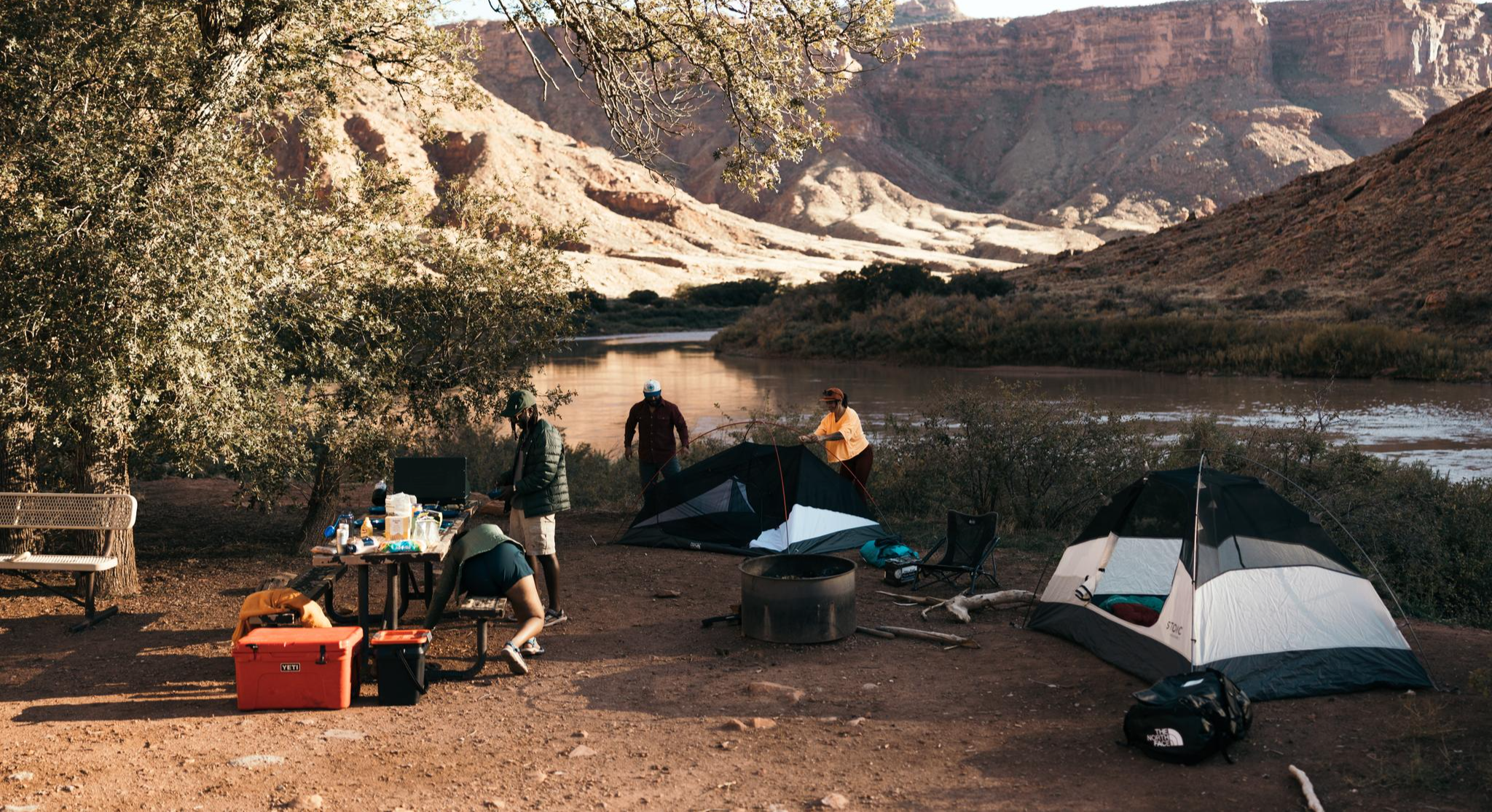
Glamping Adventures on Foot
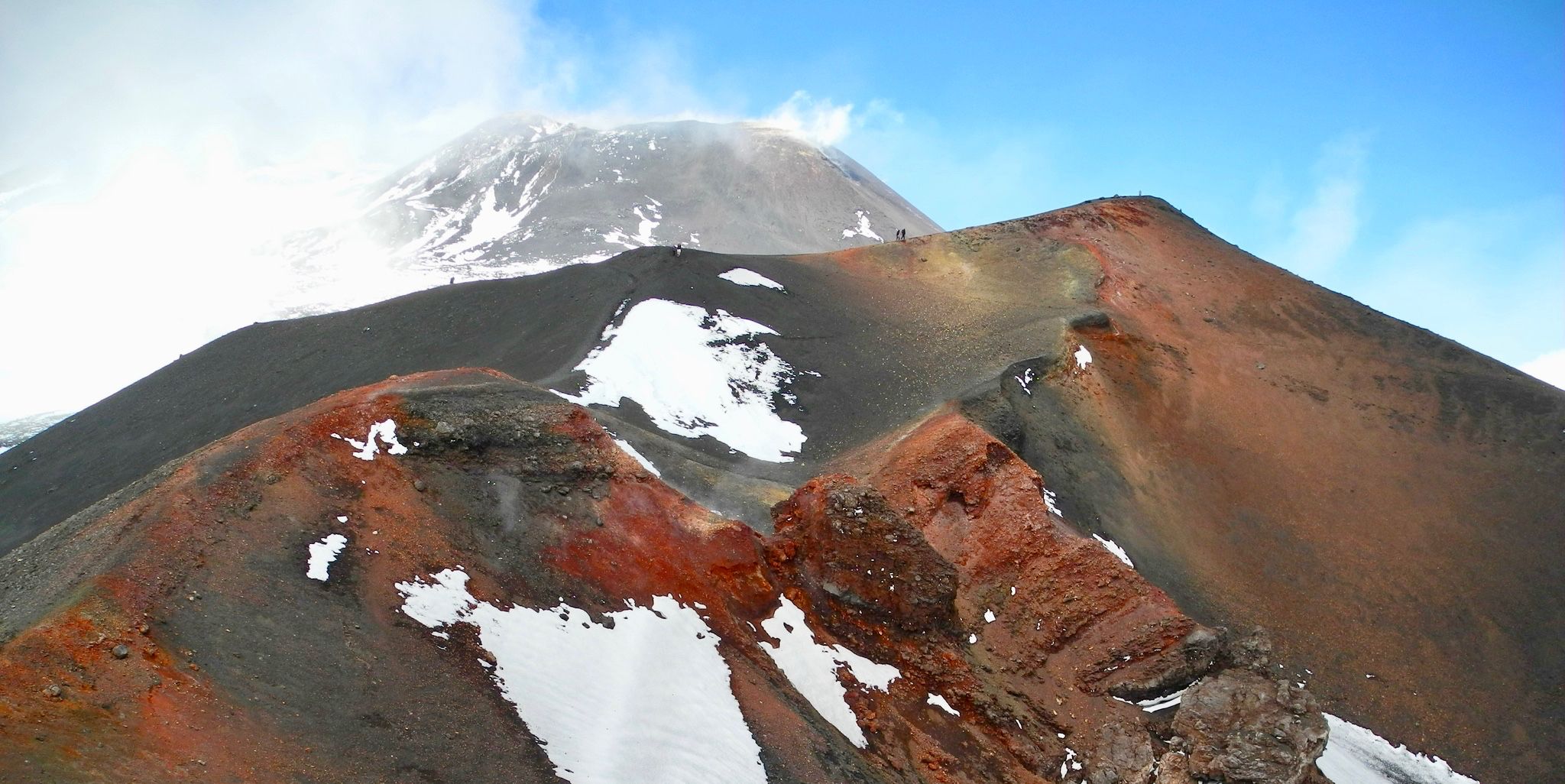
Holy mountains and their stories
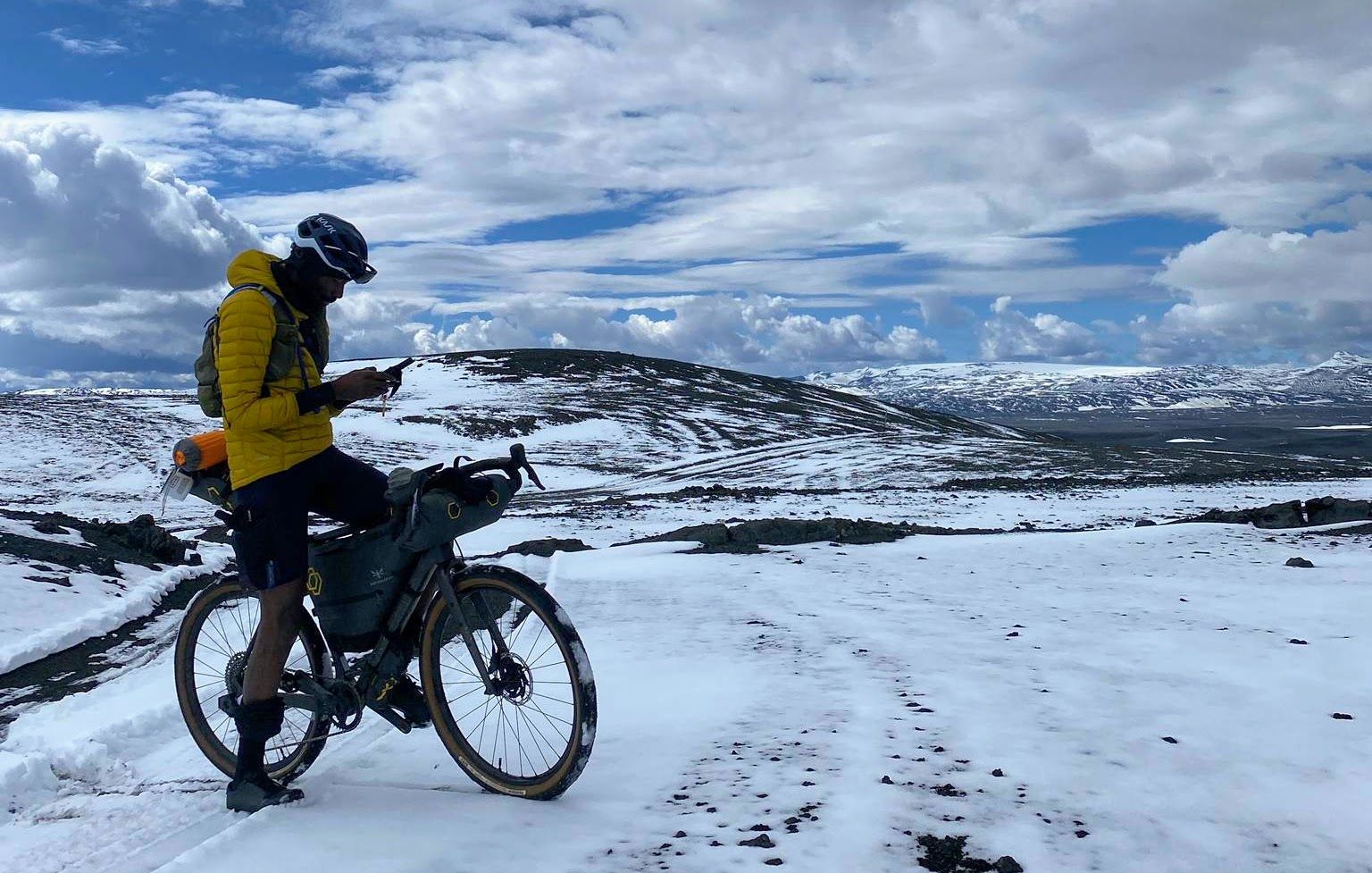
Iceland Divide – Lava fields, icy glaciers and river crossings
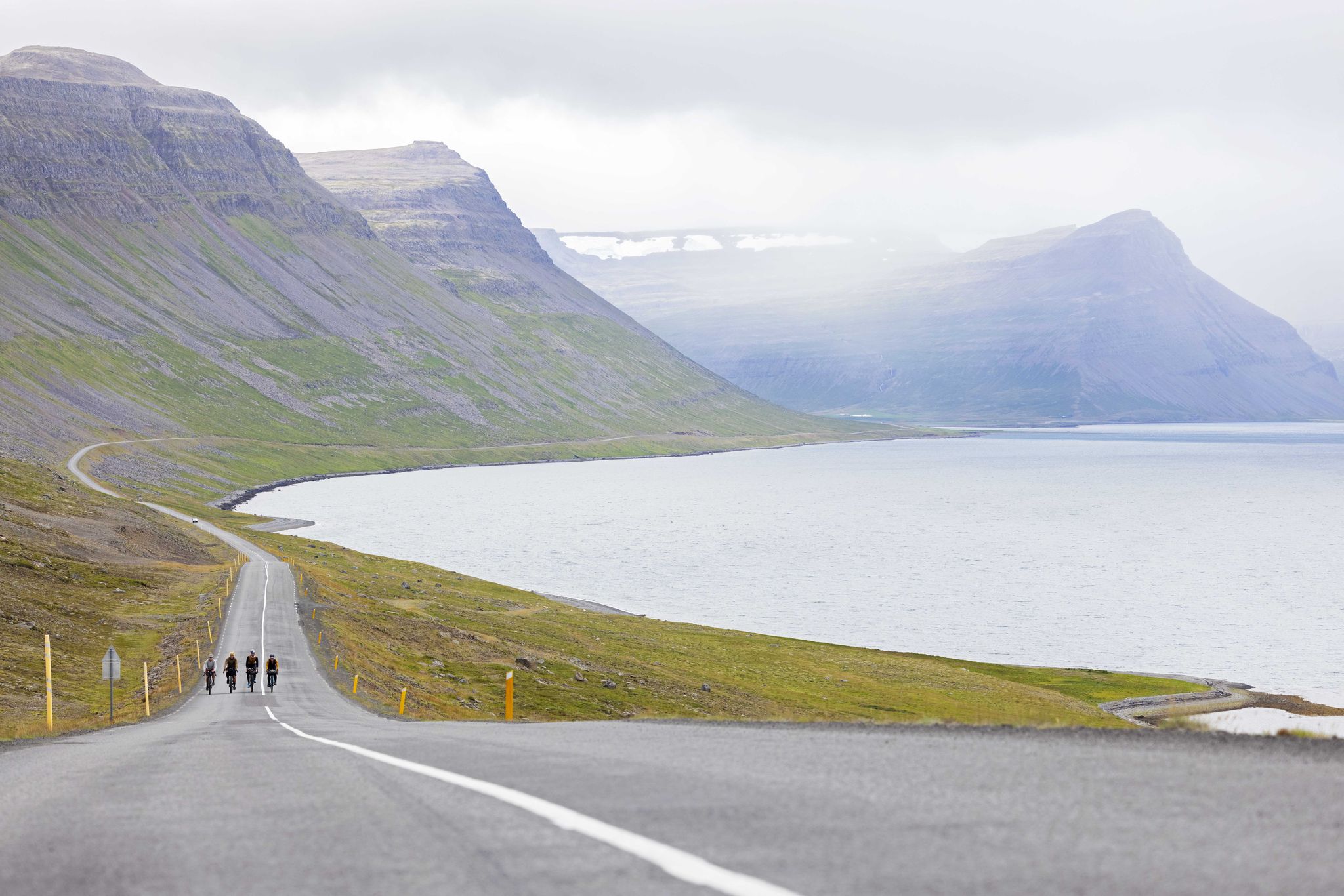
The Westfjords Way — Bikepacking Iceland's most remote coastline
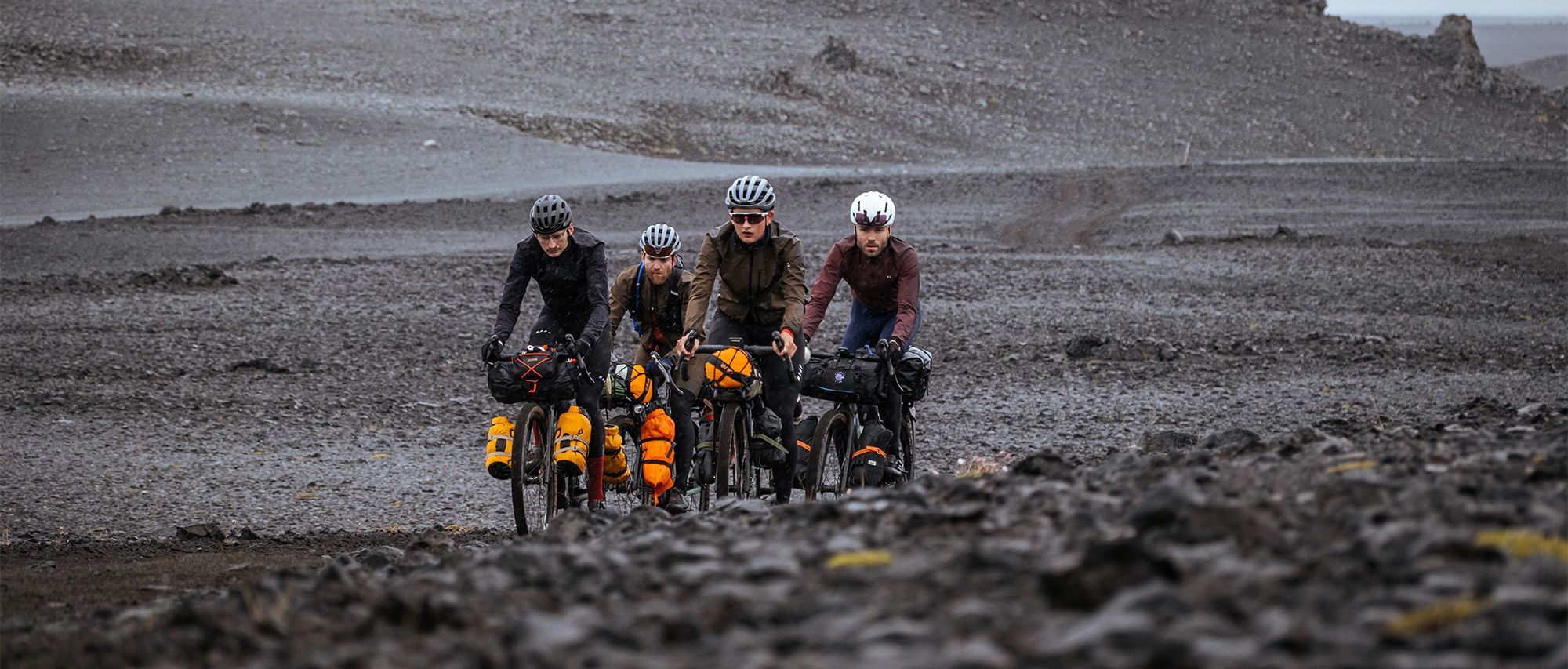
Iceland Divide — Ride Beyond Crew: between fire and ice
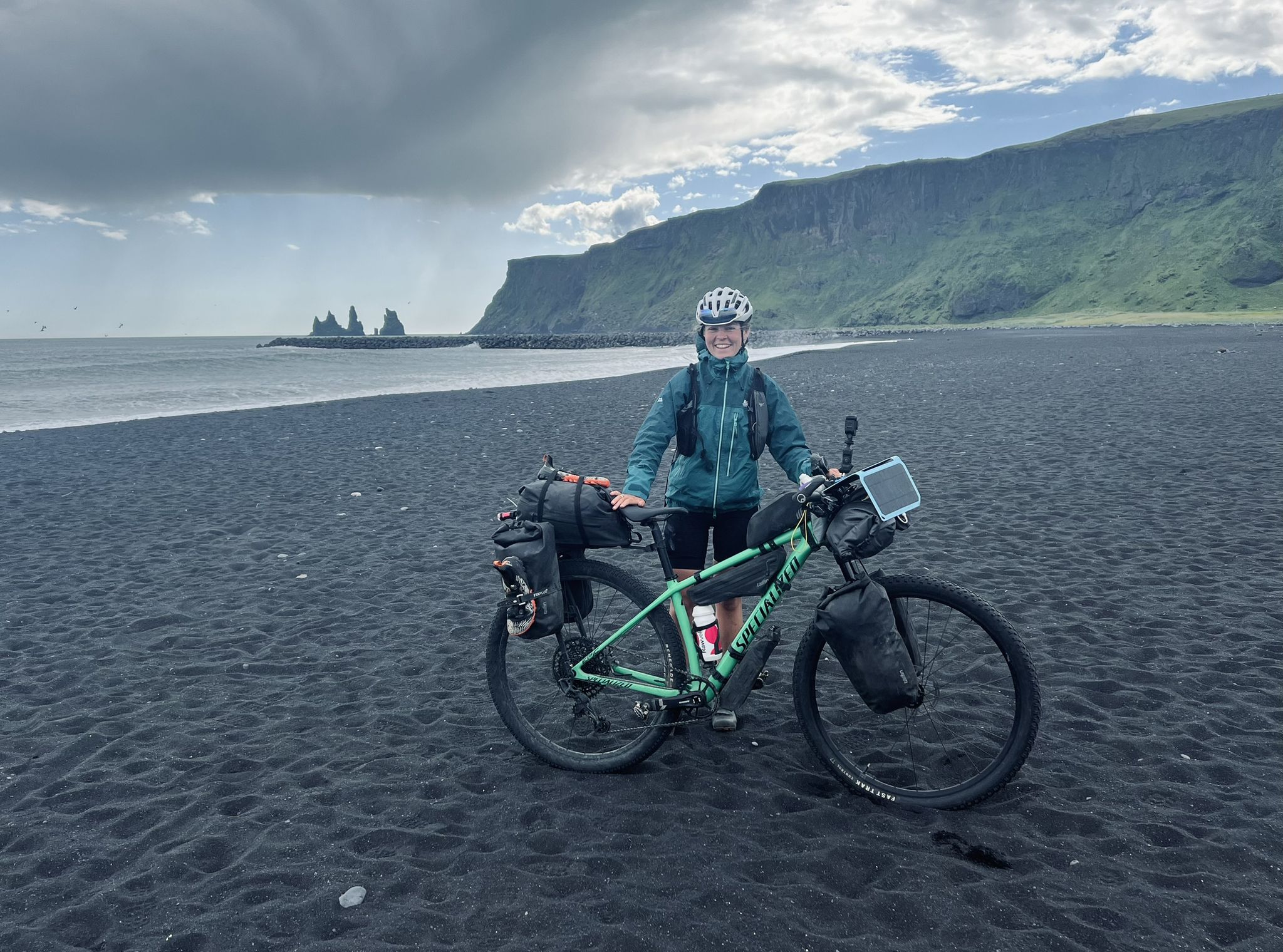
Solitude in the saddle – Iceland Divide
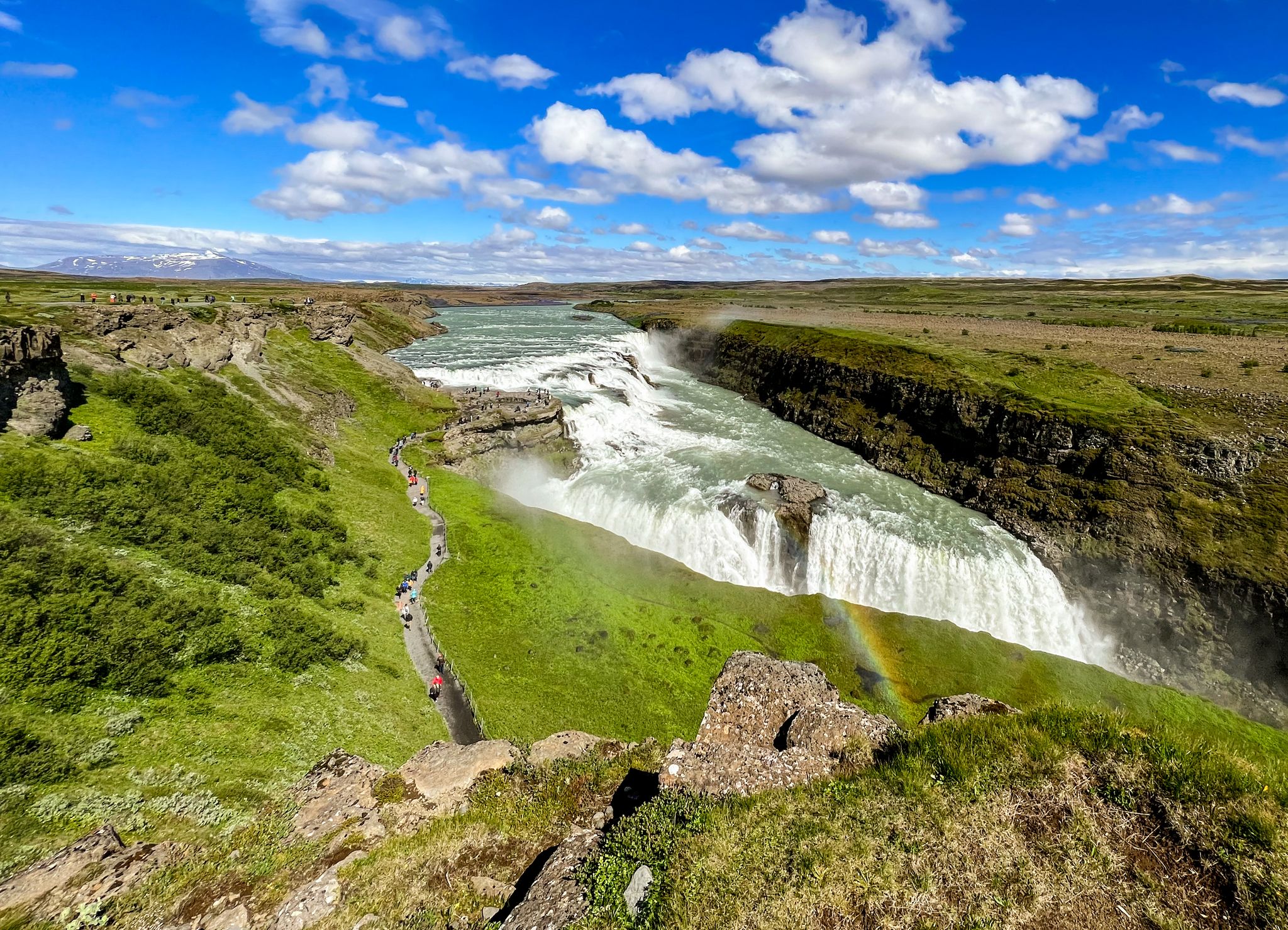
Icelandic Highlands – Kjölur and the northwest fjords
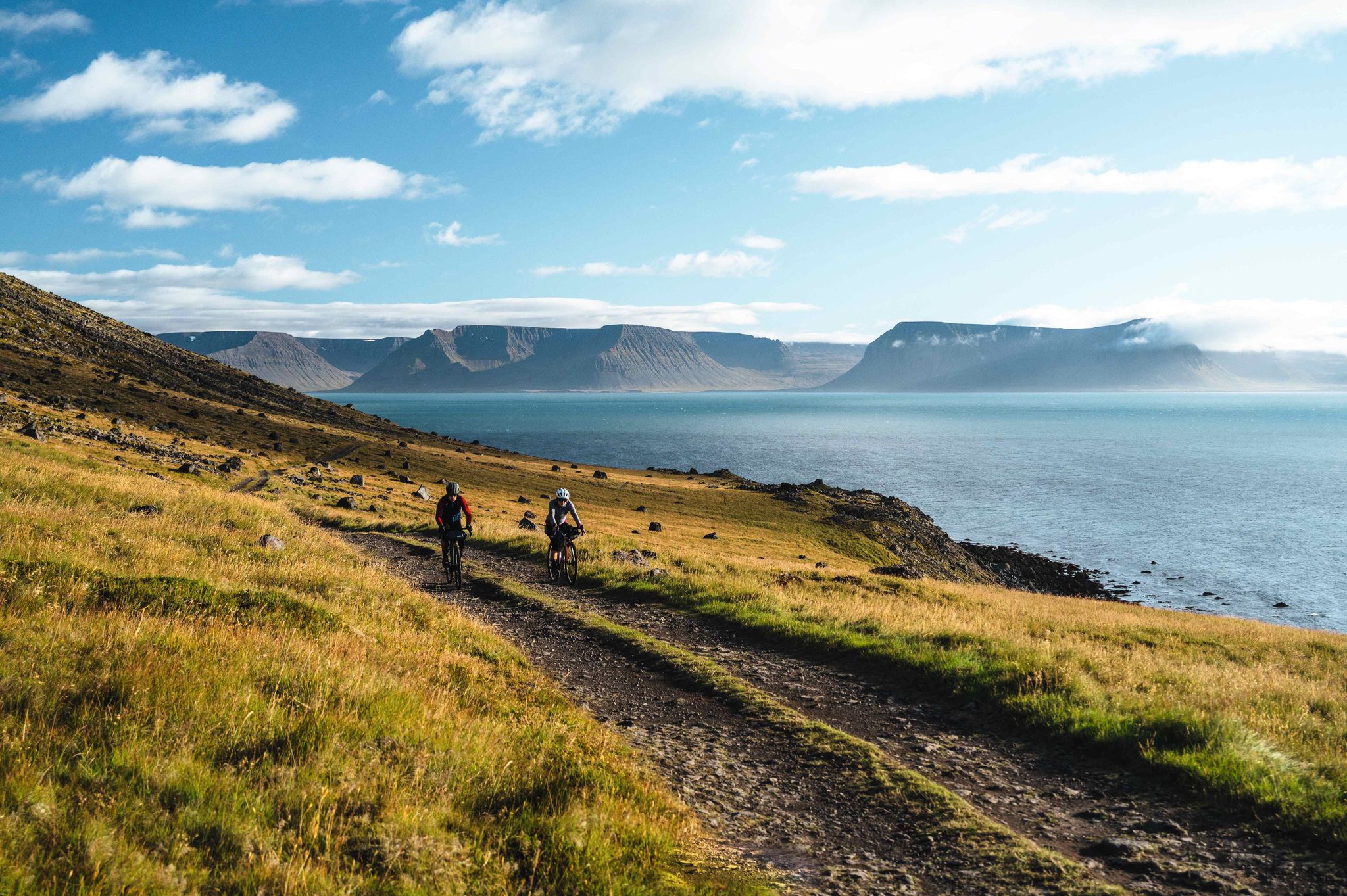
Gravel: Islands Westfjorde

Cycling in the Iceland Mountains
Other adventures in the Iceland Mountains


Tips from the Community

Via the footbridge you can quickly get from one side to the other. You also have nice views. Both sides are nice to look at 😊
2
0
The small river Gljúfurá flows below the waterfall through a crevice in the cliff and those who want to approach the waterfall must walk through this stream. After a few meters between the rock walls, a small space opens up into which Gljúfrabúi plunges. The way into the cave is possible due to the slippery and wobbly stones in the riverbed. 🙃
1
0
The Gljúfrabúi or Gljúfurárfoss is a waterfall near the well-known Seljalandsfoss. Although it is less than a kilometer away, you will be spared from the thousands of tourists here. The name Gljúfrabúi literally means 'the one who lives in the gorge'. The 40-meter-high waterfall is largely hidden behind a cliff face. From the outside, only the top and upper part are visible, then it disappears into an accessible gorge.
1
0
Seljalandsfoss is undoubtedly one of Iceland's most spectacular waterfalls. It is located on the Seljalandsá river, which comes from the area of the Eyjafjallajökull glacier. But as can be seen from the clear water, the Seljalandsá is not a glacial river, but a spring-fed river. In any case, Seljalandsfoss appears on virtually every list of the 10 most beautiful waterfalls in Iceland.
1
0
The Seljalandsfoss waterfall is located in southern Iceland near the Ring Road on the eastern edge of Eyjafjöll. Here too, we find several waterfalls close to each other. As in so many places in Iceland, the most magnificent waterfall is also the namesake and represents the travel destination. Seljalandsfoss plunges 66 meters from a high cliff into a small lake. This cliff was once the sea coast. However, the landmass of Iceland has been slowly but continuously uplifted over the millennia, and so the former cliff is now a drop-off in the land.
1
0
But Seljalandsfoss has something very special to offer: it is one of the few large waterfalls in the world where you can go behind the water curtain. A small, somewhat slippery path leads behind the cascading water. This inspires not only photographers. It is a very special experience. With a bit of luck, you can admire the roaring water in fantastic light.
1
0
The waterfall is very worth seeing and rain-repellent clothing and sturdy footwear are advantageous. 😊 A great experience, when do you get to go behind a waterfall?
1
0

To visit the waterfall free of charge, it is best to park in parking lot P3 in Thingvellir National Park. As far as we could see, this is the only free parking lot here. It takes about 15 minutes to get to the waterfall from the parking lot. On the way, you will first pass the Almannagja gorge, which is also very worth seeing, of course. Going down into the gorge involves a few stones/rocks, but this is not a major problem. After the gorge, the path is well-developed and very easy to walk. There are also a few seating options at the waterfall itself.
0
0
Frequently Asked Questions
How many hiking trails are available in the Iceland Mountains?
The Iceland Mountains region offers a vast network of over 580 hiking trails. These routes cater to various skill levels, with approximately 300 easy, 170 moderate, and over 100 difficult trails to explore.
What kind of terrain can I expect when hiking in the Iceland Mountains?
Hiking in the Iceland Mountains means encountering incredibly diverse terrain. You'll traverse landscapes shaped by volcanic activity, including lava fields and vibrantly colored rhyolite mountains. Expect to see glacial formations, steam vents, and hot springs. The trails can lead through lush, moss-covered valleys or stark, moon-like black sand deserts, offering a constantly changing and dramatic experience.
Are there any easy hikes suitable for families or beginners?
Yes, there are many easy trails perfect for families and beginners. A great option is the Öxarárfoss – Flosagjá Fissure loop from Þingvellir, an easy 3.2-mile (5.1 km) route that explores a significant fissure within a national park. Another accessible choice is the Sólheimasandur Plane Wreck loop, a 4.6-mile (7.4 km) path across a black sand plain to a notable landmark.
Can I bring my dog on the hiking trails in the Iceland Mountains?
While many areas in Iceland are dog-friendly, regulations can vary, especially within national parks and protected areas. It's always best to check specific rules for each trail or park you plan to visit. Generally, dogs should be kept on a leash to protect wildlife and ensure the safety of other hikers.
Are there any trails that feature waterfalls or unique geological formations?
Absolutely, Iceland is renowned for its spectacular waterfalls and unique geology. You can hike to the iconic Seljalandsfoss Waterfall and Öxarárfoss. The Litlanesfoss Waterfall – Hengifoss Waterfall loop is another excellent choice for waterfall enthusiasts. For geological wonders, explore the Flosagjá Fissure or the Eldborg Crater Ascent, which offers views of a volcanic crater.
What are some options for multi-day treks in the Iceland Mountains?
The Iceland Mountains are home to some of the world's most iconic multi-day treks. The Laugavegur trail is a famous 55-kilometer route through diverse landscapes, including geothermal areas, volcanic mountains, and glaciers, typically taking 3-4 days. The Fimmvörðuháls trail is another challenging multi-day option, offering stunning views between two glaciers and through new lava fields.
Are there circular hiking routes available?
Yes, many trails in the Iceland Mountains are designed as circular routes, allowing you to start and end at the same point. Examples include the Öxarárfoss – Flosagjá Fissure loop and the Sólheimasandur Plane Wreck loop. For a more challenging circular experience, consider the View over Landmannalaugar loop, which takes you through vibrantly colored rhyolite mountains.
How do other hikers rate the trails in the Iceland Mountains?
The trails in the Iceland Mountains are highly regarded by the komoot community, with an impressive average rating of 4.5 stars from over 5,900 reviews. Hikers frequently praise the region's unique and dramatic landscapes, the sense of adventure, and the opportunity to witness Iceland's powerful natural beauty up close.
What is the best time of year to go hiking in the Iceland Mountains?
The best time for hiking in the Iceland Mountains is generally during the summer months, from June to August. During this period, the weather is milder, daylight hours are long, and most trails are accessible. Outside of summer, conditions can be challenging due to snow, ice, and unpredictable weather, especially at higher elevations.
Is public transport available to reach trailheads?
Public transport options to reach trailheads in the Iceland Mountains can be limited, especially for more remote locations. Some popular areas, like Þingvellir National Park, may have bus services from major towns like Reykjavík. However, for many trails, particularly in the Highlands, a 4x4 vehicle or specialized tour bus services are often necessary. It's advisable to research transport options for your specific destination in advance.
Where can I find parking at popular trailheads?
Many popular trailheads in the Iceland Mountains, especially those leading to well-known attractions, offer designated parking areas. For instance, there's parking available for the Sólheimasandur Plane Wreck and near Seljalandsfoss Waterfall. In more remote areas like Landmannalaugar, parking facilities are also provided. Some parking areas may require a fee.
Do I need permits for hiking in national parks or specific areas?
While general hiking in Iceland typically doesn't require permits, certain national parks or protected areas might have specific regulations, especially for multi-day treks or camping. For example, some parts of the Highlands or popular routes like Laugavegur may require booking huts or campsites in advance, which effectively acts as a permit for access to facilities. Always check the official websites of the specific national park or nature reserve you plan to visit for the latest information on permits and regulations.
What are some notable landmarks or points of interest I can explore along the trails?
The Iceland Mountains are rich with landmarks and points of interest. You can visit the stunning Svartifoss waterfall, known for its basalt columns, or the historic Thingvellir National Park, a UNESCO World Heritage site. The Flosagjá Fissure and Almannagjá Rift offer insights into the Mid-Atlantic Ridge. For a unique experience, explore the colorful rhyolite mountains around Landmannalaugar.
Most popular routes in the Iceland Mountains
Most popular attractions in the Iceland Mountains

Get inspired with the komoot mobile app


Explore more
Browse the best Hikes in other regions.
