The best cycling routes in Arthur Kunz County Park
5.0
(5)
79
riders
14
rides
Touring cycling routes in Arthur Kunz County Park traverse 93 to 104 acres of diverse landscapes, including hilly woodlands, tidal creeks, and mixed deciduous forests. The park features rolling hills and valleys, offering varied elevation changes for cyclists. Situated on the western bank of the Nissequogue River, the area provides scenic vistas of the river and its changing shoreline. Arthur Kunz County Park also serves as a scenic link in the extensive Long Island Greenbelt Trail system.
Best touring cycling…
Last updated: June 5, 2026
5.0
(1)
8
riders
50.2km
03:04
420m
420m
Moderate bike ride. Good fitness required. Mostly paved surfaces. Suitable for all skill levels.
4
riders
64.4km
04:07
610m
610m
Hard bike ride. Very good fitness required. Mostly paved surfaces. Suitable for all skill levels.

Sign up for free
3
riders
21.4km
01:20
200m
200m
Moderate bike ride. Good fitness required. Mostly paved surfaces. Suitable for all skill levels.
5.0
(1)
6
riders
37.8km
02:24
400m
400m
Moderate bike ride. Good fitness required. Mostly paved surfaces. Suitable for all skill levels.
5
riders
18.7km
01:24
90m
90m
Easy bike ride. Great for any fitness level. Mostly paved surfaces. Suitable for all skill levels.
Get access to more routes and recommendations from other explorers.
Sign up for free
Already have an account?
Our route recommendations are based on thousands of hikes, rides, and runs completed by other people on komoot.
Start today with a free account
Your next adventure awaits.
Login or Signup

Tips from the Community

Sunken Meadow State Park, a beloved coastal gem on Long Island's north shore, beckons visitors with its pristine beaches and scenic hiking trails. While the park's sandy shores and lush walking paths are well-known attractions, many overlook the hidden treasure that lies within – a 400-acre tidal marsh complex nestled south and west of the Nissequogue River's mouth.
0
0
Tucked away within the bounds of Sunken Meadow State Park lies a 400-acre tidal marsh, a hidden gem teeming with ecological significance. This salt marsh serves as a critical haven for a myriad of state-rare plant and animal species, offering nesting grounds and foraging areas for a diverse array of avian life. Beyond its role as a biodiversity hotspot, the marsh acts as a natural storm barrier, safeguarding coastal communities, and filtering pollutants from the water. In an era of climate change, preserving this uncommon and imperiled ecosystem has become an urgent priority, ensuring its continued existence for generations to come.
1
0

This beach is a nice spot for swimming, with restrooms, playground equipment, campsites and a refreshment stand. The water usually passes cleanliness standards.
0
0
These wetlands are designated as a state conservation area due to their important habitat for coastal fish and wildlife. Keep an eye out for abundant birds, including endangered species like the short-eared owl and pie-billed grebe. Although you're less likely to see them, the mudflats, channels, and wetlands also provide vital habitat for fish and marine invertebrates.
0
0

Cyclists are drawn to the enchanting allure of Asharoken Beach, NY. This scenic coastal retreat offers a serene escape with its soft sands, rhythmic waves, and panoramic views. Cyclists find respite in the tranquil atmosphere, where the combination of natural beauty and peaceful surroundings makes it an idyllic stop along their journey.
1
0
Avalon Nature Preserve, in Head of the Harbor, captivates with its diverse ecosystems. Spanning 216 acres, it features woodlands, wetlands, and serene trails, providing a peaceful haven for nature enthusiasts.
0
0

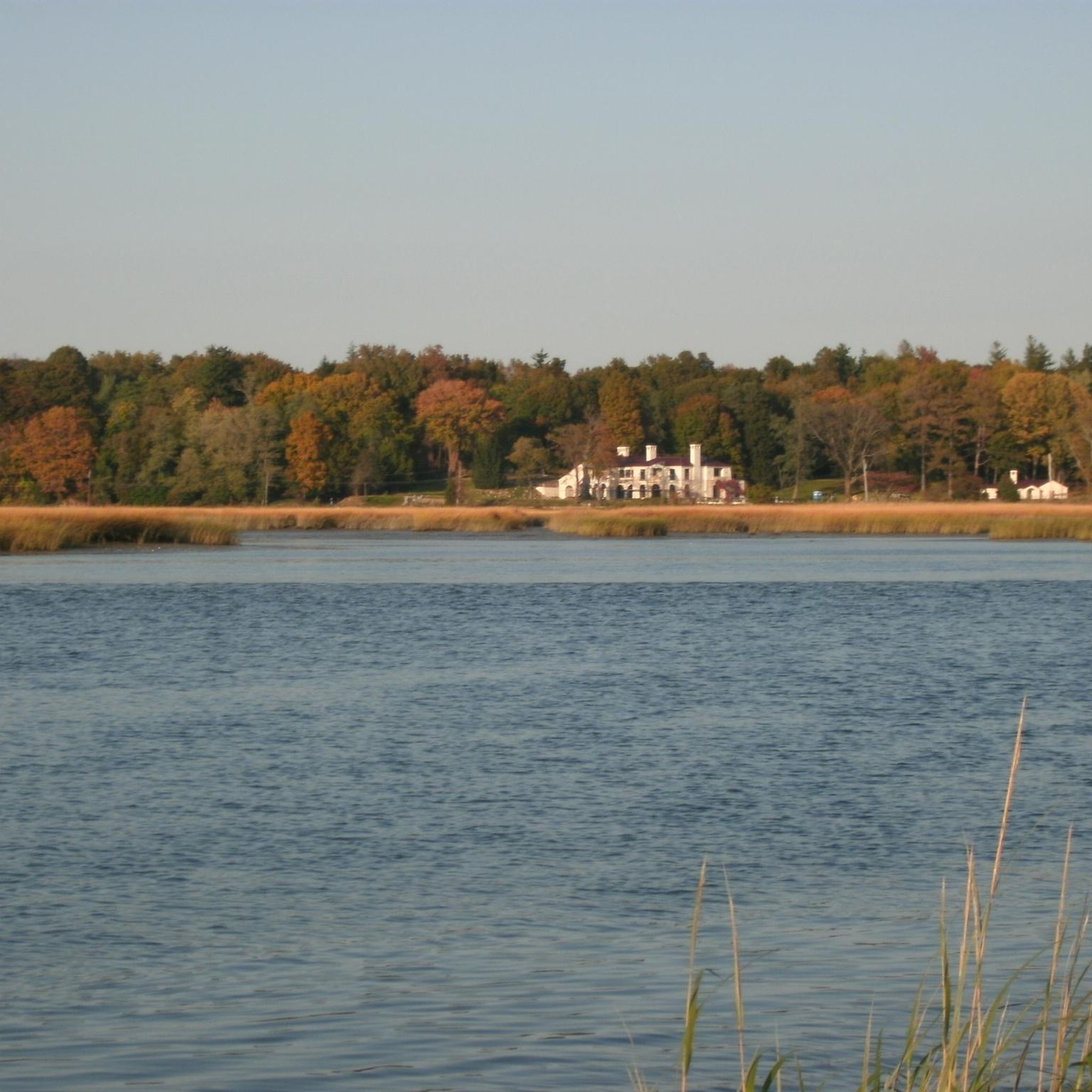
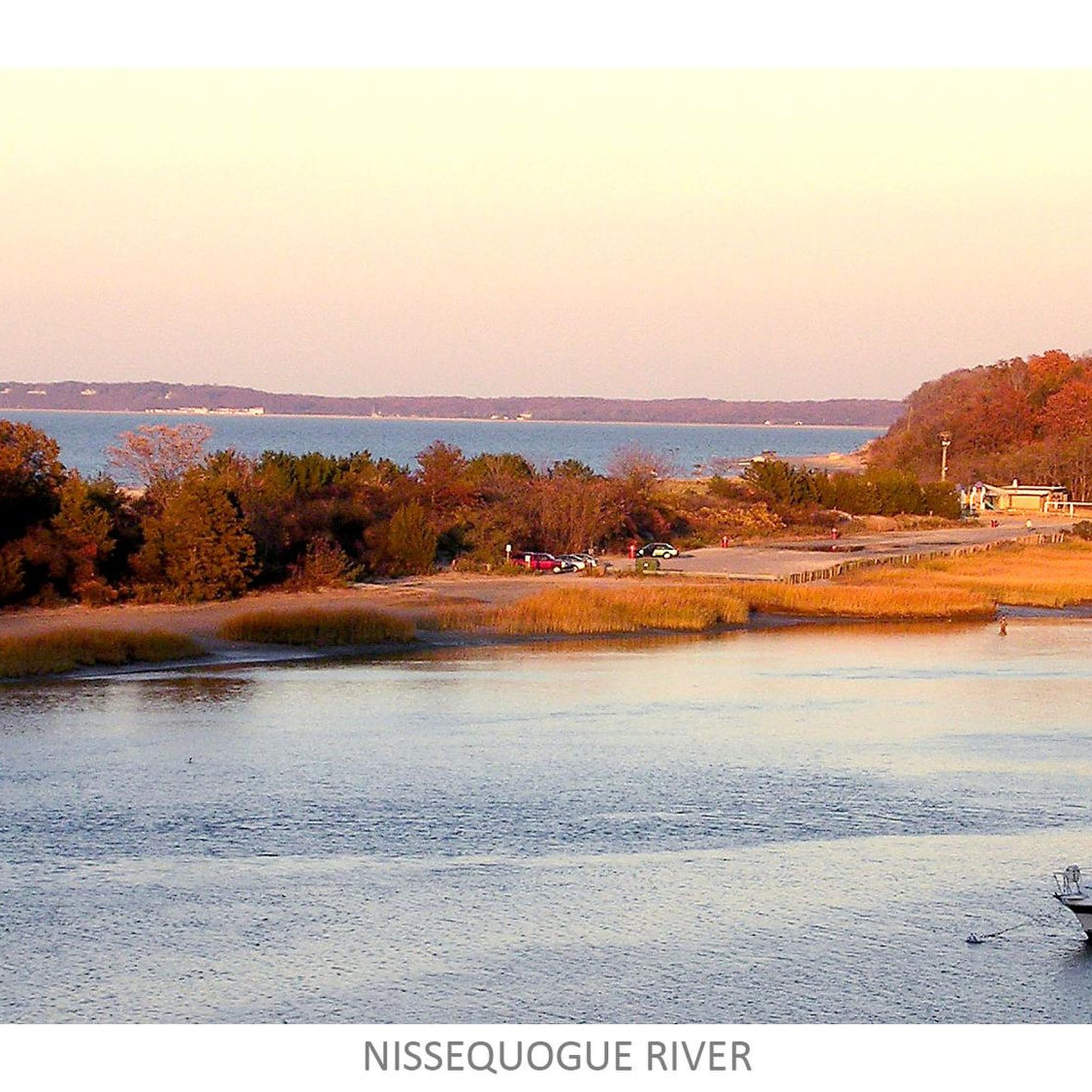
Situated on the western bank of the Nissequogue River, near its estuarine mouth, this 93 acre forested property is utilized primarily for hiking. Arthur Kunz County Park features tidal creeks, a lush, mixed deciduous forest, rolling hills and valleys, and quaint hidden ponds all of which provide important habitat for wildlife. The trail system in the park provides a scenic link in a section of the Long Island Greenbelt Trail which heads north from Arthur Kunz Park to its terminus at Sunken Meadow State Park.
0
0
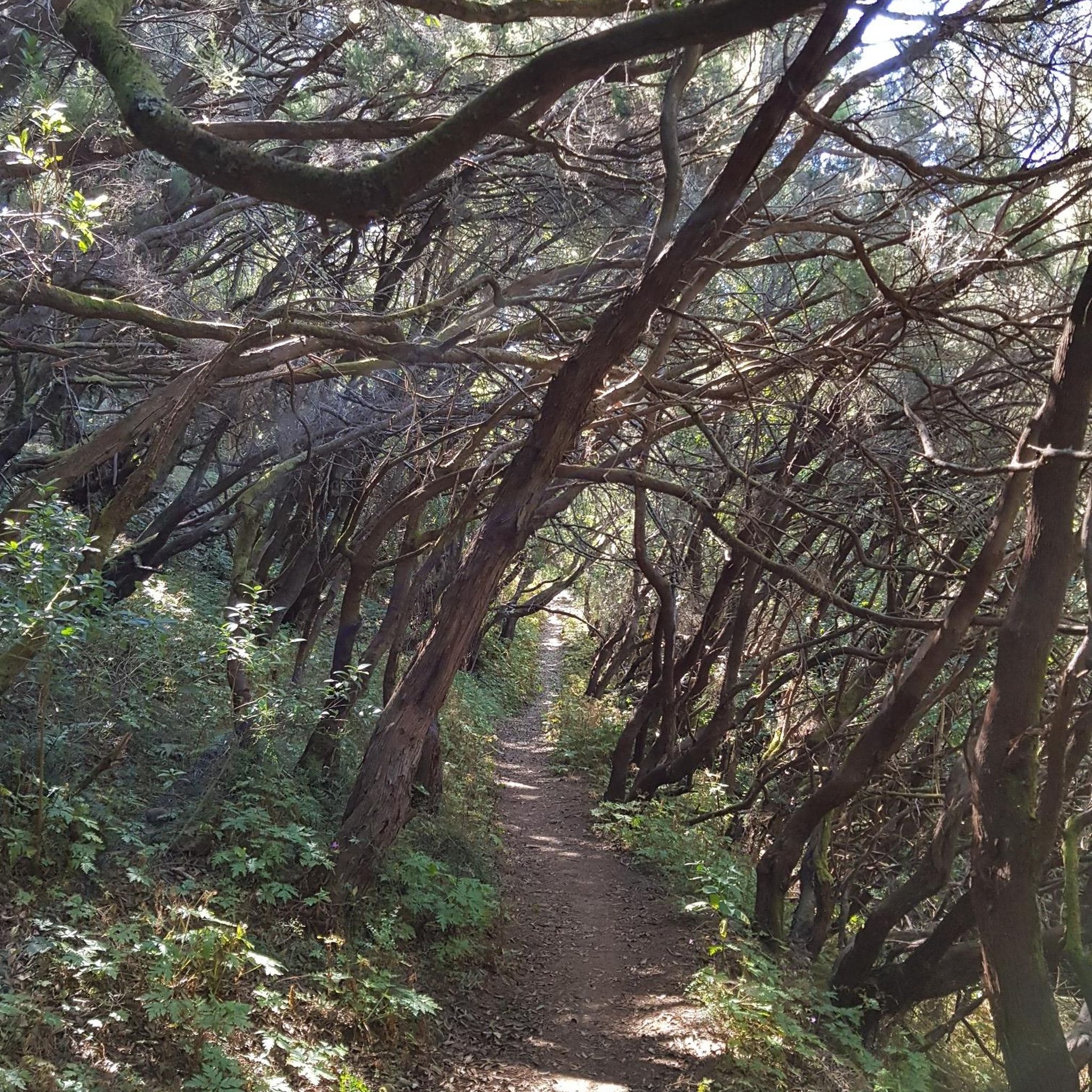
Gorgeous views all around, very quiet and secluded. It'd be a lovely spot to have lunch and read a book. The roads there are very hilly and the town it's in is quite wooded and forest-y; it doesn't feel like the usual strip-mall suburbs of Long Island.
0
0
Frequently Asked Questions
How many touring cycling routes are available in Arthur Kunz County Park?
There are 15 touring cycling routes available in Arthur Kunz County Park. These routes offer a range of experiences, from easy rides to more challenging excursions through varied terrain.
What is the general difficulty level of touring cycling routes in Arthur Kunz County Park?
The routes in Arthur Kunz County Park offer a diverse range of difficulty levels. You'll find 6 easy routes, 8 moderate routes, and 1 difficult route, ensuring options for cyclists of all experience levels. The park's varied terrain, including rolling hills and valleys, contributes to these different challenge levels.
Are there any challenging routes for experienced touring cyclists?
Yes, for experienced touring cyclists seeking a challenge, the park offers routes with significant elevation changes. The Arthur Kunz County Park – Meadowlark Park loop from Smithtown is a difficult 38.5-mile (62.0 km) path featuring extensive elevation changes through the park's diverse ecosystems.
Are there any easy or beginner-friendly touring cycling routes?
Yes, Arthur Kunz County Park offers 6 easy touring cycling routes, perfect for beginners or those looking for a more relaxed ride. These routes allow you to enjoy the park's natural beauty without significant physical exertion.
What kind of terrain can I expect on the touring cycling routes?
Touring cycling routes in Arthur Kunz County Park traverse diverse landscapes, including hilly woodlands, tidal creeks, and lush mixed deciduous forests. You can expect rolling hills and valleys, providing varied elevation changes. While many sections are suitable for touring bikes, some moderate and difficult routes may include unpaved sections where you might need to push your bike.
What scenic views or natural features can I expect to see while cycling?
Cyclists can enjoy frequent scenic vistas of the Nissequogue River and its changing shoreline, especially along routes on the western bank. The park is also characterized by dense, mixed deciduous forests, tidal creeks, and quaint hidden ponds, offering an immersive natural environment and a sense of 'instant seclusion'.
Can I see wildlife while cycling in the park?
Arthur Kunz County Park's diverse ecosystems, including woodlands, tidal creeks, and ponds, provide important habitats for various wildlife. While cycling, you may encounter local bird species, small mammals, and other creatures that thrive in this untouched natural setting.
Is there parking available for touring cyclists at Arthur Kunz County Park?
Yes, parking is available at Arthur Kunz County Park. It's advisable to check the park's official website or local signage for specific parking areas and any potential fees or restrictions before your visit.
Are the touring cycling routes in Arthur Kunz County Park circular?
Many of the touring cycling routes in and around Arthur Kunz County Park are designed as loops, offering circular journeys. For example, the popular Avalon Nature Preserve – Old Field Point Light loop from Smithtown is a 31.2-mile (50.2 km) route that brings you back to your starting point.
What do other touring cyclists enjoy the most about touring cycling in Arthur Kunz County Park?
The area is highly rated by the komoot community, with an average score of 5.0 stars from 5 reviews. Reviewers often praise the park's untouched, wild feel, the spectacular views, and the diverse terrain that offers a rewarding experience for those seeking a 'no-nonsense park that is all about the trails'.
What is the best time of year to go touring cycling in Arthur Kunz County Park?
The best time to go touring cycling in Arthur Kunz County Park is generally during the spring and fall months when the weather is mild and the natural scenery is particularly vibrant. Spring offers lush greenery and blooming flora, while fall showcases stunning autumn foliage. Summer can also be enjoyable, but it's wise to start early to avoid the midday heat.
Are there any routes that connect to the Long Island Greenbelt Trail?
Yes, Arthur Kunz County Park serves as a scenic link in the extensive 32-mile Long Island Greenbelt Trail system. This connection allows touring cyclists to integrate the park's trails into longer-distance routes along the Greenbelt, offering extended exploration opportunities.
Are there any cafes or places to eat near the cycling routes in Arthur Kunz County Park?
While Arthur Kunz County Park itself offers an 'instant seclusion' experience, the nearby town of Smithtown provides various options for cafes, pubs, and restaurants where you can refuel after your ride. It's a short distance from the park's main access points.
Most popular routes in Arthur Kunz County Park

Get inspired with the komoot mobile app


Explore more
Browse the best Cycling routes in other regions.
