The best running trails in Amagansett National Wildlife Refuge
4.5
(4)
109
runners
17
runs
Jogging routes in Amagansett National Wildlife Refuge traverse distinctive coastal landscapes along Long Island's south fork. The region is characterized by a unique double dune system, encompassing marine sand beaches, primary and secondary dunes, along with swales, fens, cranberry bogs, and oak scrub. These natural features provide varied terrain for running, primarily along the beach and adjacent roads. The refuge offers a refreshing coastal experience for runners seeking routes with natural beauty.
Best jogging routes in Amagansett National Wildlife Refuge
…Last updated: October 14, 2026
6
runners
5.86km
00:36
20m
20m
Moderate run. Good fitness required. Mostly paved surfaces. Suitable for all skill levels.
10
runners
10.2km
01:03
30m
30m
Moderate run. Good fitness required. Mostly paved surfaces. Suitable for all skill levels.

9
runners
4.89km
00:30
10m
10m
Easy run. Great for any fitness level. Mostly paved surfaces. Suitable for all skill levels.
4
runners
10.8km
01:07
30m
30m
Moderate run. Good fitness required. Mostly paved surfaces. Suitable for all skill levels.
4.5
(2)
3
runners
4.72km
00:32
30m
30m
Easy run. Great for any fitness level. Mostly paved surfaces. Suitable for all skill levels.
Get access to more routes and recommendations from other explorers.
Already have an account?
Our route recommendations are based on thousands of hikes, rides, and runs completed by other people on komoot.
Start today with a free account
Your next adventure awaits.
Popular around Amagansett National Wildlife Refuge


Tips from the Community

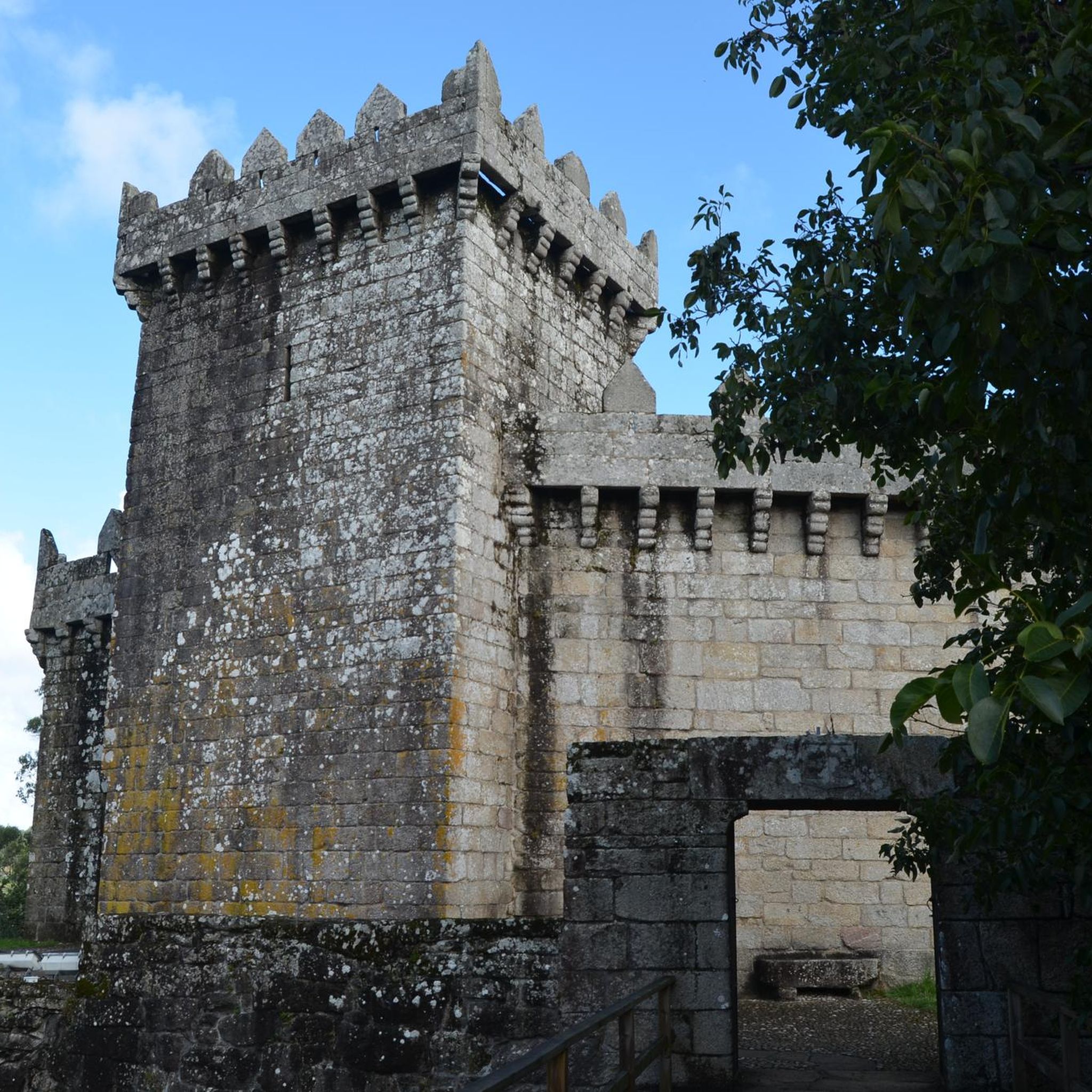
The Gardiner Windmill and Rev. Thomas James Homesite in East Hampton, New York, are integral to the area's history. Erected around 1804 by Nathaniel Dominy V, the Gardiner Windmill, also known as the Pantigo Windmill, is a Dutch-style gristmill that has stood as a testament to East Hampton's past. The Rev. Thomas James Homesite, associated with East Hampton's first settled minister, Reverend Thomas James, offers a glimpse into early colonial history. These two locations provide a glimpse into East Hampton's colonial heritage as you ride past.
0
0
Frequently Asked Questions
How many running routes are available in Amagansett National Wildlife Refuge?
There are over 15 running routes available in Amagansett National Wildlife Refuge, offering a variety of distances and difficulty levels for joggers.
What kind of terrain can I expect on the jogging routes in Amagansett National Wildlife Refuge?
The terrain primarily features marine sand beaches, primary and secondary dunes, and adjacent beachfront roads. You'll experience a refreshing coastal environment, with some routes offering views of the unique double dune system and varied plant life.
Are there routes suitable for beginners or those looking for an easy run?
Yes, there are several easy running options. For instance, the Running loop from Amagansett National Wildlife Refuge is an easy 3.1-mile (5.0 km) path that provides an accessible beach experience with scenic coastal views. Another easy option is the Town Pond loop from Town of East Hampton, which is 3.0 miles (4.9 km) long.
What are the natural highlights or viewpoints I might encounter while jogging?
While jogging, you'll experience the refuge's distinctive coastal landscapes, including its unique double dune system. During spring and summer, the secondary dunes and swales are home to rare orchids, wildflowers, and grasses. The beach section offers expansive ocean views, and you might spot various shorebirds, especially outside of nesting season. Adjacent roads also provide views of iconic Hamptons estates.
When is the best time of year to go jogging in Amagansett National Wildlife Refuge?
The best time to jog is generally outside of the shorebird nesting season. Public beach access is closed annually from March 30 through August 31 to protect fragile nesting habitats. During these months, you can utilize alternative jogging routes on nearby roads like Further Lane and Bluff Road. Outside of this period, the beach offers a flat, scenic route from sunrise to sunset.
Are there any restrictions or permits needed for jogging in the refuge?
While general jogging on open beach areas doesn't require a permit, it's crucial to be aware of the annual public beach access closure from March 30 through August 31 for shorebird nesting protection. During this time, beach jogging is restricted. For more detailed visitor information, you can check the official refuge website: fws.gov/refuge/amagansett/visit-us.
Is parking available near the jogging trails?
The region research indicates that the refuge is accessible, and adjacent beachfront roads offer running opportunities. While specific parking areas aren't detailed in the guide data, it's generally advisable to check local regulations for parking near beach access points or along the public roads that border the refuge.
Can I bring my dog on the running trails?
The region research does not explicitly state the dog policy for the refuge's jogging areas. National Wildlife Refuges often have specific rules regarding pets to protect wildlife. It's recommended to check the official Amagansett National Wildlife Refuge website for their current pet policy before bringing your dog: fws.gov/refuge/amagansett/visit-us.
Are there family-friendly running options in the refuge?
The easy beach sections, when open, can be suitable for families looking for a flat and scenic run. The Running loop from Amagansett National Wildlife Refuge (3.1 miles) is an easy option that could be considered family-friendly, offering an accessible coastal experience.
Are there any circular running routes?
Yes, many of the routes in the area are designed as loops. For example, the Town Pond loop from Town of East Hampton is a moderate 5.3-mile (8.5 km) circular route, and the Running loop from Town of East Hampton is a longer 6.2-mile (10.0 km) loop that takes you through coastal areas and adjacent roads.
What do other runners say about the jogging experience in Amagansett National Wildlife Refuge?
Over 75 runners have used komoot to explore the varied terrain of Amagansett National Wildlife Refuge. Users frequently appreciate the refreshing coastal experience, the unique natural beauty of the double dune system, and the options for both beach and road running.
Are there longer running routes for more experienced runners?
Yes, for those seeking a longer challenge, routes like the Running loop from Town of East Hampton offer a 6.2-mile (10.0 km) trail leading through coastal areas and adjacent beachfront roads, typically completed in about an hour. Adjacent roads like Further Lane and Bluff Road also allow for routes up to 12 miles.
Most popular routes in Amagansett National Wildlife Refuge

Get inspired with the komoot mobile app


Explore more
Browse the best Running Trails & Routes in other regions.
