Arthur R. Marshall Loxahatchee National Wildlife Refuge
Arthur R. Marshall Loxahatchee National Wildlife Refuge
The best walks and hikes in Arthur R. Marshall Loxahatchee National Wildlife Refuge
5.0
(5)
118
hikers
22
hikes
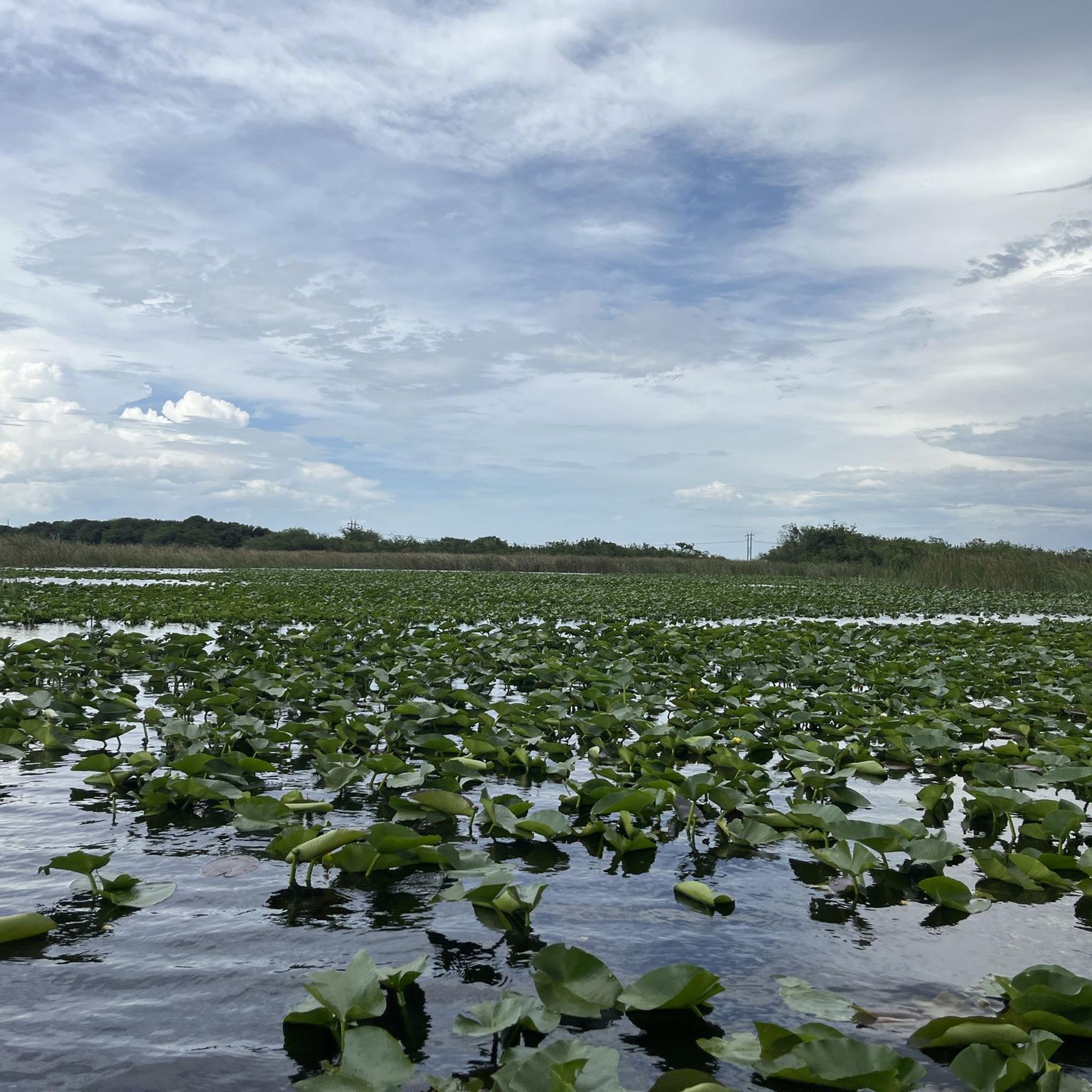
Hiking in Arthur R. Marshall Loxahatchee National Wildlife Refuge explores the northern edge of the Everglades. The landscape is characterized by vast freshwater marshes, cypress swamps, and a network of flat, grassy trails and gravel levees. The refuge's extensive trail system offers routes through diverse wetland ecosystems with minimal elevation change.
Best hiking trails in Arthur R. Marshall Loxahatchee National Wildlife Refuge
- The most popular hiking route is Cypress Trail & Marsh Trail loop — Loxahatchee Wildlife Refuge, a…
Last updated: July 21, 2026
3
hikers
1.63km
00:25
0m
0m
The Marsh Trail offers a serene and accessible journey into a unique wetland ecosystem, perfect for a quick nature fix. Imagine strolling along a path, possibly an elevated boardwalk, that…
2
hikers
680m
00:10
0m
0m
Step onto the Cypress Swamp Boardwalk Trail for a unique and accessible journey into Florida's wetlands. This easy 0.4-mile (0.7 km) hike, taking just 10 minutes with no elevation gain,…

Sign up for free
1.22km
00:18
0m
0m
The West Delray Regional Park Trail offers a surprisingly varied hiking experience for its short length, leading you through canopied tropics, past lakes, and alongside swampland that borders the Everglades.…
1
hikers
6.99km
01:45
0m
0m
Hike the 4.3-mile Cypress Trail & Marsh Trail loop in Loxahatchee Wildlife Refuge, exploring cypress swamps and open marshland.
5.0
(2)
9
hikers
4.21km
01:03
0m
0m
The Inner loop offers a delightful, easy hiking experience through varied terrain, perfect for a quick nature fix. You'll traverse singletrack paths, some made of wood chips, others natural dirt,…
Get access to more routes and recommendations from other explorers.
Sign up for free
Already have an account?
Our route recommendations are based on thousands of hikes, rides, and runs completed by other people on komoot.
Start today with a free account
Your next adventure awaits.
Login or Signup
Popular around Arthur R. Marshall Loxahatchee National Wildlife Refuge
Tips from the Community

This is the site of the observation tower. It isn't crazy tall, but there aren't many tall trees or hills on the property, so it's still a really great lookout.
0
0
The Marsh Trail in the Loxahatchee National Wildlife Refuge is a really popular trail that winds in and out of different meadows and wetland areas. There is an observation tower in the middle of the path that looks over the entire refuge.
0
0
The Cypress Trail within the Loxahatchee Wildlife Refuge is mainly a boardwalk through a jungle-like area. This riparian environment is home to a lot of different plants and animals and is as much a wilderness viewing trail as it is a hiking and jogging trail.
0
0
This is the site of the observation tower. It isn't crazy tall, but there aren't many tall trees or hill on the property, so it's still a really great lookout.
0
0
The Cypress Trail within the Loxahatchee Wildlife Refuge is mainly a boardwalk through a jungle-like area. This riparian environment is home to a lot of different plants and animals and is much a wilderness viewing trail as it is a hiking and jogging trail.
0
0
The Marsh Trail in the Loxahatchee National Wildlife Refuge is a really popular trail that winds in and out of different meadows and wetland areas. There is an observation in the middle of the path that looks over the entire refuge.
1
0
With views over all corners of the park, this observation is the pinnacle of the property. The structure is pretty roomy and can accommodate several groups of people at once.
0
0
Encompassing 365 acres, Wellington Environmental Preserve plays host to a paved path, boardwalks, and dirt equestrian trails that wind through a wetland environment. The paved path is flat and well-kept. It's a popular option since it leads to the observation tower at the back of the preserve.
0
0
Frequently Asked Questions
Are dogs allowed on the hiking trails in the Loxahatchee Refuge?
No, pets are not permitted on the trails, boardwalks, or levees within the Arthur R. Marshall Loxahatchee National Wildlife Refuge. This policy is in place to protect the native wildlife and their habitats.
What is the best time of year to hike in the refuge?
The best time to hike is during the dry season, from November to April. During these months, the weather is cooler, humidity is lower, and there are fewer insects. This period also offers excellent opportunities for birdwatching as many migratory species are present.
Are there any family-friendly or easy hikes available?
Yes, the refuge is well-suited for family outings. Most trails are flat and relatively short. A great option is the Inner loop — Wellington Environmental Preserve, an easy 2.6-mile (4.2 km) walk through a preserved wetland area. Another excellent choice is the Green Cay Trail loop, which is a short boardwalk trail perfect for all ages.
What kind of wildlife can I expect to see?
The refuge is a sanctuary for a diverse range of wildlife. American alligators are commonly seen in the canals and marshes. It's also a premier birdwatching destination, home to over 250 species including herons, egrets, snail kites, and the endangered wood stork. You might also spot turtles, various amphibians, and butterflies.
Which trails are best for birdwatching?
Most trails in the refuge offer good birdwatching opportunities. The Wakodahatchee Wetlands loop from Wakodahatchee Wetlands is particularly well-regarded for spotting wading birds and other waterfowl from its boardwalk path. The open marsh areas and levee trails also provide expansive views for spotting birds in flight.
What is the Cypress Swamp Boardwalk like?
The Cypress Swamp Boardwalk is a 0.4-mile accessible trail that offers an immersive experience through the largest remaining cypress strand in the eastern Everglades. It's a shaded, easy walk that allows you to see the majestic bald cypress trees and the unique ecosystem they support up close, without needing to worry about wet or muddy ground.
Are there any trails suitable for biking?
Yes, the perimeter levee trails in the refuge are open to both hiking and biking. These gravel paths offer long-distance routes with panoramic views of the surrounding wetlands. The Equestrian Trail loop — Wellington Environmental Preserve is a wide, flat trail that is also suitable for a gentle bike ride.
What should I pack for a hike in the Loxahatchee Refuge?
It's essential to bring plenty of water, especially during warmer months. Sun protection is crucial, so pack sunscreen, a wide-brimmed hat, and sunglasses. Insect repellent is highly recommended, particularly during the wet season (May to October). Binoculars are great for wildlife viewing, and a camera will help you capture the scenery.
Is there an entrance fee for the refuge?
Yes, there is a daily entrance fee for vehicles, pedestrians, and cyclists. The fees contribute to the maintenance and conservation of the refuge. For the most current fee information and pass options, it's best to check the official refuge website before your visit.
Are there guided hikes or ranger programs available?
The refuge often offers ranger-led programs, including guided walks and educational talks, especially during the peak season from November to April. These programs provide valuable insights into the area's ecology and wildlife. You can find a schedule of events and activities on the official FWS activities page.
How difficult are the trails in the refuge?
The terrain is almost entirely flat, with minimal elevation change. The trail network consists of boardwalks, flat grassy paths, and gravel levees. Most routes are rated as easy, with a few longer trails considered moderate due to their length rather than technical difficulty. This makes the area suitable for hikers of all abilities.
Most popular routes in Arthur R. Marshall Loxahatchee National Wildlife Refuge
Most popular attractions in Arthur R. Marshall Loxahatchee National Wildlife Refuge

Get inspired with the komoot mobile app


Explore more
Browse the best Hikes in other regions.
