Top 20 Lakes in Nidderdale Aonb
Best lakes in Nidderdale Aonb are primarily reservoirs, integral to the landscape of this AONB. These water bodies provide scenic beauty, wildlife habitats, and recreational opportunities within the region. Nidderdale AONB features a variety of water bodies, from large reservoirs built for water supply to significant nature reserves. The area offers diverse features and attractions for visitors seeking natural landscapes and outdoor activities.
Best lakes in Nidderdale Aonb
- The most popular lakes is Fewston Reservoir Circular Path, a viewpoint that offers well-maintained paths and tranquil views. The path around Fewston reservoir is 3.7 miles (6 km) long and is generally less obstructed than nearby Swinsty.
- Another must-see spot is Scar House Reservoir Dam, a man_made_monument. This dam was the largest in Britain when completed in 1936, measuring 1,800 feet (549 meters) long and 170 feet (52 meters) high.
- Visitors also love Thruscross Reservoir, a viewpoint known for its remote location and scenic beauty. This reservoir is the northernmost of the Washburn Reservoirs and offers a 5-mile circular route.
- Nidderdale Aonb is known for its large reservoirs and nature reserves. Visitors can explore a variety of water bodies, from those built for water supply to those designated for wildlife conservation.
- The lakes in Nidderdale Aonb are appreciated by the komoot community, with 95 upvotes and 12 photos shared across various highlights.
Last updated: September 25, 2026
Fewston Reservoir Circular Path
Highlight • Viewpoint
Tip by

Scar House Reservoir Dam
Highlight • Monument
Tip by

Sign up now to discover places like this
Get recommendations on the best single tracks, peaks, & plenty of other exciting outdoor places.
Thruscross Reservoir
Highlight • Viewpoint
Don't let this put you off though, as on any given day Thruscross Reservoir is a scenic place for an amble. Its remote location makes it the most serene of the Washburn Reservoirs, and it is a haven for wildlife.
Tip by

Lindley Wood Reservoir
Highlight • Structure
Walking around the reservoir is a truly aesthetic, soul-beautifying experience. The green wooded banks, woodland and reservoir paths and open countryside... what else would anyone want in life?... oh, sunsets here are unbelievable.
Tip by

Glasshouses Dam
Highlight • Structure
Tip by

Sign up for free to discover even more lakes in Nidderdale Aonb.
Already have an account?
Start today with a free account
Your next adventure awaits.
Popular around Nidderdale Aonb
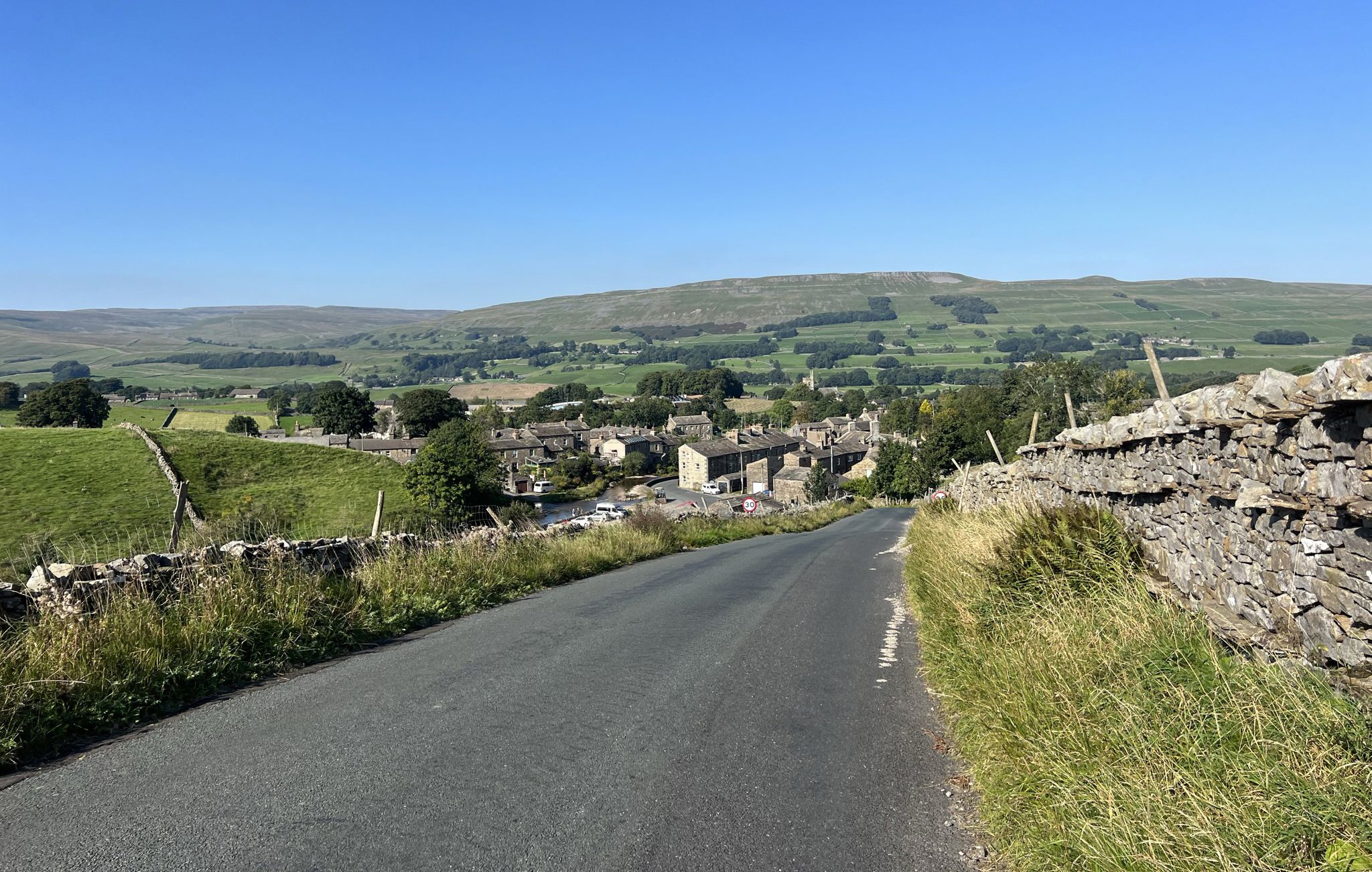
Yorkshire Dales National Park – A Walk in the Parks
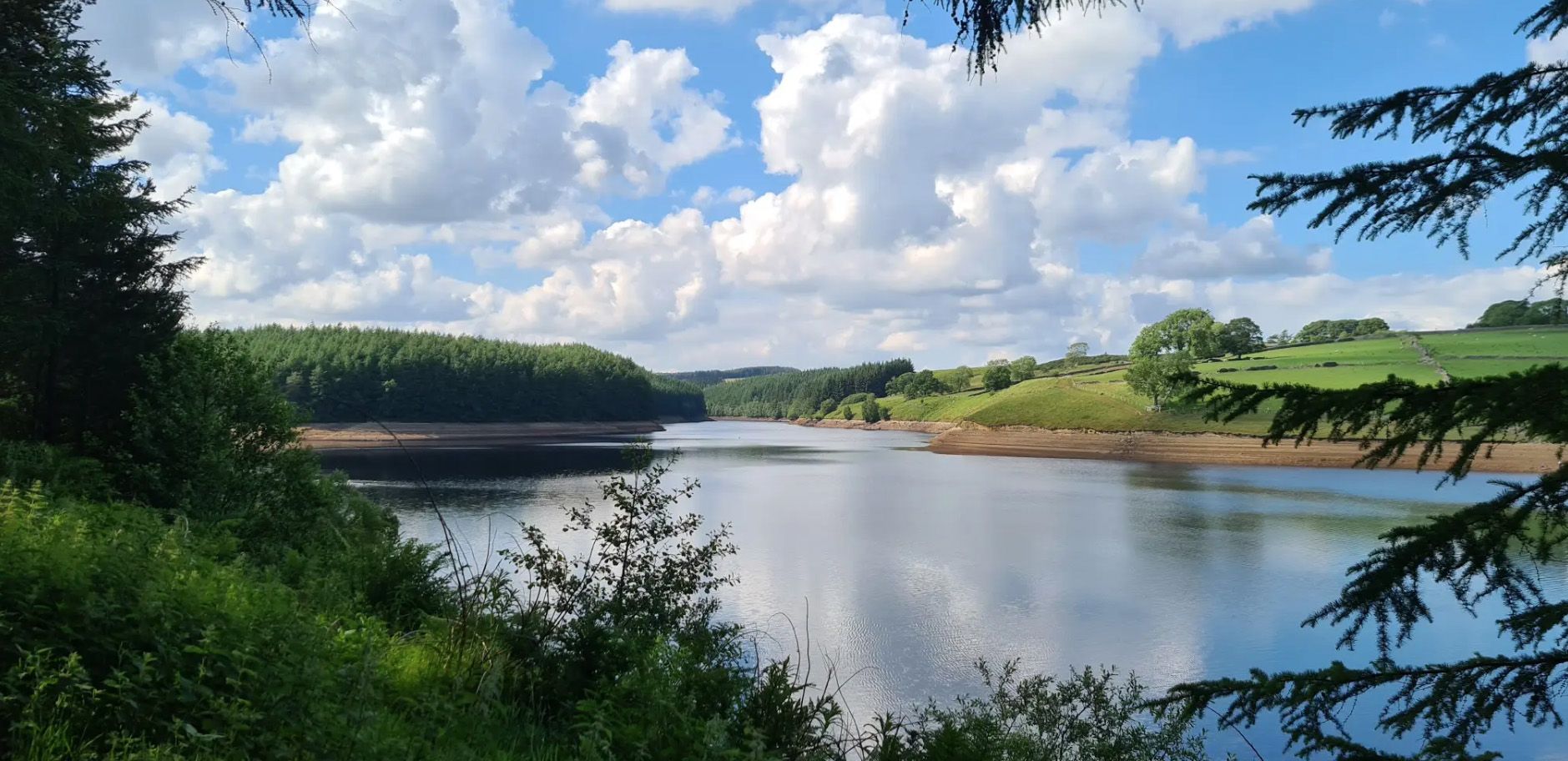
Six Dales Trail — Hike quintessential Yorkshire countryside
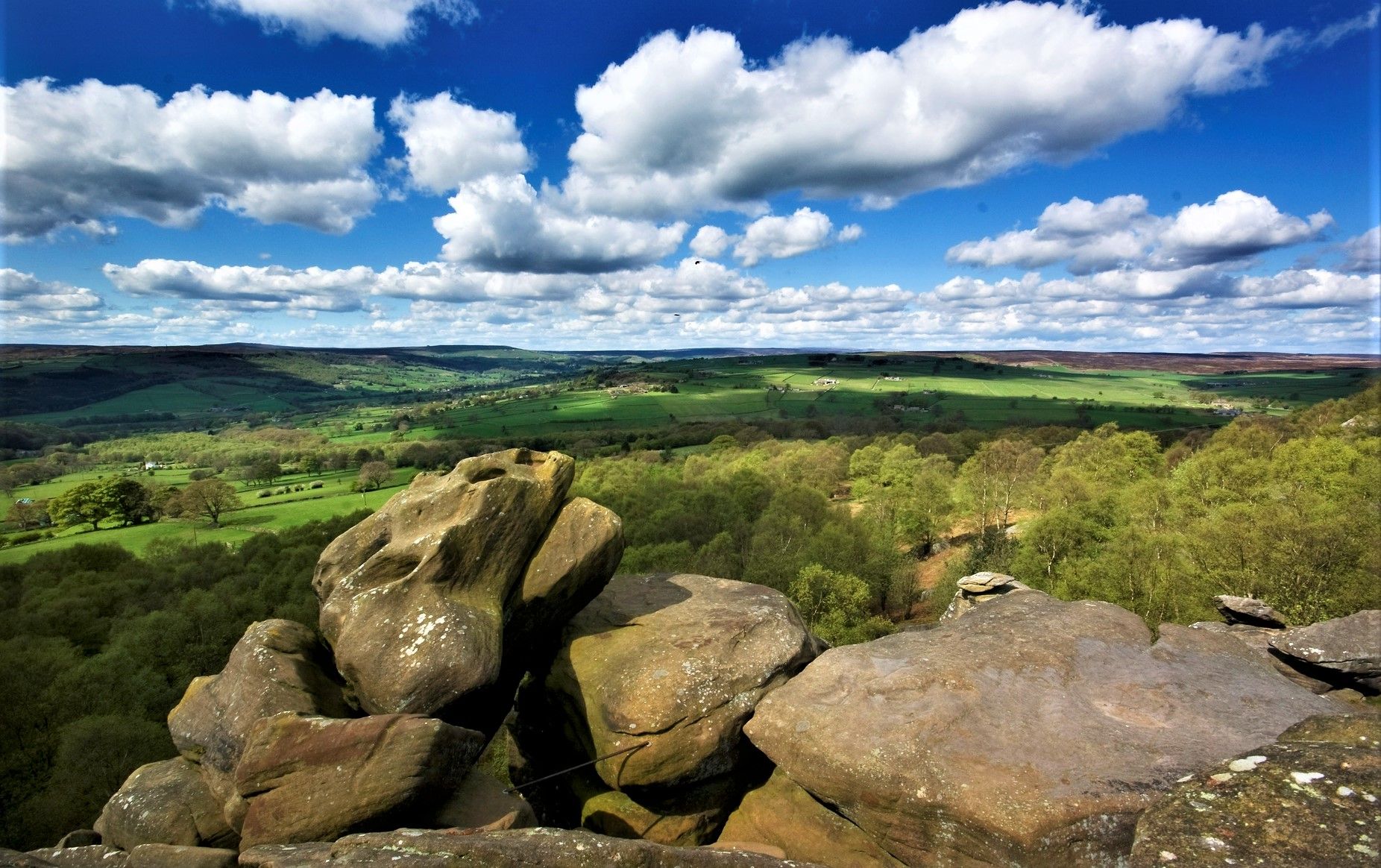
Nidderdale Way — Discover one of Yorkshire's most loved dales

Cycle the Way of the Roses – Historic cities to rolling hills
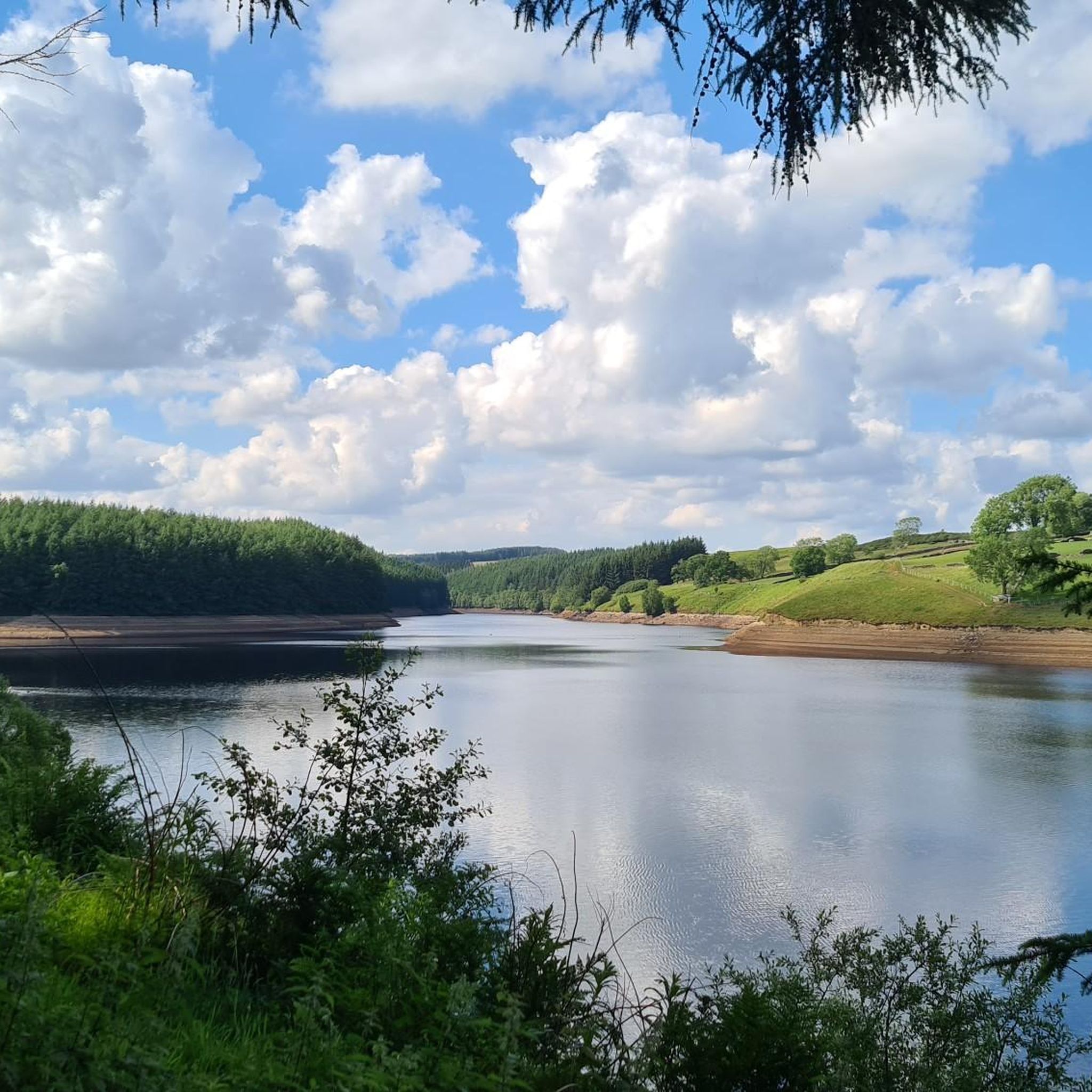
Hiking in Nidderdale Aonb
Running Trails in Nidderdale Aonb
MTB Trails in Nidderdale Aonb
Cycling in Nidderdale Aonb
Road Cycling Routes in Nidderdale Aonb
Gravel biking in Nidderdale Aonb
Other adventures in Nidderdale Aonb


Tips from the Community

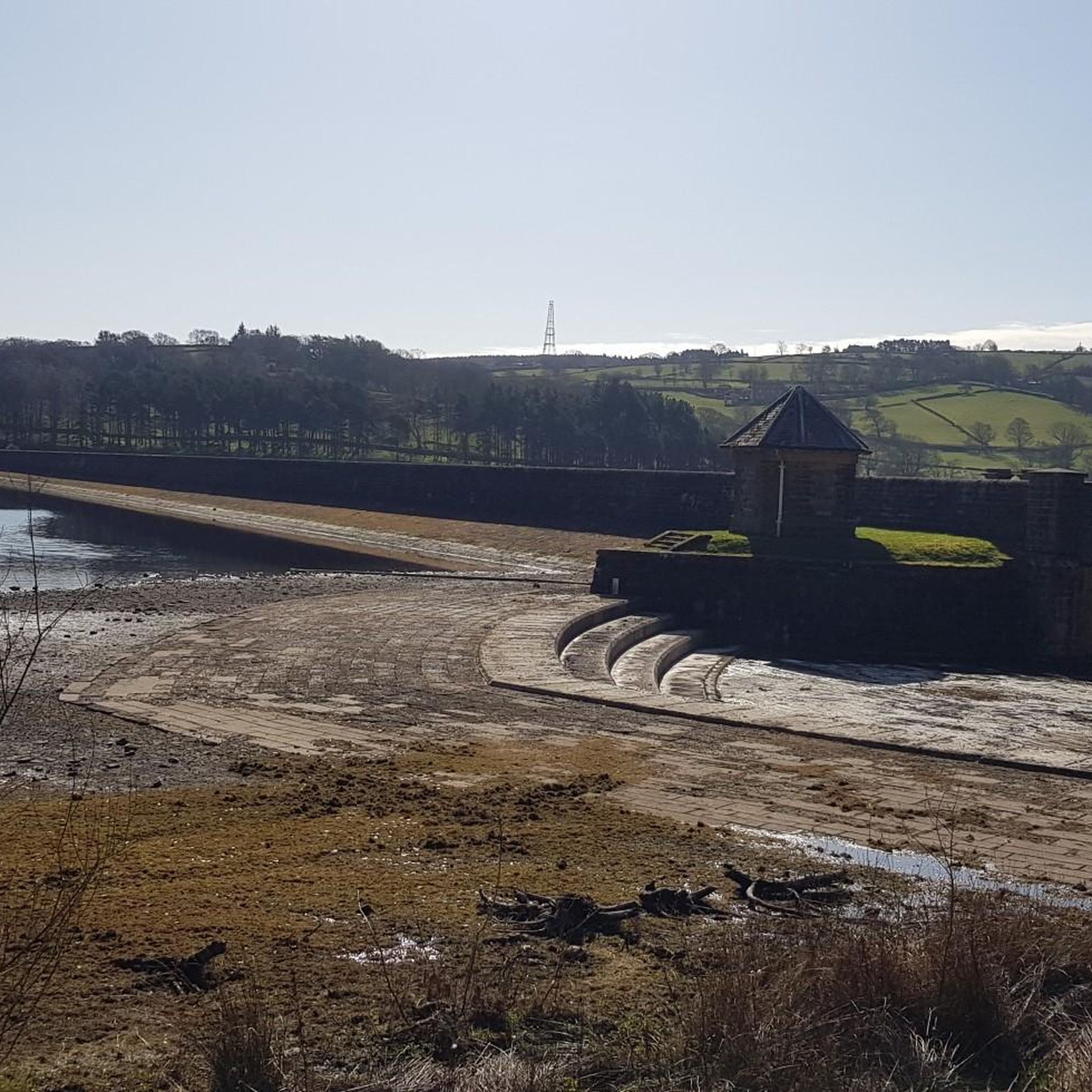
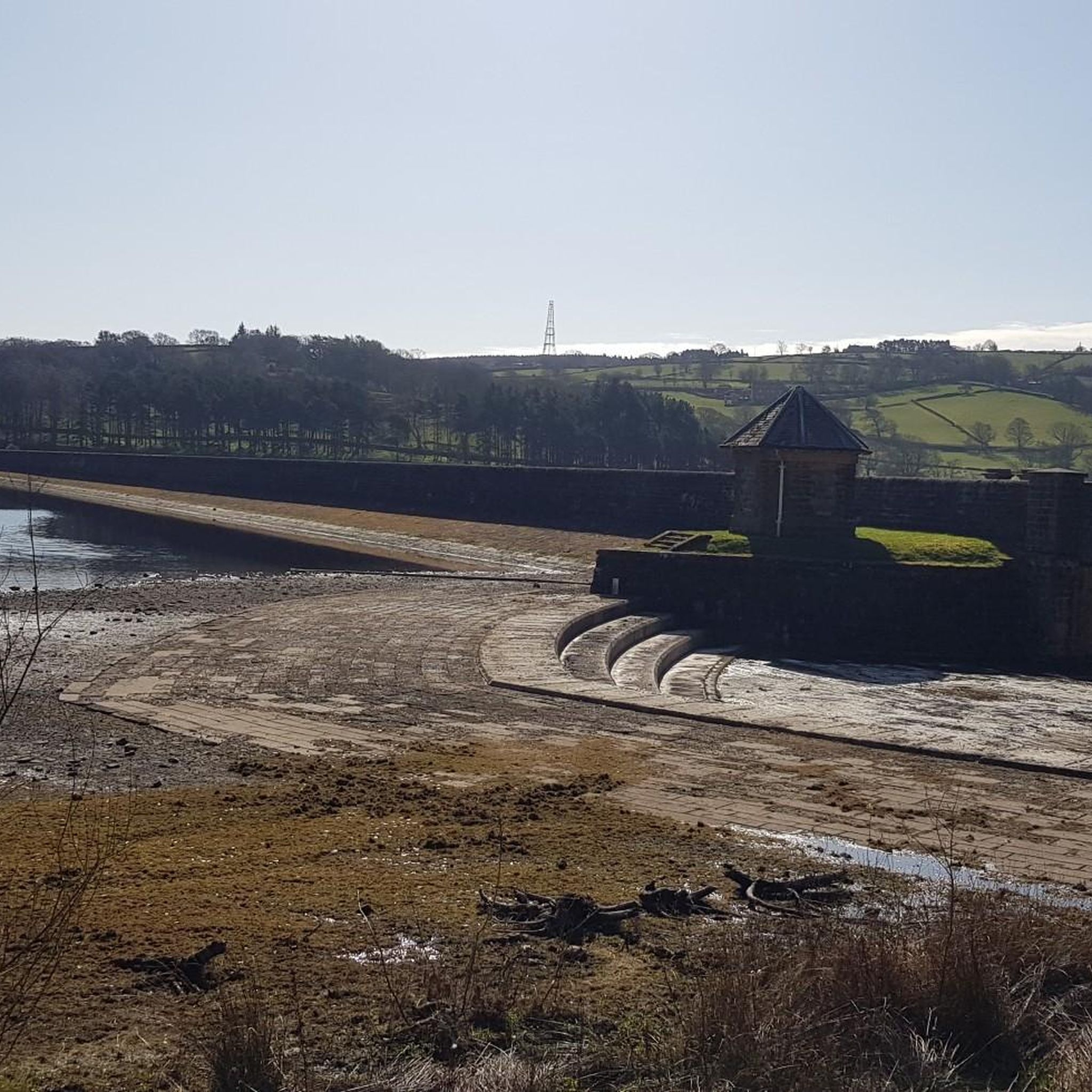
Glasshouses Mill, which the dam served, was initially a corn mill but later transitioned to flax processing in the early 1800s. The dam was built in 1850 by brothers John and George Metcalfe, who expanded the mill and its operations. The mill was a prosperous business, employing around 250 people and known for its responsible employment practices. By the late 19th century, the decline of linen led local mills to produce jute and hemp, but Glasshouses Mill continued flax spinning until the death of George Metcalfe Jr. in 1898. Following his death, the mill struggled, eventually declaring bankruptcy in 1907. The dam is now a recreational area, offering opportunities for fishing, skating in winter, and water sports in summer, although it was literally bone dry when I passed in May 2025 (see photos).
0
0
Undoubtedly the most scenic of the Washburn reservoirs with the moorland backdrop to the north. The circular route around the reservoir from the car park is about 5 miles, the track on the southwestern side runs along the edge of plantations and offers some shade from the sun and shelter from the elements. The track on the northeastern side is more exposed, and if you do the whole circuit you will cross over Far Comb Hill and the plantation along the edge of the reservoir at Whit Moor - a great route.
0
0
Good quality paths all the way around Thruscross, Fewston and Swinsty Reservoirs, with parking at Swinsty Moor Plantation, Fewston village, Blubberhouses, and Thruscross Reservoir dam. If you do all 3 reservoirs then that clocks in at a 15-mile route, but is well worth it. The paths around the southern reservoirs are generally wide and flat. There are benches at periodic intervals on the eastern side of Fewston and Swinsty Reservoirs, where you can take a break and admire the views.
1
0

Lindley Wood is a compensation reservoir, which means it is not linked to the supply of water to homes but is there to take excess water from Fewston and Swinsty reservoirs, which are nearby. This is why there is not much water in there.
0
0


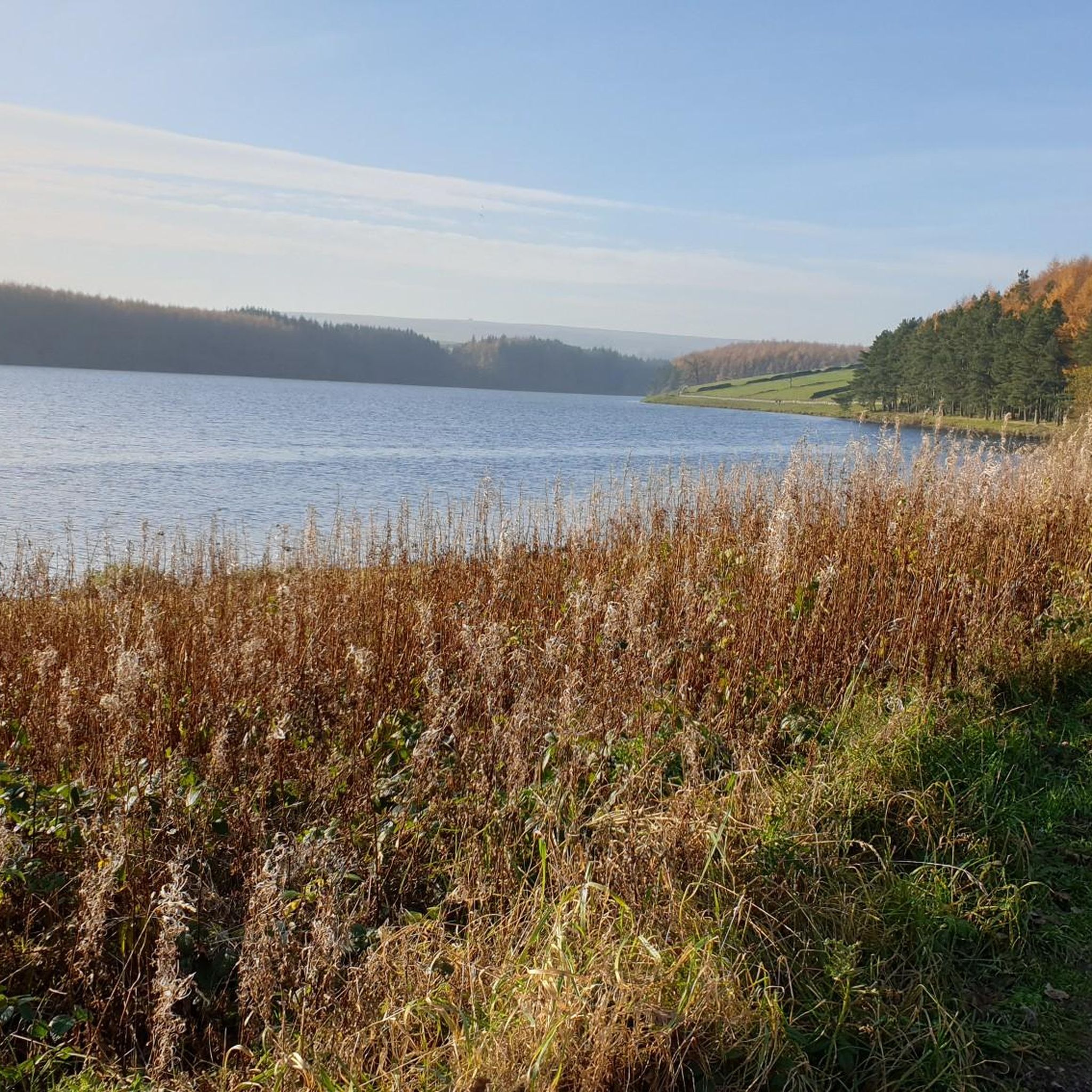
Here in the Washburn Valley are two reservoirs right next to each other, Fewston and Swinsty Reservoirs. You can walk around both of them or just do a solo jaunt around one. The walk around Fewston reservoir is less obstructed than Swinsty and is the better of the two walks. The Fewston Path goes for 3.7 miles (6 km) around the reservoir on well-maintained paths that, on a sunny day, will give you super nice views along with a good dose of peace and tranquillity.
1
0

Scar House Reservoir is located in Nidderdale, North Yorkshire, England. The dam that forms Scar House Reservoir is an impressive structure. Here are some key points about Scar House Reservoir's dam: Construction: The construction of Scar House Reservoir began in 1921 and was completed in 1936. The purpose of the reservoir was to supply water to the Bradford area. Height and Type: The dam is an earth embankment dam, which means it is constructed using compacted earth. The height of Scar House Dam is approximately 72 meters (236 feet), making it one of the tallest dams in England. Reservoir Capacity: Scar House Reservoir has a capacity of around 40 billion liters (8.8 billion gallons) of water. The reservoir is part of a network of reservoirs in the area that collectively serve the purpose of water supply. Water Source: The reservoir collects water from the surrounding hills and moorlands, storing it for supply to the cities and towns downstream, particularly Bradford. Recreation: Apart from its primary function of water supply, Scar House Reservoir and its surrounding area also offer recreational opportunities. The reservoir is situated in a scenic landscape, making it a popular destination for walkers and nature enthusiasts. Management: The reservoir and dam are managed by Yorkshire Water, a company responsible for providing water and wastewater services in the Yorkshire region.
0
0

There are four reservoirs in the Washburn Valley, and this one is the northernmost. What distinguishes this one from the other three is also the fact that this one was built in 1966 while the other ones in the 19th century. The reservoir belongs to Yorkshire Water, the water company. From Reservoir Road in particular, the views of the reservoir are stunning - particularly given that you are high above. Sunsets here are just something else!
0
0
Frequently Asked Questions
What types of lakes can I find in Nidderdale AONB?
Nidderdale AONB is primarily home to several captivating reservoirs, which are often referred to as lakes. These include the chain of four reservoirs in the Washburn Valley (Fewston, Swinsty, Thruscross, and Lindley Wood), as well as larger bodies like Scar House, Gouthwaite, and Grimwith Reservoirs. They serve various purposes, from water supply to significant nature reserves, offering diverse natural beauty and recreational opportunities.
Are there family-friendly walking paths around the lakes?
Yes, several lakes in Nidderdale AONB offer family-friendly walking paths. For instance, the Fewston Reservoir Circular Path is 3.7 miles (6 km) long with well-maintained trails. Grimwith Reservoir also features a 7km (4-mile) circular walk on good surfaces, parts of which were improved for accessibility in 2015. These paths are generally wide and flat, making them suitable for families.
Which lakes are best for birdwatching in Nidderdale AONB?
Gouthwaite Reservoir is a significant nature reserve and a Site of Special Scientific Interest (SSSI), making it an excellent destination for birdwatching. It's renowned for its diverse birdlife, attracting a wide range of wetland birds and raptors. Grimwith Reservoir is also a vital stop-off point for migrating waders, geese, and ducks, with numerous designated nature reserves around its edges.
Can I cycle around the lakes in Nidderdale AONB?
Yes, the Washburn Valley, which includes Fewston, Swinsty, Thruscross, and Lindley Wood Reservoirs, offers opportunities for cycling. Additionally, there are various cycling routes in the wider Nidderdale AONB area that incorporate these scenic water bodies. You can find more cycling options, including routes around Scar House and Gouthwaite Reservoirs, in the Cycling in Nidderdale AONB guide and the Road Cycling Routes in Nidderdale AONB guide.
Are there any historical sites or interesting structures near the lakes?
Yes, the Scar House Reservoir Dam is a notable historical structure. It was the largest dam in Britain when completed in 1936, measuring 1,800 feet (549 meters) long and 170 feet (52 meters) high, built to supply water to Bradford's mills. Additionally, Thruscross Reservoir has a unique history, as it submerged the village of West End when constructed in the 1960s; remains of the flax mill can still be seen when water levels are low.
Which lake offers the most serene experience?
Thruscross Reservoir is often considered the most serene of the Washburn Reservoirs due to its remote location. It offers a peaceful atmosphere and is a haven for wildlife. Similarly, Gouthwaite Reservoir, despite its size, often remains quiet, providing peace and tranquility for visitors.
What activities can I do at Grimwith Reservoir?
Grimwith Reservoir is a popular spot for various activities. Besides its accessible 7km circular walk and excellent birdwatching opportunities, it's also a hub for water sports. Visitors can enjoy sailing, windsurfing, kayaking, canoeing, and paddleboarding, with facilities available through the Yorkshire Dales Sailing Club.
Are there easy hiking trails around the lakes?
Yes, there are easy hiking trails available. The circular paths around Fewston and Swinsty Reservoirs are considered easy, with well-maintained and generally flat surfaces. Grimwith Reservoir also offers an easy 7km circular walk. For more options, you can explore the Easy hikes in Nidderdale AONB guide, which includes routes like the Thruscross Reservoir loop.
Where can I find impressive views and stargazing opportunities?
Scar House Reservoir provides impressive views amidst stunning scenery, particularly from its large dam. It is also designated as a Dark Sky Discovery Site, making it an excellent spot for stargazing. The circular walk around its edge offers views under heather-clad hills.
Which lake is known for its beautiful sunsets?
Lindley Wood Reservoir is particularly noted for its 'unbelievable' sunsets, offering a 'soul-beautifying' experience with its green wooded banks, woodland paths, and open countryside. The views from Reservoir Road overlooking Thruscross Reservoir are also stunning, especially during sunset.
Are there facilities like parking and toilets near the lakes?
Yes, some reservoirs offer facilities. For example, parking is available at Swinsty Moor Plantation, Fewston village, Blubberhouses, and Thruscross Reservoir dam. Grimwith Reservoir provides ample parking and toilet facilities. Gouthwaite Reservoir also has a car park and picnic area operating on an honesty box system.
What is the significance of Gouthwaite Reservoir?
Gouthwaite Reservoir is a large man-made lake spanning 94 hectares and is a crucial nature reserve and Site of Special Scientific Interest (SSSI). It plays a vital role in controlling the flow of the River Nidd, ensuring water supply and preventing floods. It's most renowned for its diverse birdlife and serves as a popular destination for birdwatchers.
Most popular routes in Nidderdale Aonb
Most popular attractions in Nidderdale Aonb

Get inspired with the komoot mobile app


Explore more
Still not found your perfect lake in Nidderdale Aonb? Check out the guides of these regions to see even more beautiful places.
