The best walks and hikes in The Swale National Nature Reserve
4.5
(403)
4,173
hikers
213
hikes
Hikes in The Swale National Nature Reserve explore a protected coastal area on the north coast of Kent. The region is characterized by a mix of saltmarshes, mudflats, and grasslands shaped by the tidal forces of the Swale estuary. The terrain is predominantly flat, with an extensive network of trails that follow the coastline and cross the marshes, making it a significant location for birdwatching.
Best hiking trails in The Swale National Nature Reserve
- The most popular hiking route is Swale Nature Reserve – Swale Naturist Beach loop from Oare, a 7.5 mile (12.1 km) trail that takes about 3 hours to complete. This moderate hike offers a comprehensive experience of the reserve's coastal landscape.
- Another top favourite among local hiking enthusiasts is Shipwrecks Along The Swale – Oare Marshes Nature Reserve loop from Oare, an easy 4.6 mile (7.4 km) path. The route passes by old shipwrecks embedded in the mudflats of the estuary.
- Local hiking enthusiasts also love the Capel Fleet loop from Oare, a 5.3 mile (8.6 km) trail leading through the open marshland, often completed in about 2 hours 10 minutes.
- Hiking in The Swale National Nature Reserve is defined by coastal paths, expansive saltmarshes, and grazing marsh grasslands. The network of largely flat trails provides options for various fitness levels.
- The routes in The Swale National Nature Reserve are highly rated by the komoot community with an average score of 4.5 stars from over 350 reviews. More than 3,900 hikers have used komoot to explore The Swale National Nature Reserve's varied terrain.
Last updated: July 31, 2026
4.6
(14)
76
hikers
12.1km
03:05
30m
30m
Moderate hike. Good fitness required. Easily-accessible paths. Suitable for all skill levels.
2
hikers
8.57km
02:12
40m
40m
Moderate hike. Good fitness required. Easily-accessible paths. Suitable for all skill levels.

Sign up for free
4.5
(6)
14
hikers
Easy hike. Great for any fitness level. Easily-accessible paths. Suitable for all skill levels.
4.5
(23)
86
hikers
Easy hike. Great for any fitness level. Easily-accessible paths. Suitable for all skill levels.
5.0
(1)
11
hikers
Easy hike. Great for any fitness level. Easily-accessible paths. Suitable for all skill levels.
Get access to more routes and recommendations from other explorers.
Sign up for free
Already have an account?
Our route recommendations are based on thousands of hikes, rides, and runs completed by other people on komoot.
Start today with a free account
Your next adventure awaits.
Login or Signup
Tips from the Community

Regarding the patronage of this church: The apostle Thomas, one of the twelve whom Jesus called into the inner circle of his disciples, is not often mentioned in the biblical writings of the New Testament. The passage probably best known to most Christians is the one following the resurrection of Jesus Christ, which has earned him the unflattering nickname "Doubting Thomas" in popular parlance. The Evangelist John reports on this in the 20th chapter of his version of the "Good News" (this is the translation of the word "Gospel"). This theme, of course, also provided an opportunity for dissemination in religious art throughout many eras, for example in one of Caravaggio's most famous paintings – if you're interested, see =>> https://de.wikipedia.org/wiki/Der_ungl%C3%A4ubige_Thomas_(Caravaggio)#/media/Datei:The_Incredulity_of_Saint_Thomas.jpg – The feast day of the Apostle Thomas in the calendar of saints is sometimes celebrated on July 3rd, sometimes on December 21st.
0
0

Four ferries previously connected the island to mainland Kent: the King's Ferry to Iwade, the Harty Ferry to Faversham, one from Elmley, and a passenger ferry connecting to the Port Victoria railway terminus on the Grain Peninsula.
1
0

A large-scale gun cotton plant was opened at this site in 1873 and produced a wide range of products such as distress signals, gelignite and dynamite. Other explosives industries moved in, including one making shell charges using TNT. The site was of particular strategic importance in World War One although two serious explosions occurred in 1916 and 1918. The plants went out of use in 1919, finally shutting down in 1934, leaving earthworks, concrete bases and derelict wharves https://webapps.kent.gov.uk/KCC.ExploringKentsPast.Web.Sites.Public/SingleResult.aspx?uid=MKE3505
0
0

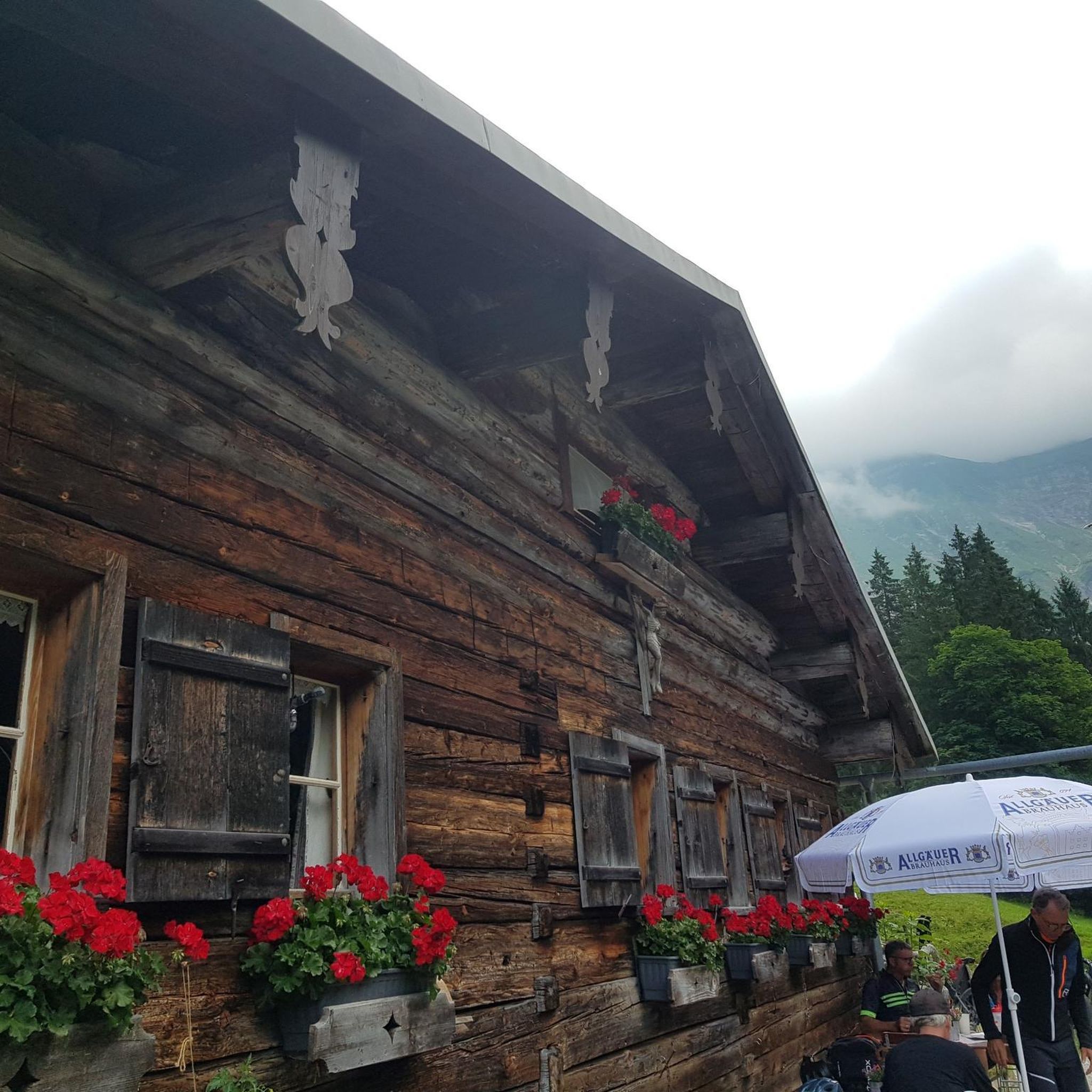
St Thomas the Apostle Church or 'Harty Church' is a quaint grade II listed building dating back to around the 11th or 12th Century. It's a basic church in a remote setting and has no electricity.
1
0

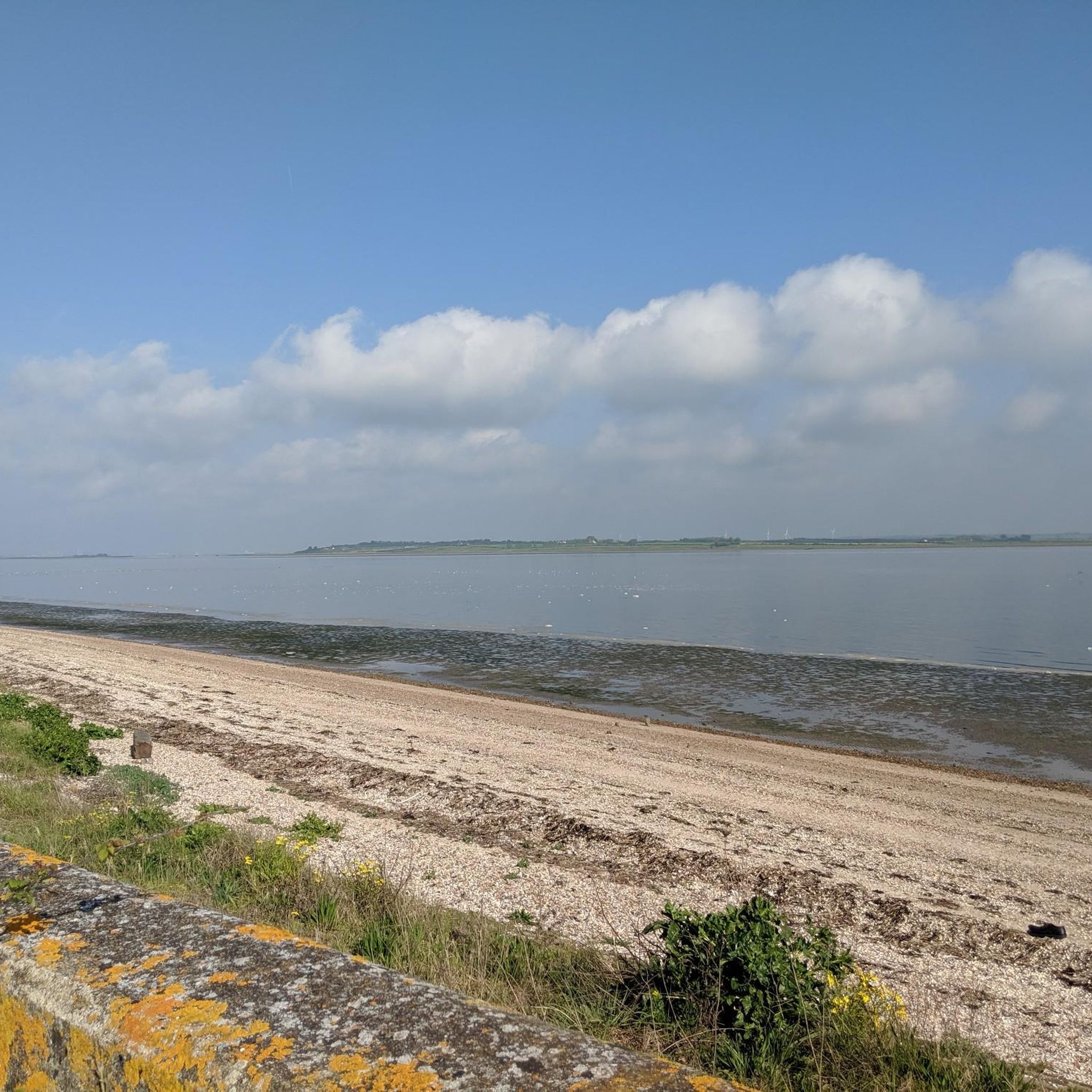
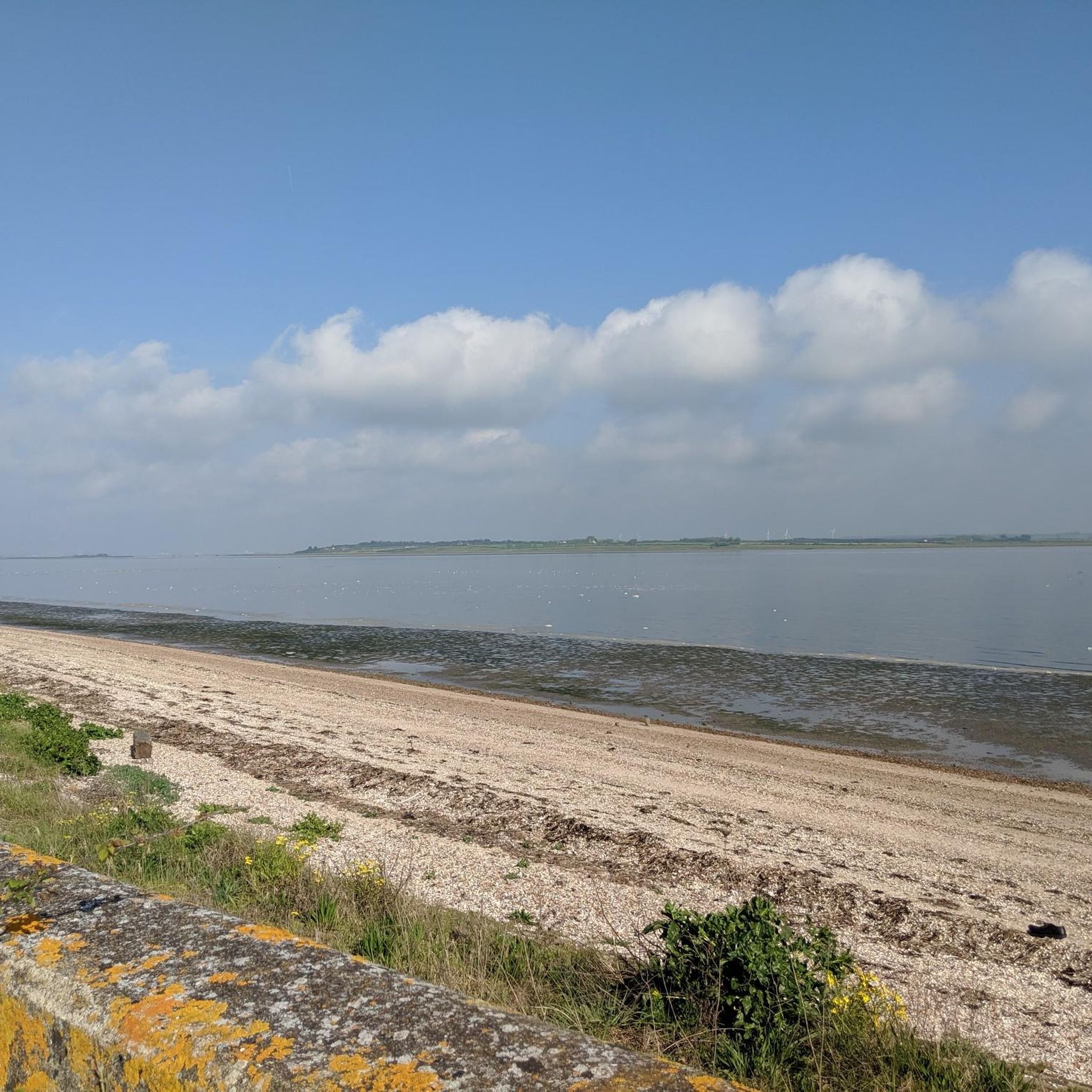
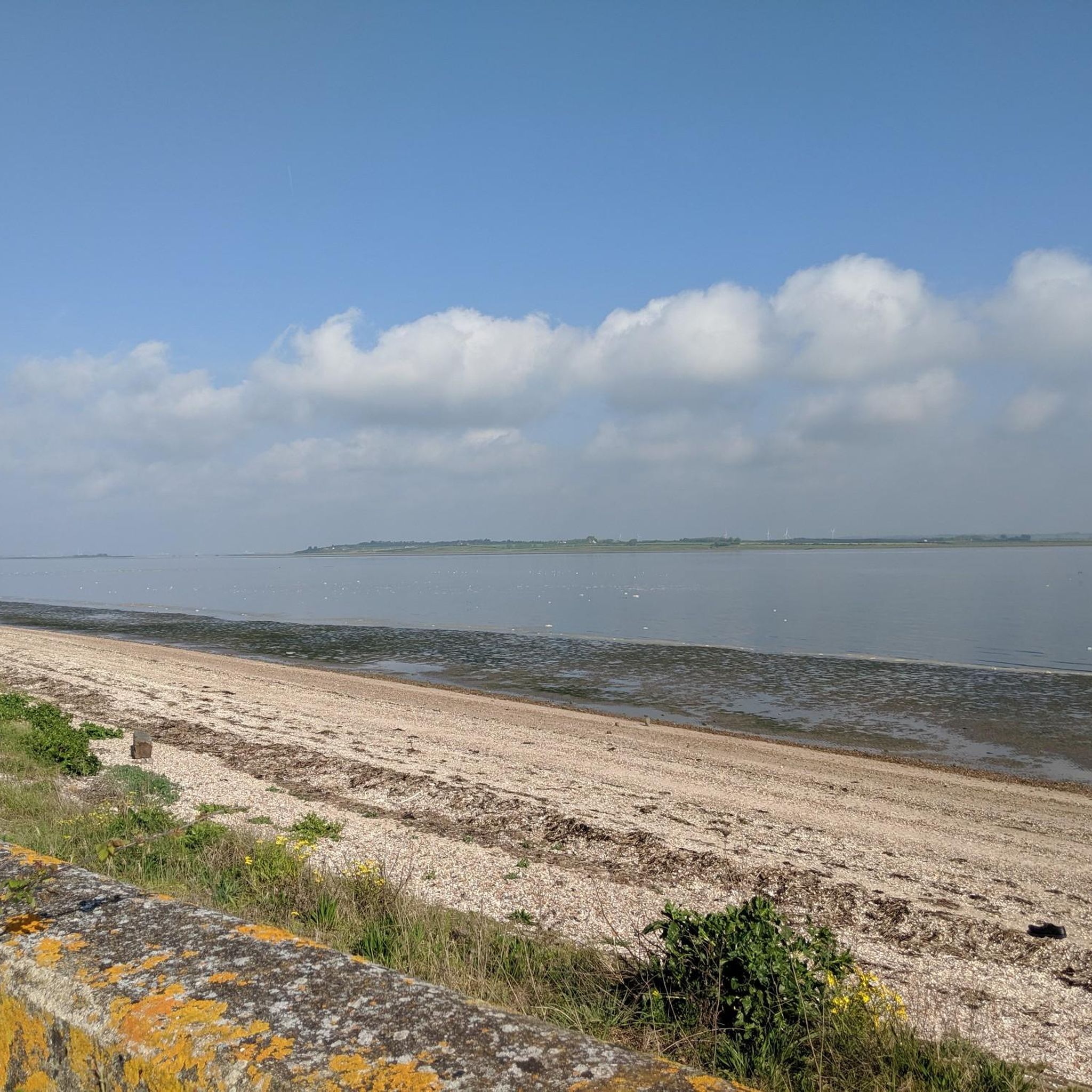
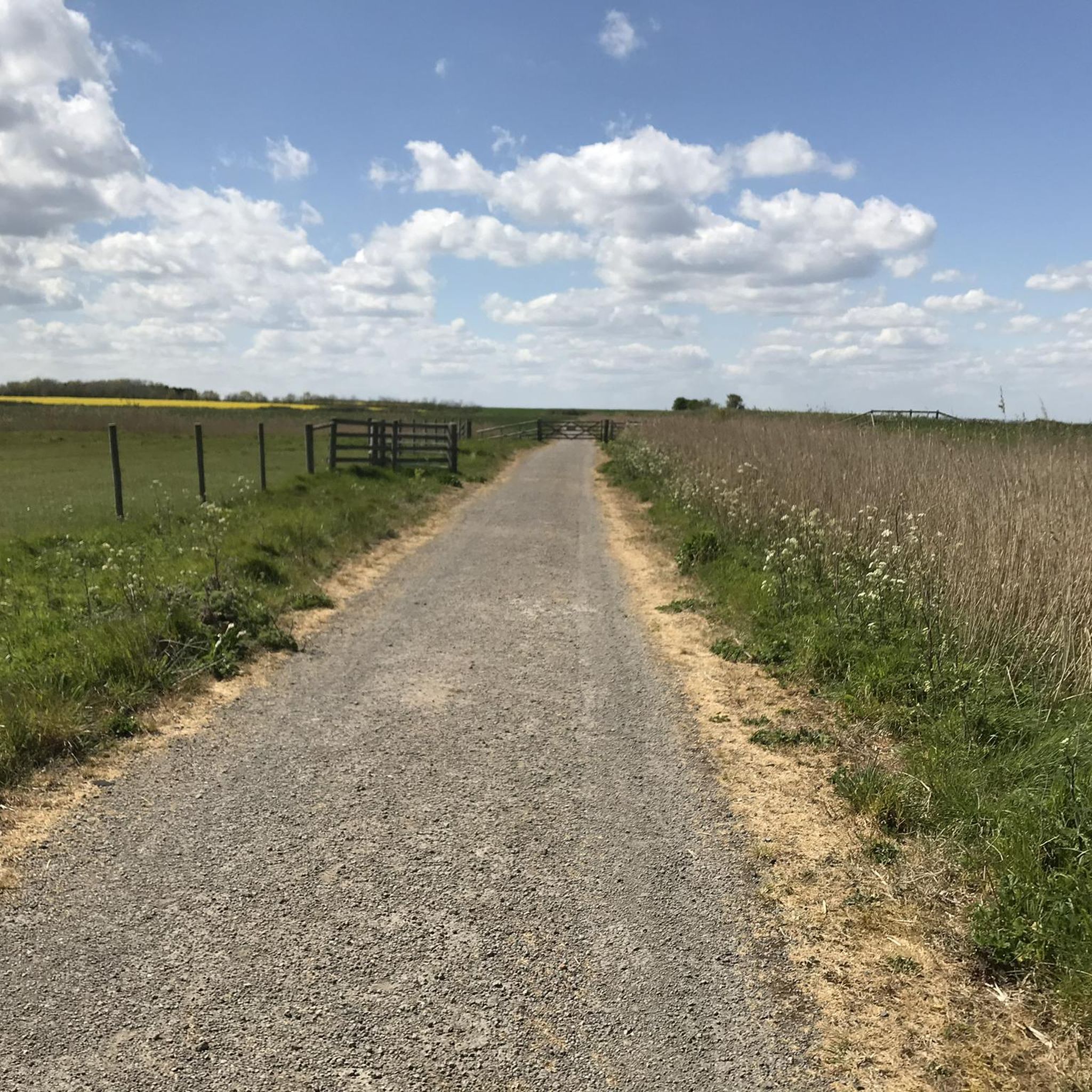
The marshes and mudflats around Oare, Oare Creek and the Swale Estuary are important wildlife habitats. The range of bird species here is especially notable. The area is a nature reserve and has SSSI status. The trails around the edge are brilliant to run and the small road to the old Harty Ferry point is quiet which allows nice loops.
0
0
There are several wrecks along this shore of Oare Creek. Adds a bit of human interest to this otherwise remote feeling section of the Saxon Shore Way.
0
0
This is the Wreck of Pirate Steve. He sailed from Brighton on Faversham. Beached on the mud banks just along from the Quay. The Pirate ship broke apart when the Bilge pumps failed to empty its hull from the amassing of Silt and other marine life.
1
0
Frequently Asked Questions
What is the best time of year to hike in The Swale National Nature Reserve?
The best time to visit depends on what you want to see.
Winter is ideal for birdwatching, as thousands of wildfowl and waders, like wigeon and Brent geese, gather on the mudflats. You might also spot birds of prey such as marsh harriers.
Summer offers a different experience, with the grasslands alive with the sound of grasshoppers and singing skylarks. The saltmarshes also bloom with plants like sea-lavender and golden samphire.
Are the hiking trails in The Swale difficult?
Most trails in the reserve are not difficult. The landscape is predominantly flat and open, making it accessible for most fitness levels. There are over 120 easy routes to choose from. However, be aware that the paths, especially across the marshes, can become very muddy and slippery, particularly after rain, which can add to the challenge.
What kind of wildlife can I expect to see on a walk?
The Swale is a prime location for wildlife, especially birds. In winter, the estuary attracts vast flocks of waders and wildfowl. Throughout the year, you can look for marsh harriers hunting over the reeds. In summer, listen for the songs of skylarks and reed warblers. The area is also rich in insect life and rare coastal plants like the yellow horned-poppy.
Are there any good circular walks in the reserve?
Yes, the reserve is well-suited for circular walks. Many trails loop back to their starting point, allowing you to experience different aspects of the landscape without retracing your steps. For a shorter, easy circular route, consider the Hiking loop from Harty, which offers a pleasant walk through the area.
Where is the best place to park for The Swale National Nature Reserve?
The main access point is at the end of Shellness Road. There is a small car park here, but be advised that the road leading to it is an unpaved track with significant potholes. Drive slowly and carefully. Due to the limited space, it's best to arrive early, especially on weekends.
Are there any family-friendly hikes in The Swale?
The flat terrain makes The Swale a good choice for family outings. The shorter, easier trails are particularly suitable for walking with children. A great option is the Oare Marshes Nature Reserve – Shipwrecks Along The Swale loop from Oare, which is under 3 km and offers the exciting sight of old shipwrecks stranded in the mud.
What should I pack for a hike in The Swale?
Waterproof footwear, such as walking boots or wellies, is essential as the marshland paths are often wet and muddy. The coastal landscape is very exposed, so windproof and waterproof layers are recommended year-round. In sunny weather, bring sun protection. Binoculars are also highly recommended to make the most of the fantastic birdwatching opportunities.
How many hiking trails are there in The Swale National Nature Reserve?
There is an extensive network of trails to explore. On komoot, you can find over 200 different routes in and around The Swale National Nature Reserve, ranging from short, easy strolls to more demanding day hikes, ensuring there's a path for every type of walker.
What do other hikers think of the trails in The Swale?
The routes in The Swale National Nature Reserve are highly rated by the komoot community, with an average score of 4.5 stars. Hikers often praise the sense of remoteness, the expansive coastal views, and the exceptional opportunities for watching wildlife in a natural setting.
Does the Saxon Shore Way pass through the reserve?
Yes, a section of the Saxon Shore Way, a long-distance footpath that follows the historic coastline of Kent, runs through the area. Following this trail offers a way to experience the reserve as part of a longer hike, taking in the unique landscapes of the Swale estuary.
Are there any specific trails for seeing the shipwrecks?
Yes, several trails offer views of the atmospheric shipwrecks in the estuary. The Capel Fleet loop from Oare is a moderate 8.6 km route that takes you through the open marshland where you can spot these historic remains.
Most popular routes in The Swale National Nature Reserve

Get inspired with the komoot mobile app


Explore more
Browse the best Hikes in other regions.
