Martin Down National Nature Reserve
Martin Down National Nature Reserve
The best cycling routes in Martin Down National Nature Reserve
4.5
(68)
1,357
riders
75
rides
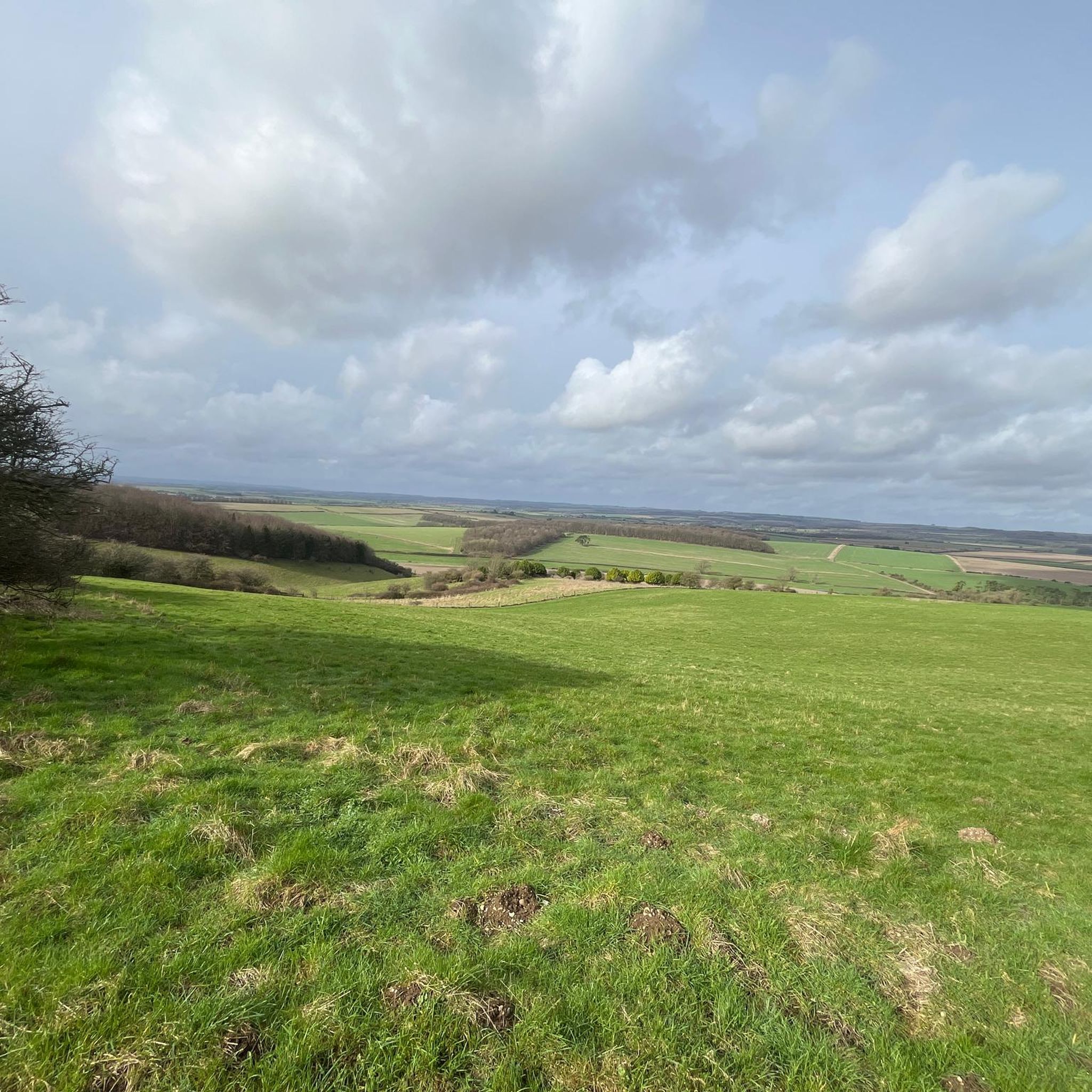
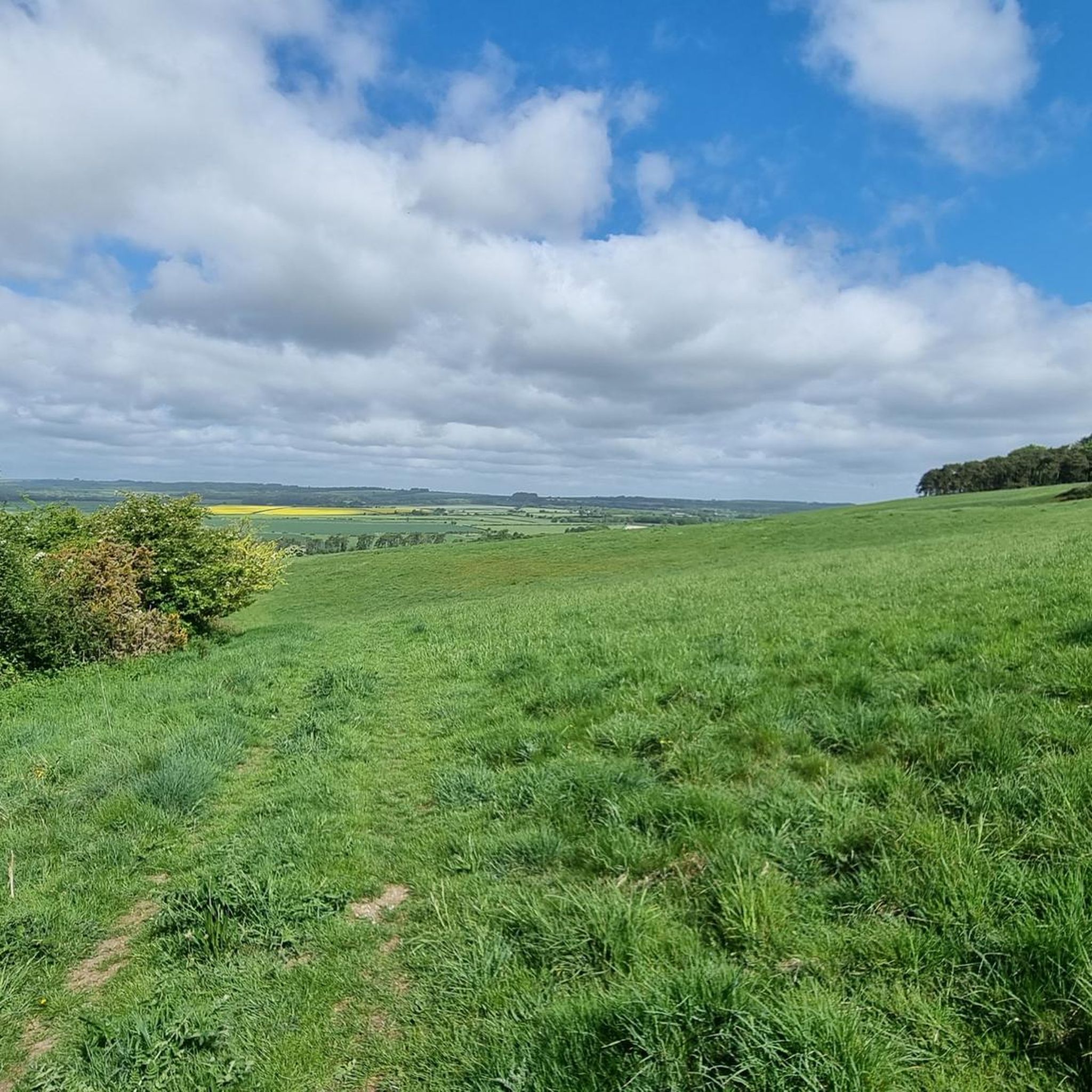
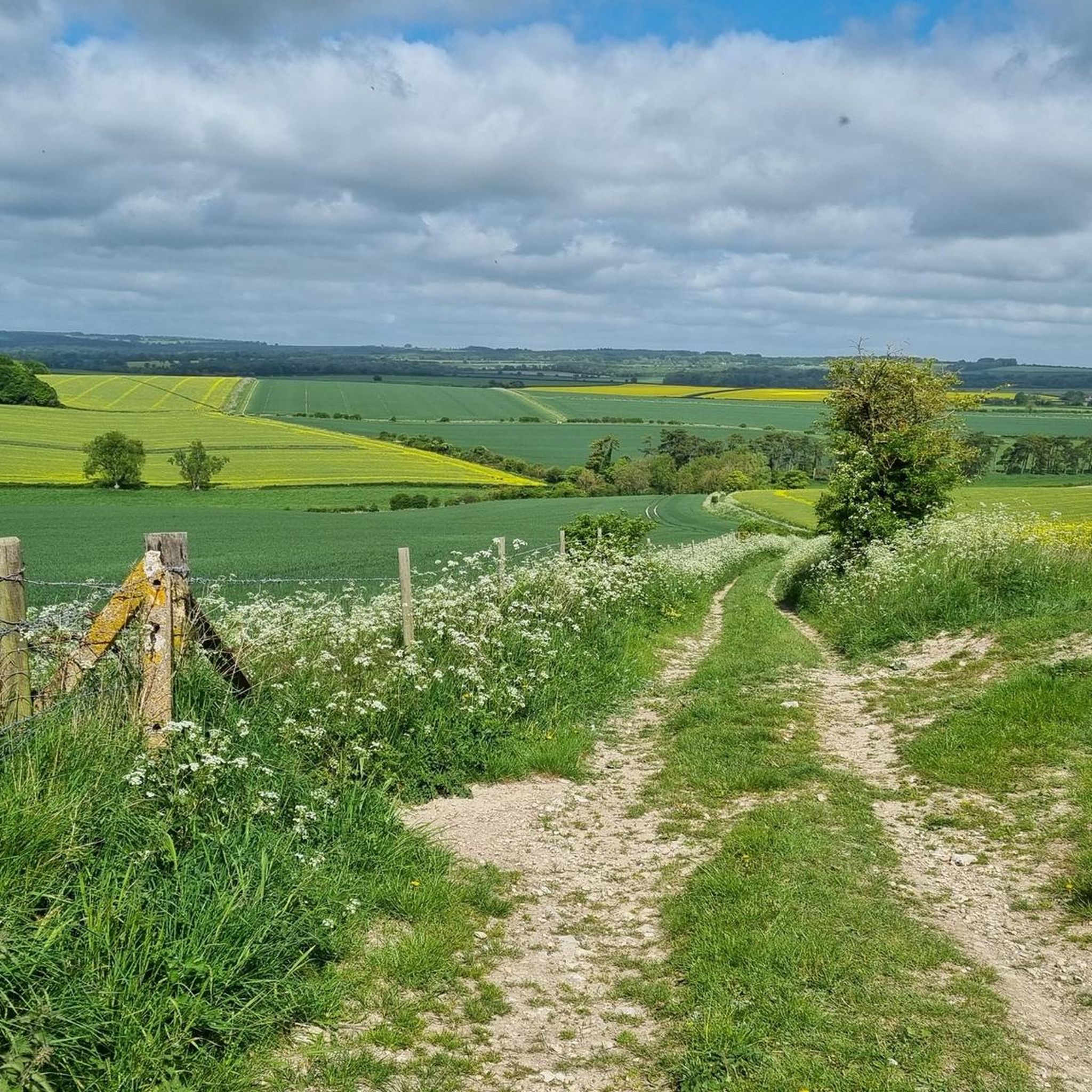
Touring cycling routes in Martin Down National Nature Reserve traverse an expansive chalk downland landscape characterized by gently rolling hills and open meadows. The reserve spans 350 hectares, featuring ancient sweeping grasslands and areas of scrub and hedges. This terrain offers wide-ranging views, particularly across Cranborne Chase, providing a sense of openness for cyclists. The landscape includes both paved and unpaved sections, catering to various touring cycling preferences.
Best touring cycling routes in Martin Down National Nature Reserve
- The most…
Last updated: May 30, 2026
5
riders
24.7km
01:33
250m
250m
Moderate bike ride. Good fitness required. Mostly paved surfaces. Suitable for all skill levels.
3
riders
18.3km
01:10
200m
200m
Moderate bike ride. Good fitness required. Mostly paved surfaces. Suitable for all skill levels.

Sign up for free
2
riders
32.3km
02:12
300m
300m
Moderate bike ride. Good fitness required. Mostly paved surfaces. Suitable for all skill levels.
32
riders
Hard bike ride. Very good fitness required. Mostly paved surfaces. Suitable for all skill levels.
5.0
(1)
9
riders
Moderate bike ride. Good fitness required. Mostly paved surfaces. Suitable for all skill levels.
Get access to more routes and recommendations from other explorers.
Sign up for free
Already have an account?
Our route recommendations are based on thousands of hikes, rides, and runs completed by other people on komoot.
Start today with a free account
Your next adventure awaits.
Login or Signup
Popular around Martin Down National Nature Reserve

Tips from the Community

The interior of St Mary and St Bartholomew's is notable for its several historic and artistic features: Wall Paintings: The church has medieval wall paintings dating from the 13th and 14th centuries. These murals, found on the north nave arcade, depict subjects like Christ in Majesty, the Tree of the Seven Deadly Sins, and a large figure of St. Christopher. Pulpit and Font: A beautifully carved pulpit from the 15th century bears the initials "TP," believed to stand for Thomas Parker, an abbot of Tewkesbury Abbey and Cranborne. The church also has a 13th-century font made of Purbeck Marble. Monuments: Inside the church are several notable tombs, including a 17th-century memorial to John Elliot, who died at the age of seven, and a memorial for Edward Stillingfleet, a Bishop of Worcester who was born in Cranborne.
0
0
St Mary and St Bartholomew's Church in Cranborne, Dorset, is a Grade I listed parish church with a long and fascinating history. It was originally built on the site of a 10th-century Benedictine monastery, which later became a priory. Early Norman and Gothic: While the site has Saxon origins, the earliest surviving parts of the church are the 12th-century north doorway and fragments of the south aisle wall. The main body of the church, including the nave and aisles, was largely rebuilt in the 13th century in the Early English Gothic style. The impressive west tower was added in the 15th century. Victorian Restoration: The church underwent significant restoration in the 19th century. In the 1870s, the medieval chancel was demolished and rebuilt in the Gothic Revival style by architect David Brandon. Building Materials: The church's exterior walls are constructed from a mix of local materials, including flint and rubble, with dressings of various types of stone like Upper Greensand and Heathstone.
0
0
St. Giles Church is known for its numerous monuments, particularly those dedicated to the Earls of Shaftesbury. Sir Anthony Ashley's Tomb: A historic highlight is the spectacular gilded tomb of Sir Anthony Ashley, dating to 1628. The tomb features intricate classical columns and symbolism. A curious detail is a sphere at his feet, which has been the subject of various theories, including that it represents a globe, a jewel, or even a cabbage. Ashley-Cooper Family Memorials: The church houses several other memorials to the Ashley-Cooper family, including tombs for the 1st, 3rd, 4th, 7th, and 9th Earls. The 1st Earl's memorial includes a bust by Rysbrack, and the 3rd Earl's is a grand wall monument by Scheemakers. Crusader Effigy: There is a much-restored 14th-century effigy of a crusading knight, believed to be Sir John de Plecy. Comper's Work: The interior is almost entirely a result of Sir Ninian Comper's restoration. This includes the highly decorated screen separating the nave and chancel, new stained glass windows, and the gilded tester over the altar.
1
0
19th-Century Gothic Revival: In the 19th century, the church was remodeled twice. The most significant work was in 1887, a Gothic Revival-style memorial to the 8th Earl of Shaftesbury. The 1908 Fire and Comper's Restoration: A catastrophic fire in 1908 destroyed most of the church's interior, leaving only the walls standing. The 9th Earl of Shaftesbury commissioned the renowned Gothic Revival architect Sir Ninian Comper to restore and rebuild the church. Comper's work, completed between 1908 and 1910, is considered one of his masterpieces. He kept the 18th-century external walls but completely redesigned the interior, adding a new north aisle and a lady chapel. His intricate work, including stained glass, a wooden screen, and numerous sculptures, makes the church a "treasure-house of Comper work," as described by Sir John Betjeman.
1
0
St. Giles Church is the parish church for the village of Wimborne St Giles in Dorset. It has a rich and complex history, marked by several rebuilds, a major fire, and the patronage of the Ashley-Cooper family, the Earls of Shaftesbury. The church's origins date back to at least the 13th century, with the first recorded rector in 1207. The current building is a fascinating mix of architectural styles due to its turbulent history. 18th-Century Georgian: The church was almost entirely rebuilt in 1732 by the Dorset architects John and William Bastard, who were also responsible for much of the reconstruction of the town of Blandford Forum after a fire. The exterior of the church, with its greensand and flint walls, still largely reflects this Early Georgian design.
1
0


Frequently Asked Questions
How many touring cycling routes are available in Martin Down National Nature Reserve?
There are over 70 touring cycling routes in Martin Down National Nature Reserve, offering a wide range of options for exploring the expansive chalk downland. These routes cater to various skill levels, from easy to difficult.
What are the typical terrain and difficulty levels for touring cyclists in Martin Down National Nature Reserve?
The terrain in Martin Down National Nature Reserve features gently rolling hills, open meadows, and ancient sweeping grasslands. You'll encounter both paved and unpaved sections. The routes range in difficulty, with 11 easy, 52 moderate, and 10 difficult options, ensuring there's something for every fitness level.
Are there any family-friendly touring cycling routes in Martin Down National Nature Reserve?
Yes, Martin Down National Nature Reserve offers several family-friendly touring cycling routes. There are 11 easy routes that are generally suitable for families. These routes allow you to enjoy the reserve's natural beauty without overly challenging terrain.
What natural features and landmarks can I expect to see while cycling in Martin Down National Nature Reserve?
While cycling, you can experience the extensive unimproved chalk downland, vibrant wildflower meadows (especially in summer), and wide-ranging views across Cranborne Chase. A significant historical feature is the ancient Bokerley Ditch, which runs along one side of the reserve. You might also spot mysterious mounds and dells hinting at a populated past.
Is Martin Down National Nature Reserve suitable for dog-friendly cycling?
Yes, Martin Down National Nature Reserve is generally dog-friendly, but it's crucial to keep dogs under close control, especially due to the presence of diverse wildlife and grazing livestock. Always follow the Countryside Code and local signage regarding dogs on trails.
Are there any circular touring cycling routes in the reserve?
Yes, many of the touring cycling routes in Martin Down National Nature Reserve are circular, allowing you to start and end at the same point. An example is the Cranborne Garden Centre loop from Martin, which winds through ancient grasslands.
What is the best time of year to go touring cycling in Martin Down National Nature Reserve?
The best time to cycle is typically from spring to early autumn. In summer, the wildflower meadows are at their most vibrant, creating a 'purple haze' with species like scabious and knapweed. Spring offers fresh greenery and early blooms. While cycling is possible year-round, be prepared for potentially muddy or uneven terrain during wetter months.
Where can I park my car when visiting Martin Down National Nature Reserve for cycling?
While the guide doesn't specify exact parking locations, Martin Down National Nature Reserve has designated access points. It's advisable to check local maps or specific route descriptions on komoot for recommended parking areas near your chosen starting point. Be aware that there are no on-site facilities like toilets.
Can I reach Martin Down National Nature Reserve by public transport for cycling?
Public transport options directly to Martin Down National Nature Reserve are limited. It is generally more accessible by car. If relying on public transport, you may need to plan a route that combines bus services to nearby villages with a cycling approach to the reserve.
Are there any cafes or pubs near the touring cycling routes in Martin Down National Nature Reserve?
While Martin Down National Nature Reserve itself does not have on-site facilities, there are options in nearby villages. For instance, the The Queen's Head Pub loop from Cranborne Chase & West Wiltshire Downs National Landscape suggests a route that passes by a pub, and the Marshwood Farm Campsite – Coffee Darling Café loop from Cranborne Chase & West Wiltshire Downs National Landscape mentions a café, indicating amenities are available in the surrounding area.
What do other touring cyclists enjoy most about cycling in Martin Down National Nature Reserve?
The area is highly rated by the komoot community, with an average score of 4.5 stars from over 60 reviews. Reviewers often praise the sense of openness and tranquility provided by the wide-ranging views across Cranborne Chase, the ancient feel of the landscape, and the diverse network of routes suitable for different abilities.
Are there any specific access rules or permits required for cycling in Martin Down National Nature Reserve?
Martin Down National Nature Reserve has designated areas for cycling. For detailed information on public access for cycling and any specific rules or permits, you can consult official sources. The reserve is managed to protect its sensitive environment, so staying on marked trails is essential. More information can be found on the gov.uk website.
Can I spot wildlife while touring cycling in Martin Down National Nature Reserve?
Yes, Martin Down National Nature Reserve is a haven for diverse wildlife. The rich flora supports a thriving insect population, making it excellent for butterfly enthusiasts, with species like Adonis blue and dark green fritillary. You can also hear and spot many bird species, including cuckoos, skylarks, and red kites. Cycling quietly increases your chances of observing them.
Most popular routes in Martin Down National Nature Reserve

Get inspired with the komoot mobile app


Explore more
Browse the best Cycling routes in other regions.
