The best road cycling routes around Eberbach
4.6
(509)
9,038
riders
42
rides
Road cycling routes around Eberbach are characterized by the Neckar River valley, which carves through a landscape of rolling hills and dense forests. The region features varied terrain, from riverside paths to more challenging ascents into the surrounding uplands. Elevations typically range from gentle gradients along the riverbanks to significant climbs on the hillsides.
Best road cycling routes around Eberbach
- The most popular road cycling route is Neckar Bend at Hirschhorn – Weißer Stein Climb loop from Lindach, a…
Last updated: May 9, 2026
5.0
(1)
45
riders
99.6km
05:08
1,650m
1,650m
Hard road ride. Very good fitness required. Some segments of this route may be unpaved and difficult to ride.
4.3
(3)
69
riders
Moderate road ride. Good fitness required. Mostly well-paved surfaces and easy to ride.

Sign up for free
5.0
(4)
53
riders
66.4km
03:05
650m
650m
Moderate road ride. Good fitness required. Mostly well-paved surfaces and easy to ride.
4.0
(5)
36
riders
21.1km
00:56
90m
90m
Moderate road ride. Great for any fitness level. Some segments of this route may be unpaved and difficult to ride.
3.7
(3)
36
riders
27.3km
01:28
420m
420m
Moderate road ride. Good fitness required. Some segments of this route may be unpaved and difficult to ride.
Get access to more routes and recommendations from other explorers.
Sign up for free
Already have an account?
Our route recommendations are based on thousands of hikes, rides, and runs completed by other people on komoot.
Start today with a free account
Your next adventure awaits.
Login or Signup
Popular around Eberbach
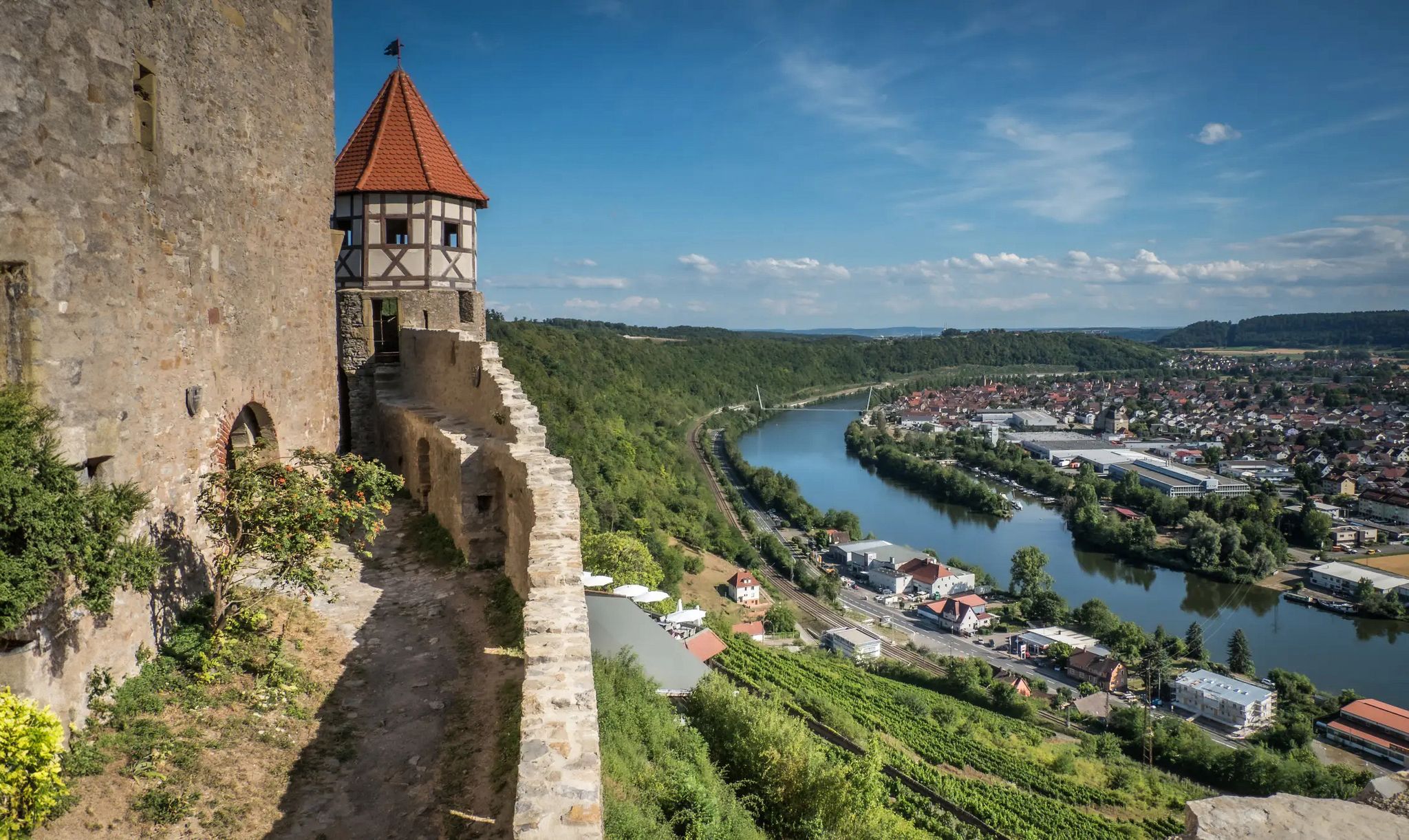
The Neckarsteig trail – 9 stages along the edge of the Odenwald
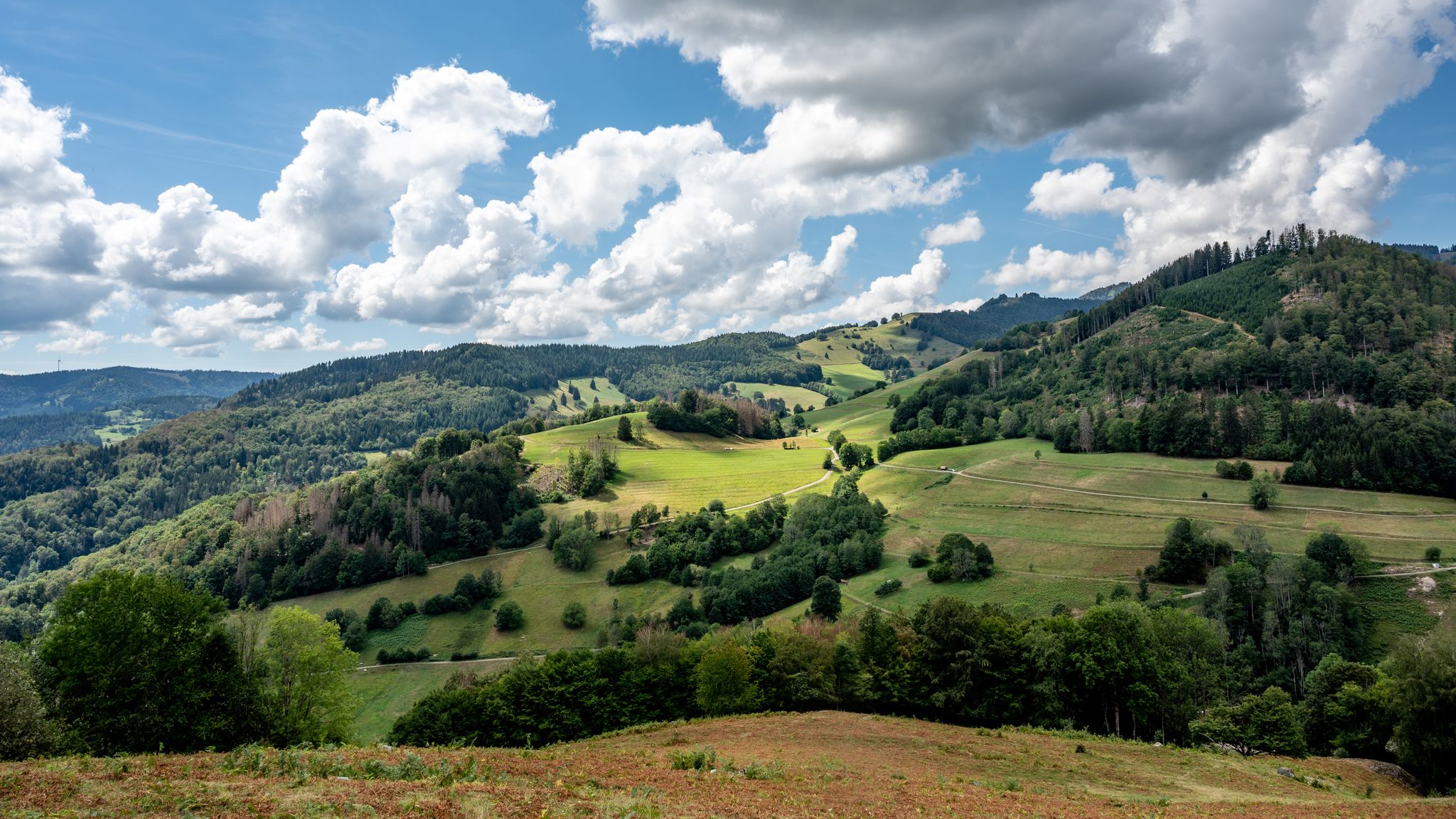
The National Natural Landscapes in Baden-Württemberg

MTB, gravel and bikepacking in the Süden ganz oben

Hiking the Süden – between Black Forest, Lake Constance and Swabian Alb
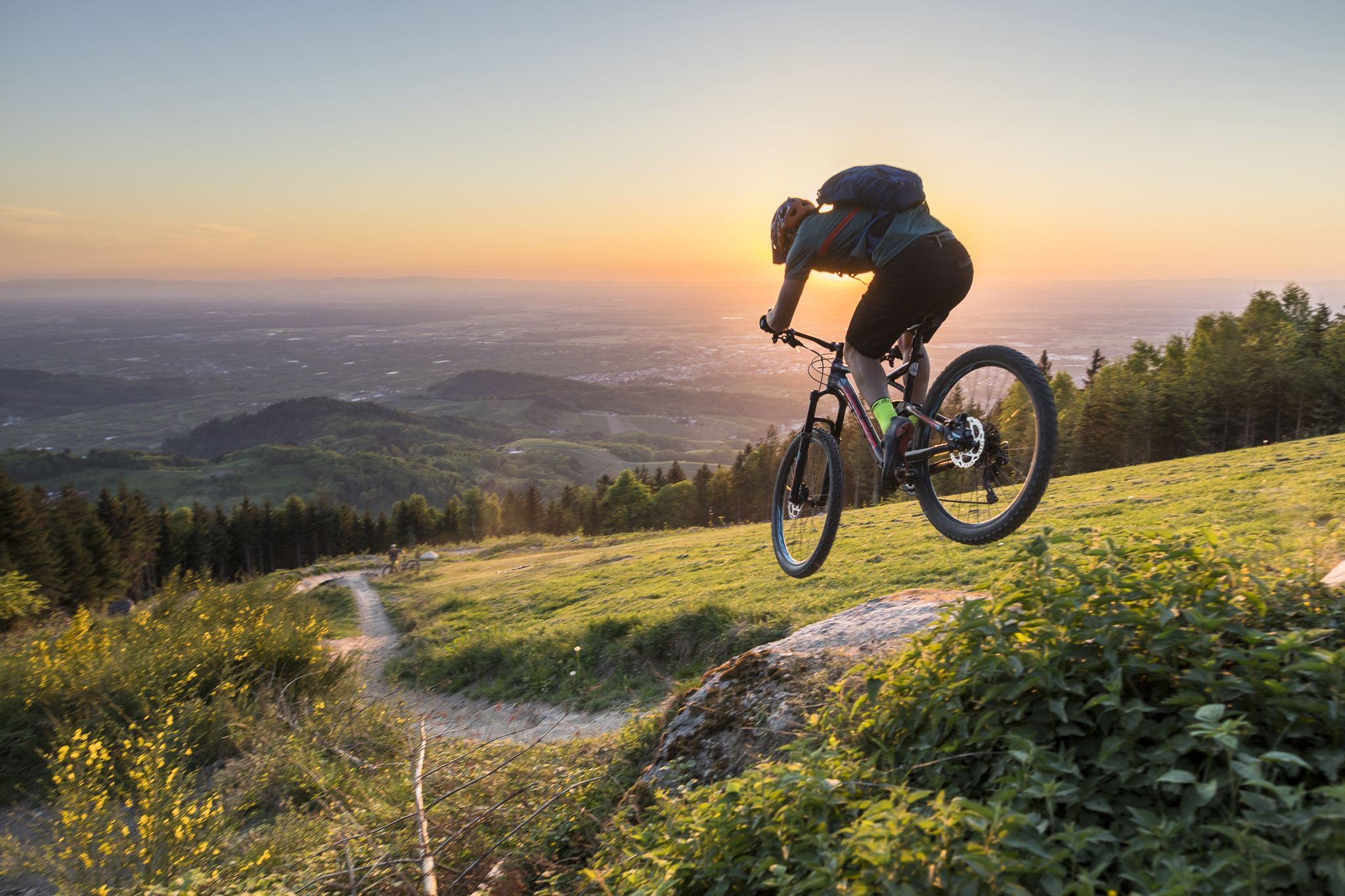
MTB flow in BW! Trails from the Schwarzwald to the Odenwald
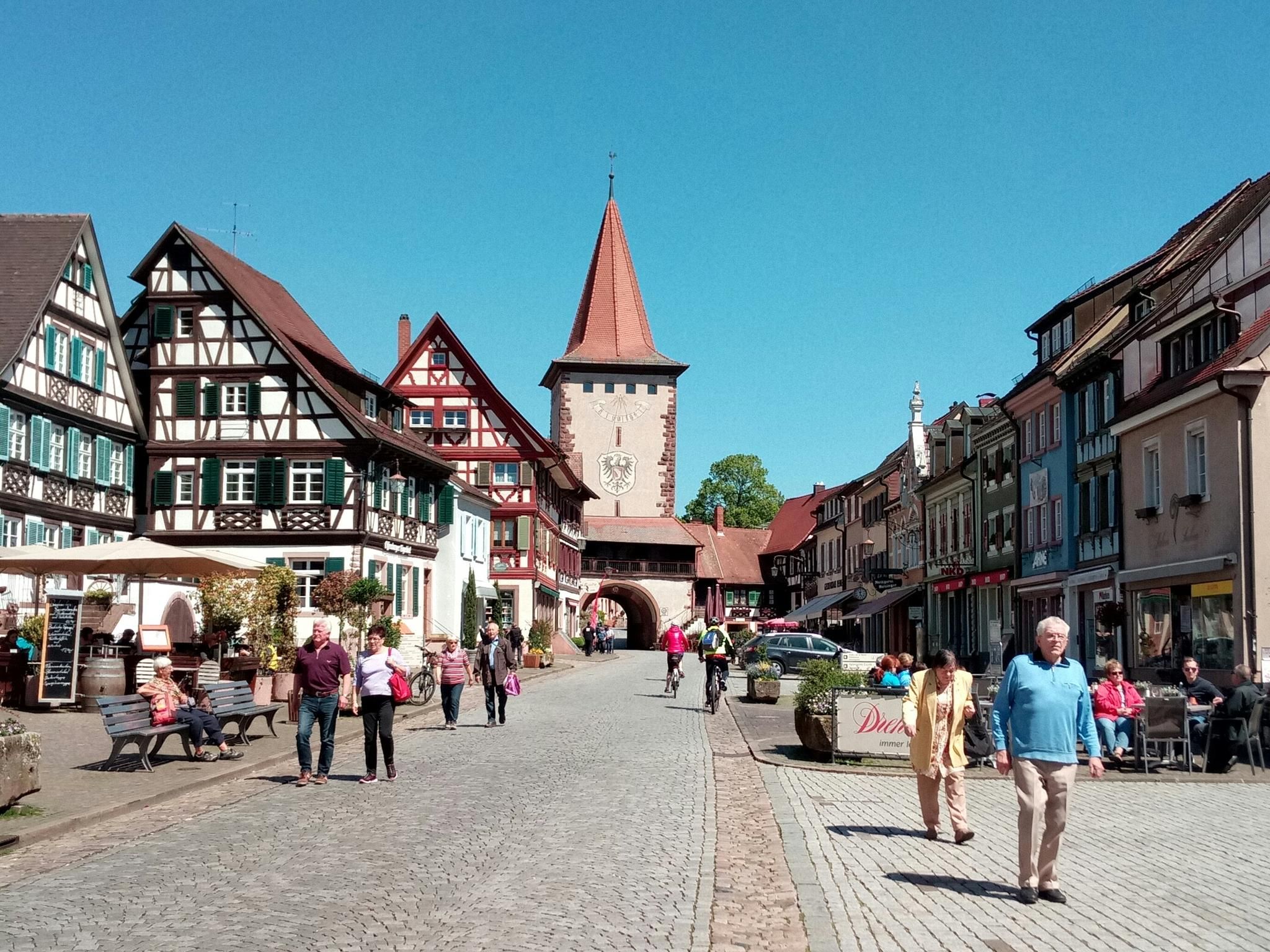
Cycling along the German Half-Timbered House Route
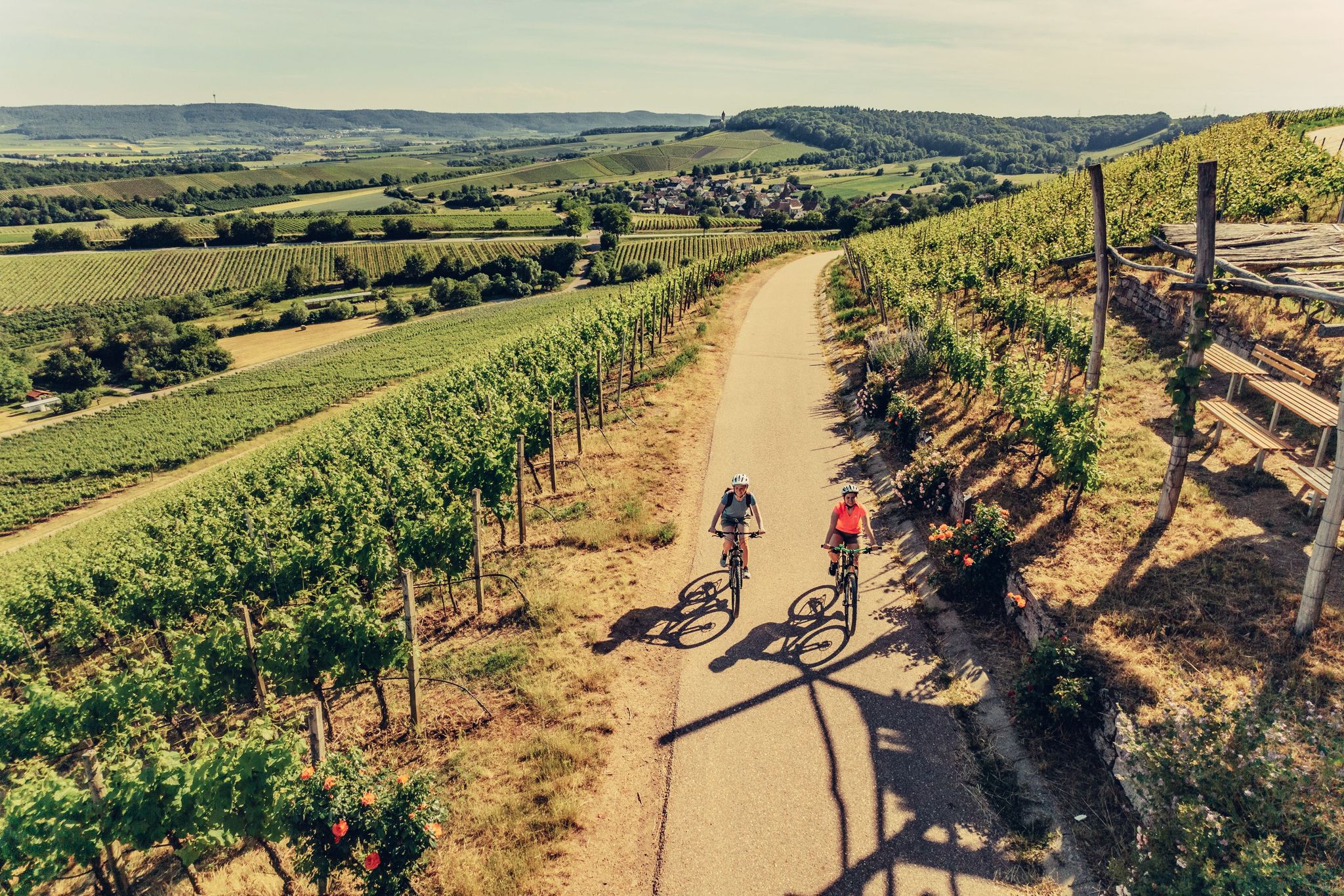
E-bike day Tours along the Tauber, Kocher, Jagst and Neckar rivers
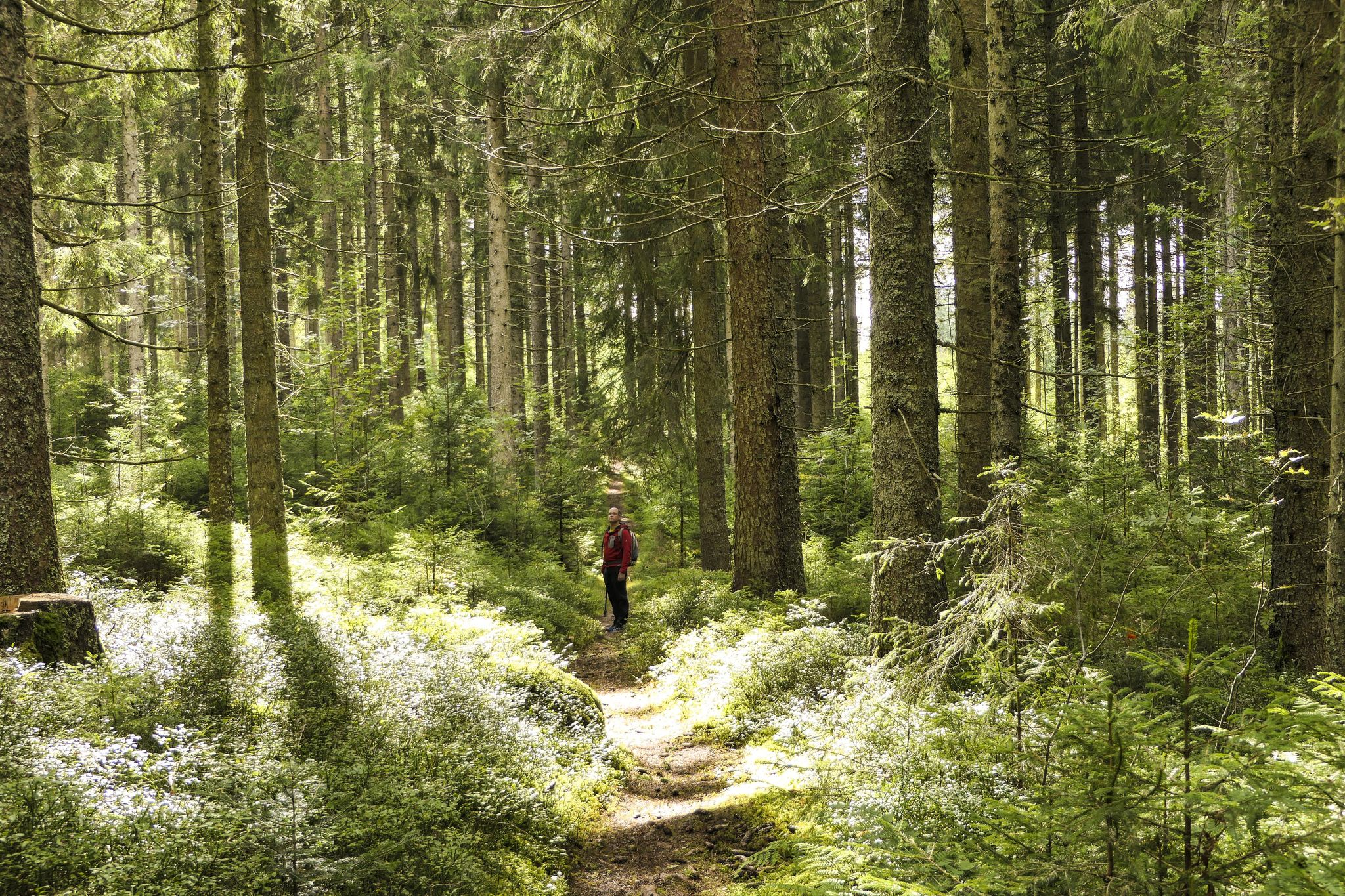
Discover 10 special protected natural areas in Germany’s Baden–Württemberg

Winter wonderland — hiking in Germany’s Baden-Württemberg
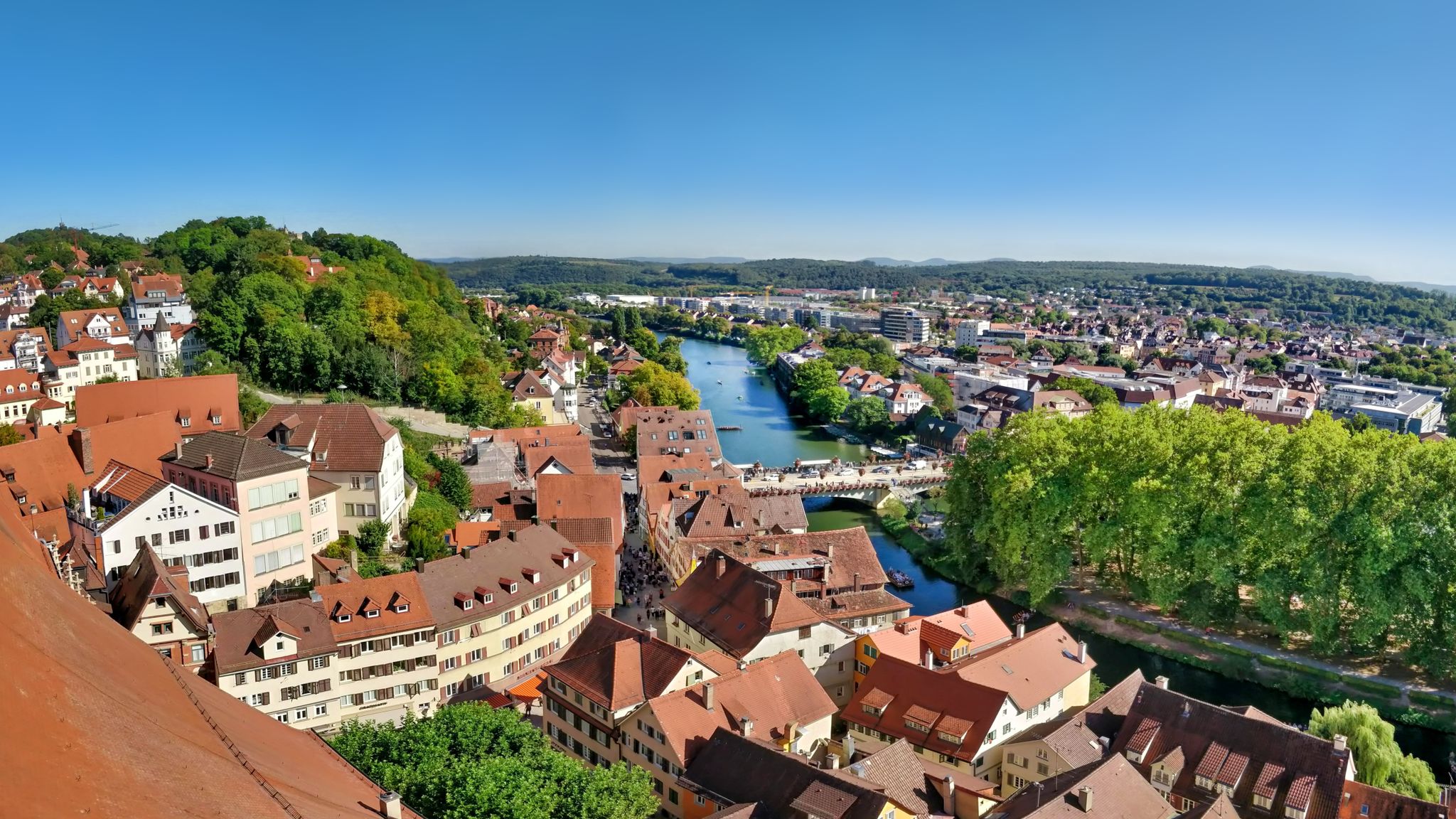
The Neckar Valley Cycle Path – ride in Germany’s Swabian heartland
Other adventures around Eberbach


Tips from the Community


Beautiful area for relaxing, it's worth taking a few steps slower
0
0

View of Hirschhorn Castle after a great previous descent🤗
0
0

Coming from Katzenbuckel, the route is initially car-free for several kilometers. Scenically attractive, and despite some damage to the surface, it's still suitable for road bikes, even downhill.
0
0


It's really good to drive, even in summer. Unfortunately there are a lot of cars on the road. It's fairly flat at the beginning, but then it gets a bit steeper towards the end.
0
0

very nice driveway for racing bikes etc. through the forest
0
0

The noble family of the Counts of Lauffen is mentioned in 1196, of whom Conradus called himself “comes de Eberbach” and whose followers also called themselves after “Eberbach” in the 13th century. There is evidence that Eberbach Castle in the Diocese of Worms already existed in the High Middle Ages. The castle was first mentioned in 1227 when Henry VII, a Hohenstaufen, received it as a fief. The expansion of the place into a city probably goes back to him. The imperial tax register from 1241 shows that a city wall was built in Eberbach around this time. This speaks for the rebuilding of the town on the Neckar, while Eberbach must previously have been just a hamlet below the castle. In 1235 the castle became part of the empire. After 1297 the castle was pledged to various pawns. In 1330 the castle and town were pledged to the Counts Palatine of the Rhine, who received the right of patronage in 1361 and ensured the transfer of the imperial city to the Electoral Palatinate by the 16th century. There has been evidence of a Zent in Eberbach since 1360; the mayor of the town was the mayor of the Electoral Palatinate winery. After 1402 the castle was razed by Hans von Hirschhorn. Between 1528 and 1555, the University of Heidelberg moved individual faculties to Eberbach several times because of the plague that prevailed there. As part of the Electoral Palatinate, Eberbach was reformed in the 16th century, but in the course of the Counter-Reformation there was a religious split in the 17th century. The city was only slightly damaged in the Thirty Years' War; However, the population here also suffered and there was great poverty. The population found their livelihood in the timber industry and processing, fishing and shipping.
2
0
Frequently Asked Questions
How many road cycling routes are available around Eberbach?
There are over 40 road cycling routes around Eberbach, offering a diverse range of experiences from moderate riverside paths to challenging climbs through forested hills. You'll find options suitable for various skill levels.
Are there easy road cycling routes suitable for beginners in Eberbach?
Yes, Eberbach offers some easier routes. For instance, the region features paths along the Neckar River with gentler gradients. While most routes are moderate to difficult, there is at least one easy route available, and many moderate options like Eberbach Old Town – Neckar Bridge, Zwingenberg loop from Eberbach offer a less strenuous experience.
What are the most challenging road cycling routes with significant elevation in Eberbach?
For those seeking a challenge, routes like Neckar Bend at Hirschhorn – Weißer Stein Climb loop from Lindach are ideal. This difficult route covers over 100 km and features substantial elevation gain through forested hills, testing your climbing abilities.
Are there circular road cycling routes around Eberbach?
Yes, many road cycling routes in Eberbach are designed as loops, allowing you to start and end in the same location. Examples include the Neckar Bend at Hirschhorn – Climb from Schönau to Grein loop from Eberbach, which offers a mix of riverside cycling and climbs, and the Zwingenberg Neckar Bridge – View of Zwingenberg Castle loop from Eberbach.
What kind of scenery can I expect on road cycling routes in Eberbach?
The routes in Eberbach are defined by the scenic Neckar River valley, which winds through a landscape of rolling hills and dense forests. You'll encounter picturesque riverside paths, challenging ascents into the uplands, and views of historic castles and charming towns along the way.
What historical landmarks or attractions can I see while road cycling near Eberbach?
The region is rich in history. You can cycle past impressive castles and ruins, such as the View of Zwingenberg Castle, which is featured on the Zwingenberg Neckar Bridge – View of Zwingenberg Castle loop from Eberbach. Other notable sites include the Dilsberg Fortress and the Hinterburg Ruins (Neckarsteinach).
Are there any waterfalls accessible from the road cycling routes in Eberbach?
While not directly on the road cycling paths, the wider region around Eberbach features beautiful natural attractions. You can find stunning waterfalls like the Margaretenschlucht Waterfalls and the Wolf Gorge Waterfalls (Odenwald), which might be a short detour from some routes.
What do other road cyclists enjoy most about road cycling in Eberbach?
The road cycling experience in Eberbach is highly rated by the komoot community, with an average score of 4.8 stars from over 90 reviews. Cyclists often praise the varied terrain, from the tranquil Neckar riverside paths to the rewarding climbs with panoramic views, and the opportunity to explore historic landmarks.
What is the best season for road cycling in Eberbach?
The Neckar valley and surrounding Odenwald region are generally pleasant for road cycling from spring through autumn. Spring brings blooming landscapes, while autumn offers vibrant foliage. Summer is also popular, though some climbs can be more strenuous in warmer weather. Winter cycling is possible but may require more caution due to colder temperatures and potential for icy patches on higher elevations.
Are there options for public transport access to road cycling routes in Eberbach?
Eberbach is well-connected by public transport, particularly by train, as it lies on the Neckar Valley Railway. This allows for flexible planning, enabling cyclists to start or end their rides at various points along the Neckar River and easily return to Eberbach.
Where can I find parking for road cycling routes in Eberbach?
Eberbach offers various parking options, especially near the town center and along the Neckar River, which serve as convenient starting points for many routes. Specific parking availability may vary, so it's advisable to check local signage upon arrival.
Are there less crowded road cycling routes in Eberbach?
While popular routes along the Neckar can see more activity, exploring the routes that venture into the higher elevations and forested areas of the Odenwald often provides a more secluded experience. These routes tend to be more challenging but offer tranquility and stunning views away from the main river paths.
Most popular routes around Eberbach
Most popular attractions around Eberbach

Get inspired with the komoot mobile app


Explore more
Browse the best Road cycling routes in other regions.
