The best walks and hikes around Hospental
4.7
(2372)
17,333
hikers
14
hikes
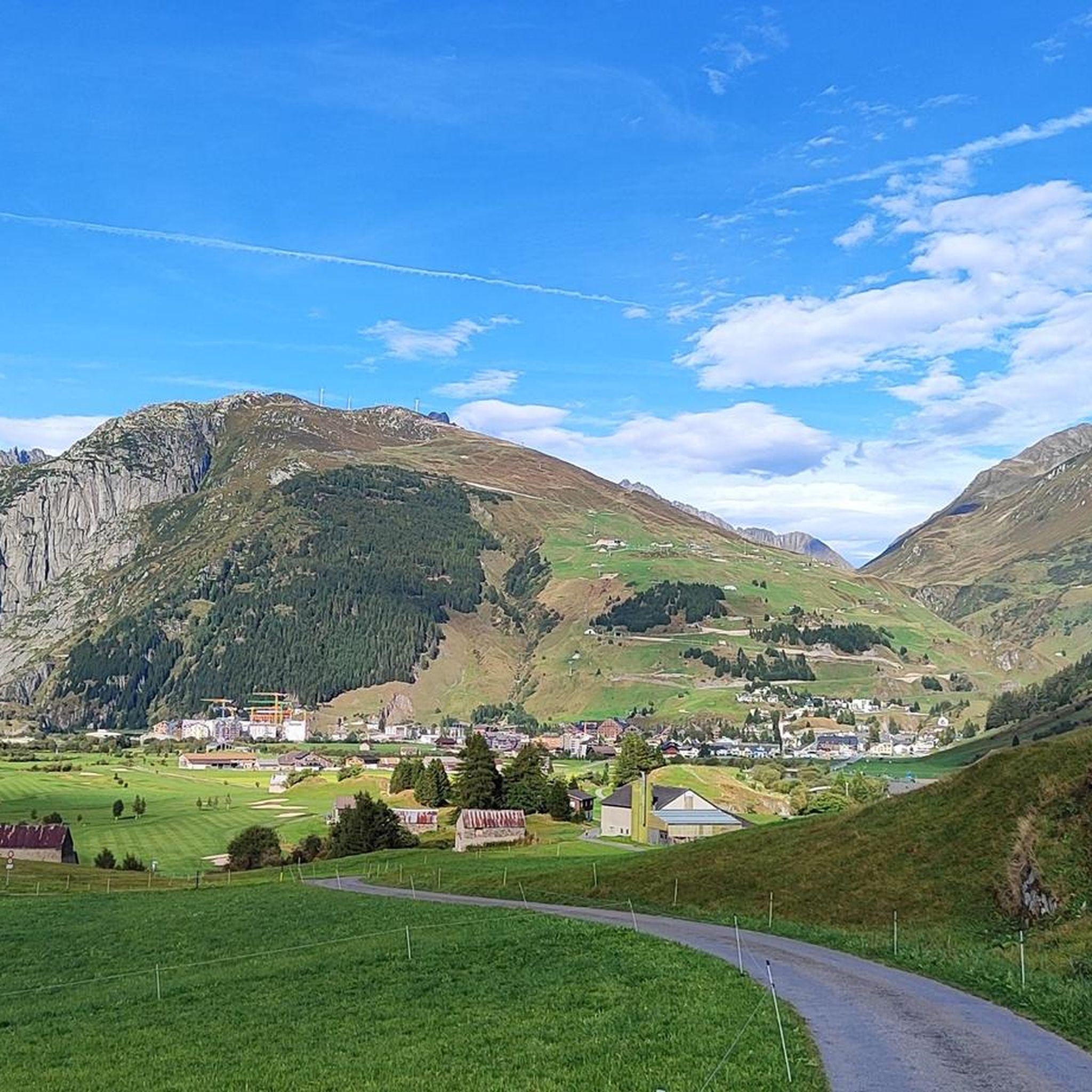
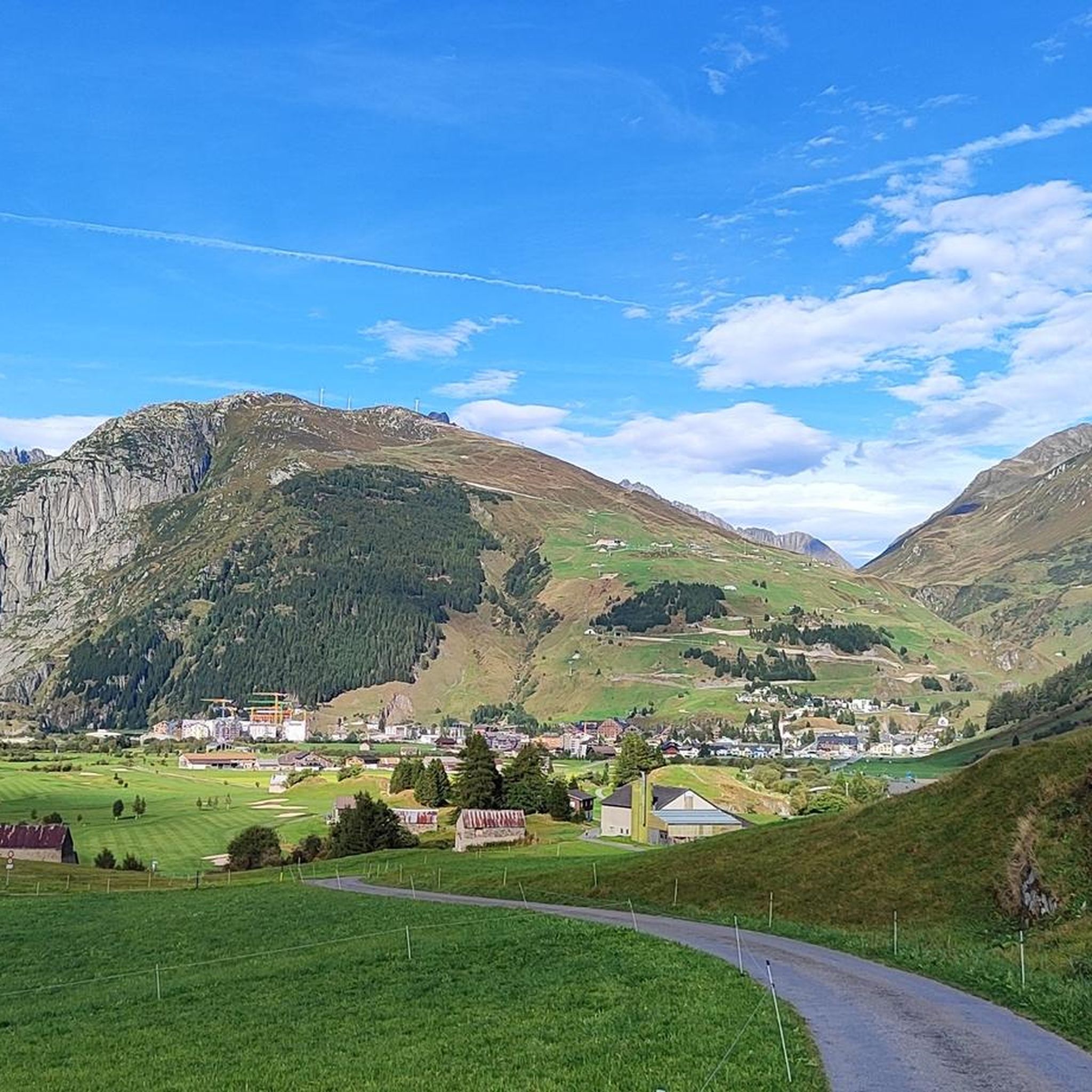
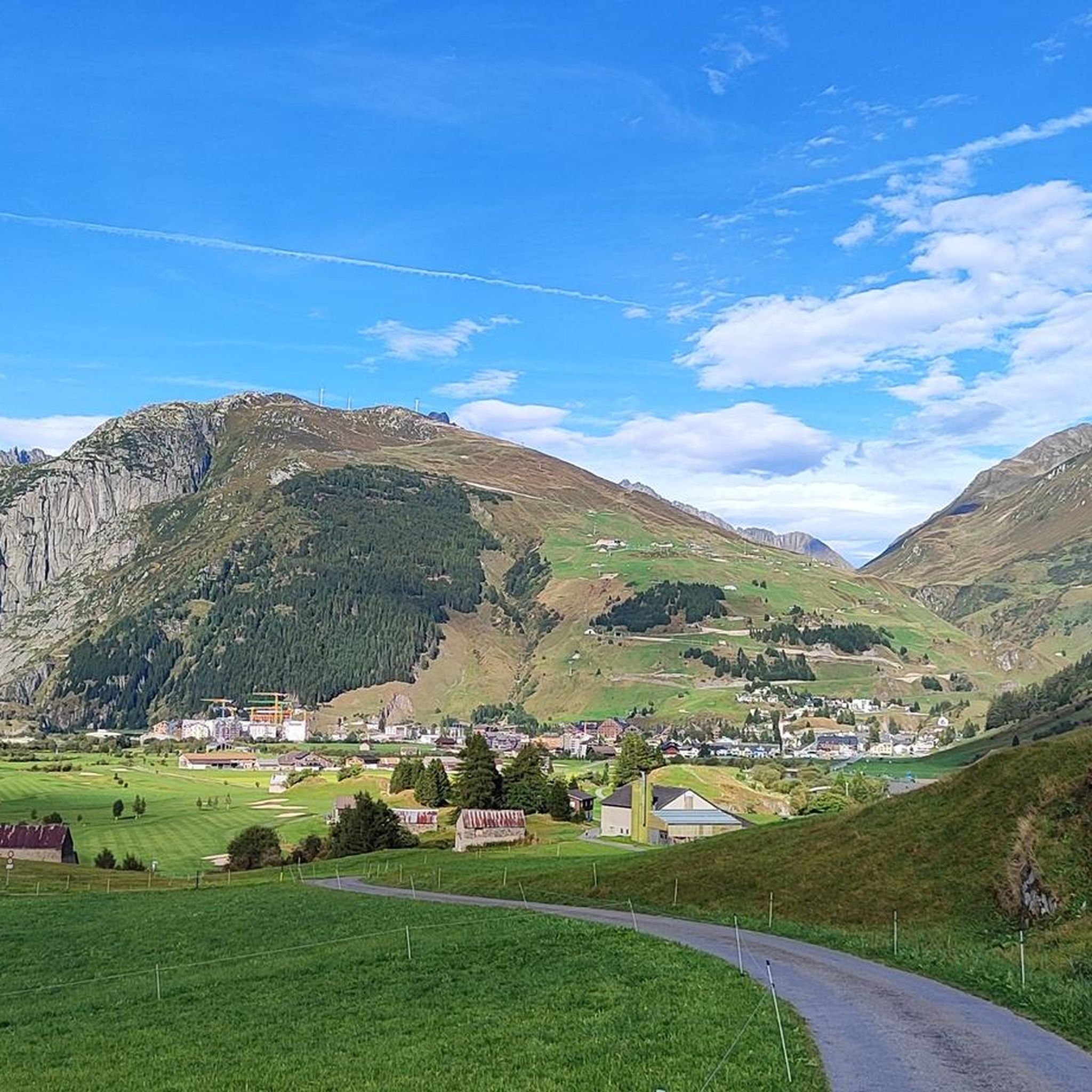
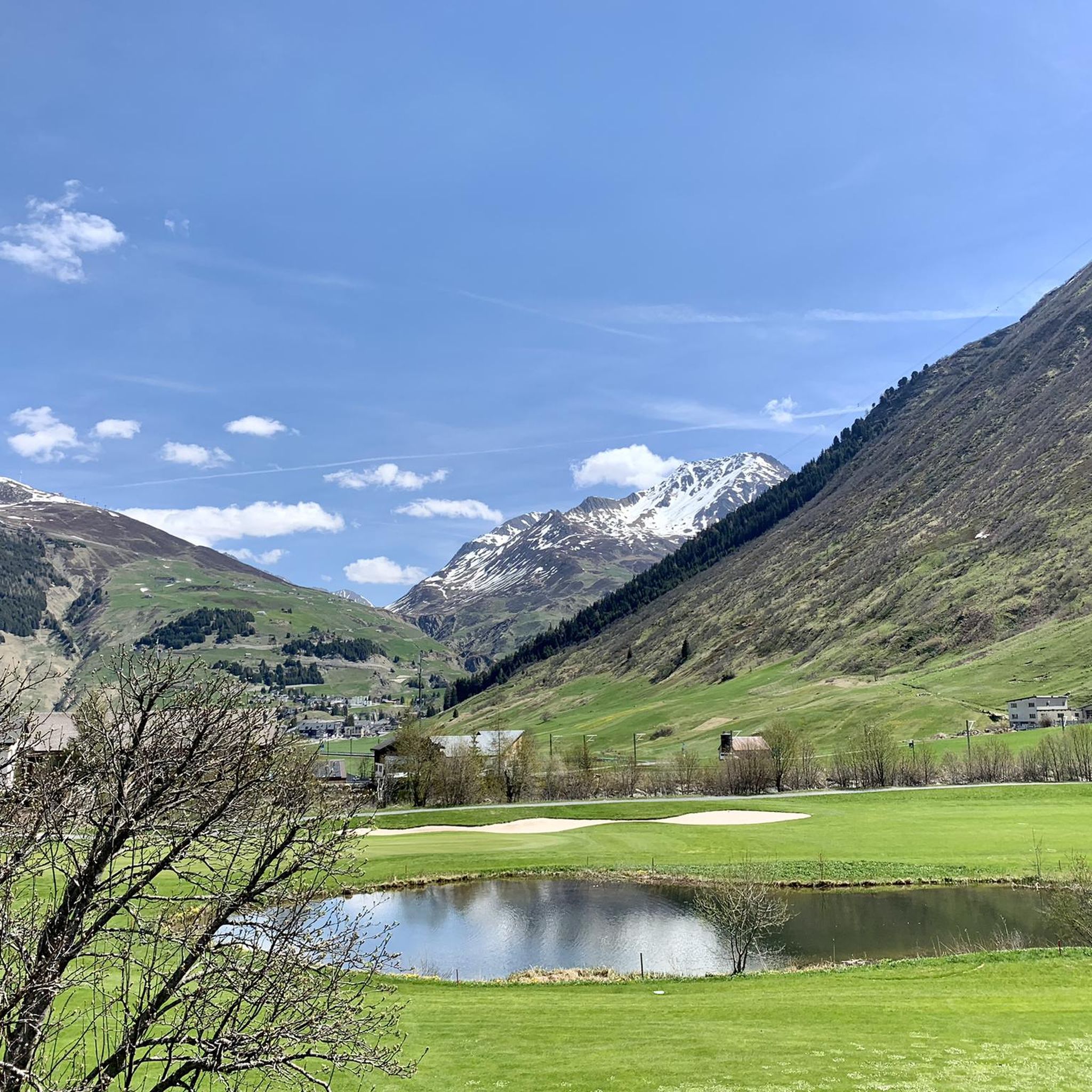
Hiking around Hospental offers diverse terrain within the Swiss Alps, situated at the foot of the Gotthard Pass in the Ursern Valley. The region features majestic peaks reaching up to 3,000 meters, traversed by the Reuss River. Hikers can explore environments ranging from dense forests and alpine pastures to steep mountain slopes and serene mountain lakes, including the Sella Reservoir. The area is also characterized by dramatic mountain passes like the Gotthard Pass and Furka Pass.
Best hiking trails around…
Last updated: September 27, 2026
4.8
(13)
114
hikers
19.9km
07:38
840m
840m
Hard hike. Very good fitness required. Mostly accessible paths. Sure-footedness required.
4.6
(7)
63
hikers
8.33km
02:16
110m
110m
Moderate hike. Good fitness required. Easily-accessible paths. Suitable for all skill levels.

4.8
(5)
55
hikers
Hard hike. Very good fitness required. Easily-accessible paths. Suitable for all skill levels.
4.7
(10)
71
hikers
20.1km
06:04
440m
440m
Hard hike. Very good fitness required. Mostly accessible paths. Sure-footedness required.
4.8
(5)
50
hikers
Moderate hike. Good fitness required. Mostly accessible paths. Sure-footedness required.
Get access to more routes and recommendations from other explorers.
Already have an account?
Our route recommendations are based on thousands of hikes, rides, and runs completed by other people on komoot.
Start today with a free account
Your next adventure awaits.


Other adventures around Hospental

Tips from the Community

The old hospice on the Gotthard Pass was converted and extended into a 3-star hotel between 2008 and 2010. Architects Miller & Maranta and civil engineers Conzett Bronzini Gartmann created, in close collaboration, a modern structure that appears to have always existed in this location. It integrates naturally into the spatial and historical context, and its simplicity is reflected in the architecture and the supporting structure.
1
0

Worth seeing, luckily few cars drive through here.
0
0

When the marker is nearby, the hardest part of the climb is behind you.
5
0
Take the time to enjoy this beautiful mountainous place.
5
0
A pretty village nestled in the mountainside.
5
0
The vestiges of the past are still very present
6
0


Frequently Asked Questions
What types of hiking trails can I find around Hospental?
Hospental offers a diverse range of hiking trails, from leisurely strolls through alpine pastures to challenging multi-day treks across majestic peaks. You'll find routes winding through dense forests, along the Reuss River, and up steep mountain slopes, often leading to serene mountain lakes like the Sella Reservoir. The region is also known for its dramatic mountain passes, such as the Gotthard Pass and Furka Pass, which feature historic paths.
Are there any easy hiking routes suitable for families or beginners in Hospental?
Yes, Hospental has several easier routes. While many trails involve significant elevation, you can find options that are less demanding. For instance, there are 4 easy routes available, offering a gentler introduction to the region's beauty. These often involve more gradual ascents and shorter distances, perfect for a relaxed outing.
What are some notable landmarks or attractions to see while hiking in Hospental?
Hospental's hiking trails are rich with natural and historical landmarks. You can explore the well-preserved village center with its 13th-century fortified Tower of the Lords. Trails also lead past the historic Old Hospice of St. Gotthard and the Guex Monument at Gotthard Pass. For stunning natural features, look for routes that offer views of the Sella Reservoir or lead towards mountain huts like the Salbithütte, which features a 90-meter-long suspension bridge, or the Rotondo Hut.
Are there any circular hiking routes around Hospental?
Yes, many of the trails around Hospental are designed as loops, allowing you to start and end in the same location. For example, the challenging Tower of Hospental – Hospental village loop takes you through the local landscape, returning to the village. Another option is the moderate Dorfbrücke Andermatt – Dorfstrasse Andermatt loop, which connects villages within the valley.
What is the best time of year to go hiking in Hospental?
The best time for hiking in Hospental is typically from late spring through early autumn (roughly June to October). During these months, the alpine pastures are in bloom, the weather is generally more stable, and the higher mountain passes are usually clear of snow, making most trails accessible. Always check local weather and trail conditions before heading out, especially for higher altitude routes.
Can I bring my dog on the hiking trails in Hospental?
Many trails in the Hospental region are dog-friendly, allowing you to enjoy the alpine scenery with your canine companion. However, it's always advisable to keep your dog on a leash, especially in areas with livestock or protected wildlife. Be mindful of any specific regulations posted on trailheads or in nature reserves. Ensure your dog is fit for the chosen route and carry enough water for both of you.
Are there any long-distance or multi-day hiking options from Hospental?
Hospental serves as a key point for several long-distance treks. It's part of stages of the 'Gotthard Crystal Trek,' which can involve crossing the Sella Reservoir and leading to various mountain huts. The historic 'Via Suworow' also passes through the area, offering a blend of impressive natural scenery and historical sites for those looking for a longer adventure.
What are the typical elevations and difficulties of hikes in Hospental?
Hospental is situated at approximately 1,200 meters, with surrounding mountains reaching up to 3,000 meters. This means hikes can vary significantly in elevation gain and difficulty. You'll find everything from moderate valley walks with a few hundred meters of ascent, like the Holy Cross Church in Realp – Stone Railway Bridge at Hospental loop, to difficult alpine routes with over 800 meters of climbing, such as the Hospental village – Blauseeli loop.
What do other hikers say about the trails in Hospental?
The hiking trails in Hospental are highly regarded by the komoot community, with an average rating of 4.7 stars from over 1,800 reviews. Hikers frequently praise the breathtaking panoramas, the diverse landscapes ranging from alpine pastures to dramatic mountain passes, and the well-maintained paths that cater to various fitness levels. Many appreciate the blend of natural beauty with historical and cultural points of interest.
Are there mountain huts available for overnight stays or refreshments along the trails?
Yes, the region around Hospental is well-equipped with mountain huts that serve as excellent resting spots or starting points for longer treks. Notable huts include the Maighelshütte, Salbithütte, Cadlimo Hut, and Rotondo Hut. These huts often offer meals, drinks, and overnight accommodation, providing a comfortable base for exploring the high alpine environment.
How many hiking routes are available to explore around Hospental?
There are over a dozen distinct hiking routes around Hospental, offering a wide variety of experiences. These include 4 easy trails, 6 moderate options, and 4 challenging routes, ensuring there's something for every skill level and preference.
Are there any historical trails in the Hospental area?
Yes, Hospental is rich in historical trails. The 'Hospental Trail' follows the historic Furkaweg, allowing you to trace the footsteps of old muleteers through an idyllic valley, past ancient barns. Additionally, the Gotthard Pass itself features an old mule track and paths between hairpin bends that are steeped in history and worth exploring.
Most popular attractions around Hospental

Get inspired with the komoot mobile app


Explore more
Browse the best Hikes in other regions.
