Attractions and Places To See around Rodenäs - Top 20
Best attractions and places to see around Rodenäs include a blend of significant natural features and cultural landmarks in North Frisia, Germany. The region is characterized by its coastal landscape, proximity to the Wadden Sea, and unique border location with Denmark. Visitors can explore extensive nature reserves, historical sites, and distinctive points of interest that highlight the area's geography and heritage. This area offers diverse opportunities for outdoor exploration and cultural engagement.
Best attractions and places to see around Rodenäs
…Last updated: October 9, 2026
Morsum-Kliff
Highlight • Natural Monument
Translated by Google •
Tip by

Rosenkranz–Rudbøl Border Crossing
Highlight • Structure
Translated by Google •
Tip by

Sign up now to discover places like this
Get recommendations on the best single tracks, peaks, & plenty of other exciting outdoor places.
Sand Martin nesting site at Morsum Kliff
Highlight • Natural Monument
Translated by Google •
Tip by

Højer Mill
Highlight • Monument
Translated by Google •
Tip by
Rickelsbüller Koog
Highlight • Natural Monument
Translated by Google •
Tip by
Sign up for free to discover even more attractions around Rodenäs.
Already have an account?
Start today with a free account
Your next adventure awaits.
Tips from the Community

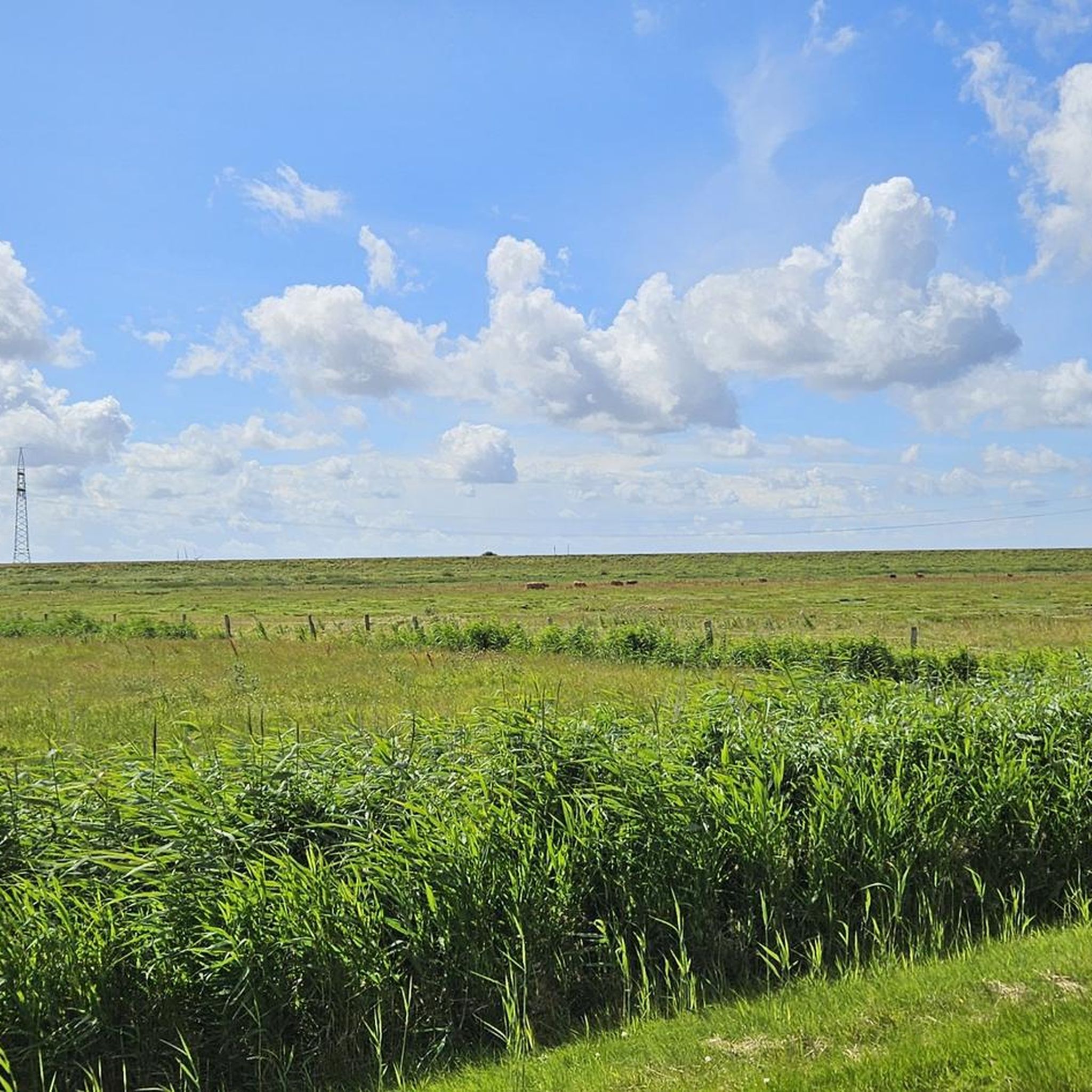
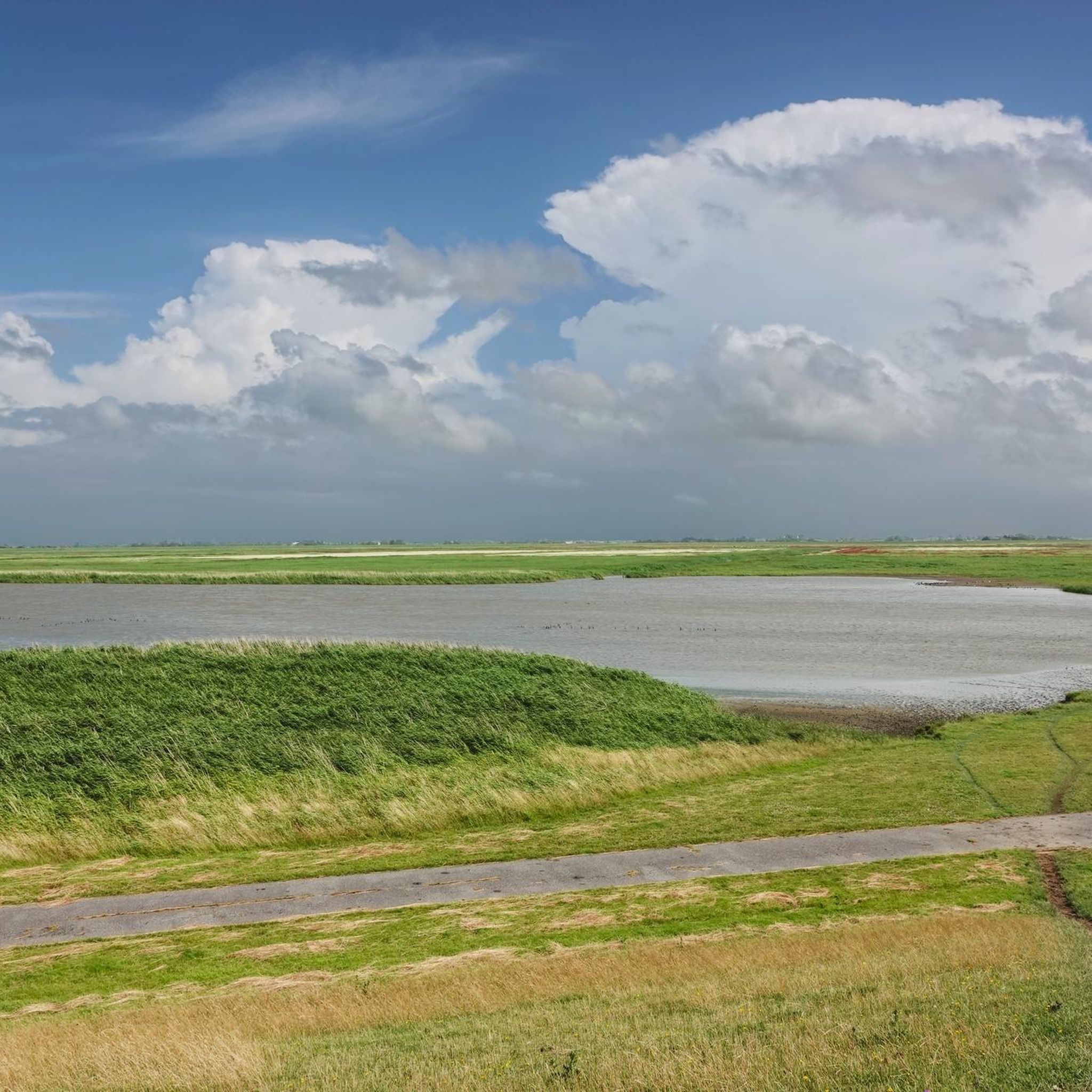
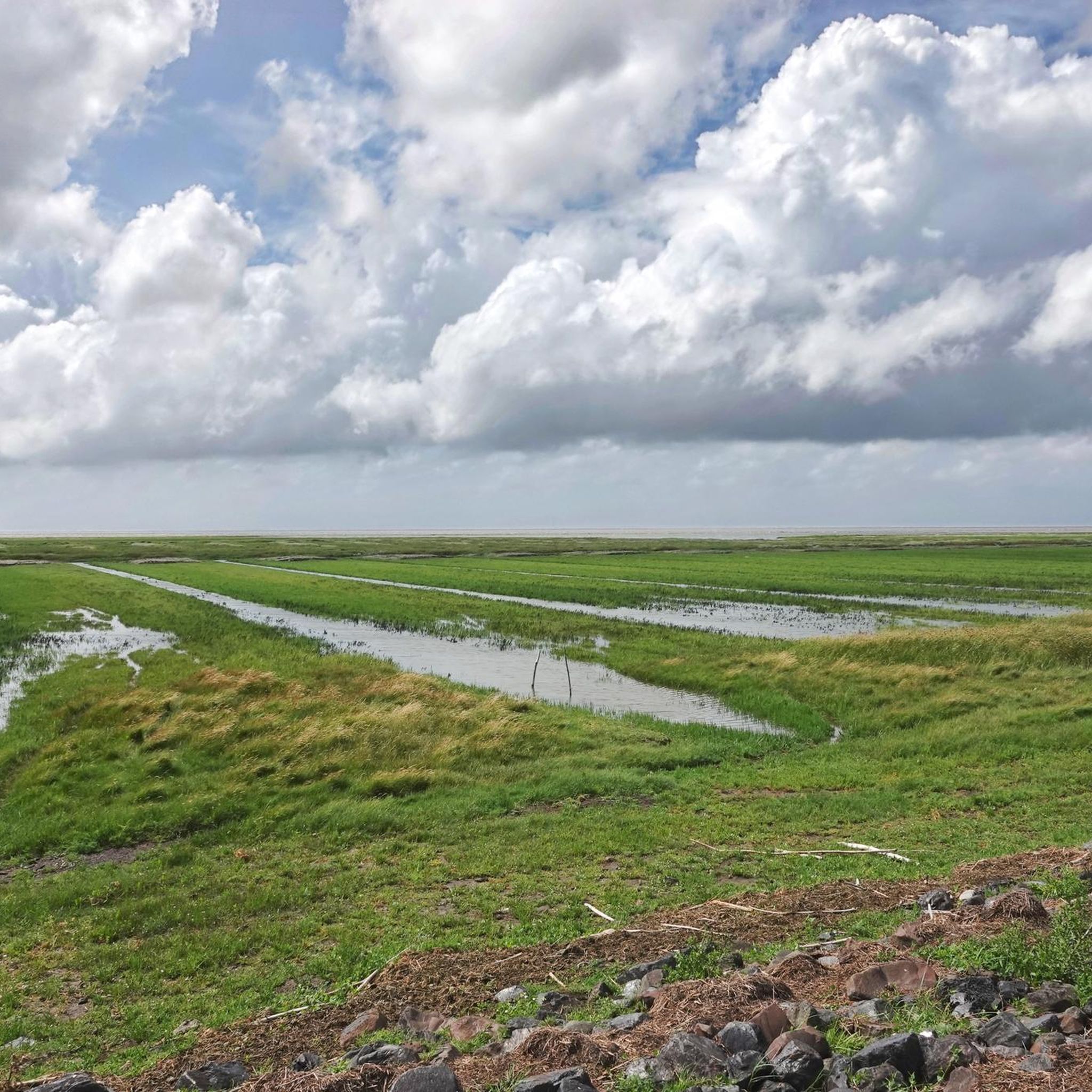
The construction of the Rickelsbüller Koog began in 1979, and it was inaugurated in 1981. It is named after the village of Rickelsbüll, which was lost in the Great Flood on December 1, 1615, the remains of which are located under the dike between the Wiedingharder Neuen Koog and the Rickelsbüller Koog. In 1982, the koog was declared a nature reserve, thus replacing the previous protected area 'Bird Sanctuary North Sea East of Sylt'. On December 10, 1997, an information pavilion was opened by the Schleswig-Holstein state government, which provides information about the bird species found there in both German and Danish.
0
0
The Højer Mill is an ideal destination on the Wadden Sea. The mill invites you to a cozy stay in the picturesque surroundings of the Wadden Sea and the marsh. Discover the history and technology of the mill and learn more about life in the Tondern marsh in the exhibitions. A cozy café is set up in the miller's house, where you can indulge in Danish cakes and coffee. Children under 18 years of age have free admission. At the Højer Mill, you will experience the history of milling technology as well as a unique cultural heritage and nature up close. At 22 meters, the mill is one of the tallest Dutch windmills in Northern Europe. From the gallery, you have a wonderful view of the town of Højer and the surrounding nature with marsh and Wadden Sea. In the exhibitions in the two former granaries, you will learn more about the life and nature of the marshland.
0
0

Very nice place and a cafe is also next door
0
0

On a sunny day, you're never alone at the cliff. It's different in winter: there's plenty of space and time to appreciate the landscape, and you can easily imagine the history of the cliff.
8
0

Without a sign, you wouldn't notice that you're walking into another country... It's nice how easy this can be these days.
2
0

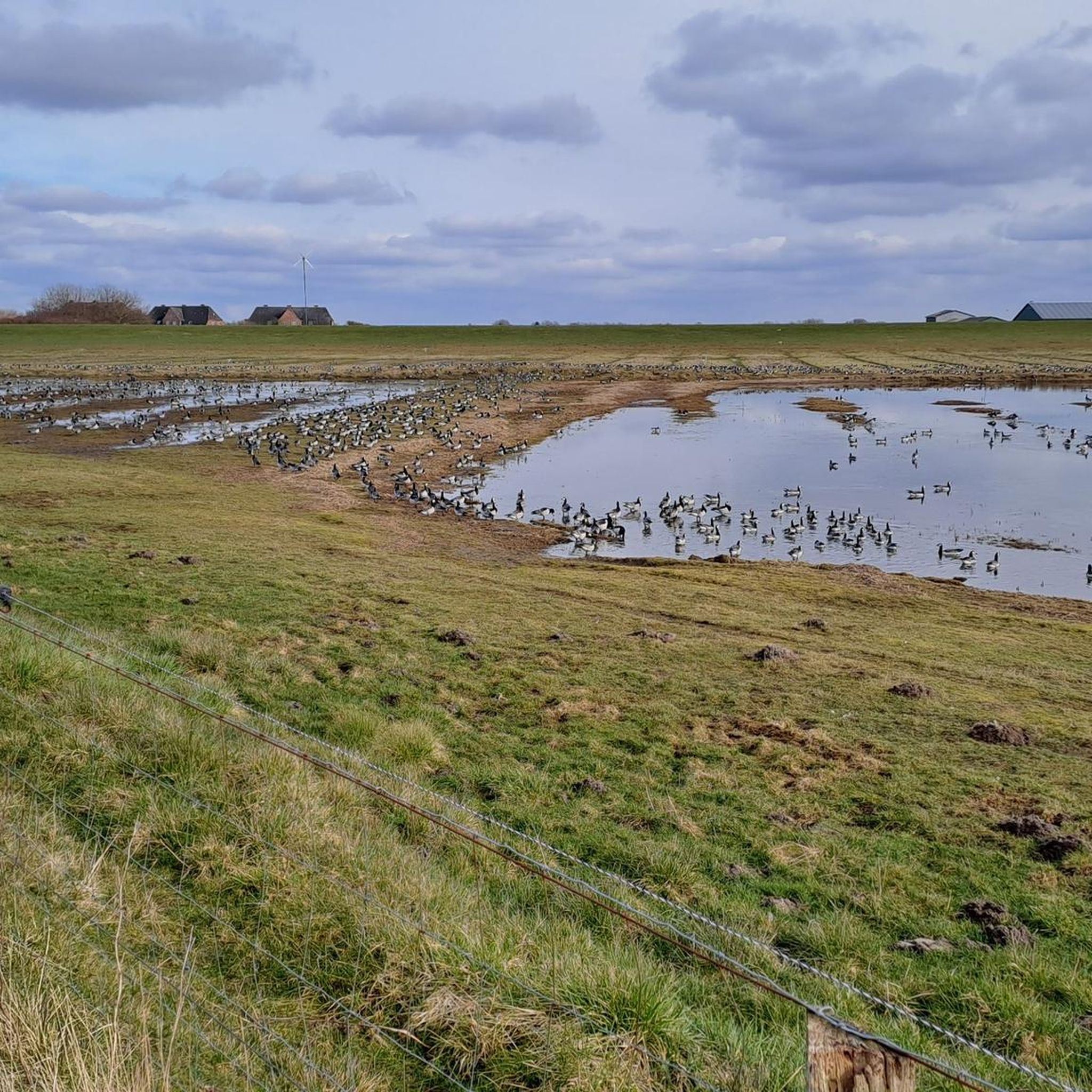
The Rickelsbüller Koog is a nature reserve covering approximately 534 hectares in the North Frisian district – the northwesternmost point of mainland Germany lies there, directly on the border dam near Rodenäs-Markhäuser. Since its embankment in 1981 and official designation as a protected area in 1982, it offers a mosaic of wet meadows, reed beds, and inland waters that developed from the former mudflats and salt marshes. For birdwatchers, the Koog is a true paradise: it is one of the most important resting and breeding areas along the Schleswig-Holstein North Sea coast. Species such as pink-footed goose, barnacle goose, redshank, black-tailed godwit, dunlin, knot, and many more rest and breed here in large numbers. Particularly impressive are the now regular sightings of white-tailed eagles – a testament to the ecological importance of the area. The landscape is crisscrossed by easily accessible dikes and observation points, including an observation hut. Ideal for nature lovers: binoculars are a must to experience the vibrant birdlife in action. The circular trail – for example, part of the "WWF Tour – Boundless Birdlife" – runs approximately 13 km through the area, offering extensive experiences of the open landscape and the opportunity to experience the northernmost point of the mainland. The Koog is accessible via Rodenäs: By bike or car, you can reach a free parking area directly next to the dike via the border road. From there, paths lead into the protected area – the clear landscape, the rich birdlife, and the peacefully flowing border make the destination a special natural location.
2
0

The mill is located in the center of Højer and at the same time in the middle of the Tøndermarsch, the northernmost part of a large, man-made marshland that extends south to Northern Germany and the Netherlands. In the two old grain stores, Lille and Stone Spiker, exhibitions and further information offer insights into the creation of the marsh. Furthermore, you can learn more about the drainage of the land, the dikes, locks, koogs, etc. - and not least about the unique nature and birdlife of the marshland. The mill itself dates back to 1857. Together with the stores, the residential building, and the garden, it forms a well-preserved cultural heritage site that is part of Museum Sønderjylland. Højer Mølle also has a café.
1
0

the landscape with the various flying animals
2
0
Frequently Asked Questions
What natural attractions can I explore around Rodenäs?
The region offers significant natural beauty. A prominent natural highlight is the Rickelsbüller Koog, a nature reserve important for migratory birds. On the island of Sylt, the Morsum-Kliff is an impressive geological natural monument with rock layers up to ten million years old. The broader Wadden Sea, a UNESCO World Heritage site, also borders the region.
Are there good spots for birdwatching near Rodenäs?
Yes, the Rickelsbüller Koog is an excellent location for birdwatching. It's a significant resting and breeding ground for migratory and wading birds, featuring observation points and a birdwatching hide. Thousands of winter visitors, including barnacle geese, wigeons, and dunlins, can be observed here, especially from autumn to spring.
What historical or cultural sites are there to visit?
Rodenäs is home to the Kulturstation Zollhäuser Rodenäs e.V., a cultural hub in former customs houses that hosts various events. The Kirche Rodenäs (Church of Rodenäs) is also a listed cultural monument. Further afield, the Højer Mill in Denmark is a historical site and museum, Northern Europe's tallest Dutch windmill, offering insights into milling history.
Are there any unique border experiences near Rodenäs?
Absolutely. The Rosenkranz–Rudbøl Border Crossing between Germany and Denmark is a unique sight. For 130 meters, the border runs directly in the middle of the road and then through Ruttebüller Lake (Rudbøl Sjø), making it an unusual and interesting place to visit.
What kind of outdoor activities can I do near these attractions?
The area around Rodenäs is ideal for various outdoor activities. You can enjoy easy hikes, road cycling, and running. For hiking, explore routes like the Rickelsbüller Koog loop. Cyclists can find routes such as the Klanxbüll Station – Tønder Old Town loop. You can find more details and routes in the easy hikes around Rodenäs guide, road cycling routes around Rodenäs guide, and running trails around Rodenäs guide.
Are there hiking trails suitable for different skill levels?
Yes, there are several hiking trails, particularly easy ones. For example, the Rickelsbüller Koog offers a circular trail of almost 13 km that can be circumnavigated on foot. Other easy options include the Hindenburgdamm – Continue loop and the Neukirchen Water Level Marker – Fegetasch Country Inn loop. You can find more options in the easy hikes around Rodenäs guide.
When is the best time to visit Rodenäs for outdoor activities?
The region is particularly appealing in spring and autumn for birdwatching, as large flocks of migratory birds can be observed in areas like the Rickelsbüller Koog. For general outdoor exploration, the warmer months offer pleasant conditions for hiking and cycling. In August, the heather blooms violet and wide above the Morsum-Kliff, offering a beautiful sight.
Are there family-friendly attractions around Rodenäs?
Many attractions cater to families. The Rickelsbüller Koog nature reserve is suitable for families, offering easy walks and birdwatching opportunities. The Højer Mill in Denmark is also a family-friendly museum. The Rosenkranz–Rudbøl Border Crossing offers a unique and educational experience for all ages.
What do visitors enjoy most about the attractions around Rodenäs?
Visitors frequently highlight the stunning panoramic views, especially of the Wadden Sea from locations like the Morsum-Kliff. The rich birdlife and tranquil atmosphere of the Rickelsbüller Koog are also highly appreciated. The unique historical and cultural insights offered by sites like the Højer Mill and the distinctive Rosenkranz–Rudbøl Border Crossing are also popular among visitors.
Can I visit attractions that are wheelchair accessible?
Yes, the Rosenkranz–Rudbøl Border Crossing is noted as wheelchair accessible, allowing visitors to experience this unique international boundary.
Are there any interesting attractions just outside Rodenäs, across the border?
Yes, the proximity to Denmark offers additional attractions. The Højer Mill, Northern Europe's tallest Dutch windmill, is a museum in Denmark. Other nearby Danish towns like Tønder, known for its charming old town, and Ribe, Denmark's oldest city with an impressive cathedral, are also within accessible reach for a day trip.
Are there any geological natural monuments in the area?
The Morsum-Kliff on Sylt is a significant geological natural monument. It features rock layers up to ten million years old, offering a fascinating insight into earth's history. Information boards along its circular path explain the area's geology and wildlife.
Most popular attractions around Rodenäs

Get inspired with the komoot mobile app


Explore more
Still not found the Highlight you’re looking for? See guides of the top attractions in other regions:
