Attractions and Places To See in Lihue-Koloa Forest Reserve - Top 7
Best attractions and places to see in Lihue-Koloa Forest Reserve are located within this 12,500-acre area on eastern Kaua'i. The reserve features diverse ecosystems, ranging from wet lowlands to high-altitude native forests, and serves a critical role in watershed protection. Visitors can explore a variety of natural features, including towering trees, tropical plants, and significant geographical landmarks. The area also holds cultural significance, with remnants of early Hawaiian settlements and protected native vegetation.
Best attractions and places to see in…
Last updated: May 25, 2026
Bridge connecting Kuilau Ridge Trail & Moalepe Trail
Highlight • Bridge
Tip by

Paper Birch Forest on Moalepe Trail
Highlight • Forest
Tip by

Sign up now to discover places like this
Get recommendations on the best single tracks, peaks, & plenty of other exciting outdoor places.
Sign up for free
Moalepe Trail
Highlight (Segment) • Trail
Tip by
Keahua Arboretum
Highlight • Forest
Tip by

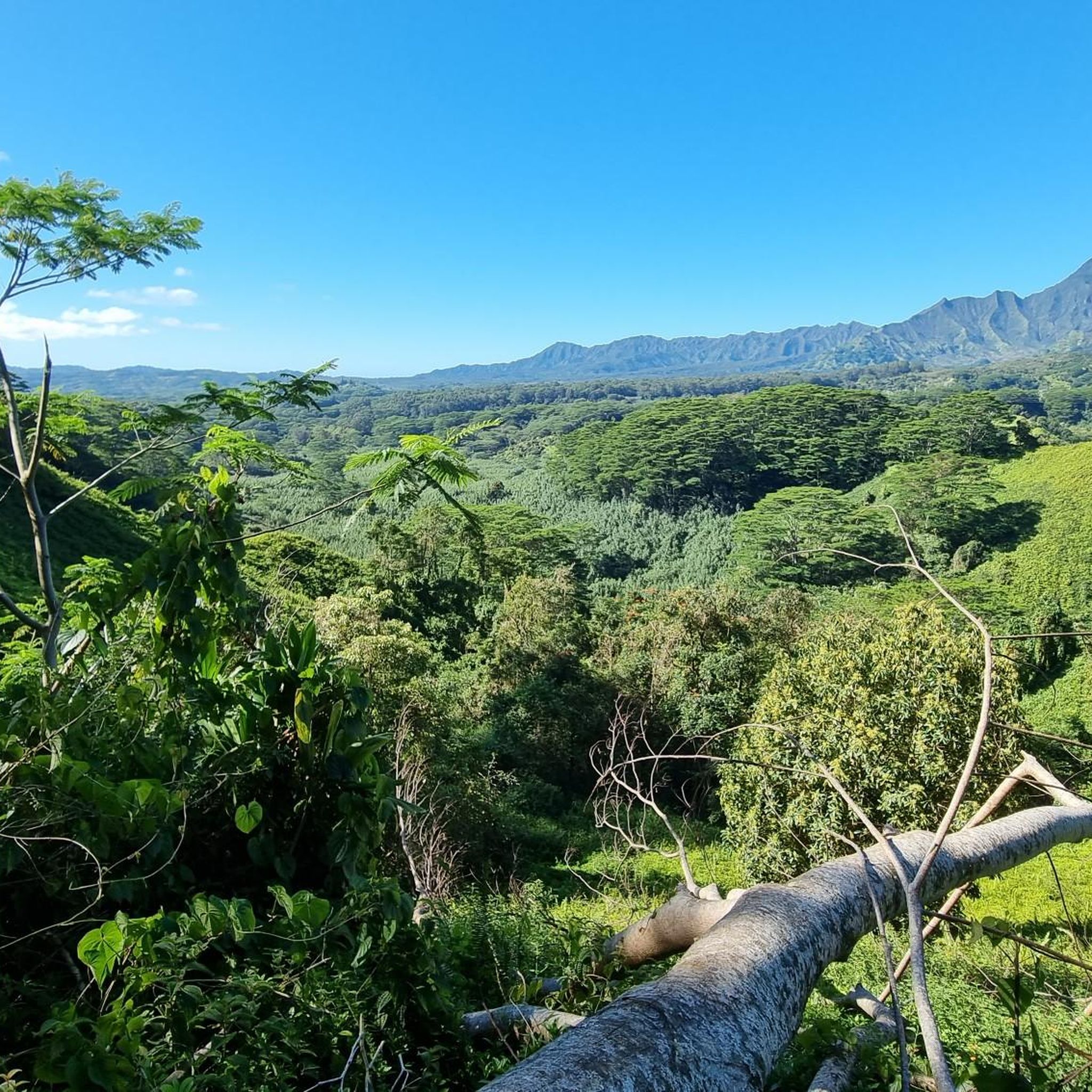
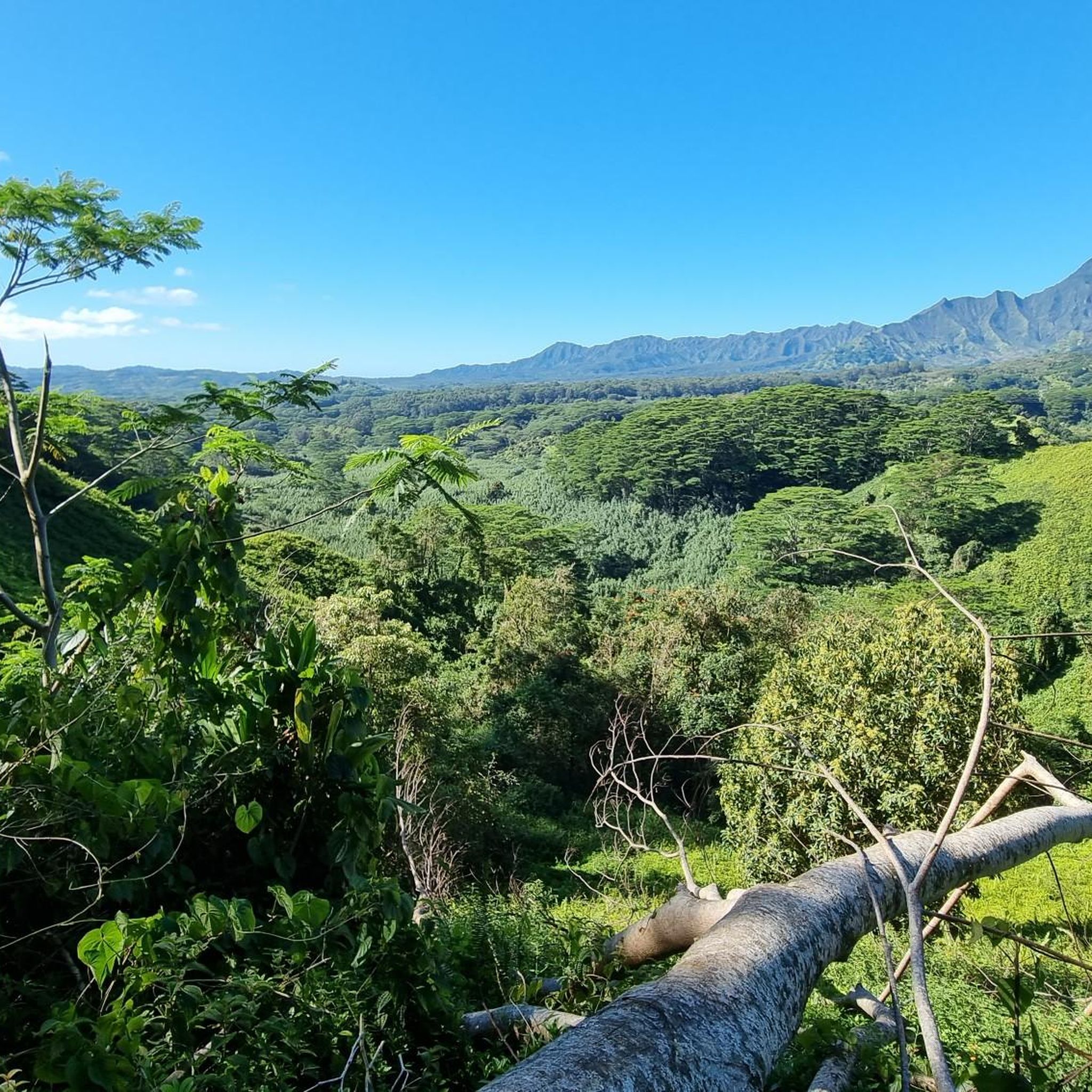
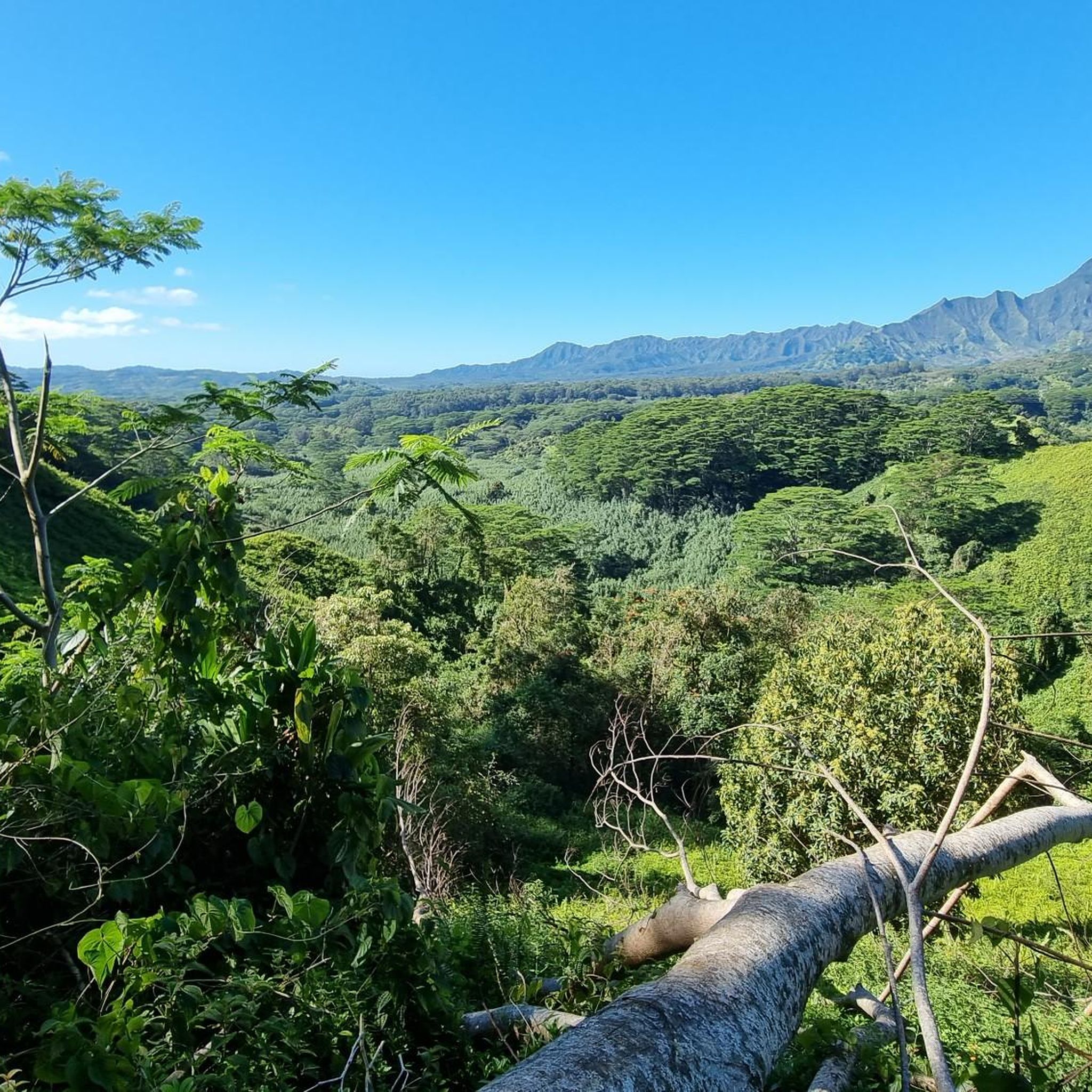
View of the Valley from Kuilau Ridge Trail
Highlight • Viewpoint
Tip by

Start today with a free account
Your next adventure awaits.
Login or Signup
Tips from the Community

great feeling to have this backdrop there on the swing
0
0
It looked like eucalyptus to me and not only did the leaves smell like it, but the slender leaf shape also fit.
0
0

Here on the Moalepe Trail you will find a strand of stark white paper birch trees lining the trail. The ridge opens up on either side and you get views over Kawai's gorgeous rolling hills.
0
0

Keahua Arboretum is a natural area in the heart of Kauai’s rainforest at the end of Kuamo'o Road. This area is lush and colorful and gives the visitor a remote, adventurous feeling within the area. The Keahua Arboretum boasts the island's diverse flora and fauna; be sure to pack your bug spray and check the weather for this ride.
0
0

The views of the valley from the Kuilau Ridge Trail are stunning. Do not hesitate to get off your bike for a few minutes and admire them.
0
0

A stunning section of the Moalepa Trail winds through the enchanting paperbirch forest, creating a scenic backdrop for your run. Lining the route with their distinctive white bark, the birches contrast beautifully against the lush woodland. Running through this forest is an unforgettable experience and a stunning sight along the trail.
0
0

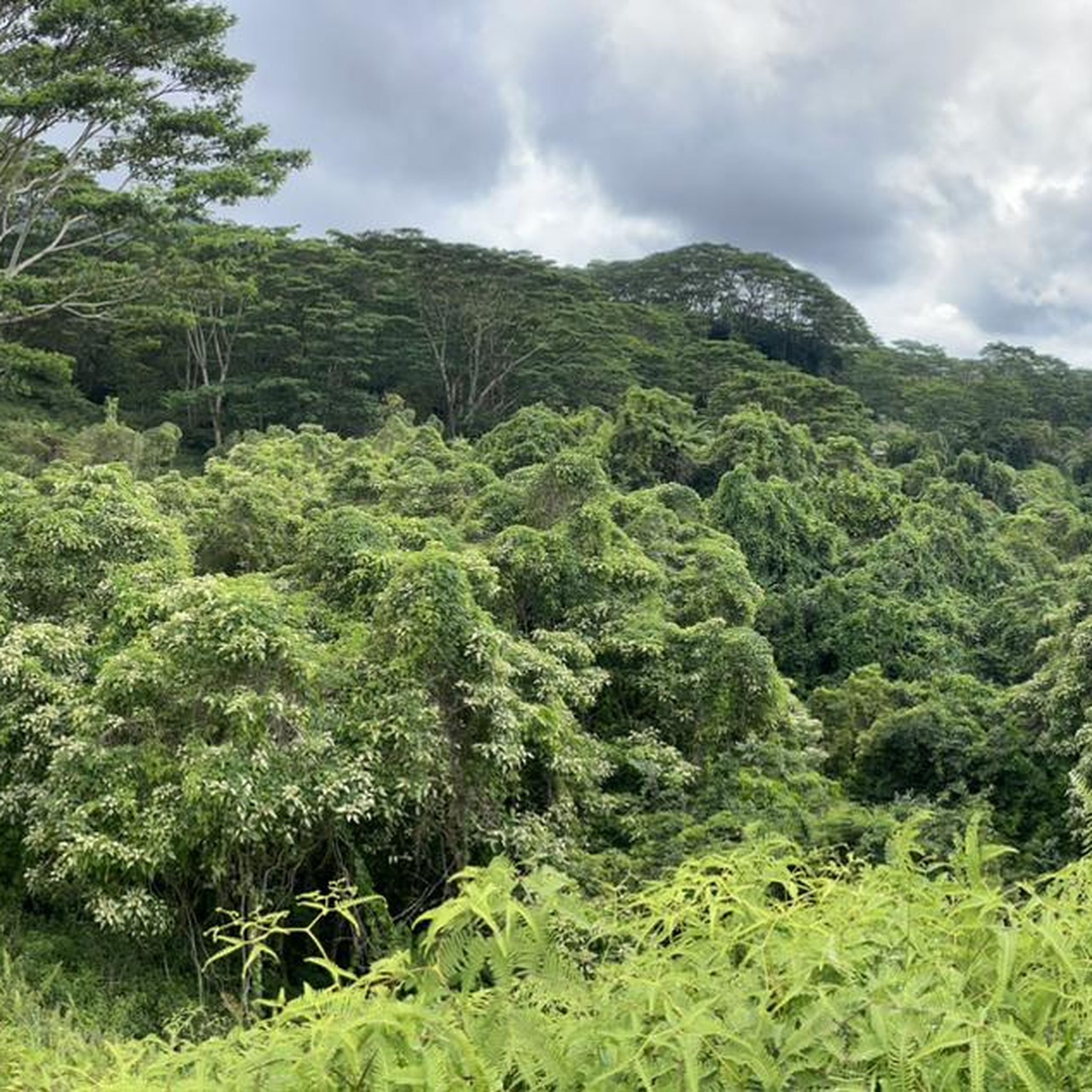
Moalepe Trail leads through dense and beautiful forest on its way up to the Kuilau Ridge. Even though it's not a difficult trail, be aware that in includes some inclines.
1
0
The bridge crossing Opaekaʻa Stream at this location, marks the end or start of Kuilau Ridge Trail. At the same time, it's the end or starting point of Moalepe Trail that continues to the northeastern direction.
0
0
Frequently Asked Questions
What kind of natural features can I explore in the Lihue-Koloa Forest Reserve?
The reserve is rich in natural beauty, offering diverse ecosystems from wet lowlands to high-altitude native forests. You can discover towering trees, vibrant tropical plants, and babbling streams, especially at Keahua Arboretum. Other notable features include the distinctive Paper Birch Forest on Moalepe Trail, views of Mount Waiʻaleʻale (one of the wettest places on Earth), and the headwaters of the North Fork Wailua River. The reserve also features waterfalls, such as those found along the Waialeale Blue Hole Falls Trail.
Are there any family-friendly attractions or activities in the Lihue-Koloa Forest Reserve?
Yes, the Keahua Arboretum is a popular day-use area that is considered family-friendly, offering relaxing nature walks amidst lush flora and fauna. Many of the trails, particularly the easier sections, are suitable for families looking to enjoy the outdoors together. The Na Ala Hele Trail System provides well-maintained paths for various skill levels.
What are the most popular hiking trails in the Lihue-Koloa Forest Reserve?
The reserve features an extensive Na Ala Hele Trail System. Popular options include the Moalepe Trail, known for its blend of coastal views and deep jungle scenery, and the Kuilau Ridge Trail, which offers sweeping views of Mount Waiʻaleʻale and surrounding valleys. These two trails are connected by a bridge over Opaekaʻa Stream. For more hiking options, you can explore the Hiking in Lihue-Koloa Forest Reserve guide.
Can I find any historical or cultural sites within the Lihue-Koloa Forest Reserve?
Yes, the reserve holds significant cultural and historical value. You can find remnants of ancient Hawaiian settlements, including heiau (ancient temples), petroglyphs, and evidence of traditional agricultural practices. The mauka (mountain) areas within the reserve preserve sections of native vegetation that were historically important. The reserve itself was established in 1909 to protect critical watershed areas, highlighting its long-standing importance for environmental stewardship and community resources.
What unique wildlife can I spot in the Lihue-Koloa Forest Reserve?
The Lihue-Koloa Forest Reserve is a vital sanctuary for many of Hawaii's endangered bird species, making it an excellent spot for birdwatching. You might be able to spot rare native birds such as the ʻakikiki, puaiohi, ʻapapane, ʻamakihi, and the striking ʻiʻiwi, as well as the Pueo (Hawaiian short-eared owl).
Are there opportunities for activities other than hiking, like cycling or horseback riding?
Yes, certain trails and roads within the Lihue-Koloa Forest Reserve are suitable for activities beyond hiking. The Moalepe Trail, for instance, is suitable for horseback riding and mountain biking. Additionally, four-wheel driving is permitted on some designated roads. For cycling enthusiasts, you can find more routes in the Cycling in Lihue-Koloa Forest Reserve guide.
Where can I find scenic viewpoints in the Lihue-Koloa Forest Reserve?
The reserve offers several breathtaking viewpoints. The Kuilau Ridge Trail is particularly known for its sweeping vistas, including the View of the Valley from Kuilau Ridge Trail, which provides stunning panoramas of the surrounding mountains, ridgelines, and valleys, including Mount Waiʻaleʻale. The Paper Birch Forest on Moalepe Trail also offers scenic backdrops.
What is the best time of year to visit the Lihue-Koloa Forest Reserve?
Kaua'i generally enjoys a tropical climate year-round. However, the Lihue-Koloa Forest Reserve, particularly areas near Mount Waiʻaleʻale, is known for being one of the wettest places on Earth. While this contributes to its lushness, visitors should be prepared for rain at any time. The drier months, typically from April to October, might offer more consistent weather for outdoor activities, but always check local forecasts before your visit.
Are there any specific permits required to access areas within the Lihue-Koloa Forest Reserve?
Generally, no specific permits are required for day-use hiking on the main Na Ala Hele trails within the Lihue-Koloa Forest Reserve. However, for certain activities or specific areas, it's always advisable to check with the Hawaii Department of Land and Natural Resources (DLNR) for the most current regulations. You can find more information on the official DLNR website: hawaii.gov.
What should I know about parking when visiting the Lihue-Koloa Forest Reserve?
Parking is typically available at trailheads, such as at the end of Kuamoʻo Road for the Keahua Arboretum and the start of the Kuilau Ridge Trail. Parking areas are usually informal and can fill up quickly, especially on weekends. It's recommended to arrive early to secure a spot. Always ensure your vehicle is locked and valuables are out of sight.
What are some easy hiking options for beginners in the Lihue-Koloa Forest Reserve?
For beginners, the Keahua Arboretum offers relaxing and relatively flat nature walks. The initial sections of trails like the Kuilau Ridge Trail also provide accessible paths with beautiful scenery before becoming more challenging. The Hiking in Lihue-Koloa Forest Reserve guide lists several easy routes, including a 3 km loop around Keahua Arboretum.
What do visitors particularly enjoy about the Lihue-Koloa Forest Reserve?
Visitors frequently praise the reserve for its lush, dense forests and the feeling of being immersed in nature. The distinctive white bark of the Paper Birch Forest on Moalepe Trail is often highlighted as a stunning sight. The panoramic views from trails like the Kuilau Ridge Trail are also a major draw, offering spectacular vistas of Kaua'i's rolling hills and valleys. The overall tranquility and natural beauty provide a remote, adventurous feeling.
Does the Lihue-Koloa Forest Reserve protect any important natural resources?
Yes, the Lihue-Koloa Forest Reserve plays a critical role in watershed protection, safeguarding the headwaters of the North Fork Wailua River and other streams that supply fresh water to Kaua'i's communities. It also protects diverse ecosystems, including native forests with plants like koa and ʻōhia lehua trees, and serves as a crucial habitat for many of Hawaii's endangered bird species.
Most popular routes in Lihue-Koloa Forest Reserve

Get inspired with the komoot mobile app


Explore more
Still not found the Highlight you’re looking for? See guides of the top attractions in other regions:
