The best walks and hikes in Kaena Point State Park - Keawaula Section
4.4
(65)
773
hikers
14
hikes
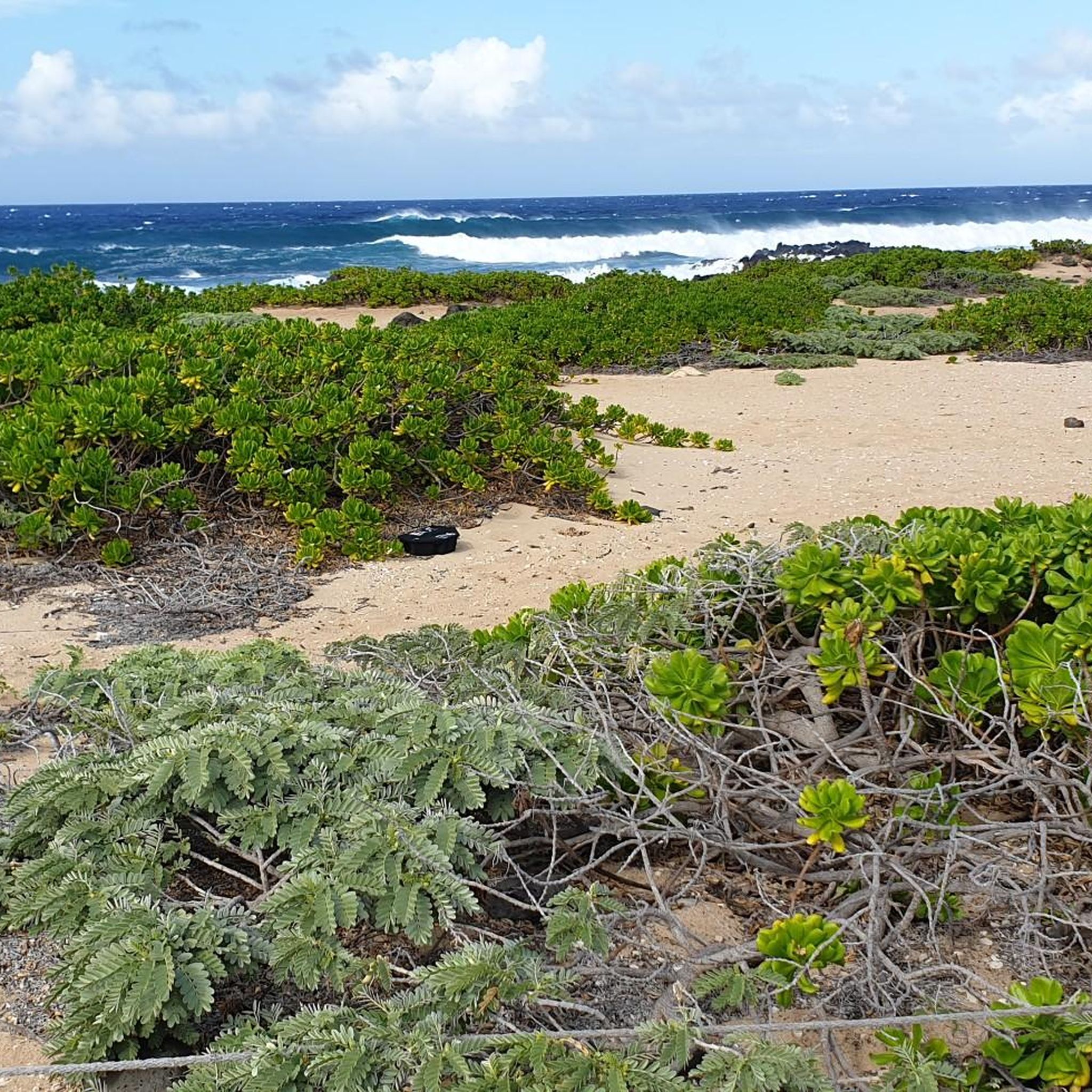
Hikes in Kaena Point State Park - Keawaula Section explore the westernmost tip of Oʻahu. The landscape is defined by a remote and wild volcanic coastline, with trails following old railroad beds along the shore. Hikers will find a mix of sandy paths and rugged coastal sections, with the dramatic cliffs of the Waiʻanae Range providing a backdrop. The area includes Keawaʻula Bay, also known as Yokohama Bay, and leads to the protected Kaʻena Point Natural Area Reserve.
Best hiking…
Last updated: May 28, 2026
9
hikers
7.81km
02:13
180m
180m
Hike the Kuaokalā Trail, a moderate 4.9-mile route in Oʻahu's Waiʻanae Mountains, offering panoramic views and diverse terrain.
4.8
(25)
235
hikers
Moderate hike. Good fitness required. Easily-accessible paths. Suitable for all skill levels.

Sign up for free
23
hikers
Easy hike. Great for any fitness level. Easily-accessible paths. Suitable for all skill levels.
3.0
(1)
14
hikers
Easy hike. Great for any fitness level. Easily-accessible paths. Suitable for all skill levels.
4.0
(1)
13
hikers
Easy hike. Great for any fitness level. Easily-accessible paths. Suitable for all skill levels.
Get access to more routes and recommendations from other explorers.
Sign up for free
Already have an account?
Our route recommendations are based on thousands of hikes, rides, and runs completed by other people on komoot.
Start today with a free account
Your next adventure awaits.
Login or Signup
Popular around Kaena Point State Park - Keawaula Section
Tips from the Community


only shady spot with room for multiple people
0
0
Entry to trail from West Side
0
0

There is a hole in the rocks that is shaped like a heart from the right angle. You can also enjoy the stunning coast line, but remember to bring water as there is no shade out here.
0
0

Ka'ena Point is a nature preserve at the northwestern tip of O'ahu. It is home to many species of seabirds and plants. The tip is located a few hundred feet away from here, but you must dismount your bike to reach it. The hike is easy and worth it as you might be able to spot whales in the distance.
0
0
The road ends here, but a trail continues on for quite a bit. Just off of the road (maybe 150 feet on the left) is a hole in the rocks that is shaped like a heart from the right angle.
0
0

Kuaokala Trail is located close to the western tip of Oʻahu and as parts of the trail are inside a military area, you need a permit to hike along the trail. Thanks to its remote location, the trail is less frequented compared to other areas and there's a good chance, that you will have the great trail and even better views for your own.
0
0
Frequently Asked Questions
Are dogs allowed in Kaʻena Point State Park?
No, dogs are not permitted in Kaʻena Point State Park, including on the trails and within the Kaʻena Point Natural Area Reserve. This is to protect the sensitive wildlife, including ground-nesting seabirds.
Is the hike to Kaʻena Point suitable for families with children?
The main trail along the coast is mostly flat and follows an old roadbed, which can be suitable for families. However, the trail is long, very exposed to the sun, and has no shade or water facilities. The Sea arch at Kaʻena Point loop from Mākaha Valley is a shorter option to consider. Always carry plenty of water, sunscreen, and hats for everyone.
What kind of wildlife can I see at Kaʻena Point?
Kaʻena Point is a fantastic place for wildlife viewing. The main attraction is the Kaʻena Point Natural Area Reserve, a protected nesting site for seabirds like the mōlī (Laysan albatross) and ʻuaʻu kani (wedge-tailed shearwater). The best time to see albatross is during their nesting season from November to July.
Along the coast, you might spot Hawaiian monk seals resting on the beaches and spinner dolphins offshore. During the winter months, it's also a great vantage point for watching humpback whales.
What are the parking options for the Keawaʻula Section trailhead?
There is a parking lot at the end of Farrington Highway in the Keawaʻula Section of the park, near Yokohama Bay. This serves as the main trailhead for the west side approach to Kaʻena Point. The lot can fill up, especially on weekends, so arriving earlier in the day is recommended.
What should I bring for a hike at Kaʻena Point?
The trail is hot, dry, and fully exposed to the sun. It is essential to bring more water than you think you'll need, as there are no drinking water facilities in the park. Sunscreen, a wide-brimmed hat, and sunglasses are also crucial. Sturdy walking shoes are recommended as the path can be sandy and rocky in sections.
How difficult is the hike to Kaʻena Point from the west (Keawaʻula) side?
The main coastal trail from the Keawaʻula (Yokohama Bay) side is predominantly flat and generally considered easy in terms of elevation. The difficulty comes from the length (about 2.5 miles or 4 km one-way) and the extreme exposure to sun and heat. For a more challenging hike with elevation gain, you could consider the Kuaokala Trail — Oʻahu, which offers great views from a higher perspective.
What is the best time of day to hike the Kaʻena Point Trail?
Early morning is the best time to start your hike to avoid the intense midday heat and sun. An early start also increases your chances of finding parking. Late afternoon is another popular time, as the area is famous for its spectacular sunsets over the ocean.
Are there any specific rules for visiting the Kaʻena Point Natural Area Reserve?
Yes. To enter the seabird sanctuary at the end of the trail, you must pass through a predator-proof fence with a double-door system; please ensure the doors are securely closed behind you. Inside the reserve, you must stay on the marked paths to avoid disturbing the nesting birds and fragile native plants. Drones are strictly prohibited.
How many hiking trails are in Kaʻena Point State Park?
There are over a dozen designated routes in and around the park. They range from easy, flat coastal walks like the main Kaʻena Point trail to more moderate ridge hikes with significant elevation gain, offering a variety of experiences for different fitness levels.
What do other hikers enjoy most about Kaʻena Point State Park?
The area is highly regarded by the komoot community. Reviewers frequently praise the raw, wild beauty of the volcanic coastline and the sense of remoteness. The incredible wildlife encounters, especially seeing the albatross in the Natural Area Reserve and spotting seals, are consistent highlights for many visitors.
Where can I find the sea arch near Yokohama Bay?
The prominent sea arch, a popular photo spot, is located along the coastal trail. It's a well-known landmark you will encounter on the hike from the Keawaʻula parking area toward the point. The Sea arch at Kaʻena Point – Yokohama Bay loop is a great route that features this dramatic rock formation.
What is the difference between hiking from the Keawaʻula (west) side versus the Mokuleʻia (north) side?
Both trails meet at the Kaʻena Point Natural Area Reserve. The Keawaʻula (west) side trail is known for its rugged volcanic rock coastline and tide pools. The Mokuleʻia (north) side trail is generally sandier and offers different coastal views. The Kaena Point Trailhead loop from Kaʻena Point State Park - Mokulēʻia Section gives a good sense of the terrain on the north shore.
Most popular routes in Kaena Point State Park - Keawaula Section
Most popular attractions in Kaena Point State Park - Keawaula Section

Get inspired with the komoot mobile app


Explore more
Browse the best Hikes in other regions.
