The best road cycling routes in Waianae Kai Forest Reserve
40
riders
6
rides
Road cycling in Waianae Kai Forest Reserve offers diverse routes through valleys, along coastal stretches, and into forested areas. The region is characterized by its varied elevation, with gentle climbs leading to scenic viewpoints and longer valley roads. Road cyclists can expect a mix of terrain, from flat sections near the coast to more undulating paths deeper within the reserve. The landscape provides opportunities for both relaxed rides and more challenging ascents.
Best road cycling routes in Waianae Kai Forest…
Last updated: July 29, 2026
24
riders
28.8km
01:10
160m
160m
If you're looking for a road cycling route that transitions into a wild, remote adventure, the Farrington Highway to Kaʻena Point State Park offers just that. This 17.9-mile (28.8 km)…
19.1km
02:04
350m
350m
The Waianae to Kaneaki Heiau loop offers a captivating road cycling experience on Oahu's western side, blending coastal beauty with historical intrigue. You'll pedal past impressive volcanic mountains, enjoying expansive…

Sign up for free
20.6km
01:33
690m
690m
The Waianae Valley Road offers a fantastic road cycling experience, winding through O'ahu's lush valley sections and providing a striking contrast to the rugged Waianae Range. You'll enjoy varied scenery,…
25.9km
01:44
620m
620m
This road cycling route from Kuilioloa Heiau to Kolekole Pass offers a dynamic journey across O'ahu's varied landscapes. You'll start with picturesque ocean vistas from the peninsula where the ancient…
34.5km
01:43
330m
330m
Cycling towards Kolekole Pass offers a dynamic journey, starting with sweeping coastal views of O'ahu's west shore, including Pokaʻi Bay and Lahilahi Point, before you climb into mountainous landscapes. The…
Our route recommendations are based on thousands of hikes, rides, and runs completed by other people on komoot.
Start today with a free account
Your next adventure awaits.
Login or Signup
Popular around Waianae Kai Forest Reserve
Tips from the Community

This heiau (temple), built in the 17th Century, was dedicated to Lono, the benevolent god of harvest and fertility. The grass and thatched huts were used as prayer and meditation chambers. This entire site has been completely restored to be historically correct. This center is open 10-2 everyday except Monday (closed).
0
0
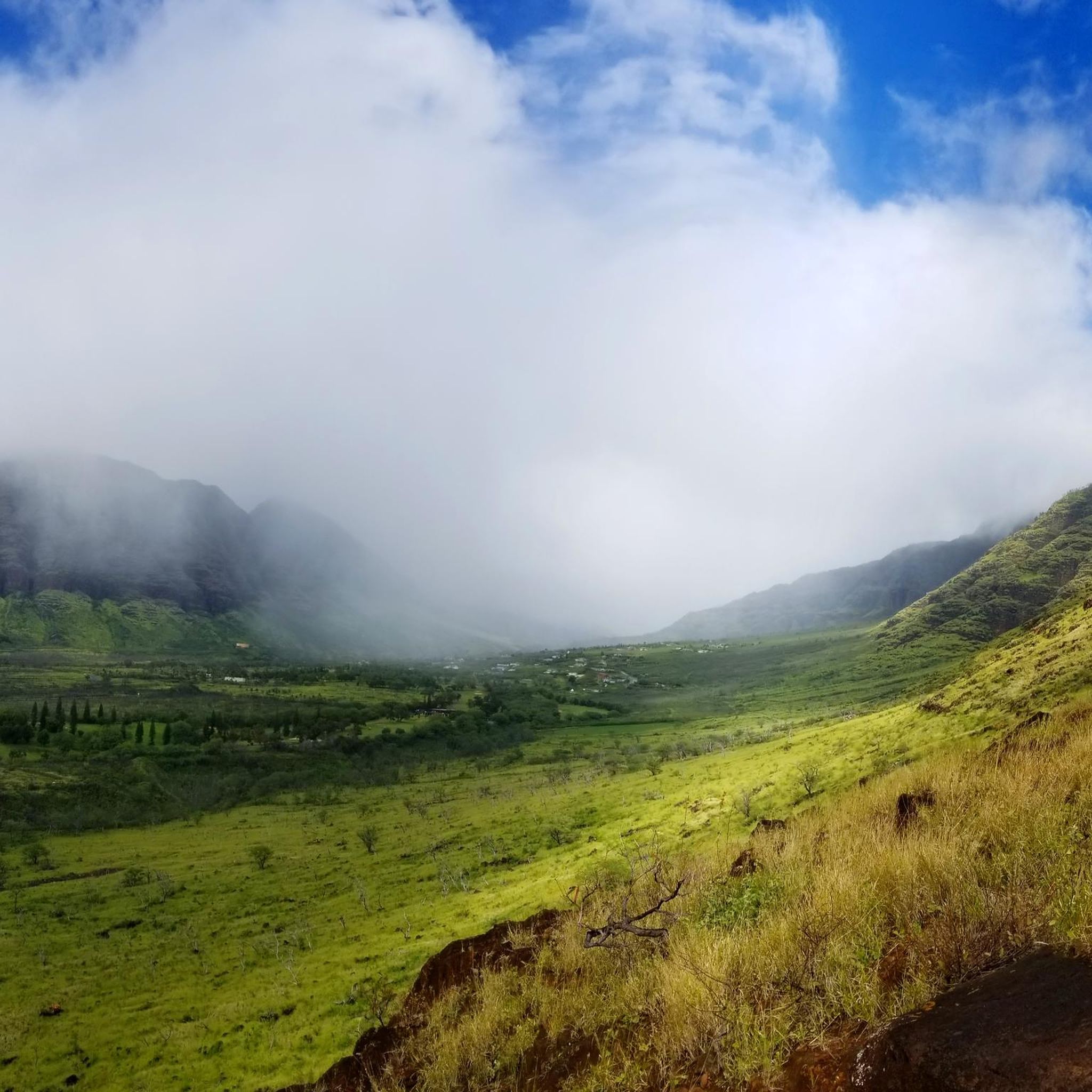
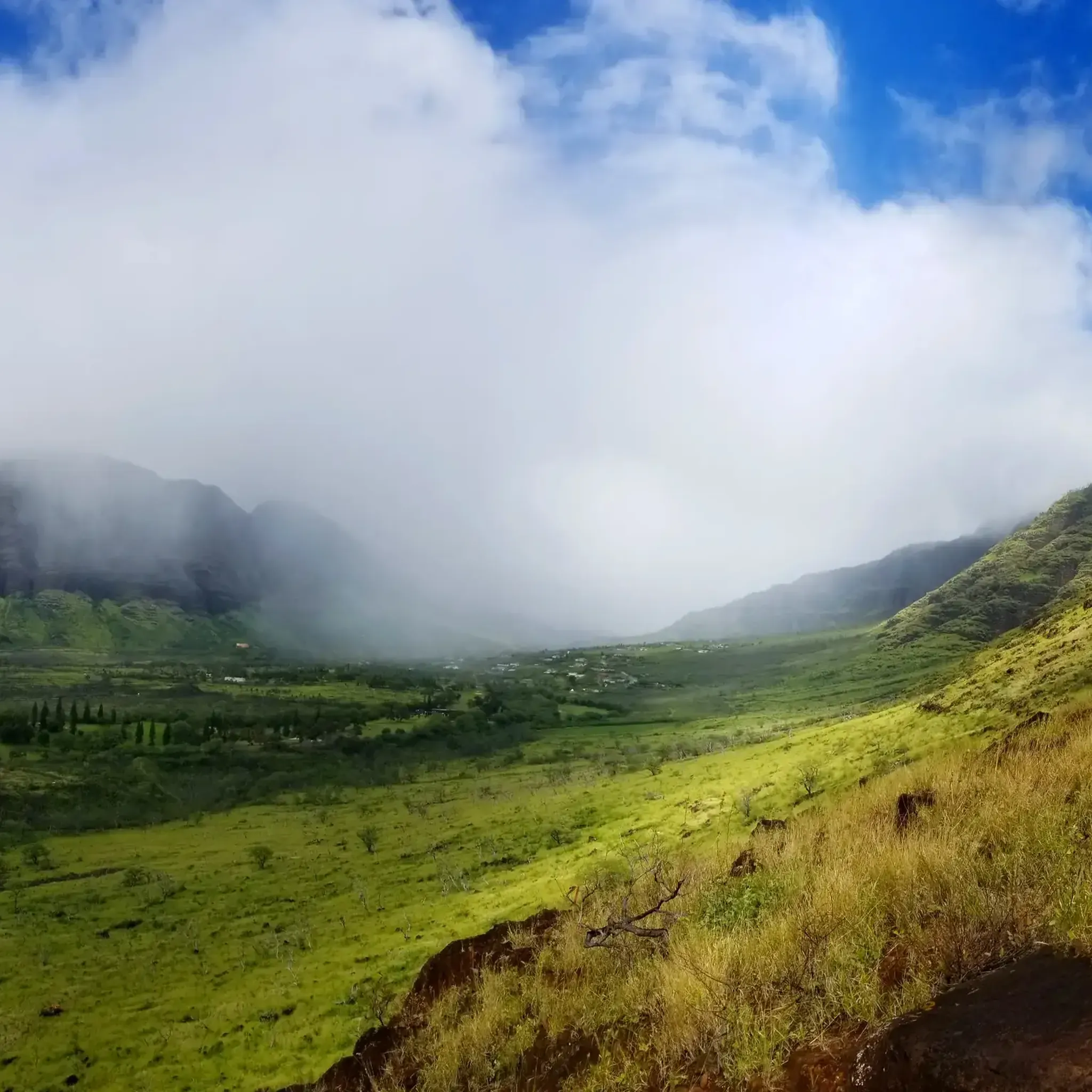
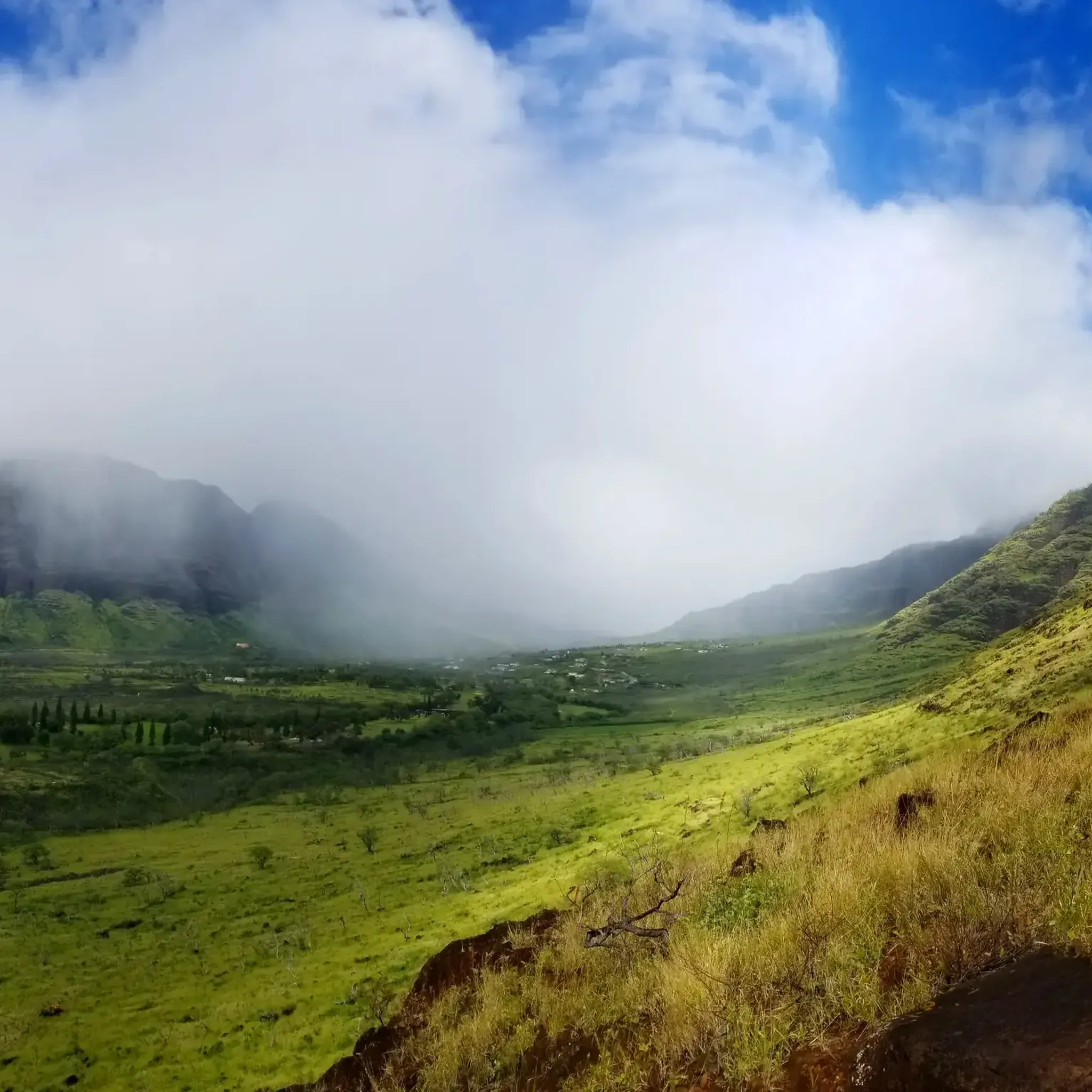
This road travels through very thick forest right at the foot of Pu'ukawiwi mountain. The Wai'anae Kai Forest Reserve delivers a diverse opportunity for recreational hunting which include two ungulate species (feral pig and goat).
0
0
From the road you can see the "Pink Pillbox" station on the ridge above. These stations were used as observation buildings in 1943. Although pillboxes are usually armed with weapons and used as defensive stations, these concrete platforms held observing instruments, which were used to determine the position of other boats.
0
0
Enjoy expansive views from the highest point you can climb, without a military ID. If you continue on entering Schofield Barracks and Post Amenities, guards will conduct a 100% ID check at all gates. All visitors must have a valid military ID or proceed to the visitor control center for a pass.
0
0
This is a narrow paved road heading up into the Waianae Kai Forest Reserve. The traffic you'll encounter will be hikers heading up to the trail.
0
0
The road ends here, but a trail continues on for quite a bit. Just off of the road (maybe 150 feet on the left) is a hole in the rocks that is shaped like a heart from the right angle.
0
0
This heiau (temple), built in the 17th Century, was dedicated to Lono, the benevolent god of harvest and fertility. The grass and thatched huts were used as prayer and meditation chambers. This entire site has been completely restored to be historically correct. This center is open 10-2 everyday except Monday (closed).
0
0
There is a small road that continues up into the canyon before turning to forest and continuing on. If you have a MTB or gravel bike, you can ride the forest road, otherwise this is a great place to turn around and enjoy the descent back into town!
0
0
Frequently Asked Questions
What are the typical distances and durations for road cycling routes in Waianae Kai Forest Reserve?
Road cycling routes in Waianae Kai Forest Reserve vary in length. For example, the Farrington Highway to Kaʻena Point State Park route is about 17.9 miles (28.8 km) and takes around 1 hour 10 minutes, while the Kolekole Pass Loop is longer at approximately 21.4 miles (34.5 km).
What are the difficulty levels of road cycling routes in Waianae Kai Forest Reserve?
The Waianae Kai Forest Reserve offers a mix of difficulty levels. There is at least one easy route, such as the Farrington Highway to Kaʻena Point State Park. The majority of routes, like the Waianae to Kaneaki Heiau loop and Waianae Valley Road, are considered moderate, featuring varied elevation and some climbs.
Are there any loop road cycling routes in Waianae Kai Forest Reserve?
Yes, there are loop options available for road cyclists. A notable one is the Waianae to Kaneaki Heiau loop, which allows you to explore the Waianae area and historical sites before returning to your starting point. Another is the Kolekole Pass Loop.
When is the best time of year to go road cycling in Waianae Kai Forest Reserve?
Waianae Kai Forest Reserve generally offers good cycling conditions year-round due to Hawaii's tropical climate. However, the cooler, drier months from November to April are often preferred for outdoor activities, providing more comfortable temperatures for longer rides.
Are there scenic viewpoints or notable sights along the road cycling routes?
Many routes offer scenic views. The Farrington Highway to Kaʻena Point State Park route provides coastal vistas. The Waianae to Kaneaki Heiau loop passes historical sites like Kaneaki Heiau, offering cultural insights amidst valley scenery. Routes like Kuilioloa Heiau to Kolekole Pass also feature significant landmarks.
What kind of weather can I expect when road cycling in Waianae Kai Forest Reserve?
The Waianae Kai Forest Reserve experiences a tropical climate with warm temperatures throughout the year. While the leeward side of Oahu, where the reserve is located, is generally drier and sunnier, occasional showers can occur. It's always advisable to check the local forecast before heading out.
Are there family-friendly road cycling options in the Waianae Kai Forest Reserve?
For families, routes with less elevation gain and traffic are ideal. The Farrington Highway to Kaʻena Point State Park route is classified as easy and offers coastal views, making it a good option for a more relaxed family ride, though always be mindful of road conditions and traffic.
Where can I find parking for road biking in Waianae Kai Forest Reserve?
Parking availability can vary depending on your chosen starting point. Many routes begin near residential areas or public access points where street parking might be available. For routes leading to specific parks or attractions, designated parking lots are often provided. It's recommended to research specific starting points for detailed parking information.
Are permits required for road cycling in Waianae Kai Forest Reserve?
Generally, permits are not required for road cycling on public roads within or bordering the Waianae Kai Forest Reserve. However, if your route takes you into specific state parks or protected areas, it's always best to check their individual regulations for any entry fees or special permits.
What do other road cyclists enjoy most about road cycling in Waianae Kai Forest Reserve?
Road cyclists often praise the diverse landscape, which includes coastal views, valley roads, and forested sections. The mix of easy and moderate routes, like the scenic Farrington Highway to Kaʻena Point State Park and the challenging climbs towards Kolekole Pass, provides options for various skill levels. Many appreciate the opportunity to explore historical sites and natural beauty.
Are there places to stop for refreshments along the road cycling routes?
While the routes themselves may pass through more rural or forested areas, the Waianae region has towns and communities where you can find cafes, convenience stores, and restaurants. Planning your route to pass through or near these areas, especially in Waianae town, will allow for refreshment stops.
What kind of wildlife might I encounter while road cycling in Waianae Kai Forest Reserve?
While road cycling, you might encounter various native and introduced bird species. Keep an eye out for local fauna, especially in the more secluded valley and forested sections. As with any natural area, it's best to observe wildlife from a distance and avoid disturbing their habitats.
Most popular routes in Waianae Kai Forest Reserve

Get inspired with the komoot mobile app


Explore more
Browse the best Road cycling routes in other regions.
