The best road cycling routes in OlaʻA-Kilauea Watershed Partnership
5.0
(3)
57
riders
8
rides
Road cycling routes in OlaʻA-Kilauea Watershed Partnership traverse a dynamic volcanic landscape on Hawaiʻi Island, characterized by diverse ecosystems and dramatic terrain. The region encompasses sections of Hawaiʻi Volcanoes National Park, offering routes through recent lava flows, ancient volcanic formations, and lush native forests. Cyclists encounter varying elevation gains and road conditions, from well-paved sections to more challenging segments. This area is crucial for biodiversity, preserving endemic species within its continuous native ecosystems.
Best road cycling routes in OlaʻA-Kilauea Watershed…
Last updated: June 2, 2026
5
riders
37.5km
07:59
850m
860m
Hard road ride. Very good fitness required. Mostly well-paved surfaces and easy to ride.
6
riders
Moderate road ride. Good fitness required. Mostly well-paved surfaces and easy to ride.

Sign up for free
5.0
(1)
13
riders
72.6km
03:44
1,300m
1,300m
Hard road ride. Very good fitness required. Mostly well-paved surfaces and easy to ride.
6
riders
45.4km
02:29
620m
620m
Moderate road ride. Good fitness required. Mostly well-paved surfaces and easy to ride.
2
riders
21.5km
00:58
240m
240m
Easy road ride. Great for any fitness level. Mostly well-paved surfaces and easy to ride.
Get access to more routes and recommendations from other explorers.
Sign up for free
Already have an account?
Our route recommendations are based on thousands of hikes, rides, and runs completed by other people on komoot.
Start today with a free account
Your next adventure awaits.
Login or Signup
Popular around OlaʻA-Kilauea Watershed Partnership
Tips from the Community

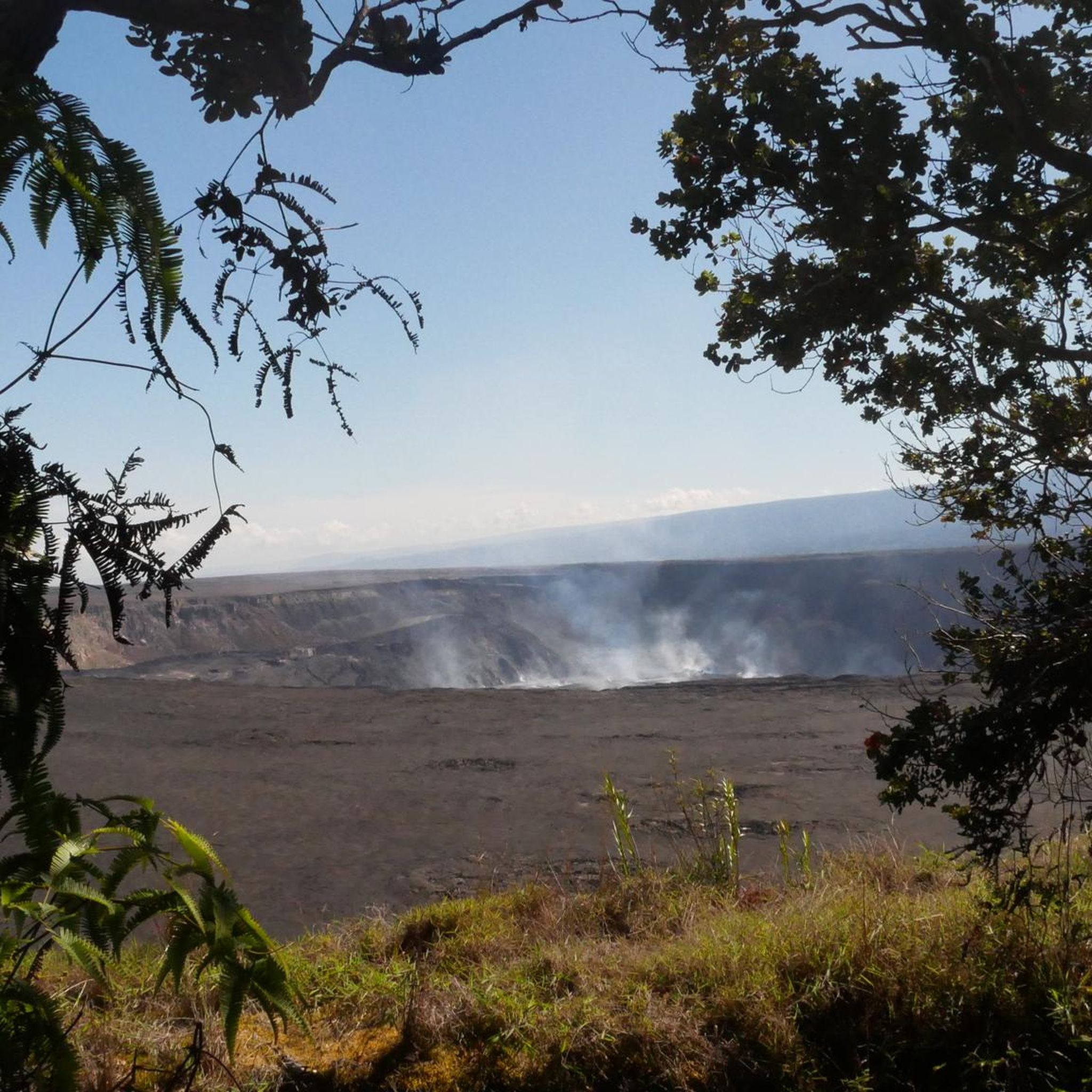
Viewpoint with shelter and great view of the Pacific
3
0
The center is closed for renovations until August 2026
2
0

Beautiful viewpoint above the clouds with the opportunity to have a picnic. Pheasants can also be seen here occasionally.
0
0


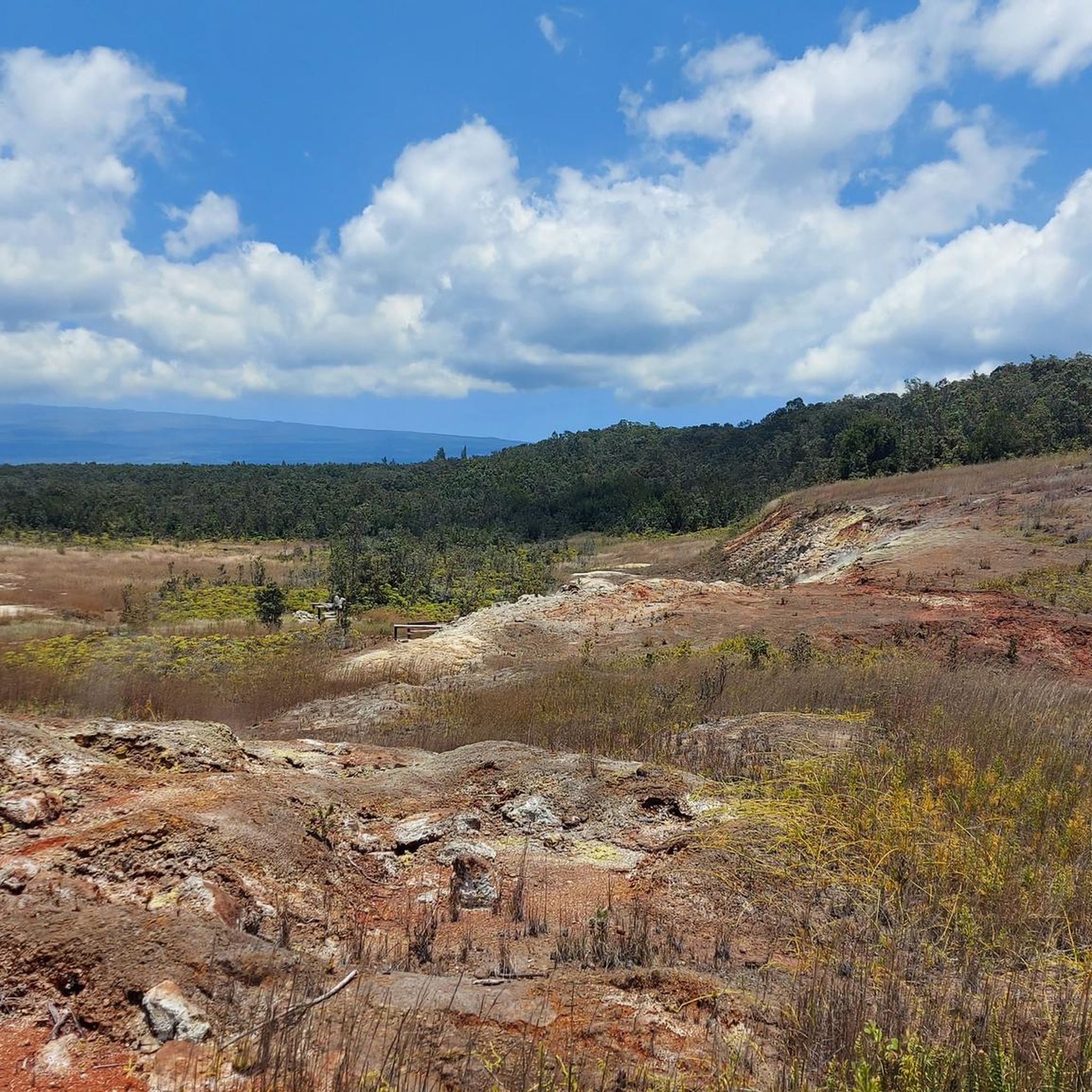
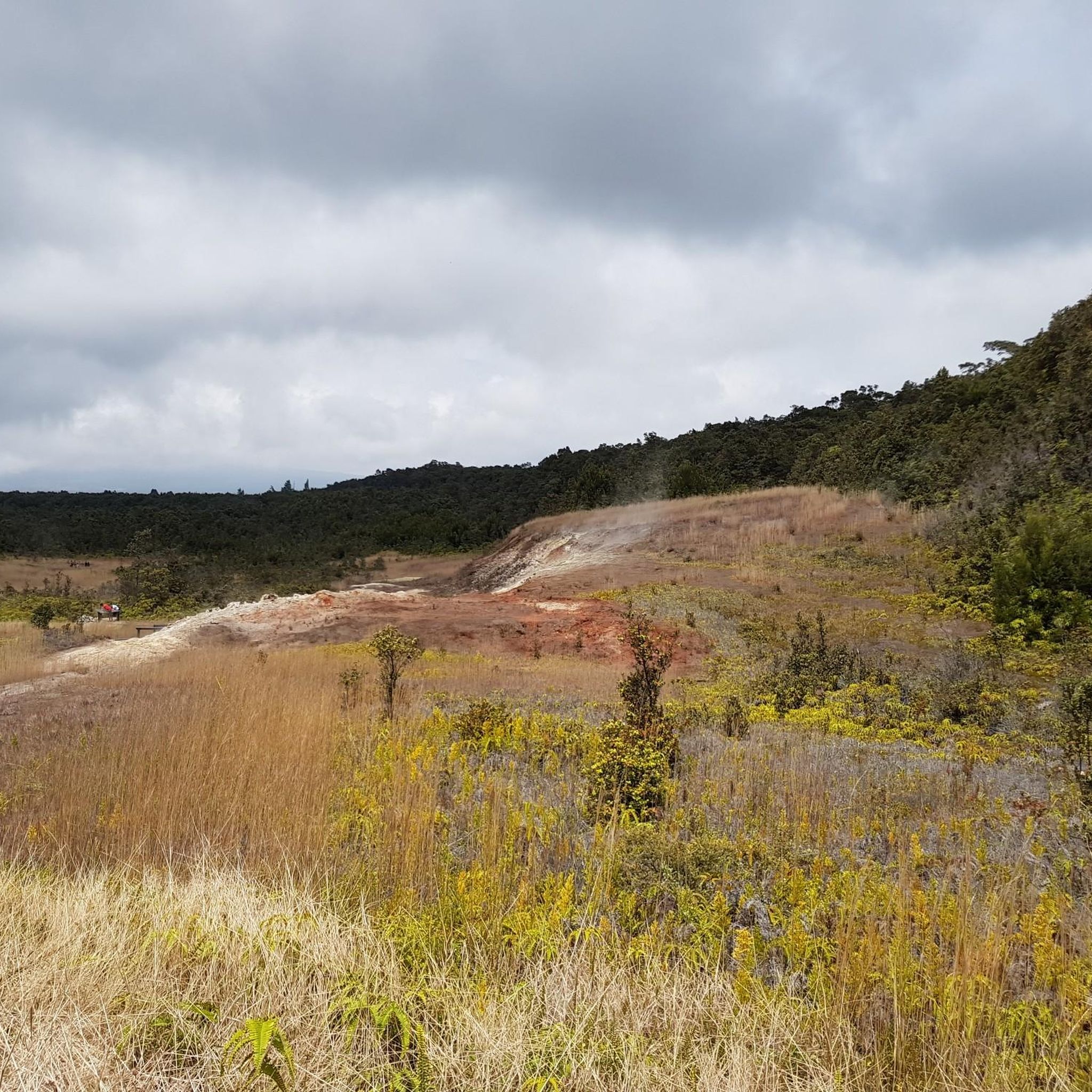
Pauahi is 360 feet deep and 1600 feet wide! This crater has had three recent eruptions (relatively), with two in 1973 and one in 1979. The 1979 event was the most dramatic and is what left the thin veneer currently seen on the crater floor. Pauahi Crater is culturally significant and religious to many of the Hawaiian people. You may see a hoʻokupu (offering), perhaps wrapped in leaves. These should not be touched or disturbed.
0
0
Hilina Pali Overlook provides visitors with a incredible view of the Hawaiian coastline and Pacific Ocean. There is a shelter and bathroom here to provide shelter from any storms, althought there is no potable water.
0
0
At the bottom of the Chain of Craters Road you can see steep lava rock cliffs. Winds are known to be high here, so use caution if you have deep wheels! This is a unique view with the blue crashing waves on one side and the brown laval fields stretching up the side of the volcano.
0
0
Frequently Asked Questions
What kind of terrain can I expect when road cycling in the OlaʻA-Kilauea Watershed Partnership?
The region offers a dynamic volcanic landscape, with routes traversing recent lava flows, ancient volcanic formations, and lush native forests. You'll encounter varying elevation gains and road conditions, from well-paved sections to more challenging segments, all within the unique environment of Hawaiʻi Island.
Are there road cycling routes suitable for beginners in the OlaʻA-Kilauea Watershed Partnership?
Yes, there are options for various ability levels. An easier route is Crater Rim Drive, which is 13.3 miles (21.5 km) and leads through Kilauea Volcano's active landscapes, often completed in about 58 minutes.
What are some challenging road cycling routes for experienced riders in the area?
For experienced riders seeking a challenge, Mauna Loa Road is a difficult 23.3-mile (37.5 km) trail with significant elevation gain through varying terrain. Another demanding option is Chain of Craters Road, a difficult 45.1-mile (72.6 km) path journeying through lava fields and alongside ocean views.
Can I find any loop road cycling routes in the OlaʻA-Kilauea Watershed Partnership?
Yes, the Volcano to Keaʻau loop offers a substantial ride. This difficult route covers 47 miles (75.7 km) and features significant elevation changes, providing a comprehensive tour of the area's diverse landscapes.
What is the best time of year to go road cycling in the OlaʻA-Kilauea Watershed Partnership?
The region's climate is influenced by its volcanic environment and elevation. While cycling is generally possible year-round, checking local weather forecasts, especially for volcanic activity and rain, is advisable. The native forests efficiently capture moisture, so be prepared for potential wet conditions.
Are there any moderate road cycling routes available?
Yes, a moderate option is Hilina Pali Road. This route spans 28.2 miles (45.4 km) and offers remote desert vistas, providing a different perspective of the volcanic environment without the extreme difficulty of some other trails.
What kind of wildlife might I spot while cycling in the OlaʻA-Kilauea Watershed Partnership?
The native ecosystems within the partnership are critical for biodiversity. You might spot endemic species such as the Hawaiian hawk (`io`), nene (Hawaiian goose), and Hawaiʻi's only native land mammal, the Hawaiian hoary bat (`ōpeʻapeʻa`). The area is also home to many rare and endangered plant species.
What do other road cyclists enjoy most about road cycling in the OlaʻA-Kilauea Watershed Partnership?
The area is highly rated by the komoot community, with an average score of 5.0 stars. Reviewers often praise the unique experience of cycling through dynamic volcanic landscapes, witnessing recent lava flows, and the dramatic transition from lush forests to captivating volcanic plains.
Are there any permits required for cycling in the OlaʻA-Kilauea Watershed Partnership, especially within Hawaiʻi Volcanoes National Park?
While general access to the watershed partnership for cycling typically doesn't require specific permits beyond standard park entrance fees for Hawaiʻi Volcanoes National Park, it's always best to check the official National Park Service website for the most current regulations regarding cycling, specific road closures, or any special permits that might be required for certain areas or events.
Is public transport available to reach the cycling trails in the OlaʻA-Kilauea Watershed Partnership?
Public transport options directly to the trailheads within the OlaʻA-Kilauea Watershed Partnership, particularly deep within Hawaiʻi Volcanoes National Park, are limited. Most visitors typically access the area by private vehicle. Consider checking local shuttle services or tour operators for potential transport solutions to the park entrance or nearby towns.
Are there any cafes or places to eat near the cycling routes?
While the routes themselves traverse remote volcanic landscapes, the nearby town of Volcano, situated above the watershed, offers cafes and dining options where you can refuel before or after your ride. Within Hawaiʻi Volcanoes National Park, there are also visitor services that may include food options.
What are the parking facilities like for road cyclists in the OlaʻA-Kilauea Watershed Partnership?
Parking is generally available at key access points and visitor centers within Hawaiʻi Volcanoes National Park, which encompasses parts of the watershed. Specific parking areas are designated for visitors, including those bringing bicycles. Always check park maps and signage for official parking locations.
Most popular routes in OlaʻA-Kilauea Watershed Partnership

Get inspired with the komoot mobile app


Explore more
Browse the best Road cycling routes in other regions.
