The best road cycling routes in Skerjafjörður Innan Garðabæjar
5.0
(6)
1,302
riders
38
rides
Road cycling routes in Skerjafjörður Innan Garðabæjar offer a combination of coastal landscapes and accessible cycling infrastructure within the municipality of Garðabær, Iceland. The area features smooth asphalt surfaces and protected cycleways, accommodating various types of road bikes. Routes often connect to broader areas, including Reykjavik, and showcase low elevation changes along the coastline and through distinctive volcanic landscapes.
Best road cycling routes in Skerjafjörður Innan Garðabæjar
- The most popular road cycling route is Kópavogstjörn – Garðahraun - neðra loop from Garðabær, a 12.1 miles (19.5 km) trail that takes about 55 minutes to complete. This moderate route guides riders through parts of the Garðahraun lava field.
- Another top favourite among local road cyclists is Kópur Sculpture loop from Garðabær, an easy 16.2 miles (26.1 km) path. This route offers scenic views and is suitable for various skill levels.
- Local road cyclists also love the Fossvogsbakkar Shipwreck – Kópur Sculpture loop from Kopavogur, a 13.6 miles (21.9 km) trail leading through coastal areas, often completed in about 55 minutes.
- Road cycling in Skerjafjörður Innan Garðabæjar is defined by coastal paths, lava fields, and connections to urban areas. The network offers options for different ability levels, from easy rides to more moderate excursions.
- The routes in Skerjafjörður Innan Garðabæjar are highly rated by the komoot community with an average score of 5.0 stars from 4 reviews. More than 1500 road cyclists have used komoot to explore Skerjafjörður Innan Garðabæjar's varied terrain.
Last updated: July 18, 2026
5.0
(1)
98
riders
30.7km
01:20
130m
130m
Moderate road ride. Great for any fitness level. Some segments of this route may be unpaved and difficult to ride.
29
riders
28.6km
01:15
180m
180m
Easy road ride. Great for any fitness level. Mostly well-paved surfaces and easy to ride.

Sign up for free
5.0
(1)
61
riders
21.9km
00:55
120m
120m
Moderate road ride. Great for any fitness level. Some segments of this route may be unpaved and difficult to ride.
40
riders
Moderate road ride. Good fitness required. Some segments of this route may be unpaved and difficult to ride.
24
riders
12.6km
00:31
60m
60m
Moderate road ride. Great for any fitness level. Some segments of this route may be unpaved and difficult to ride.
Get access to more routes and recommendations from other explorers.
Sign up for free
Already have an account?
Our route recommendations are based on thousands of hikes, rides, and runs completed by other people on komoot.
Start today with a free account
Your next adventure awaits.
Login or Signup
Tips from the Community

Due to the inflow of warm water from geothermal springs, the bathing temperature in the bay is comparatively pleasant.
1
0

Bessastaðir is a manor in the Icelandic municipality of Garðabær (until 2012 Álftanes), a few kilometers southwest of Reykjavík. It is now used as the official residence of the Icelandic President. The area around Bessastaðir was probably first settled before the year 1000.[1] It was probably the first official settler of Iceland, Ingólfur Arnarson, who laid claim to the land. In the 13th century, Snorri Sturluson owned a farm here. This is documented by the mention in the Íslendinga saga of his nephew Sturla Þórðarson. The medieval manor passed to the King of Norway after Snorri's death in 1241. Bessastaðir subsequently became the seat of the royal representatives (first the Norwegian king, later the Danish king) and remained so until the end of the 18th century. From 1785 to 1789, the Danish canon magistrate Hans Christoph Diederich Victor von Levetzow lived here, and his son Dietrich Wilhelm von Levetzow was born here in 1786. In 1805, the country's only secondary school at the time, called Lærði Skólinn (German: the School of Scholars), was founded in Bessastaðir after its predecessor, Hólavallarskóli, was closed down. It remained on this site for 40 years, but was relocated back to Reykjavík in 1846. This eventually became the secondary school Menntaskólinn í Reykjavík, which is still located in the capital's city center today. In 1867, the property became the property of the writer Grímur Thomsen (1820–1896), who lived here for two decades. Later owners were Skúli Thoroddsen and his wife Theodóra Thoroddsen. In 1940, the farm was acquired by Sigurður Jónasson and later donated to the Icelandic state.
2
0

Located just minutes from the city center, this domestic airport connects the capital with other regions of Iceland and Greenland. It should not be confused with Keflavík International Airport, which handles most international flights. Routes to Akureyri, Ísafjörður, and Egilsstaðir depart from here, providing a quick way to shorten distances on the island.
0
0
Reykjavík Airport (Icelandic: Reykjavíkurflugvöllur, IATA code: RKV, ICAO code: BIRK) is the domestic airport serving the Icelandic capital, Reykjavík. It is located in close proximity to the city, which borders it to the north and east. To the south lies the sea, and to the east the recreational area of Öskjuhlíð. International flights (except those to Greenland) are handled by Keflavík Airport, located 50 km away.
2
0

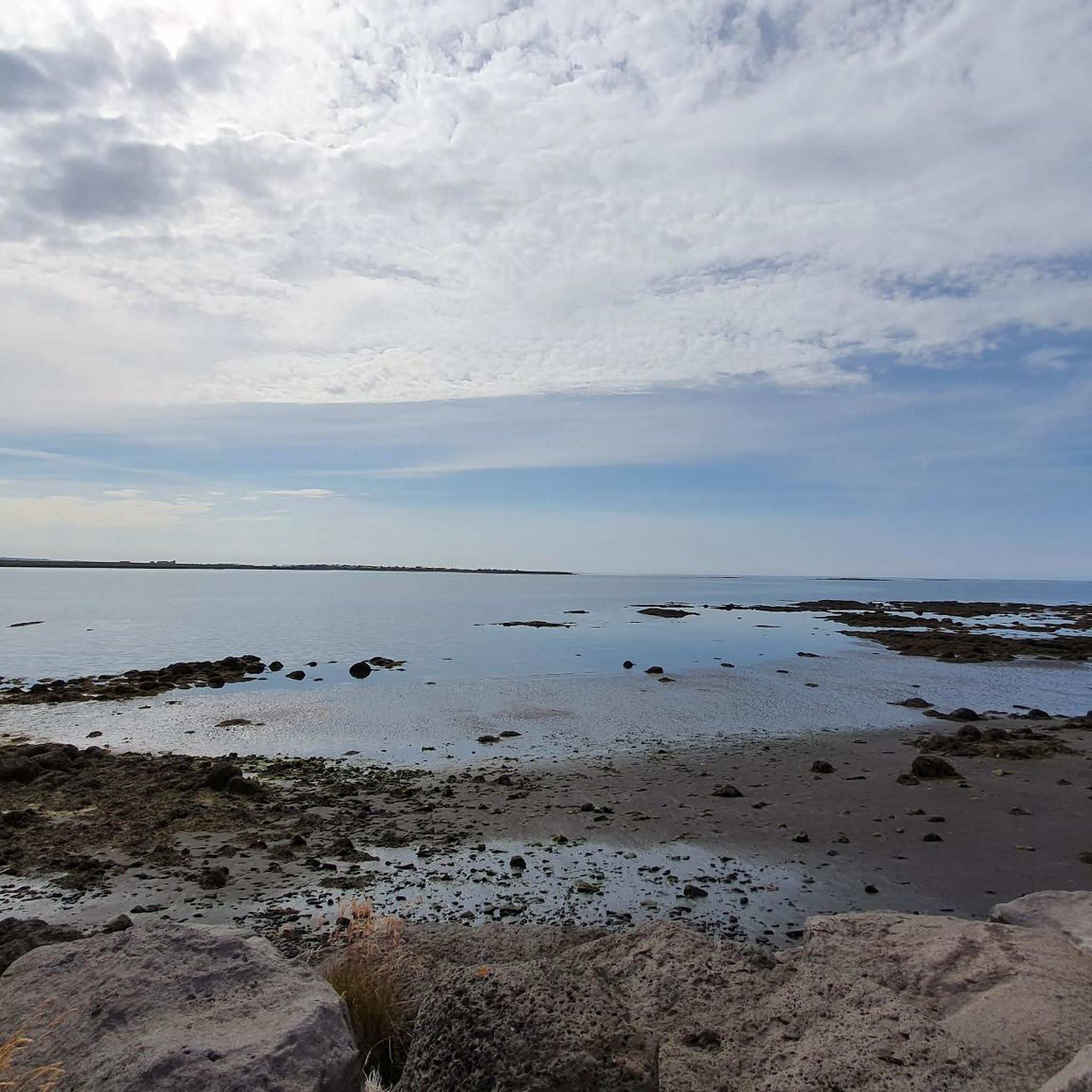
Lautholsvík Beach is a fascinating place in Reykjavik, captivating with its unique combination of nature, water, and geothermal activity. Located in the Lautholsvík district, roughly west of Reykjavik, the beach is known for its impressive scenery and unique water. What makes this beach so special is its proximity to geothermal springs, which heat the water to a pleasant temperature. The water is often warm, making Lautholsvík Beach a popular spot for locals and visitors alike who want to enjoy a relaxing swim in warm water, even when the weather is cool outside. The beach itself consists of black sand and small pebbles, which is typical of many Icelandic beaches. The surroundings are wild and untouched, with impressive cliffs and breathtaking views of the Atlantic Ocean. The nature here is rugged and beautiful, perfect for nature lovers and photographers.
1
0
The shipwreck is clearly visible from the lookout point. It's not recommended to climb down to avoid damaging the coastline.
3
0


The history of Nauthólsvík is as fascinating as its current appearance. Where today golden sand lines the shore and warm, geothermal water invites you to linger, the Nauthóll farm once stood, which was destroyed by a tragic fire during a typhus epidemic. During the Second World War, this area served as a landing site for amphibious aircraft and over the decades has found its importance as a summer excursion destination. However, the area changed over time and the warm water that once flowed naturally into the bay became blocked. But the people of Reykjavík were not discouraged. With a vision in mind to breathe new life into this place, the bank was redesigned towards the end of the 90s. Mighty rock walls protect the bay today, while fine yellow sand covers the bottom. What’s special about Nauthólsvík? Despite Iceland's typically cool sea temperatures, the lagoon offers a pleasant swim at 15-19° C in the summer months thanks to the hot water tank drain from Öskjuhlíð. And the city's passionate sea swimmers? You don't let the cold or wind stop you and enjoy a refreshing swim every day. Open your book and sit on the sand as the gentle waves of the geothermally heated lagoon roll onto the shore. Families will find a paradise here: shallow pools for the little ones and the warming sauna to relax after swimming. At low tide there is even another round pool that partially sinks under water and invites you to explore. The proximity to the center of Reykjavík makes Nauthólsvík an easily accessible destination, be it on foot or by car. And best of all: entry is free. There is only a small fee for lockers.
4
0
Frequently Asked Questions
How many road cycling routes are available in Skerjafjörður Innan Garðabæjar?
There are over 35 road cycling routes available in Skerjafjörður Innan Garðabæjar, offering a variety of distances and difficulty levels. Most routes feature smooth asphalt surfaces and dedicated cycleways.
What kind of terrain can I expect on road cycling routes in Skerjafjörður Innan Garðabæjar?
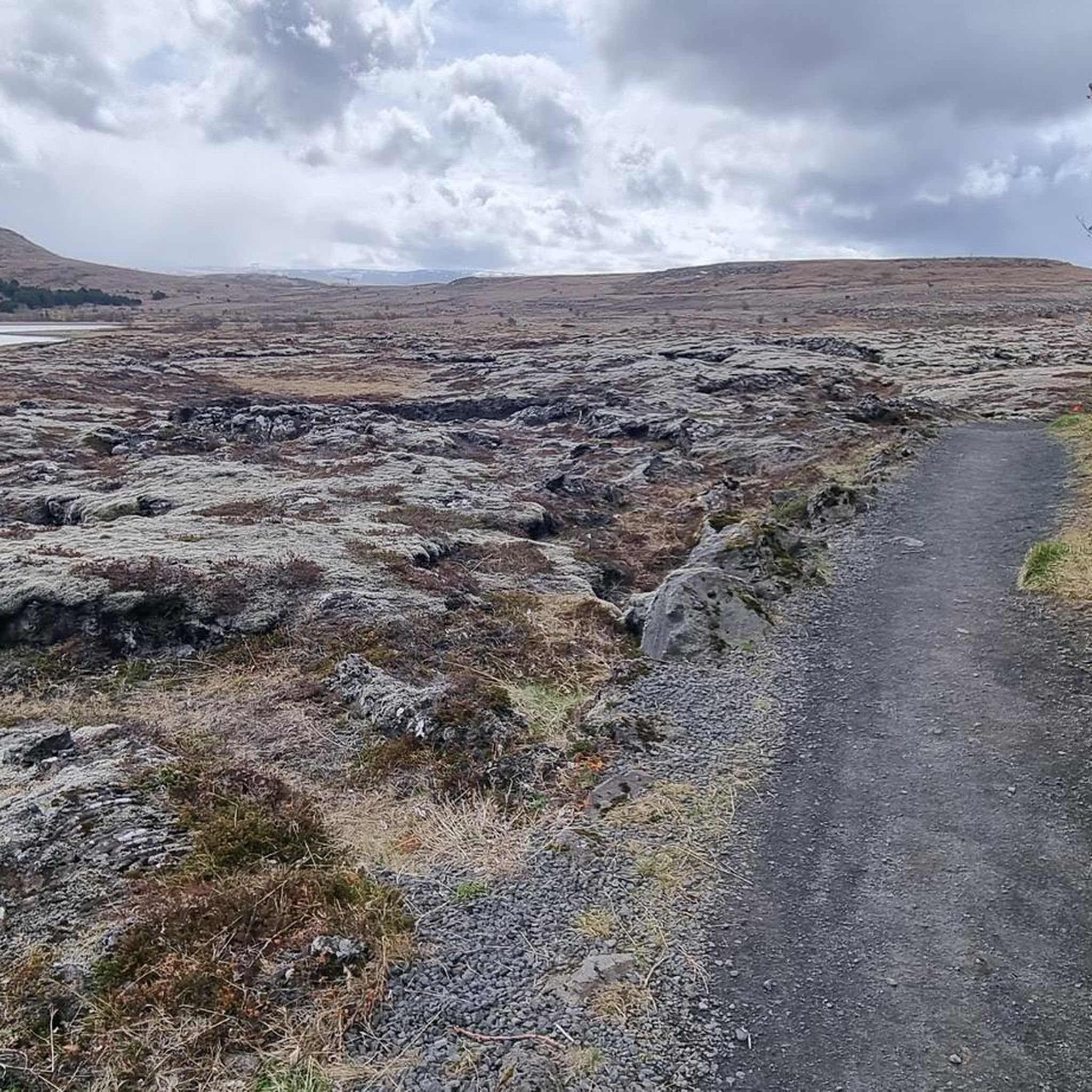
Road cycling routes in this region primarily feature paved surfaces, including good, wide bike paths, especially on the Álftanes peninsula. You'll encounter low elevation changes along the coastline and through distinctive volcanic landscapes, such as the Gálgahraun lava fields.
Are there easy road cycling routes suitable for beginners or families?
Yes, a significant portion of the routes are classified as easy, with 24 out of 38 tours being suitable for beginners or families. An example is the Kópur Sculpture loop from Garðabær, an easy 26.1 km path offering scenic views.
What are some notable landmarks or scenic viewpoints along the road cycling routes?
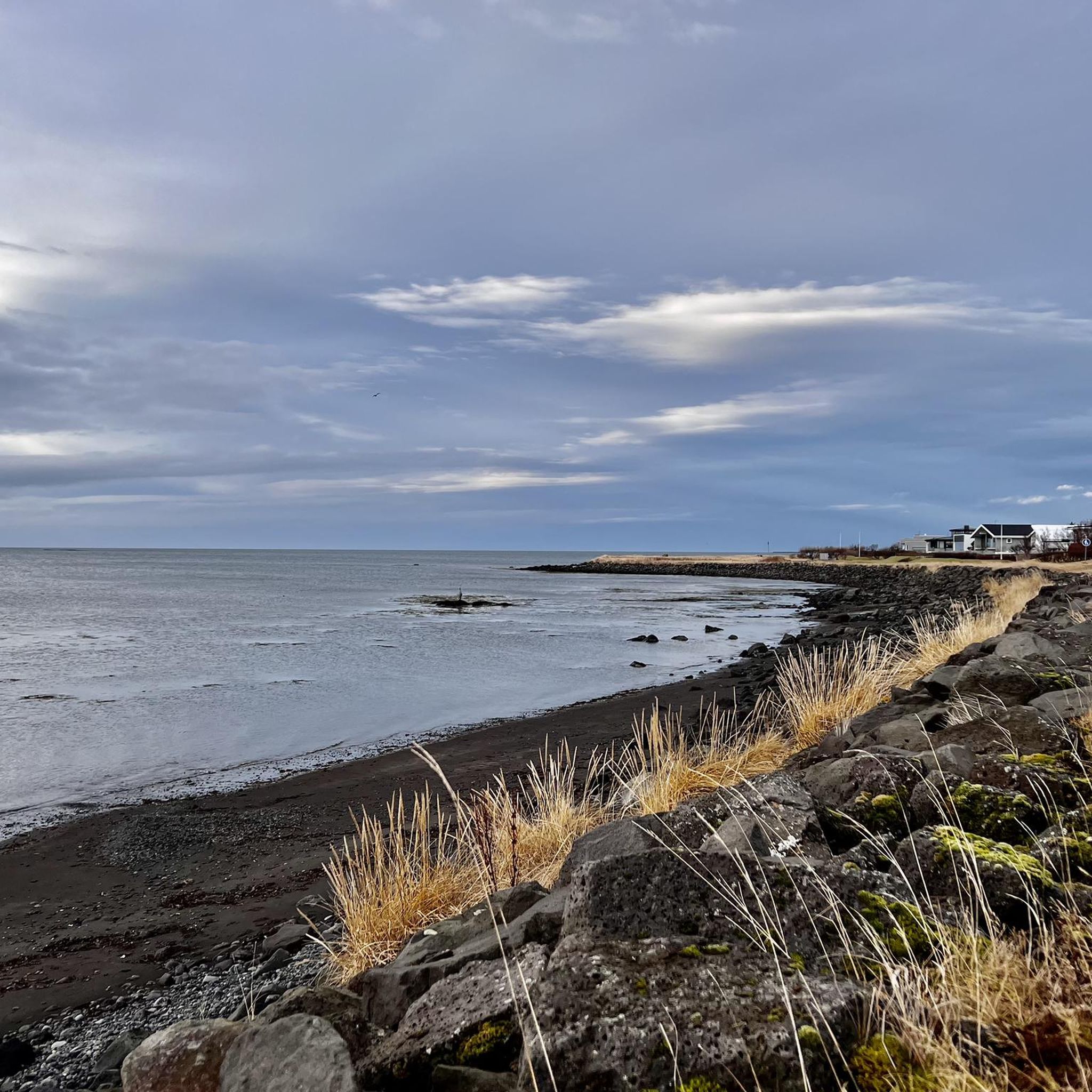
Many routes offer breathtaking coastal views across Faxaflói Bay towards Mount Esja. You can also pass by Bessastaðir, the official residence of the President of Iceland, and the rugged Gálgahraun lava fields where green moss meets the seaside. The area is also known for its diverse birdlife, especially along the coastal paths.
Are there any loop road cycling routes in the area?
Yes, many of the road cycling routes in Skerjafjörður Innan Garðabæjar are loops. For instance, you can explore the Kópur Sculpture – Fossvogsbakkar Shipwreck loop from Garðabær, which covers 19.1 km, or the Fossvogsbakkar Shipwreck – Nauthólsvík Geothermal Beach loop from Kopavogur, a 16.1 km moderate ride.
What do other cyclists say about road cycling in Skerjafjörður Innan Garðabæjar?
The area is highly rated by the komoot community, with an average score of 5.0 stars from 4 reviews. Cyclists often praise the combination of coastal landscapes, accessible cycling infrastructure, and the smooth asphalt surfaces that make for an enjoyable ride.
Is it possible to incorporate cultural or historical sites into a road cycling tour?
Absolutely. The region offers cultural points of interest such as Bessastaðir, the official residence of the President of Iceland, which is often visible or passed on routes along the Álftanes peninsula. While not directly on a cycling path, the nearby Hofsstaðir Archaeological Park in Garðabær, with its 9th-century Viking settlement remains, can also be a point of interest.
What is the best time of year for road cycling in Skerjafjörður Innan Garðabæjar?
The best time for road cycling is generally during the warmer months, from late spring to early autumn, when the weather is milder and daylight hours are long. While winter cycling is possible, conditions can be challenging due to cold, wind, and potential ice or snow.
Are there any routes that connect to broader urban areas like Reykjavik?
Yes, the road cycling network in Skerjafjörður Innan Garðabæjar often connects to broader areas, including Reykjavik, allowing for longer rides that extend beyond the immediate municipality.
Are there any routes that offer views of lava fields?
Yes, several routes provide views of the distinctive volcanic landscapes. For example, the Álftanes peninsula features paths near the protected Gálgahraun lava fields, where you can see rugged lava formations alongside the coastline.
Can I find routes with diverse birdlife for birdwatching?
The coastal areas of Skerjafjörður Innan Garðabæjar are known for their diverse birdlife, serving as an important stopover for migratory birds. Cycling along these paths, especially around the Álftanes shoreline and its freshwater ponds, offers opportunities for birdwatching.
Most popular routes in Skerjafjörður Innan Garðabæjar

Get inspired with the komoot mobile app


Explore more
Browse the best Road cycling routes in other regions.
