The best mountain hikes in Larrako Erreserba Naturala/Reserva Natural De Larra
5.0
(3)
88
hikers
8
hikes
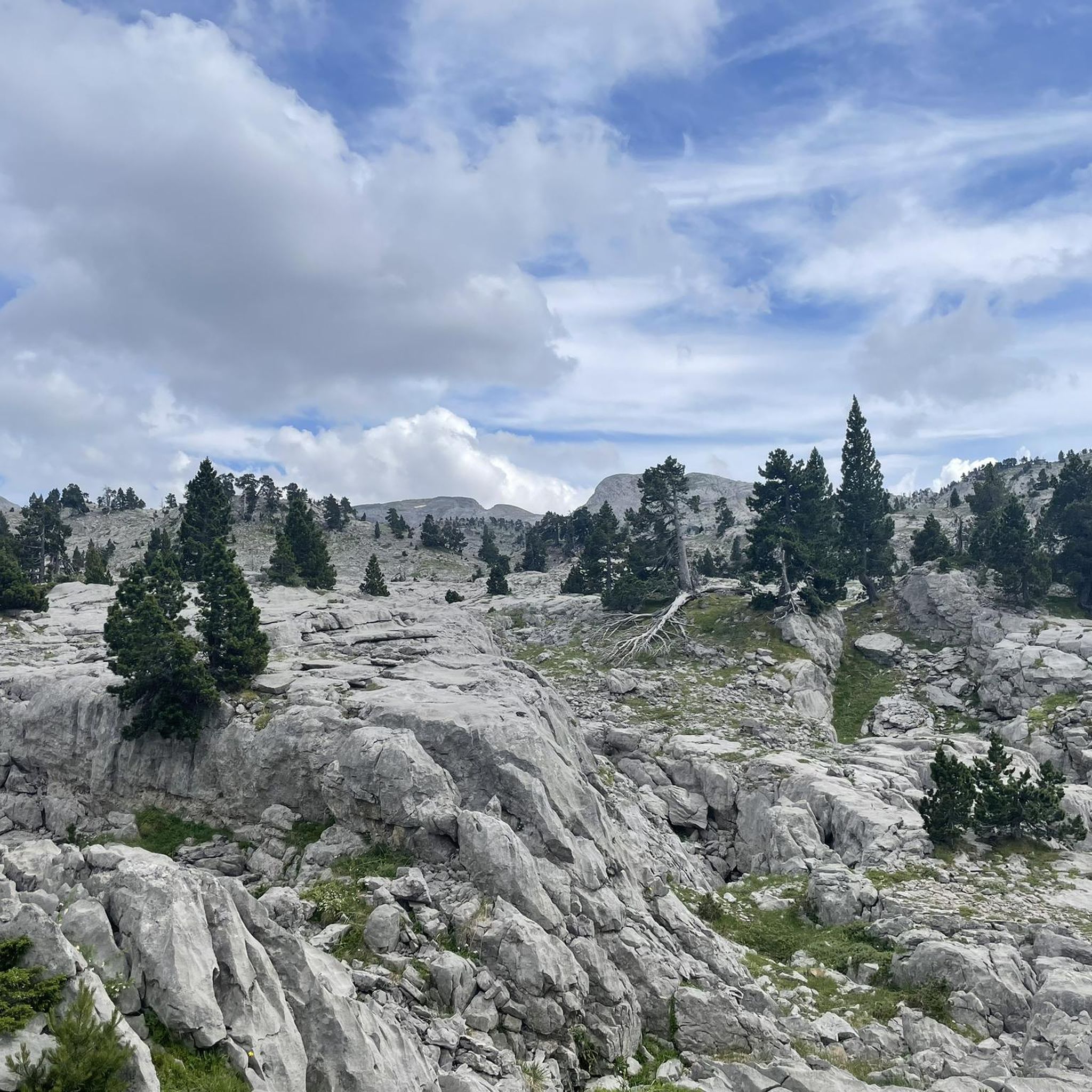
Mountaineering in Larrako Erreserba Naturala/Reserva Natural De Larra offers challenging routes through one of Europe's most impressive karst landscapes. This region, located in the Navarrese Pyrenees, is characterized by dramatic limestone formations, including lapiaz land and numerous peaks exceeding 2,000 meters. Black pines grow amidst the rocks in the upper massif, while integral reserves protect beech and fir tree forests in the valleys. The area provides varied terrain for experienced mountaineers.
Best mountaineering routes in Larrako Erreserba Naturala/Reserva Natural De…
Last updated: November 12, 2026
5.0
(1)
18
hikers
Hard mountaineering route. Very good fitness required. Sure-footedness, sturdy shoes and alpine experience required.
12
hikers
Hard mountaineering route. Very good fitness required. Sure-footedness, sturdy shoes and alpine experience required.

5.0
(1)
21
hikers
Hard mountaineering route. Very good fitness required. Mostly walkable paths. Sure-footedness required.
5
hikers
12.6km
05:30
990m
990m
Hard mountaineering route. Very good fitness required. Mostly walkable paths. Sure-footedness required.
10
hikers
14.1km
05:35
910m
910m
Hard mountaineering route. Very good fitness required. Mostly walkable paths. Sure-footedness required.
Get access to more routes and recommendations from other explorers.
Already have an account?
Our route recommendations are based on thousands of hikes, rides, and runs completed by other people on komoot.
Start today with a free account
Your next adventure awaits.
Popular around Larrako Erreserba Naturala/Reserva Natural De Larra
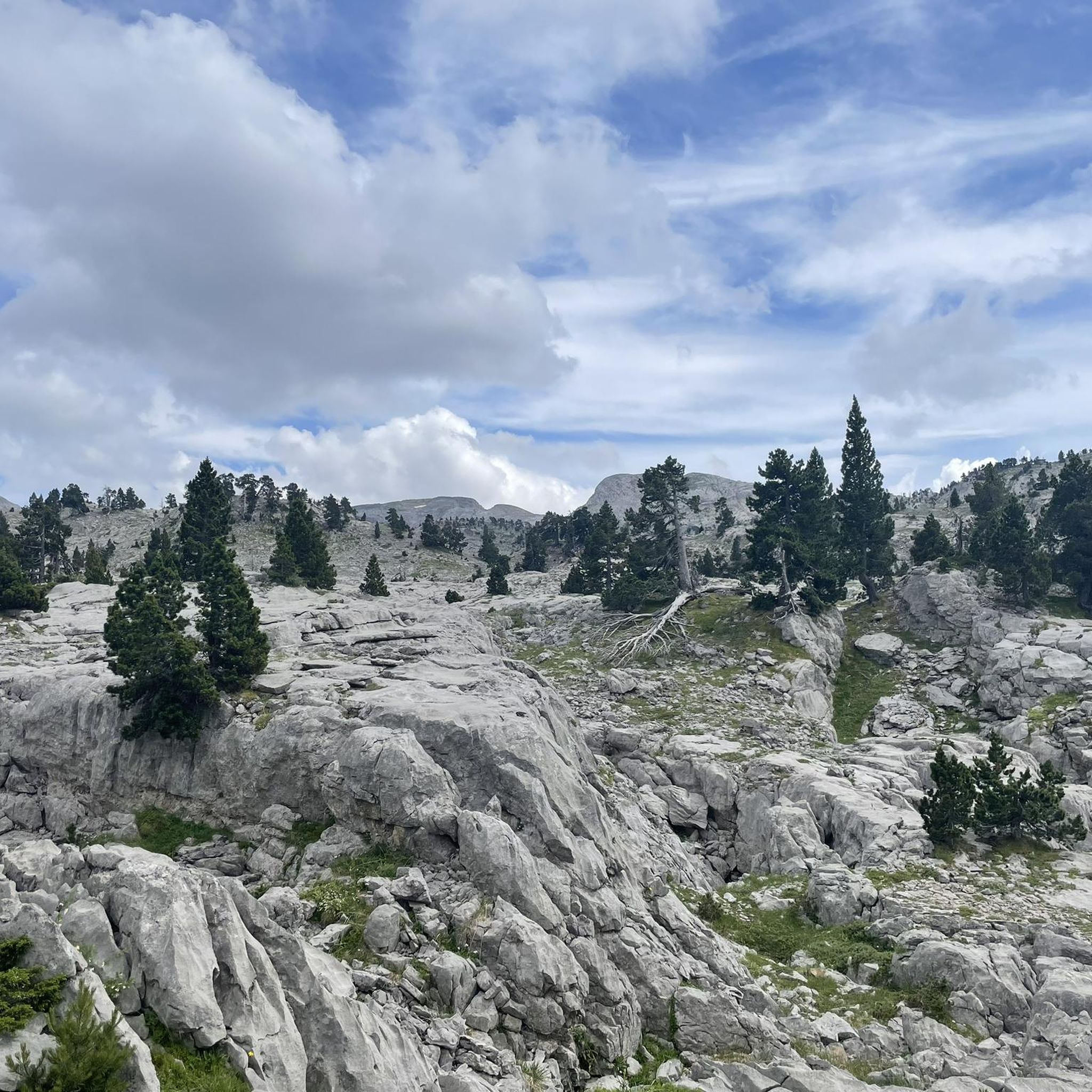
Hiking in Larrako Erreserba Naturala/Reserva Natural De Larra
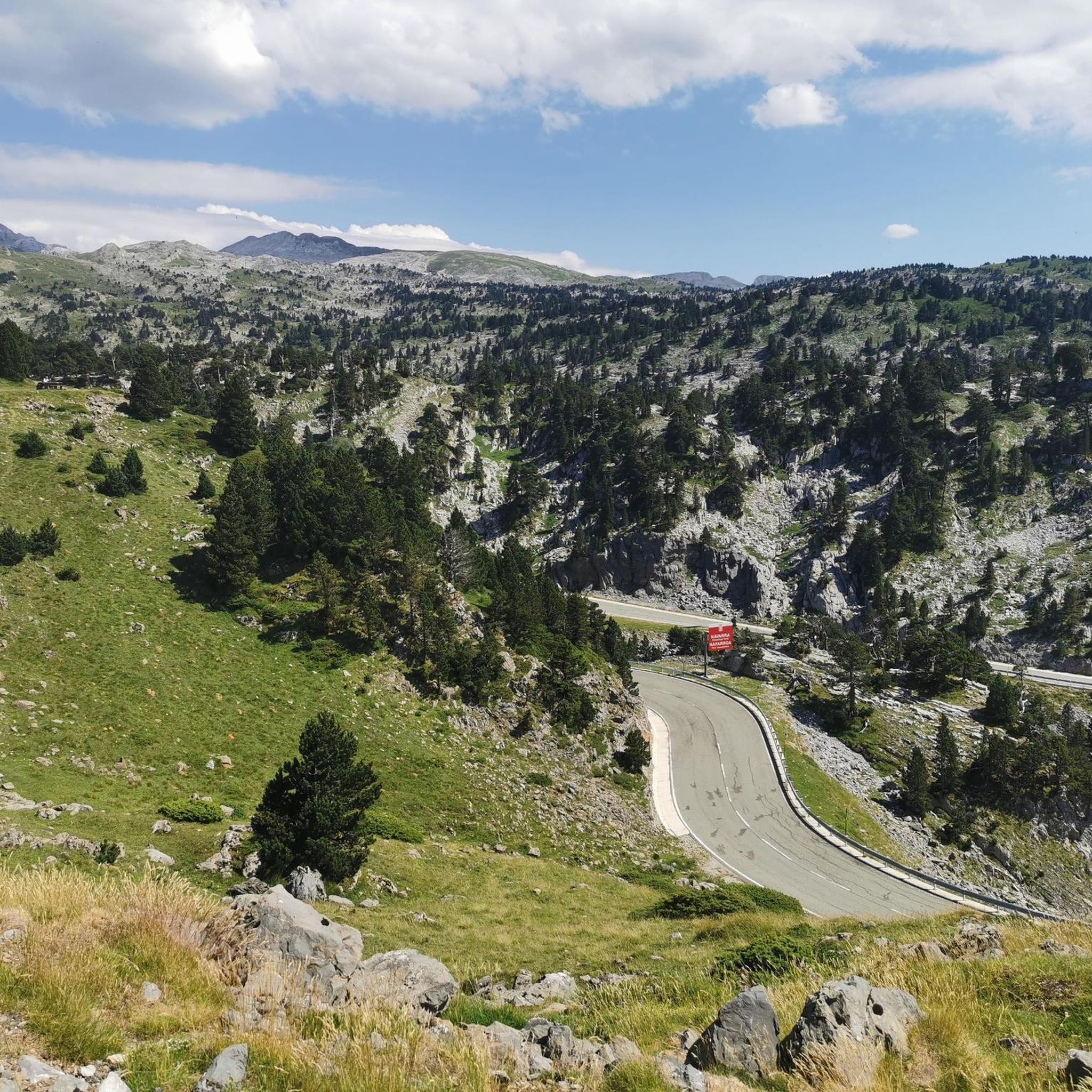
Running Trails in Larrako Erreserba Naturala/Reserva Natural De Larra
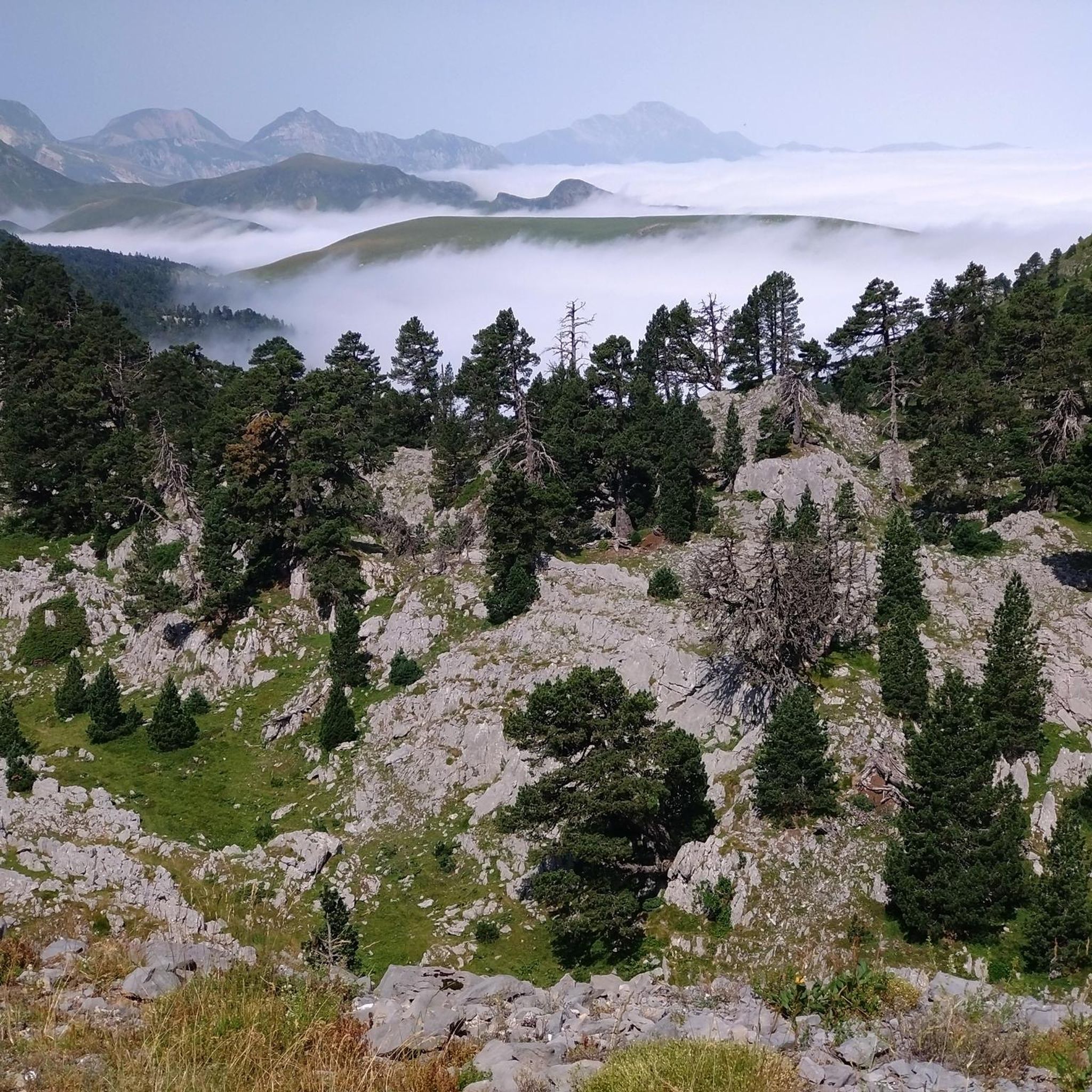
Road Cycling Routes in Larrako Erreserba Naturala/Reserva Natural De Larra
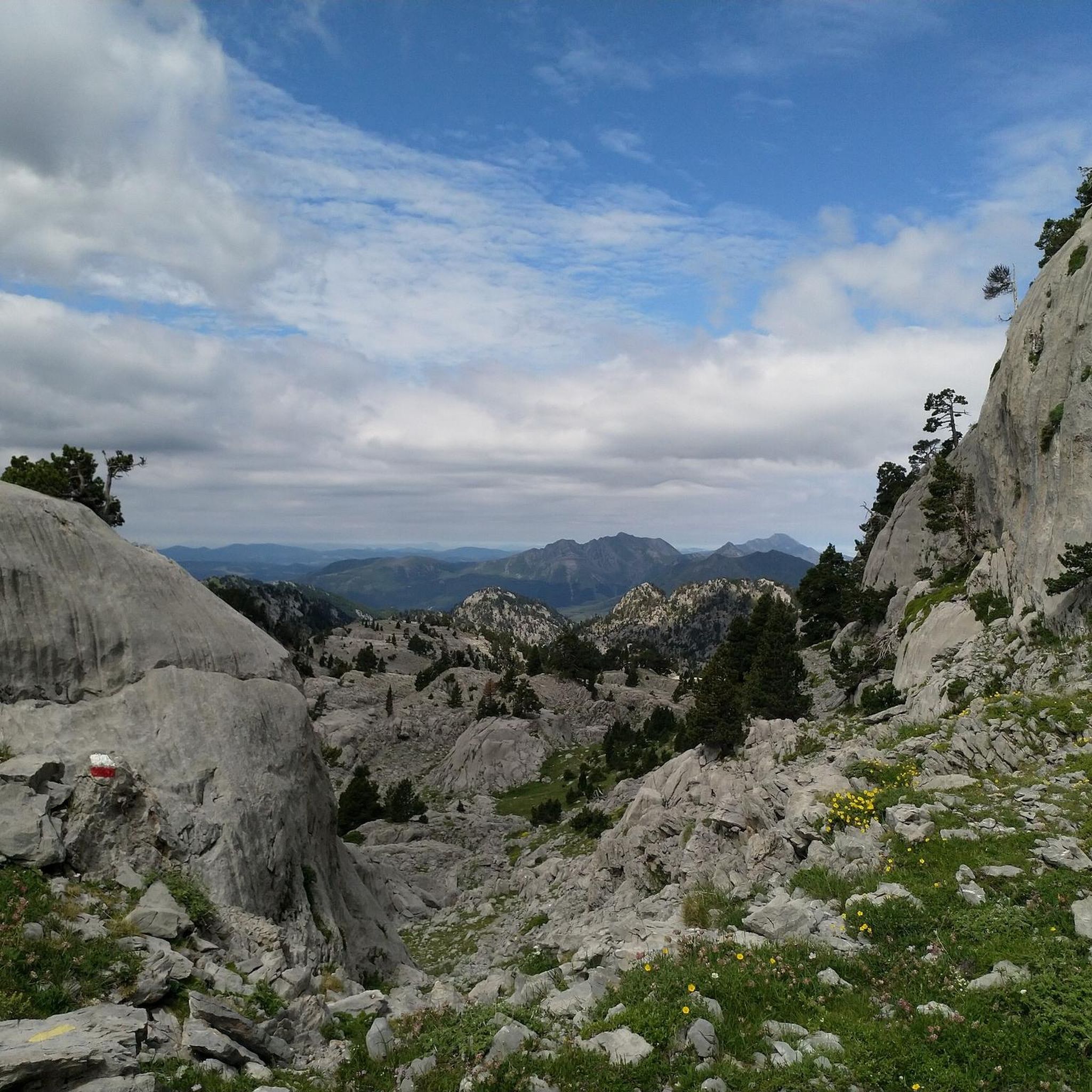
Cycling in Larrako Erreserba Naturala/Reserva Natural De Larra
MTB Trails in Larrako Erreserba Naturala/Reserva Natural De Larra
Tips from the Community

It's really too cool in good weather.
0
0

Very difficult to arrive... and very difficult to leave, because the beauty of the place, of the views, overshadows the tiredness and the difficulty.
2
0
Impressive in itself, but of course, since the Anie is in front, you almost don't give it importance.
2
0

Refuge in a beautiful location and starting point for numerous hikes
0
0

The Ansabère Huts (Cabanes d'Ansabère) are as charming and laid-back as it gets. These little stone huts are used by local shepherds making fresh mountain cheese all summer long, and if you're lucky, you can even buy some right on the spot!
2
0
Lake Ansabère it's a pure alpine chill into a beautiful high valley. You’ve got this quiet, clear mountain lake sitting right beneath the crazy jagged limestone needles of the Ansabère peaks, with sheep and horses just hanging out on the green grass nearby. It’s an dream spot to kick off your boots, pull out your lunch, and just relax by the water while watching the peaks mirror on the lake.
2
0

After breakfast, it closes for a while for cleaning. Fill up your water bottle before heading up, as it's a scarce resource up there.
0
0

There is no ibon, it doesn't match the photos. It's just a pond for the animals to drink from.
0
0
Frequently Asked Questions
What is the general difficulty level of mountaineering routes in Larrako Erreserba Naturala?
Mountaineering in Larrako Erreserba Naturala/Reserva Natural De Larra is primarily suited for experienced mountaineers. The region is characterized by challenging karst landscapes and high Pyrenean peaks, with 13 out of 16 routes rated as difficult. There are 3 routes considered moderate, but none are classified as easy.
Are there any circular mountaineering routes available?
Yes, several routes in Larrako Erreserba Naturala are circular. For example, the Pic d'Arlas – Anie Peak loop from Gouffre de la Pierre-Saint-Martin (Puits Lépineux) is an 8.3-mile loop offering views of prominent peaks. Another option is the Forking – Summit of Anie 2504m loop from Col de la Pierre Saint-Martin, which ascends towards Anie Peak, the highest point of the Larra massif.
When is the best time of year for mountaineering in Larrako Erreserba Naturala?
The best time for mountaineering in Larrako Erreserba Naturala is generally during the spring, summer, and autumn months when the weather is more stable and snow conditions are less prevalent at lower altitudes. However, the region's high peaks mean that conditions can change rapidly, and some routes may retain snow well into early summer. Winter offers opportunities for cross-country and alpine skiing, but mountaineering requires specialized gear and experience for snowy and icy conditions.
Where can I find parking and access points for mountaineering routes?
Access to the Larra massif is often gained through the Roncal Valley. Specific parking areas and access points will vary depending on your chosen route. For example, routes like the Collado de Linza loop often start from areas like Cocina libre Linza. The Col de la Pierre Saint-Martin also serves as a significant access point, particularly for routes ascending Anie Peak.
Do I need a permit for mountaineering in Larrako Erreserba Naturala?
Generally, permits are not required for hiking or mountaineering in Larrako Erreserba Naturala for standard routes. However, it's always advisable to check with local authorities or visitor centers for the most current regulations, especially if you plan to explore sensitive areas or engage in activities like speleology in the deeper chasms.
Are there any family-friendly mountaineering options or easier trails in the area?
While the mountaineering routes listed are predominantly difficult, the broader Larrako Erreserba Naturala/Reserva Natural De Larra region does offer a range of hiking routes, from easy walks to more challenging treks. For family-friendly options, it's best to look for designated hiking trails rather than the more demanding mountaineering routes, which are designed for experienced individuals.
Can I bring my dog on mountaineering routes in Larrako Erreserba Naturala?
Policies regarding dogs in natural reserves can vary. While some areas may permit dogs on a leash, others might have restrictions, especially in protected zones or during certain seasons to protect wildlife. It is recommended to check specific regulations with the park administration or local visitor centers before bringing your dog on any mountaineering route.
What notable natural features or attractions can I see while mountaineering?
Larrako Erreserba Naturala is famous for its dramatic karst landscapes, characterized by unique limestone formations and deep chasms. You can also encounter striking black pines growing amidst the rocks. Notable peaks include Table of the Three Kings (Hiru Erregen Mahaia), the highest mountain in Navarre, and Pic d'Arlas. The Pierre Saint-Martin Pass is also a significant landmark offering wonderful landscapes.
Where can I find the best panoramic views in Larrako Erreserba Naturala?
For breathtaking panoramic views, consider routes that ascend to the higher peaks. The Summit of Anie 2504m offers expansive vistas from its relatively flat upper section. Pic d'Arlas also provides excellent panoramic views, situated between Spain and France. The Col de la Pierre Saint-Martin, despite its lower altitude, is renowned for its scenic beauty.
What kind of wildlife and flora can I expect to see?
The reserve is home to diverse ecosystems. You'll find striking black pines in the upper massif and integral reserves protecting beech and fir tree forests in the valleys, such as Ukerdi and Aztaparreta Ravine. While specific wildlife sightings are not guaranteed, the Pyrenees are known for various species, including chamois, marmots, and different bird species. The unique karst landscape itself is a significant natural feature.
Are there any refuges or accommodation options available near the mountaineering routes?
Yes, there are refuges in the vicinity that can serve as bases for mountaineering. The Linza Refuge is one such option, and routes like the Collado de Linza loop start from nearby. Additionally, towns in the Roncal Valley, such as Isaba, offer hotels and guesthouses. For more information on the region's natural beauty, you can visit visitnavarra.es.
What essential gear should I bring for mountaineering in this region?
Given the challenging terrain and high altitudes, essential gear for mountaineering in Larrako Erreserba Naturala includes sturdy hiking boots, appropriate layers of clothing for varying weather conditions, a waterproof jacket, navigation tools (map, compass, or GPS), sufficient water and food, and a first-aid kit. Depending on the season and specific route, you might also need crampons, an ice axe, and a helmet, especially for routes involving snow or technical sections.
Most popular routes in Larrako Erreserba Naturala/Reserva Natural De Larra
Most popular attractions in Larrako Erreserba Naturala/Reserva Natural De Larra

Get inspired with the komoot mobile app


Explore more
Browse the best Mountain Hikes & Routes in other regions.
