Attractions and Places To See around Lawitz - Top 20
Attractions and places to see around Lawitz, a village in the Oder-Spree district of Brandenburg, offer a tranquil escape into rural German life. The area is characterized by a gently rolling landscape, providing a peaceful environment for visitors. Lawitz was first documented in 1316 as a Gassendorf and historically belonged to the Neuzelle Abbey. The region is known for its natural beauty, including forests and opportunities for outdoor activities.
Best attractions and places to see around Lawitz
- The most popular…
Last updated: October 9, 2026
Neuzelle Abbey — Church of St Mary
Highlight • Religious Site
Translated by Google •
Tip by

Ratzdorf Gauge House
Highlight • Monument
Translated by Google •
Tip by

Sign up now to discover places like this
Get recommendations on the best single tracks, peaks, & plenty of other exciting outdoor places.
Ruins of the Vogelsang Power Plant
Highlight • Historical Site
The Vogelsang power plant is a standard power plant built towards the end of the Second World War. It …
Translated by Google •
Tip by

Kieselwitzer Mill
Highlight • Structure
More info: de.wikipedia.org/wiki/Schlaube and de.wikipedia.org/wiki/Kieselwitzer_M%C3%BChle
Showing Translation
Tip by

Holy Cross Church (Neuzelle)
Highlight • Religious Site
Translated by Google •
Tip by

Sign up for free to discover even more attractions around Lawitz.
Already have an account?
Start today with a free account
Your next adventure awaits.
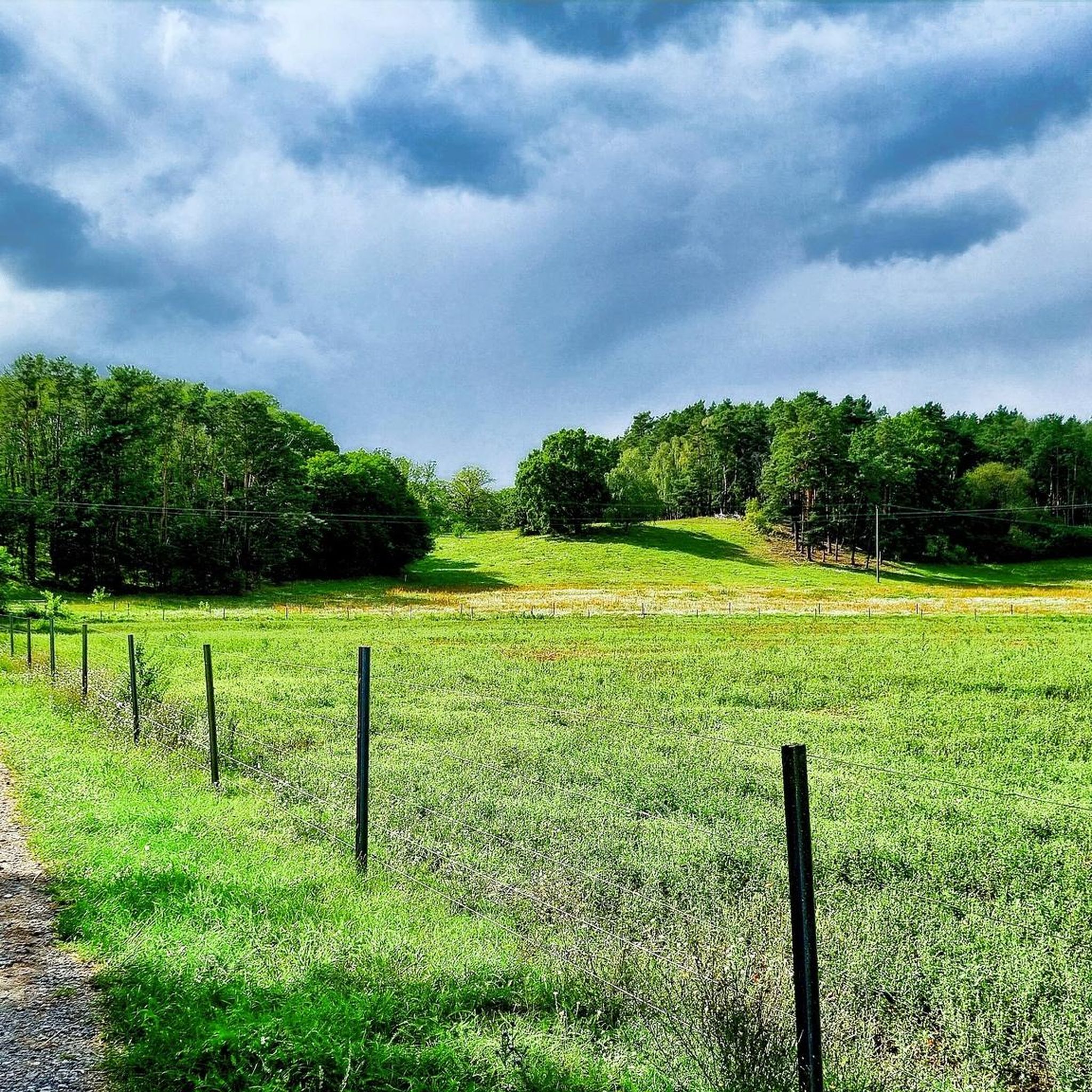
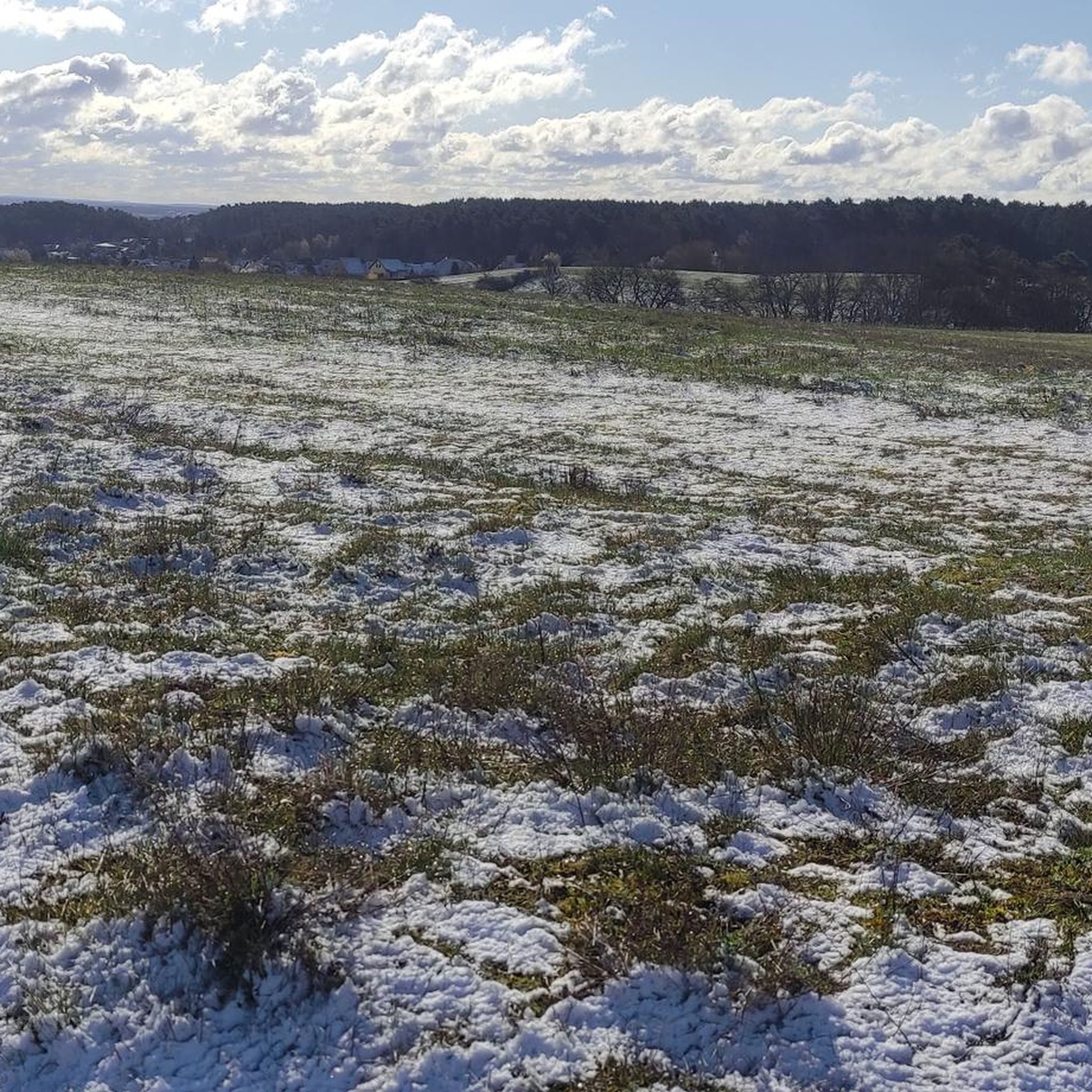
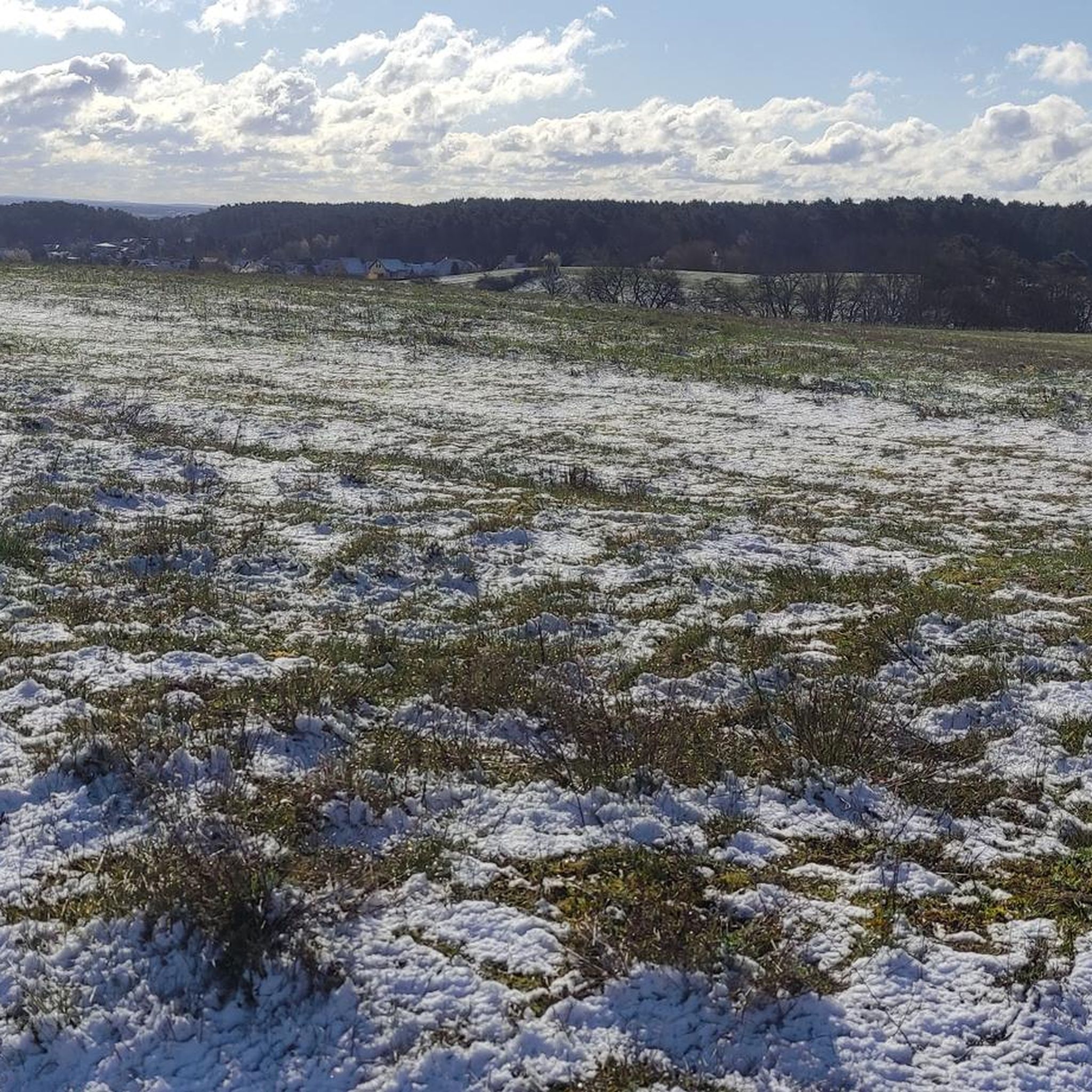
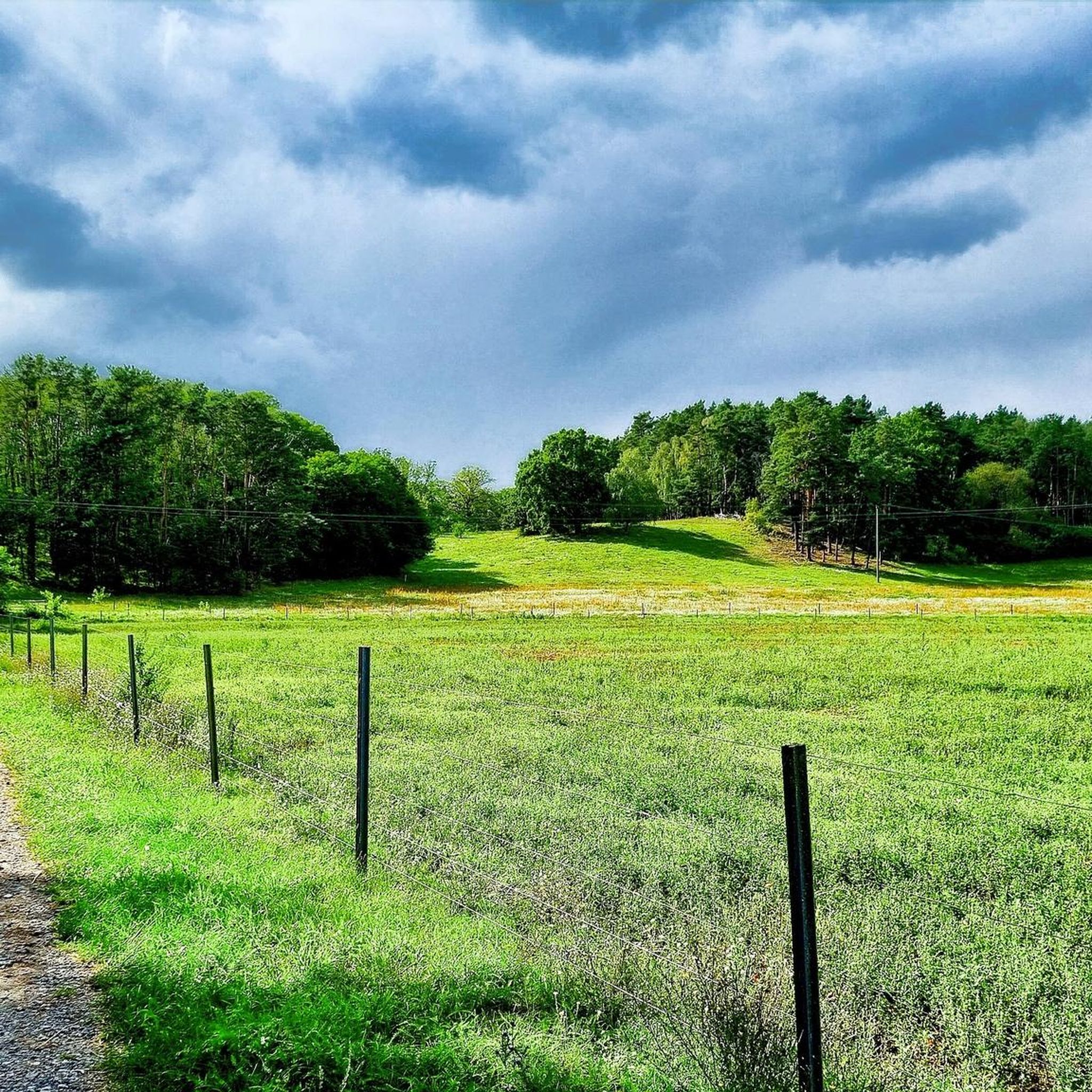
Tips from the Community

A church that is less impressive and more inconspicuous from the outside. However, the interior is beautiful and definitely worth a visit.
1
0

Relatively unspectacular but still a nice resting place by the water. There is nothing left to see of the former mill and unfortunately there is no café or anything similar here.
1
0

It's no longer an insider tip, but it's still worth it. The Vogelsang power plant is a standard power plant built towards the end of the Second World War. It never went into regular operation and was dismantled after the war as reparations. The building envelope with the two chimneys, each 100 m high, is still preserved. The power plant is the only monument to the industrial boom in Fürstenberg (Oder). Almost all other testimonials have disappeared. Only a few residential buildings have survived from the Degussa industrial area. https://de.wikipedia.org/wiki/Kraftwerk_Vogelsang
72
0

The Neuzelle monastery has two churches: the collegiate church of St. Marien was reserved for the monastery convent, while the smaller cruciform church was intended for public pastoral care. After the Reformation, the monks in Neuzelle looked after the remaining Catholics in the region. The Church of the Holy Cross was built around 1730 in the Rococo style. Its vault, decorated with beautiful strapwork, opens towards the sanctuary to a mighty dome. Here the triumph of the Catholic Church can be seen on the largest ceiling fresco in Lower Lusatia.
6
1

The mill was first mentioned in 1420 as a grinding mill. After the Thirty Years' War it was used as a cutting mill. Burned down completely in 1659, rebuilt. Until 1930 grinding and cutting mill. 1930 Cessation of milling operations, in the 1930s the sawmill was shut down and the mill converted into a restaurant with an outdoor dance floor. 1969 - 1970 Discontinuation of the catering business and conversion of the restaurant into a residential building. Privately owned and fish farm since 1996 (20 ponds with trout and carp).
2
0

Stick fine church at the monastery
2
0
Great belly wetk in the middle of the monastery
1
0
Very nice facility and great explanations about the flood ..
7
1
Frequently Asked Questions
What historical sites can I visit around Lawitz?
The region around Lawitz is rich in history. A prominent historical site is Neuzelle Abbey and the Collegiate Church of the Assumption of St. Mary, a Baroque monastery complex founded in the 13th century. You can also explore the Ruins of the Vogelsang Power Plant, a preserved building envelope from WWII that stands as a monument to the region's industrial past. Additionally, the Kieselwitzer Mill has a long history, once housing a tourist restaurant and now featuring a trout farm.
Are there family-friendly activities or attractions near Lawitz?
Yes, there are several family-friendly options. The village of Lawitz itself offers a small animal enclosure with goats, a sports field, and a playground for children. For a cultural outing, Neuzelle Abbey and the Collegiate Church of the Assumption of St. Mary is considered family-friendly, offering impressive architecture and gardens. The Kieselwitzer Mill, with its trout farm, can also be an interesting stop for families.
What natural features can I explore near Lawitz?
Lawitz is nestled in a gently rolling landscape, offering a peaceful natural environment. The village features the lovingly maintained Lawitzer Dorfteich (Village Pond), ideal for a picnic. The broader Brandenburg region, where Lawitz is located, is known for its natural beauty, including numerous lakes and forests. The Kieselwitzer Mill is situated at the Schlaube, a river known for its scenic beauty.
What outdoor activities are available around Lawitz?
The area around Lawitz is excellent for various outdoor activities. You can find numerous routes for cycling, road cycling, and running. For example, there are road cycling routes like the 'View of the Oder River – Ruins of Vogelsang Coal Power Plant loop from Eisenhüttenstadt' and touring cycling routes such as the 'View of Neuzelle Abbey – Oder–Neisse Cycle Route (D12) loop from Neuzelle'. Running enthusiasts can explore trails like the 'Neuzelle Abbey loop from Neuzelle'. You can find more details on these activities in the Road Cycling Routes around Lawitz, Running Trails around Lawitz, and Cycling around Lawitz guides.
Are there any viewpoints or scenic spots in the area?
Yes, for scenic views, consider visiting the Ratzdorf Gauge House, which is located directly on the Oder River, offering views of the river and the mouth of the Neisse. The Kieselwitzer Mill also provides picturesque views of the mill and its surrounding natural setting.
What is the best way to experience the local culture and history of Lawitz?
To experience the local culture and history, explore the historical village core of Lawitz, which reflects its agricultural past. A visit to Neuzelle Abbey and the Collegiate Church of the Assumption of St. Mary is essential, as it's a significant Baroque monastery complex with a rich history. The abbey also houses a museum and baroque gardens, offering a deep dive into the region's heritage.
Can I find places with food and drink near the attractions?
Yes, some attractions offer facilities for food and drink. The Ratzdorf Gauge House is near a pub, restaurant, and cafe. The Neuzelle Abbey complex includes an orangery café, providing refreshments during your visit.
Are there any dog-friendly places to visit around Lawitz?
The Ruins of the Vogelsang Power Plant are noted as dog-friendly, making it a suitable historical site to explore with your canine companion. Many of the outdoor trails and natural areas around Lawitz are also generally welcoming to dogs, but always ensure they are on a leash and you clean up after them.
What is the significance of the Neuzelle Abbey in the region?
Neuzelle Abbey and the Collegiate Church of the Assumption of St. Mary is a highly significant religious and historical site. It is a unique Baroque monastery complex in Brandenburg, founded in the 13th century. Its lavish Baroque decoration, extensive gardens, and historical importance make it a landmark that dominates the entire town of Neuzelle.
What kind of industrial heritage can be found near Lawitz?
The most notable site representing industrial heritage is the Ruins of the Vogelsang Power Plant. Built during WWII, this power plant never went into regular operation but its preserved building envelope, including two 100-meter-high chimneys, stands as a powerful monument to the industrial past of the Fürstenberg (Oder) region.
What makes the Kieselwitzer Mill unique?
The Kieselwitzer Mill is unique for its historical role as a tourist restaurant until the 1970s, and its current function as a trout farm in its mill ponds. It's located beautifully at the Schlaube river, combining historical interest with a tranquil natural setting.
Most popular attractions around Lawitz

Get inspired with the komoot mobile app


Explore more
Still not found the Highlight you’re looking for? See guides of the top attractions in other regions:
