Attractions and Places To See in Monumento Natural De Ojo Guareña - Top 3
Best attractions and places to see in Monumento Natural De Ojo Guareña include an extensive underground cave system and significant archaeological sites. Located in the north of Burgos, Spain, this protected area is known for its unique blend of natural landscapes and cultural heritage. The Ojo Guareña Karstic Complex is one of the largest cave systems globally, formed by river erosion. It offers diverse ecosystems, including lush forests and rivers, alongside historical findings from the Paleolithic to the Middle Ages.
Best attractions and places to see in Monumento Natural De Ojo Guareña
- The most popular attractions is Hermitage of San Bernabé of Ojo Guareña, a religious building that houses a hermitage carved into a cave entrance. It features murals from the 18th and 19th centuries and a 400-meter gallery.
- Another must-see spot is San Tirso and San Bernabé Caves, a cave system that forms part of the Ojo Guareña Karst Complex. This site is notable for its historical significance, with the hermitage located at its main entrance.
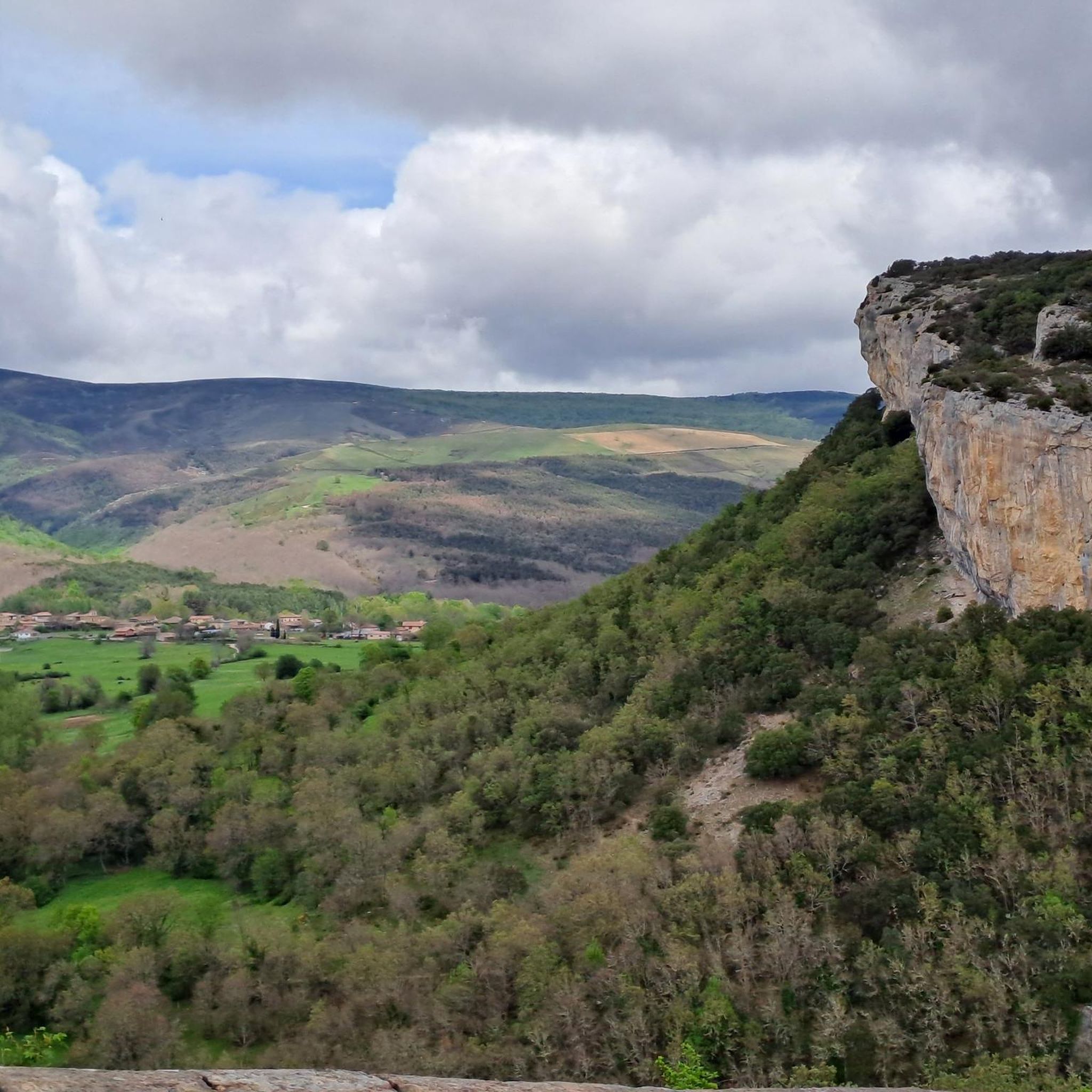
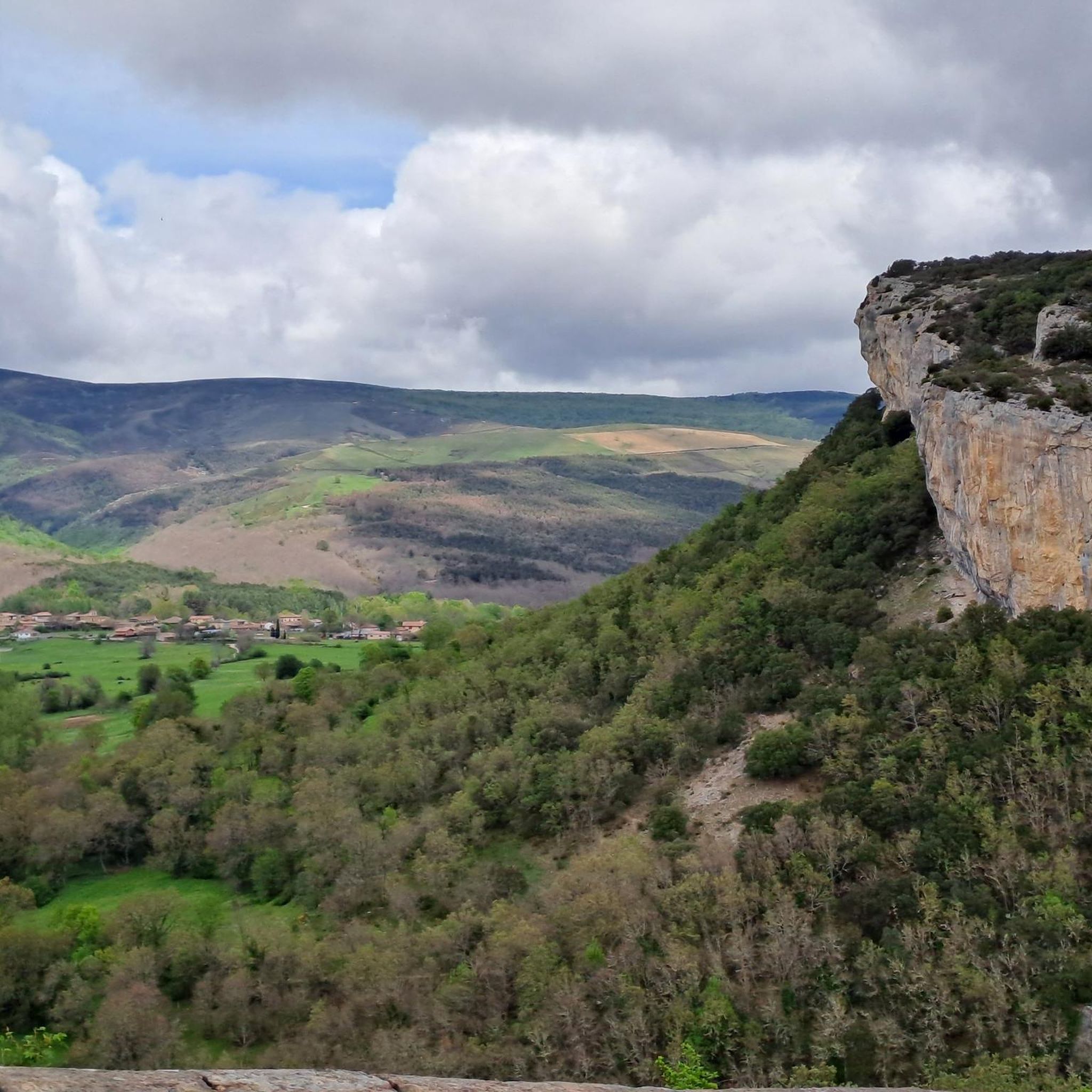
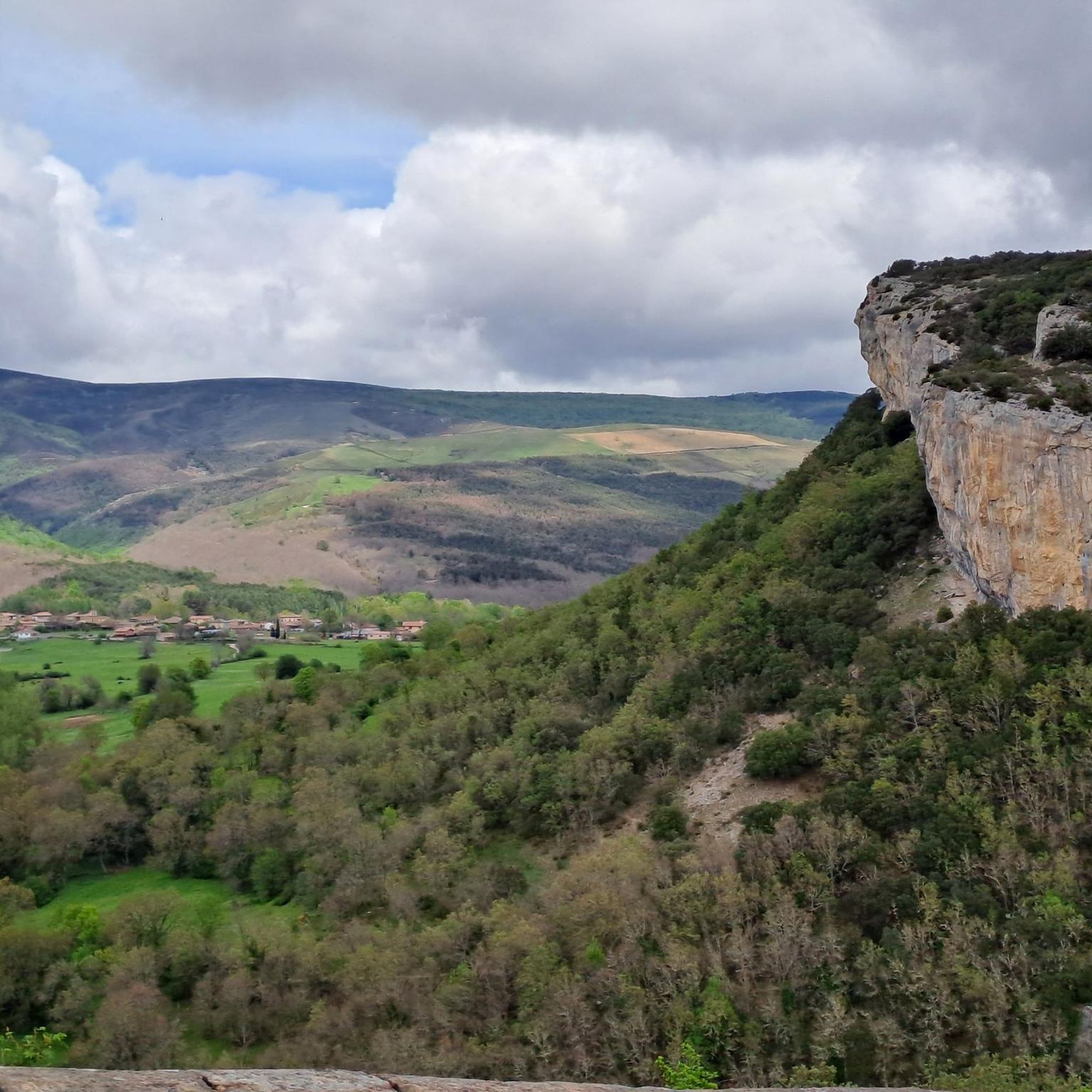
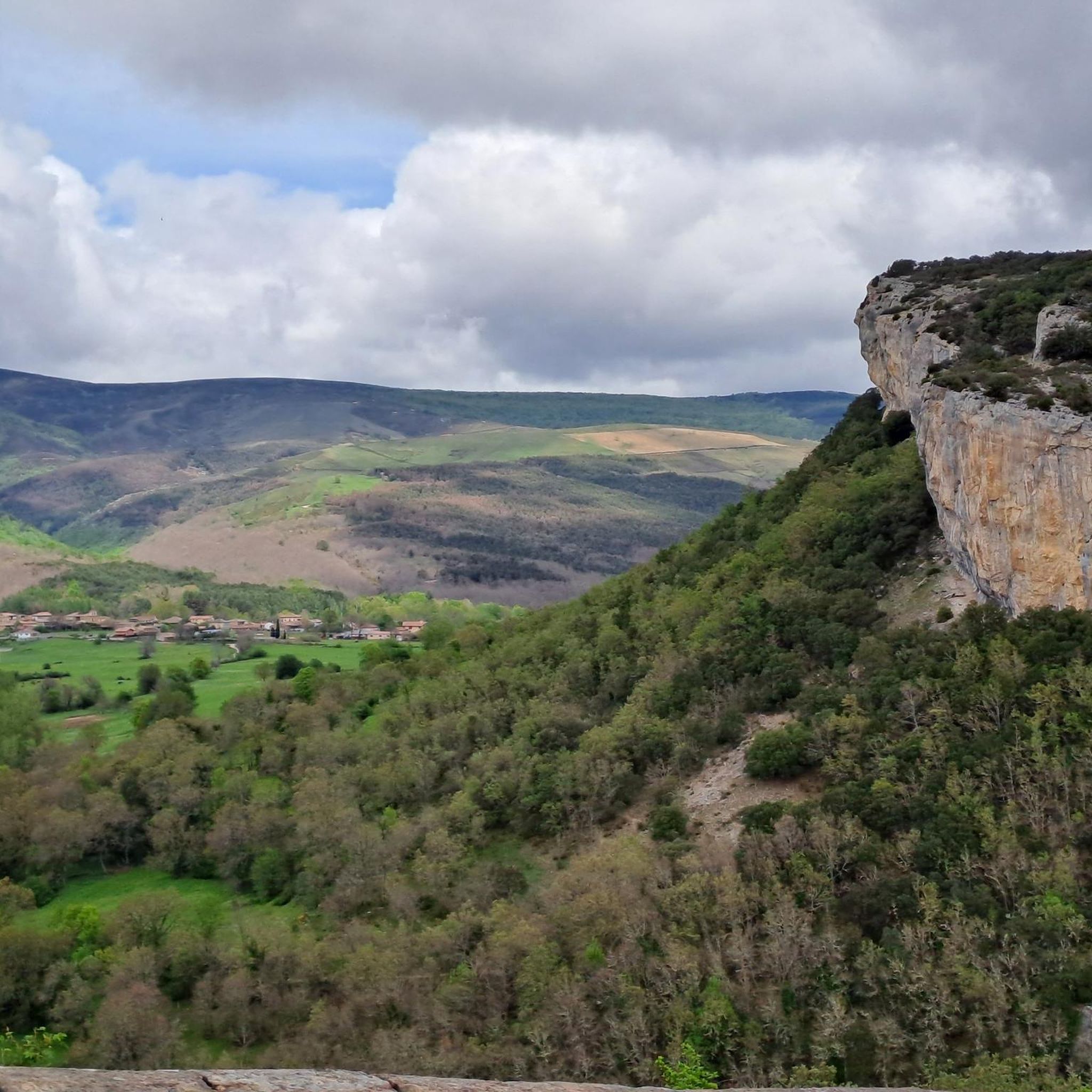
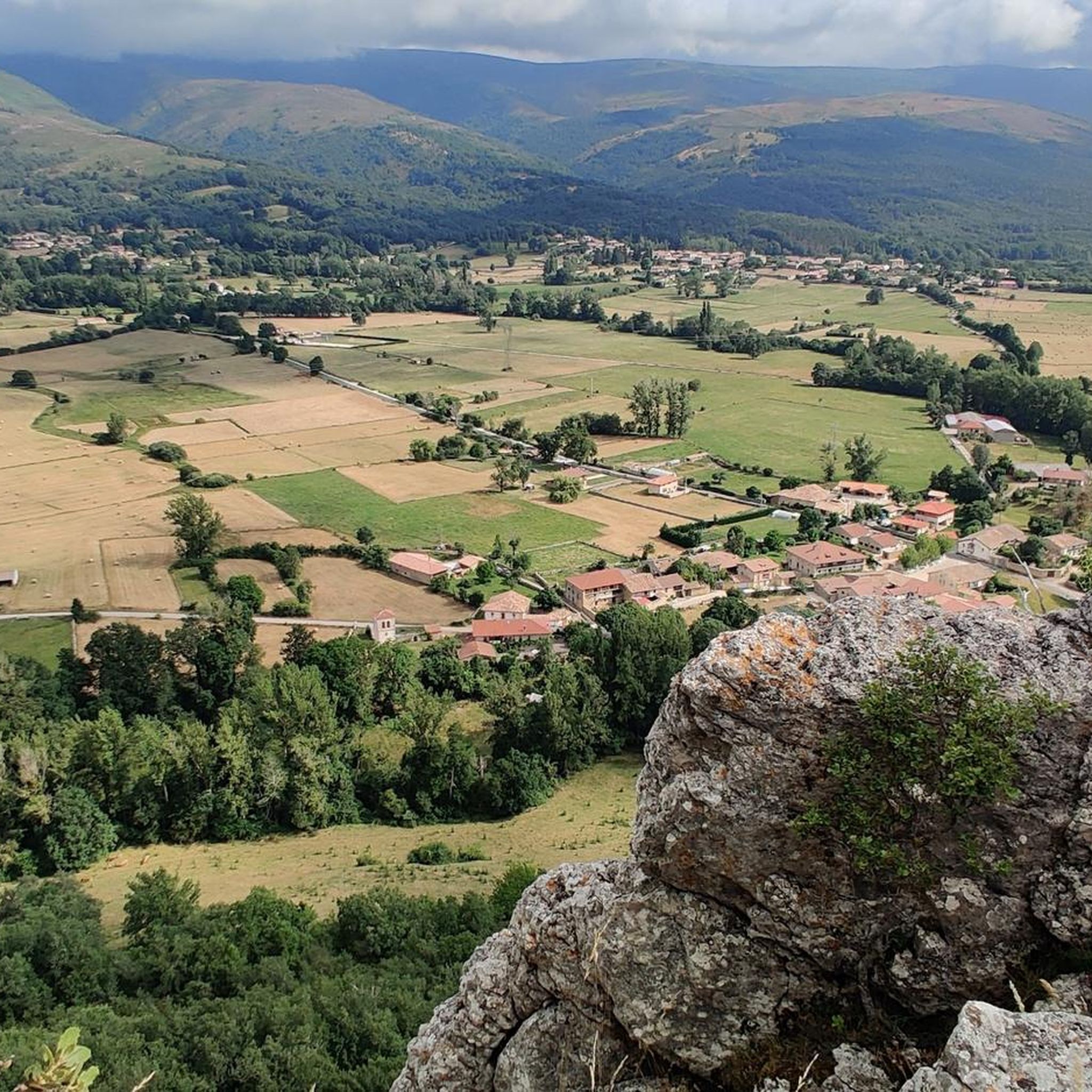
- Visitors also love Pico del Cuerno, a viewpoint reaching almost eight hundred meters. It offers panoramic views of the Sotoscueva area and surrounding towns.
- Monumento Natural De Ojo Guareña is known for its karstic caves, historical sites, and natural viewpoints. The region offers a variety of attractions to see and explore, from underground galleries to mountain peaks.
- The attractions in Monumento Natural De Ojo Guareña are appreciated by the komoot community, with 27 upvotes and 44 photos shared across the highlights.
Last updated: May 25, 2026
Hermitage of San Bernabé of Ojo Guareña
Highlight • Religious Site
Translated by Google •
Tip by

Ojo Guareña Natural Monument
Highlight • Natural Monument
Translated by Google •
Tip by

Sign up now to discover places like this
Get recommendations on the best single tracks, peaks, & plenty of other exciting outdoor places.
Sign up for free
San Tirso and San Bernabé Caves
Highlight • Cave
The date of its construction is unknown; some place it between the 8th and 9th centuries, but it is also believed to date back to the 13th century. It was originally dedicated to San Tirso.
Translated by Google •
Tip by

Pico del Cuerno
Highlight • Viewpoint
Translated by Google •
Tip by

Start today with a free account
Your next adventure awaits.
Login or Signup
Popular around Monumento Natural De Ojo Guareña

Tips from the Community

The Hermitage of San Bernabé is located at the main entrance to the Ojo Guareña Karst Complex and is part of the caves. It is located in the municipality of Cueva de Sotoscueva. The date of its construction is unknown; some place it between the 8th and 9th centuries, but it is also believed to date back to the 13th century. It was originally dedicated to San Tirso.
1
0
The hermitage of San Bernabé is located at the main entrance of the Ojo Guareña Karst Complex and is part of the caves. Located in the municipality of Cueva de Sotoscueva. The date of its construction is unknown, some place it between the 8th and 9th centuries, but it is also believed to be from the 13th century.
0
0

In the Merindades region to the north of Burgos is the Cueva Ermita de San Bernabé, located at the main entrance of the karstic complex of the Ojo Guareña Natural Monument, a hermitage that was previously dedicated to San Tirso and later San Bernabé
0
0
In the Valle de Sotoscueva there is this peak that reaches almost eight hundred meters and that one of the usual routes of ascent is via Cueva
1
0

Ojo Guareña is a karstic complex formed by more than 110 km of galleries. The second largest karstic system in the Iberian Peninsula (the first is Sistema del Mortillano).
3
0

Ojo Guareña is a special place, a visit is highly recommended because it does not disappoint (including a visit inside the hermitage of San Cosme and San Bernabé).
4
0

also visit the sinkhole of the Guareña river
3
0

If you have time, I advise you to take a guided tour of the cave hermitage of San Bernabe; It lasts about 45 minutes and is super curious.
1
0
Frequently Asked Questions
What are the main natural features to explore in Monumento Natural De Ojo Guareña?
Monumento Natural De Ojo Guareña is renowned for its extensive karstic complex. You can explore the vast underground cave system, including the publicly accessible Cueva Palomera, which features ancient cave paintings and is considered the largest visitable cave in Spain. Don't miss the Hermitage of San Bernabé of Ojo Guareña, which is carved into a cave entrance. Other natural highlights include the Sumidero del río Guareña, where the river disappears underground, the 30-meter Salceda Waterfall, and the Ojo de la Dormida Rock Arch.
What historical and archaeological sites can I visit in the region?
The Monumento Natural De Ojo Guareña is an extremely important archaeological site, with findings spanning from the Paleolithic to the Middle Ages. The Hermitage of San Bernabé of Ojo Guareña, located within a cave, features murals from the 18th and 19th centuries and offers a glimpse into the region's religious history. The area also contains prehistoric sanctuaries, cave paintings, engravings, and unique barefoot footprints in the Sala de las Huellas, dating back over 4,000 years.
Are there any viewpoints offering panoramic views of the area?
Yes, for breathtaking panoramic views, you can ascend Pico del Cuerno. Reaching almost eight hundred meters, it offers spectacular vistas of the Sotoscueva area and surrounding towns. Another notable spot is El Ventanón, an opening in a mountain wall that provides expansive views of the diverse landscapes.
What kind of outdoor activities can I do near these attractions?
The Monumento Natural De Ojo Guareña offers a variety of outdoor activities, especially hiking and cycling. You can find numerous trails of varying difficulty, such as the Senda del Ventanón, Vuelta a Pantarra, and Canales del Dulla. For more detailed information on routes, explore the hiking guide or the cycling guide for the region.
Are there specific hiking trails to explore the natural beauty?
Absolutely. The natural space is crisscrossed by an extensive network of trails. Popular options include the El Ventanón Trail, the Ojo de la Dormida Rock Arch loop, and the Sendero Cascada de la Salceda, which leads to the 30-meter Salceda Waterfall. You can find more details and routes in the Monumento Natural De Ojo Guareña hiking guide.
What is the Ojo Guareña Karstic Complex?
The Ojo Guareña Karstic Complex is the centerpiece of the natural monument, boasting over 110 kilometers of interconnected underground galleries. It is one of the largest cave systems in Spain and among the ten largest in the world, formed by the erosive action of the Guareña and Trema rivers on limestone. It's a significant site for geology, archaeology, and biodiversity.
Is there an interpretation center for visitors?
Yes, the Casa del Parque (Park House) is located in Quintanilla del Rebollar. This interpretation center serves as an excellent starting point for visitors, offering detailed information on the geology, biodiversity, and cultural heritage of the Natural Monument, helping you plan your exploration.
What kind of wildlife and flora can I expect to see?
The Monumento Natural De Ojo Guareña is a biodiversity hotspot. It features lush forests of oaks, gall oaks, junipers, and beech. The area supports a rich array of wildlife, with 190 animal taxa, including 36 endemic species. The numerous rivers and streams also support diverse aquatic fauna, particularly salmonid populations.
Can I visit the caves, and do I need to book tickets?
Yes, parts of the Ojo Guareña complex are accessible to the public. Cueva Palomera offers various tours of different lengths, and the Hermitage of San Bernabé of Ojo Guareña also allows visitors to explore its interior. It is highly recommended to check official websites or contact local tourism offices for information on booking tickets and tour availability, as these popular sites often require advance reservations.
What is the significance of the Sumidero del río Guareña?
The Sumidero del río Guareña is a geologically significant and beautiful natural spot located near the San Bernabé hermitage. It is the point where the Guareña River disappears underground, initiating the vast karstic network of the Ojo Guareña complex. It's a fascinating example of the natural processes that shaped this unique landscape.
Are there any cycling routes in the Monumento Natural De Ojo Guareña?
Yes, the region offers several cycling routes for various skill levels. You can find options like the Ancient Tree of Ojo Guareña – Via verde loop or the Natural Rock Arch of Puentedey loop. For a comprehensive list and details, refer to the cycling guide for Monumento Natural De Ojo Guareña.
What makes the Hermitage of San Bernabé unique?
The Hermitage of San Bernabé of Ojo Guareña is unique because it is carved directly into the entrance of a cave, making it a remarkable blend of natural and cultural heritage. It dates back possibly to the 8th-9th or 13th century and features anonymous murals from 1705 and 1877 depicting the saint's martyrdom and miracles. Visitors can also see the Saint's Fountain and the Silos Gallery within the cave.
Most popular routes in Monumento Natural De Ojo Guareña

Get inspired with the komoot mobile app


Explore more
Still not found the Highlight you’re looking for? See guides of the top attractions in other regions:
