The best cycling routes in Espacio Natural De Las Tuerces
4.3
(8)
84
riders
22
rides
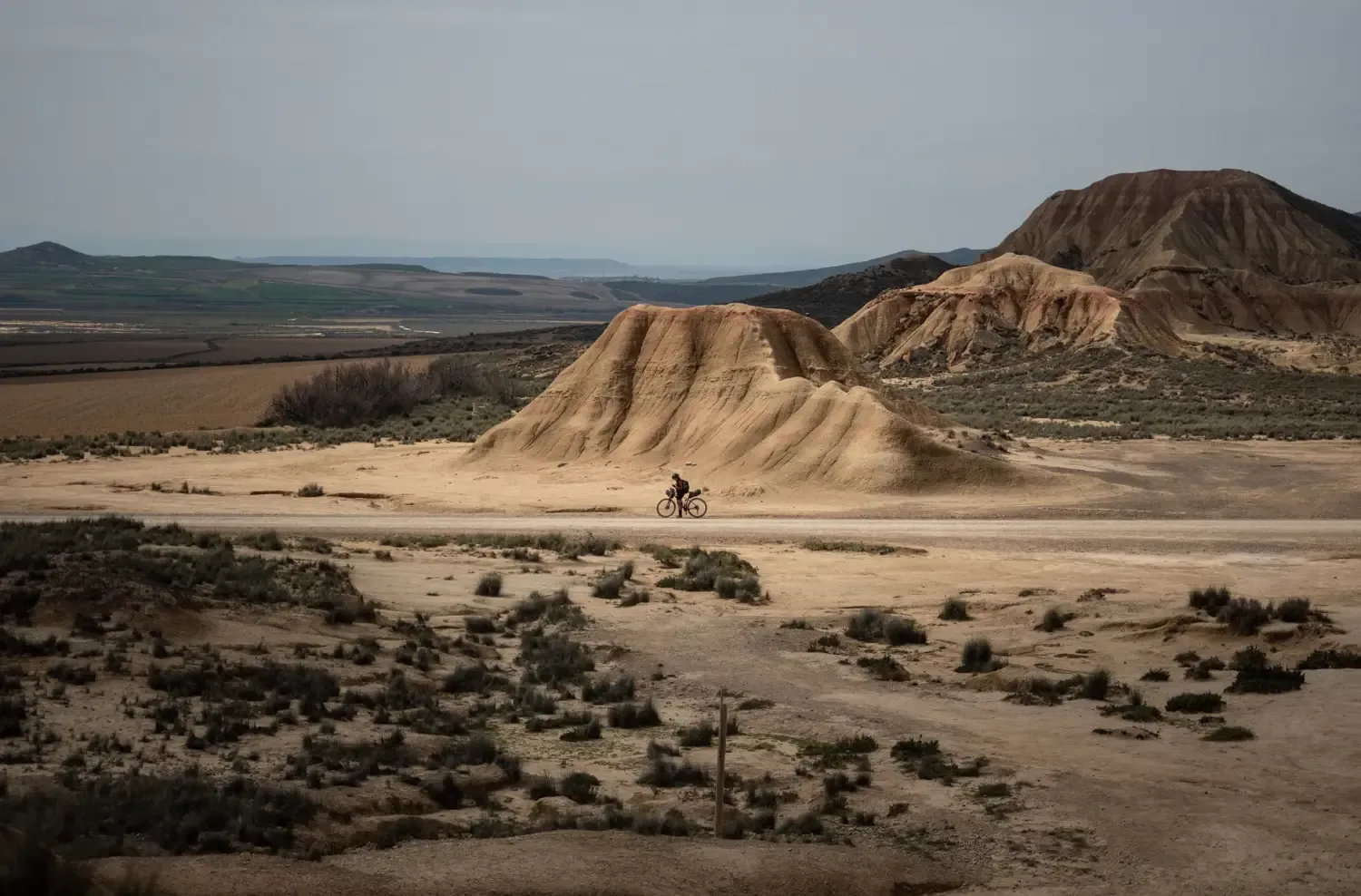
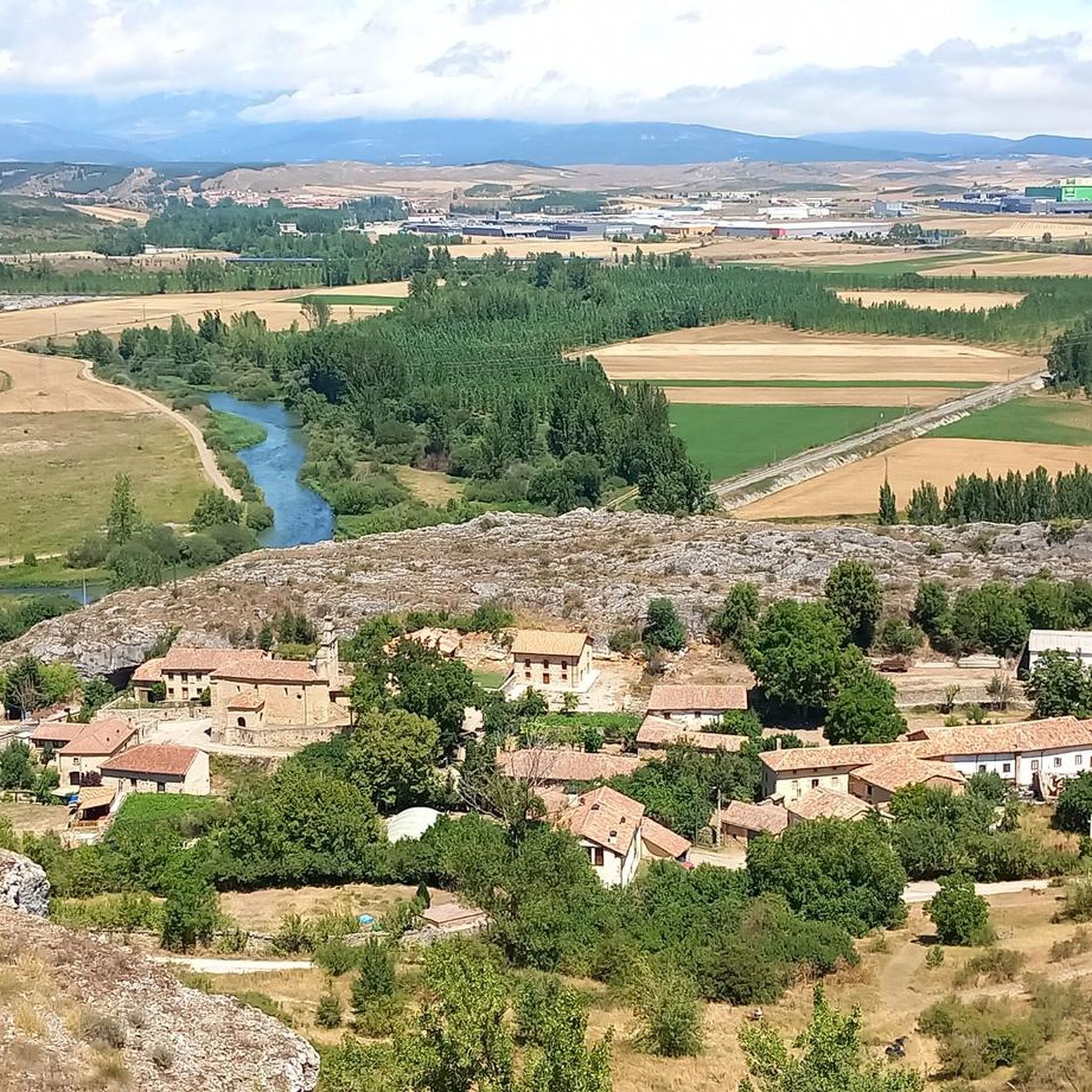
Touring cycling in Espacio Natural De Las Tuerces offers routes through a landscape characterized by varied terrain, including undulating paths and areas with significant elevation changes. The region features a mix of natural environments and cultural landmarks, providing diverse backdrops for cycling. Routes often connect historical sites and viewpoints, traversing both open areas and more sheltered sections.
Best touring cycling routes in Espacio Natural De Las Tuerces
- The most popular touring cycling route is Sunset view at Castrecias loop from…
Last updated: May 20, 2026
4
riders
27.2km
01:42
200m
200m
Moderate bike ride. Good fitness required. Mostly paved surfaces. Suitable for all skill levels.
5.0
(1)
3
riders
26.4km
01:55
210m
210m
Hard bike ride. Good fitness required. You may need to push your bike for some segments of this route.

Sign up for free
9
riders
Hard bike ride. Very good fitness required. Mostly paved surfaces. Suitable for all skill levels.
3.0
(2)
8
riders
Hard bike ride. Very good fitness required. Mostly paved surfaces. Suitable for all skill levels.
5
riders
42.9km
03:48
630m
630m
Hard bike ride. Very good fitness required. You may need to push your bike for some segments of this route.
Get access to more routes and recommendations from other explorers.
Sign up for free
Already have an account?
Our route recommendations are based on thousands of hikes, rides, and runs completed by other people on komoot.
Start today with a free account
Your next adventure awaits.
Login or Signup
Other adventures in Espacio Natural De Las Tuerces

Tips from the Community

In the Plaza de España, the nerve centre of the town.
1
0
The amount of water this river carries is always surprising.
1
0

The visit to the neighborhoods of San Pedro and Santa María is worth it for the heritage and landscapes but it has a price on the legs, you have to climb Monte de la Ruya again to connect with the main itinerary and overcome the infernal slope that We saw before the detour, which also has a trap because after a short descent there is another similar section to a hill, the prize is fantastic views of the Palentina Mountain. The road enters the meadows and mountains of La Ojeda again and there is a fun stretch, climbing the GPS average for several kilometers until Dehesa de Montejo, where the detour for the Perazancas variant comes out on the left. The route continues to the right, crosses the Cervera de Pisuerga road and climbs the slope of Peña Umoma to a hill that finally marks the entrance to the Pisuerga valley through the beautiful valley of Valdeados. The descent ends in Vado, it is noon, time for a snack but there is no bar or grocery store. Cervera is three kilometers away but it is the place where we plan to finish the stage and we decided to continue and spend the afternoon with the energy bars. The path continues along the charming bank of the Pisuerga River, favorable terrain, river landscape, good climate and change of environment. On the route there are yellow arrows of the Camino Olvidado or Camino de la Montaña, a Camino de Santiago very popular in the 12th and 13th centuries, starting from Bilbao, running along the southern slope of the Cantabrian Mountains and connecting with the Camino Francés in El Bierzo. In Barcenilla de Pisuerga, the milestones of the Natural Trail cross the Pisuerga River via a pedestrian walkway and change course, beginning the climb through the Mudá valley until the connection with the GR-1. The climb begins in Rueda de Pisuerga, the route passes by the church of San Cristóbal, which preserves the Romanesque doorway from the 12th century, and continues through Vallespinoso de Cervera to San Cebrián de Mudá, a town with a mining tradition and the last town on the Natural Trail of the Palentine Romanesque. In the square there are some wagons from the mining era, when the Cok Coal Route was the main economic channel of the valley. The church of San Cornelio and San Cipriano is on a hill, is Romanesque from the 13th century and was declared a Site of Cultural Interest in 1993. The climb to the Historical Trail passes through the European Bison Interpretation Center, runs through a mountain oak grove and ends at a small hill below the imposing Valdecebollas (2,143 m), entrance to the La Pernía valley and the upper Pisuerga. The views are stunning. The end of the stage is Cervera de Pisuerga, with accommodation, camping and complete services. The final stretch to complete a great day of gravel cycling continues through the Castillería valley and at the Estalaya crossroads, where the climb to the Verdeña Fossil Forest is, a path leaves on the left that leads to Vañes off the road. In this section it is important to have the track downloaded because there are no milestones on the route. You must continue along the road for about 500 meters towards Cervera and at the fork of the road take a detour to the left towards Rabanal de los Caballeros and Valdasornín. The rest of the way follows the road that goes down to the urban complex of Cervera de Pisuerga.
0
0

Puente Mayor over the Pisuerga River is of medieval origin. We can see the small islands in the river and the castle hill.
2
0

Temple built at the end of the 12th century and beginning of the 13th, it is located on a beautiful hillock, on the outskirts of Barrio de Santa María, near the Aguilar de Campoo reservoir.
2
0
The Aguilar reservoir, inaugurated in 1964, plays a crucial role in regulating the Pisuerga River. With a height of 48 meters and a length of half a kilometer, the dam is one of the largest in the area. It is part of a set of three reservoirs and is considered a tourist attraction thanks to the "Ruta de los Pantanos".
1
0
Ruins of the Castillo de Aguilar located on top of a strategic hill, watching over the beautiful biscuit town. The keep dates from the 9th and 10th centuries, while most of the walls are from the 14th and 15th centuries. Next to the Romanesque church of Santa Cecilia, on the same hill, it creates an impressive photographic image.
2
0

Frequently Asked Questions
How many touring cycling routes are available in Espacio Natural De Las Tuerces?
There are over 25 touring cycling routes in Espacio Natural De Las Tuerces, offering diverse experiences for cyclists of all levels.
Are there touring cycling routes suitable for beginners in Espacio Natural De Las Tuerces?
Yes, Espacio Natural De Las Tuerces offers 3 easy touring cycling routes. These are generally flatter and shorter, ideal for those new to touring cycling or looking for a relaxed ride through the natural landscapes.
What kind of challenge can I expect on touring cycling routes in Espacio Natural De Las Tuerces?
The region features a mix of moderate and difficult routes. You'll find 9 moderate routes and 14 difficult routes, often characterized by undulating paths and significant elevation changes, providing a good challenge for experienced touring cyclists.
Are there any circular touring cycling routes in Espacio Natural De Las Tuerces?
Many of the touring cycling routes in Espacio Natural De Las Tuerces are designed as loops, allowing you to start and finish at the same point. For example, the Sunset view at Castrecias loop from Mave is a popular moderate option, and the Collegiate Church of San Miguel – Plaza de España loop from Villacibio offers a more difficult circular experience.
What are some notable landmarks or attractions I can see along the touring cycling routes?
Espacio Natural De Las Tuerces is rich in both natural and historical sights. Along your rides, you might encounter unique rock formations like Peña Mesa or the Peña Mesa Rock Formation (Las Tuerces). Historical sites such as Gama Castle and the Church of San Juan Bautista, Villaescusa de las Torres are also accessible, offering cultural stops during your tour.
What do other touring cyclists enjoy the most about touring cycling in Espacio Natural De Las Tuerces?
The area is highly rated by the komoot community, with an average score of 4.4 stars from over 10 reviews. Reviewers often praise the region's varied terrain, the blend of natural environments and cultural landmarks, and the scenic viewpoints encountered along the routes.
Are there any long-distance touring cycling routes for extended trips?
Yes, for those seeking longer rides, routes like the Collegiate Church of St. Michael – Aguilar de Campoo Castle loop from Aguilar de Campoo cover over 60 km, leading through historical sites and natural areas. Another option is the Collegiate Church of St. Michael – Collegiate Church of San Miguel loop from Aguilar de Campoo, which is over 50 km and features significant elevation gain.
What is the best season for touring cycling in Espacio Natural De Las Tuerces?
While specific weather conditions can vary, the region's varied terrain and mix of natural and cultural sites make it enjoyable across multiple seasons. Spring and autumn generally offer pleasant temperatures and vibrant landscapes, ideal for touring cycling. Summer can be warm, while winter might present colder conditions, especially at higher elevations.
Are there good viewpoints along the touring cycling routes?
Yes, many routes in Espacio Natural De Las Tuerces are designed to pass through or near scenic viewpoints. The region's undulating paths often lead to elevated spots offering panoramic views of the natural environments and rock formations. For example, the Mirador del Somo – Mirador de Valcabado loop from Aguilar de Campoo specifically highlights viewpoints.
Is Espacio Natural De Las Tuerces suitable for family-friendly touring cycling?
While many routes feature significant elevation changes and are rated moderate to difficult, there are 3 easy routes available that could be more suitable for families with younger or less experienced cyclists. It's advisable to check the specific route details for distance and elevation before setting out with a family.
What makes touring cycling in Espacio Natural De Las Tuerces unique compared to other areas in Palencia?
Espacio Natural De Las Tuerces stands out for its distinctive geological formations, often referred to as 'tuerces' (twisted rocks), which create a unique backdrop for cycling. The region also boasts a rich concentration of historical and cultural landmarks, such as ancient churches and castles, integrated into its natural landscapes, offering a blend of outdoor activity and cultural exploration not always found elsewhere.
Most popular routes in Espacio Natural De Las Tuerces
Most popular attractions in Espacio Natural De Las Tuerces

Get inspired with the komoot mobile app


Explore more
Browse the best Cycling routes in other regions.
