Attractions and Places To See in Zec Complexo Húmido De Corrubedo - Top 9
Best attractions and places to see in Zec Complexo Húmido De Corrubedo encompass a protected area in A Coruña, Spain, characterized by its natural beauty and unique geological formations. The region is home to the Natural Park of the Corrubedo Dune Complex and the Carregal and Vixán Lagoons, a significant wetland ecosystem. This area features diverse coastal habitats, including extensive beaches, rocky shorelines, and a variety of inland environments. It also holds historical significance with numerous archaeological sites.
Best attractions…
Last updated: May 25, 2026
Castro de Baroña
Highlight • Historical Site
Corrubedo Moving Dune
Highlight • Natural Monument
Translated by Google •
Tip by

Sign up now to discover places like this
Get recommendations on the best single tracks, peaks, & plenty of other exciting outdoor places.
Sign up for free
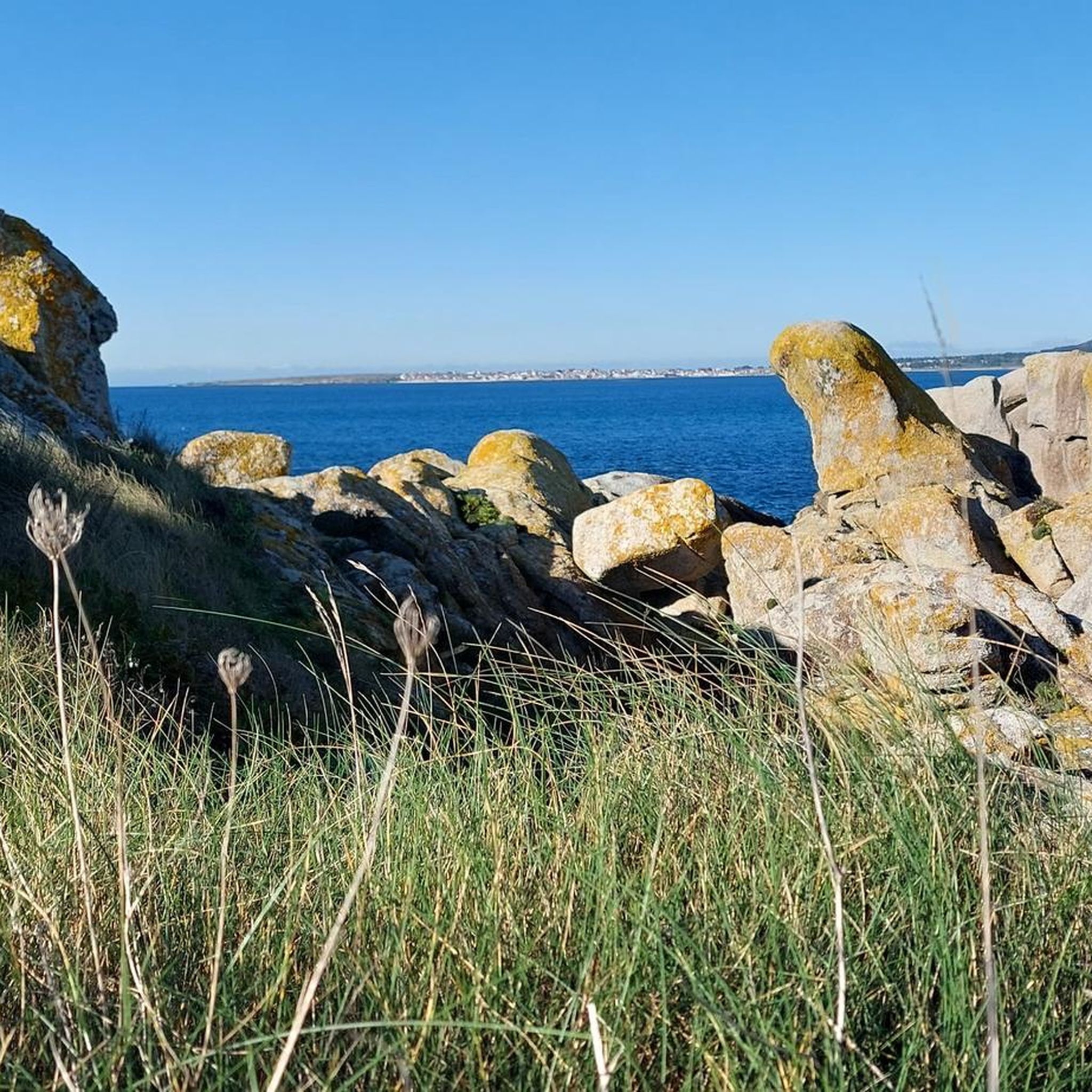
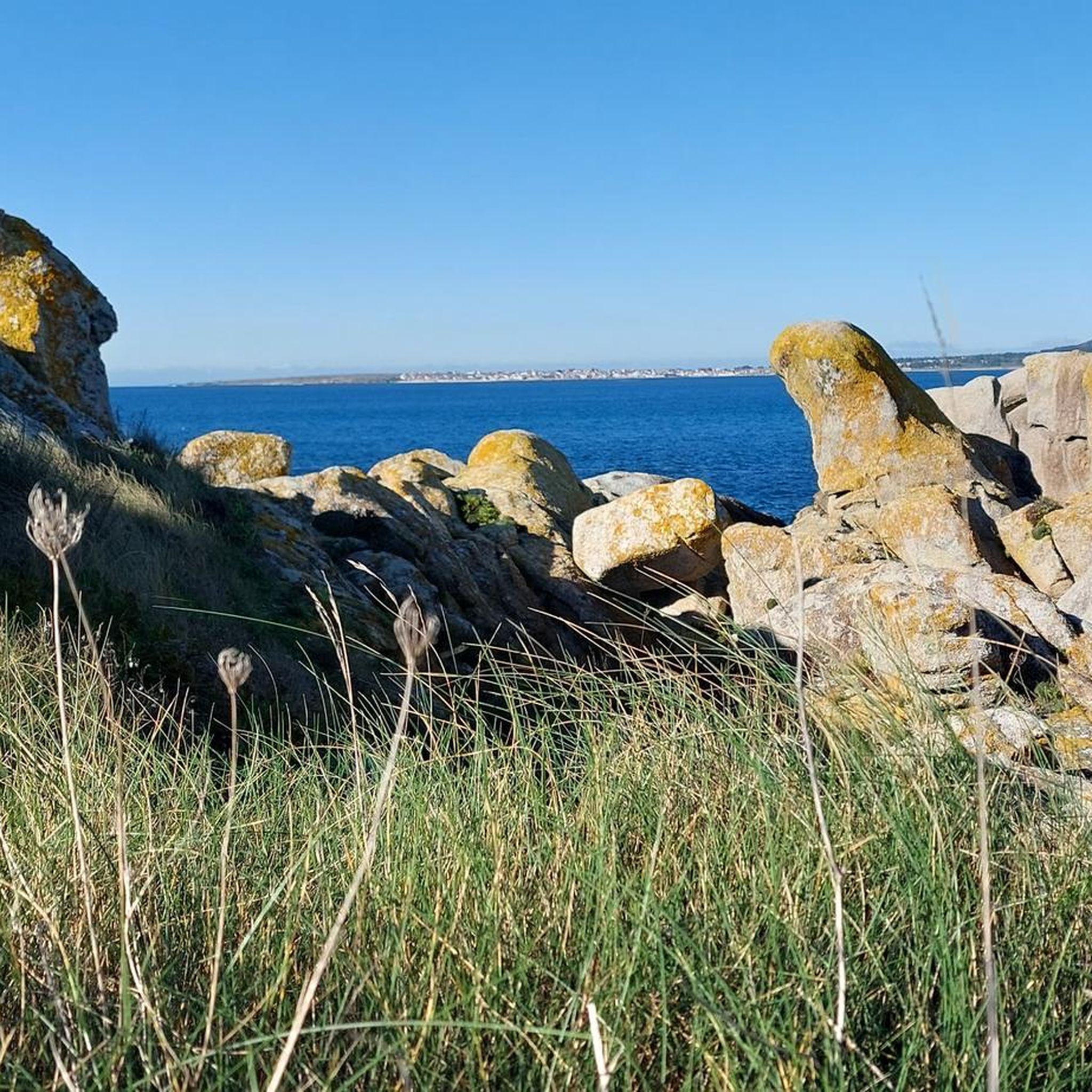
Boulder Resembling a Face at Vixán
Highlight • Natural Monument
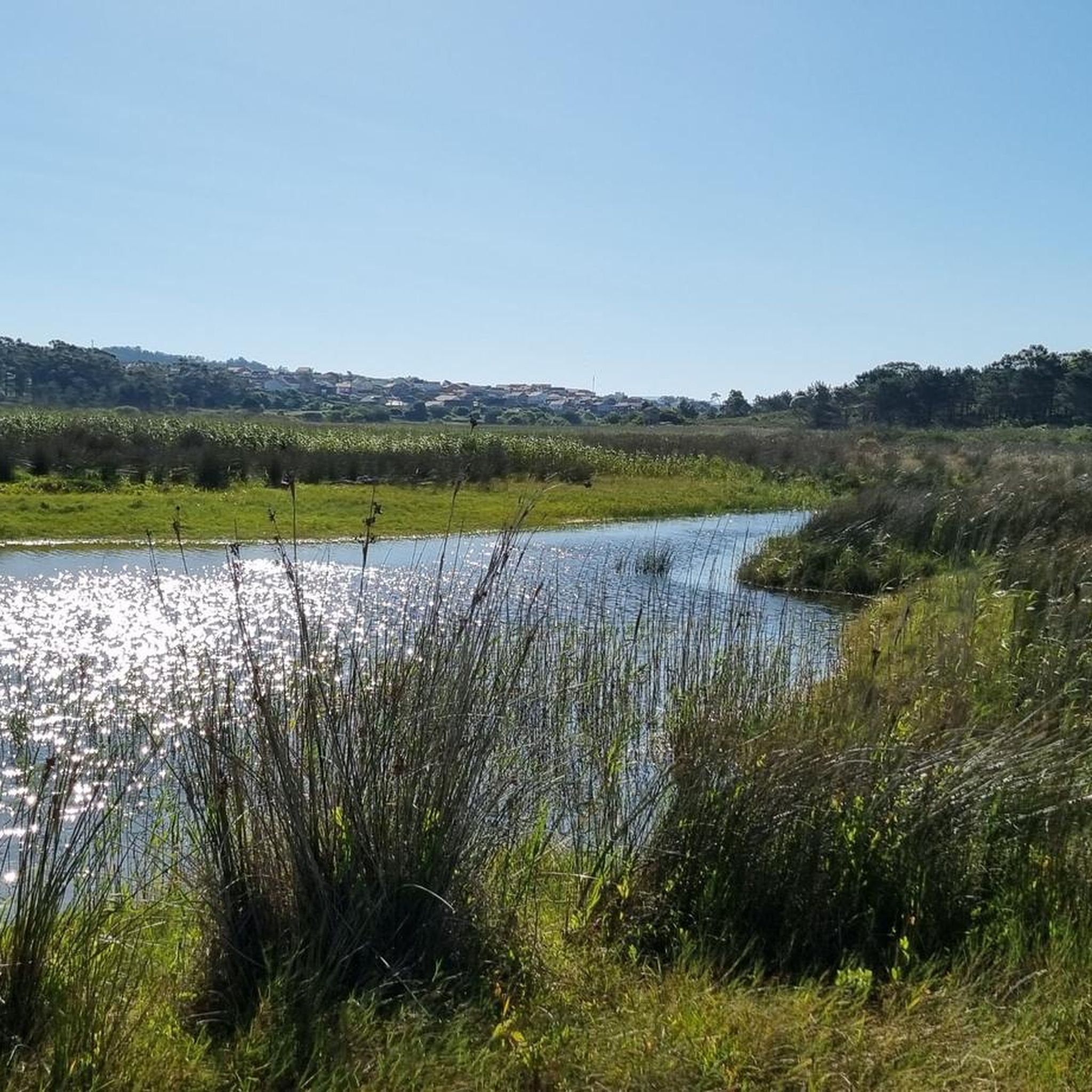
Carregal Lagoon
Highlight • Lake
Translated by Google •
Tip by
Cross in Memory of José Luis Rodríguez Rama
Highlight • Monument
Translated by Google •
Tip by
Sign up for free to discover even more attractions in Zec Complexo Húmido De Corrubedo.
Sign up for free
Already have an account?
Start today with a free account
Your next adventure awaits.
Login or Signup
Tips from the Community

Cross in memory of sailors
0
0

The Carregal lagoon is one of the two that can be found in the Corrubedo Dune Complex and the Carregal and Vixán lagoons.
4
0
The great mobile dune is the attraction. More than 1 km long, about 250 m wide and about 20 m high, the mobile dune of Corrubedo stands out from a distance, white as a queen of sand, in this natural park that is the most visited in Galicia
5
0
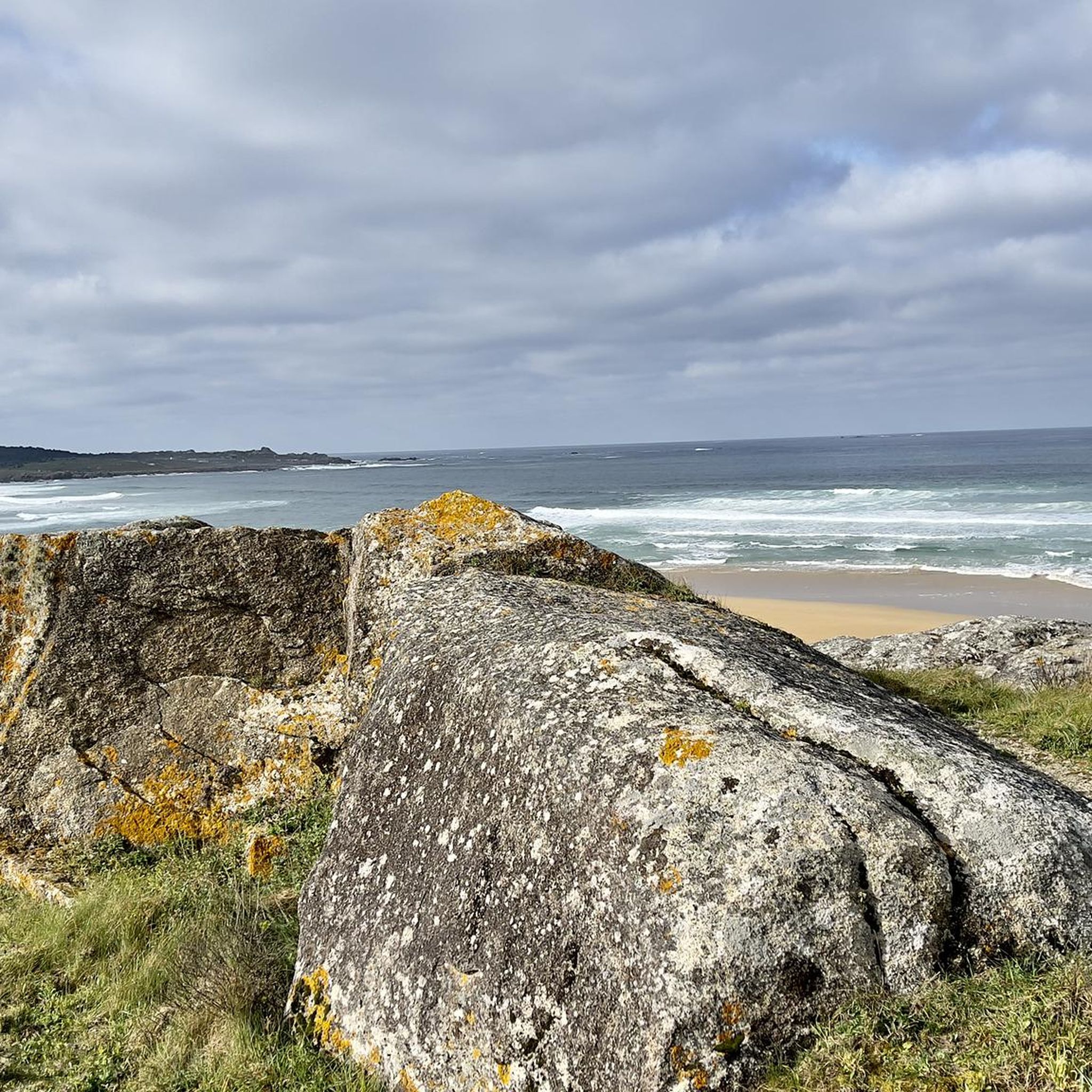
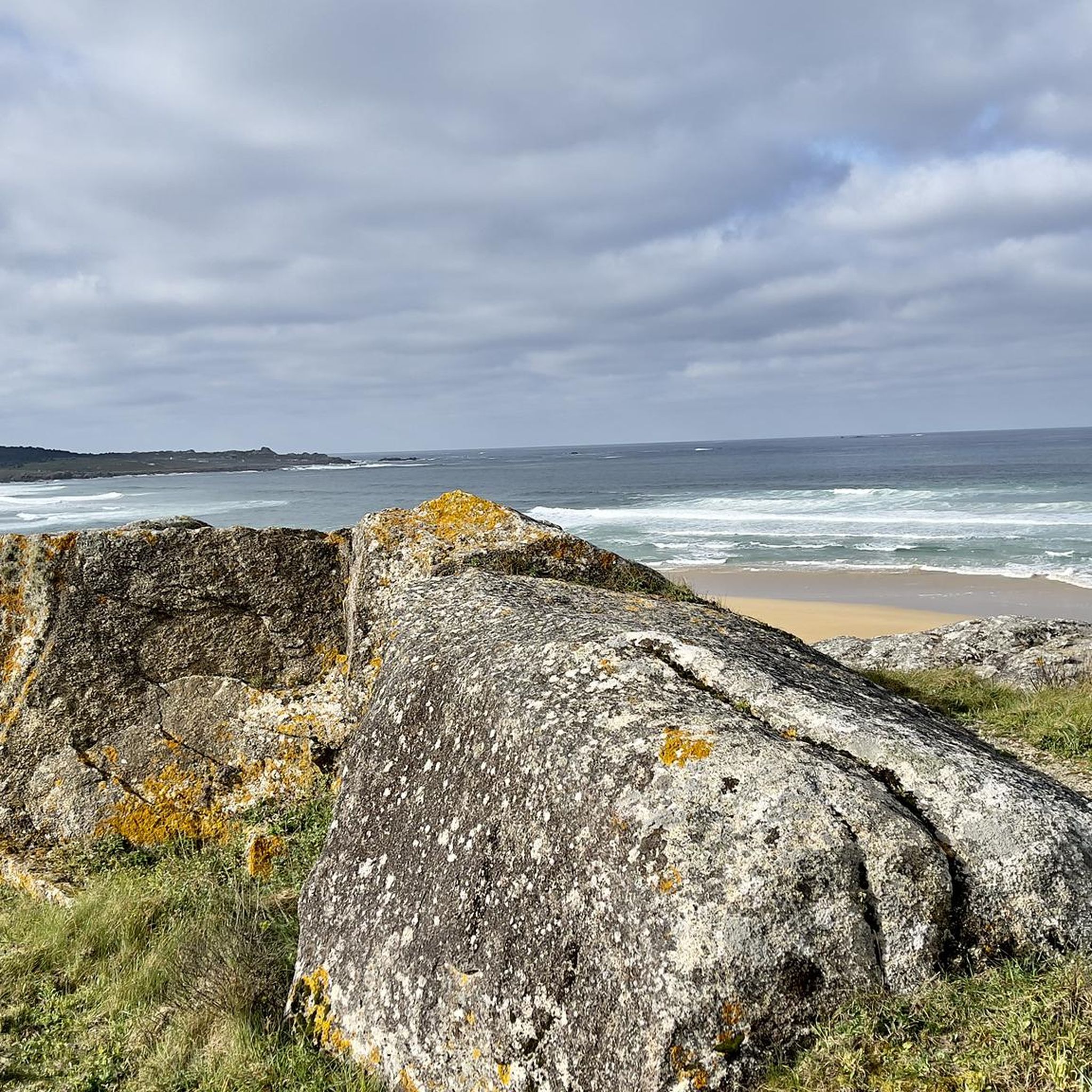
Nice cross on the coast, close to the archaeological site `Castro`.
5
0

A point of rest...
2
0
Frequently Asked Questions
What natural features can I explore in Zec Complexo Húmido De Corrubedo?
The region is renowned for its diverse natural landscapes, primarily centered around the Natural Park of the Corrubedo Dune Complex and the Carregal and Vixán Lagoons. You can witness the impressive Corrubedo Moving Dune, the largest mobile dune in northwest Spain, and visit the vital wetland ecosystems of the Carregal Lagoon (saltwater) and Vixán Lagoon (freshwater). The area also features extensive sandy beaches like A Ladeira and O Vilar, and various coastal habitats.
Are there any historical or archaeological sites to visit?
Yes, the area is rich in history. A prominent site is Castro de Baroña, an ancient settlement built on a peninsula dating back to the 1st century BC, where you can see preserved circular houses. The region also features other megalithic heritage sites with petroglyphs, burial mounds (mámoas), and menhirs, as well as several hill forts (Castros).
What outdoor activities can I do near these attractions?
Zec Complexo Húmido De Corrubedo offers various outdoor activities. You can explore the area on two wheels with several cycling routes, including challenging loops like 'View of the estuary – Cabo Cruz' or 'Noia – Dolmen de Axeitos'. For runners, there are trails such as the 'Castro loop' or the 'Corrubedo Lighthouse – Corrubedo Beach loop'. Hikers can discover waterfall hikes like the 'Fervenza de Ribasieira' loop. Find more details on these activities in the dedicated guides for Cycling, Running, and Waterfall Hikes in the region.
Are there family-friendly attractions in Zec Complexo Húmido De Corrubedo?
Absolutely. The Natural Park itself is family-friendly, offering boardwalks and designated paths to explore the dunes and lagoons. The Corrubedo Moving Dune is a captivating sight for all ages, and the extensive sandy beaches like Carregal Lagoon are ideal for family outings. The Interpretation and Visitor Centers also provide educational experiences suitable for families.
What is the best time of year to visit Zec Complexo Húmido De Corrubedo?
The best time to visit largely depends on your interests. Spring and autumn are ideal for birdwatching, as the lagoons are vital stops for migratory birds. Summer offers pleasant weather for enjoying the beaches and coastal activities. The natural beauty, including the dune and lagoons, can be appreciated year-round, though some coastal winds might be stronger in cooler months.
Where can I find the best viewpoints in the area?
The region offers several stunning viewpoints. The Castro de Baroña provides historical insight alongside panoramic coastal views. The Corrubedo Lighthouse offers expansive vistas of the coast and the Ría de Muros e Noia. Additionally, viewpoints like Curota Viewpoint and Mirador Pedra da Ra are known for their scenic outlooks over the complex.
Can I walk on the Corrubedo Moving Dune?
While the Corrubedo Moving Dune is a magnificent sight, walking directly on the dune itself is forbidden. This restriction is in place to protect its fragile ecosystem and ensure its preservation. Visitors can enjoy its grandeur from nearby viewpoints and designated boardwalks that guide you through the natural park.
Are there any birdwatching opportunities in the wetlands?
Yes, the Carregal and Vixán Lagoons are significant ornithological sites. The Vixán lagoon even features a dedicated bird observatory. These wetlands are crucial for a diverse array of flora and fauna, especially migratory birds, making them excellent spots for beginner and experienced birdwatchers alike.
What kind of unique geological formations can I see?
Beyond the impressive Corrubedo Moving Dune, the area features unique rock formations along its coast. One notable example is the Boulder Resembling a Face at Vixán, which offers a distinctive natural landmark. The diverse coastal ecosystems also include rocky shorelines with interesting geological structures.
What facilities are available for visitors, such as information centers?
Visitors can start their exploration at the Casa da Costa (Visitor Reception Centre) located in O Vilar, which provides essential information about the park. Also in O Vilar is the Galician Coastal Ecosystems Interpretation Centre (CIELGA), an informative museum detailing the natural, geological, and historical aspects of the park.
Are there any religious monuments or crosses in the area?
Yes, the region is dotted with various religious monuments. You can find stone crosses and other religious markers throughout the area, reflecting its cultural heritage. One example is the Cross in Memory of José Luis Rodríguez Rama, a coastal cross often visited for its peaceful setting and views.
What do visitors enjoy most about Zec Complexo Húmido De Corrubedo?
Visitors particularly appreciate the blend of natural beauty and historical significance. The grandeur of the Corrubedo Moving Dune and the tranquility of the Carregal Lagoon are frequently highlighted. Many also value the historical insights offered by sites like Castro de Baroña, combined with the stunning coastal views.
Most popular routes in Zec Complexo Húmido De Corrubedo
Most popular attractions in Zec Complexo Húmido De Corrubedo

Get inspired with the komoot mobile app


Explore more
Still not found the Highlight you’re looking for? See guides of the top attractions in other regions:
