The best cycling routes in Parque Metropolitano Da Biodiversidade
4.4
(114)
2,060
riders
121
rides
Touring cycling routes in Parque Metropolitano da Biodiversidade traverse a diverse landscape in Verdizela, Corroios, within the municipality of Seixal. This park, currently spanning 7 hectares with plans for expansion to over 400 hectares, features a network of pedestrian and cycling paths. The terrain includes mostly well-paved surfaces, making it accessible for various cycling levels, and connects to broader environmental interpretation trails. The area is recognized for its ecological significance, integrating into the Natura 2000 Network with priority natural habitats.
…Last updated: May 25, 2026
5.0
(1)
91
riders
66.1km
04:24
970m
970m
Hard bike ride. Very good fitness required. Mostly paved surfaces. Suitable for all skill levels.
39
riders
78.1km
04:50
650m
650m
Hard bike ride. Very good fitness required. Mostly paved surfaces. Suitable for all skill levels.

Sign up for free
20
riders
25.8km
01:37
220m
220m
Moderate bike ride. Good fitness required. Mostly paved surfaces. Suitable for all skill levels.
5.0
(1)
18
riders
36.9km
02:36
240m
240m
Moderate bike ride. Good fitness required. Mostly paved surfaces. Suitable for all skill levels.
18
riders
34.4km
02:09
250m
250m
Moderate bike ride. Good fitness required. Mostly paved surfaces. Suitable for all skill levels.
Get access to more routes and recommendations from other explorers.
Sign up for free
Already have an account?
Our route recommendations are based on thousands of hikes, rides, and runs completed by other people on komoot.
Start today with a free account
Your next adventure awaits.
Login or Signup
Popular around Parque Metropolitano Da Biodiversidade
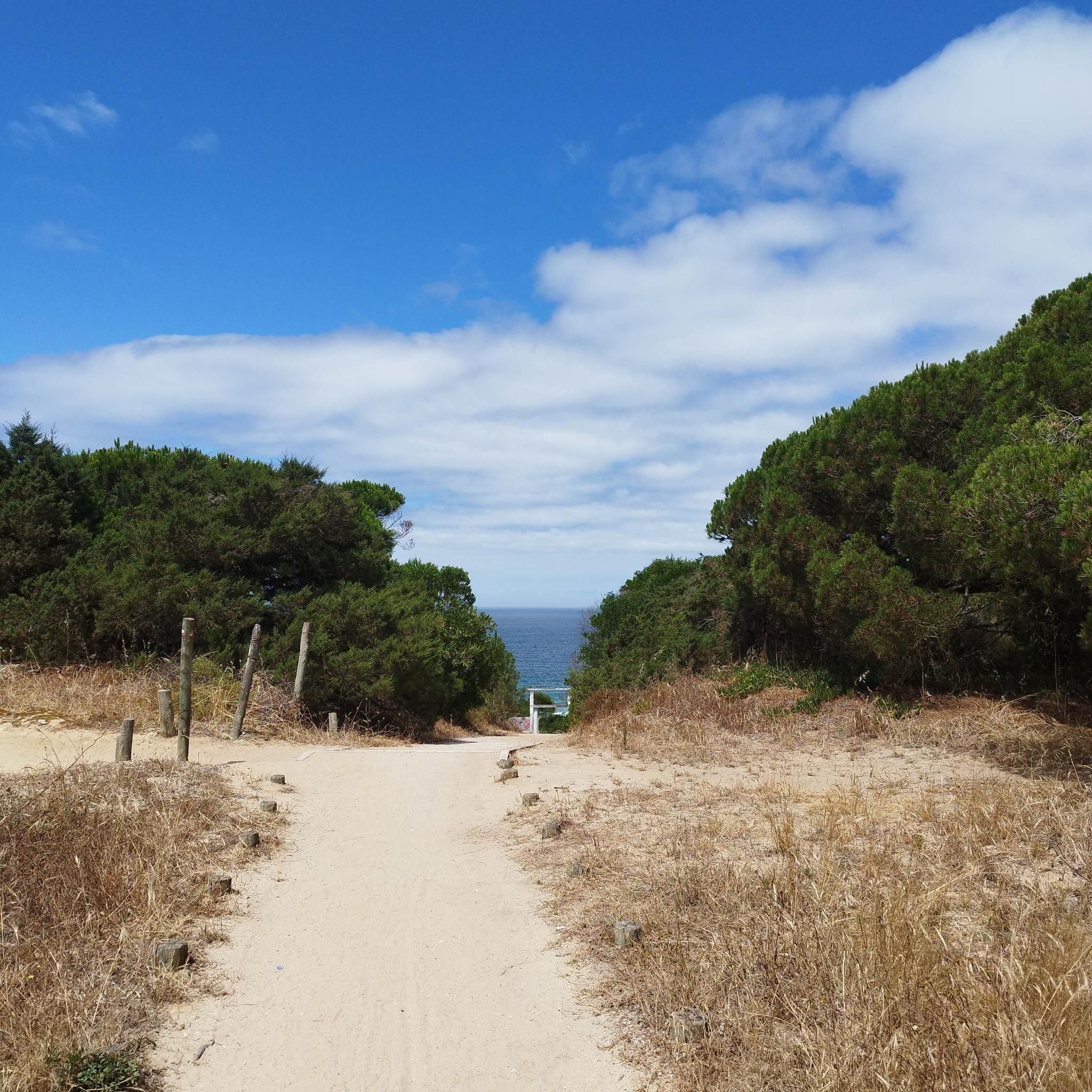
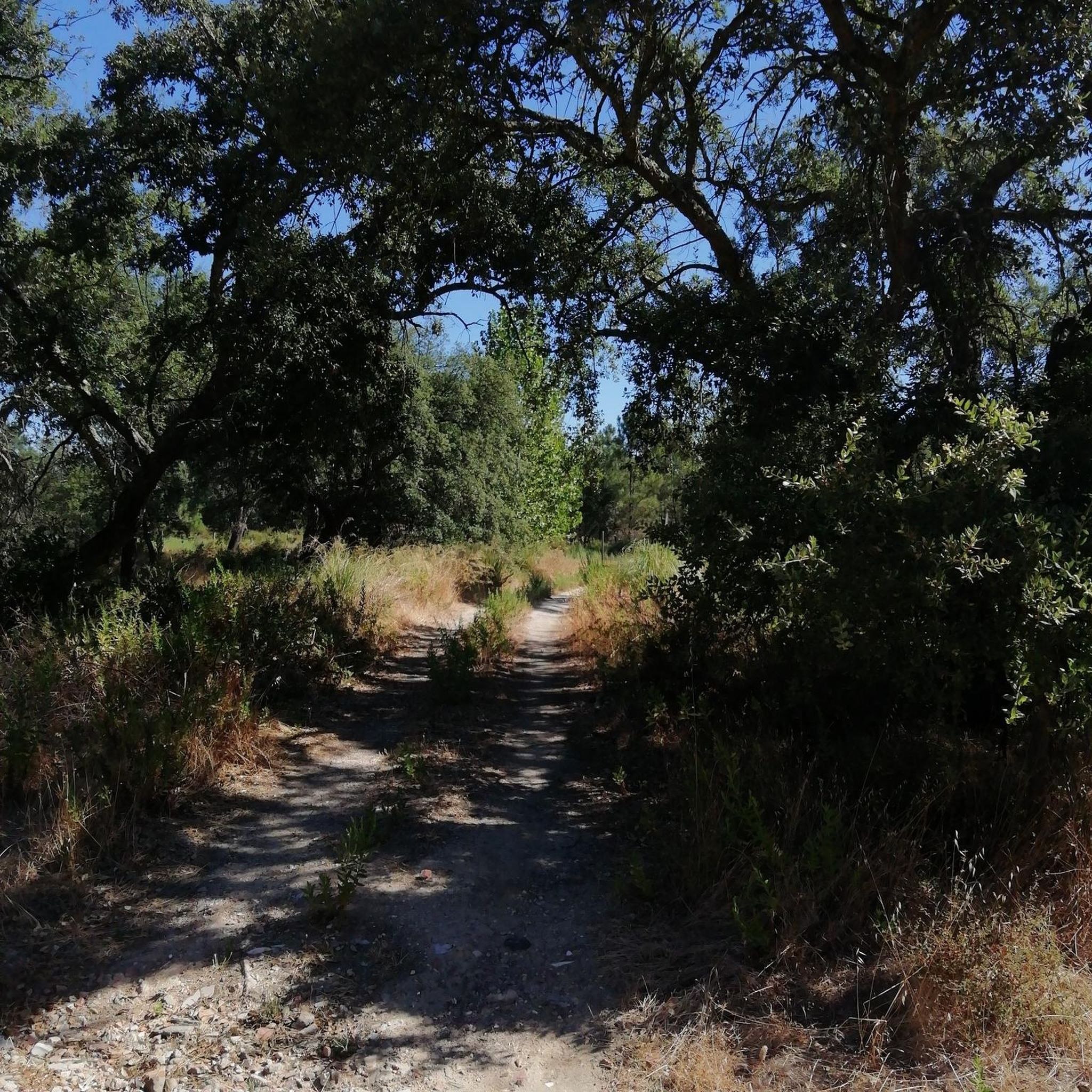
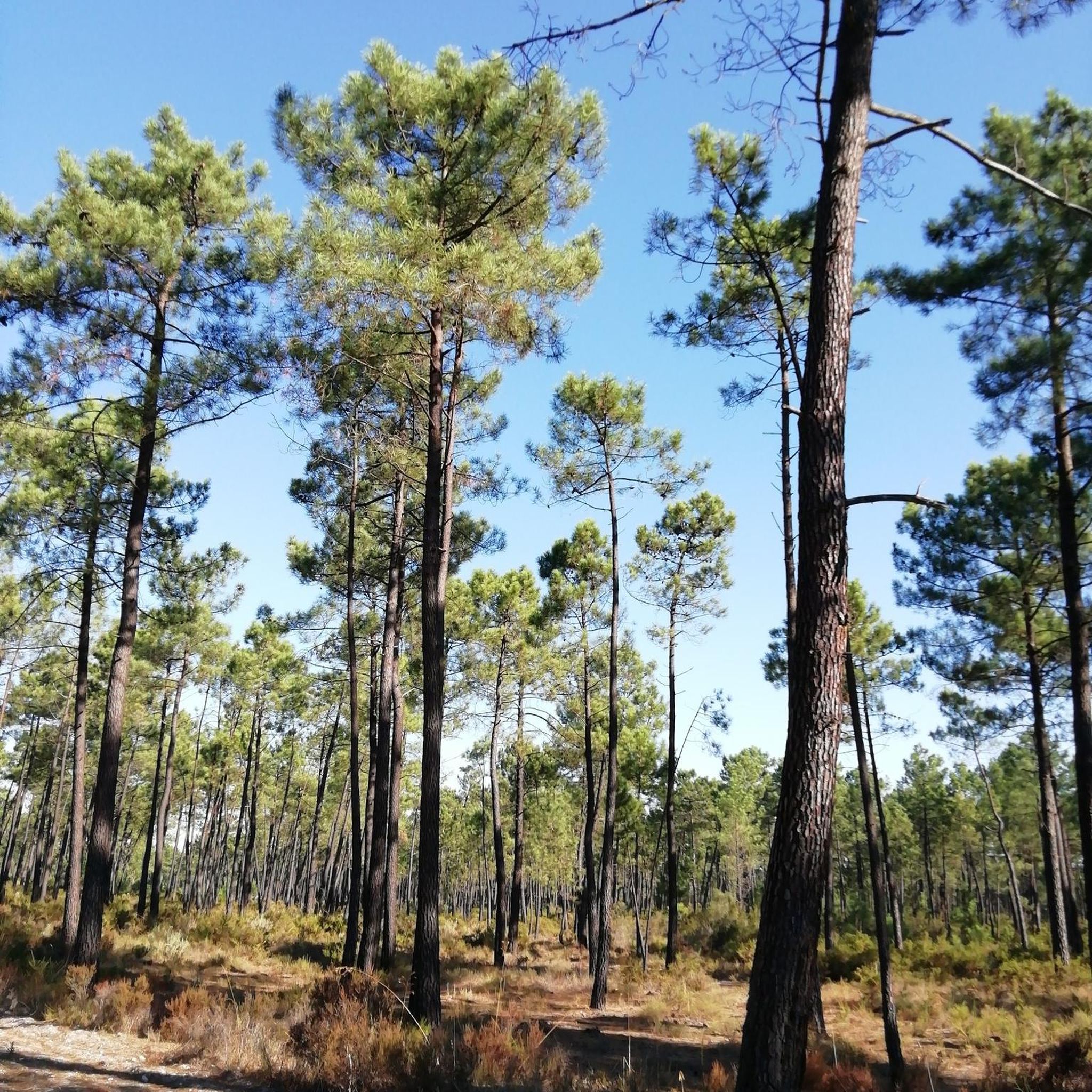
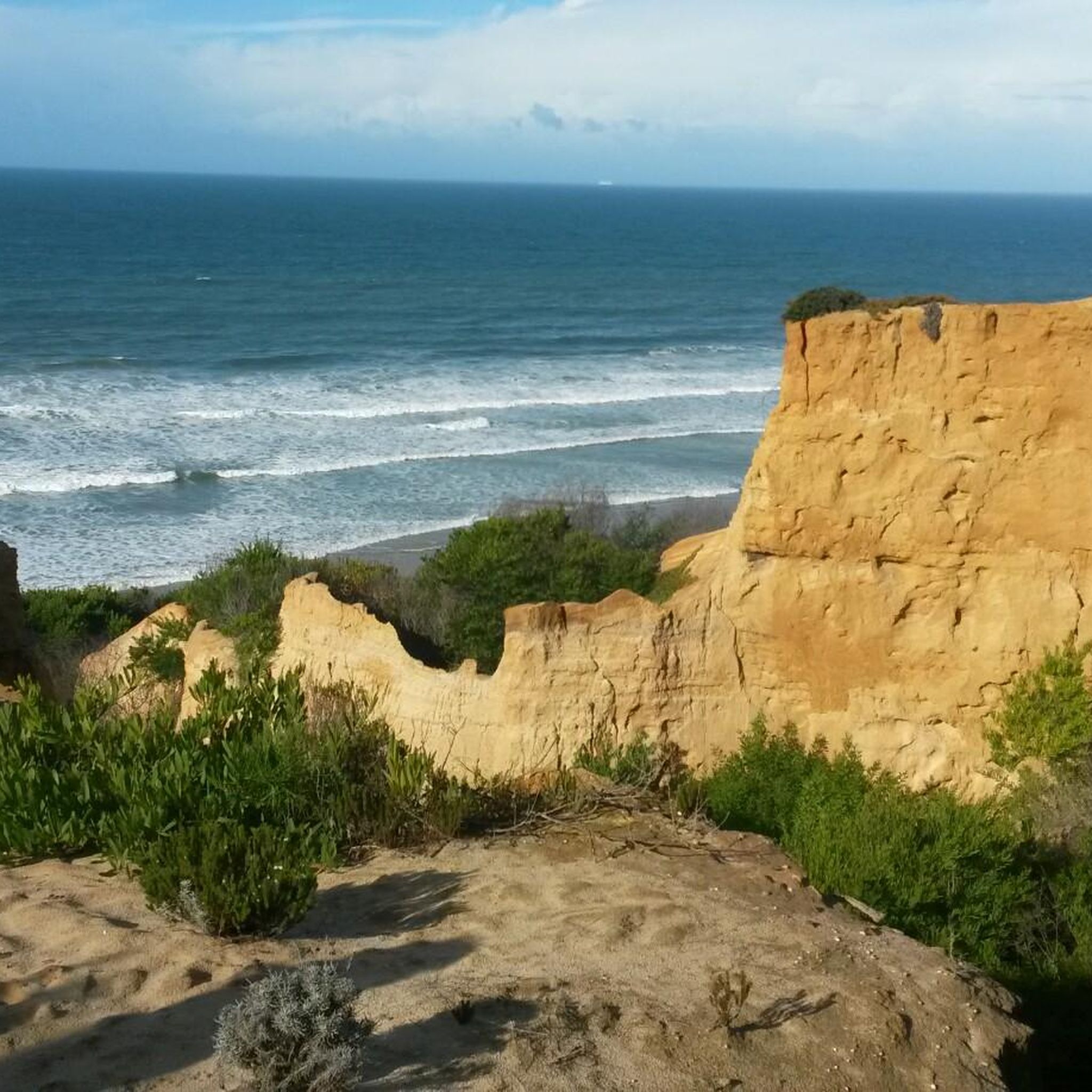
Tips from the Community

• Go for a drink and a snack at Atira-te ao Rio. Very quiet atmosphere, especially at sunset. • Do the pedestrian route to the Boca do Vento elevator and go up to the viewpoint. You have an incredible view over the Tagus River and the city. • Take the ferry and make a mixed plan Cacilhas + Lisbon. The terminal is very practical for this. • If you like photography or video, the old industrial area and the warehouses by the river have a very cinematic aesthetic. • Have dinner with seafood or grilled fish in a typical tavern. On Rua Cândido dos Reis there are several spots with a livelier atmosphere. • If you go by bike, the route between Cacilhas and Cristo Rei has short climbs but is very worthwhile for the view
0
0

Beautiful restaurant on a 100-year-old ship with a view over the bay towards Almada. It rocks a bit while eating. Good cuisine - mid-range prices.
0
0

Closed route with no way around it. I don't understand how stuff like this is made available when it's clearly not a viable route.
0
0

Built in the 18th century, it is an eye-catcher with its baroque architecture and the typical blue and white tiles in which some icons were also kept.
2
0


excellent, original beach shack restaurant, fish straight from their own boat
0
0

On the way to Cabo Espichel on a beautiful sunny day
4
0

Its origins date back at least to the 14th century, to a document from the chancellery of D. Pedro I, dated 1366, which refers to the pilgrimage routes to Santa Maria do Cabo. However, according to oral tradition, the discovery of the image of Our Lady on the promontory by two old men from Caparica and Alcabideche, who had been warned by Heaven in similar dreams, only occurred in the year 1410. The 15th century therefore marked a major development of the Sanctuary. During this period, the Ermida da Memória was built, as well as the original Church. The high influx of pilgrims to the site, guided by the constitution of the Brotherhood of Our Lady of Cabo in 1432, led to the construction of the main buildings that today make up the architectural complex between 1701 and 1770: Casa da Água; Church; Aqueduct; Mãe d’Água/Poço Velho da Azóia; Wells; Casa da Lenha, Casa da Ópera; Inns; Three Pilgrimage Cruises and Arrival Cruise. With the Napoleonic invasions, the cult began to gradually decline, which was halted, however, by several restoration works carried out over the last few decades. Currently, the cult at the Sanctuary of Our Lady of Cabo Espichel is alive, particularly through the celebrations of the Azoia, Palmela and Sesimbra candlelight festivals, whose festivities take place in the months of March and April and August and September, respectively.
2
0
Frequently Asked Questions
How many touring cycling routes are available in Parque Metropolitano da Biodiversidade?
There are over 120 touring cycling routes in Parque Metropolitano da Biodiversidade, offering a wide range of options for different skill levels and preferences. These routes traverse diverse landscapes within the park and connect to broader environmental interpretation trails.
What kind of terrain can I expect on the touring cycling routes in the park?
The park offers varied terrain, with many segments featuring mostly well-paved surfaces, making them accessible for a wide range of cyclists. You'll find paths suitable for both road and gravel biking, with some routes including significant elevation changes for a more challenging experience, while others are relatively flat.
Are there any easy touring cycling routes suitable for beginners or families?
Yes, Parque Metropolitano da Biodiversidade offers several easy touring cycling routes. For instance, the Roundabout – Siderurgia Nacional loop from Fogueteiro is an easy 22.4 km path that takes about 1 hour 37 minutes to complete, ideal for a relaxed ride. Overall, there are 18 easy routes available.
Can I find circular touring cycling routes in Parque Metropolitano da Biodiversidade?
Many of the touring cycling routes in Parque Metropolitano da Biodiversidade are designed as loops, allowing you to start and end at the same point. This includes popular options like the Fonte da Telha Cliff – Mata Nacional dos Medos loop from Fogueteiro, which is a moderate 36.9 km route.
What natural features or landmarks can I see while cycling in the park?
While cycling, you can experience the park's rich biodiversity, including areas with temporary Mediterranean ponds and humid Atlantic heaths. The park is also closely situated near the Quinta da Apostiça forest, which features lagoons and diverse flora. You might also encounter the Casa da Biodiversidade, an Environmental Education Space, and a picnic area for relaxation.
Is Parque Metropolitano da Biodiversidade accessible by public transport?
The park is located in Verdizela, Corroios, within the municipality of Seixal, and is designed to be accessible. While specific public transport routes directly into the park may vary, its urban park nature suggests good connectivity to the surrounding areas, making it reachable via local public transport networks.
What is the best time of year to go touring cycling in Parque Metropolitano da Biodiversidade?
The landscape of Parque Metropolitano da Biodiversidade transforms with the seasons, offering a continuously evolving natural spectacle. Spring and autumn generally provide pleasant temperatures for cycling. Even in summer, the presence of forested areas like Quinta da Apostiça can offer some shade, though it's always advisable to check local weather conditions.
Are the touring cycling routes in Parque Metropolitano da Biodiversidade suitable for advanced cyclists?
Yes, advanced cyclists will find challenging options. The park offers 35 difficult routes, some with significant elevation gain and longer distances. For example, the Porthino Coastal View – Moinho do Cuco loop from Fogueteiro is a difficult 66.5 km route that takes over 4 hours to complete, offering varied terrain and coastal views.
What do other touring cyclists enjoy the most about touring cycling in Parque Metropolitano da Biodiversidade?
The area is highly rated by the komoot community, with an average score of 4.4 stars from over 100 reviews. Reviewers often praise the diverse landscapes, the well-maintained paths, and the opportunity to explore both natural and urban environments. The connection to the broader Environmental Interpretation Trails Network is also a highlight for many.
Are dogs allowed on the touring cycling routes in Parque Metropolitano da Biodiversidade?
While the park is generally welcoming to visitors, specific policies regarding dogs on cycling routes can vary. It's always recommended to keep dogs on a leash and ensure they do not disturb wildlife or other visitors, especially given the park's status as a biodiversity hotspot within the Natura 2000 Network.
Are there places to eat or drink near the touring cycling routes?
The park includes a picnic area (Parque das Merendas) for relaxation. As the park is located within the municipality of Seixal, there are likely cafes, restaurants, and other amenities in the nearby towns and villages, such as Verdizela and Corroios, where you can find refreshments before or after your ride.
Most popular routes in Parque Metropolitano Da Biodiversidade

Get inspired with the komoot mobile app


Explore more
Browse the best Cycling routes in other regions.
