The best walks and hikes in Salinas Do Samouco
4.8
(89)
1,172
hikers
12
hikes
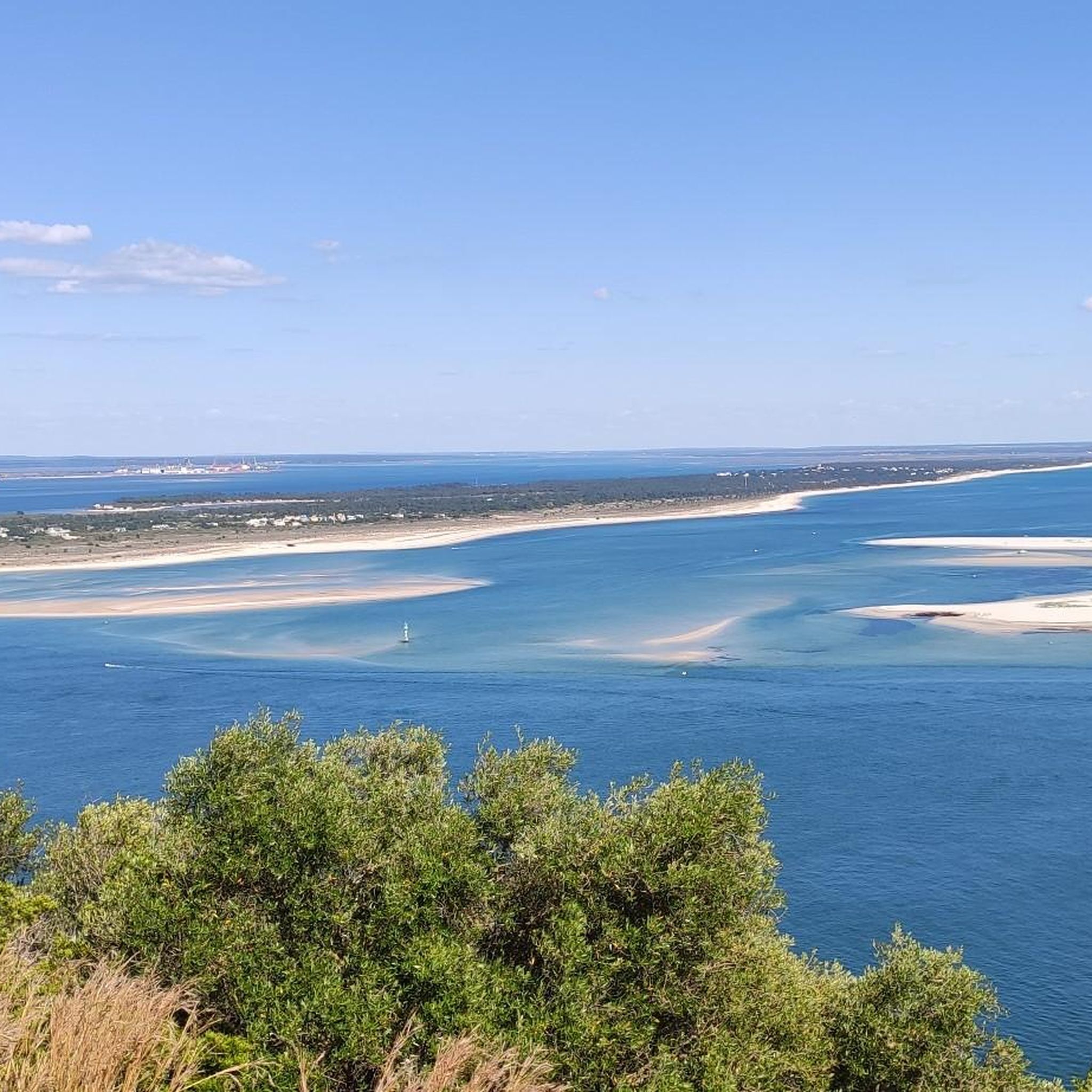
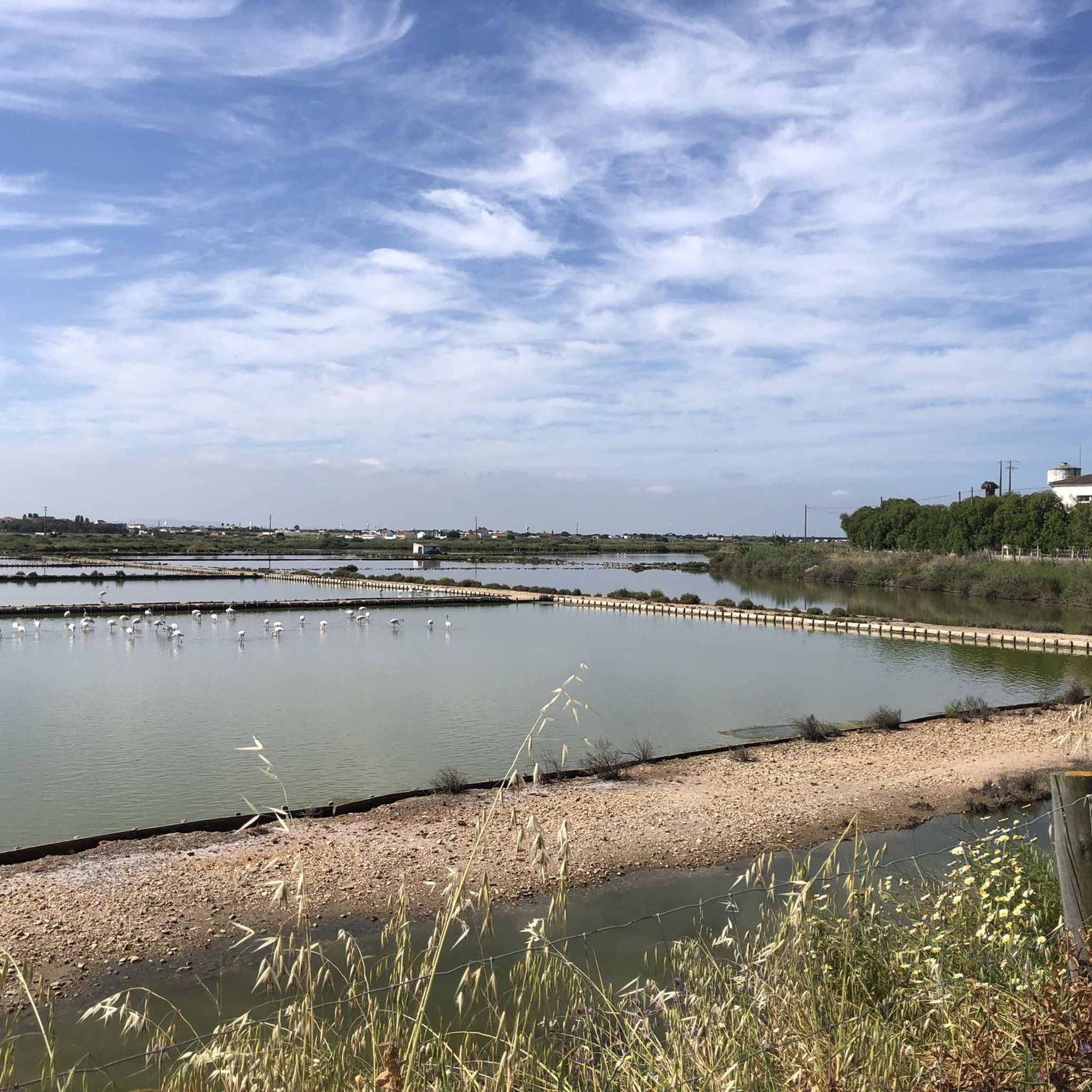
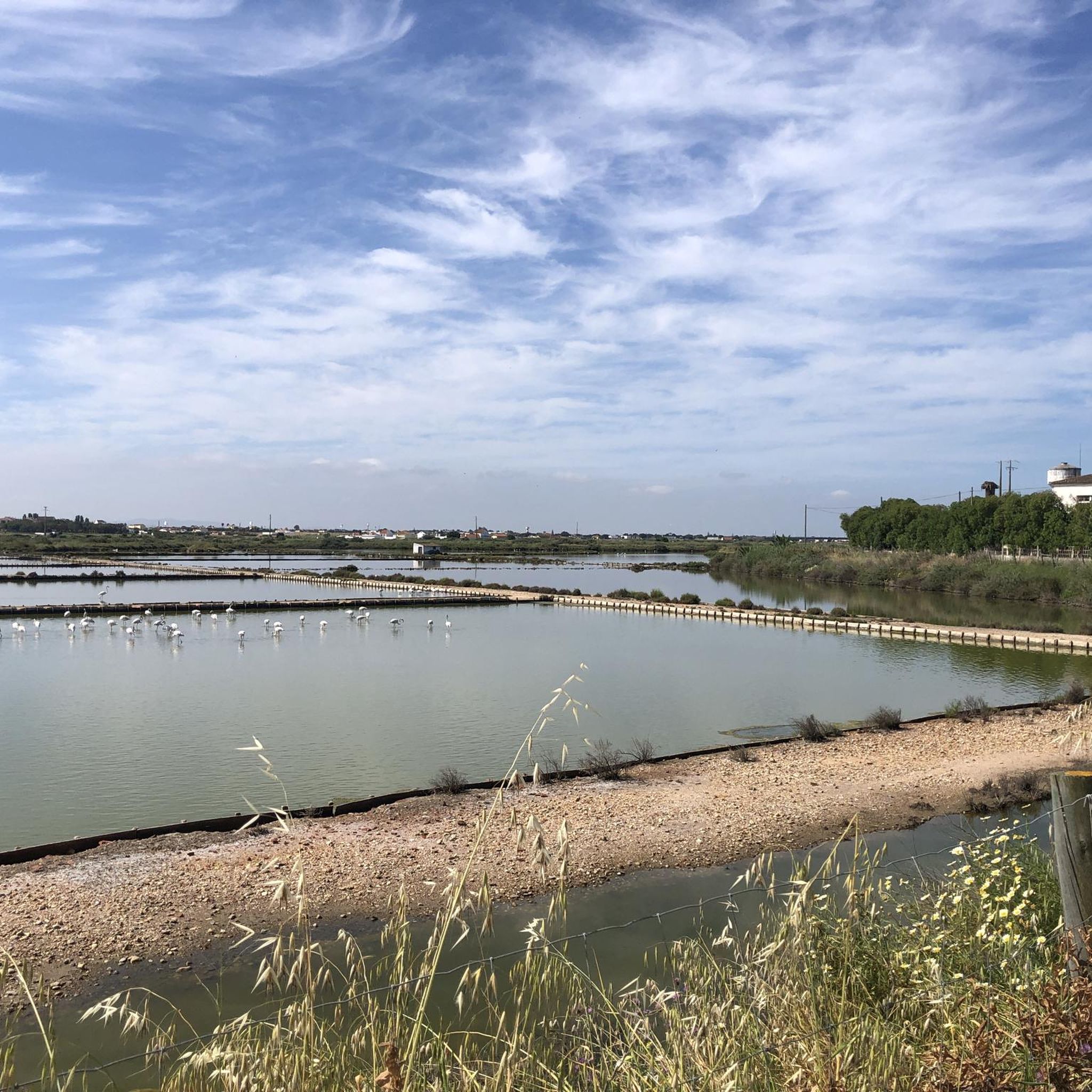
Hiking in Salinas Do Samouco offers trails through a unique landscape dominated by extensive salt pans and wetlands, crucial to the Tagus estuary's ecosystem. This area is characterized by flat terrain and low elevation gains, making it accessible for various activity levels. The region's proximity to the Tagus estuary provides a habitat for diverse bird species, making it a notable location for wildlife observation. Beyond its natural features, the area also showcases traditional salt production facilities.
Best hiking trails in Salinas Do Samouco
- The most popular hiking route is Picnic Area loop from Alcochete, an easy 2.5 miles (4.0 km) trail that takes 1 hour to complete. This path offers views of the local landscape and is suitable for a short outing.
- Another top favourite among local hikers is Salinas do Samouco – Alcochete loop from Canto do Pinheiro, a moderate 5.4 miles (8.7 km) path. This route explores the salt pans and the nearby Alcochete area, providing a longer experience.
- Local hikers also love the Moinho do Cabo Boardwalk – Alburrica Windmills loop from Baixa da Banheira, a 10.0 miles (16.0 km) trail leading through coastal areas and past historical windmills, often completed in about 4 hours.
- Hiking in Salinas Do Samouco is defined by salt pans, wetlands, and estuary views, with options for easy walks and longer moderate paths. The network offers options for different ability levels, primarily on flat ground.
- The routes in Salinas Do Samouco are highly rated by the komoot community with an average score of 4.6 stars from over 100 reviews. More than 1,200 hikers have used komoot to explore Salinas Do Samouco's varied terrain.
Last updated: October 11, 2026
16
hikers
4.03km
01:01
0m
0m
Easy hike. Great for any fitness level. Easily-accessible paths. Suitable for all skill levels.
5.0
(4)
9
hikers
8.78km
02:15
40m
40m
Moderate hike. Good fitness required. Easily-accessible paths. Suitable for all skill levels.

5
hikers
Moderate hike. Good fitness required. Easily-accessible paths. Suitable for all skill levels.
4.8
(15)
148
hikers
23.1km
06:19
350m
350m
Hard hike. Very good fitness required. Easily-accessible paths. Suitable for all skill levels.
4.9
(9)
66
hikers
16.0km
04:17
190m
190m
Moderate hike. Good fitness required. Easily-accessible paths. Suitable for all skill levels.
Get access to more routes and recommendations from other explorers.
Already have an account?
Our route recommendations are based on thousands of hikes, rides, and runs completed by other people on komoot.
Start today with a free account
Your next adventure awaits.

Tips from the Community

Great view over Alfama towards the Tagus (to the cruise ship berth). Relaxing to sit in the bars, but not cheap.
0
0

Very majestic, but €17 entrance fee is quite steep
1
0

The Santa Justa Lift, also known as the Elevador do Carmo, is a historic elevator built in the early 20th century to connect the Baixa district with Largo do Carmo. It is one of the most photographed architectural icons in the city. Built between 1900 and 1902, it was designed by the engineer Raoul Mesnier de Ponsard, considered a disciple of Eiffel.
11
0

The National Pantheon, formerly the Santa Engrácia Church, impresses with its gleaming white dome and elegant marble interior. Inside lie important figures in Portuguese history, from politics to Fado music. From the terraces above, you can enjoy sweeping views over the rooftops of Alfama and the Tagus River.
5
0
The Alfama district is Lisbon's oldest quarter, a labyrinth of narrow streets, staircases, and colorful houses nestled between the castle and the Tagus River. Everywhere you'll hear Fado music, smell grilled fish, and discover small squares with clotheslines and river views. It's the perfect place to wander, stop every now and then, and experience the authentic Lisbon.
5
0

Manuel I, the Fortunate (1469-1521), was King of Portugal and the Algarves between 1495 and 1521, a period of great voyages and discoveries, including the arrival of India and Brazil. Manuel, known as the Fortunate, was born in Alcochete, Portugal, on May 31, 1469. Son of Ferdinand, Duke of Beja, and Beatriz, he was the grandson of King Duarte I, who reigned from 1433 to 1438. On October 25, 1495, Manuel became the fifth king of the Aviz dynasty and the fourteenth king of Portugal, succeeding King John II, who, after the death of his son, Afonso, named Manuel, brother of his wife, Leonor of Lancaster, as his successor.
2
0

This is where tourism is bustling. As the name suggests, everything here is nice and flat. Here you'll find nice restaurants, shops, and a wealth of cultural history. The district was completely destroyed in the great earthquake of 1755 and then rebuilt with funds from the Portuguese colonies.
4
0
In Lisbon, the Força Portugal Official Fan Shop has several stores located in central and tourist-friendly areas.
20
1
Frequently Asked Questions
How many hiking trails are available in Salinas Do Samouco?
Salinas Do Samouco offers a diverse network of over 14 hiking trails. These routes vary in length and difficulty, with 9 easy, 4 moderate, and 1 difficult option, ensuring there's a suitable path for most hikers.
What kind of terrain can I expect on hikes in Salinas Do Samouco?
The terrain in Salinas Do Samouco is predominantly flat, characterized by extensive salt pans and wetlands. These paths offer low elevation gains, making them accessible for various activity levels. You'll experience unique ecosystems shaped by the interplay of freshwater and saltwater, providing a distinct landscape for your hike.
Is Salinas Do Samouco a good place for birdwatching?
Absolutely. Salinas Do Samouco is a renowned ecological sanctuary and a paradise for birdwatchers. Its location on the Tagus estuary makes it a vital feeding and resting site for over 203 observed bird species, including thousands of migratory aquatic birds like the Greater Flamingo, Black-winged Stilt, and Avocet. Hiking here is intrinsically linked with birdwatching, and guided tours are often available.
Are there any family-friendly hiking options in Salinas Do Samouco?
Yes, the area is very suitable for families. Many of the trails are easy and flat, perfect for walks with children. The presence of 'sociable donkeys' adds a charming and unique element to the visitor experience that families often enjoy. You can explore routes like the Picnic Area loop from Alcochete, which is an easy 2.5-mile trail.
Can I bring my dog on the trails in Salinas Do Samouco?
As an ecological sanctuary and a vital habitat for numerous bird species, specific rules regarding dogs may apply to protect the wildlife. While some areas might permit dogs on a leash, it's always best to check with the local management or official website of Salinas Do Samouco before your visit to understand their current dog policy.
What unique natural features or landmarks can I see while hiking?
Beyond the extensive salt pans and wetlands, you can discover several interesting features. Keep an eye out for the Salinas do Samouco themselves, which are actively used for traditional salt production. You might also encounter the charming Mirandesa Donkeys and the Bridge over the Esteiro. The Ruins of the Old Seca do Bacalhau Factory also offer a glimpse into the region's industrial heritage.
Are there circular hiking routes in Salinas Do Samouco?
Yes, Salinas Do Samouco features several circular routes. For a moderate experience, consider the Salinas do Samouco – Alcochete loop from Canto do Pinheiro, which is about 5.4 miles long and explores the salt pans and the nearby Alcochete area. Another option is the longer Moinho do Cabo Boardwalk – Alburrica Windmills loop from Baixa da Banheira, a 10-mile trail leading through coastal areas.
How can I get to Salinas Do Samouco using public transport?
Salinas Do Samouco benefits from close access to public transport, making it an easily reachable destination. While specific routes may vary, its proximity to Lisbon and the Tagus estuary region means there are typically bus or ferry connections that can get you close to the sanctuary. It's advisable to check local public transport schedules for the most current information.
Is there parking available for hikers at Salinas Do Samouco?
Yes, parking facilities are generally available for visitors at Salinas Do Samouco. As a managed ecological sanctuary, provisions are usually made for car access to ensure hikers and birdwatchers can easily reach the trailheads and visitor centers.
What is the best time of year to visit Salinas Do Samouco for hiking and birdwatching?
The best time to visit Salinas Do Samouco for hiking and birdwatching is typically during the cooler months, from autumn through spring (October to May). During this period, migratory birds are abundant, and the temperatures are more comfortable for walking. Summer can be hot, but it also offers the unique opportunity to observe traditional salt harvesting.
What do other hikers enjoy the most about hiking in Salinas Do Samouco?
The area is highly rated by the komoot community, with an average score of 4.6 stars. Reviewers often praise the unique landscape dominated by salt pans and wetlands, the incredible birdwatching opportunities, and the generally flat and accessible trails. Many appreciate the peaceful atmosphere and the chance to connect with nature and traditional Portuguese culture.
Most popular routes in Salinas Do Samouco
Most popular attractions in Salinas Do Samouco

Get inspired with the komoot mobile app


Explore more
Browse the best Hikes in other regions.
