Attractions and Places To See in Zpe Castro Verde - Top 18
Best attractions and places to see in Zpe Castro Verde are found within Portugal's Alentejo region, characterized by its expansive plains and rich historical context. This area offers a blend of ancient landmarks, cultural sites, and unique natural features, including a UNESCO Biosphere Reserve. Visitors can explore archaeological sites, delve into local heritage, and experience diverse ecosystems. The region is particularly known for its steppe ecosystem, which supports a variety of flora and fauna.
Best attractions and places to see…
Last updated: October 9, 2026
Chapel of São Pedro das Cabeças and Battle of Ourique Memorial
Highlight • Religious Site
Tip by

Entradas Main Avenue
Highlight • Settlement
Tip by

Sign up now to discover places like this
Get recommendations on the best single tracks, peaks, & plenty of other exciting outdoor places.
Monte Ronceiro
Highlight • Natural
Translated by Google •
Tip by
Gravel Road to Aldeia dos Geraldos
Highlight • Trail
Translated by Google •
Tip by

Estrada Nacional 123 near Castro Verde
Highlight • Cycleway
Tip by
Sign up for free to discover even more attractions in Zpe Castro Verde.
Already have an account?
Start today with a free account
Your next adventure awaits.

Tips from the Community

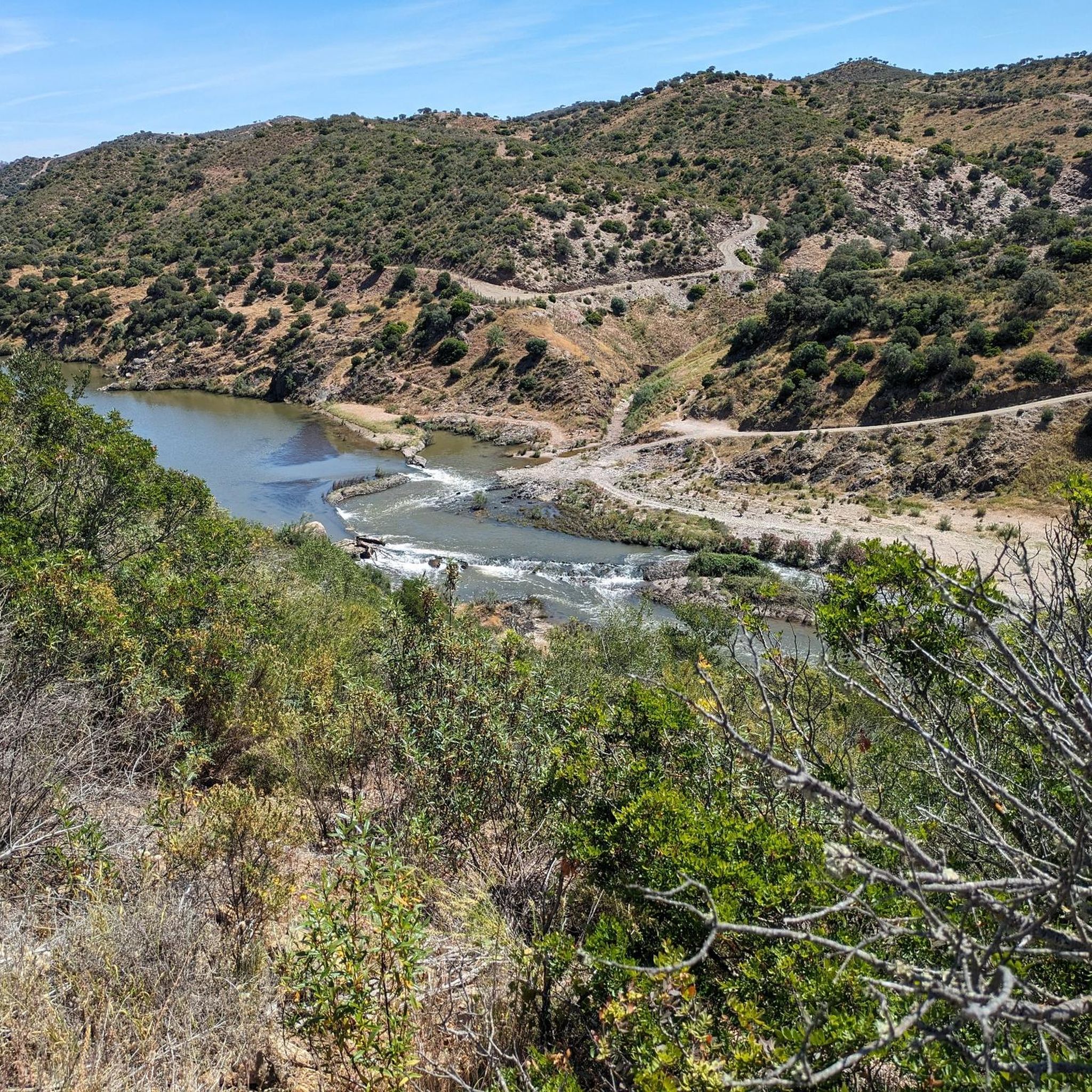
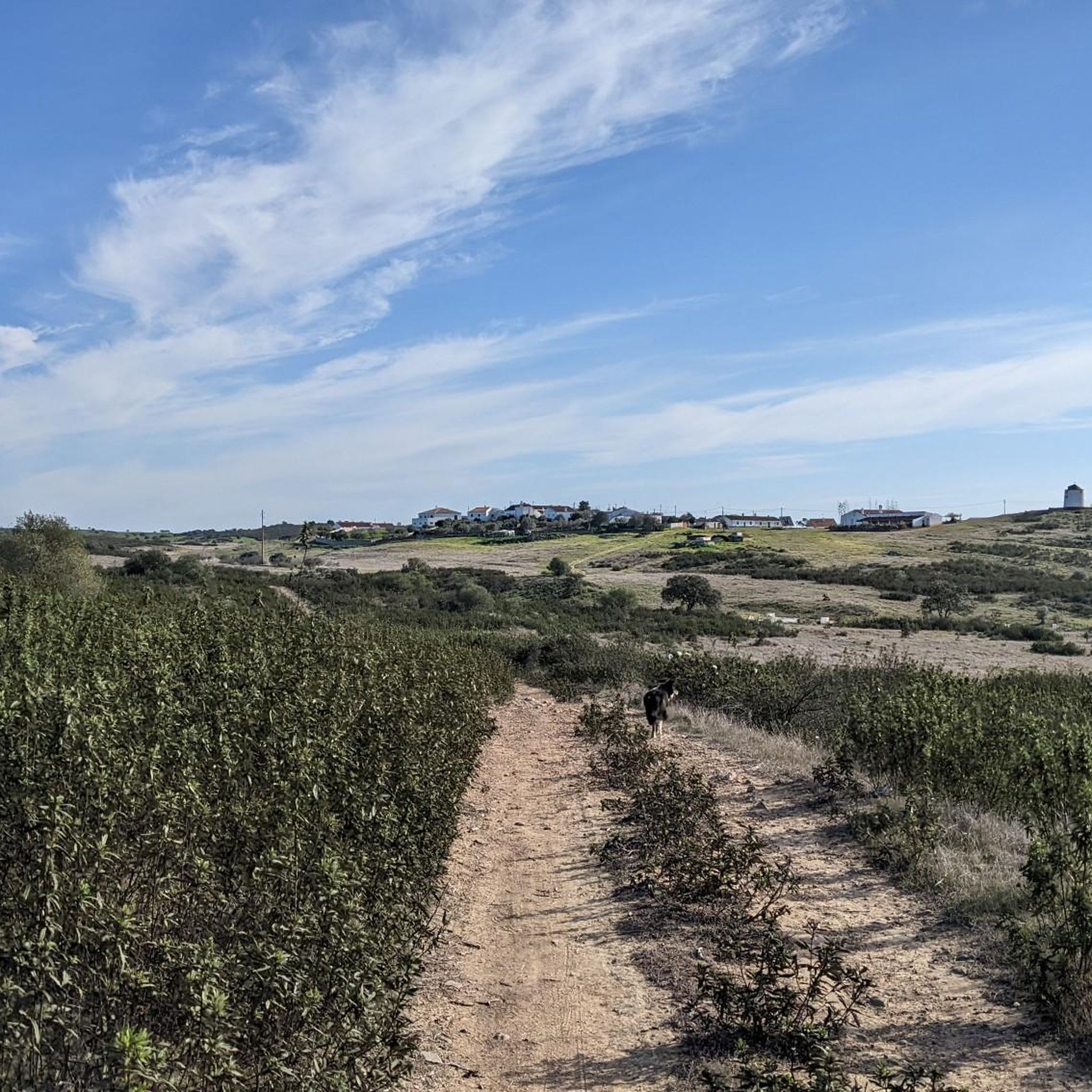
Monte Ronceiro is a typical rural estate (mountain) located in the municipality of Castro Verde, in the district of Beja, in the Alentejo region of Portugal. The area is renowned in cycling and gravel circuits for its landscapes of meadows, gentle hills, and dirt tracks immersed in nature.
0
0
Entradas (Portugal): It is a parish (freguesia) located in the municipality of Castro Verde, in the district of Beja in Portugal.
0
0

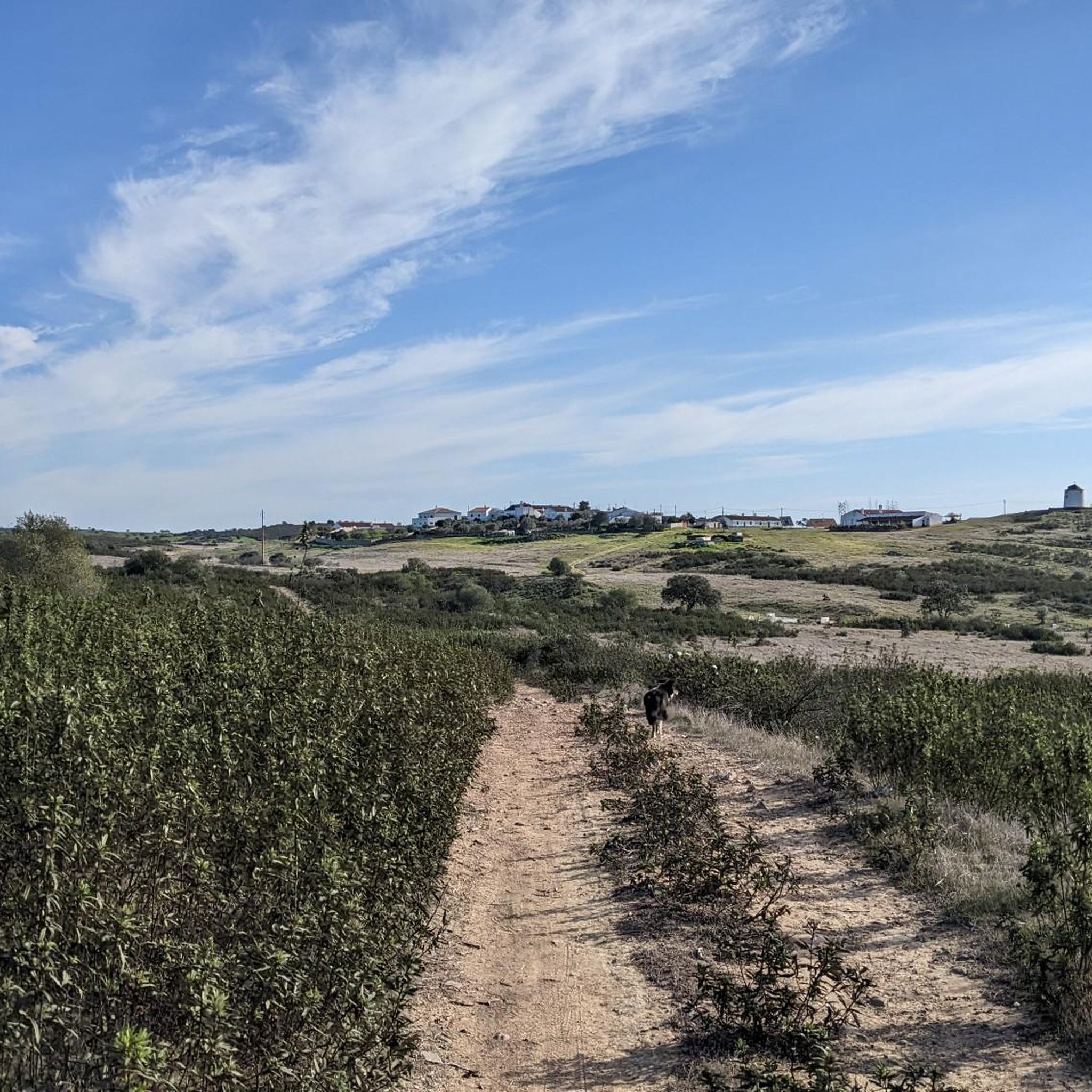
The settlement of Entradas is a historic Portuguese village, seat of the Parish of Entradas, integrated into the Municipality of Castro Verde. ✓Geographic and Demographic IndicatorsArea: 76.23 km². Population: 593 ✓inhabitants (data from the 2021 census). Density: 7.8 inhabitants/km². ✓Localities: Comprises the village of Entradas and the hamlet of Galeguinha. ✓Economy: Based on agriculture, local commerce, and civil construction. ✓Historical Context and HeritageAutonomy: Received a charter from D. Manuel I in 1510 and was the seat of a municipality until 1836. ✓Strategy: Served as a link between the river port of Mértola and the interior of Baixo Alentejo. ✓Culture: Hosts the annual event Entrudanças, celebrating the traditional Entrudo. ✓Nature: Integrated into Campo Branco, it stands out as an essential habitat for protected steppe birds such as the Great Bustard and the Little Bustard.
1
0
The Ermida de São Pedro das Cabeças (also known as Capela de São Pedro das Cabeças) is a religious monument in the Mannerist style and popular Alentejo architecture, located in the parish of Geraldos, in the municipality of Castro Verde, Baixo Alentejo. The site is famous for marking the exact spot where, according to strong popular tradition and the legend of the founding myth of Portugal, the historic Battle of Ourique took place on July 25, 1139. In this battle, D. Afonso Henriques defeated the armies of five Moorish kings after having a divine vision of Jesus Christ, being acclaimed King of Portugal.👍🥾
0
0

São Pedro das Cabeças is the legendary site of the Battle of Ourique, where D. Afonso Henriques, the first king of Portugal, defeated five Moorish kings. The victory was so remarkable that it is still immortalized in the center of the Portuguese flag.
2
0

Pretty village about 11 kilometers from Castro Verde. There is a restaurant in the square by the church and a little further on a small cafe/village shop. Ideal for a short tour stop.
4
0
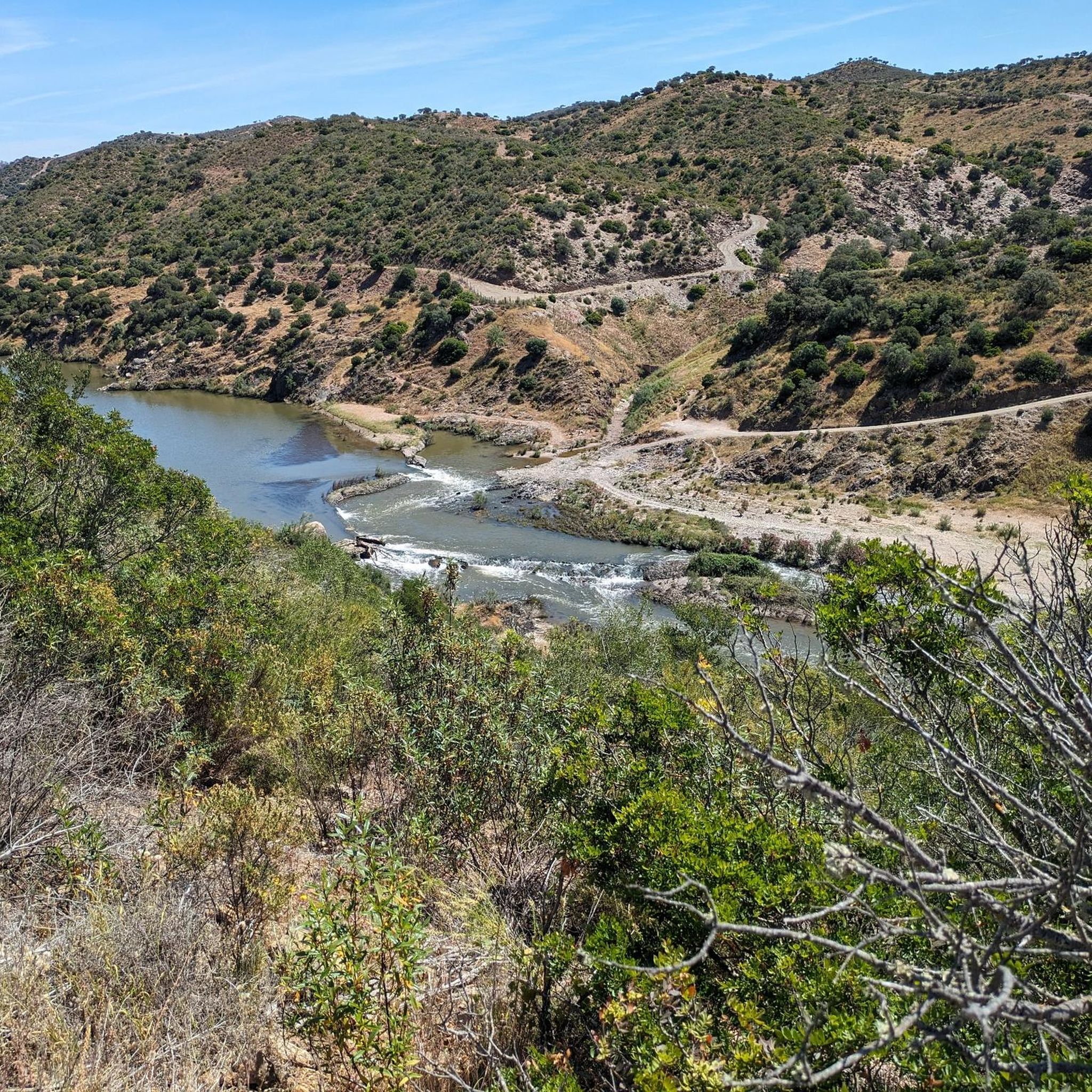
There are numerous fine gravel roads around Monte Roceiro. Between Castro Verde and Entradas there are plenty of opportunities for gravel riding. Normal tire widths are absolutely sufficient for these roads (38-42mm).
3
0
Very nice gravel route that is easy to ride. Wide enough and without too steep climbs. You can also ride here with 35 mm tires.
2
0
Frequently Asked Questions
What historical sites can I explore in Zpe Castro Verde?
Zpe Castro Verde is rich in history. You can visit the Chapel of São Pedro das Cabeças and Battle of Ourique Memorial, a significant historical site associated with the Battle of Ourique in 1139, offering expansive views. Further afield, explore the ancient Roman settlement of Castro da Cola or delve into the region's past at the Roman Oil Lamps Museum, which highlights the area's archaeological and mining history.
Are there opportunities for birdwatching in Zpe Castro Verde?
Yes, Zpe Castro Verde is a prime destination for birdwatching. The plains are a special protection zone for birdlife, particularly for steppe birds. You can spot species like the Great Bustard, Lesser Kestrels, and black-bellied sandgrouses. The Vale Gonçalinho Environmental Education Centre offers guided tours for optimal birdwatching experiences.
What natural landscapes can I discover in the region?
The region is home to the UNESCO-recognized Castro Verde Biosphere Reserve, characterized by its vast steppe ecosystem and cereal fields. You can also find diverse habitats including wetlands, cork oak forests, and Mediterranean temporary ponds. For a specific natural feature, consider visiting Monte Ronceiro, which features prairies, mountains, and a lagoon.
What cycling routes are available in Zpe Castro Verde?
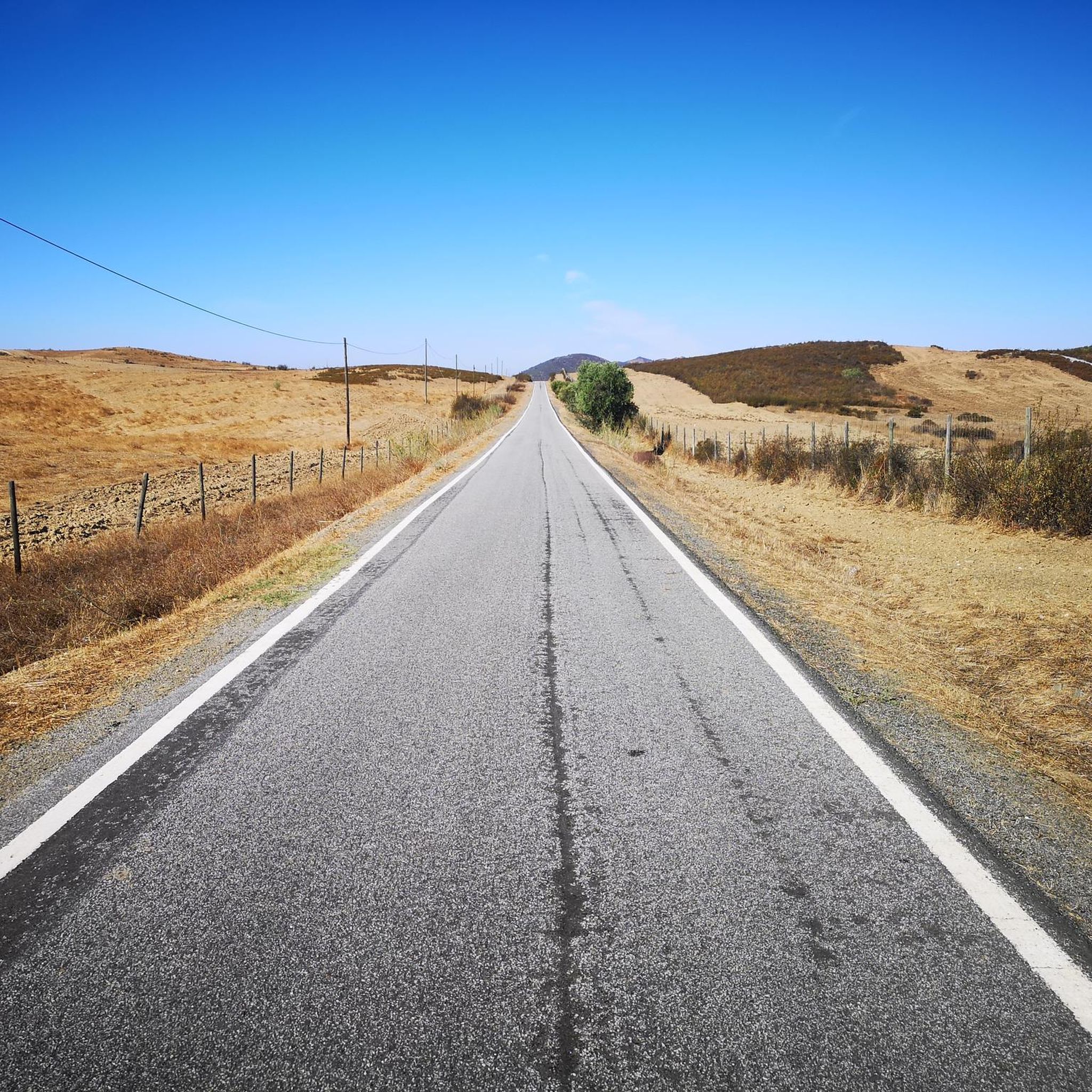
Zpe Castro Verde offers various cycling opportunities. You can explore the surroundings on routes like Estrada Nacional 123 near Castro Verde, suitable for road, gravel, and XC cycling. There are also numerous fine gravel roads around Monte Ronceiro. For more detailed routes, check out the Gravel biking in Zpe Castro Verde guide, which includes routes like the 'Castro Verde Cycling Center Loop'.
Are there any family-friendly attractions or activities?
While specific family-friendly attractions are not detailed, the charming village of Entradas, with its quiet main avenue, offers a pleasant stop for families. The general area's natural beauty and open spaces are suitable for outdoor exploration. The Museu da Ruralidade also provides insight into local traditions that can be engaging for all ages.
What cultural experiences can I have in Castro Verde town?
In Castro Verde town, you can immerse yourself in local culture. The Basílica Real de Nossa Senhora da Conceição is adorned with exquisite 18th-century blue tiles depicting the Battle of Ourique. The Museu da Ruralidade offers a window into traditional life, and the Centro de Promoção do Património e do Turismo serves as a hub for heritage and tourism, often hosting exhibitions and promoting local traditions like Cante Alentejano.
What is the best time of year to visit Zpe Castro Verde for outdoor activities?
The Alentejo region, including Zpe Castro Verde, experiences hot summers. For outdoor activities like hiking and cycling, spring (March to May) and autumn (September to November) generally offer more pleasant temperatures. These seasons are ideal for enjoying the natural landscapes and birdwatching without extreme heat.
Are there hiking trails in Zpe Castro Verde?
Yes, there are several hiking trails in the area. You can find routes like the 'Castro Verde Cereal Steppes – Namorados loop' or an 'easy hiking loop from Castro Verde'. For a comprehensive list and details, refer to the Hiking in Zpe Castro Verde guide.
Where can I learn about the region's mining history?
The region has a long history of mining, particularly for copper and iron, dating back to the Roman era. You can gain insights into this heritage at the Roman Oil Lamps Museum, which showcases the archaeological importance of the area and its industrial past.
What is the Castro Verde Biosphere Reserve?
The Castro Verde Biosphere Reserve, also known as Campo Branco (White Field), is a UNESCO-recognized area in the Baixo Alentejo. It's a mosaic of ecological systems, predominantly a steppe ecosystem, crucial for its diverse flora and fauna, especially steppe birds. It's characterized by vast cereal fields and includes wetlands and cork oak forests.
What do visitors enjoy most about the attractions in Zpe Castro Verde?
Visitors appreciate the historical significance and expansive views from sites like the Chapel of São Pedro das Cabeças. Cyclists particularly enjoy the varied terrain for road, gravel, and XC cycling, with many fine gravel roads and quiet village stops like Entradas. The natural beauty of prairies, mountains, and lagoons, such as those around Monte Ronceiro, is also highly valued.
Are there any notable annual events in Castro Verde?
Yes, Castro Verde is known for hosting one of the largest fairs in Alentejo, the Feira de Castro. This vibrant cultural event typically takes place in October and offers traditional music, crafts, and cuisine, providing a lively experience for visitors.
Most popular routes in Zpe Castro Verde

Get inspired with the komoot mobile app


Explore more
Still not found the Highlight you’re looking for? See guides of the top attractions in other regions:
