The best road cycling routes in Serra De Quatretonda
4.5
(36)
2,255
riders
40
rides
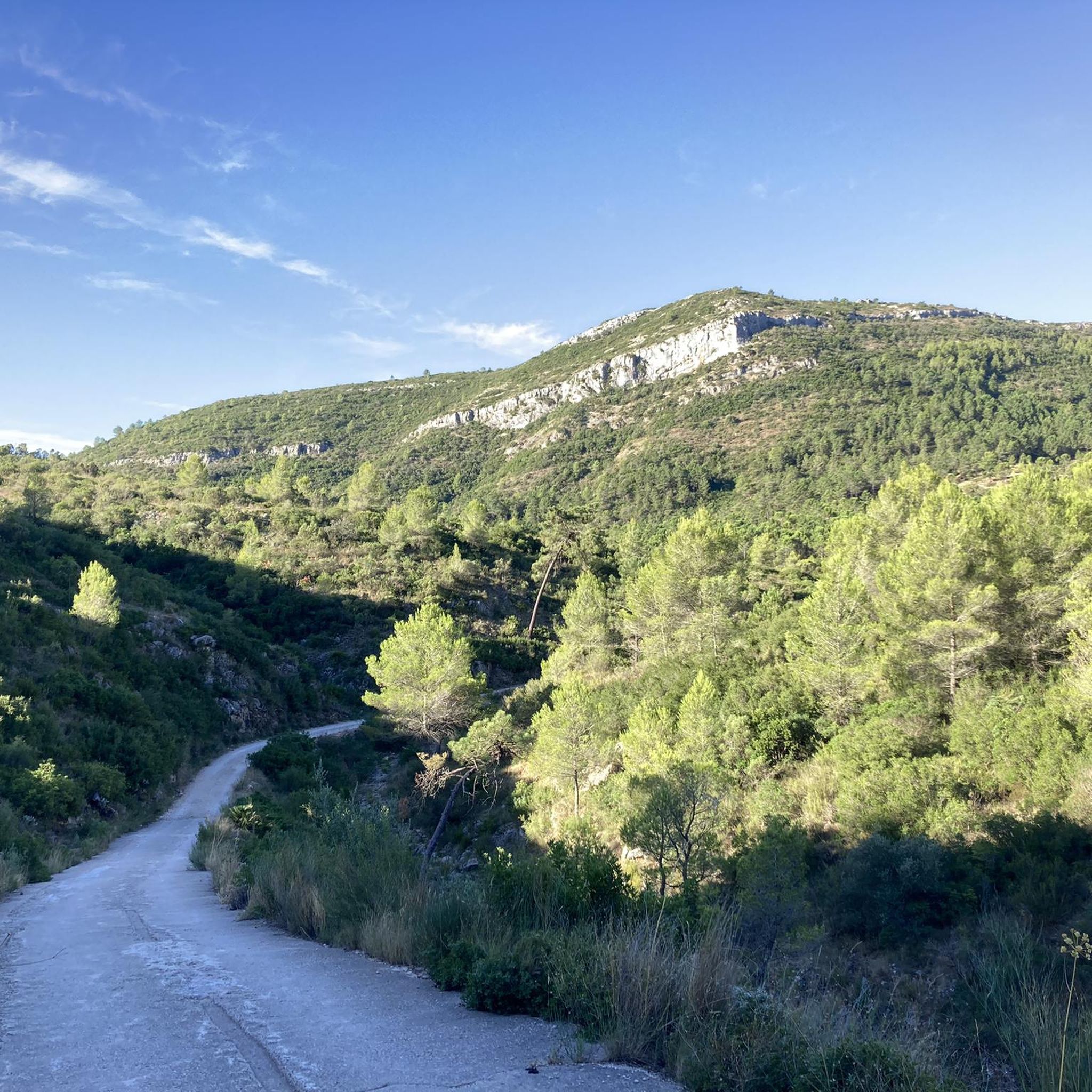
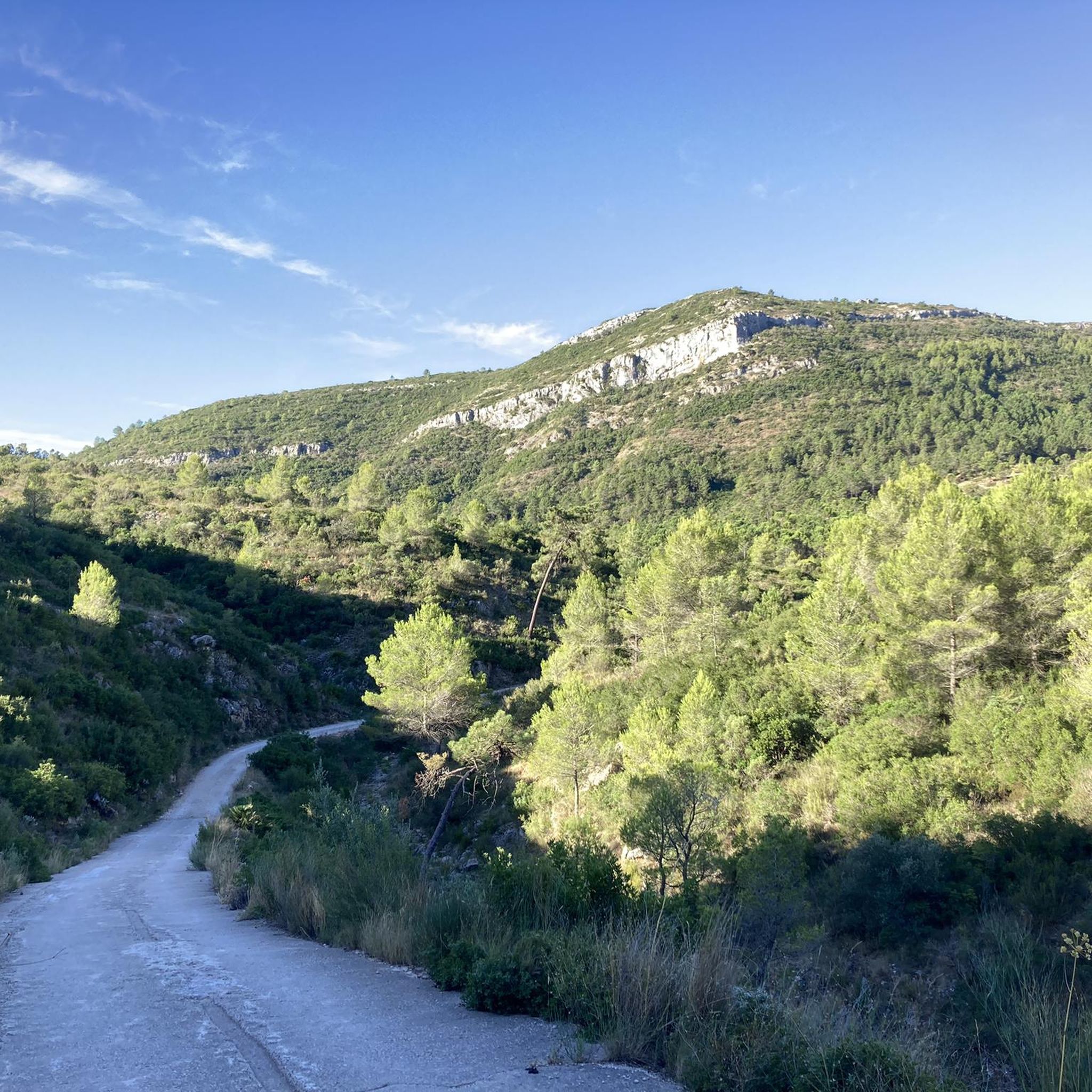
Road cycling routes in Serra de Quatretonda traverse a landscape characterized by abrupt orography, featuring alternating hills, ravines, and elevated plateaus. This region, designated a Municipal Natural Park, offers diverse terrain with Mediterranean forests of pines and scrubland. Elevations range from an average of 400 meters to a high point of 672 meters, providing varied gradients for road cyclists. The area's karstic processes have also shaped unique geological features, contributing to its distinctive natural environment.
Best road cycling routes in…
Last updated: June 1, 2026
5.0
(1)
11
riders
15.6km
00:52
320m
320m
Moderate road ride. Good fitness required. Mostly well-paved surfaces and easy to ride.
4.3
(3)
127
riders
68.2km
03:27
1,040m
1,040m
Hard road ride. Very good fitness required. Mostly well-paved surfaces and easy to ride.

Sign up for free
5.0
(1)
137
riders
73.5km
04:03
1,270m
1,270m
Hard road ride. Very good fitness required. Mostly well-paved surfaces and easy to ride.
104
riders
42.3km
02:08
630m
630m
Moderate road ride. Good fitness required. Mostly well-paved surfaces and easy to ride.
36
riders
75.8km
03:52
1,180m
1,180m
Hard road ride. Very good fitness required. Some segments of this route may be unpaved and difficult to ride.
Get access to more routes and recommendations from other explorers.
Sign up for free
Already have an account?
Our route recommendations are based on thousands of hikes, rides, and runs completed by other people on komoot.
Start today with a free account
Your next adventure awaits.
Login or Signup

Tips from the Community

The wonderful setting surrounds a fairytale monastery.
1
0


The Royal Monastery of Santa Maria de Valldigna was founded by James II the Just on March 15, 1298, who gave the Alfàndec valley to Abbot Bononat of Vila-seca to found a monastery of the Cistercian order, a branch of the Santes Creus monastery. It was the first monastery of such importance built in the ancient Kingdom of Valencia, after the Christian conquest. Days after the royal donation, James II, brother Bononat and his entourage met at the place of Ràfol (a Christian village in the valley founded after the conquest of James I) to take possession of the territory, plus one mile inland, the castles of Marinyén, Alcalà and the tower of Mondúber.
1
0

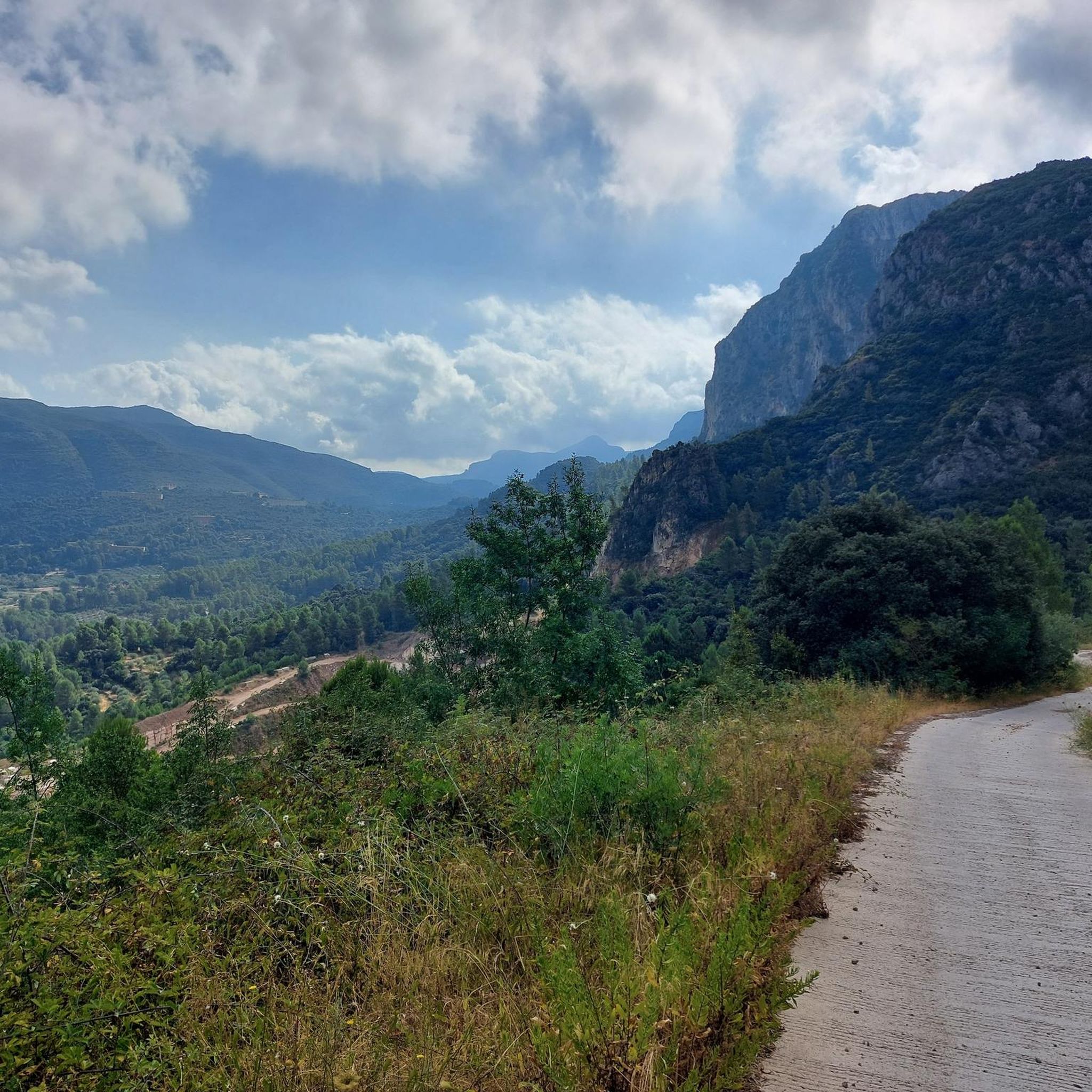
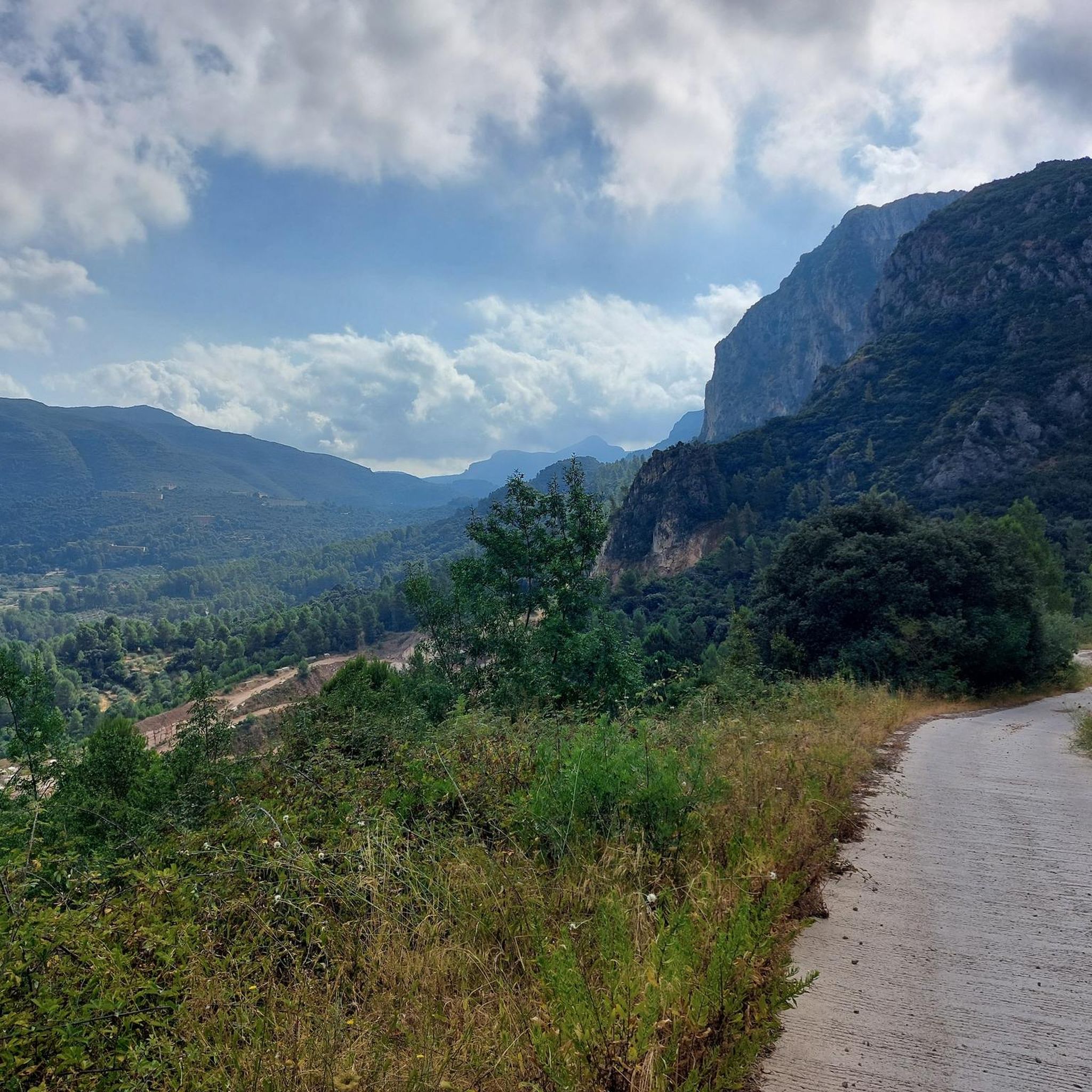
"This is the exact point where the bike wants to fly... but the view forces you to brake. Serra de les Agulles in the background and Santa Maria de la Valldigna below. A rewarding descent!" Then, refocus as the road twists and turns just beyond with a double bend that demands your attention and puts your brakes to the test.
0
0
The "Col de Rates de la Safor" The Barx Pass, from Simat, is a gem for any cycling enthusiast. A climb that perfectly combines effort with the beauty of the surroundings. Each curve offers a new perspective of the Valldigna Valley, while the monastery remains behind as a silent witness to the ascent. Frequently used by local cyclists, it's an ideal stretch to enjoy at a leisurely pace, feeling each pedal stroke amidst nature and heritage. With several well-defined hairpin bends and a steady but manageable gradient, it's perfect for enjoying the effort without suffering too much. Pass details: 6.3 km | 301 m elevation gain | average gradient of 4.8% | ramps of up to 9.8%.
0
0

The utmost care with which this ancient monastery is being restored arouses deep admiration and respect.
1
0
On the CV-675 after Barx and leaving the La Drova development towards Gandía we find a recreational area where we can stop to rest or eat something, there is a fountain where you can refill water for the journey.
0
0
Very good view of Valldigna and a well-deserved rest after climbing the port of Simat-Barx.
2
0
Frequently Asked Questions
What is the typical terrain and difficulty level for road cycling in Serra de Quatretonda?
Serra de Quatretonda features an abrupt orography with alternating hills, ravines, and elevated plateaus, making for diverse and often challenging road cycling. The region, a Municipal Natural Park, offers varied gradients with elevations ranging from 400 to 672 meters. You'll find routes with significant elevation gains, suitable for moderate to difficult rides.
Are there challenging routes for experienced road cyclists in Serra de Quatretonda?
Yes, Serra de Quatretonda is well-suited for experienced road cyclists seeking demanding ascents and descents. Many routes feature substantial elevation gains, with some reaching over 1,200 meters. For example, the Puerto de l'Orxa - Alpatro – Port de Salem and Beniarrés loop from Llutxent is a difficult 74.9 km route with nearly 1,300 meters of climbing.
Are there any easier road cycling routes suitable for beginners in Serra de Quatretonda?
While many routes in Serra de Quatretonda are moderate to difficult, there are some easier options. The region offers a total of 7 easy road cycling routes. These routes typically have less elevation gain and shorter distances, providing a good starting point for those new to road cycling in the area.
What natural features or landmarks can I expect to see while road cycling in Serra de Quatretonda?
As you cycle through Serra de Quatretonda, you'll encounter a landscape shaped by karstic processes, featuring caves, sinkholes, and springs. The area is also characterized by Mediterranean forests of pines and low scrubland. Notable landmarks include the historic La Bastida Refuge, an old shepherds' shelter, and the Cavern of Quatretonda.
Are there any specific viewpoints along the road cycling routes in Serra de Quatretonda?
Yes, the elevated terrain of Serra de Quatretonda provides numerous opportunities for panoramic views. Routes often offer rewarding vistas of the surrounding Vall d'Albaida region. A popular route that includes a viewpoint is the Port de Barx – La Visteta Viewpoint loop from Barx, which offers scenic views over its 15.6 km distance.
When is the best time of year to go road cycling in Serra de Quatretonda?
The Mediterranean climate of Serra de Quatretonda generally makes it suitable for road cycling for much of the year. Spring and autumn offer pleasant temperatures, ideal for tackling the region's climbs. Summers can be hot, so early morning or late afternoon rides are recommended. Winters are typically mild, allowing for year-round cycling, though some higher elevations might be cooler.
Are there family-friendly road cycling options in Serra de Quatretonda?
While many routes in Serra de Quatretonda involve significant elevation, there are options that can be more suitable for families, particularly those with some cycling experience. Look for the 7 routes classified as 'easy' in the region, which will have less demanding climbs and shorter distances, providing a more relaxed experience.
Can I find circular road cycling routes in the Serra de Quatretonda area?
Yes, many of the road cycling routes in Serra de Quatretonda are designed as loops, allowing you to start and finish at the same point. Examples include the popular La Drova Recreation Area – La Drova Pass loop from Barx and the La Visteta Viewpoint – Port de Barx loop from Llutxent, which offer varied distances and challenges.
Is parking available near the road cycling routes in Serra de Quatretonda?
Yes, parking is generally available in and around the towns and villages that serve as starting points for many routes, such as Barx and Llutxent. These areas often have designated parking spaces, making it convenient to access the trails. It's advisable to check local parking regulations upon arrival.
What do other road cyclists enjoy the most about road cycling in Serra de Quatretonda?
The road cycling routes in Serra de Quatretonda are highly rated by the komoot community, with an average score of 4.5 stars from over 20 reviews. Cyclists often praise the challenging climbs, the scenic forest tracks, and the agricultural roads that offer constant immersion in the natural beauty and panoramic views of the Vall d'Albaida region.
How many road cycling routes are available in Serra de Quatretonda?
There are over 35 road cycling routes available in Serra de Quatretonda. These routes cater to various fitness levels, with 7 classified as easy, 20 as moderate, and 11 as difficult, ensuring options for every type of road cyclist.
Are there any historical or cultural elements to discover along the road cycling routes?
Yes, beyond the natural beauty, you can encounter historical elements. The region features dry stone constructions like 'capelletes' (shelters for farmers) and 'sospedrades' (walls dividing farmland), which are protected by UNESCO. The La Bastida Refuge is another historical point of interest along some routes.
Most popular routes in Serra De Quatretonda
Most popular attractions in Serra De Quatretonda

Get inspired with the komoot mobile app


Explore more
Browse the best Road cycling routes in other regions.
