The best road cycling routes in Zona De Especial Protección Para Las Aves «Mar Menor»
4.3
(258)
8,274
riders
10
rides
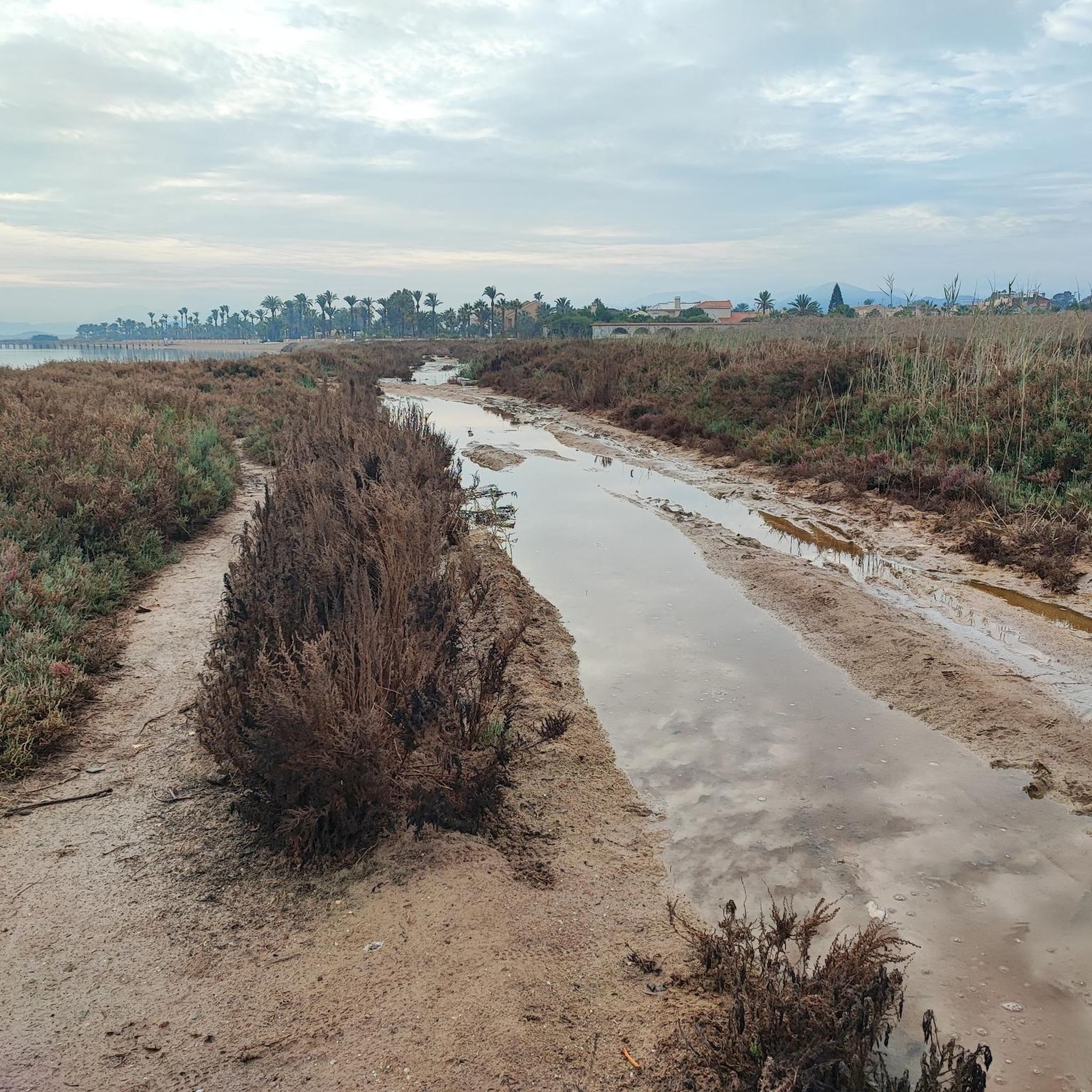
Road cycling in Zona De Especial Protección Para Las Aves «Mar Menor» offers diverse terrain centered around Europe's largest saltwater lagoon, the Mar Menor. The region features a 22 km long sandbar, La Manga, separating the lagoon from the Mediterranean Sea, providing extensive coastal routes. Cyclists can navigate flat sections along the lagoon's 73 km coastline and explore trails through natural parks such as Salinas y Arenales de San Pedro del Pinatar. The landscape also includes protected areas with fossil…
Last updated: October 24, 2026
4.5
(30)
231
riders
40.7km
02:04
170m
170m
Moderate road ride. Good fitness required. Mostly well-paved surfaces and easy to ride.
122
riders
Moderate road ride. Good fitness required. Some segments of this route may be unpaved and difficult to ride.

4.3
(4)
86
riders
Moderate road ride. Good fitness required. Some segments of this route may be unpaved and difficult to ride.
4.7
(3)
91
riders
38.1km
01:35
110m
110m
Moderate road ride. Some segments of this route may be unpaved and difficult to ride.
5.0
(1)
60
riders
70.1km
03:11
180m
180m
Moderate road ride. Good fitness required. Some segments of this route may be unpaved and difficult to ride.
Get access to more routes and recommendations from other explorers.
Already have an account?
Our route recommendations are based on thousands of hikes, rides, and runs completed by other people on komoot.
Start today with a free account
Your next adventure awaits.
Popular around Zona De Especial Protección Para Las Aves «Mar Menor»
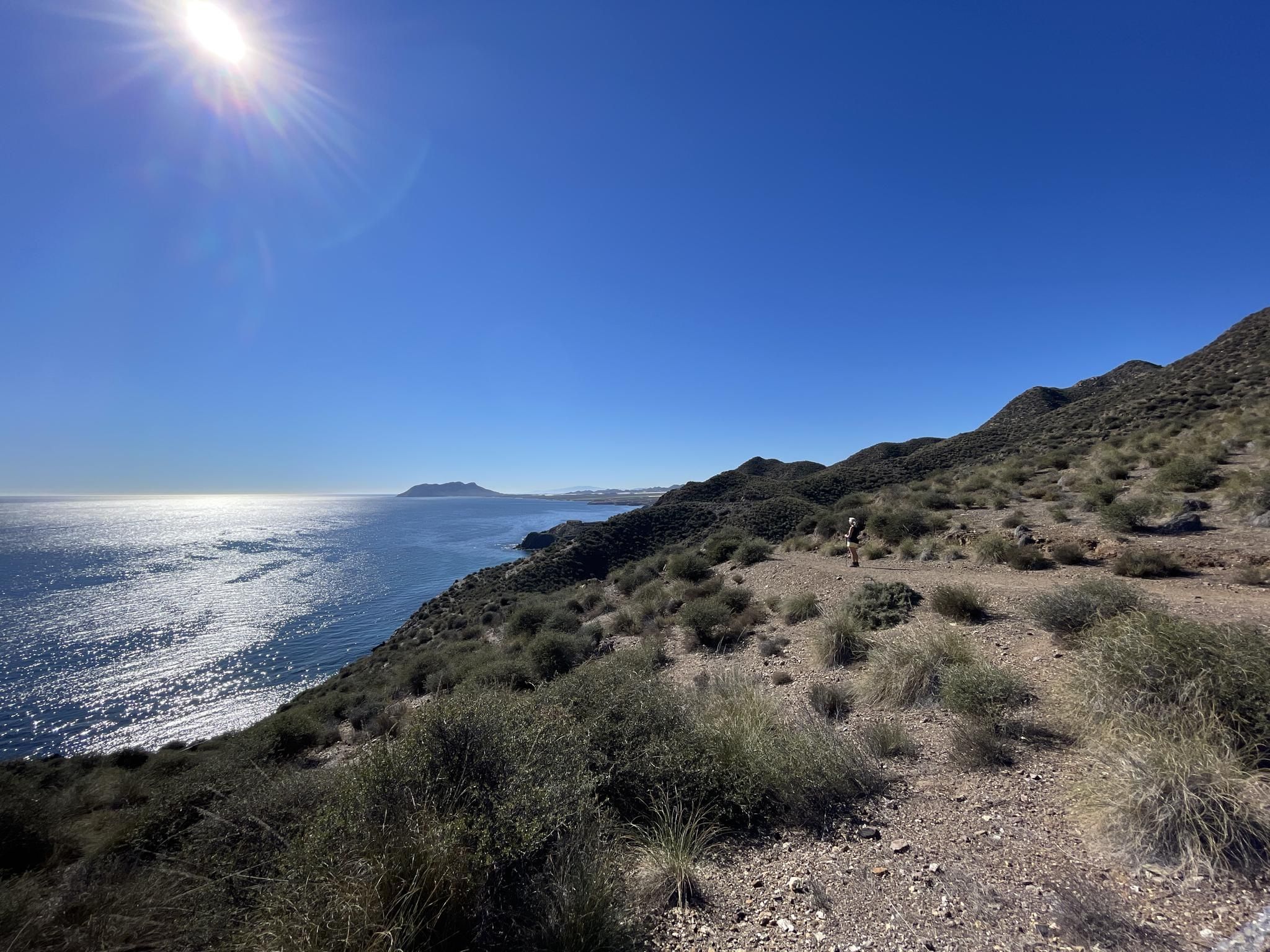
Mediterranean industry and nature – hike the GR 92 in Murcia
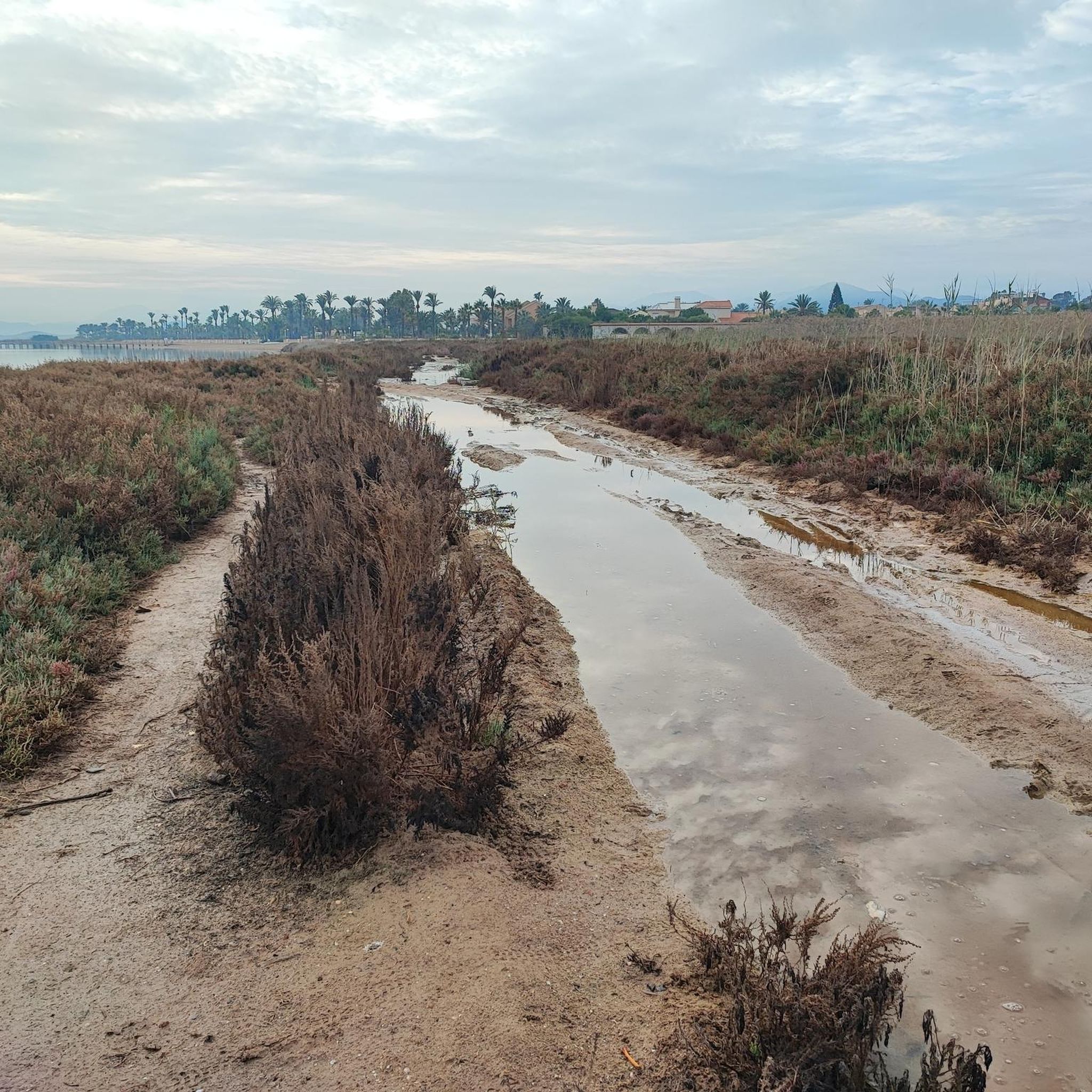
Cycling in Zona De Especial Protección Para Las Aves «Mar Menor»
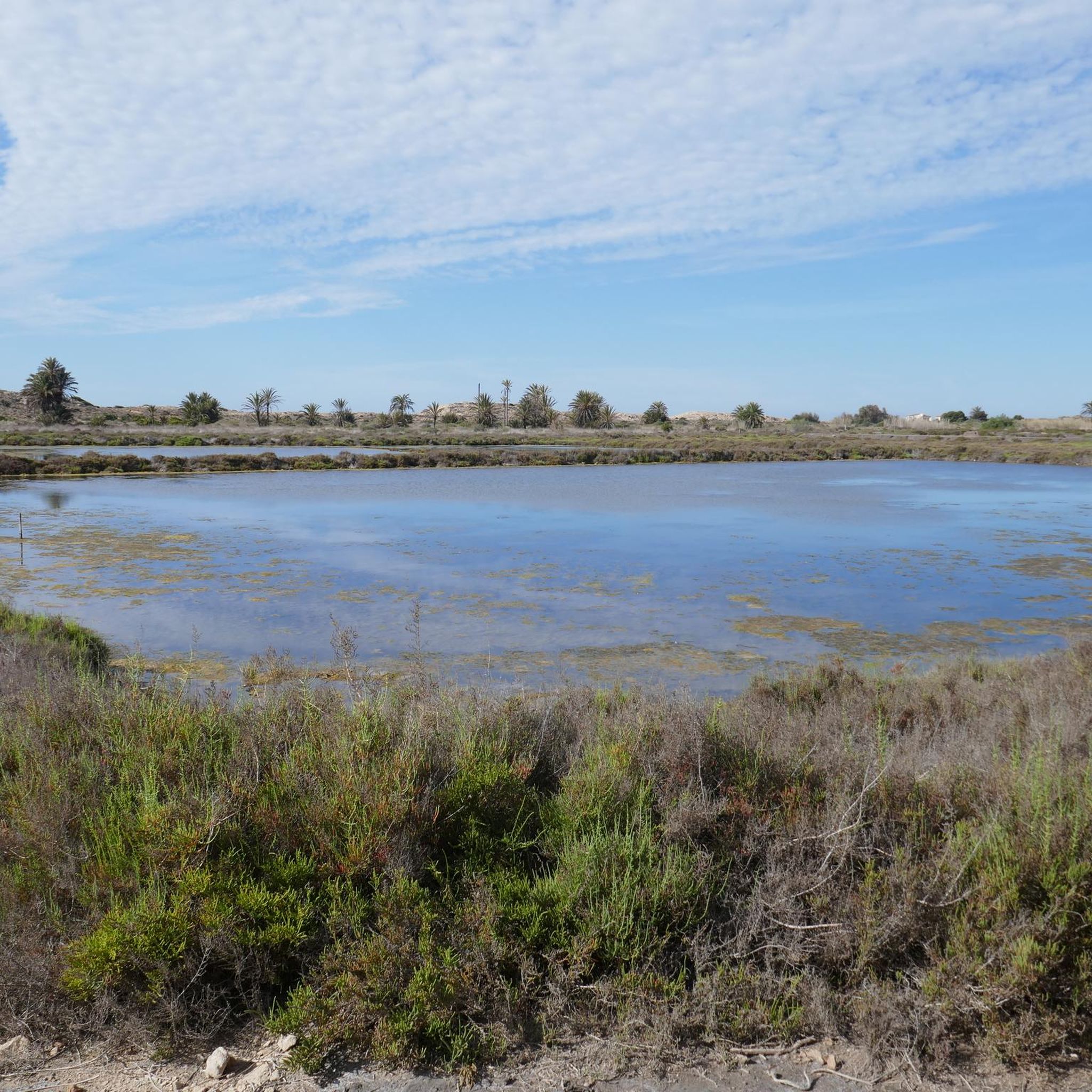
Running Trails in Zona De Especial Protección Para Las Aves «Mar Menor»
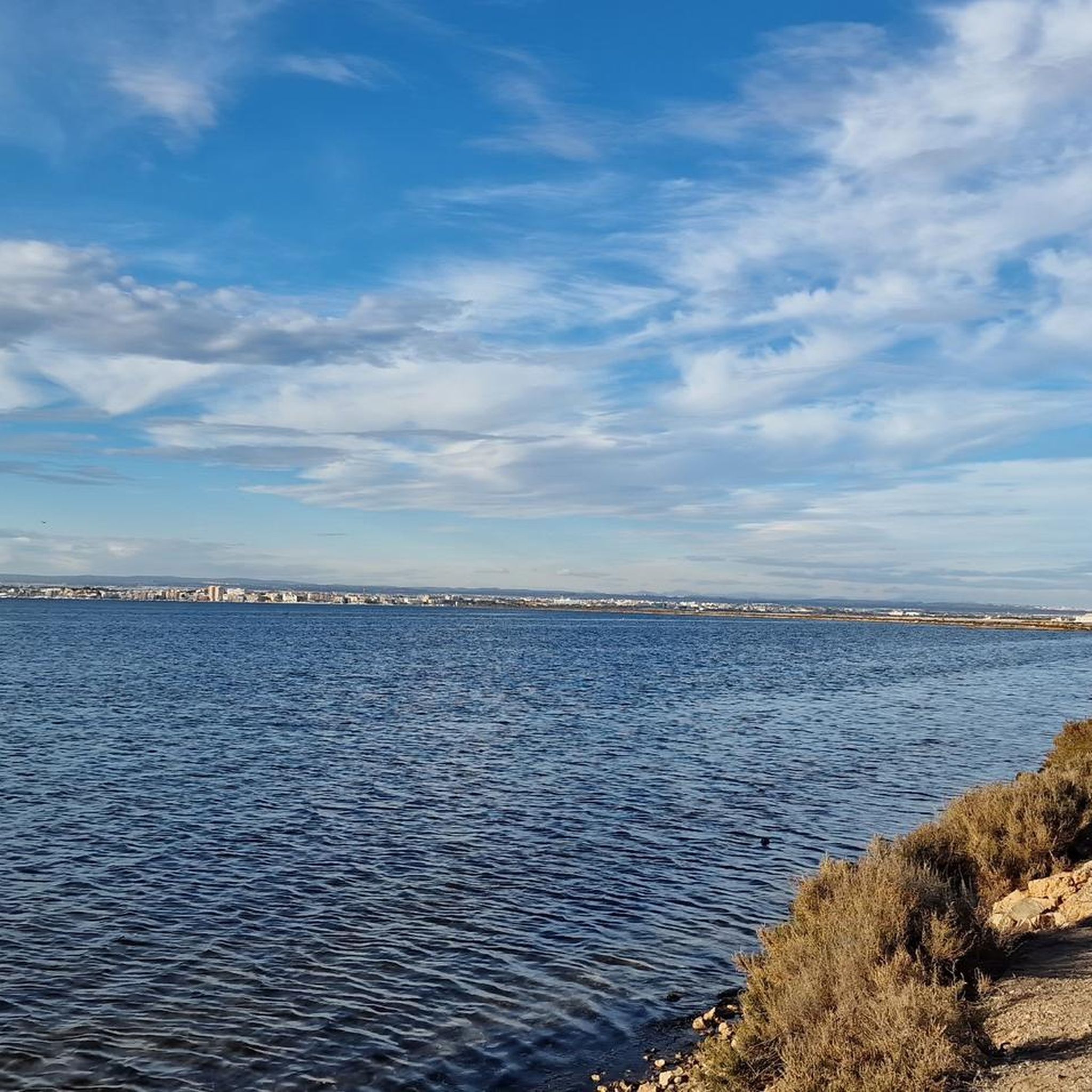
Hiking in Zona De Especial Protección Para Las Aves «Mar Menor»
MTB Trails in Zona De Especial Protección Para Las Aves «Mar Menor»

Gravel biking in Zona De Especial Protección Para Las Aves «Mar Menor»
Other adventures in Zona De Especial Protección Para Las Aves «Mar Menor»

Tips from the Community

It is a large complex located on the outskirts of the urban area, which was commissioned in 1957 and became the largest of its kind in Europe; over time it underwent numerous modifications, one of the most important being the use of seawater in the entire mineral treatment process, for which a pumping station was installed on the beach itself. The Washhouse consisted of four large halls, each with a specific function. The mineral, after passing through the crusher, was transported to the washhouse by a belt that discharged it into a mill, where it was crushed and the ground material passed to a classification area that returned to the mill what had not been crushed properly, a process that was completed in the first hall.
0
0


According to Parliamentary Question E-2325/2003 to the European Parliament, millions of tons of waste were dumped in Portman Bay between 1959 and 1989. It is estimated that approximately 13 million cubic meters of mud are flooding this bay, causing the 1957 shoreline to shift approximately 300 meters inland. This waste contains sulfides, arsenic, cadmium, copper, mercury, lead, and zinc, as the experts consulted acknowledge. One of Europe's greatest environmental disasters, so it's not a "highlight," but it's still a beautiful cycling route...
0
0

Quiet beach, ideal for small children as it has hardly any waves.
0
0

Fabulous scenery all the way along this route
0
0

Historical windmills that were used especially for traditional salt production, but also in agriculture. In the region around Mar Menor, particularly in areas such as San Pedro del Pinatar, as well as in Veniziola, there are several historical windmills. These windmills were mainly used for grinding grain and pumping water for irrigation and salt production. The windmills are an important part of the cultural heritage of the Mar Menor region. They are iconic structures that reflect the agricultural and industrial history of the region.
2
0

Small pretty bridge made of stone
1
1

The presence of the remains of this Roman road denotes the importance of Cabo de Palos in the ancient world thanks to metallurgical and salting exploitation. The section is short, but very interesting.
1
0
Frequently Asked Questions
How many road cycling routes are available in Zona De Especial Protección Para Las Aves «Mar Menor»?
There are over 175 road cycling routes available in Zona De Especial Protección Para Las Aves «Mar Menor», catering to various skill levels. You'll find a wide selection, from easy rides to more challenging routes.
What is the best time of year for road cycling in the Mar Menor region?
The Mar Menor region boasts a mild Mediterranean climate with over 300 days of sunshine annually, making it suitable for road cycling year-round. Spring and autumn offer particularly pleasant temperatures, while winters are generally mild.
What is the typical terrain like for road cycling around Mar Menor?
Road cycling in the Mar Menor region is characterized by extensive coastal paths and flat routes along the lagoon's 73 km coastline. While much of the terrain is flat, routes like the Calblanque Park and Portman Climb Loop include moderate elevation gains through protected areas with rugged cliffs.
What are the difficulty levels of road cycling routes in this area?
The routes in Zona De Especial Protección Para Las Aves «Mar Menor» offer options for different ability levels. You can find 54 easy routes, 110 moderate routes, and 11 more difficult routes, ensuring there's something for beginners and advanced cyclists alike.
Are there any natural features or landmarks to see along the road cycling routes?
Yes, road cycling routes often pass by significant natural features. You can explore the Marchamalo Salt Flats, the vast Mar Menor (Little Sea) itself, and the therapeutic Mud Baths at Villananitos Beach. The region is also known for its protected areas like Salinas y Arenales de San Pedro del Pinatar Regional Park, which is a haven for birdwatching.
What kind of scenic viewpoints can I expect on road cycling routes in the Mar Menor area?
Many routes offer breathtaking coastal views, especially along the La Manga strip and from elevated sections in natural parks. The La Manga del Mar Menor Coastal Trail provides extensive views of both the Mar Menor and the Mediterranean Sea. You can also find specific viewpoints like the View of the Mar Menor.
Are there circular road cycling routes available in Zona De Especial Protección Para Las Aves «Mar Menor»?
Yes, many road cycling routes in the region are designed as loops. For example, the Portmán Coastal Road – Blick auf das Mar Menor loop from La Ribera - Iglesia and the Calblanque Park and Portman Climb Loop are popular circular options that allow you to start and finish in the same location.
Is it possible to find family-friendly road cycling routes in the Mar Menor region?
Yes, the predominantly flat terrain around the Mar Menor lagoon makes it ideal for family-friendly road cycling. Many of the 54 easy routes are suitable for families, offering safe and enjoyable rides along the coast and through natural parks.
Where can I find parking for road cycling routes around Mar Menor?
Parking is generally available in the towns and villages surrounding the Mar Menor, such as San Pedro del Pinatar, Los Alcázares, and Cartagena. Many routes start from accessible points with public parking facilities.
How accessible are the road cycling routes by public transport in the Mar Menor area?
The towns around the Mar Menor are well-connected by local bus services, which can provide access to various starting points for road cycling routes. However, specific public transport options for carrying bicycles may vary, so it's advisable to check local transport schedules and policies in advance.
Are there places to stop for refreshments or cafes along the road cycling routes?
Given the numerous towns and coastal settlements around the Mar Menor, you'll find ample opportunities for refreshment stops. Many routes pass through or near areas with cafes, restaurants, and shops, especially along the La Manga strip and in towns like San Pedro del Pinatar.
What do other road cyclists say about their experience in Zona De Especial Protección Para Las Aves «Mar Menor»?
The road cycling routes in Zona De Especial Protección Para Las Aves «Mar Menor» are highly rated by the komoot community, with an average score of 4.4 stars from over 220 reviews. Cyclists often praise the scenic coastal views, the mild climate, and the variety of routes available for different skill levels.
Most popular routes in Zona De Especial Protección Para Las Aves «Mar Menor»
Most popular attractions in Zona De Especial Protección Para Las Aves «Mar Menor»

Get inspired with the komoot mobile app


Explore more
Browse the best Road cycling routes in other regions.
