Top 9 Castles around Osloß
Castles around Osloß offer a glimpse into historical architecture and regional heritage. This area features several historical sites, including castles and grand residences. Visitors can explore structures that have evolved through centuries, from medieval fortifications to Renaissance-era palaces and 19th-century mansions. The region provides opportunities to engage with local history and enjoy the surrounding landscapes.
Best castles around Osloß
- The most popular castles is Wolfsburg Castle, a castle that once gave the city its name. It features a museum,…
Last updated: October 23, 2026
Wolfsburg Castle
Highlight • Castle
Translated by Google •
Tip by

Fallersleben Castle
Highlight • Castle
Translated by Google •
Tip by
Sign up now to discover places like this
Get recommendations on the best single tracks, peaks, & plenty of other exciting outdoor places.
Baroque Garden at Wolfsburg Castle
Highlight • Structure
A tour here is very relaxing; you can find peace and relaxation here.
Translated by Google •
Tip by

Rothehof Historical Site
Highlight • Monument
more springs and wells and 👀
Wolfsburg not only has Autostadt and Phaeno etc.
see route
komoot.de/tour/429000911?ref=wtd
Translated by Google •
Tip by

Post Milestone Gifhorn
Highlight • Monument
Translated by Google •
Tip by

Sign up for free to discover even more castles around Osloß.
Already have an account?
Start today with a free account
Your next adventure awaits.

Tips from the Community

The Postmeilenstein in Gifhorn is a small but interesting historical monument from the time of the Electorate of Hanover. Tip: Best to include it briefly on a walk through the city center – it appears inconspicuous, but is particularly worthwhile if you are interested in old postal and transport routes. Good as a short photo stop, but rather not a place for a long stay.
0
0

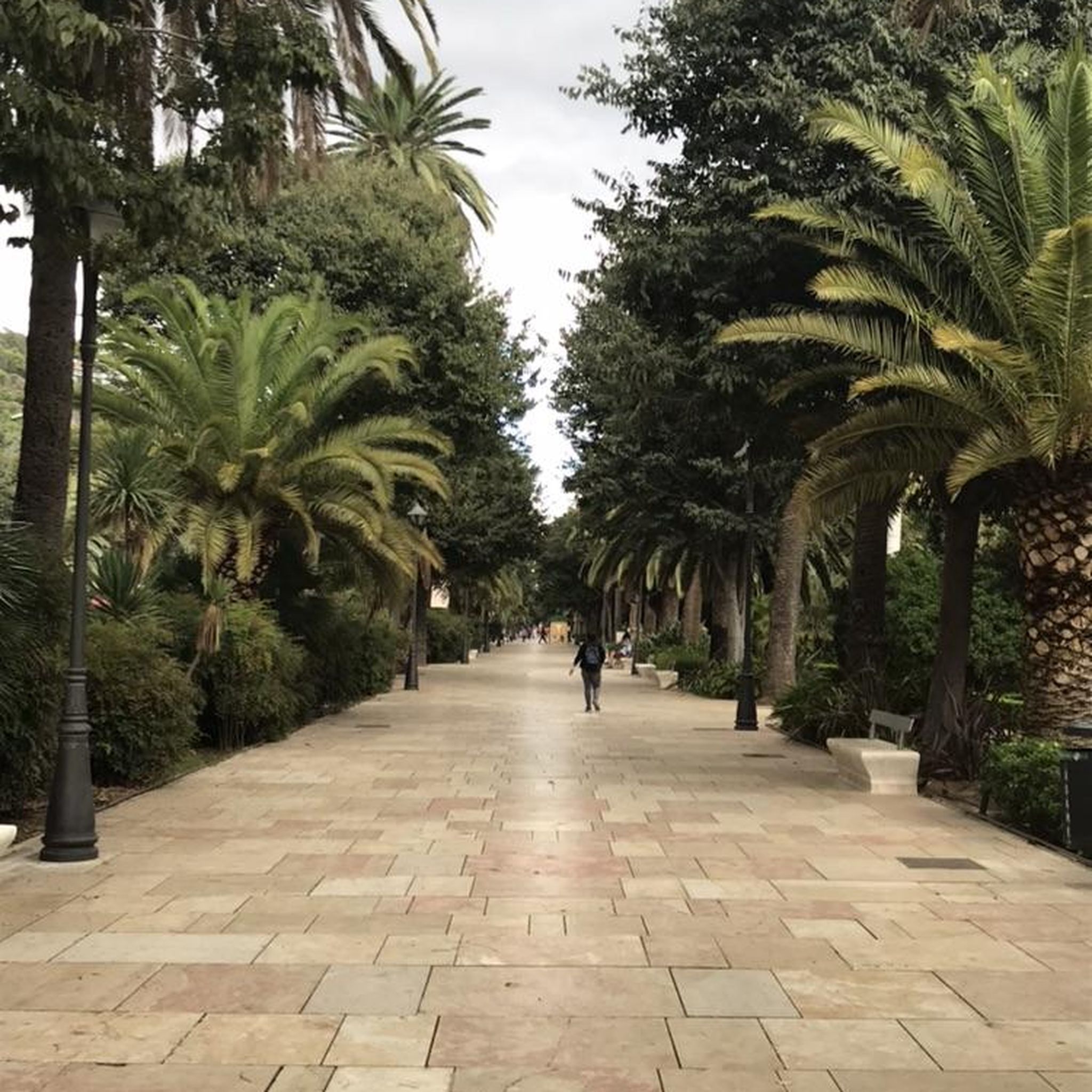
The part south of the castle was built at the end of the 17th century as part of the transformation of the former “Wolfsburg” into a representative castle. The baroque pleasure garden was created at the beginning of the 18th century. It was first mentioned in 1709; In 1723 a two-story pleasure house was built, in its place in 1912 a pavilion that still exists today was built. The architect was Wilhelm Hillendahl from Fallersleber. The landscape park east of the castle was built in the 19th century. From 1948 to 1954, the “Schlosspark Restaurant and Café” was located in the baroque garden pavilion, in front of which dancing took place on Sundays. The baroque garden was restored in 2000. In 2004, the State Garden Show took place in the park area and south of it. The park area was expanded to the south to the current border. Three circular gardens with stainless steel elements were created, which were retained after the state horticultural show.
3
0

But the milestone is not here!
0
0

This park is small but also particularly beautifully laid out and maintained!
18
0

A castle that doesn't look like that on the outside. But the castle was actually inhabited by nobles. It is located in a beautiful park surrounded by the water of the Aller, which flows directly past the castle!
29
0
A castle 🏰 surrounded by water, a very beautiful park and a small baroque garden.
22
0
Very beautiful, well-kept and small baroque garden behind the castle. A tour here is very relaxing; you can find peace and relaxation here.
25
0

The baroque garden is opposite the entrance to the castle
2
0
Frequently Asked Questions
What are the most popular castles to visit around Osloß?
The most popular castle is Wolfsburg Castle, known for its museum, municipal gallery, and café-restaurant, all set within a beautiful park. Another highly regarded site is Fallersleben Castle, a 16th-century moated castle that now houses the Hoffmann-von-Fallersleben-Museum.
Are there family-friendly castles in the Osloß region?
Yes, both Wolfsburg Castle and Fallersleben Castle are considered family-friendly. Wolfsburg Castle offers a park and museum, while Fallersleben Castle provides a historical experience with its reconstructed moat and the Hoffmann-von-Fallersleben-Museum, which can be engaging for all ages.
What historical insights can I gain from visiting castles around Osloß?
You can delve into centuries of history. Fallersleben Castle, for instance, was a 16th-century moated castle and served as a widow's residence. Its museum offers insights into the life of the poet Hoffmann von Fallersleben and the history of German poetry. The Wolfsburg Castle, which gave the city its name, also features a museum and municipal gallery, showcasing local heritage.
What natural features can I enjoy near the castles in Osloß?
Near Wolfsburg Castle, you can enjoy its beautiful park, which is surrounded by the Aller river. Fallersleben Castle also boasts a wonderful castle park with old trees and a pond, perfect for a stroll. The Rothehof Historical Site is located within a forest, offering a natural setting with springs and wells.
Are there hiking trails near the castles in Osloß?
Yes, there are several easy hiking trails around Osloß. For example, you can explore routes like the 'Osloß Sluice loop' or the 'Königsallee in the Barnbruch Nature Reserve loop'. You can find more details and routes on the Easy hikes around Osloß guide.
What cycling opportunities are available near the castles?
The Osloß region offers various cycling routes. You can find easy loops like 'Tankumsee Beach – Tankumsee Beach loop' or 'Bridge Over the Aller Canal – Tankumsee Beach loop'. For more options, check out the Cycling around Osloß guide.
Can I do gravel biking near the castles in Osloß?
Yes, there are gravel biking routes available. Options range from moderate to difficult, such as the 'Sülfeld Lock – View of Sülfeld Lock loop' or the 'Herzogsberge Nature Reserve – Riddagshausen Nature Reserve loop'. Explore these and more on the Gravel biking around Osloß guide.
What do visitors appreciate most about the castles in Osloß?
Visitors frequently praise the beautiful parks and natural surroundings of the castles, such as the park around Wolfsburg Castle and the castle park at Fallersleben Castle. The historical significance and well-preserved architecture, like the reconstructed moat at Fallersleben, are also highly valued.
Are there any other significant historical buildings besides castles in the region?
Yes, the Kavalierhaus Gifhorn is a notable historical building. Built in 1546, it is the oldest building in Gifhorn after the castle and features impressive Renaissance architecture. It houses the EMMA Museum Apartment, showcasing a middle-class home from the first half of the 20th century.
Where can I find a café or restaurant near the castles?
Wolfsburg Castle itself features a café-restaurant on its premises, offering a convenient option for visitors. For other locations, exploring the old town areas around castles like Fallersleben may reveal local establishments.
What is the <a href="https://www.komoot.com/highlight/179087" target="_blank" rel="noopener">Rothehof Historical Site</a>?
The Rothehof Historical Site is an interesting historical area located within the Wolfsburg city forest. It features a short trail around a small basin with hidden benches, offering a quiet spot to linger and explore local history and nature.
Most popular routes around Osloß
Most popular attractions around Osloß

Get inspired with the komoot mobile app


Explore more
Looking for the best castles somewhere else? Discover other guides around Osloß:
