Top 18 Castles around Selke-Aue
Castles around Selke-Aue are situated in the Harz district of Saxony-Anhalt, Germany, a region known for its historical sites and natural landscapes. The municipality of Selke-Aue lies northeast of Quedlinburg, offering access to medieval heritage. This area provides opportunities to explore historical architecture and the surrounding natural environment. The landscape features the Selke Valley, which contributes to the region's character.
Best castles around Selke-Aue
- The most popular castles is Domburg Castle Ruins, a castle that offers a special postmark…
Last updated: September 26, 2026
Schlossberg and Collegiate Church of St. Servatius (Quedlinburg)
Highlight • Castle
Opening …
Translated by Google •
Tip by

View of Quedlinburg’s Castle Hill
Highlight • Castle
Extensive renovation and construction work is …
Translated by Google •
Tip by

Sign up now to discover places like this
Get recommendations on the best single tracks, peaks, & plenty of other exciting outdoor places.
Schlossgarten Quedlinburg
Highlight • Viewpoint
Translated by Google •
Tip by

Quedlinburg Castle
Highlight • Castle
Translated by Google •
Tip by

Domburg Castle Ruins
Highlight • Castle
Translated by Google •
Tip by

Sign up for free to discover even more castles around Selke-Aue.
Already have an account?
Start today with a free account
Your next adventure awaits.
Tips from the Community


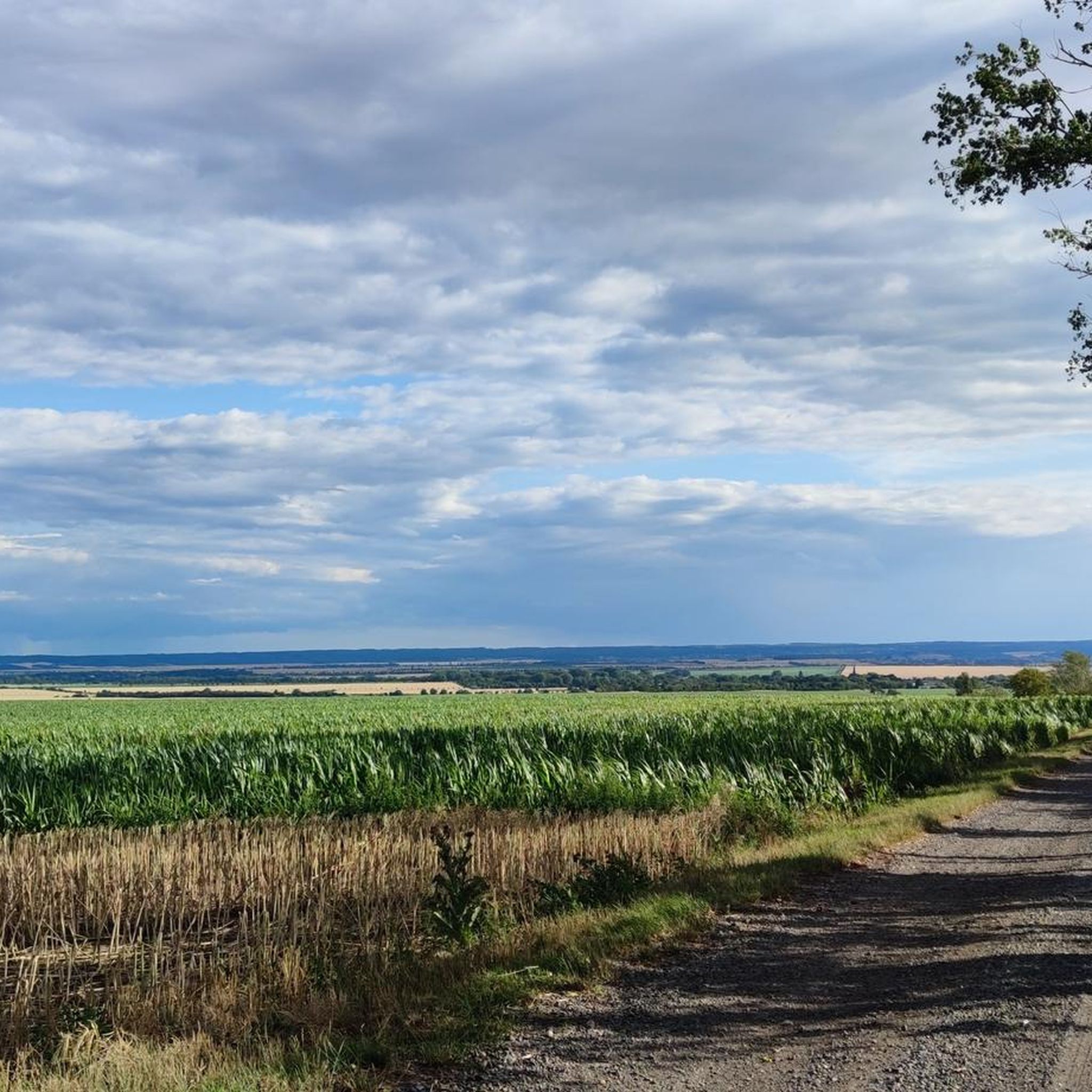
The cliffs below the castle are very beautiful to look at.
5
0

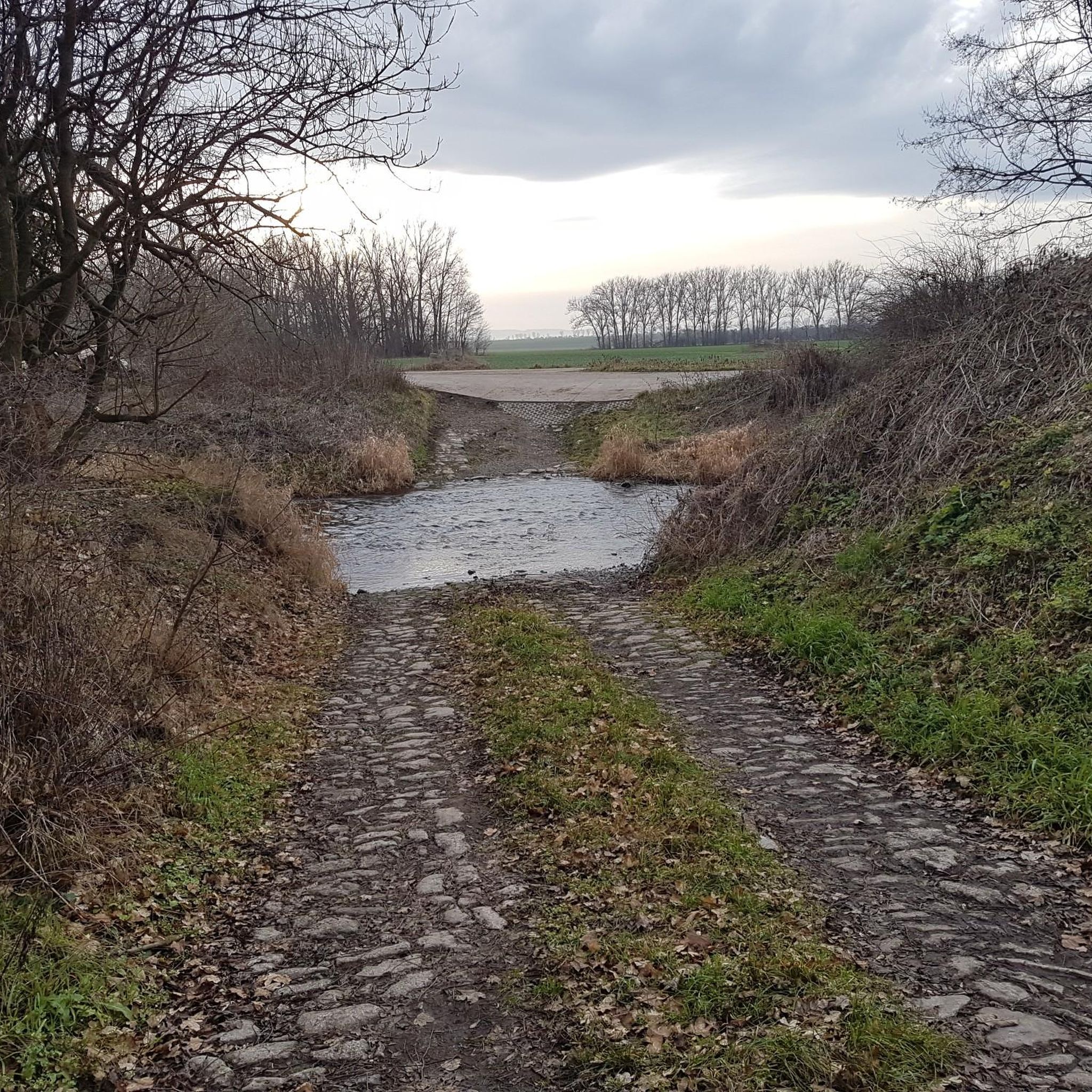
The Stiftsberg is the symbol of the imperial city.
4
0

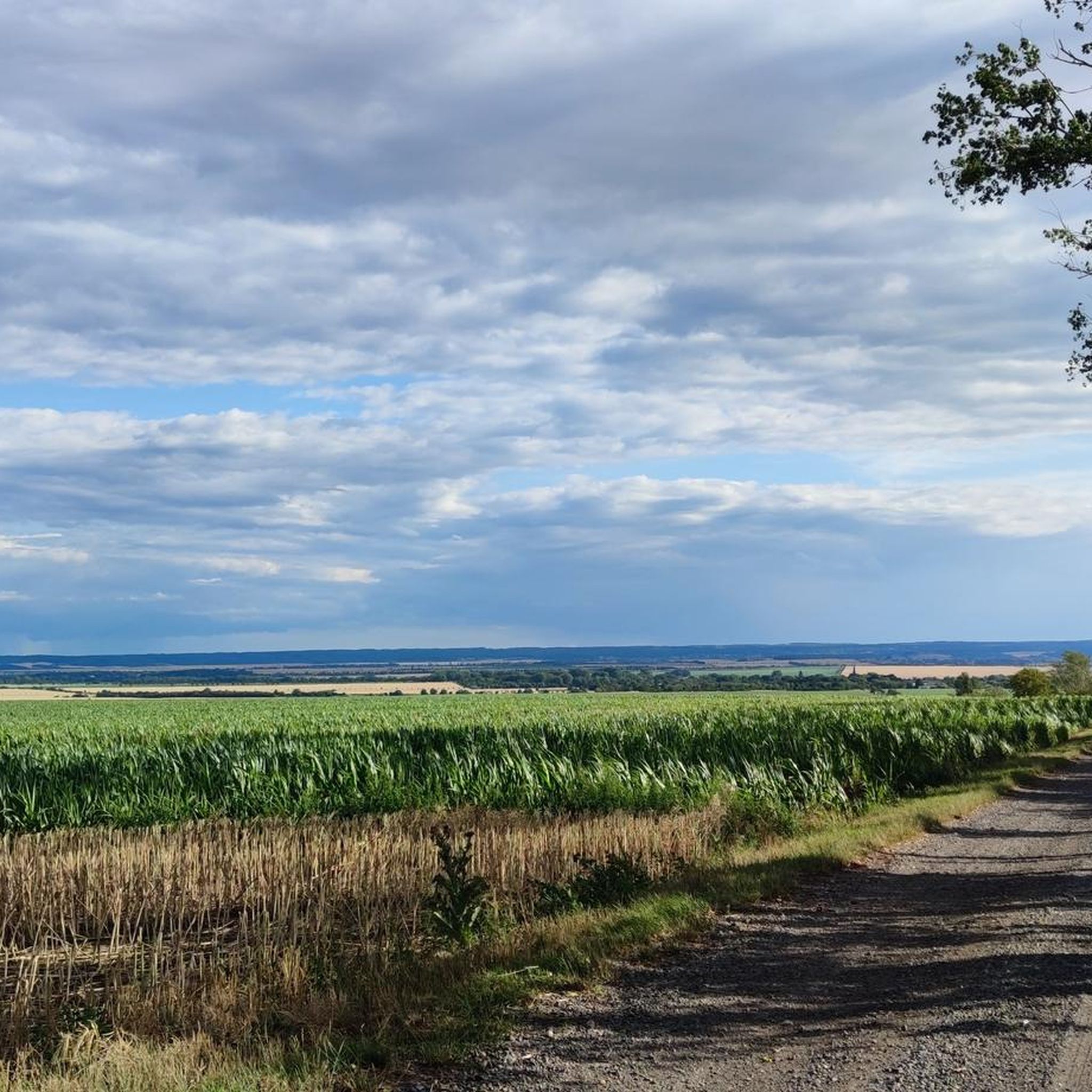
have been a film set in a fairy tale film
3
0


Quedlinburg Castle rises up next to the St. Servatius Collegiate Church on the Stiftsberg hill, which impressively overlooks the World Heritage town of Quedlinburg. Extensive renovation and construction work is currently underway on the buildings of the former women's convent. Visitors will soon be able to enjoy a completely redesigned museum tour through the impressive ensemble of the collegiate church, church treasury and living and representation rooms. The castle museum is not open during the construction period, but the climb up the castle hill is still worthwhile. The St. Servatii Collegiate Church, with its important cathedral treasury and the burial place of King Henry I in the Romanesque crypt, can be visited. A walk through the collegiate gardens on the mountain plateau offers an enchanting view of the historic half-timbered town of Quedlinburg, which can also be enjoyed in the cozy atmosphere of the Schlosskrug restaurant.
9
0

The residential buildings of the castle, i.e. the palace, have been rebuilt many times over the centuries. Only the interior of the medieval castle at the time of the monastery's heyday has remained in its original form. The first stone residential buildings were probably built in the 10th century. In 1928, the city of Quedlinburg acquired the palace and opened the museum in the north wing on May 8, 1929. It is currently closed for renovation.
8
3

In the process of being renovated. You can still visit the exhibition.
7
1
Frequently Asked Questions
What historical significance do the castles around Selke-Aue hold?
The castles in the Selke-Aue region are deeply rooted in history, reflecting periods from the Bronze Age to the Renaissance. For example, Schlossberg and Collegiate Church of St. Servatius (Quedlinburg) offers insights into the Ottonian period with its Romanesque cellar and Bronze Age finds. Burg Falkenstein, though not directly in Selke-Aue, is a prominent 12th-century castle in the wider Harz region, known as the place where the "Sachsenspiegel" (first German law book) was compiled. Konradsburg, originally a fortified complex, later became a Benedictine monastery, showcasing important late Romanesque architecture.
Are there family-friendly castles to visit near Selke-Aue?
Yes, several sites are suitable for families. Schlossberg and Collegiate Church of St. Servatius (Quedlinburg) is listed as family-friendly and offers engaging exhibitions. The nearby Burg Falkenstein features a falconry center with daily flight shows from March to October, which can be a highlight for children. Exploring the well-preserved Hausneindorf Castle, with its Gothic tower, can also be an interesting historical outing for families.
What kind of natural features can I expect to see around these castles?
The castles are often set amidst beautiful natural landscapes, particularly within the Selke Valley. From Domburg Castle Ruins, you'll find yourself in the middle of nature with good hiking trails. Burg Falkenstein offers panoramic views over the Selke Valley. The region is characterized by forests and the scenic Selke river, providing a blend of historical exploration and outdoor enjoyment.
What outdoor activities can I do near the castles?
The region around Selke-Aue is excellent for outdoor activities. You can find numerous hiking trails, especially around sites like Domburg Castle Ruins. For cycling enthusiasts, there are many options, including easy MTB trails like the "Hausneindorf Castle – View of Concordiasee loop" or moderate road cycling routes such as the "Old Town Quedlinburg – Kloster Gröningen Lake loop." You can explore more routes on the MTB Trails around Selke-Aue, Road Cycling Routes around Selke-Aue, and Gravel biking around Selke-Aue guide pages.
Are there specific hiking trails that connect different castles?
While specific multi-castle connecting trails aren't detailed, many castles are situated along or near established hiking paths. For instance, access to Burg Falkenstein is typically via a 1.9-kilometer hike. The area around Domburg Castle Ruins is known for its good hiking trails. You can plan routes that incorporate multiple historical sites using the komoot guides for MTB Trails, Road Cycling Routes, and Gravel biking in the region.
What can I expect to see at Schlossberg and Collegiate Church of St. Servatius in Quedlinburg?
At Schlossberg and Collegiate Church of St. Servatius (Quedlinburg), you can explore the Romanesque cellar with an exhibition from the Ottonian period, offering a glimpse into its early history. The site also features beautifully restored rooms and a museum displaying Bronze Age finds. The castle hill itself, with the collegiate church and abbey, forms a unique ensemble, and the view from the top is highly recommended by visitors.
Is there a castle that also functions as a hotel or offers accommodation?
Yes, Schloss Meisdorf, an 18th-century baroque palace built by the Asseburg family, has been converted into a hotel, the Parkhotel "Schloss Meisdorf." It is considered a top accommodation in the Harz Mountains and features a 12-hectare castle park and an 18-hole golf course nearby. Additionally, the Hagensches Freihaus (Quedlinburg City Palace) in Quedlinburg has been refurbished and now operates as a hotel.
What is unique about Hausneindorf Castle?
Hausneindorf Castle, founded in 1140, is an important historical monument located directly within Selke-Aue. It features a well-preserved square Gothic tower, which is 27 meters high, and still shows traces of a Renaissance spiral staircase. While not always easily accessible, the local Heimatverein (heritage association) looks after the facility, and visits can be arranged by appointment.
Are there any cafes or dining options near the castles?
Yes, for example, Konradsburg features a small café run by volunteers, offering refreshments. In Quedlinburg, near Schlossberg and Collegiate Church of St. Servatius and the Quedlinburg Old Town, you'll find numerous cafes, restaurants, and pubs within walking distance, given its status as a UNESCO World Heritage site with a vibrant town center.
What do visitors enjoy most about the castles and the Selke-Aue region?
Visitors appreciate the rich history and the well-preserved nature of the sites. The unique ensemble of the castle hill with the collegiate church in Quedlinburg and its breathtaking views are frequently mentioned. The opportunity to combine historical exploration with hiking in natural settings, such as around Domburg Castle Ruins, is also a major draw. The region's blend of medieval heritage and scenic landscapes makes it a compelling destination.
Can I visit the site where the 'Sachsenspiegel' was compiled?
Yes, the "Sachsenspiegel," the first German law book, was compiled at Burg Falkenstein between 1220 and 1235. This impressive 12th-century hilltop castle, located above the Selke Valley, is one of the most well-preserved medieval castles in the Harz region and has been a museum since 1946. You can explore its restored rooms and learn about its significant history.
What is the best time of year to visit the castles around Selke-Aue?
The region is generally pleasant to visit from spring to autumn. During these months, the weather is suitable for hiking and exploring the castle grounds and surrounding nature. Burg Falkenstein's falconry shows, for instance, run between March and October. Winter visits can also be charming, especially if you enjoy quiet, snowy landscapes, though some facilities or access might be limited.
Most popular routes around Selke-Aue
Most popular attractions around Selke-Aue

Get inspired with the komoot mobile app


Explore more
Looking for the best castles somewhere else? Discover other guides around Selke-Aue:
