Top 20 Castles around Kemberg
Best castles around Kemberg are found in the surrounding region, which is known for its historical significance and natural landscapes. Kemberg itself is a historic town, and the nearby area in Saxony-Anhalt features several notable castles and palaces. The region is home to UNESCO World Heritage sites, offering a blend of cultural and historical experiences. These sites are situated within a landscape that includes the Düben Heath Nature Park, providing diverse exploration opportunities.
Best castles around Kemberg
- The most popular…
Last updated: November 20, 2026
All Saints' Church (Castle Church), Wittenberg
Highlight • Religious Site
Translated by Google •
Tip by

Wörlitz Castle
Highlight • Castle
In the region, it is often referred to as the "Little White House."
Translated by Google •
Tip by

Sign up now to discover places like this
Get recommendations on the best single tracks, peaks, & plenty of other exciting outdoor places.
Pretzsch Castle
Highlight • Castle
Translated by Google •
Tip by

Wittenberg Castle
Highlight • Castle
Translated by Google •
Tip by

Kapenschlösschen
Highlight • Monument
Translated by Google •
Tip by

Sign up for free to discover even more castles around Kemberg.
Already have an account?
Start today with a free account
Your next adventure awaits.
Popular around Kemberg
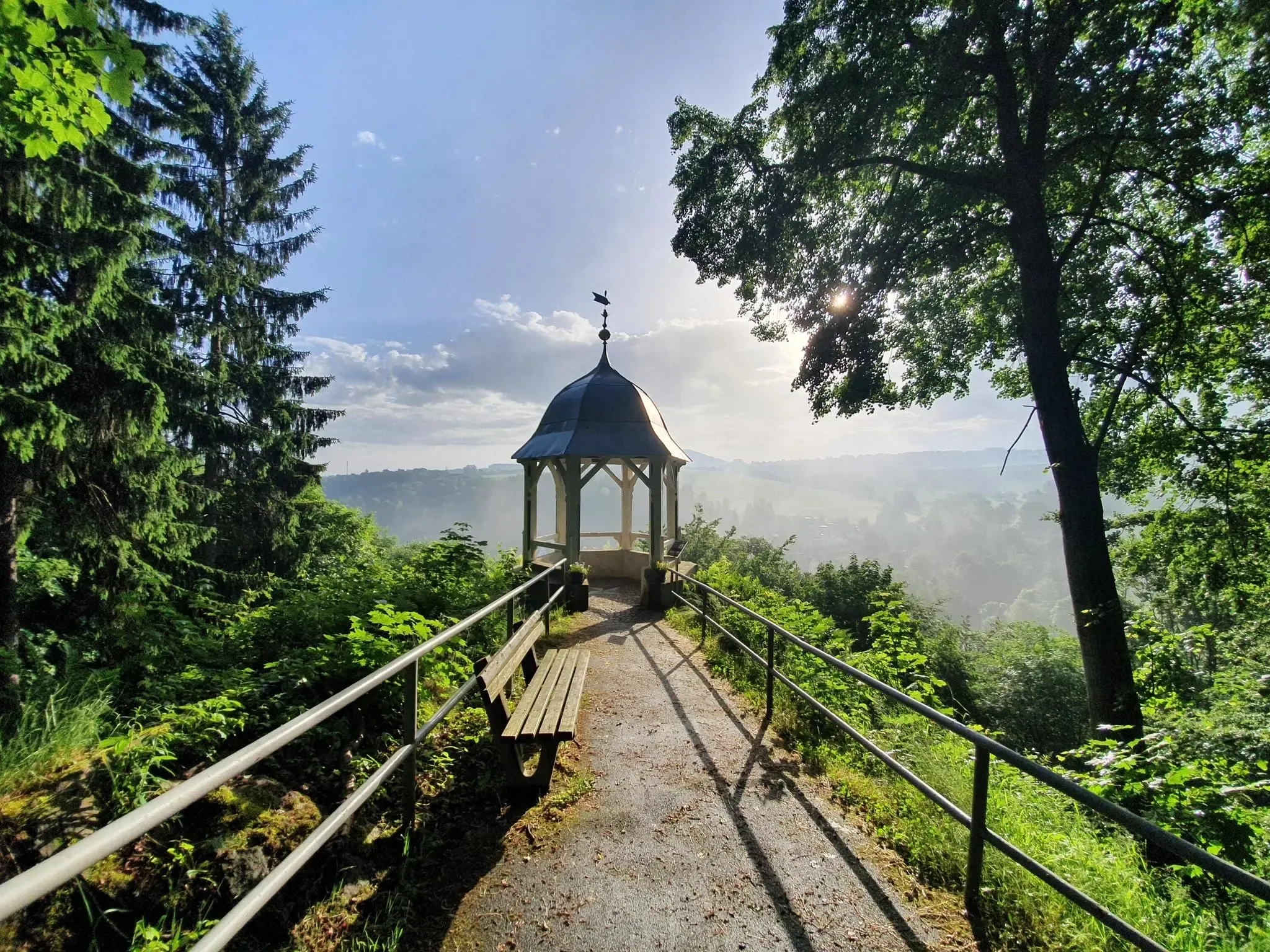
#GoFurther – discover the views of Germany!
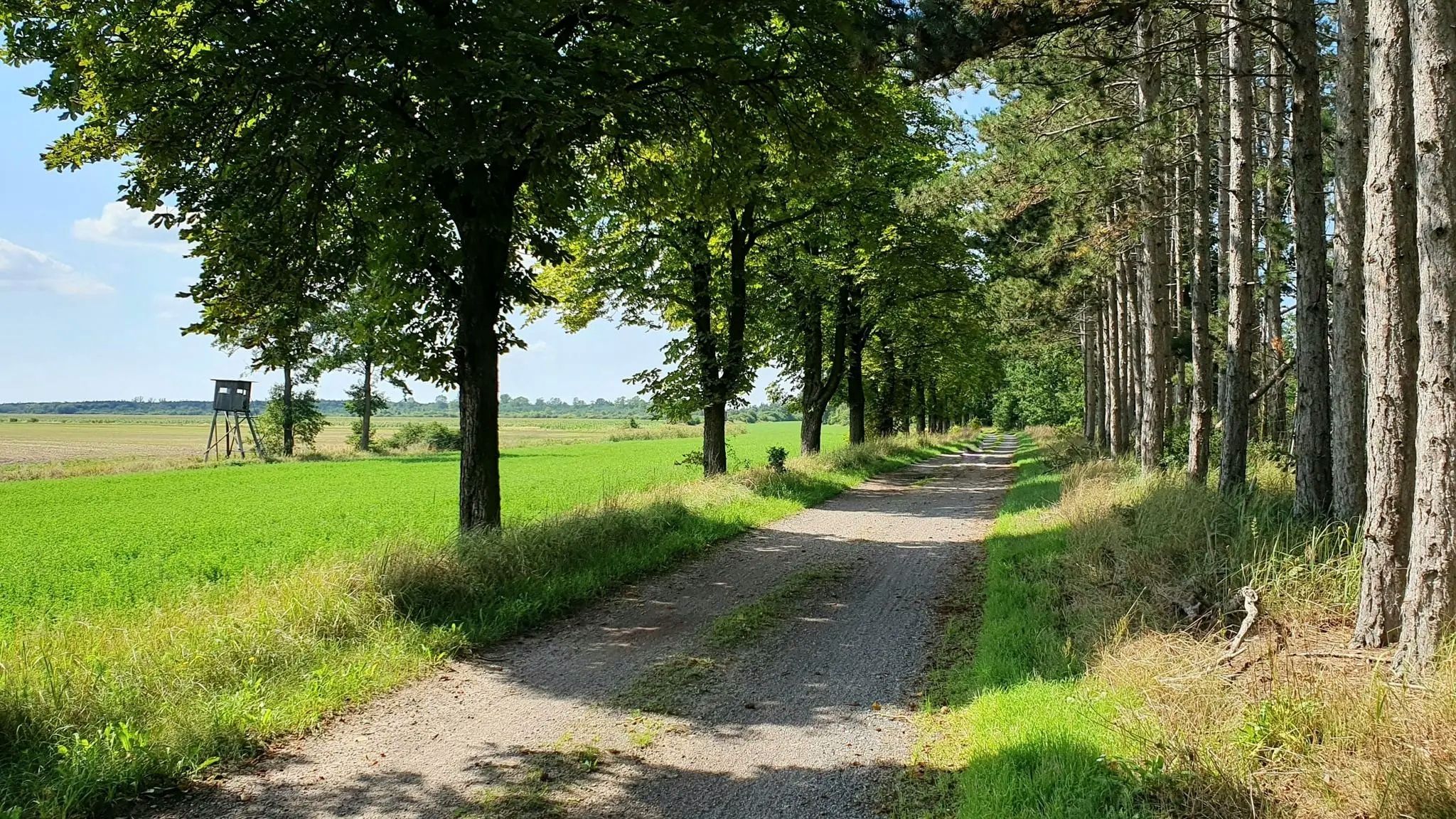
Hike through heath landscapes near Leipzig – Forester's Trail
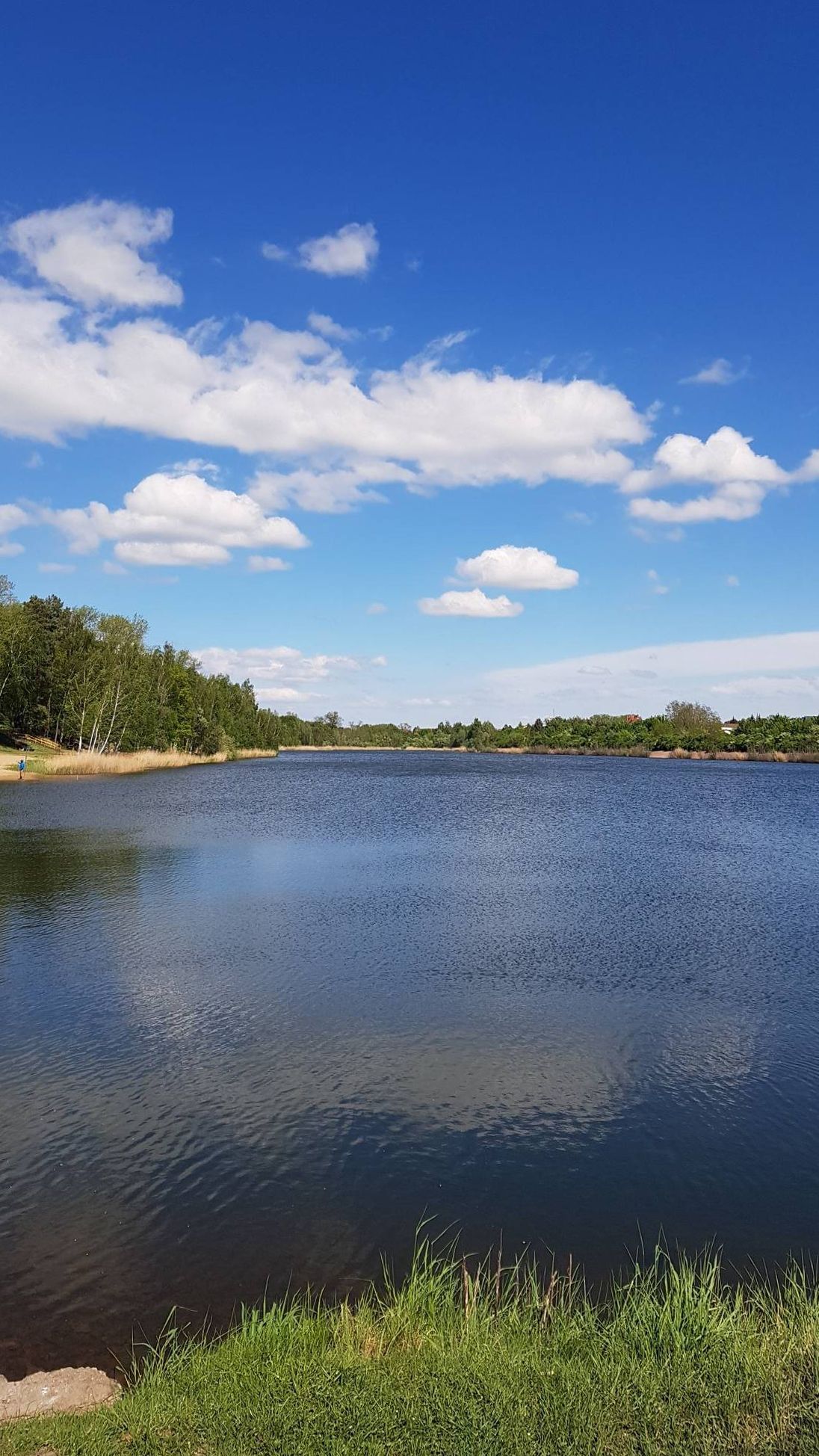
The most beautiful swimming lakes in Saxony-Anhalt
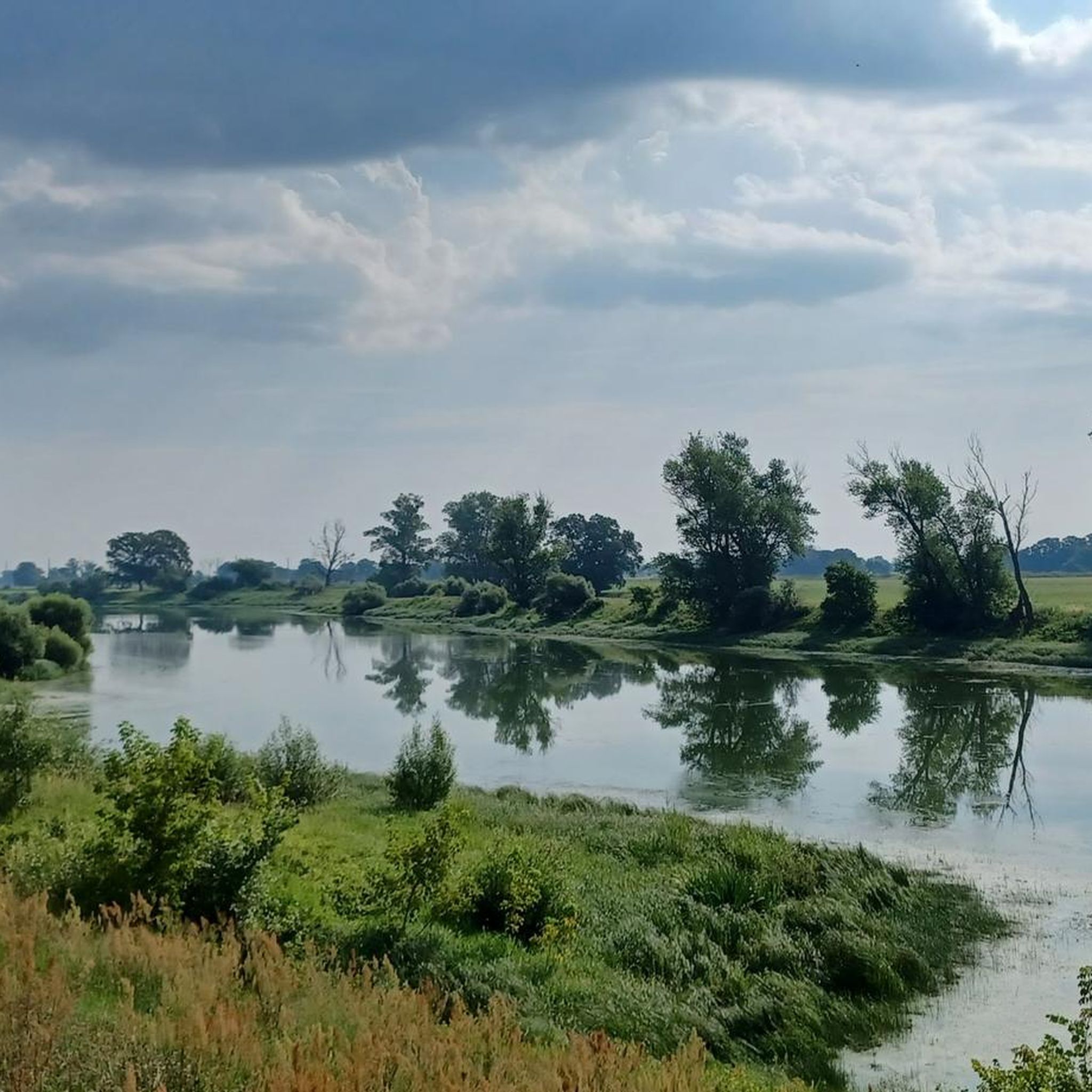
Cycling around Kemberg
Hiking around Kemberg
Road Cycling Routes around Kemberg
Running Trails around Kemberg
MTB Trails around Kemberg
Gravel biking around Kemberg


Tips from the Community

Between Dessau and Roßlau, it flows into the Mulde, which in turn flows into the Elbe just a few hundred meters further on. The expansion of the Kapengraben and the drainage of former marsh and swamp areas at the beginning of the 18th century enabled the agricultural use of these areas and, consequently, the development of the villages of Kakau and Horstdorf. In the past, a large number of water mills (including Kapenmühle, Kakauer Mühle, Brückmühle, Müchauer Mühle, Gartenmühle, Hainmühle, Vehsenmühle, Birnbaummühle, Buchholzmühle, Fahringsmühle, Breitewitzer Mühle) were also powered here. For this purpose, storage ponds were created in some cases. The Steingruben-Mühle fell victim to the Golpa-Nord open-cast mine and the Teichdamm-Mühle to the Gröbern open-cast mine. In some sections, the Kapengraben is also used as a fishing water (GW 8-183-13). Source https://de.wikipedia.org/wiki/Kapengraben
1
0
The Kapengraben is a stream in the Dübener Heide. It originates near Oranienbaum from the confluence of the Mühlgraben from the direction of Gräfenhainichen and the Schrotemühlenbach from the direction of Selbitz. The stream gets its name from the former Kapen forest area west of Oranienbaum. The entire stream system around the Kapengraben drains these parts of the heath via the Mulde and Elbe rivers into the North Sea. The largest part of the Kapengraben's catchment area is located in the Middle Elbe Biosphere Reserve. The central administrative headquarters of the biosphere reserve is the Kapenschlösschen, located directly on the Kapengraben between Dessau and Oranienbaum. The information center is located at the access road from the B 107 federal highway. Near Vockerode, the Kapengraben passes under the A 9 motorway; a barrier and a pumping station directly at the motorway protect the hinterland here from flooding from the Mulde and Elbe rivers. Source https://de.wikipedia.org/wiki/Kapengraben
1
0

The Wörlitzer 🏰 was built between 1769 and 1773 by Friedrich Wilhelm von Erdmannsdorff. In the region, it is often referred to as the "Little White House."
22
0
The Kapenschlösschen, also called Jagdhaus Kapen.
3
0
The Castle Church is located in the west of the old town of Wittenberg at the end of the Castle Street coming from the market. It is structurally connected to Wittenberg Castle and forms the northern side wing of the castle's three-wing complex, which is open to the east. Access to the church is via its north side. The church is not strictly oriented towards the east. Its longitudinal axis deviates from the east direction by about 14 degrees to the south. Source https://de.wikipedia.org/wiki/Schlosskirche_(Lutherstadt_Wittenberg)
7
0
Built in 1902 by Duke Friedrich Franz of Anhalt
4
0
Frequently Asked Questions
What are the most historically significant castles to visit near Kemberg?
The region around Kemberg is rich in history. Two particularly significant sites are All Saints' Church (Castle Church), Wittenberg, famous as the place where Martin Luther posted his 95 Theses, and Wörlitz Castle, Germany's first Neoclassical castle with remarkably preserved 18th-century interiors. Both are UNESCO World Heritage sites.
Are there family-friendly castles or historical sites around Kemberg?
Yes, several castles and historical sites in the area are suitable for families. All Saints' Church (Castle Church), Wittenberg, Wörlitz Castle, Pretzsch Castle, Wittenberg Castle, and Klöden Castle are all noted as family-friendly destinations, offering historical insights and often pleasant grounds to explore.
Can I find cafes or refreshments at or near the castles?
Yes, some castles offer amenities. Pretzsch Castle has a cozy café with outdoor seating, especially welcoming for cyclists. Klöden Castle also features a recommended restaurant and a small beer garden in its courtyard.
What kind of views can I expect from the castles?
Many castles offer excellent viewpoints. From the tower of Wittenberg Castle, you can enjoy a unique view over Wittenberg and the surrounding nature parks. The 88-meter-high tower of All Saints' Church (Castle Church), Wittenberg is also visible from afar and offers panoramic views.
Are there any castles with unique architectural styles?
Absolutely. Wörlitz Castle stands out as Germany's first Neoclassical castle, built between 1769 and 1773. Pretzsch Castle showcases the Saxon Renaissance style, with expansions and rebuilds in the Dresden Baroque era, giving it a distinctive appearance from around 1700.
What outdoor activities can I do near these castles?
The region around Kemberg offers various outdoor activities. You can find numerous running trails, such as the 'View of Bergwitzsee' loops, and gravel biking routes like the 'Wonderful gravel route – Rabenstein Castle' loop. There are also MTB trails, including routes around Lake Bergwitz. For more details, explore the Running Trails around Kemberg, Gravel biking around Kemberg, and MTB Trails around Kemberg guides.
What is the best time of year to visit the castles around Kemberg?
While specific seasonal opening hours vary by castle, the region is generally pleasant to visit from spring through autumn. The Wörlitz Garden Realm, which includes Wörlitz Castle, is particularly beautiful when the gardens are in bloom. Winter visits can offer a different, quieter charm, especially for historical sites like the Castle Church in Wittenberg.
Are there any unique features or stories associated with the castles?
Yes, many castles have fascinating stories. All Saints' Church (Castle Church), Wittenberg is famous for Martin Luther's 95 Theses. Klöden Castle has a 'Hexenkeller' (Witch's Cellar) museum, as it's where the last witch of Central Germany was reportedly burned at the stake in 1747.
What can I expect at <a href="https://www.komoot.com/highlight/88049" target="_blank" rel="noopener">Klöden Castle</a>?
Klöden Castle is a Renaissance-style castle that houses a museum, including the unique 'Hexenkeller'. There's also a recommended restaurant and a small beer garden in the courtyard. The castle is maintained with significant community effort, making it a charming and historically rich visit.
How long should I plan for a visit to a castle?
The duration of a visit can vary. For a significant historical site like All Saints' Church (Castle Church), Wittenberg or Wörlitz Castle, especially if exploring the surrounding gardens or town, you might want to allocate half a day or more. Smaller castles like Pretzsch Castle or Klöden Castle might be explored in 1-2 hours, depending on your interest in their specific features and amenities.
Are there any castles that are particularly good for photography?
Many castles offer picturesque scenes. Wörlitz Castle, set within the beautiful Wörlitz Garden Realm, provides stunning architectural and landscape photography opportunities. The impressive 88-meter-high tower of All Saints' Church (Castle Church), Wittenberg is also a popular photographic subject, especially with its neo-Gothic dome.
What is the significance of the Wörlitz Garden Realm?
The Wörlitz Garden Realm, which encompasses Wörlitz Castle, is a UNESCO World Heritage site. It is one of the earliest and largest English landscape parks in Germany and continental Europe. It was created in the late 18th century and features a harmonious blend of architecture, art, and nature, reflecting the ideals of the Enlightenment.
Most popular routes around Kemberg
Most popular attractions around Kemberg

Get inspired with the komoot mobile app


Explore more
Looking for the best castles somewhere else? Discover other guides around Kemberg:
